Call us or make an online inquiry for a quick cost estimate.

May 8, 2026
Why Is My AC Not Cooling Properly? Causes and Solutions
Key Takeaways
- Dirty filters and blocked outdoor units are the leading causes of AC failure in Dubai, restricting airflow and heat dissipation.
- Low refrigerant levels signal a leak that requires professional repair, as simply adding gas won’t fix the underlying issue.
- Lowering the thermostat to 16°C won’t cool faster; it only strains the system, so aim for 23°C to 24°C for efficiency.
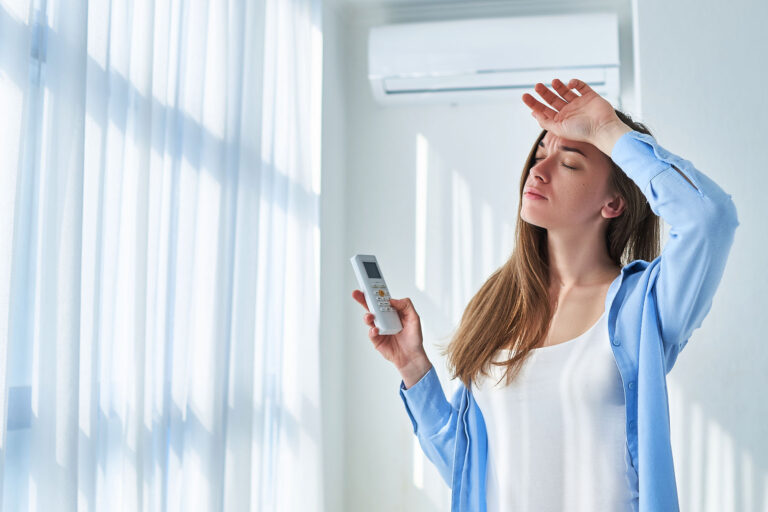
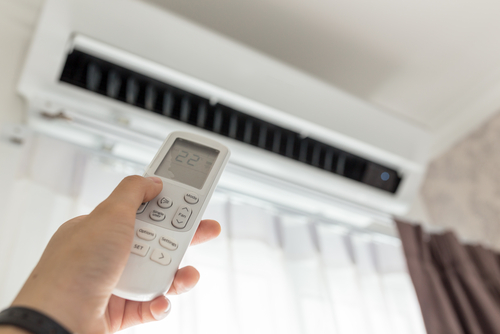
The intense heat of a Dubai summer makes a functional air conditioning system a fundamental necessity. When you set your thermostat to a cool 22°C but the indoor temperature continues to climb, the frustration can be immediate. Understanding the specific reasons why your AC is not cooling effectively is the first step toward restoring the sanctuary of your home.
In the UAE, cooling systems face unique environmental stressors ranging from fine desert sand to extreme humidity. These factors often lead to a home AC unit not cooling to its full potential. This guide breaks down the most frequent technical failures and provides actionable solutions to get your system back to peak performance.
Understanding Why Your AC Is Not Cooling

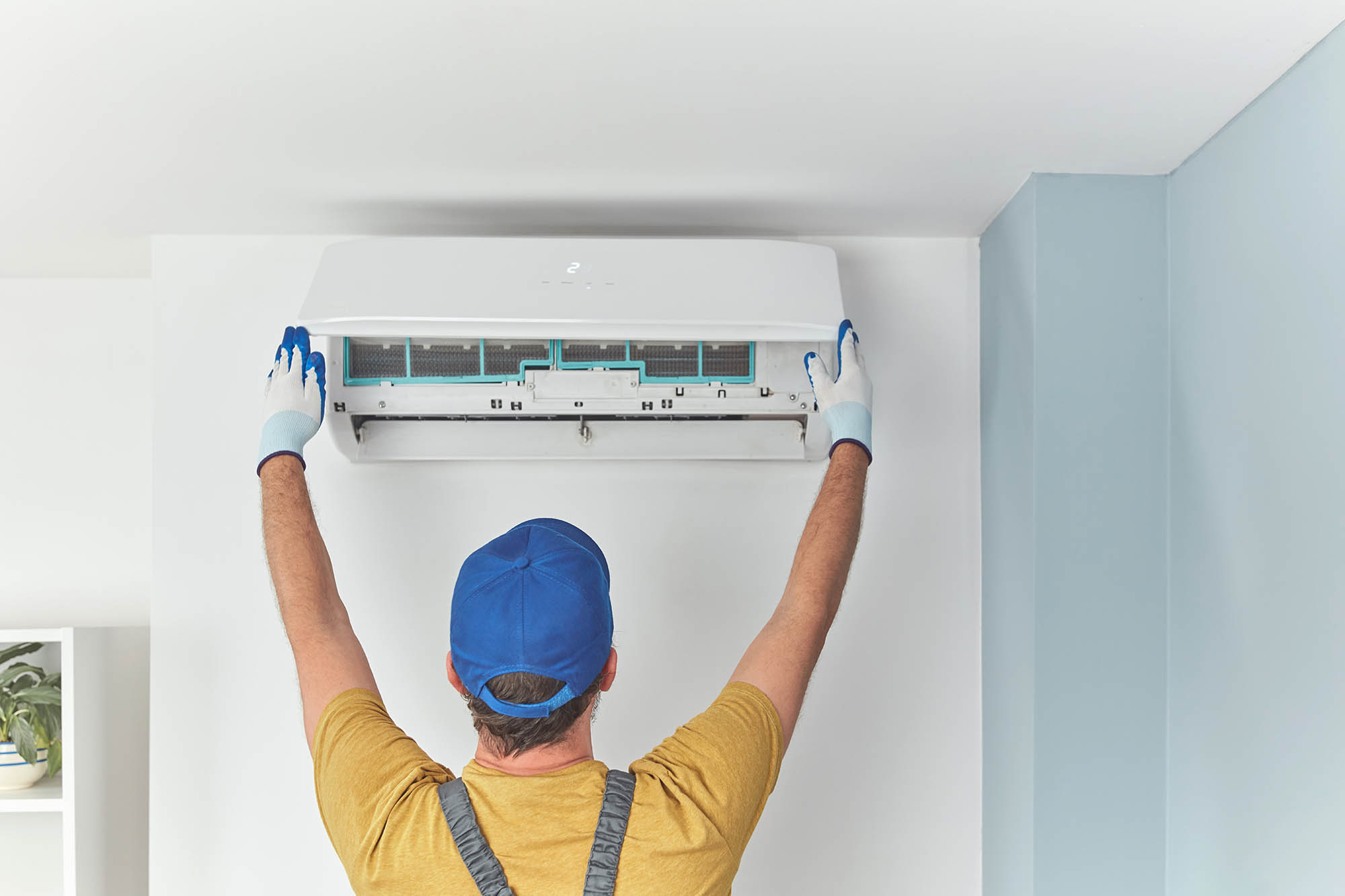
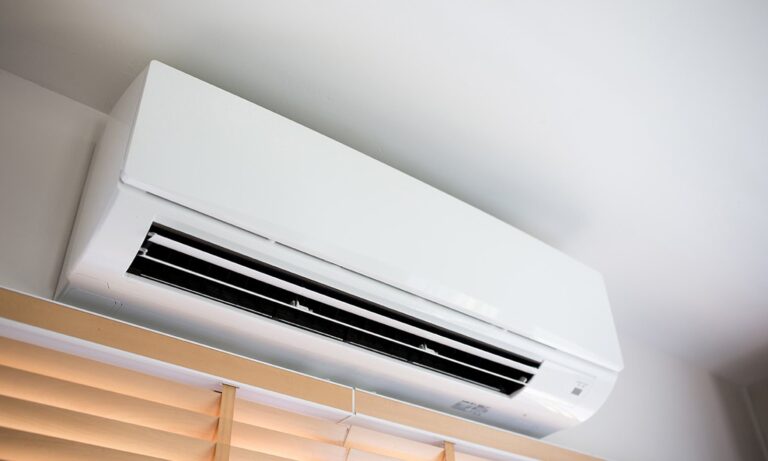
When a home AC unit not cooling becomes an issue, the problem usually falls into one of three categories. These are airflow restriction, mechanical failure, or thermostat issues. Identifying which one is affecting your unit can save you hours of discomfort and unnecessary expense.
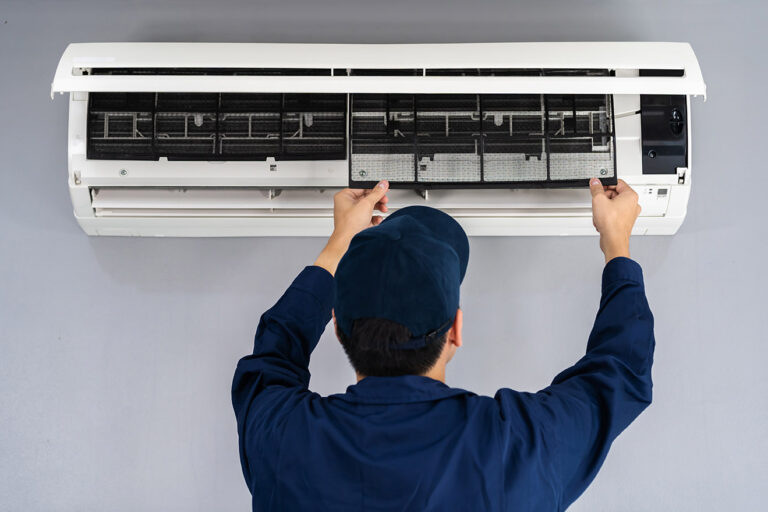
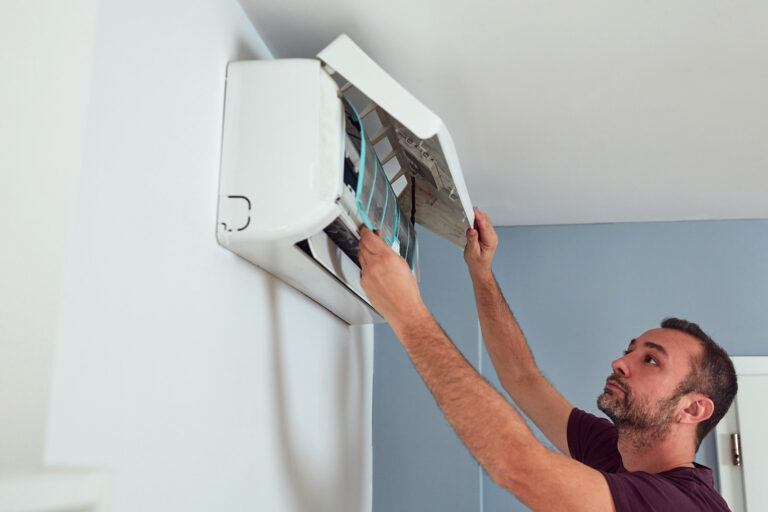
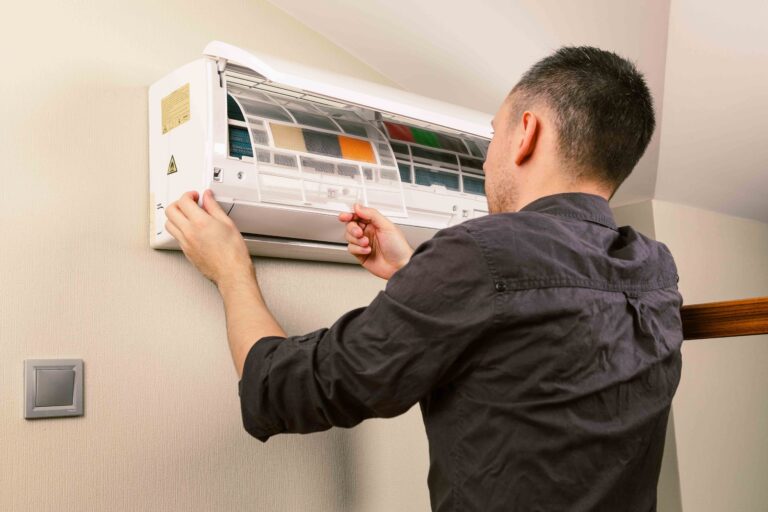
Clogged and Dirty Air Filters
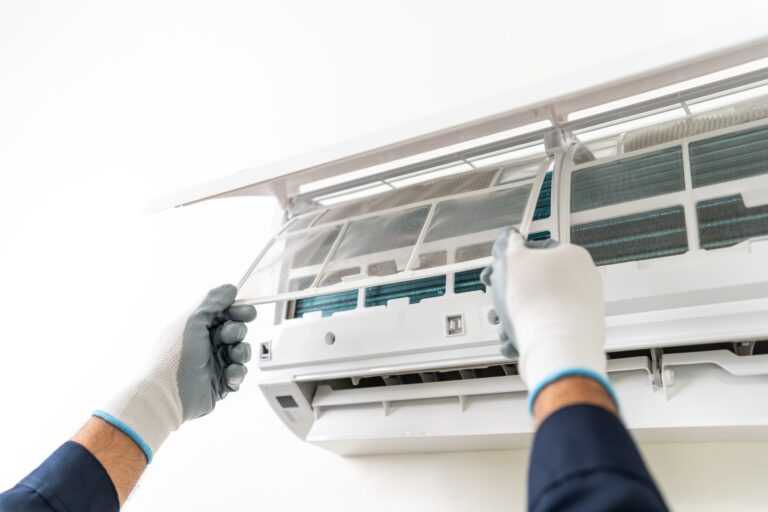
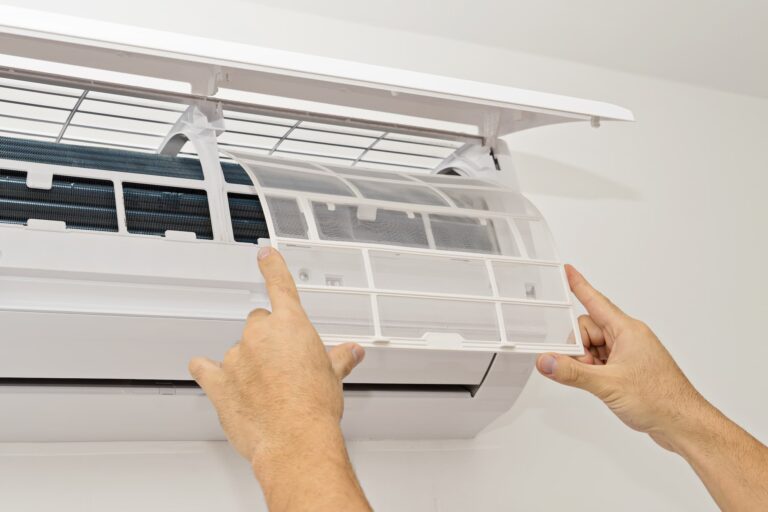
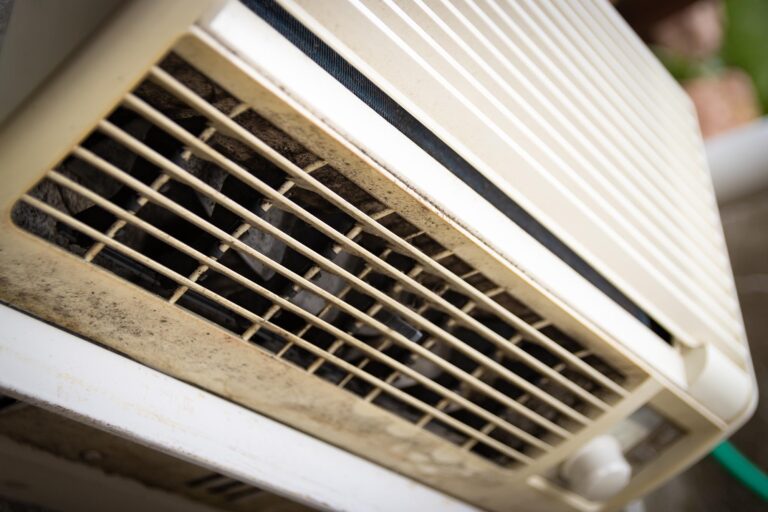
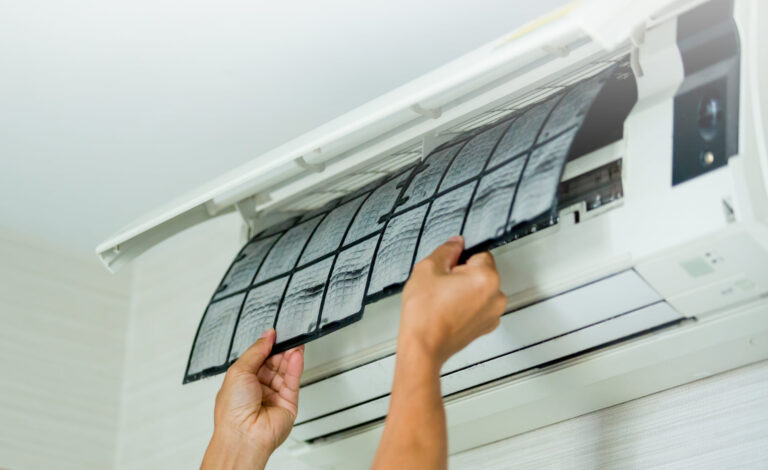
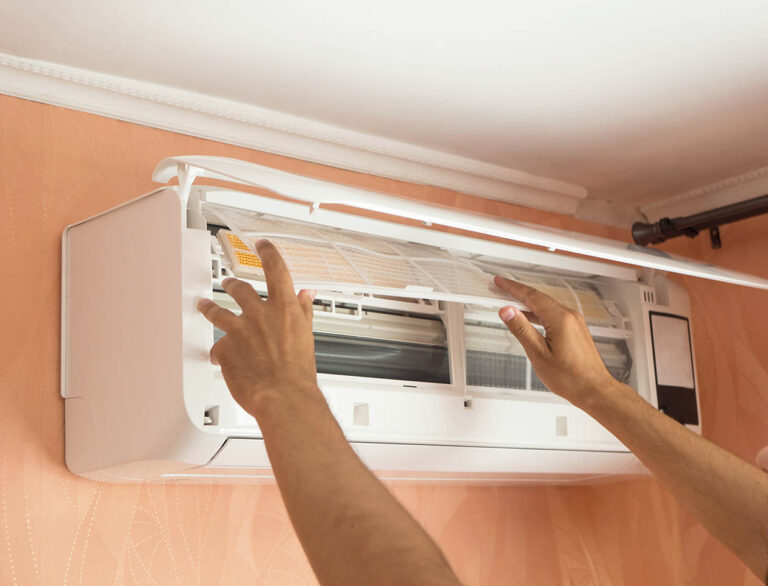
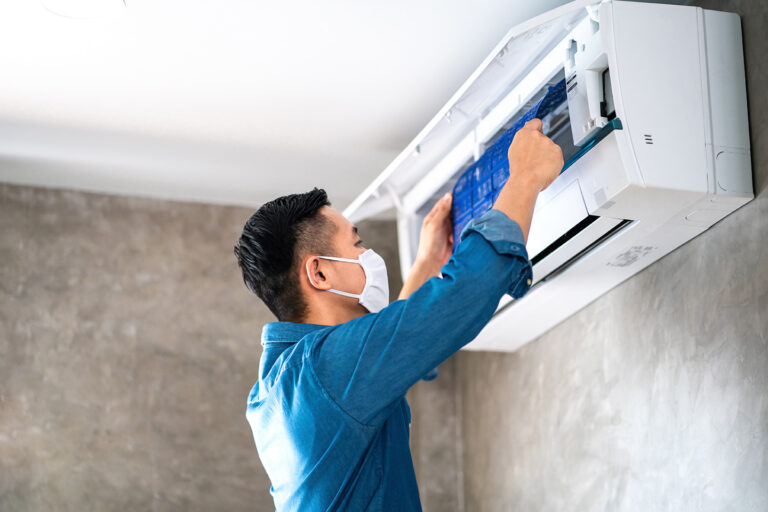
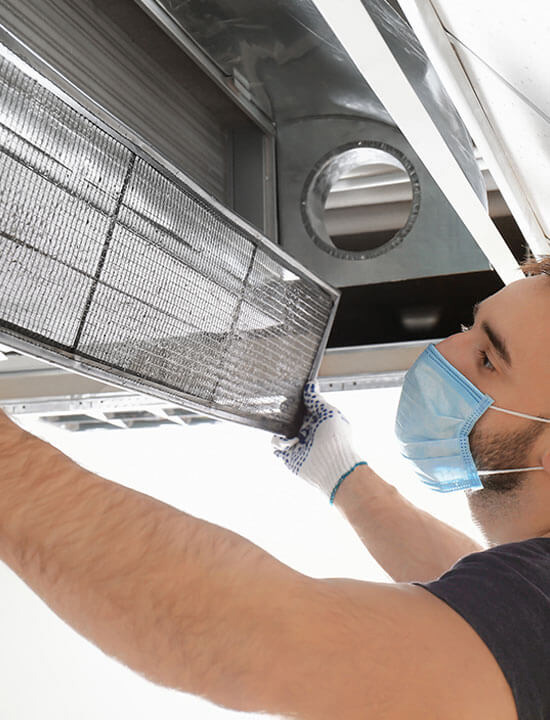
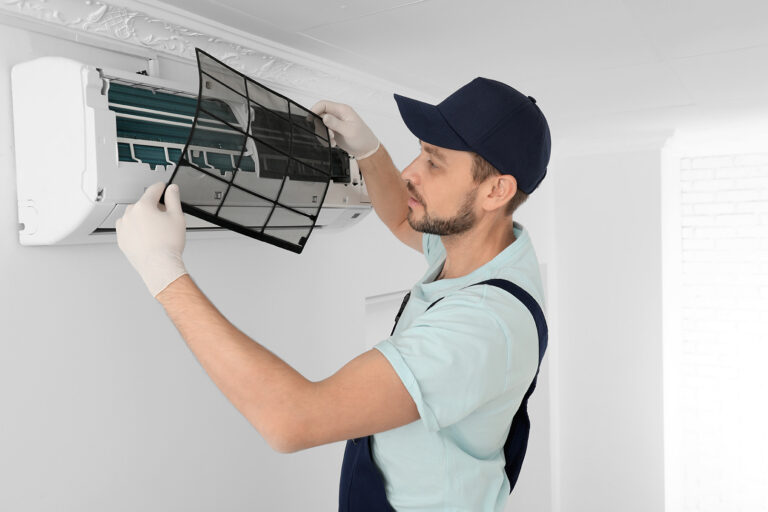
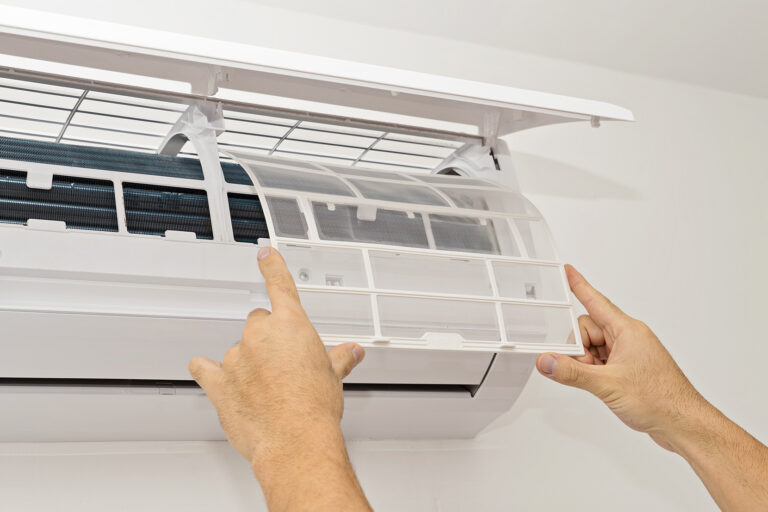
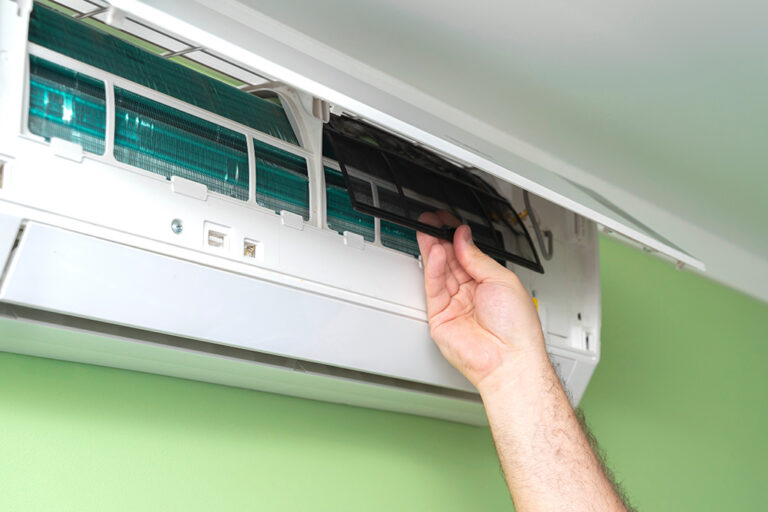
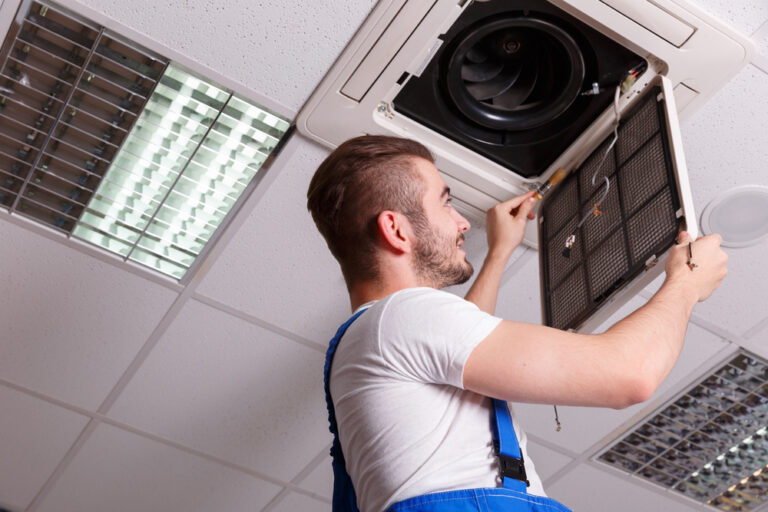
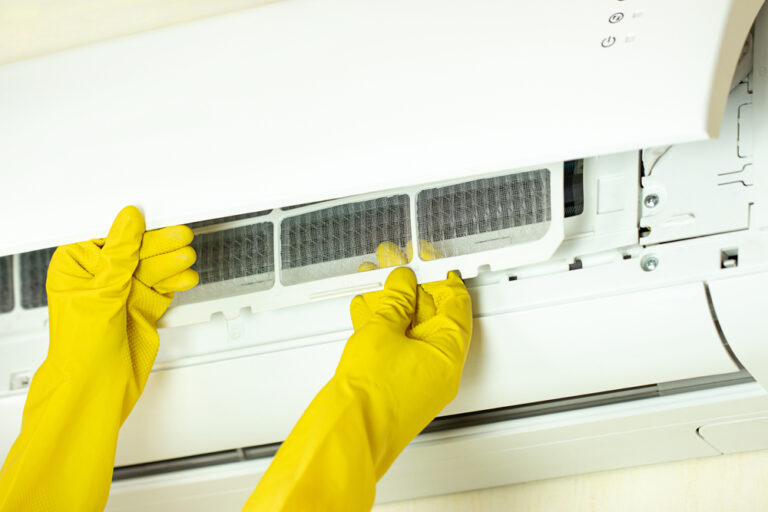
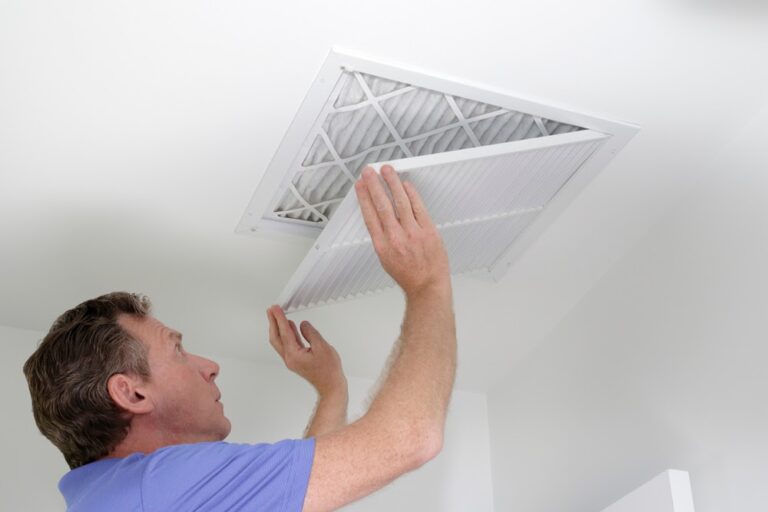
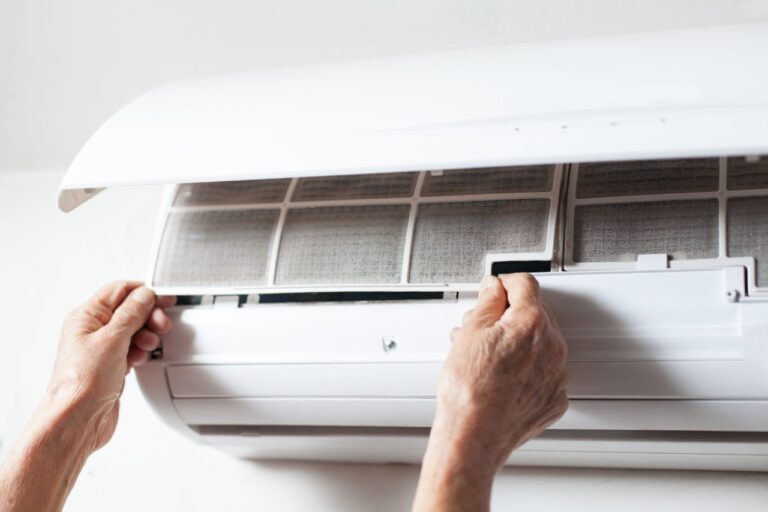
The most common of all causes of ac not cooling is a neglected air filter. In Dubai, filters trap significant amounts of dust and sand every single day. When a filter is clogged, the air handler cannot pull enough air across the evaporator coils. This restricts the volume of chilled air entering your rooms. Over time, this suffocating effect can cause the system to shut down entirely to prevent the motor from overheating. It is the easiest fix, yet it is the most frequent reason for a performance drop.
Incorrect Thermostat Settings
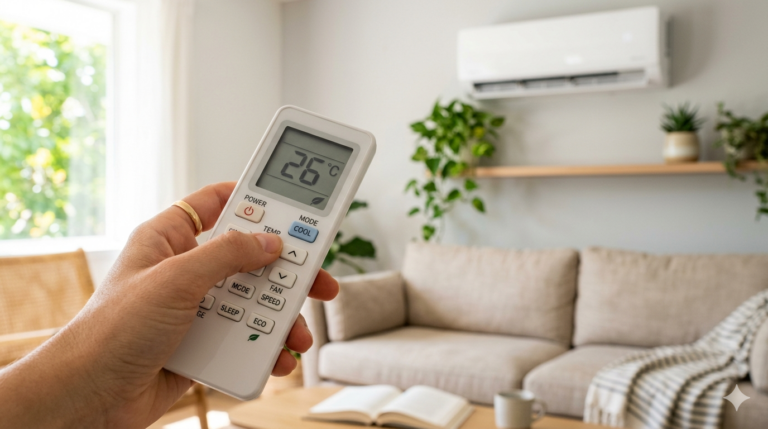
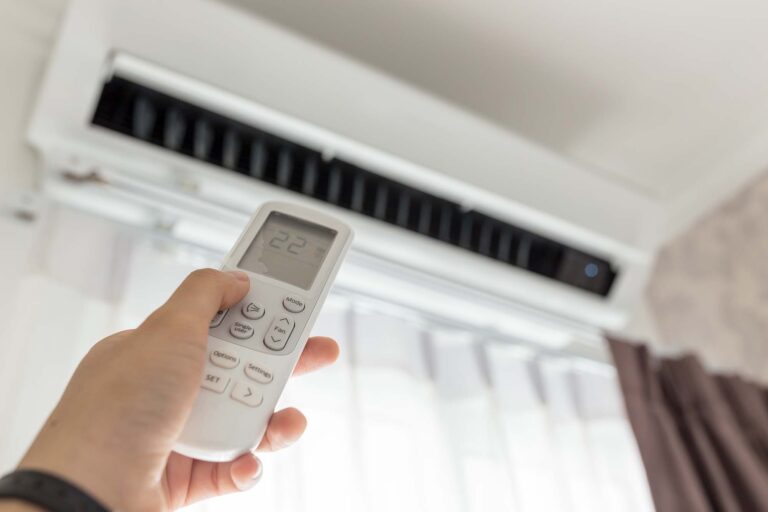
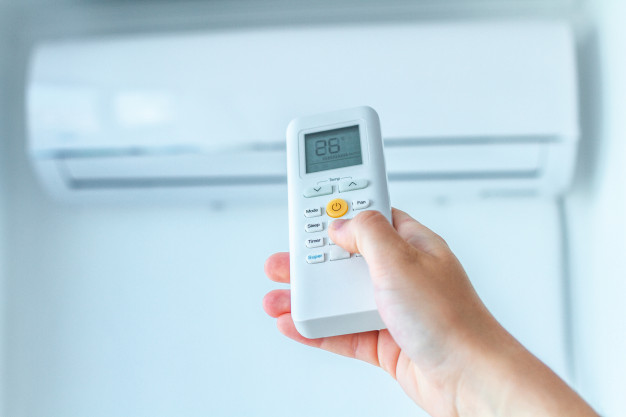
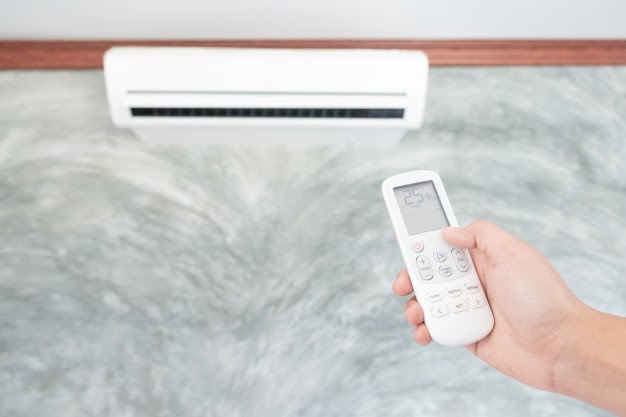
Before assuming a major mechanical break, check the brain of the system. Ensure the thermostat is set to Cool and the fan is set to Auto rather than On. If the fan is constantly running, it may blow unconditioned air during the periods when the compressor is resting. This leads to the sensation that the ac not cooling properly even though the unit is technically powered on. A simple setting adjustment can often resolve what feels like a major cooling crisis.
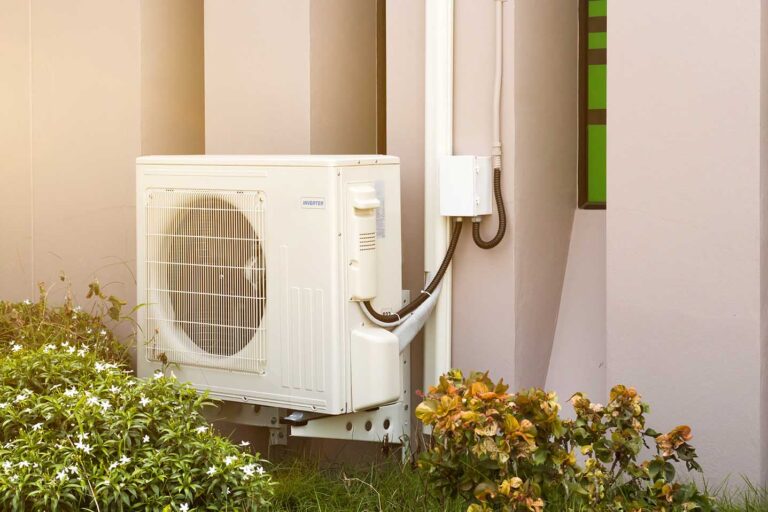
Blocked Outdoor Condenser Unit
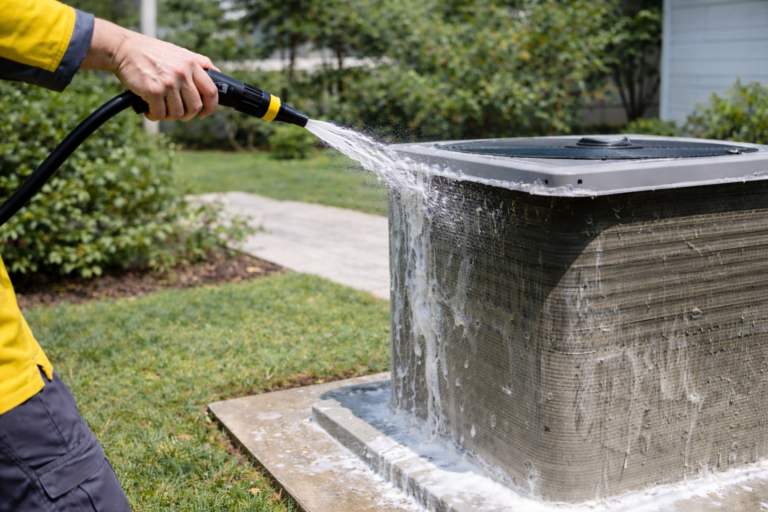
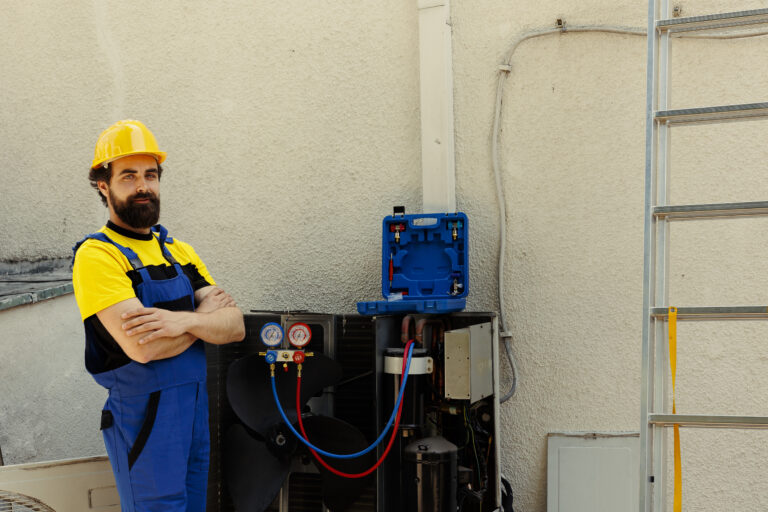
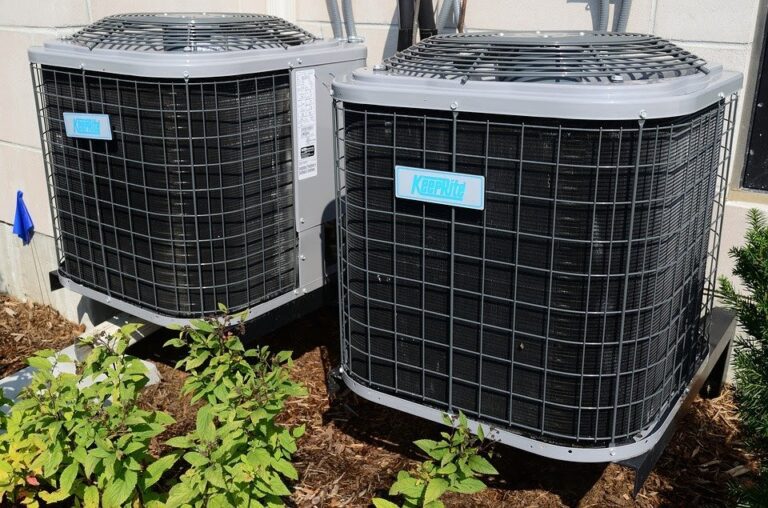
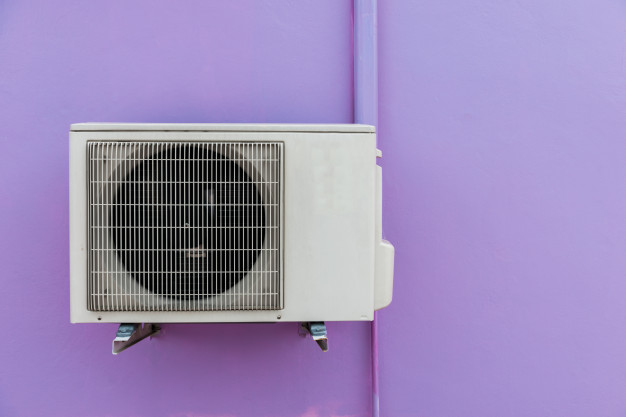
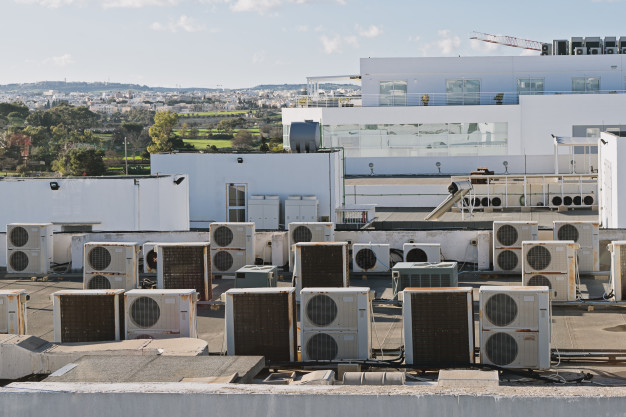
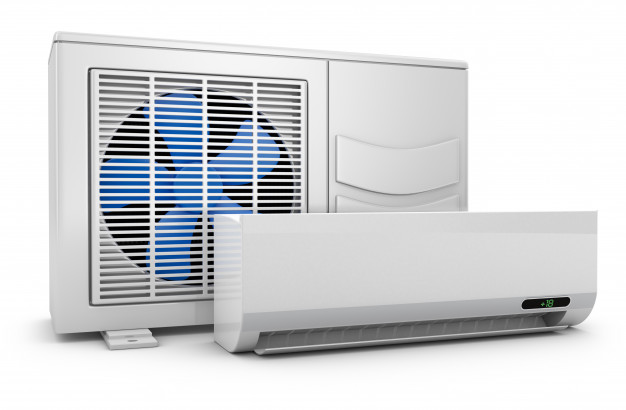
The outdoor unit is responsible for dissipating the heat removed from your home. If the condenser coils are caked in grime or if garden furniture and debris are blocking the unit, it cannot breathe. This causes the compressor to overheat and trip. This is a primary reason why your AC is not cooling despite the indoor unit running and blowing air. The heat essentially has nowhere to go, so it stays trapped within the system cycle.
Common Causes of Poor AC Cooling
If basic checks do not resolve the issue, the problem likely lies within the internal refrigeration cycle or the electrical components that power it. These require a bit more technical insight to diagnose correctly.
Low Refrigerant Levels
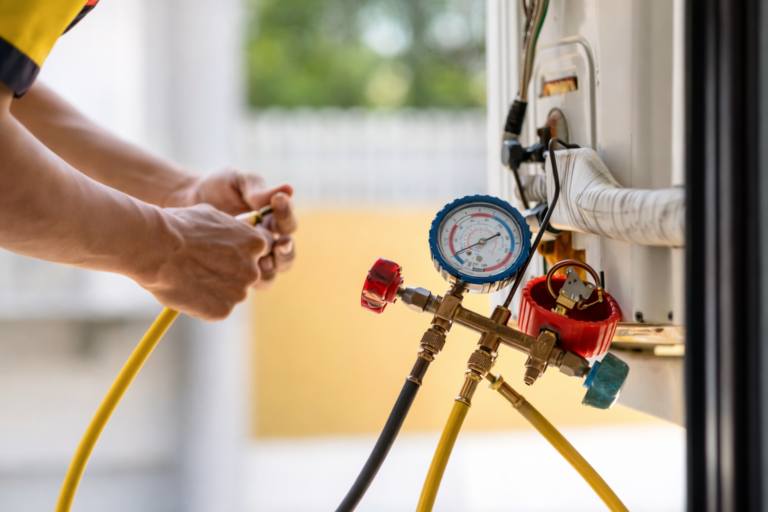
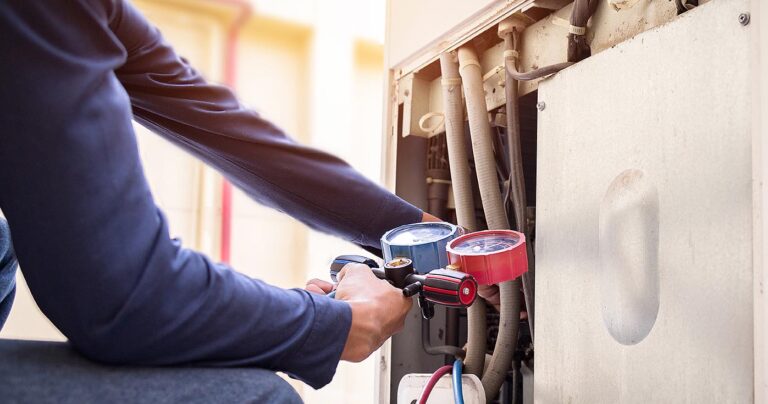
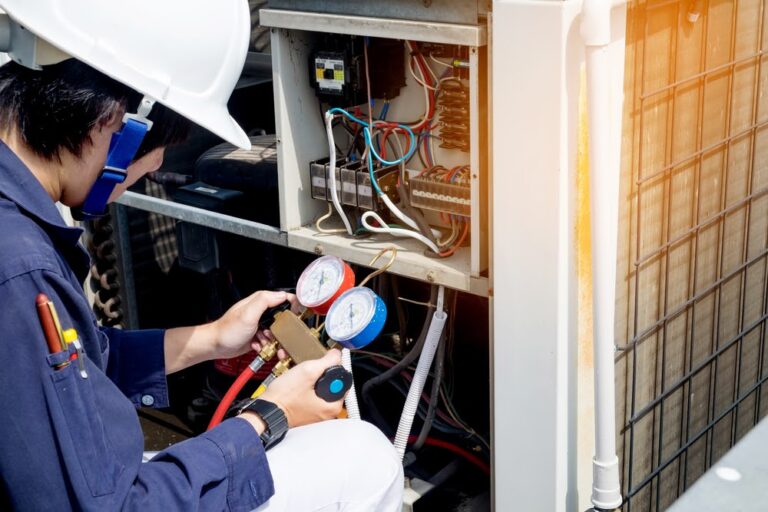
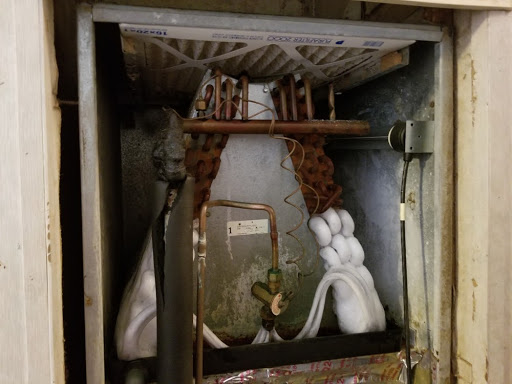
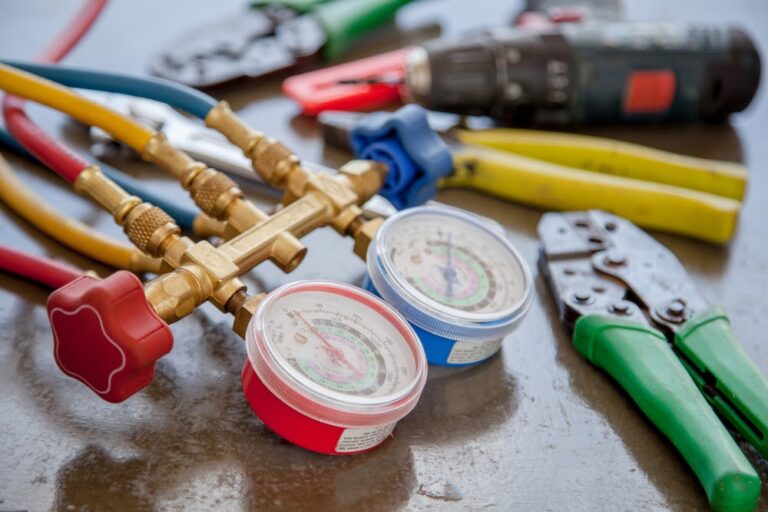
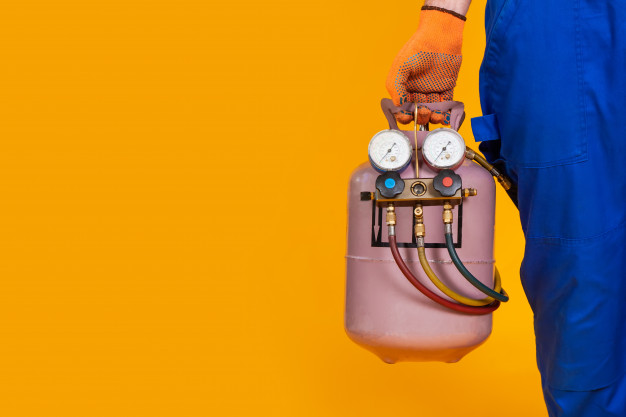
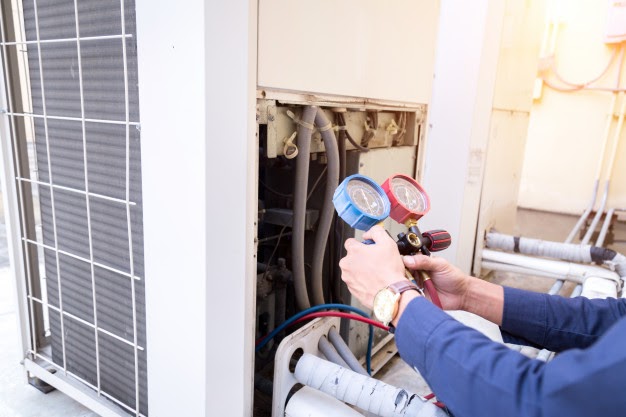
Refrigerant is the medium that carries heat out of your home. If your AC unit not cooling is accompanied by a hissing sound or ice buildup on the copper pipes, you likely have a leak. Because AC systems are closed loops, low gas levels always indicate a breach that requires professional sealing.
Simply topping up the gas is a temporary fix that does not address the root problem. You can read more about the properties of cooling gases to understand how this chemical balance affects your comfort.
Faulty Capacitor or Compressor
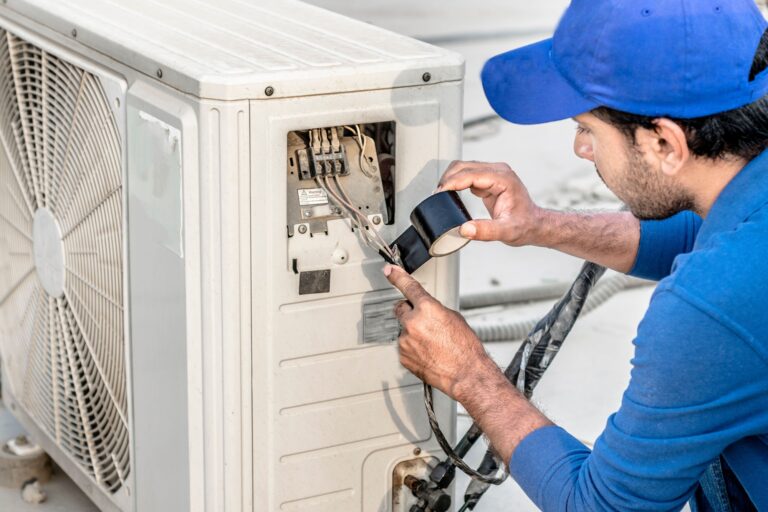
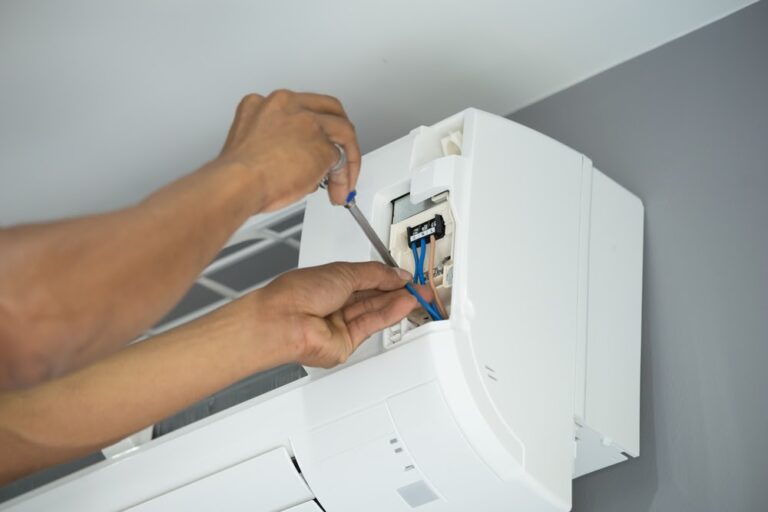
The capacitor acts like a battery that gives the compressor the push it needs to start up. In the extreme UAE heat, capacitors often fail due to electrical stress. If you hear a humming sound from the outdoor unit but the fan isn’t spinning, the capacitor is likely burnt out.
Without a functional compressor, the system simply cannot produce cold air. This is a common hardware failure that happens when a system is pushed to its limits during a July or August heatwave.
How to Fix an AC Not Cooling Properly
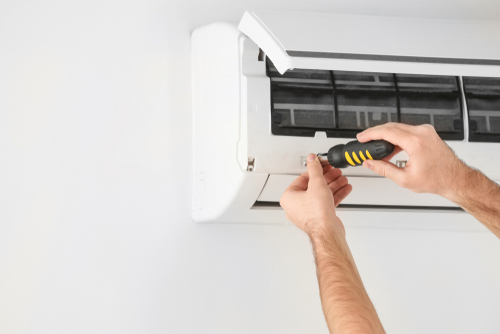
While some repairs require a certified engineer, homeowners can take several steps to troubleshoot and resolve minor performance dips before calling for help.
-
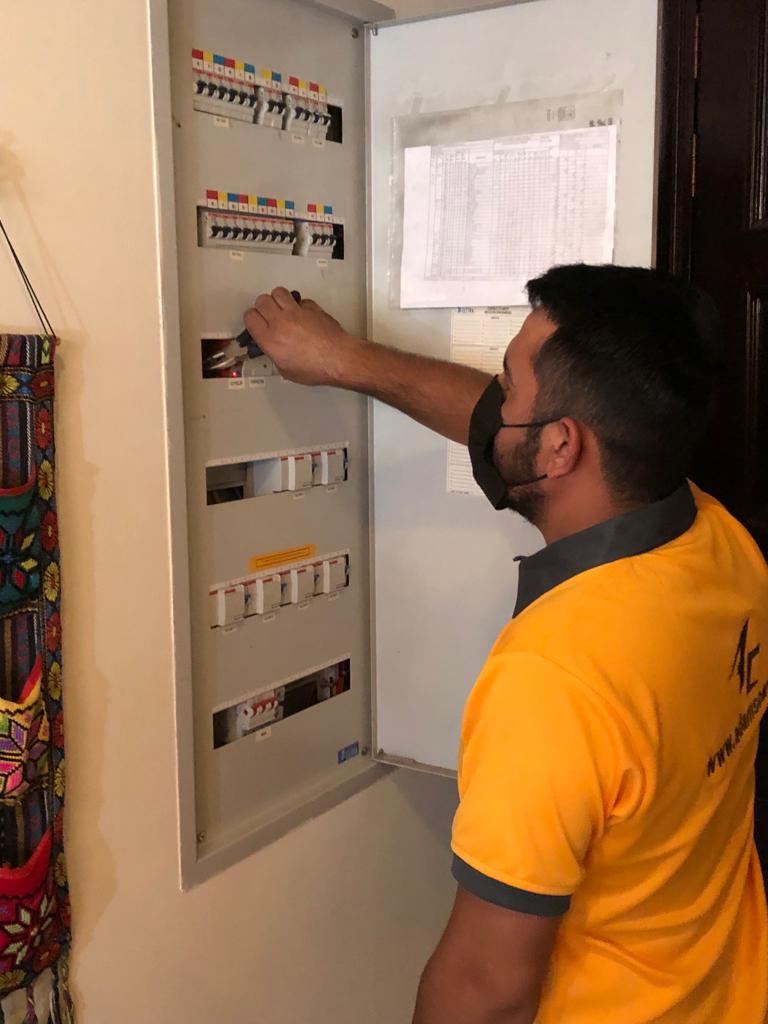
Reset the Circuit Breaker
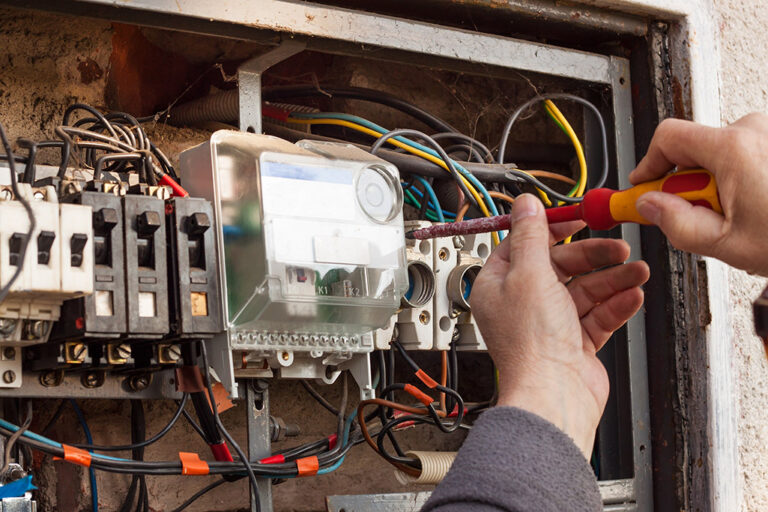
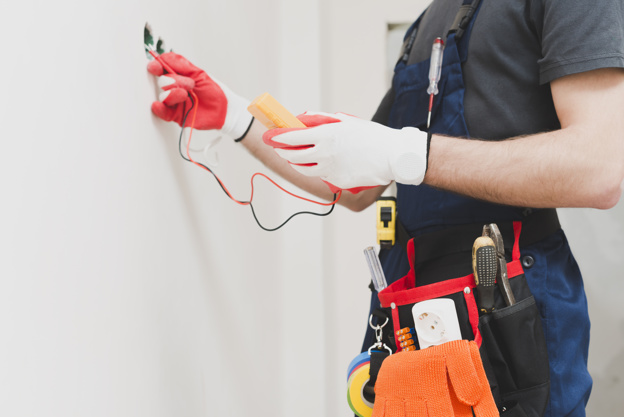
Sometimes a power surge or a high grid load during a Dubai heatwave can trip the AC’s dedicated breaker. Check your distribution board. If the switch is down, flip it back up once.
However, if it trips again immediately, do not force it. This indicates a dangerous electrical short or a component failure that needs an expert eye to ensure your home stays safe from electrical fires.
-
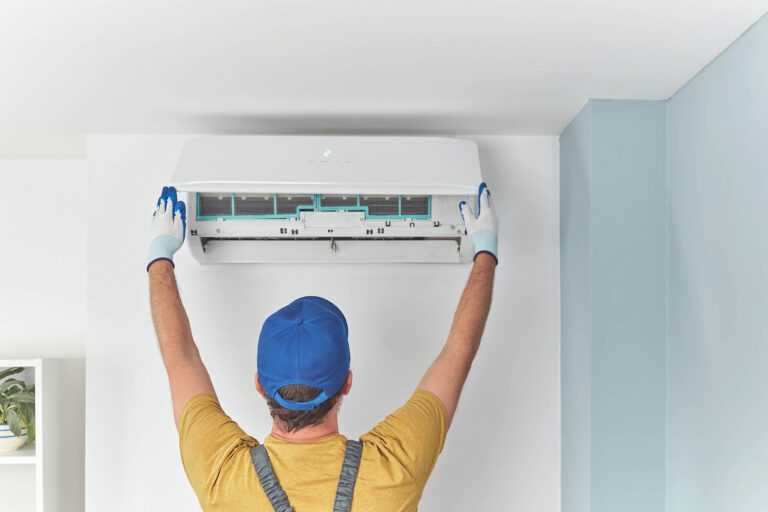
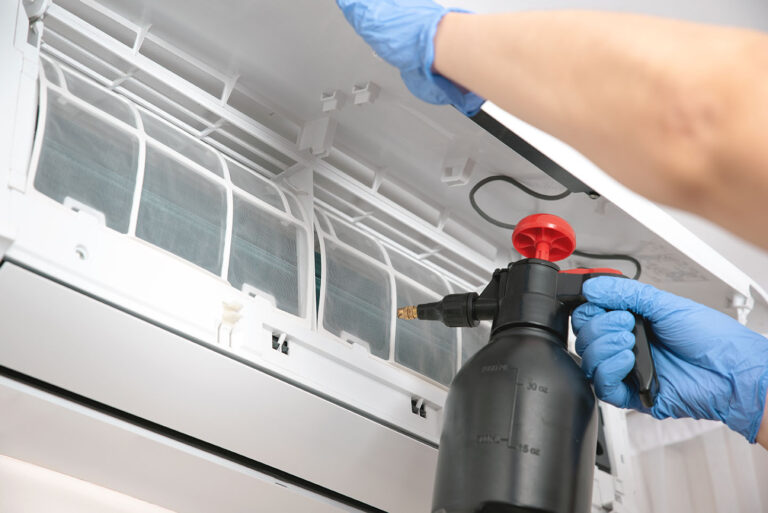
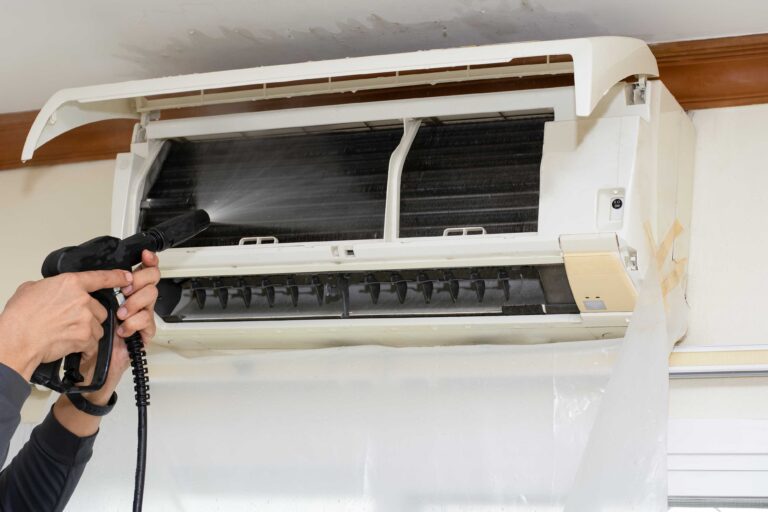
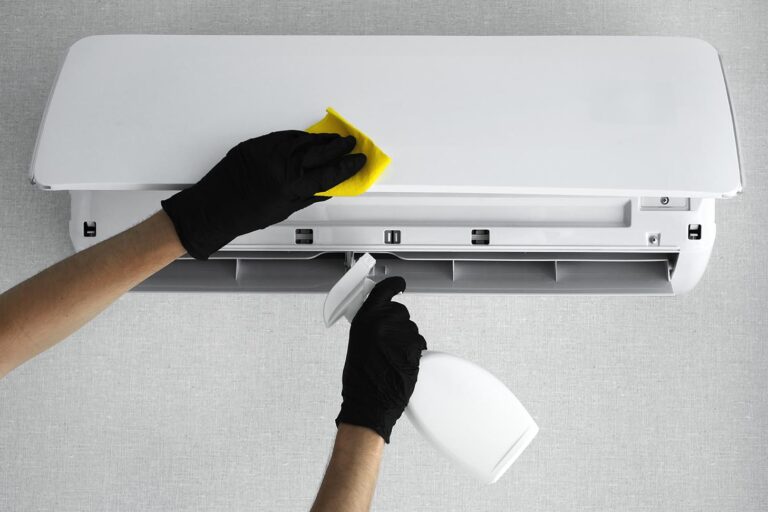
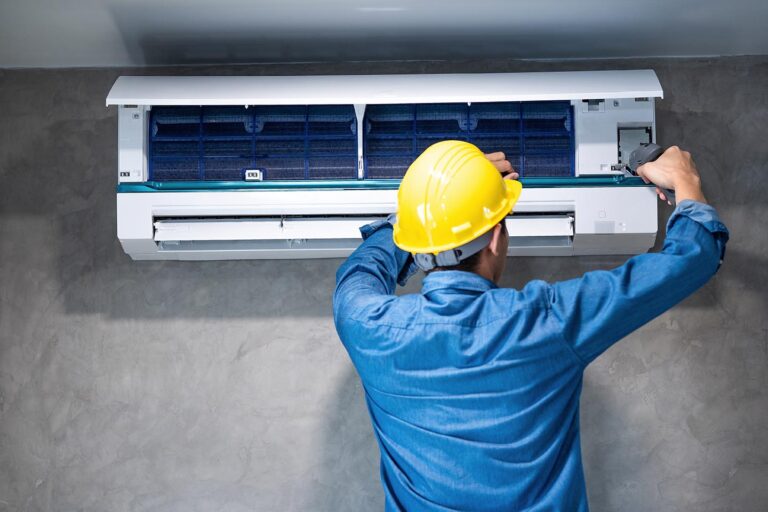
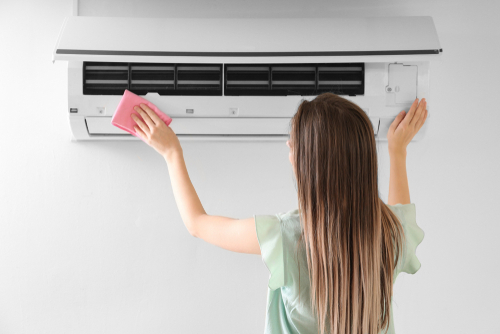
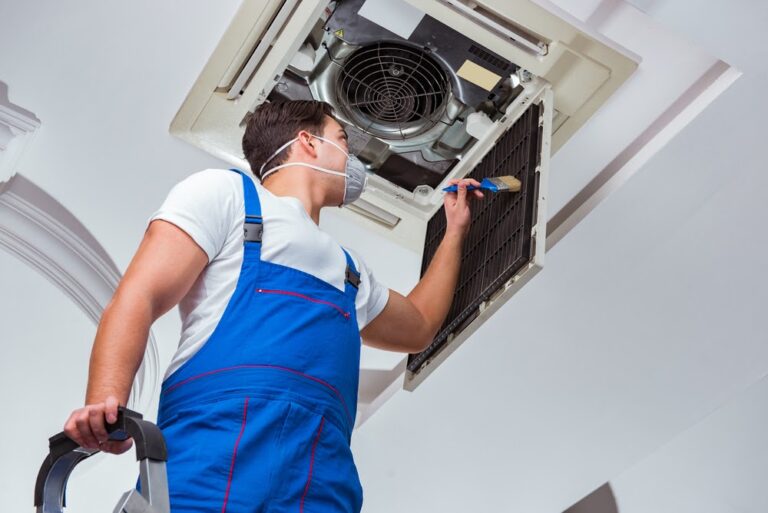
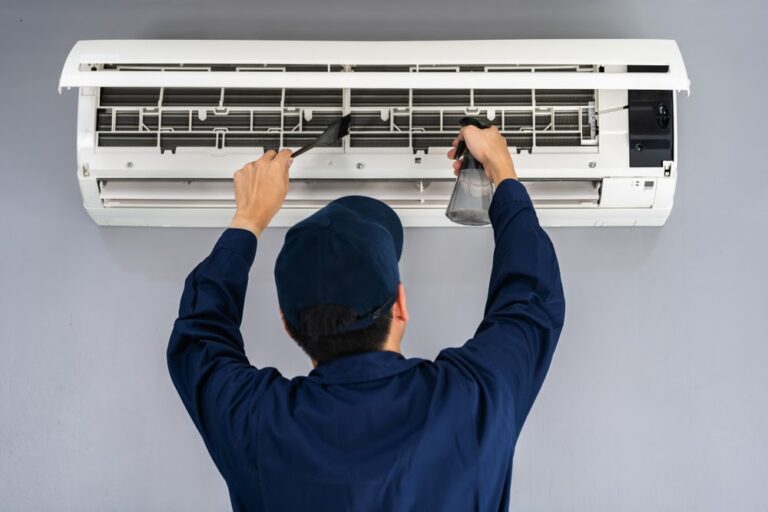
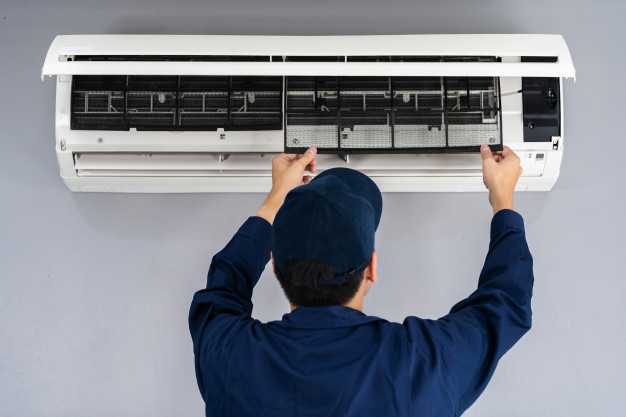
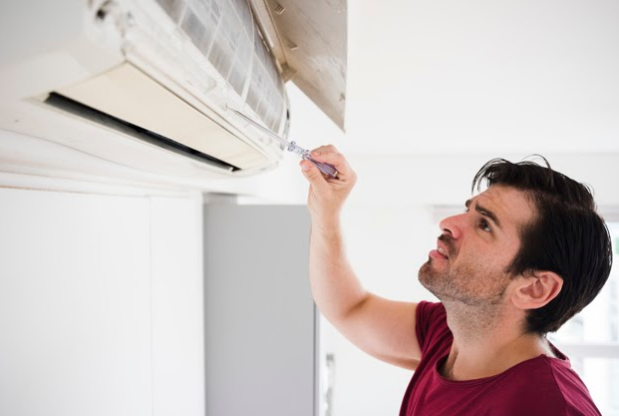
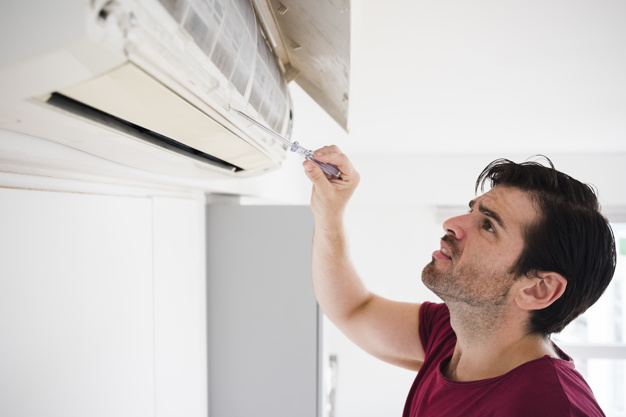
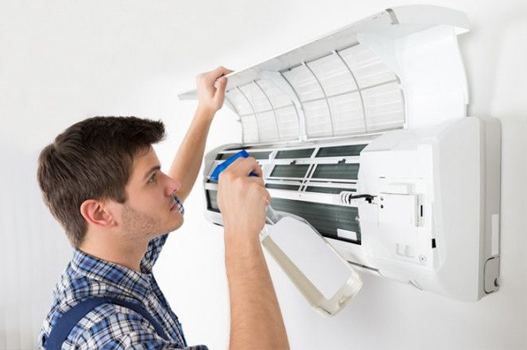
Clean the Evaporator Coils
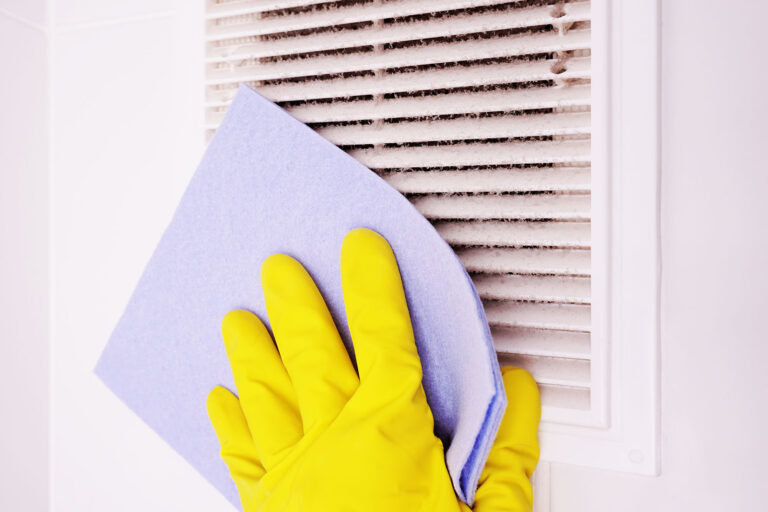
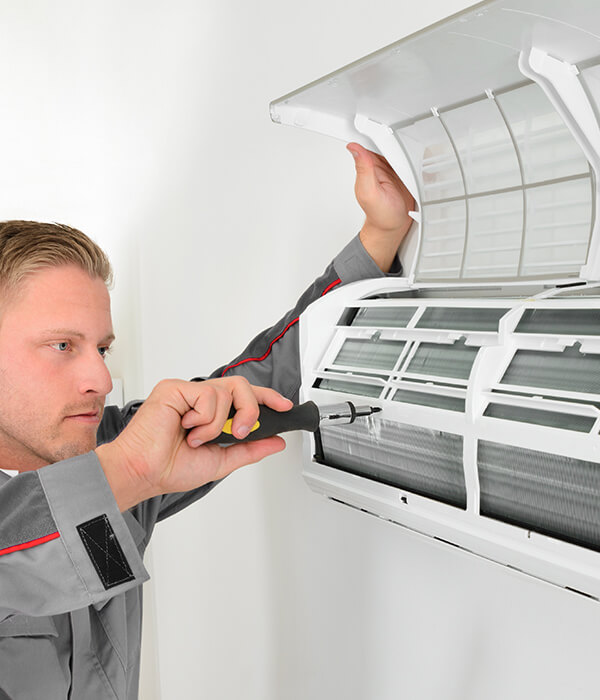
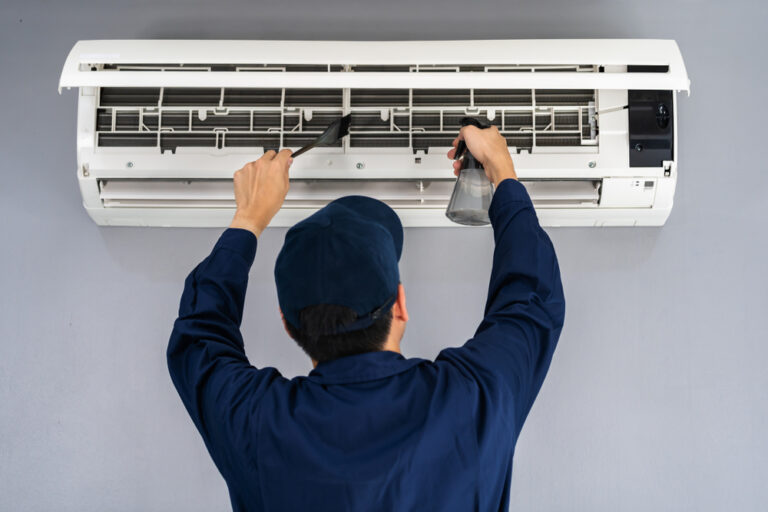
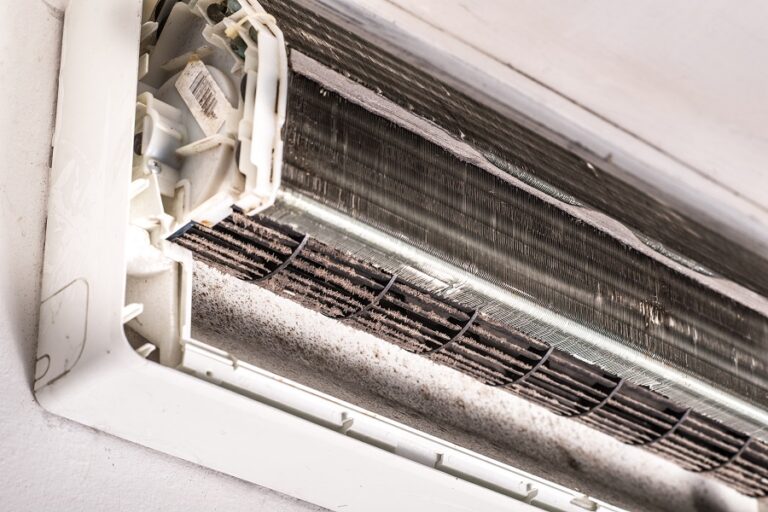
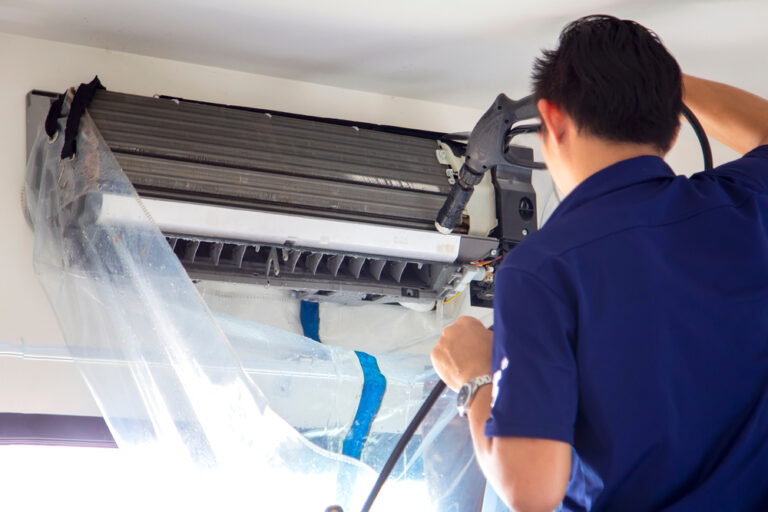
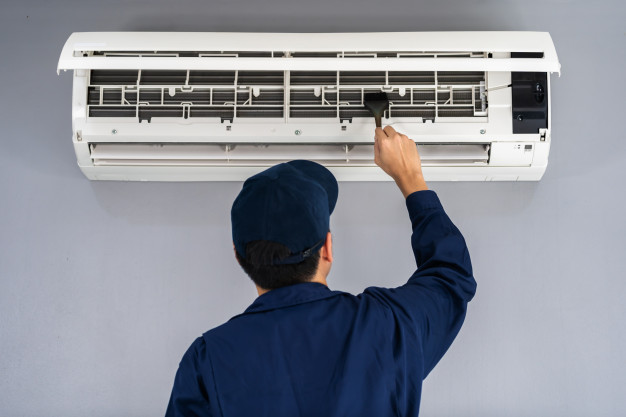
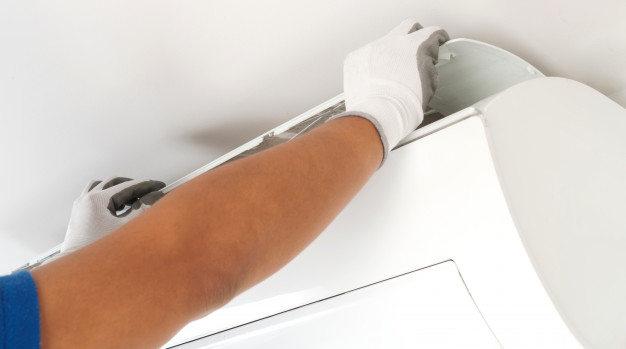
Dust that bypasses a poorly fitted filter settles on the wet evaporator coils. This eventually forms a layer of mud that acts as an insulator on the cold metal. Gently cleaning these coils can often restore cooling efficiency immediately.
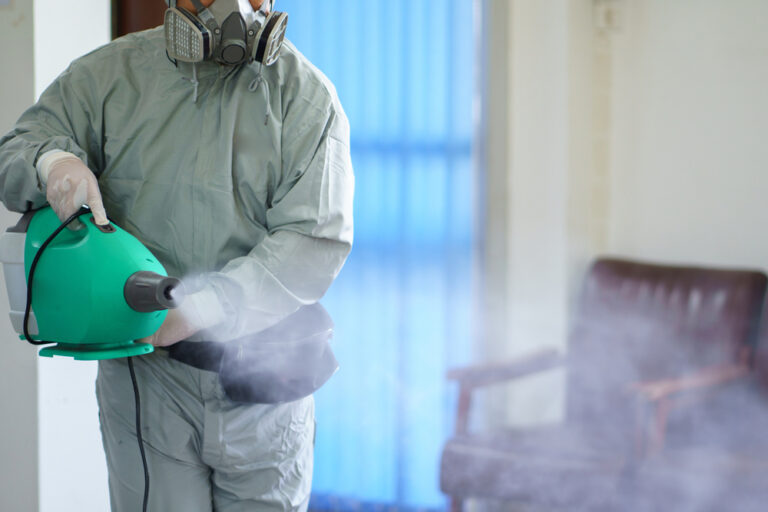
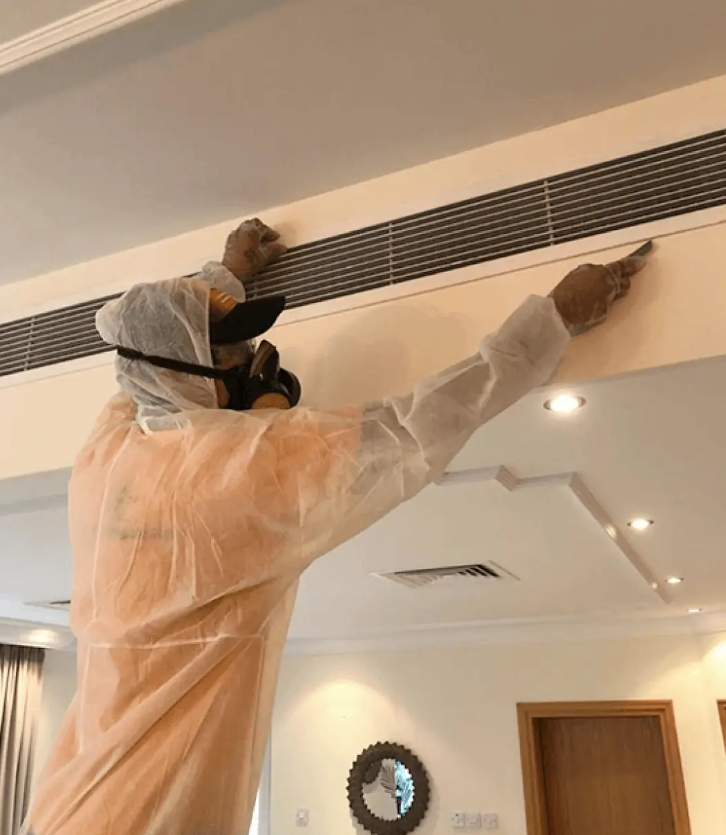
For a deeper clean that reaches the back of the fins, professional coil sanitisation is recommended. This ensures you do not accidentally bend the delicate aluminium fins which would further restrict airflow.

-
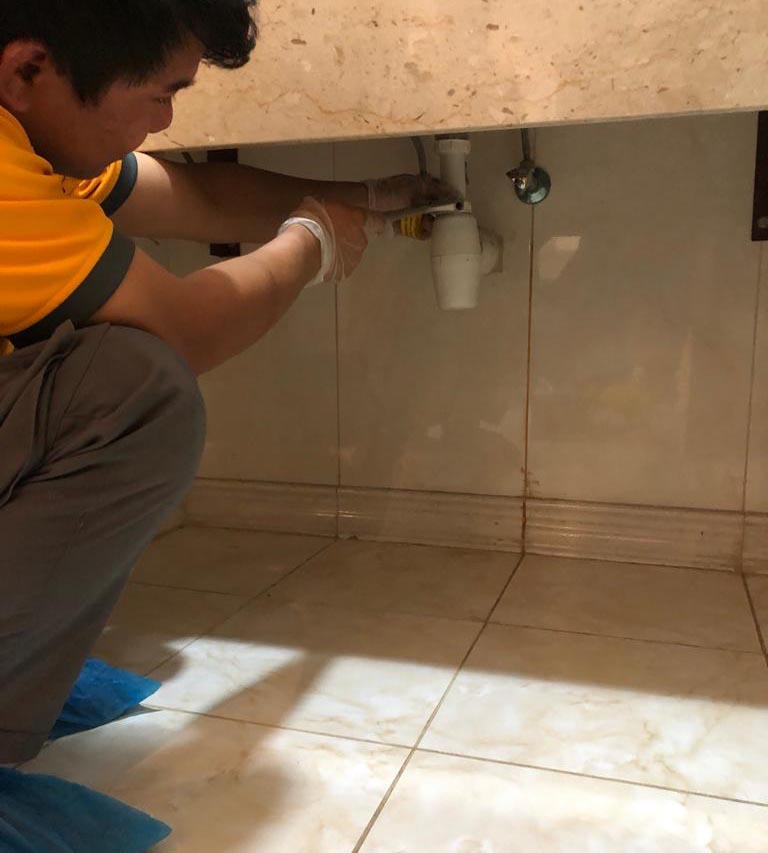
Clear the Condensate Drain
If the drain line is blocked by algae or dust, some modern units have a safety float switch that cuts power to the compressor. This is designed to prevent indoor flooding.
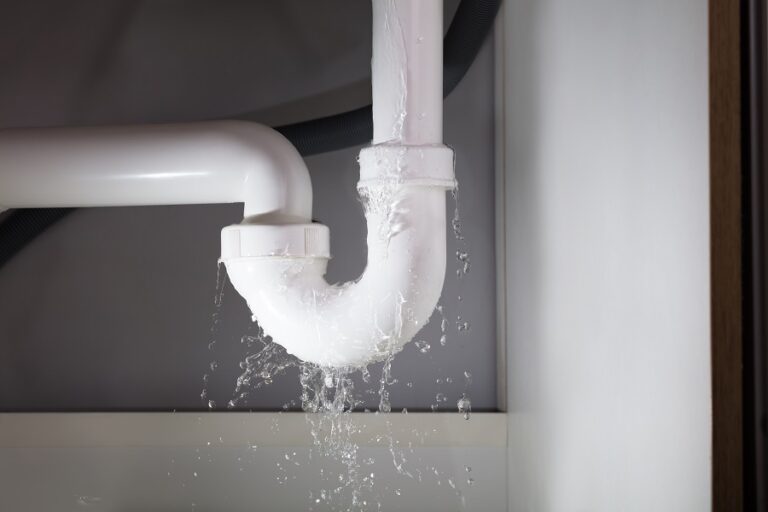
Clearing the blockage not only stops leaks but can also unlock the cooling function of the unit. It is a safety feature that often mimics a total system failure but is actually a simple plumbing issue within the AC.
Causes of Poor Airflow and Duct Issues
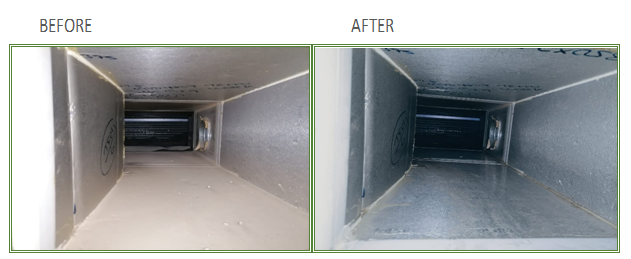
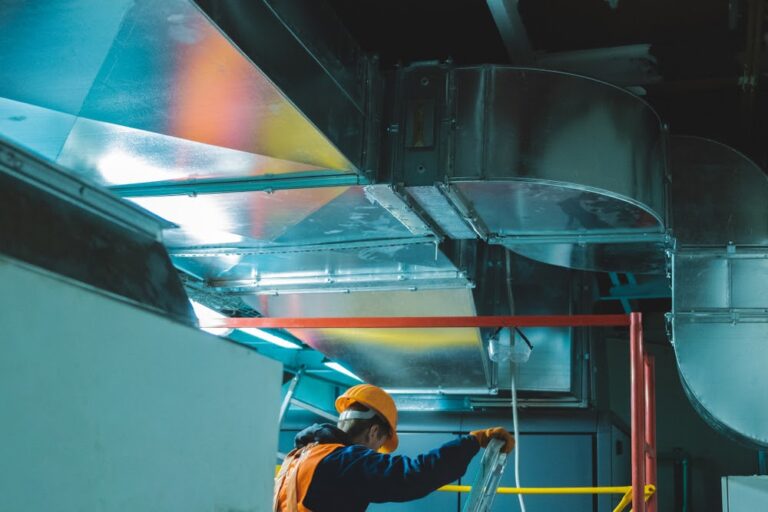
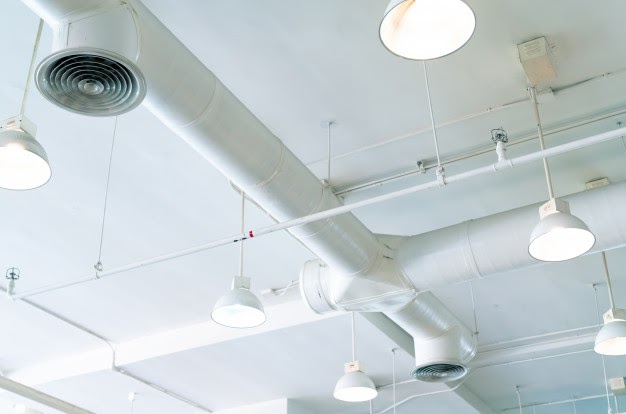
Even the best air conditioning unit can underperform if the duct system isn’t working properly. If some rooms feel cold while others stay warm, the problem might be hidden in your walls or ceiling.
-
Leaky Air Ducts
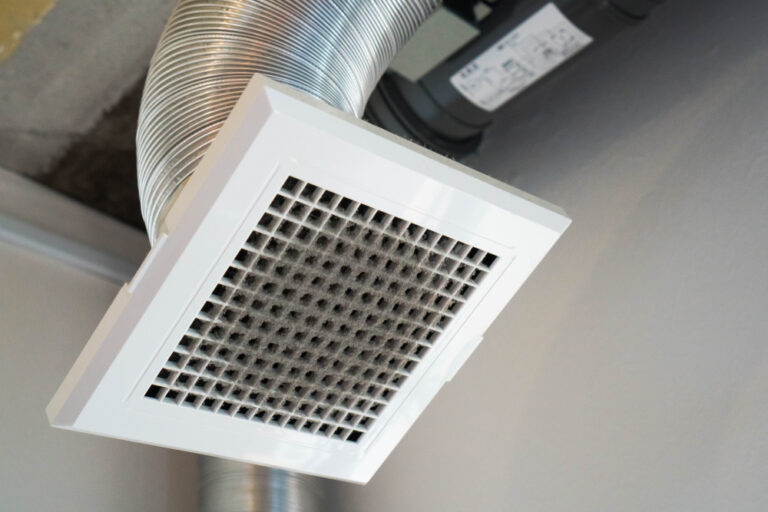
Over time, duct seals can wear out or peel off, letting chilled air escape into ceiling spaces instead of reaching your rooms. This is especially common in larger homes or older buildings.
Tip: Have your ducts inspected and sealed regularly to ensure every bit of cooled air reaches its intended space.
-
Obstructed Airflow
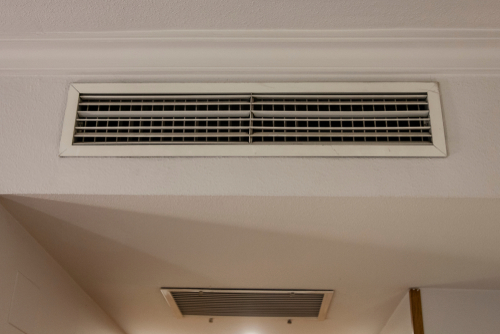
Sometimes the issue is simple, like furniture or heavy curtains blocking return air vents. This prevents the system from pulling in enough warm air, making it work harder and cool less effectively.
Tip: Keep all vents and return air paths clear for optimal performance.
Expert Tips for Optimising Airflow
If the unit is running but the air feels weak or inconsistent, you may need to look beyond the mechanical components. Airflow is the lifeblood of any HVAC system, and even small obstructions can lead to significant cooling losses.
-
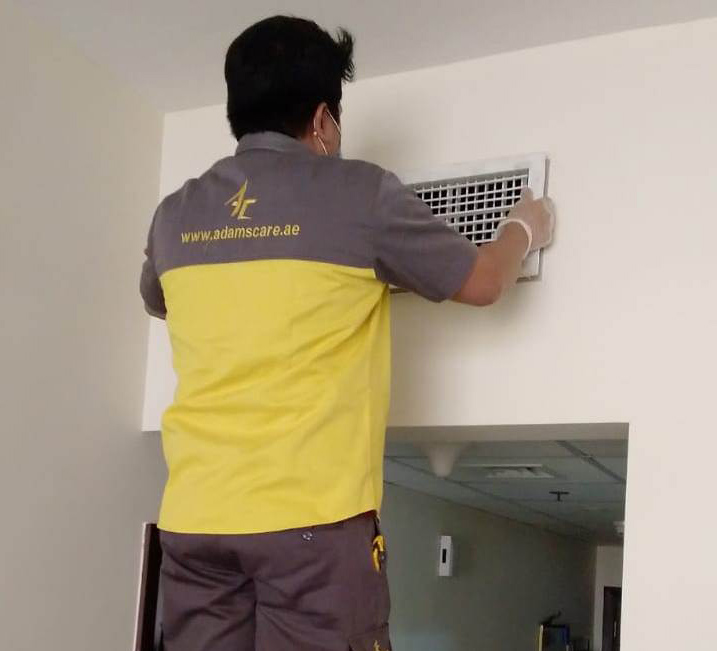
Check Internal Vents
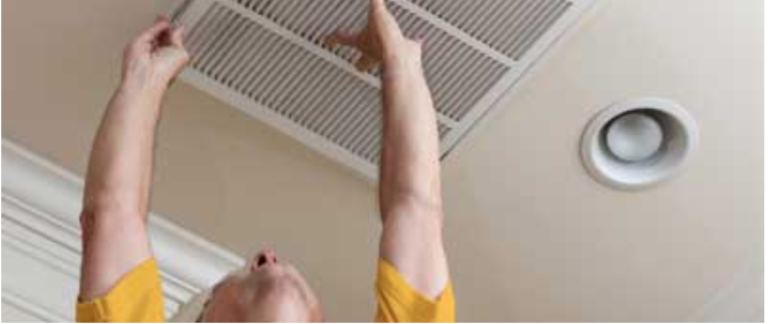
Ensure that wardrobes, shelving units, or heavy curtains are not obstructing the return air vents or the supply grills.
-
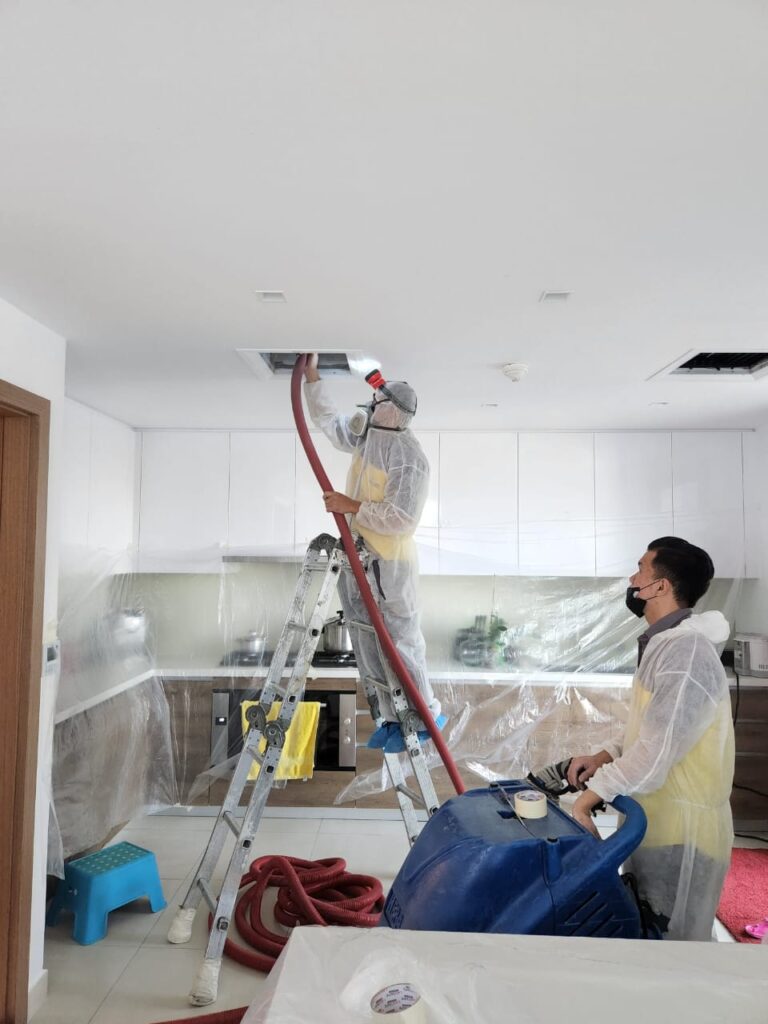
Inspect Duct Seals
Vibration over time can loosen duct connections in the ceiling. If you feel cold air escaping into your attic or cupboards, professional sealing is required.
-
Mind the Gap
Keep at least three feet of clear space around your outdoor condenser unit to allow for maximum heat rejection.
-
Manage Sunlight
Keep curtains and blinds closed during the hottest part of the day to reduce the thermal load on your AC system.
-
Set Realistic Goals
Setting your thermostat to 16°C will not cool the room any faster than setting it to 22°C. It only forces the compressor to work longer without a break, leading to premature wear.
Restoring Your Indoor Comfort
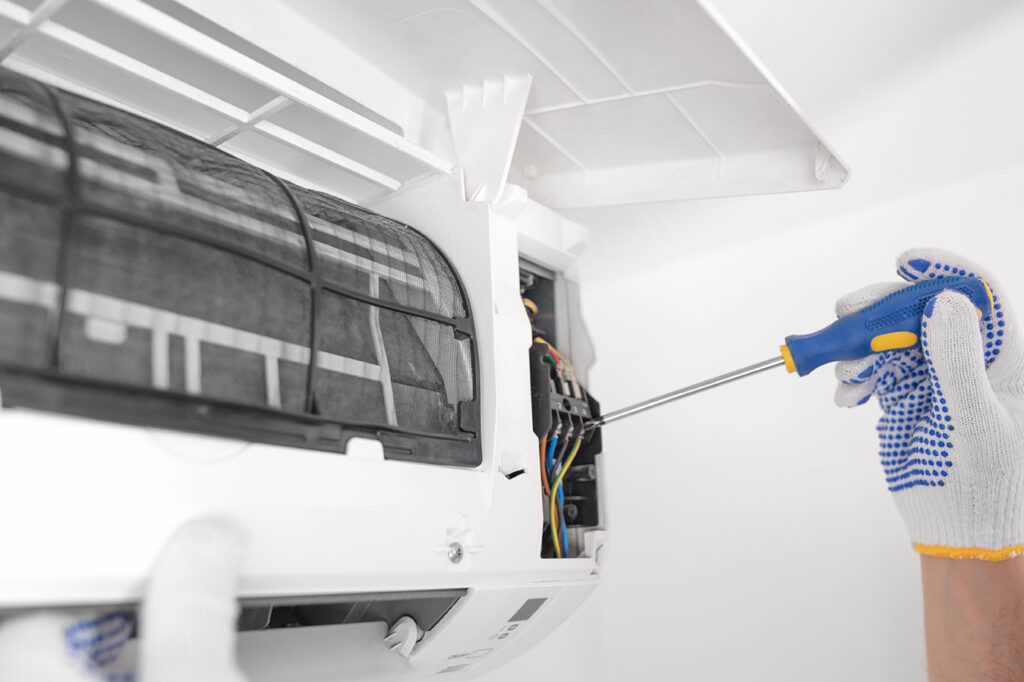
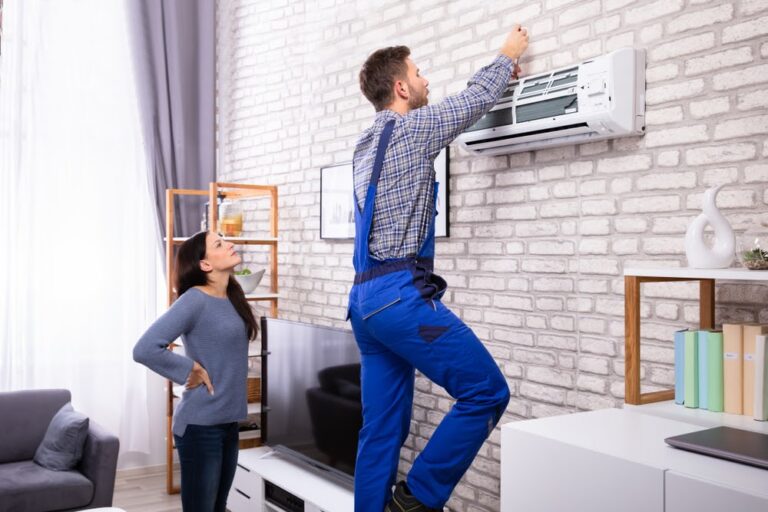
Expert support ensures that your system is handled with the technical precision required for the local climate. We offer comprehensive diagnostic and repair services that make sure your cooling system is efficient, reliable, and ready for the peak summer months. Our team focuses on identifying the root cause of performance drops, providing long-term solutions that go beyond a simple quick fix and ensure your comfort is never compromised.
Frequently Asked Questions
-
Why is my AC blowing air but not cooling the room?
This is usually caused by a dirty air filter or a blocked outdoor condenser. If the air is moving but isn’t cold, the system is struggling to exchange heat effectively. Check your filters first as this is the most common and simplest fix.
-
Will setting my AC to 16°C make it cool faster?
No, an AC unit works at a constant rate regardless of the temperature setting. Setting it to a lower temperature only keeps it running for a longer time; it does not increase the speed of the cooling process. Aim for 23°C to 24°C for the best balance of comfort and energy efficiency.
-
How often should I service my unit in Dubai?
Due to the high levels of sand and heat, we recommend a professional health check at least twice a year. This prevents small issues, like a weakening capacitor, from turning into a total system failure during the peak of the summer heat.
-
Can low gas levels cause it to stop cooling?
Yes, an AC refrigerant is essential for the cooling process to occur. If levels are low due to a leak, the system cannot absorb heat effectively. This often leads to the evaporator coils freezing over and stopping all airflow into the room.
-
Why does my AC turn off and on frequently?
This is known as short-cycling. It can be caused by an oversized unit, a faulty thermostat, or a failing capacitor. It prevents the room from reaching the desired temperature and significantly increases your monthly electricity bill due to constant motor starts.





































































Scan For a Free Quote
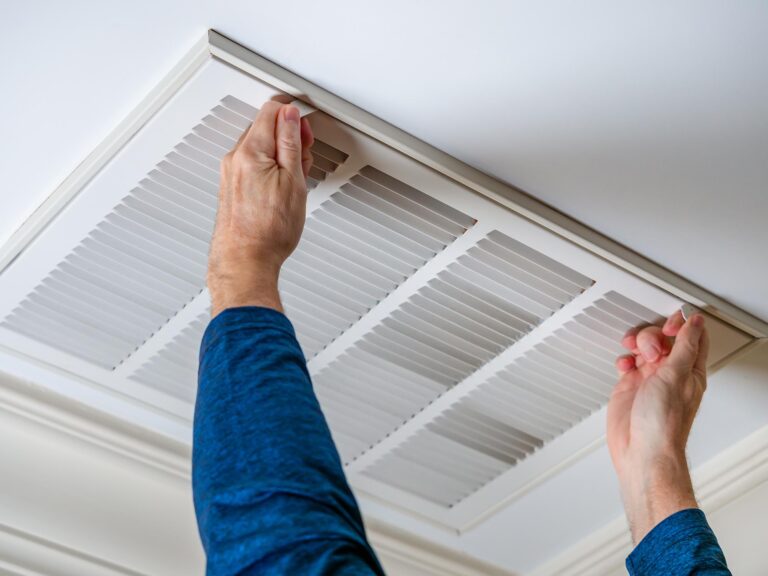
Looking for the best AC Duct cleaning service in Dubai?


