Call us or make an online inquiry for a quick cost estimate.

Sep 12, 2025
7 Types of Air Conditioner Filters: Which is Best for Your Home
Living in Dubai or anywhere in the UAE means your AC runs almost all year. While we all enjoy cool air, few of us think about what’s inside the unit keeping that air clean. Air conditioner filters aren’t just small pieces of material you change once in a while. They protect your family’s health, help your system run efficiently, and can even lower your bills.
In our region, with its dust, sand, and constant construction, a clean filter isn’t a luxury. It’s essential. Ignoring it can result in higher energy costs, poor air quality, and a shorter lifespan for your cooling system.
Understanding What an Air Conditioner Filter Is and How It Works
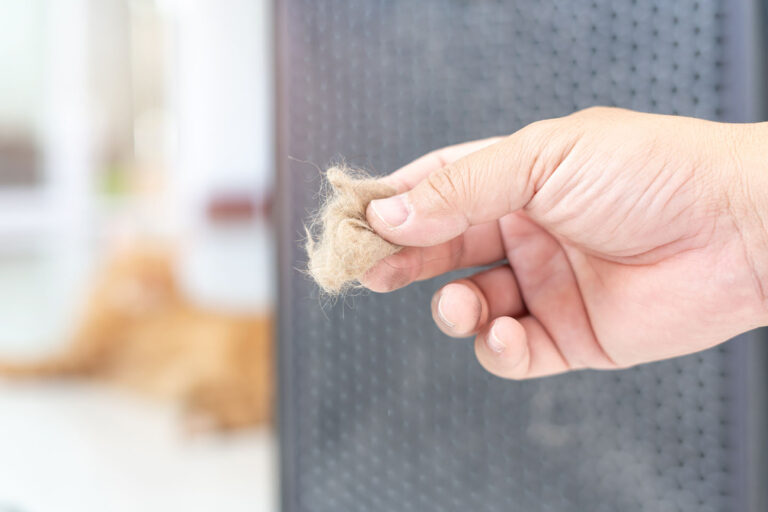
An AC filter is like a net inside your cooling system. As air passes through, it traps dust, pollen, pet hair, and even tiny allergens before the air reaches your room. This means cleaner air for you and less dirt building up inside the machine.
Different AC systems use different filters:
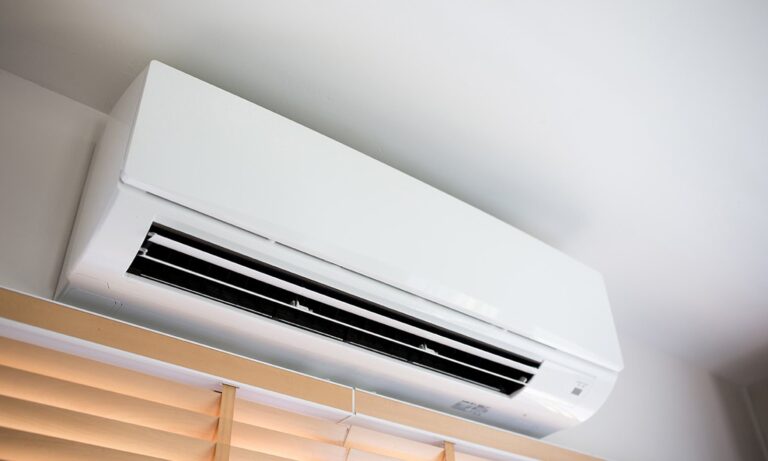
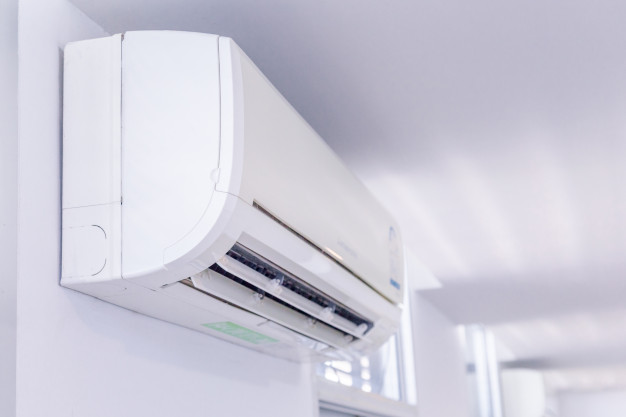
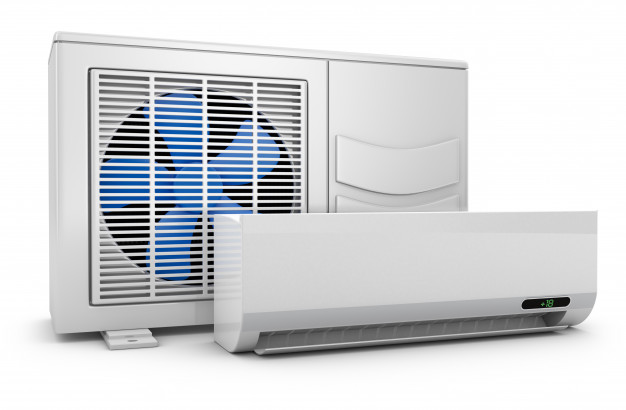
- Split units and window ACs use smaller disposable or washable filters.
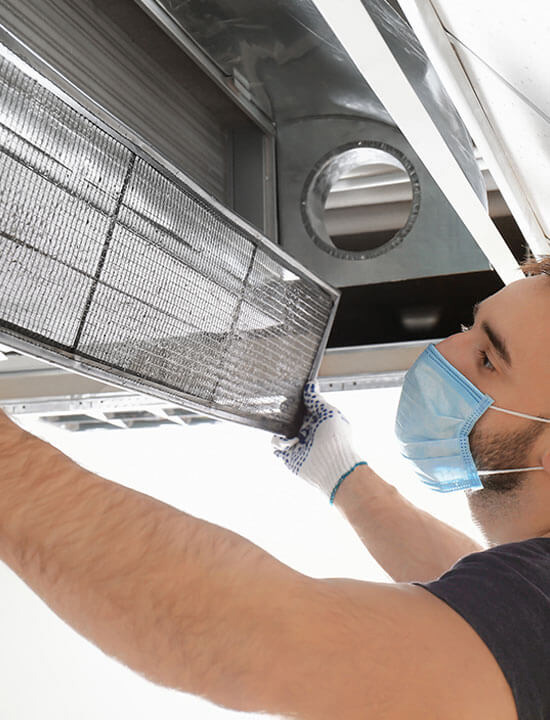
- Central AC systems (common in Dubai villas) use larger central AC filters that handle more air and trap more dust.
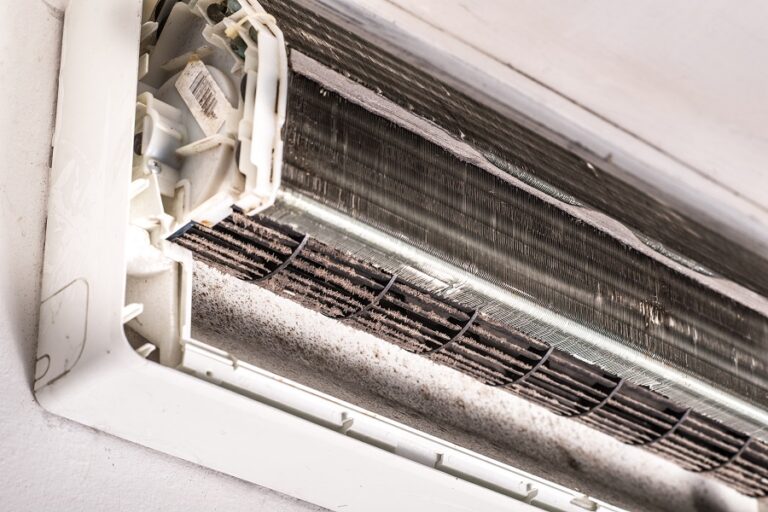
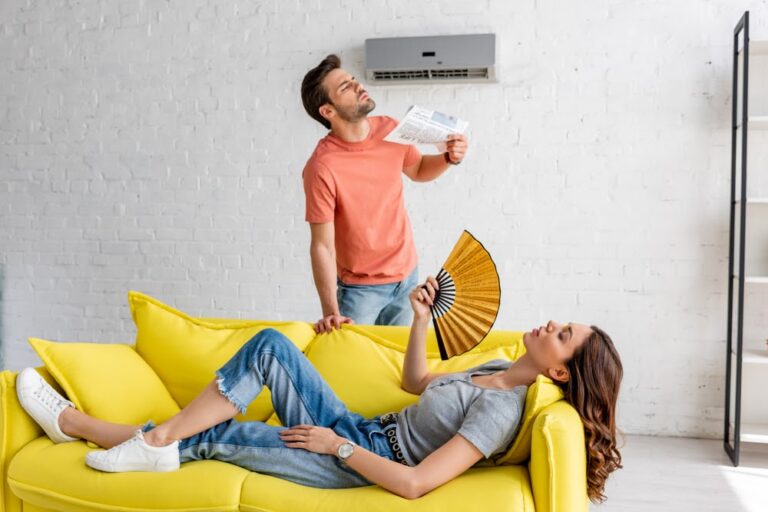
When the filter is dirty, air can’t flow properly. The system works harder, consumes more electricity, and cools less effectively.
The Importance of Choosing the Right AC Filter for UAE Homes

Air quality in the UAE is unlike anywhere else. Fine sand from dust storms, drifting construction debris, and constant AC use in the hot climate all put extra strain on your system.
When the wrong filter is installed or when it isn’t cleaned regularly, the results become apparent quickly: energy bills rise, airflow weakens, cooling becomes uneven, and allergens accumulate inside your home.
By simply choosing the right AC filter and keeping it clean, you can keep your home cooler, your air fresher, and your system running more efficiently throughout the year.
The 7 Main Types of Air Conditioner Filters (With Pros and Cons)
Below are the most commonly used air conditioner filters in Dubai homes. Each has its own strengths and drawbacks, so understanding them helps you choose the right fit.
1. Fibreglass Filters (Disposable)
Fibreglass filters are thin, lightweight panels that trap only large dust particles. They’re very affordable and widely available, making them a popular choice for short-term rentals or properties with minimal air-quality concerns. However, they don’t remove fine allergens or pollutants from indoor air.
Pros:
- Very affordable
- Easy to find and replace
Cons:
- Poor at trapping small particles
- Need frequent replacement
2. Pleated Filters (Polyester or Cotton)
Pleated filters have folded material that creates extra surface area to trap more dust and allergens than basic fiberglass options. They’re a good middle ground for homes with pets or mild allergies without putting too much strain on the AC system. With moderate maintenance, they keep indoor air noticeably fresher.
Pros:
- Better filtration for dust and dander
- Lasts longer than fibreglass filters
Cons:
- More expensive than basic filters
- Can reduce airflow slightly if not changed on time
3. HEPA Filters (High-Efficiency Particulate Air)
HEPA filters utilise dense fibers to capture tiny particles, such as pollen, smoke, and fine dust, making them ideal for households with individuals who suffer from severe allergies or asthma. They provide the cleanest air of any filter type, but not all AC systems are built to handle their thickness. It’s essential to review your unit’s specifications before installation.
Pros:
- Excellent for allergy and asthma sufferers
- Removes the smallest airborne particles
Cons:
- Higher cost
- Can restrict airflow if the system isn’t designed for it
4. Electrostatic Filters (Washable or Disposable)
Electrostatic filters use static electricity to attract dust and particles from the air. Some are washable and reusable, while others are disposable but still more effective than basic filters. They’re a good eco-friendly option for households wanting to reduce waste and save money over time.
Pros:
- Reusable options available
- Good filtration for dust and pollen
Cons:
- Higher upfront cost
- Washable versions require regular cleaning
5. UV Light Filters
UV light filters utilise ultraviolet light to eliminate bacteria, mould, and viruses on coils or within the airflow. They’re not stand-alone filters but work alongside another filter to keep the AC system healthier and the air cleaner. They’re especially useful for homes with humidity issues or recurring mould.
Pros:
- Reduces bacteria, mould, and viruses
- Improves indoor air hygiene
Cons:
- Requires professional installation
- Bulbs need regular replacement
6. Activated Carbon Filters
Activated carbon filters use charcoal to absorb odours, chemicals, and smoke. They’re often combined with other filter types to create a complete solution for both dust and smells. They’re ideal for homes with smokers, strong cooking odours, or pets.
Pros:
- Excellent at removing odours
- Helps absorb harmful gases
Cons:
- Not designed for heavy dust capture alone
- Needs frequent replacement
7. Washable/Reusable Filters
Washable filters are made of durable material that you can remove, clean, and reuse multiple times. They offer long-term cost savings and reduce waste compared to disposable filters. However, they only work well if washed regularly; otherwise, airflow and filtration drop quickly.
Pros:
- Cost-effective over time
- Environmentally friendly
Cons:
- Needs frequent cleaning
- May not trap as many fine particles as premium filters
To help you compare at a glance, this table sums up how each air conditioner filter performs in terms of filtration, maintenance, cost, and best use case:
| Filter Type | Efficiency (Dust & Allergens) | Maintenance | Cost (AED) | Best For |
| Fibreglass (Disposable) | Low | Replace monthly | Low | Basic system protection |
| Pleated (Polyester/Cotton) | Medium | Replace 1-3 months | Mid | Pets, mild allergies |
| HEPA | Very High | Replace 6-12 months | High | Severe allergies/asthma |
| Electrostatic (Washable) | Medium-High | Wash monthly | Mid-High | Eco-conscious households |
| UV Light Filter | Targets bacteria/mould | Professional service | High | Mold/humidity issues |
| Activated Carbon | Odour/chemical control | Replace 2-3 months | Mid | Smells, smoke, pets |
| Washable/Reusable | Medium | Wash monthly | Low-Mid | Long-term savings |
Recommended Cleaning and Replacement Frequency for AC Filters
A good rule of thumb:
- Disposable filters: change every 1-3 months.
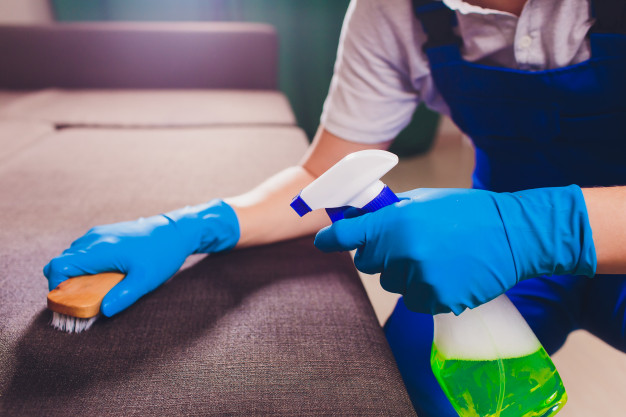
- Washable filters: clean monthly.
In Dubai, due to the presence of sand and dust, you may need to clean or replace filters more frequently, especially in villas located near construction sites or busy roads. Regular AC filter cleaning not only keeps your home comfortable but also prevents costly breakdowns.
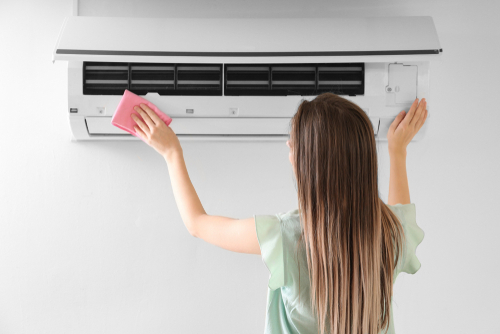
Step-by-Step Guide: Cleaning or Changing Your AC Filter
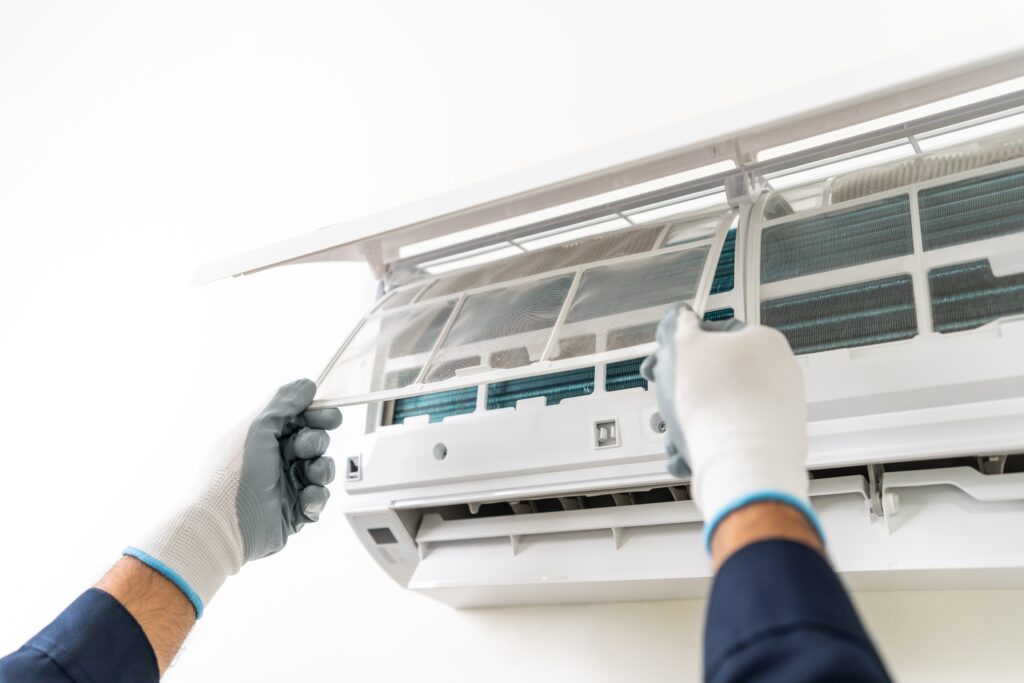
A simple routine can make a big difference:
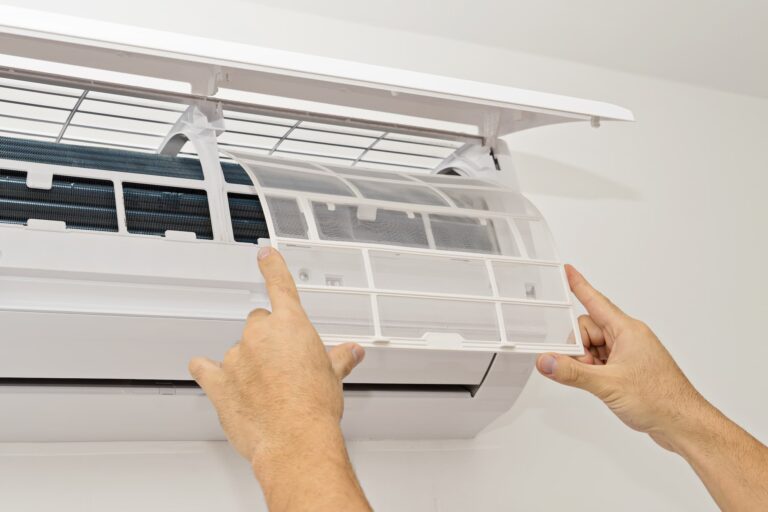
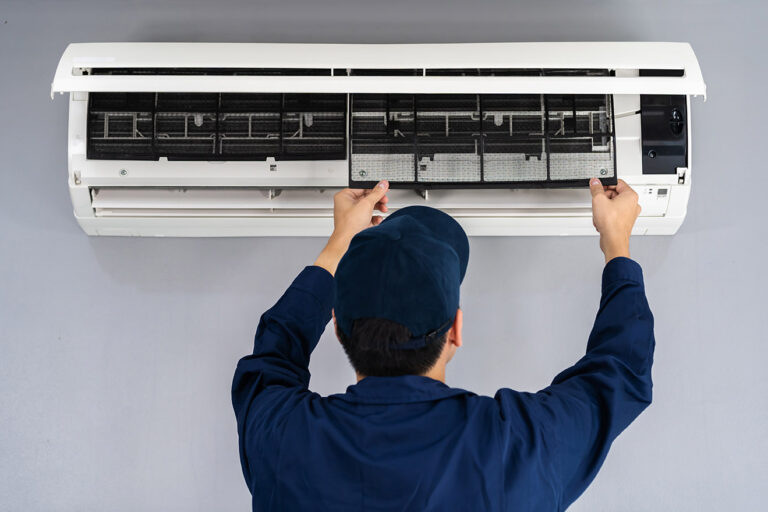
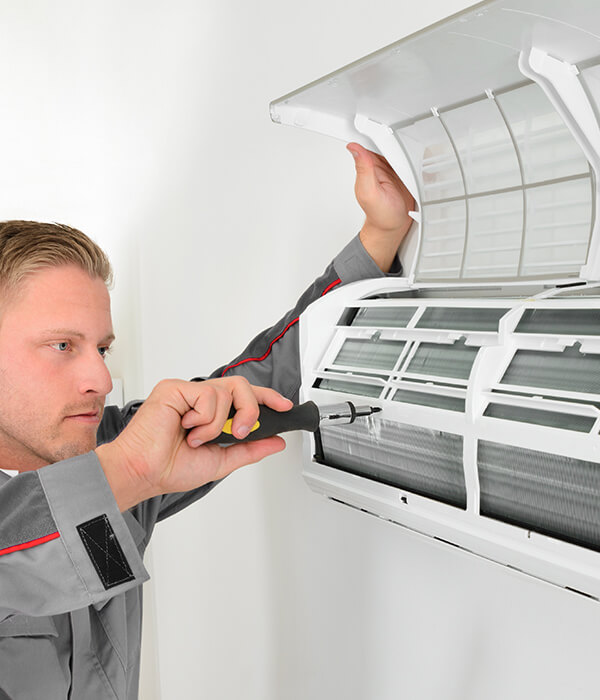
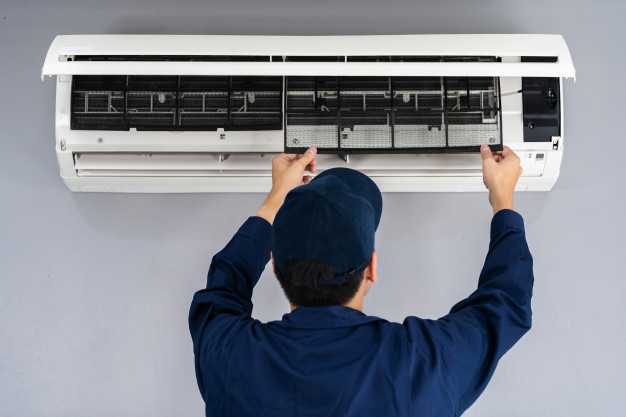
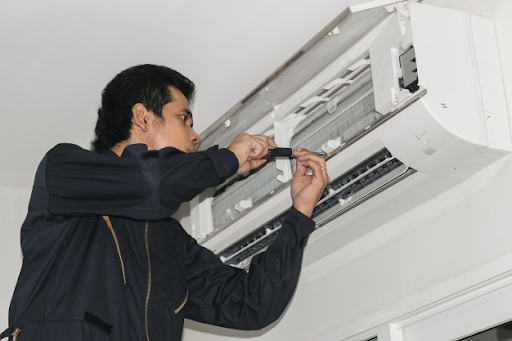
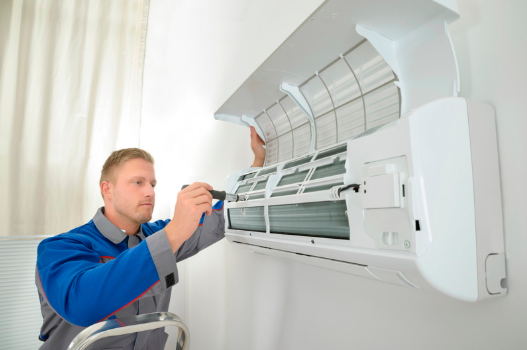
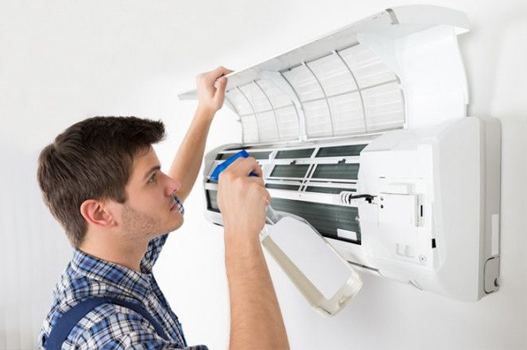
- Turn off your AC at the main switch.
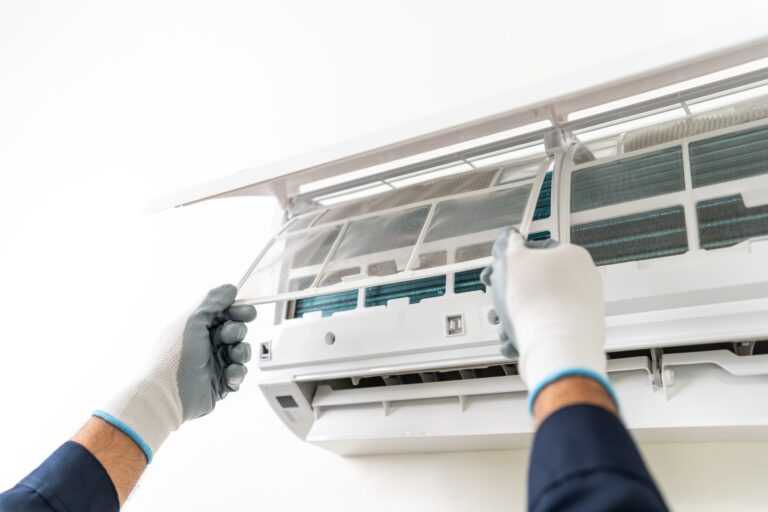
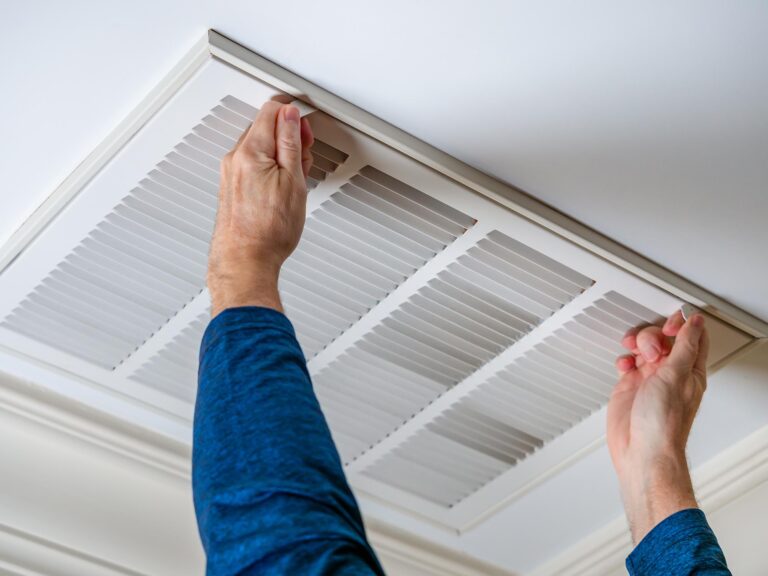
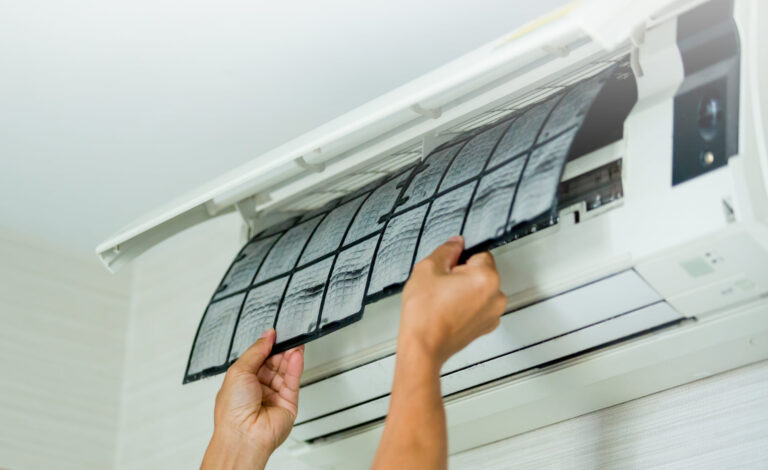
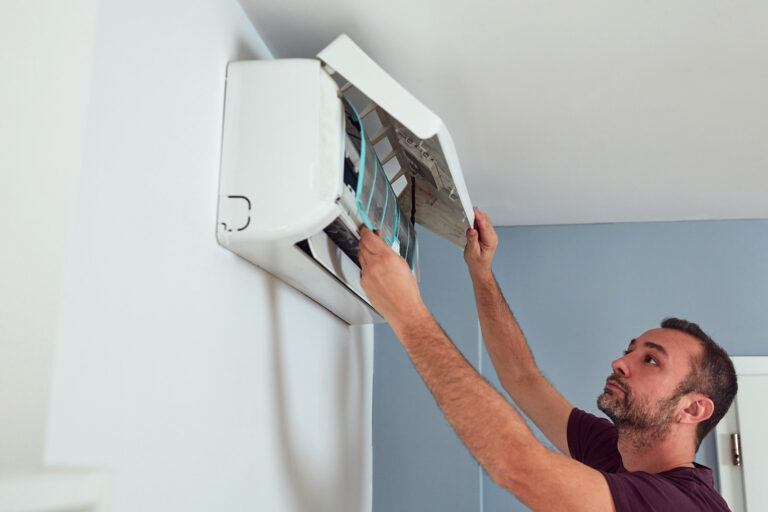
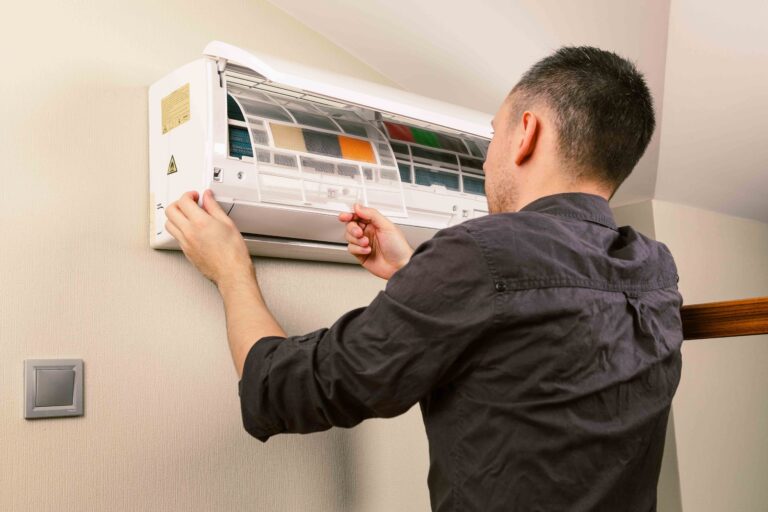
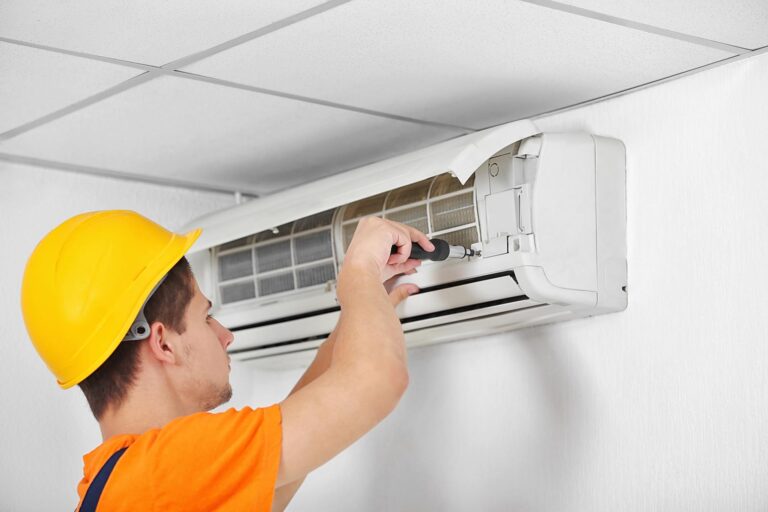
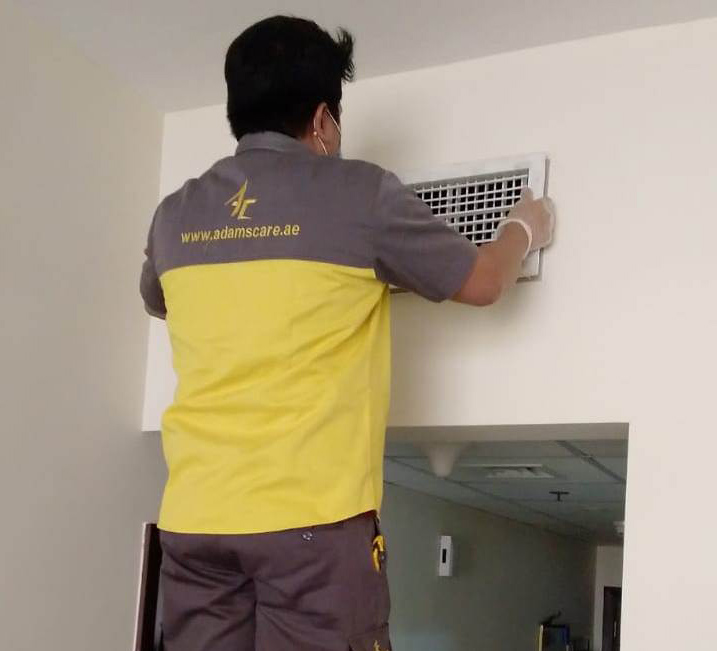
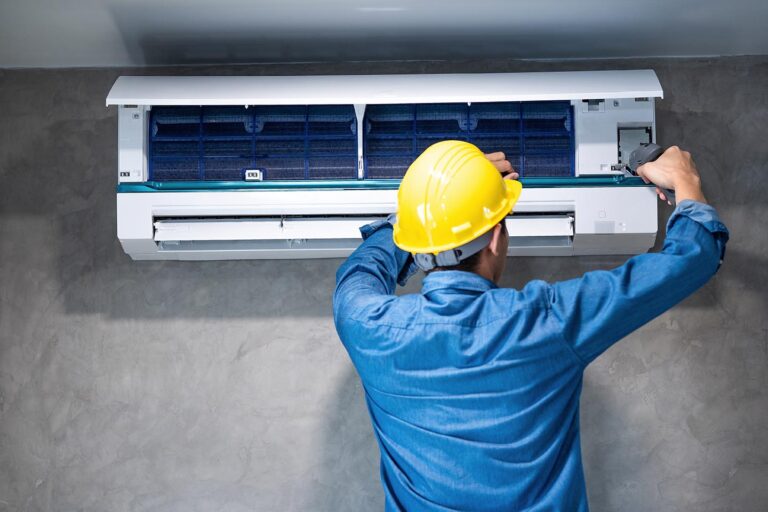
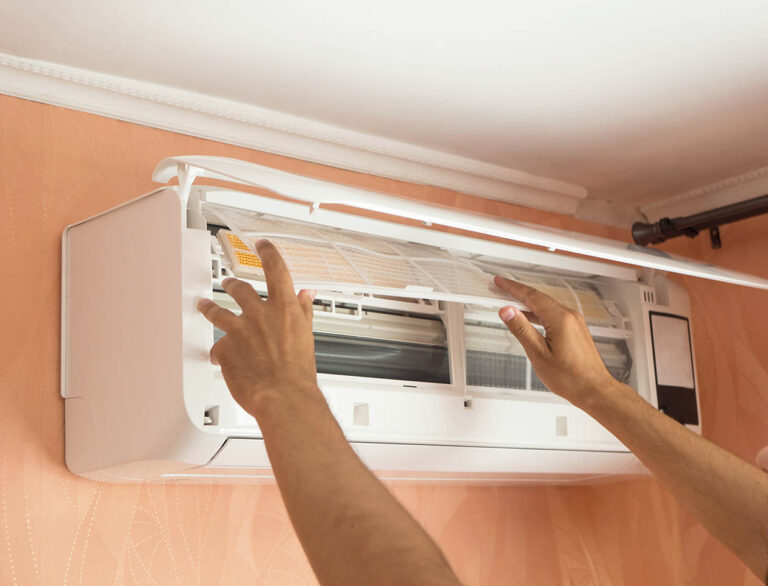
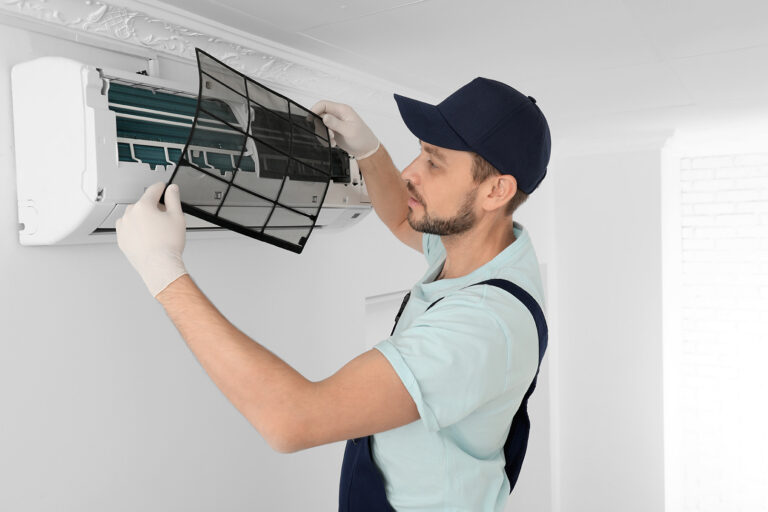
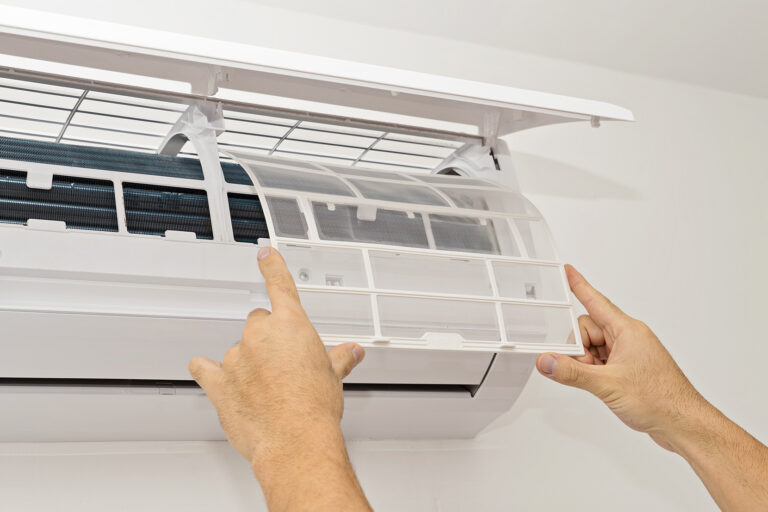
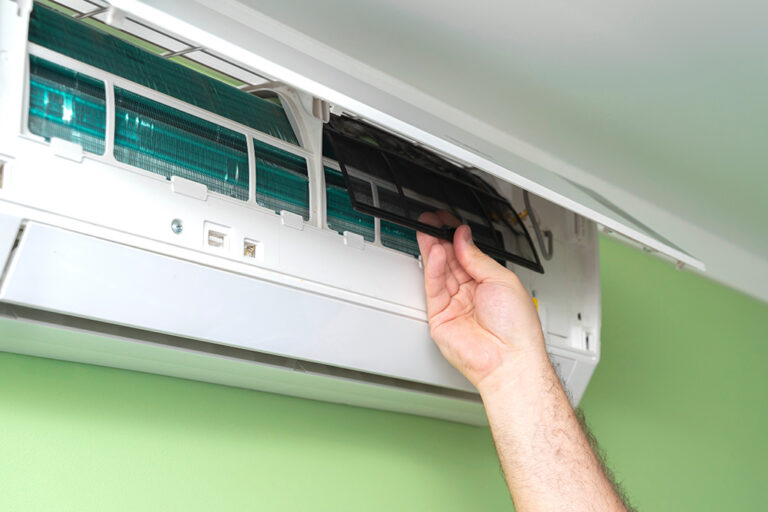
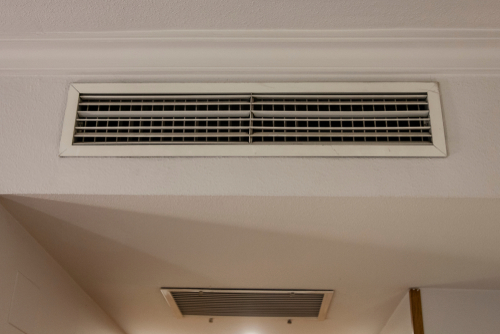
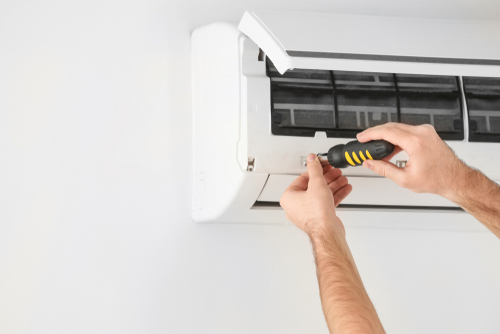
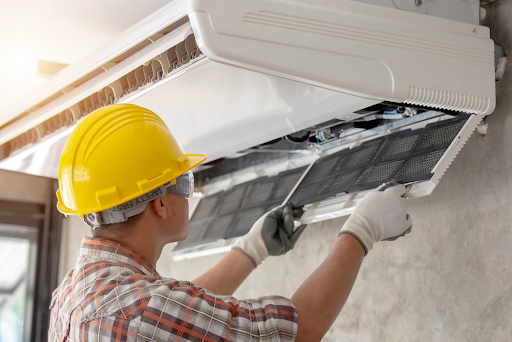
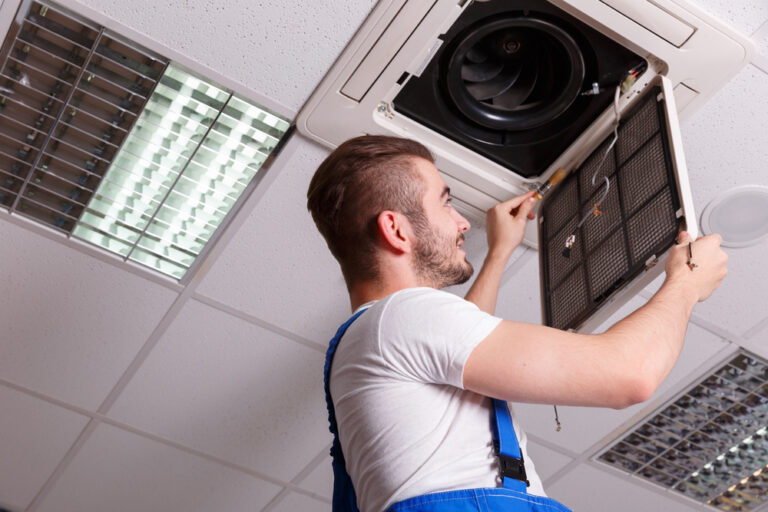
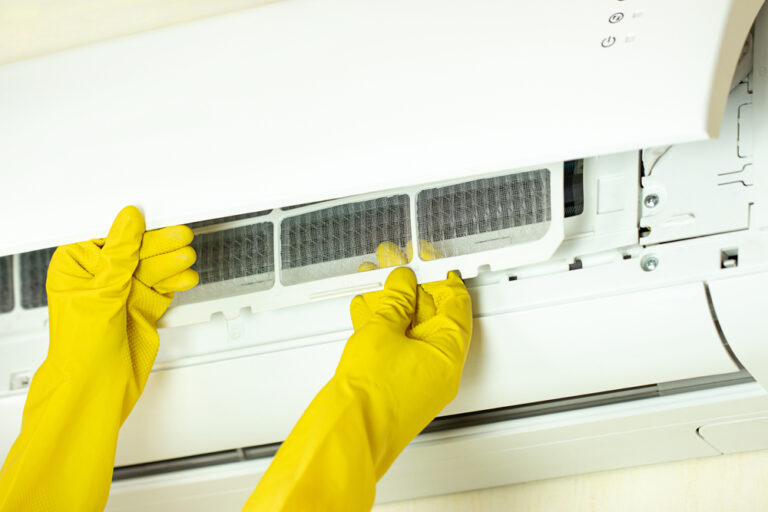
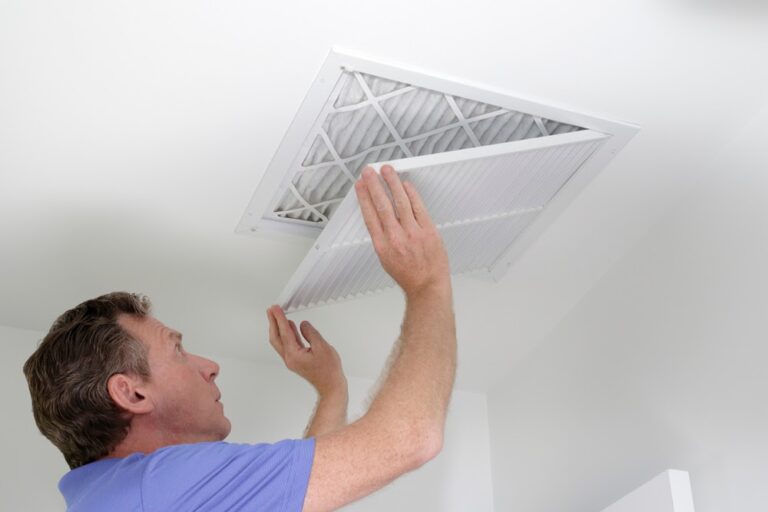
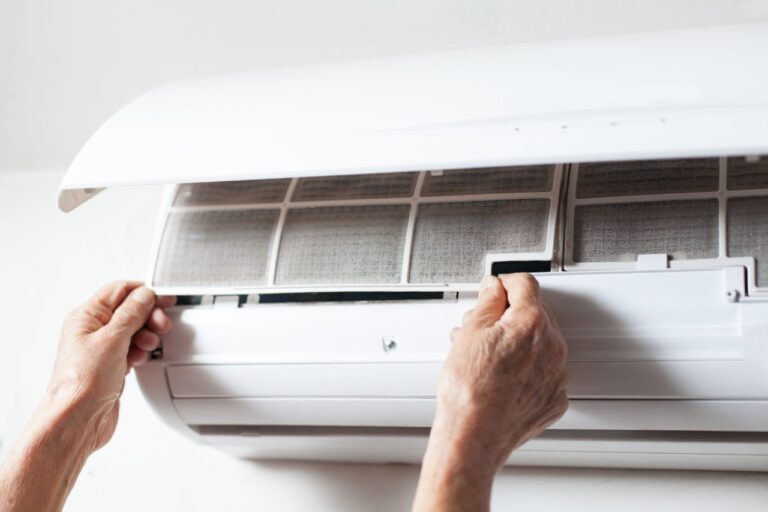
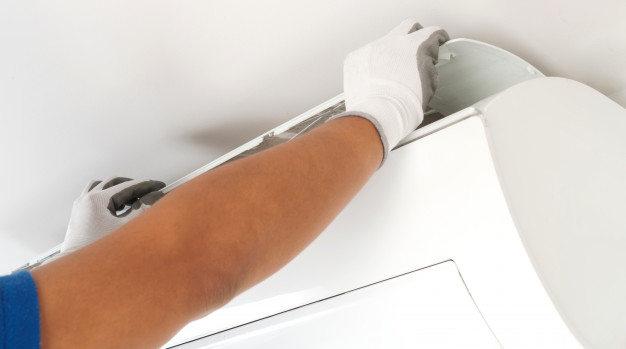
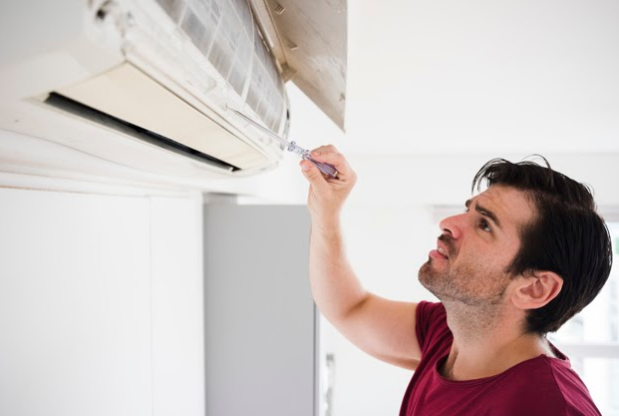
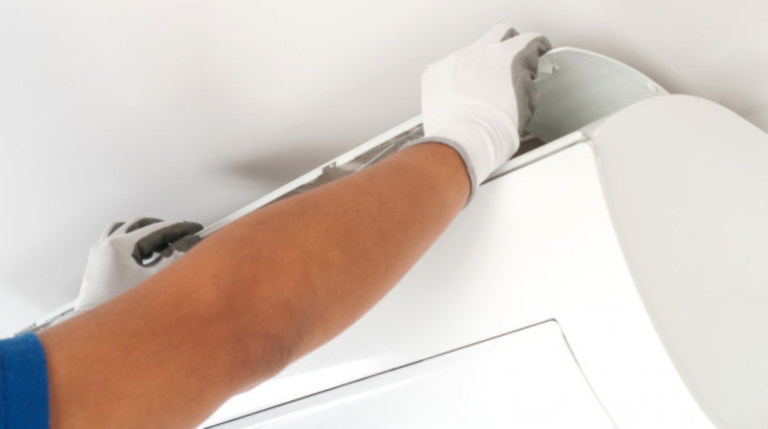
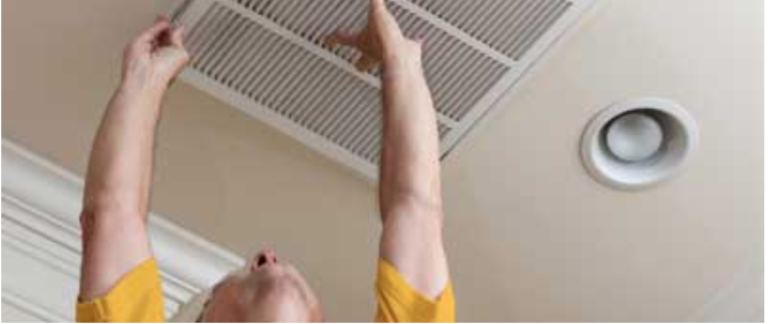
- Locate the filter. For split or window units, it is located behind the front panel. For a central AC filter, it’s usually in a return air grille or in the air handler.
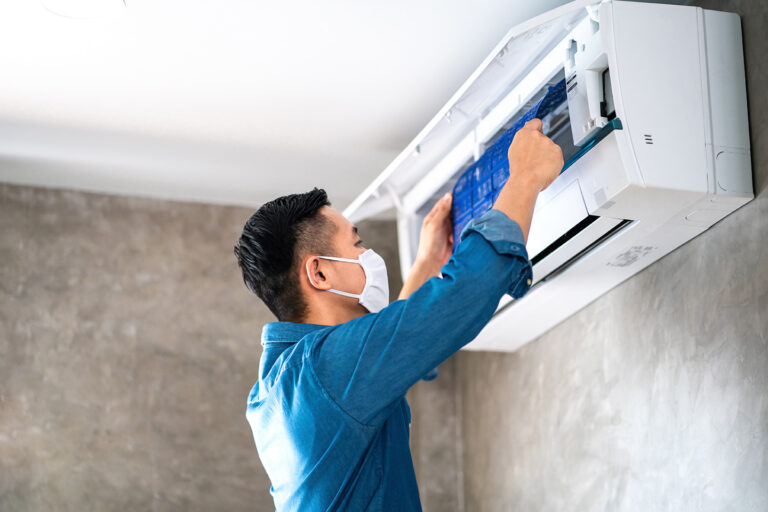
- Remove the filter carefully.
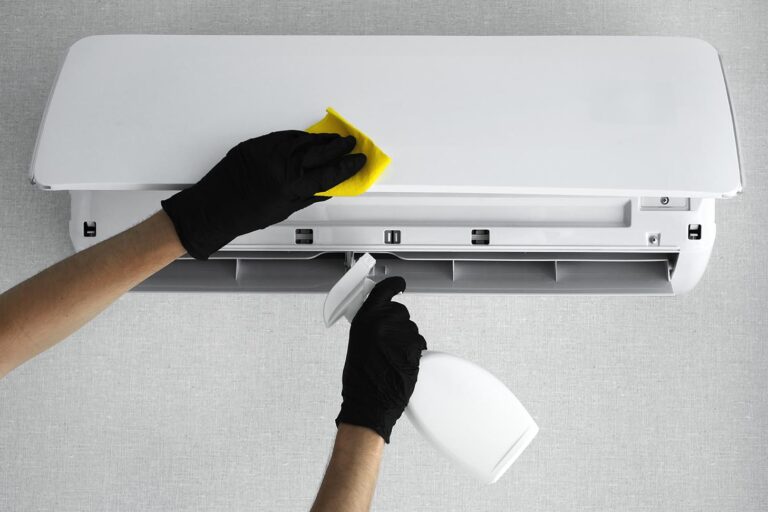
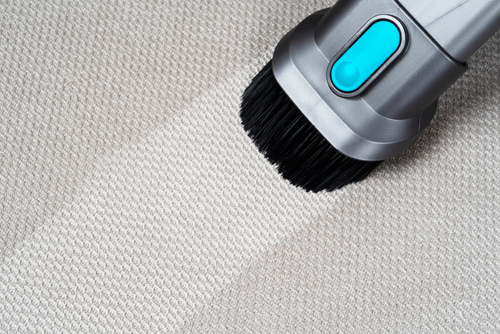
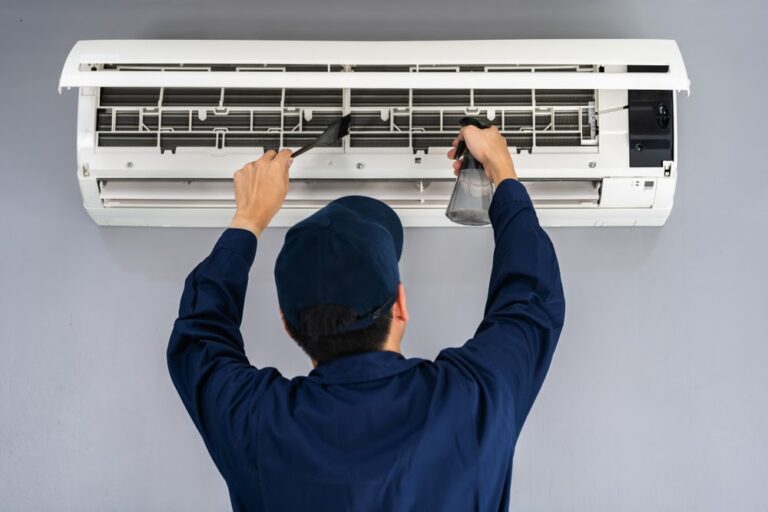
- If washable, rinse gently with lukewarm water. Let it dry completely before reinstalling.
- If disposable, replace with a new one of the same size and rating.
- Check your manual or ask a technician if you’re unsure.
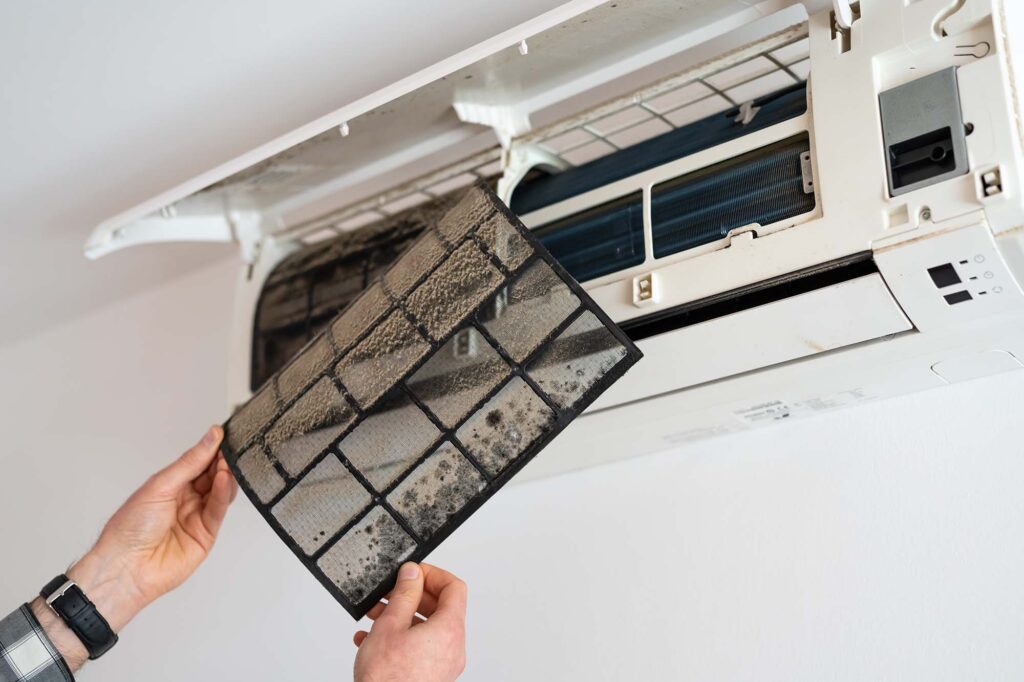
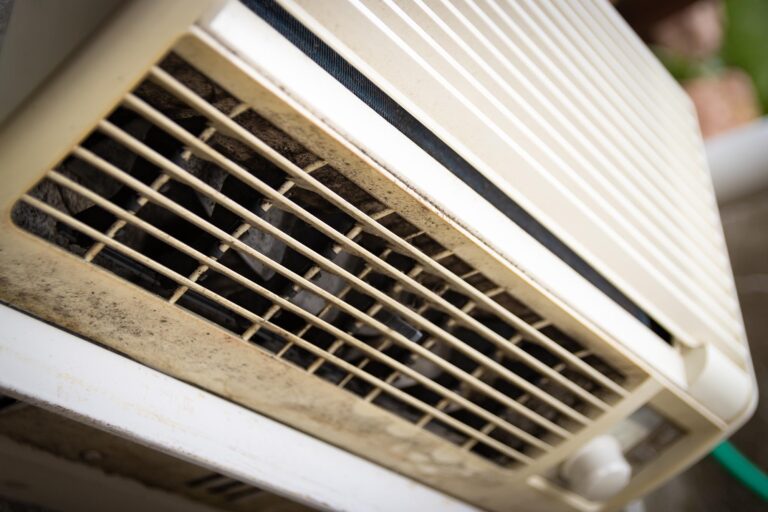
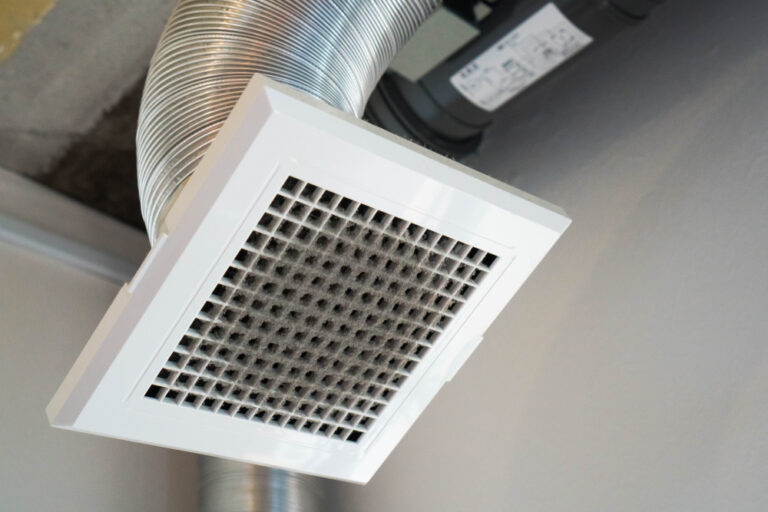
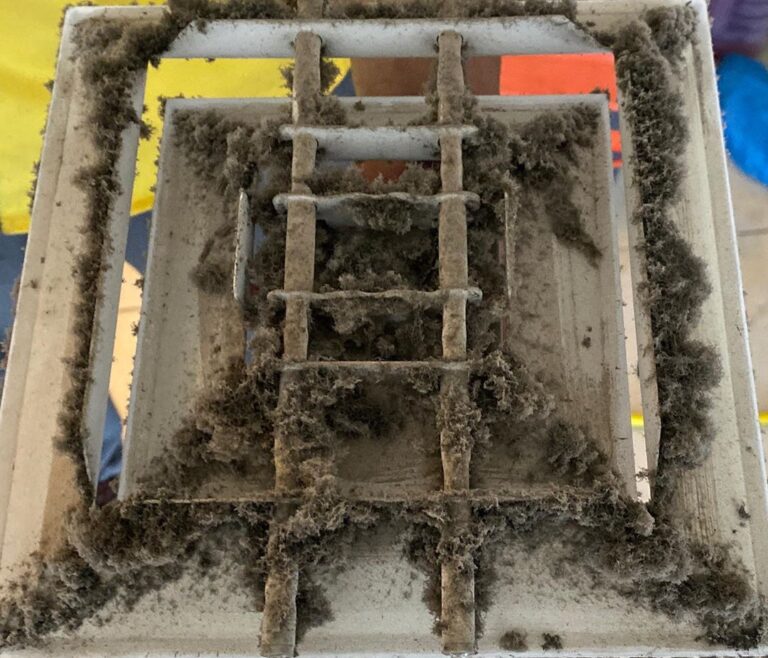
If the filter appears black, smells unpleasant, or is damaged, it’s time for replacement or professional cleaning.
Signs Your AC Filter Needs Immediate Attention
Watch for these warning signs:
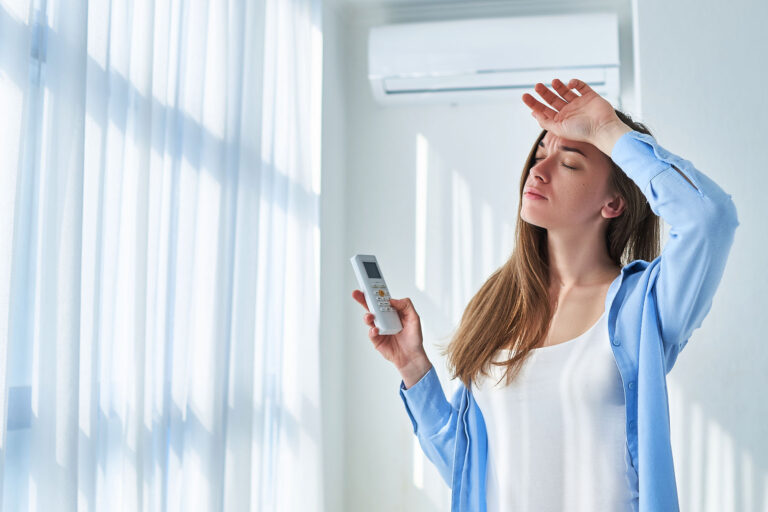
- Weak airflow or warm air from vents.
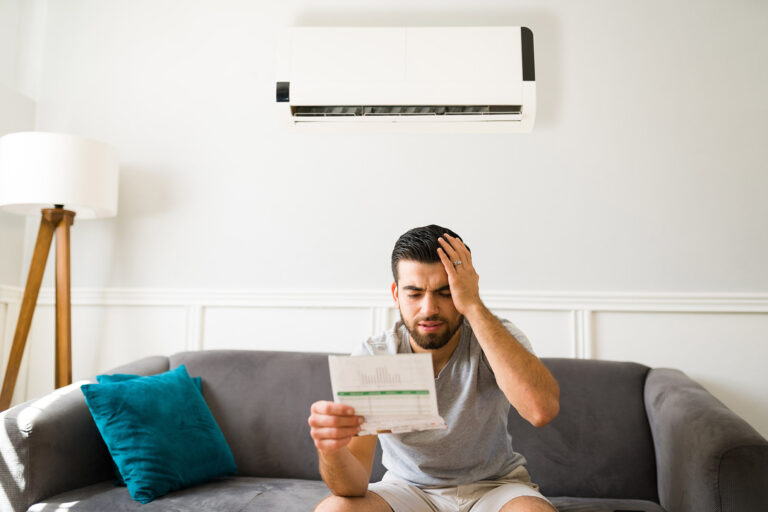
- Higher electricity bills without more usage.
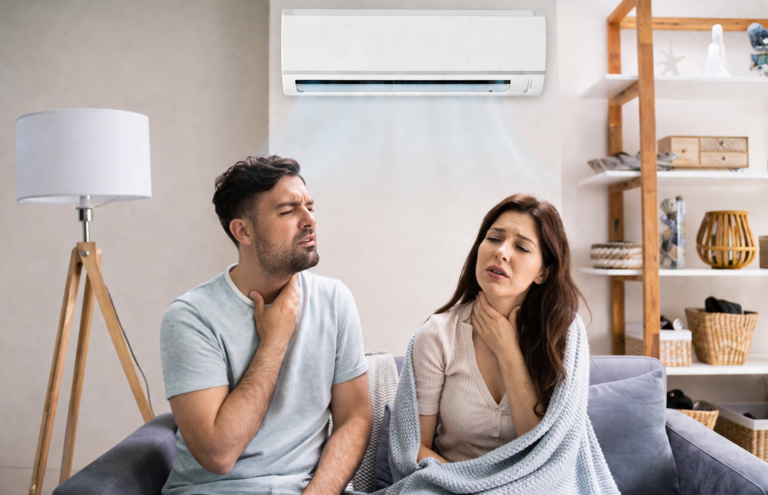
- Allergies or asthma symptoms worsening indoors.
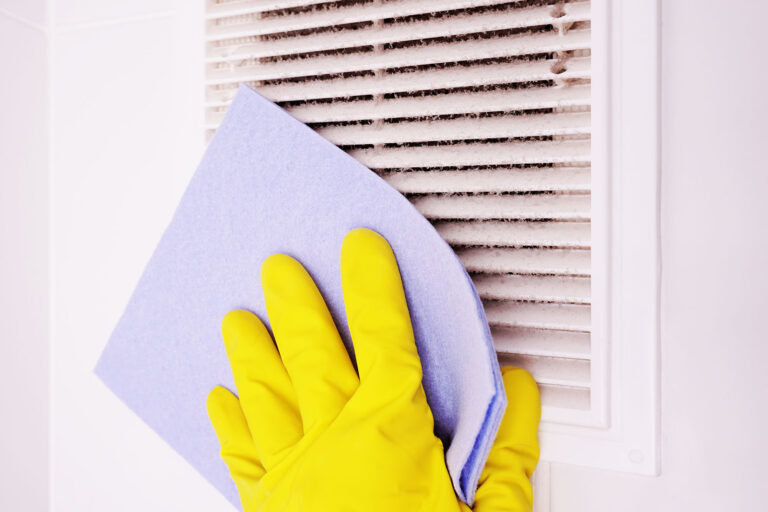
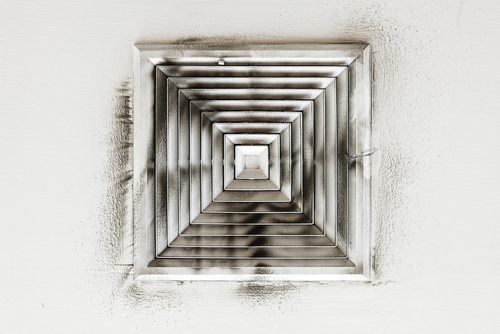
- Musty odours or visible dust on vents.
These are all signs your AC filter may be clogged.
Choosing the Best AC Filter for Your Home
When choosing a filter, think about:
- Filter size and fit.
- MERV rating (a measure of how well it traps particles).
- Allergies, pets, and household needs.
- The type of system (split unit vs. central AC filter).
Quick recommendations:
- Families with children or allergies: Consider using pleated or HEPA filters.
- Apartments or short-term rentals: Fiberglass or washable filters.
- Large villas with central systems: Pleated filters with moderate MERV ratings to balance airflow and dust capture.
Professional Maintenance: When to Call an Expert in Dubai
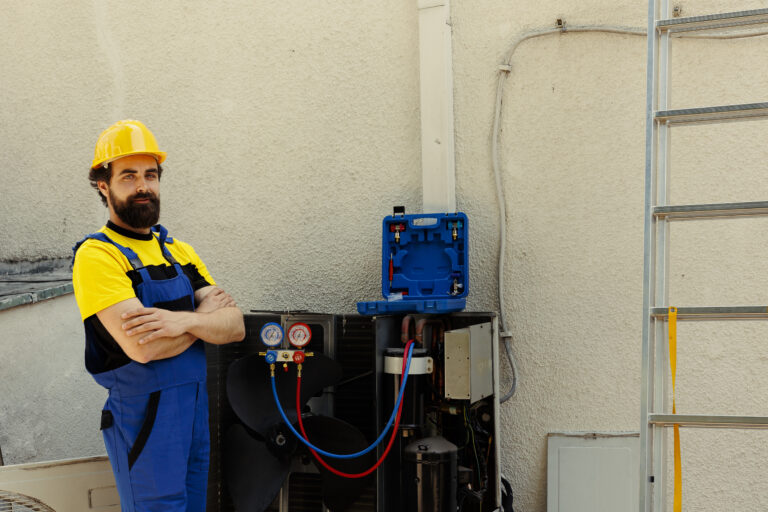
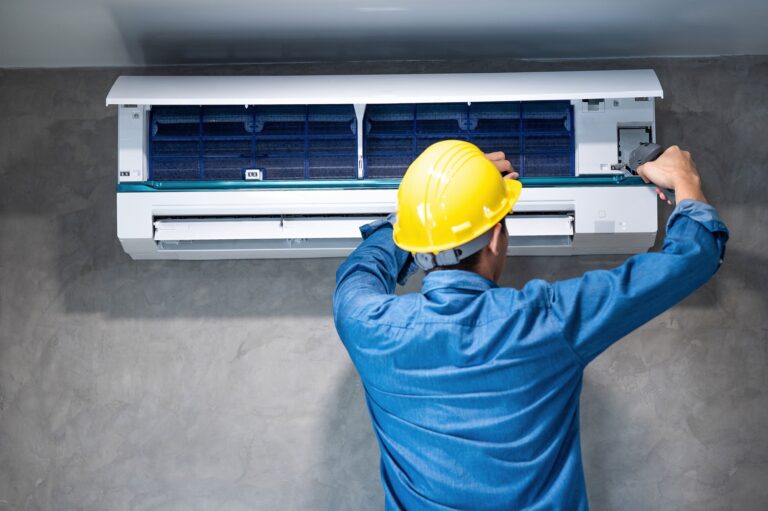
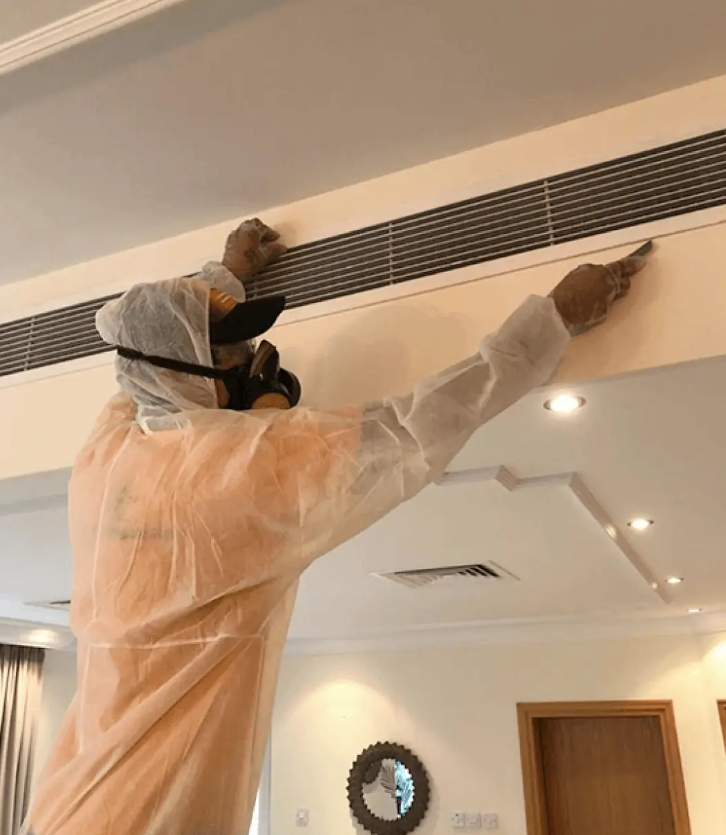
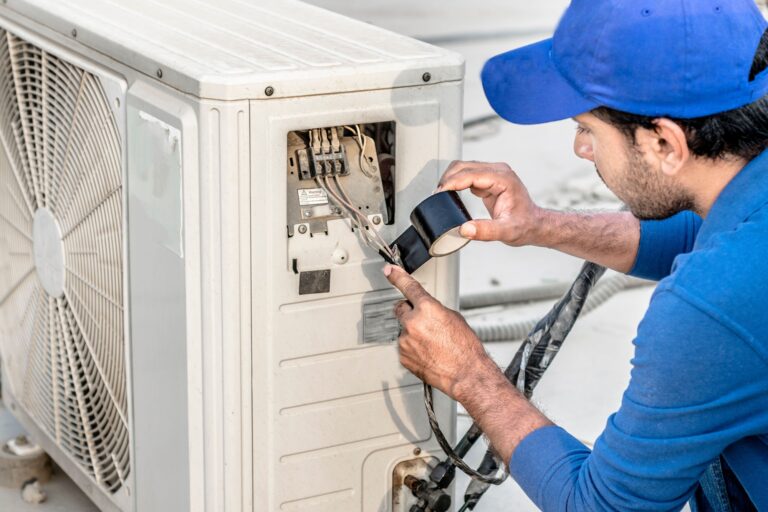
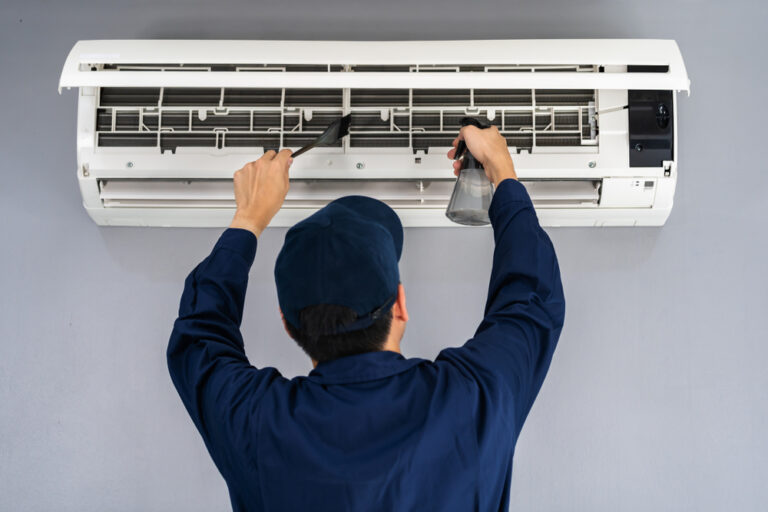
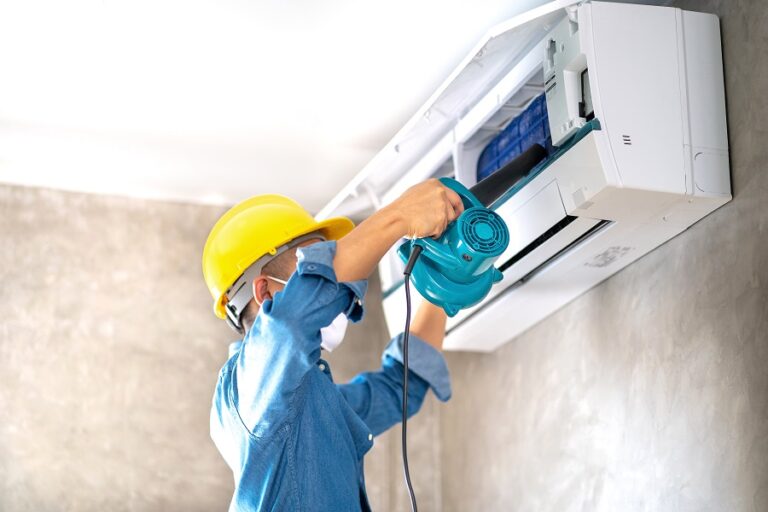
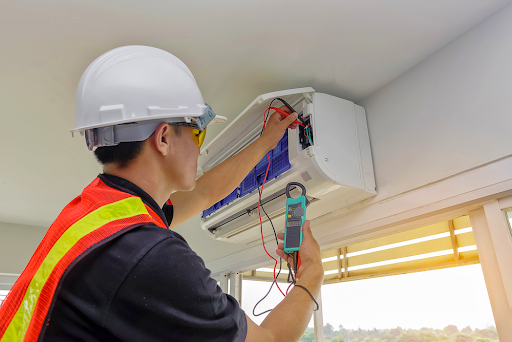
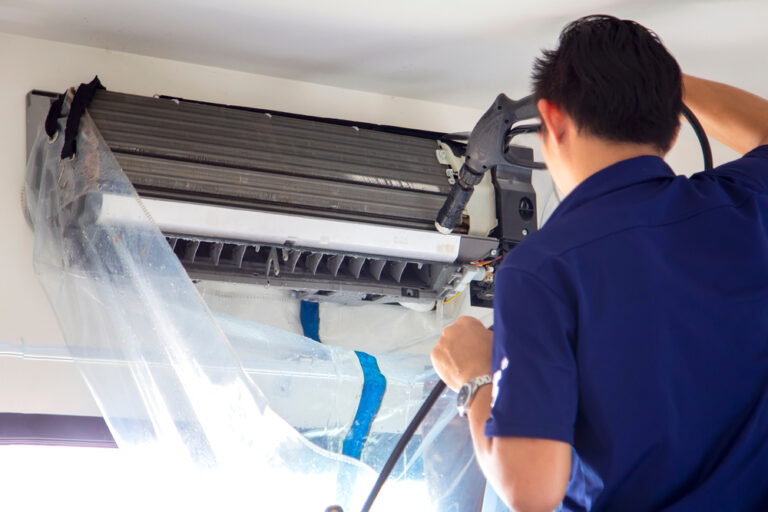
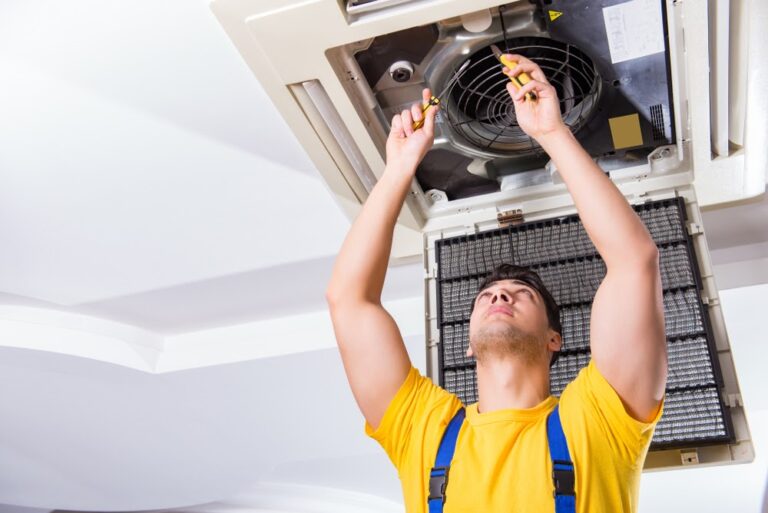
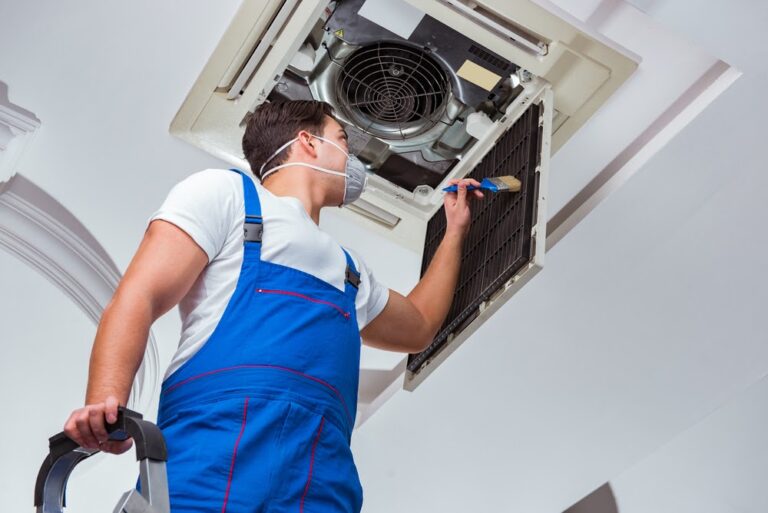
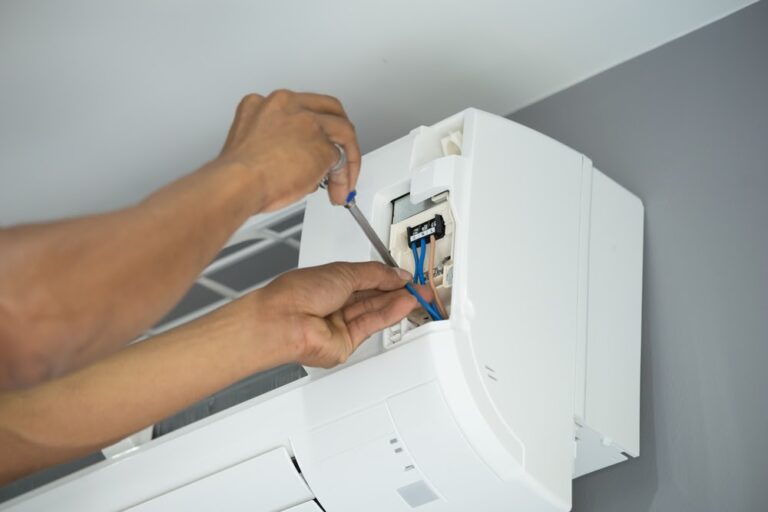
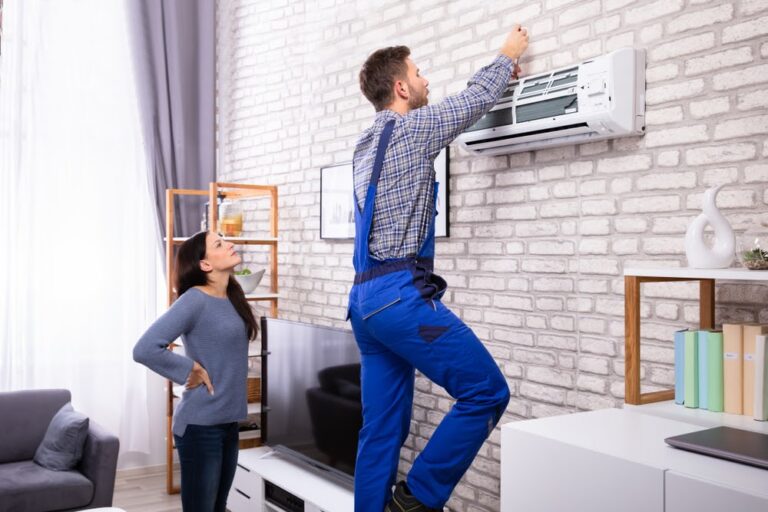
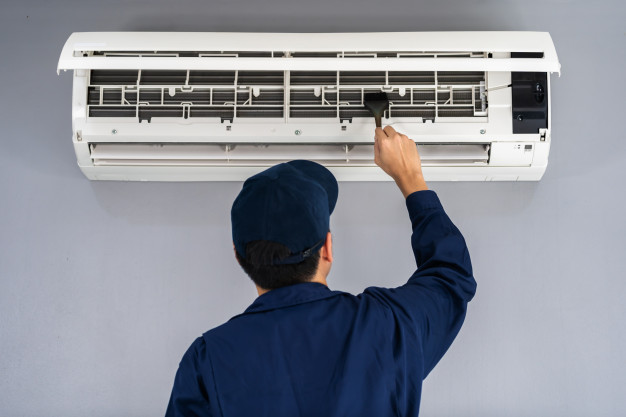
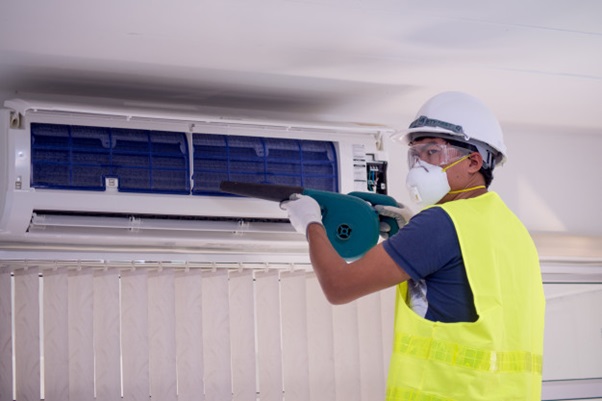
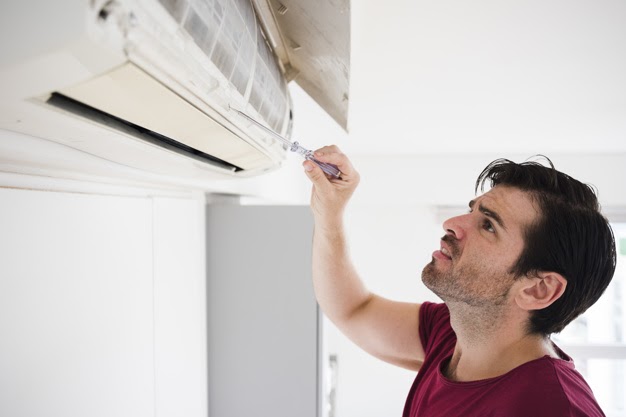
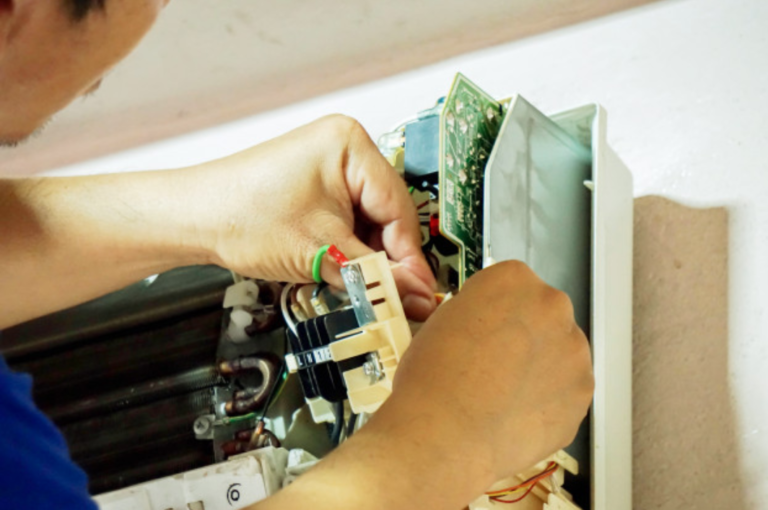
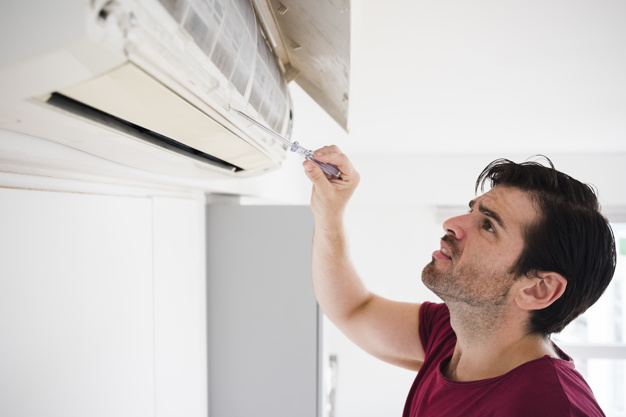
Even with regular AC filter cleaning, your system needs a professional check at least once a year. A technician can:
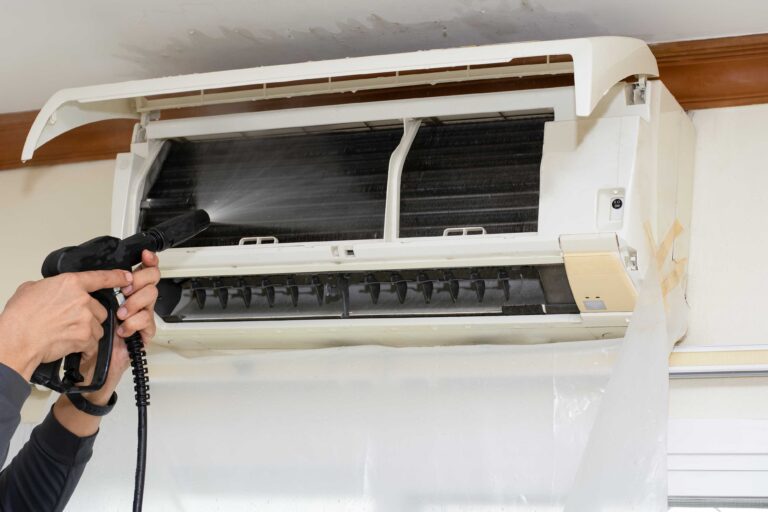
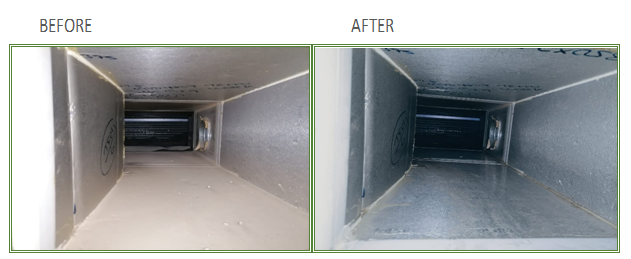
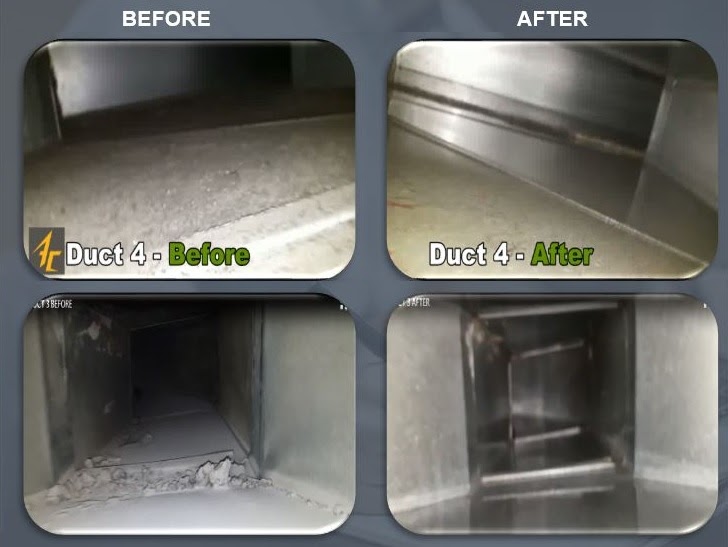
- Clean ducts and coils.
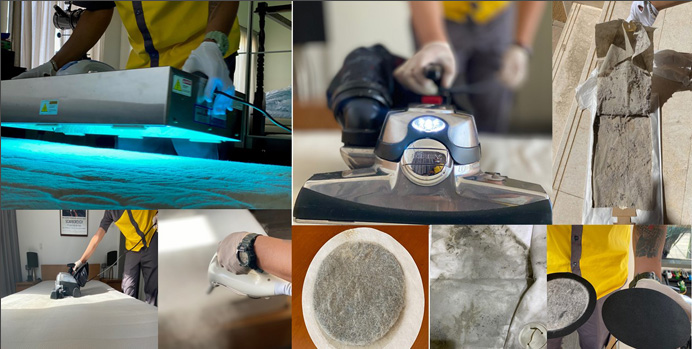
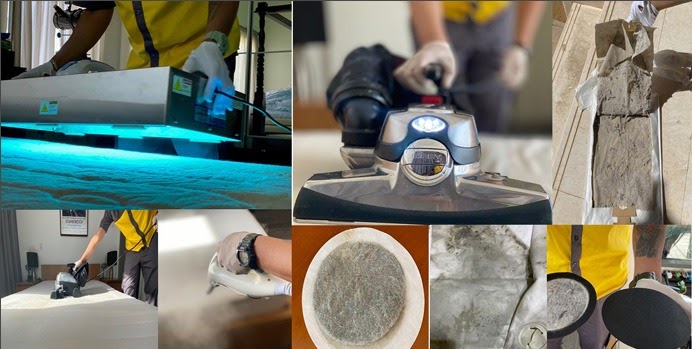
- Sanitise units to reduce bacteria and mould.
- Check for leaks or wear before they cause breakdowns.
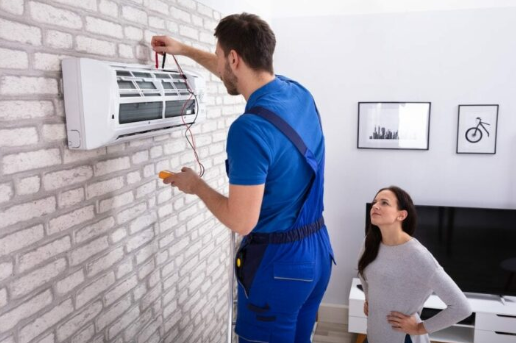
At Adams Care, we handle everything from filter replacement to comprehensive AC maintenance so that you can enjoy cool, clean air without stress.
Cleaner Air and a Longer-Lasting AC
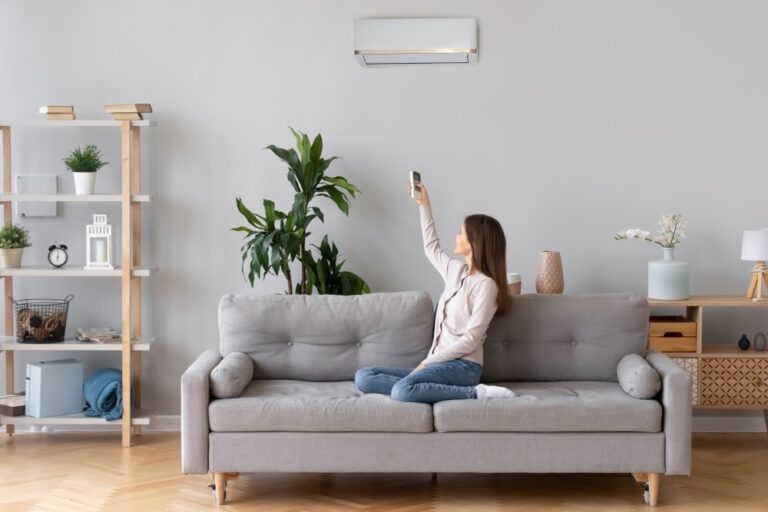
Choosing and maintaining the right air conditioner filter isn’t just about clean air. It’s about comfort, savings, and peace of mind. In Dubai’s dusty climate, a little attention goes a long way.
Check your filter today. If you’re unsure which AC filter suits your home or when to replace it, our friendly Adams Care team is here to help. Book an AC filter cleaning or complete maintenance visit with us and enjoy fresh, cool air all year round.
Frequently Asked Questions
How often should I change AC filters?
Most disposable air conditioner filters should be replaced every 1-3 months. In Dubai’s dusty climate, changing them every month is often best for steady airflow and cleaner indoor air.
What type of filter is best for an air conditioner?
The best AC filter depends on your needs. For basic protection, fiberglass filters are sufficient; for homes with pets or mild allergies, pleated filters are effective; and for severe allergies, HEPA filters are ideal. Just make sure your unit can handle them.
Does an AC filter develop mould?
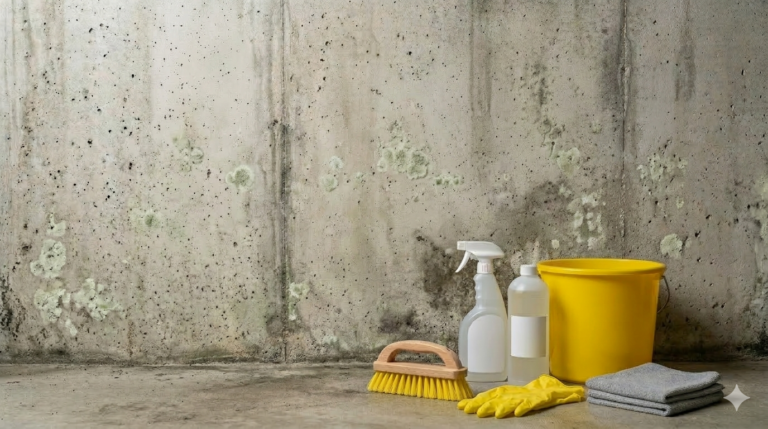
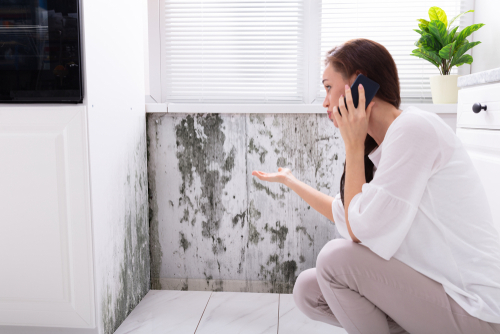
Yes. When filters stay damp from humidity or aren’t changed on time, mould can grow and spread spores through your home. Regular inspection, cleaning, and replacement prevent this.
Can I clean an AC filter myself?
You can easily clean washable filters yourself by turning off the unit, removing the filter, and rinsing it with mild soap and water. Disposable filters, however, should be replaced rather than washed.
How often should air conditioner filters be cleaned?
Washable AC filters should be cleaned at least once a month in the UAE due to the presence of sand and dust. If you run your AC heavily or have pets, check them even more often to keep the air fresh and your system efficient.






































































Scan For a Free Quote
Looking for the best AC Duct cleaning service in Dubai?


