Call us or make an online inquiry for a quick cost estimate.

Apr 24, 2026
Can Air Conditioning Cause Sore Throat? Prevention Tips
Key Takeaways
- Air conditioners cause sore throats by drying out your throat’s protective moisture and circulating hidden mould or dust if not maintained.
- Prevent irritation by keeping your thermostat between 22°C and 24°C, using a humidifier, and drinking plenty of water to stay hydrated.
- Regular professional servicing every 3 to 6 months is essential in Dubai to remove deep-seated contaminants that simple cleaning misses.
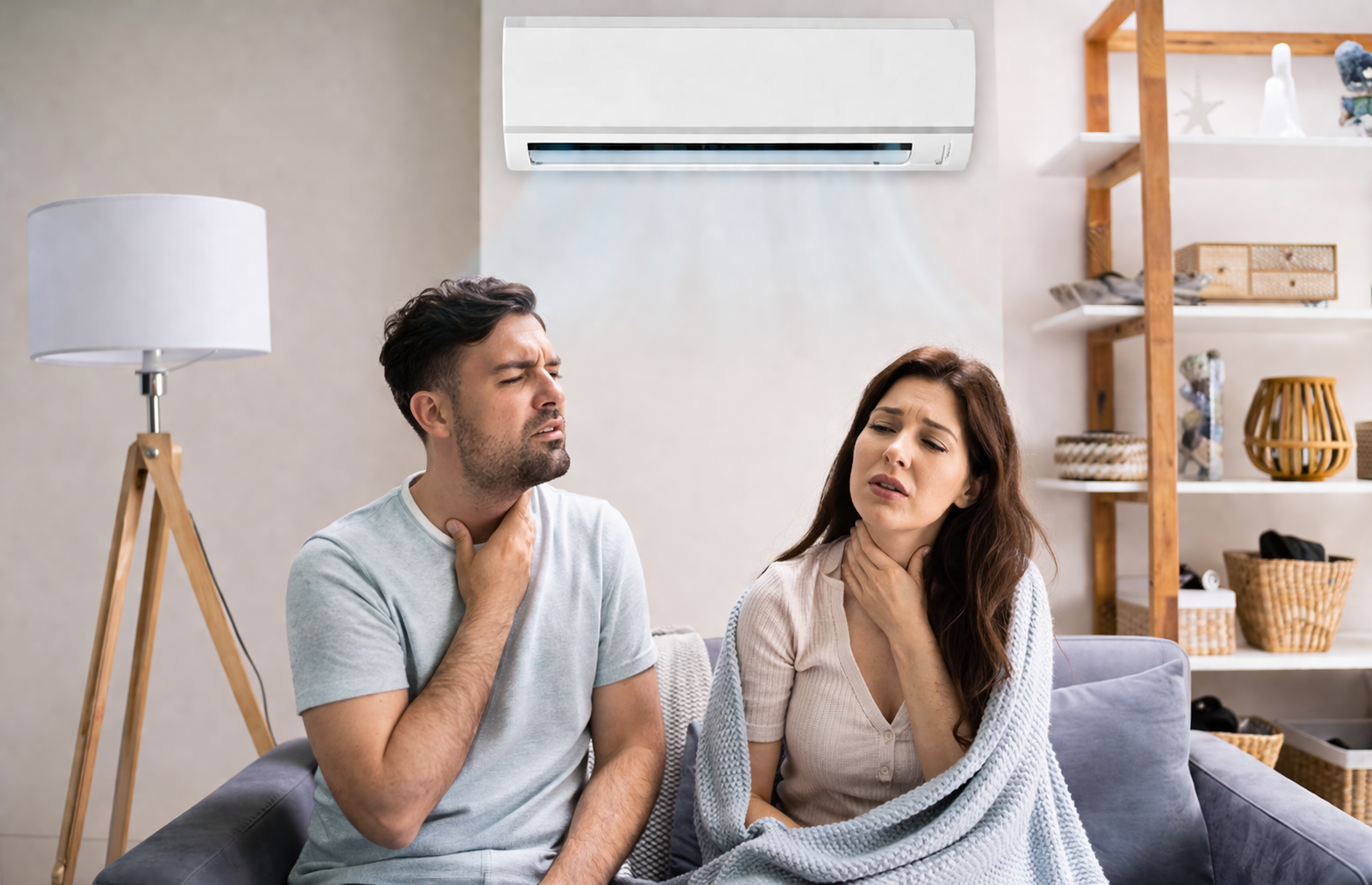
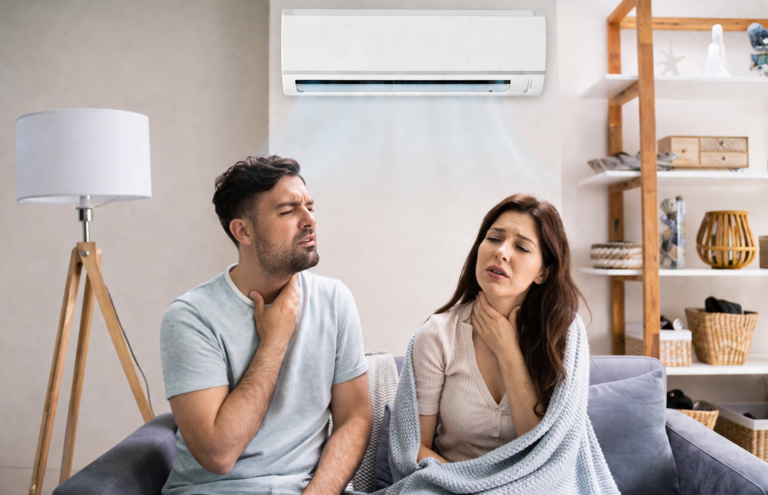
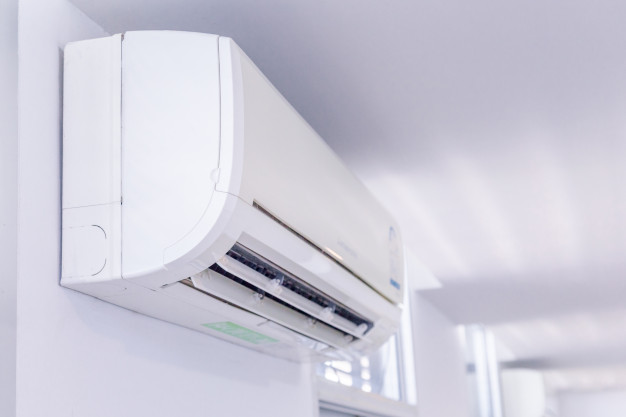
Waking up with a dry, scratchy sensation in the back of your throat is a common experience for many residents in Dubai. While the immediate assumption might be a seasonal cold or an impending flu, the actual culprit often sits quietly on your wall or ceiling.
The question “Can air conditioning cause sore throat?” is one we encounter frequently during the peak summer months. In a climate where cooling systems run almost continuously, understanding how these systems affect your respiratory health is essential. This guide explores the connection between your AC system and throat irritation, along with practical steps to maintain a healthy indoor environment.
Understanding the Link Between AC and Throat Irritation
The air conditioner itself does not typically contain viruses or bacteria that cause illness, but it can create conditions that make your body more vulnerable to irritation.
Low Humidity and Dehumidification
The primary function of an AC unit is to remove heat and moisture from the air. In the process of cooling your home, the system significantly lowers the humidity levels. When the air becomes too dry, it saps moisture from your mucous membranes. These membranes act as a protective barrier in your throat and nasal passages. When they dry out, you experience that familiar scratchy sensation and become more susceptible to airborne irritants.
Temperature Fluctuations
Moving between the intense 45°C outdoor heat and a chilled 18°C indoor environment can shock the body. This rapid change can stress the immune system and cause the blood vessels in the throat to contract, potentially leading to inflammation or discomfort.
Recirculated Allergens
If an HVAC system is not properly maintained, it can become a vehicle for dust, pollen, and pet dander. Instead of breathing fresh air, you are breathing in a concentrated mixture of allergens that can irritate the lining of your throat.
Common Reasons Your AC May Be Causing a Sore Throat
If you find yourself asking why your AC gives you a sore throat every morning, the issue might lie in the physical condition of your unit.
-
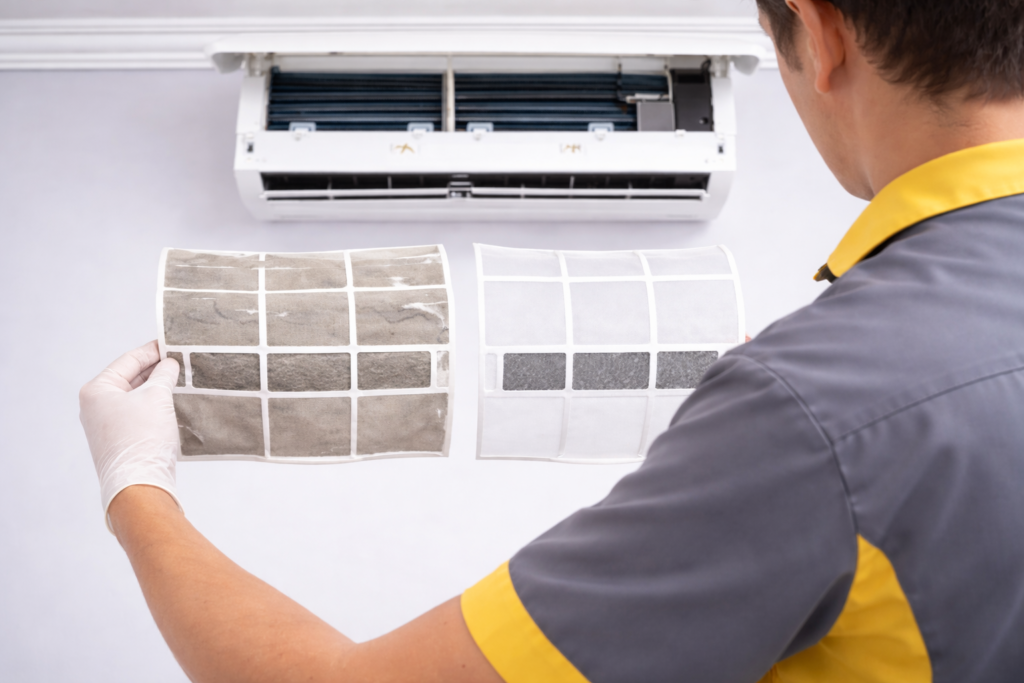
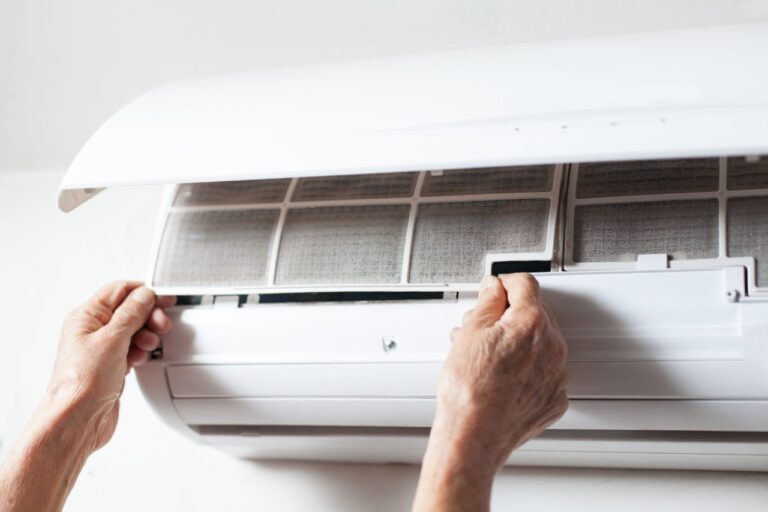
Dirty Air Filters
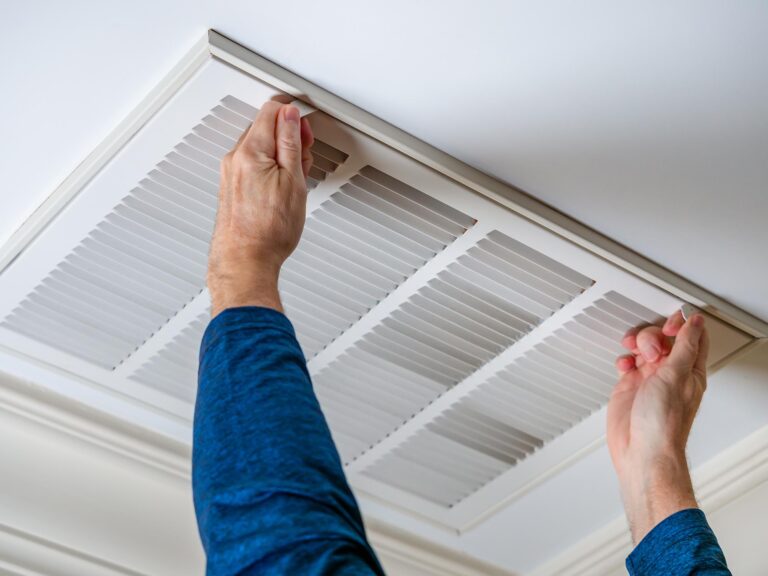
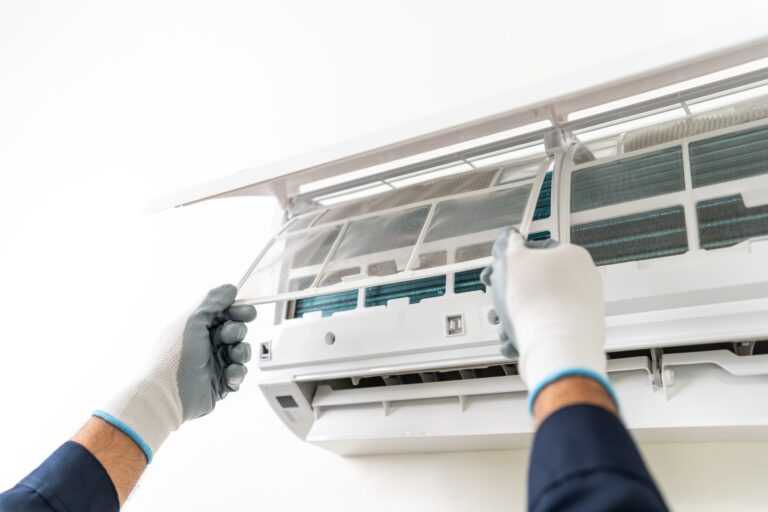
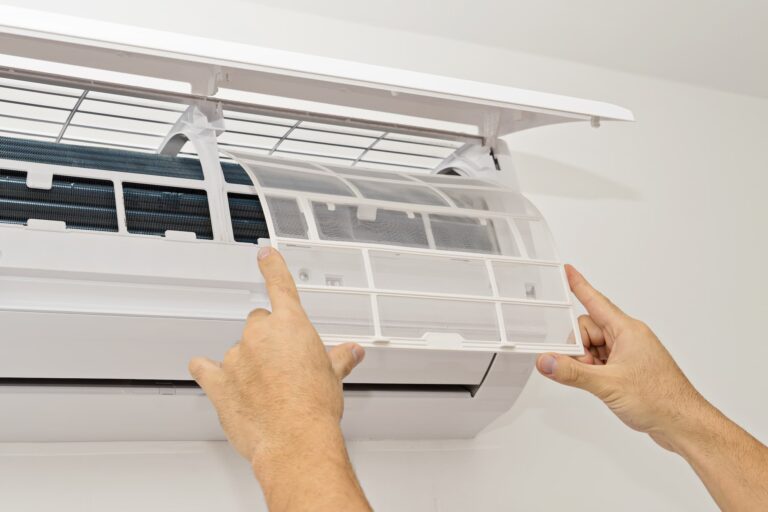
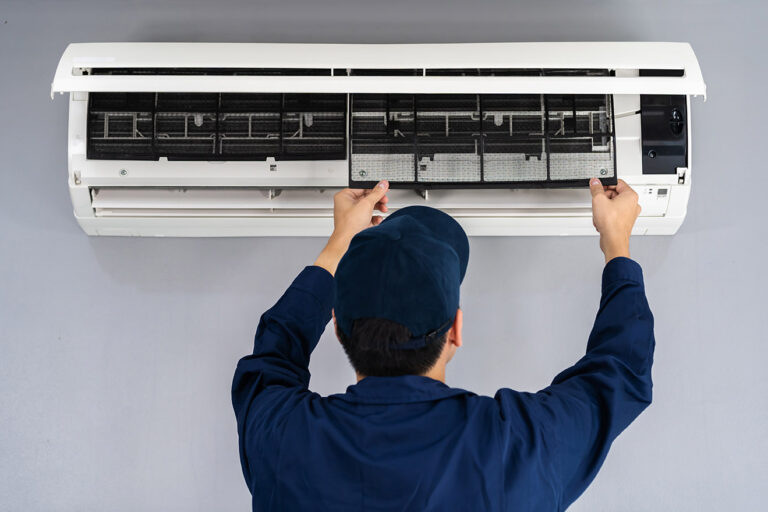
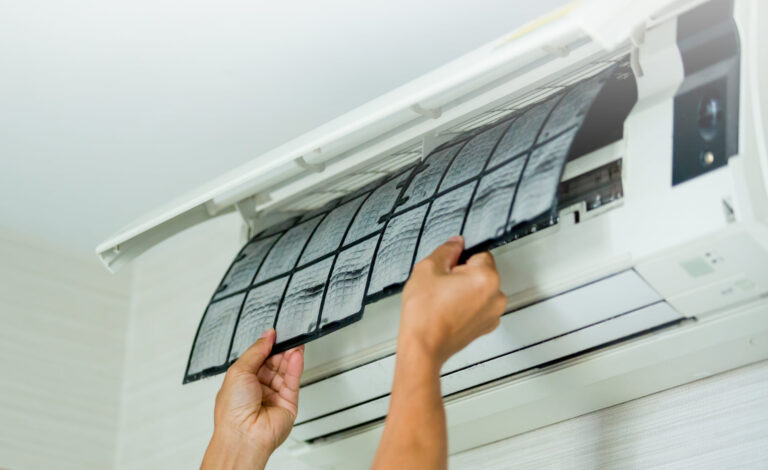
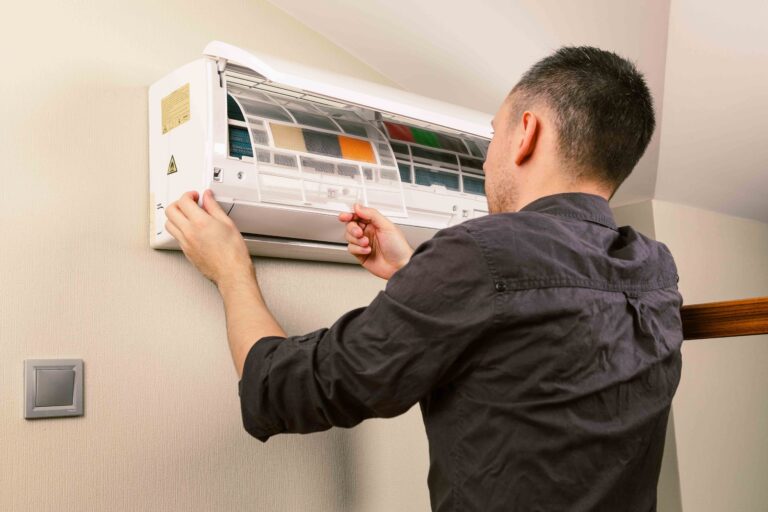
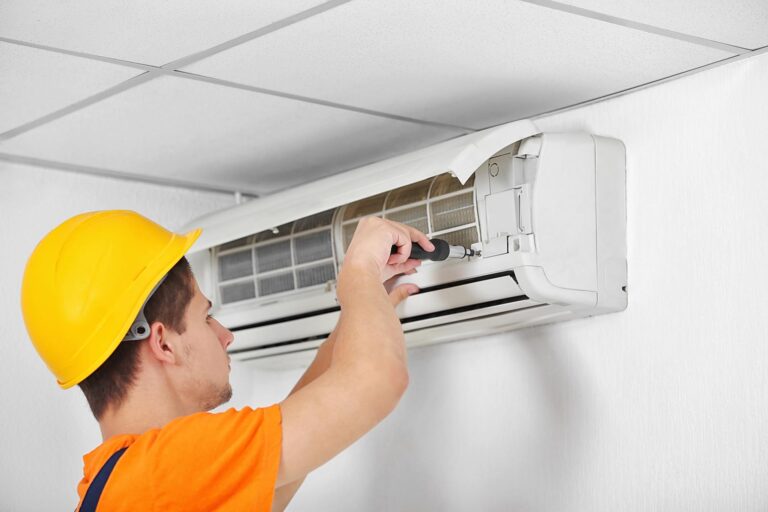
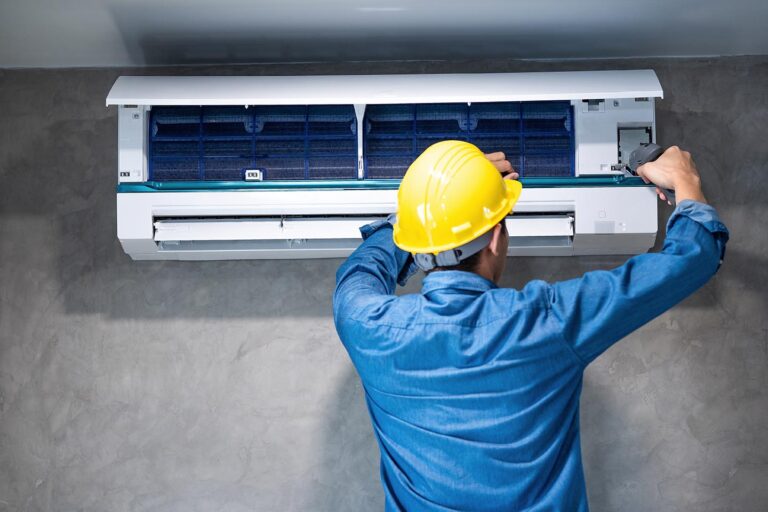
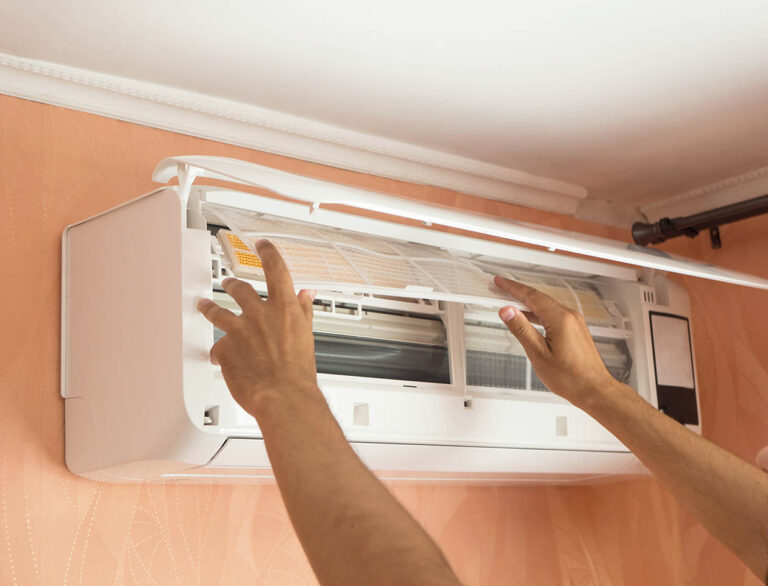
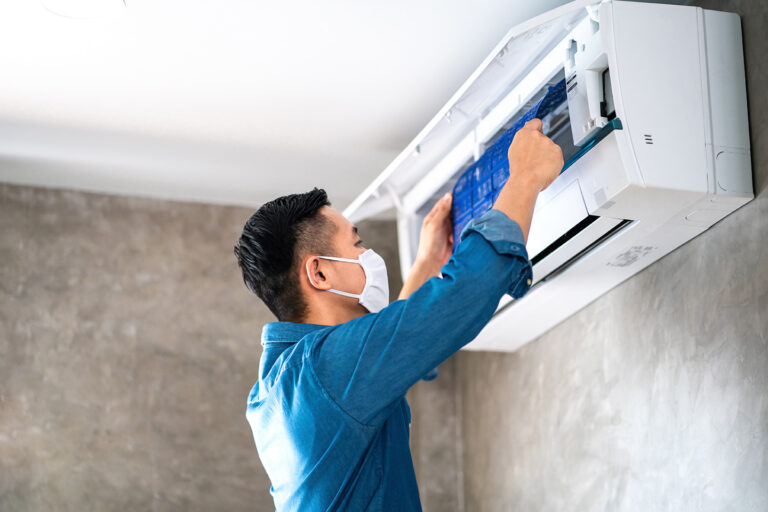
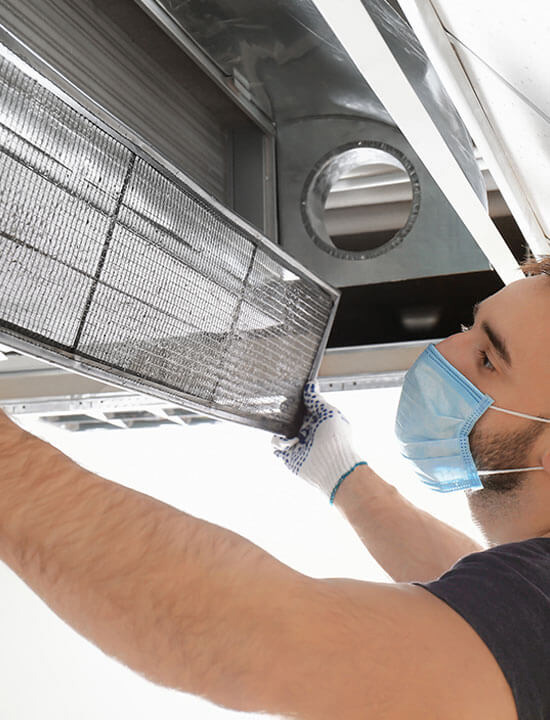
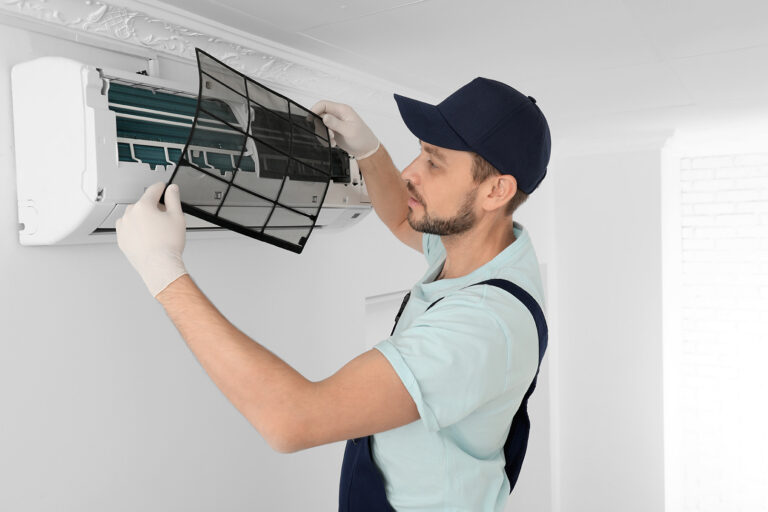
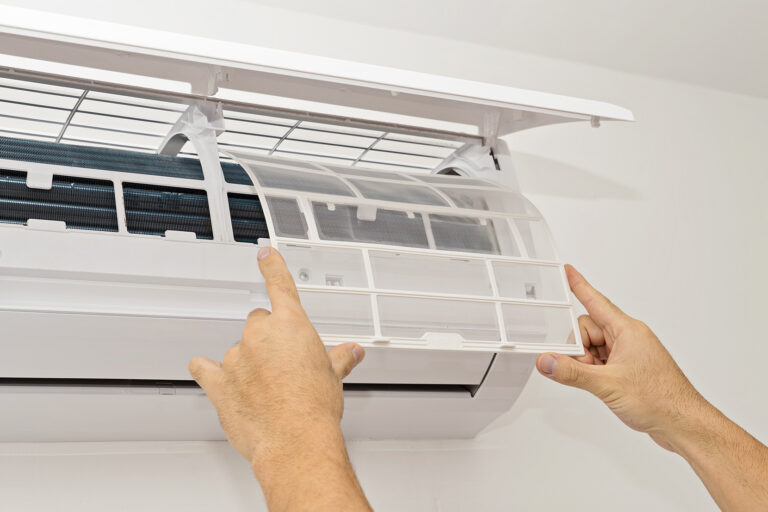
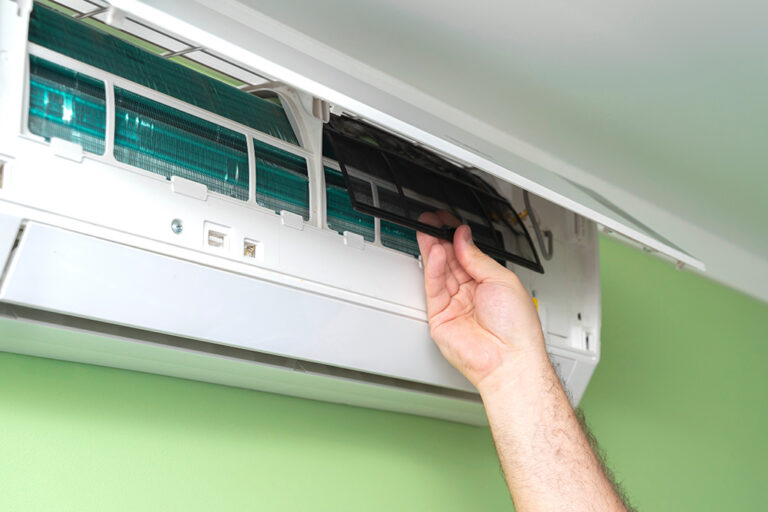
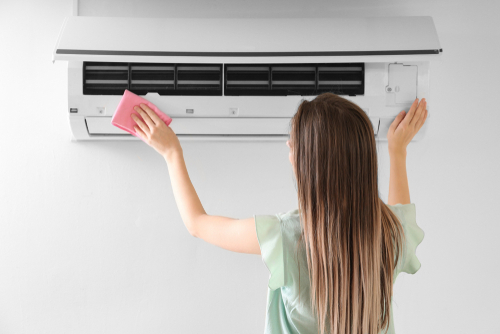
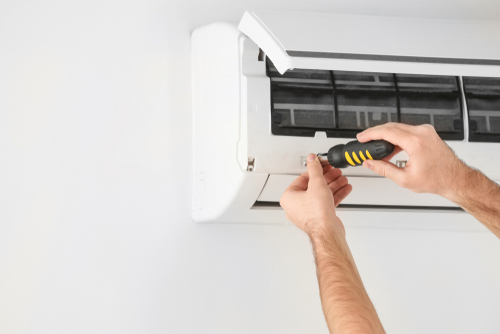
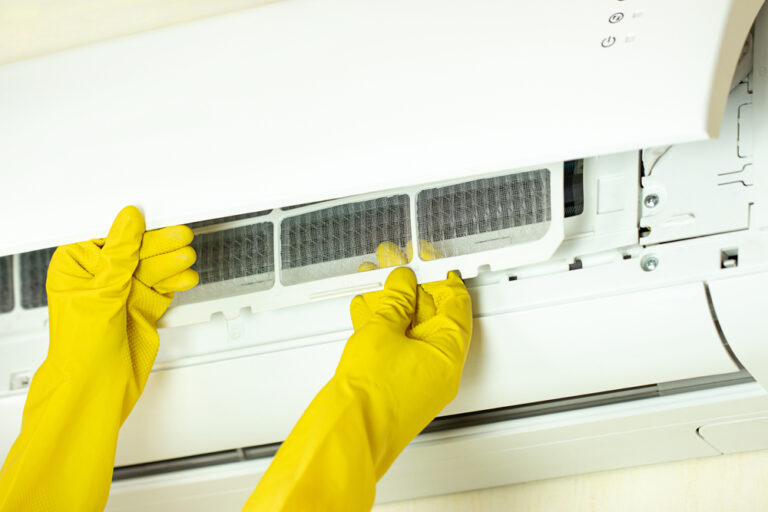
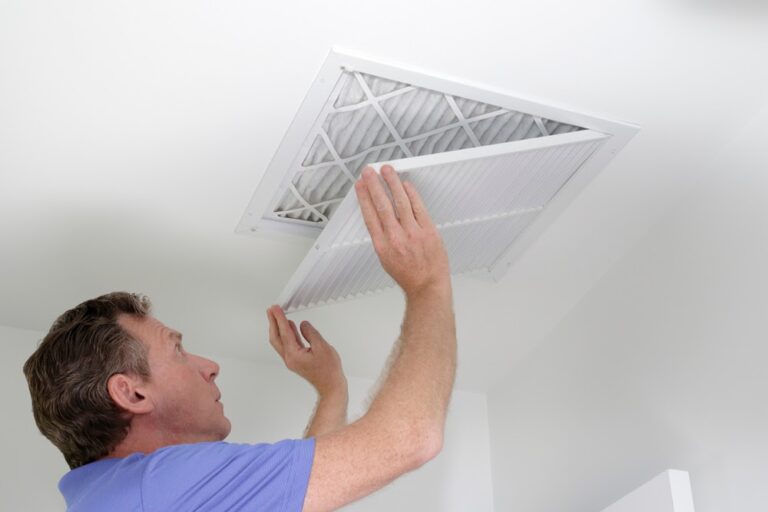
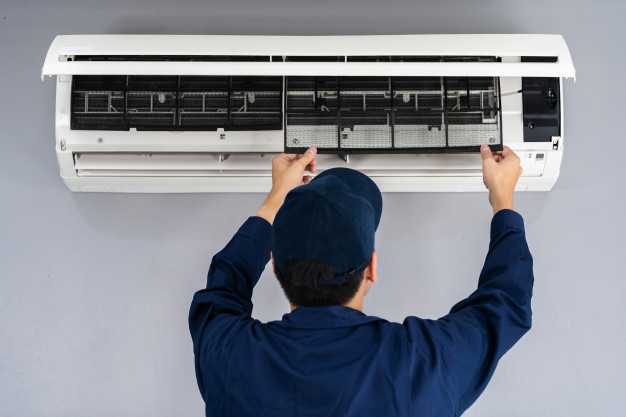
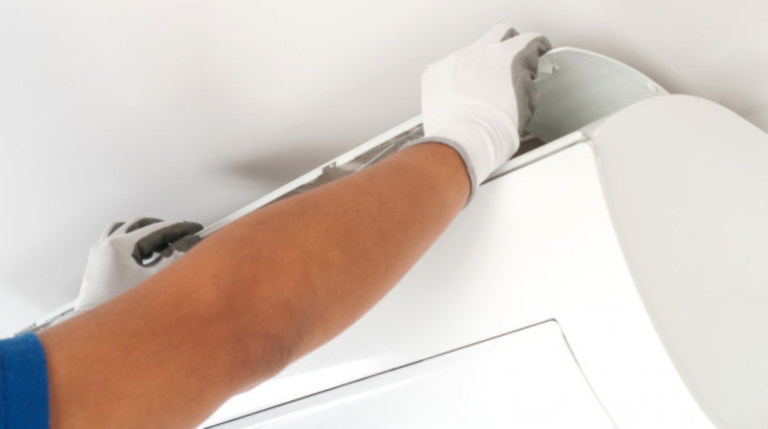
Filters are designed to trap particles before they enter your living space. Once a filter is saturated, it can no longer do its job, allowing dust and microscopic debris to bypass the system and enter your lungs. Regular inspection of your filtration system is the first line of defence against respiratory irritation.
-
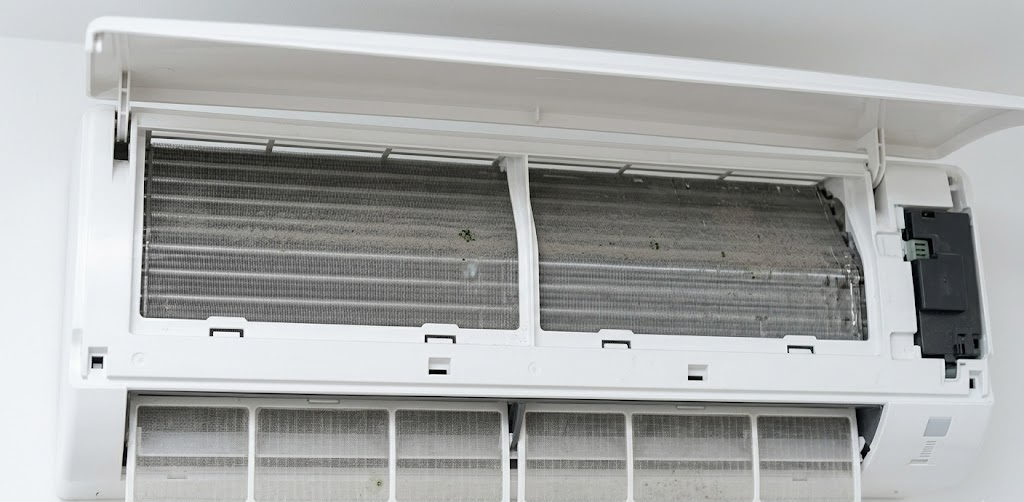
Mould and Bacterial Growth
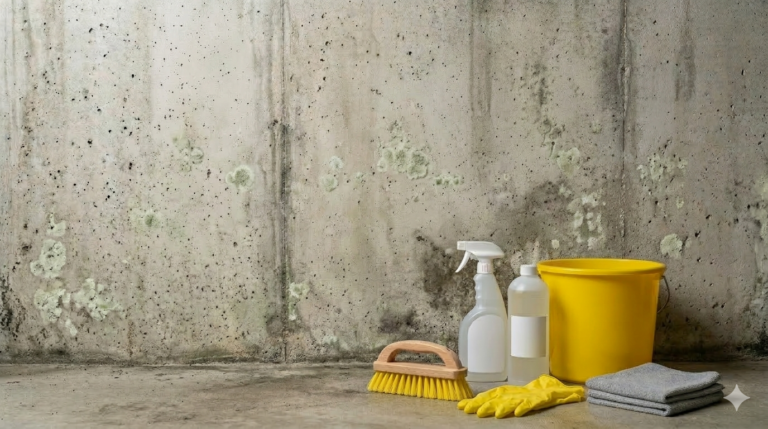
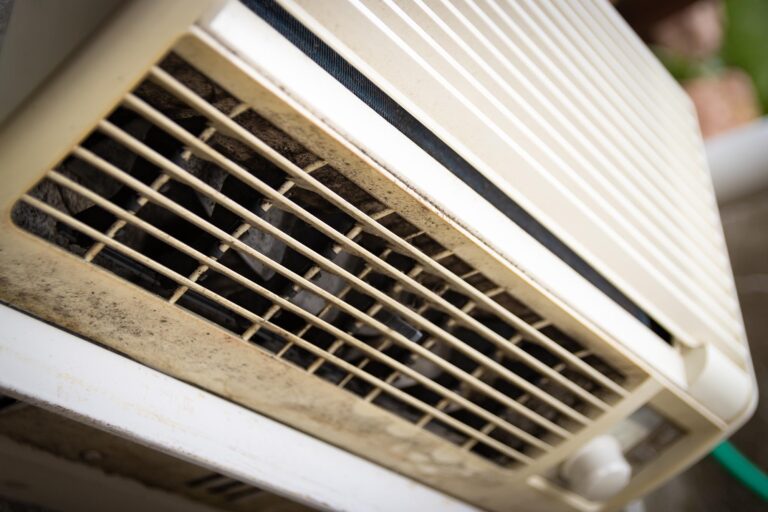
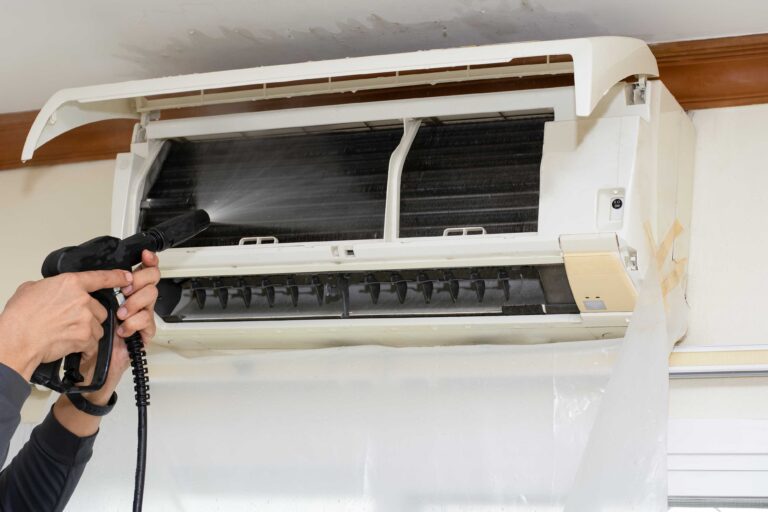
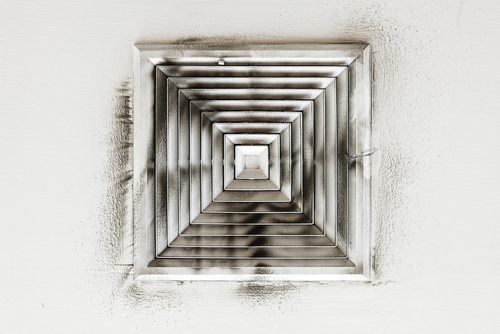
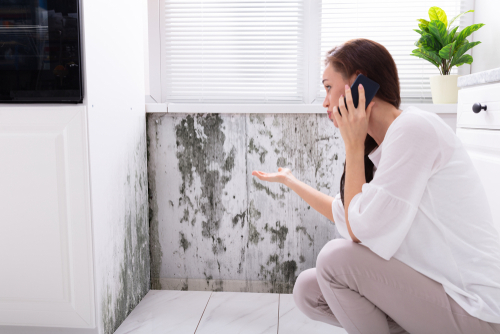
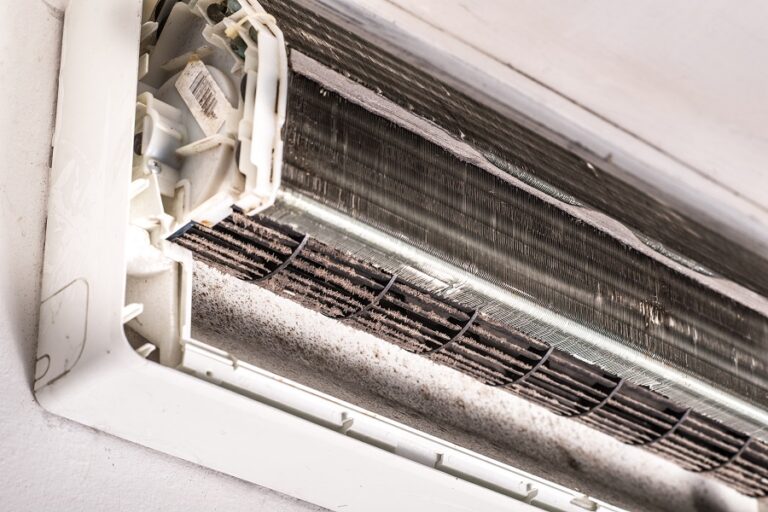
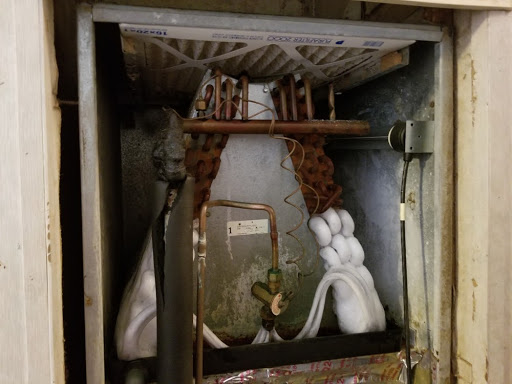
The dark, damp environment of the evaporator coils and drain pans is the perfect breeding ground for mould. When the fan blows air over these contaminated components, mould spores are dispersed throughout your home. This biological pollution is a leading cause of Sick Building Syndrome and chronic throat issues. A mould remediation helps identify, treat, and prevent the growth at its source.
-
Refrigerant Issues
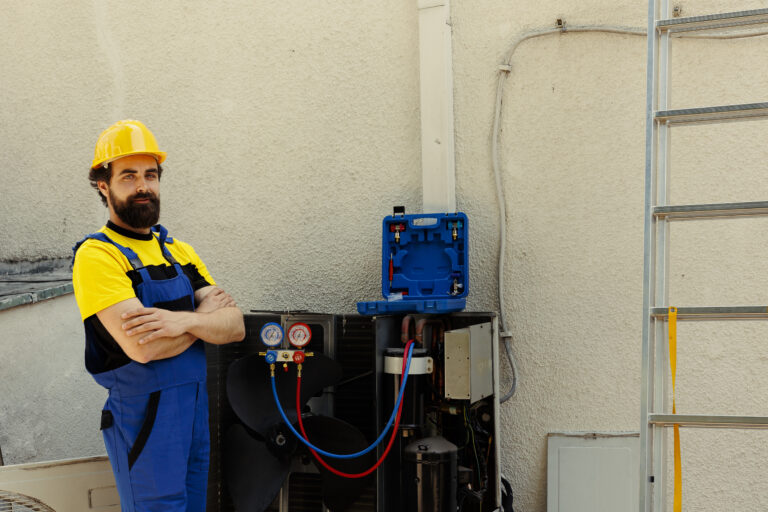
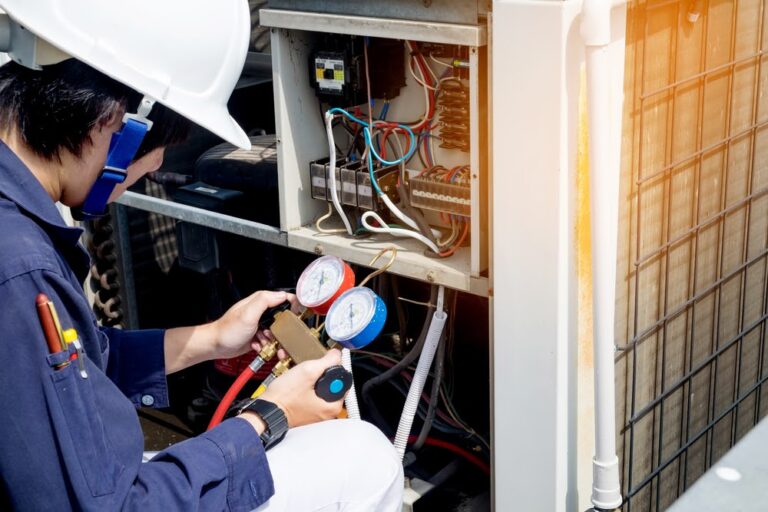
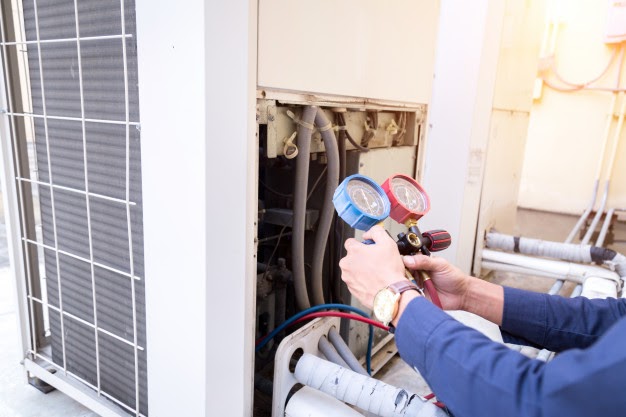
While rare, a leak in the cooling gas can lead to air quality issues. If you notice a strange chemical smell along with your physical symptoms, it is worth checking your AC refrigerant for leaks.

Practical Tips to Prevent AC-Related Sore Throats
You do not have to choose between being uncomfortably hot or dealing with an irritated throat from air conditioning. Following these steps can help you find a healthy balance.
1. Control the Thermostat
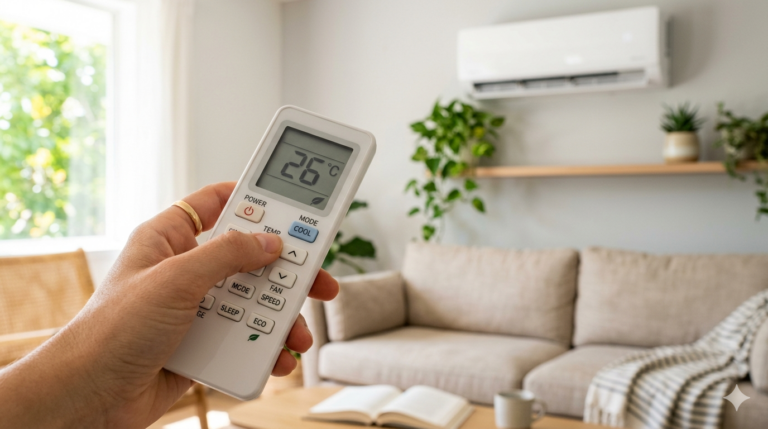
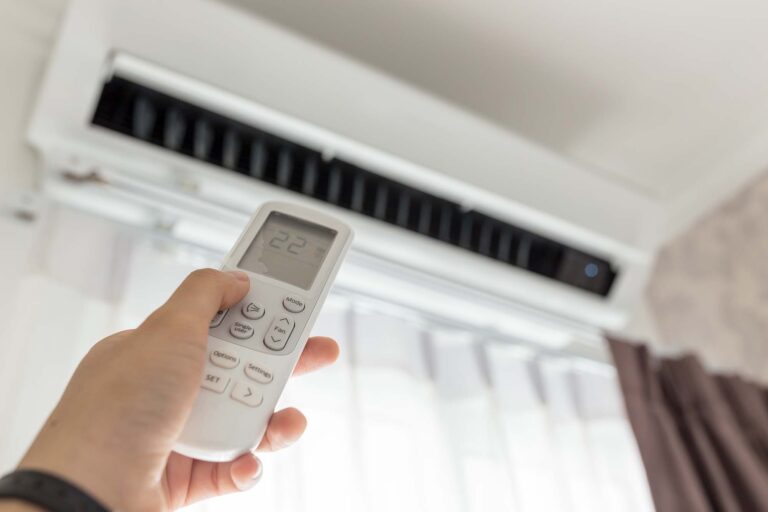
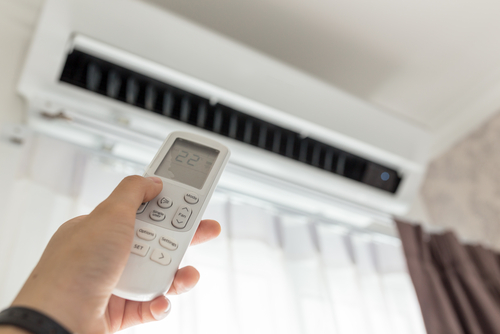
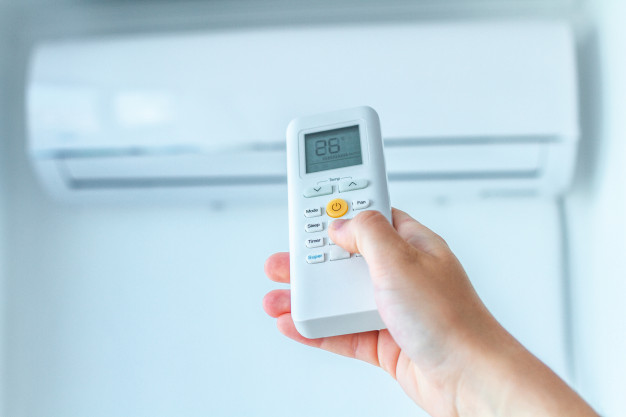
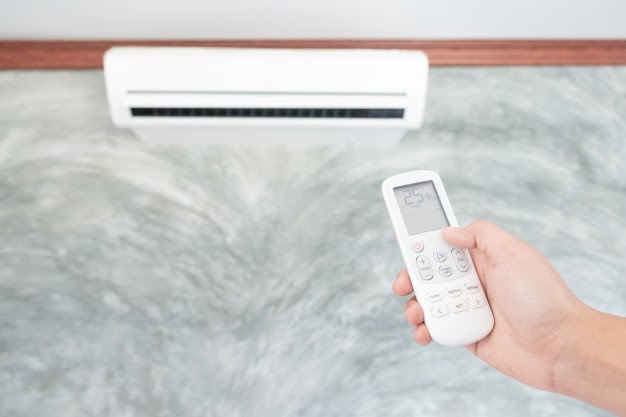
Avoid setting your AC to extremely low temperatures. Aim for a comfortable range between 22°C and 24°C. This reduces the severity of the temperature shock when you enter or leave the building and prevents the air from becoming excessively dry.
2. Maintain Proper Humidity
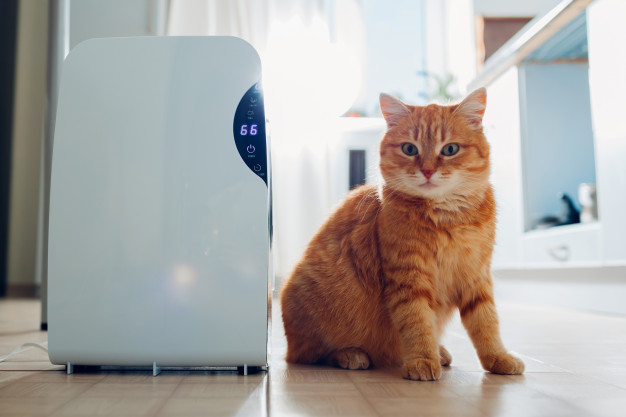
Consider using a humidifier in your bedroom at night to add a controlled amount of moisture back into the air. This keeps your throat hydrated while you sleep, which is when most AC-related irritation occurs.
3. Hydrate Frequently
Drinking plenty of water throughout the day helps maintain the moisture levels in your mucous membranes from the inside out. In a dry, air-conditioned environment, your body loses water faster than you might realise.
4. Schedule Regular Sanitisation
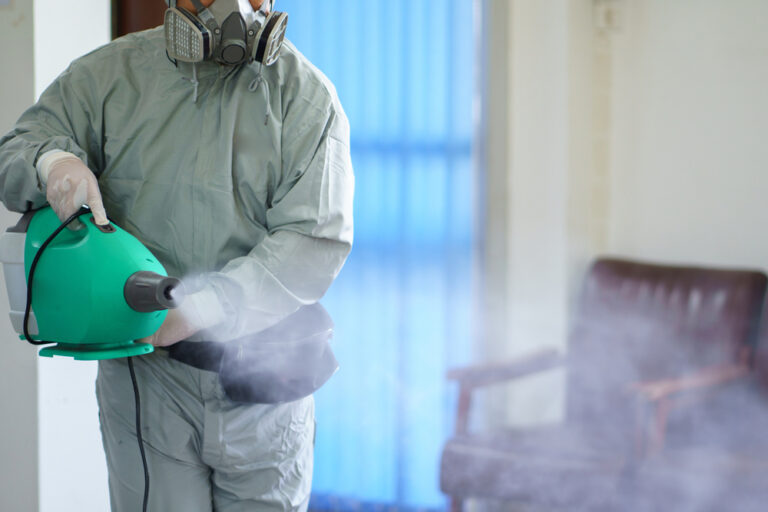
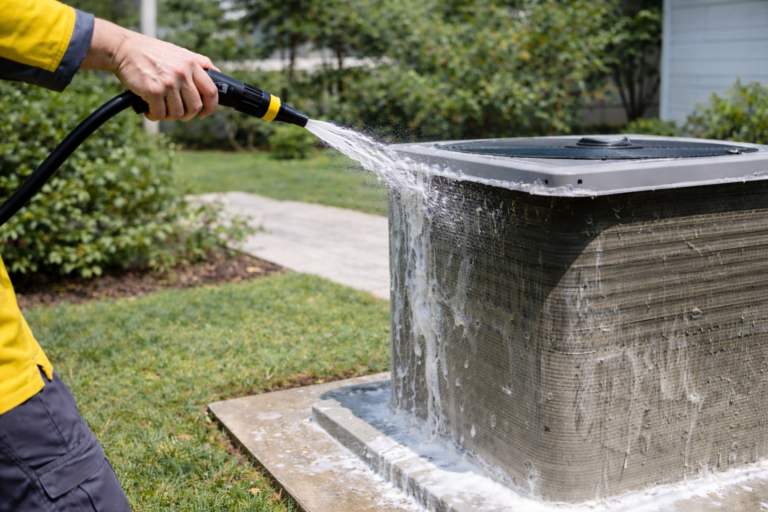
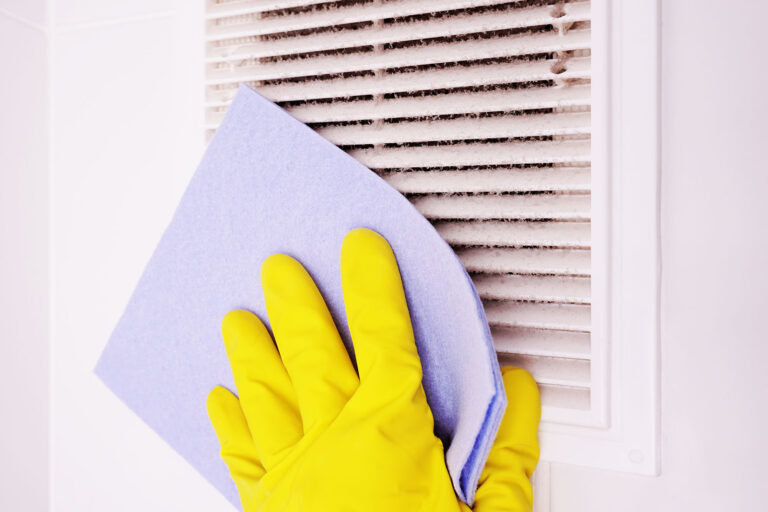
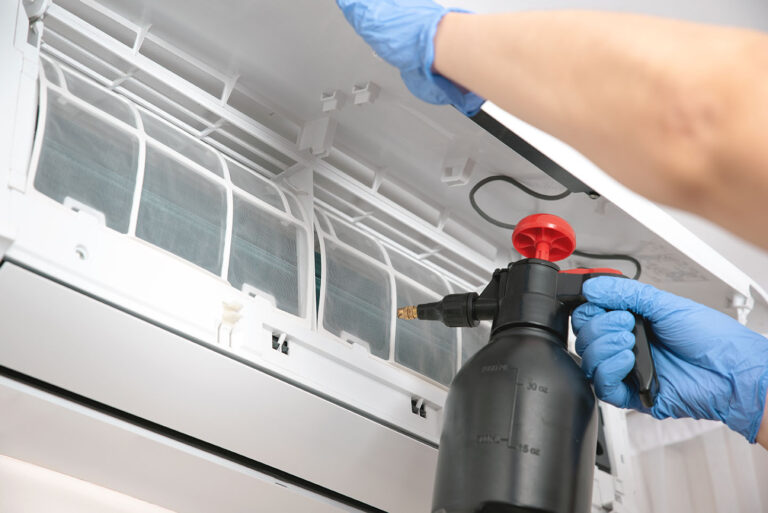
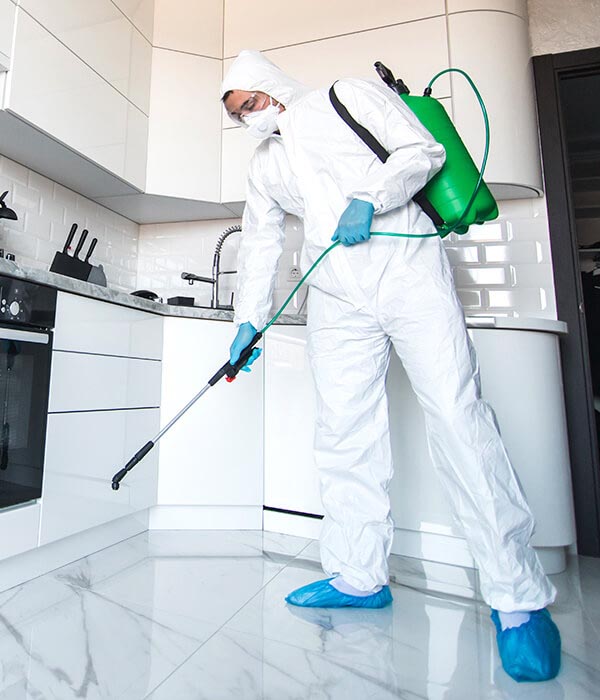
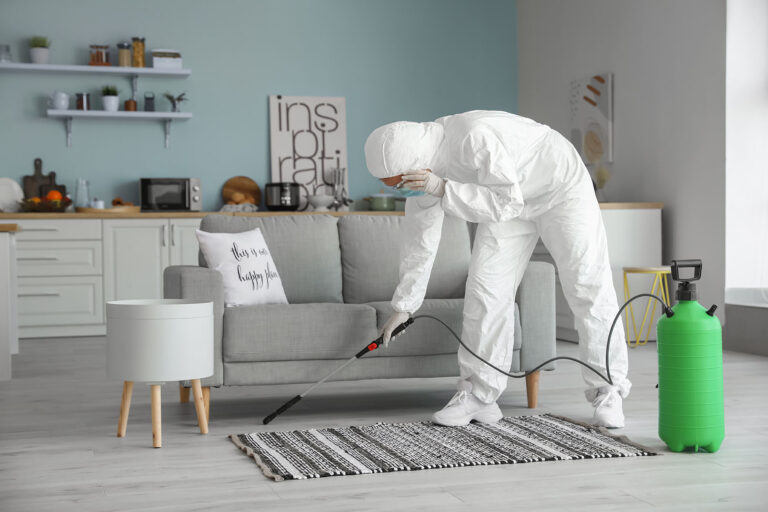
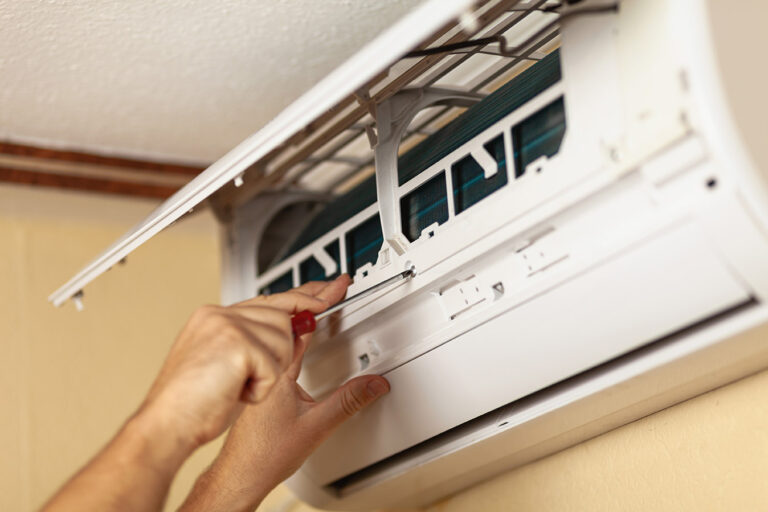
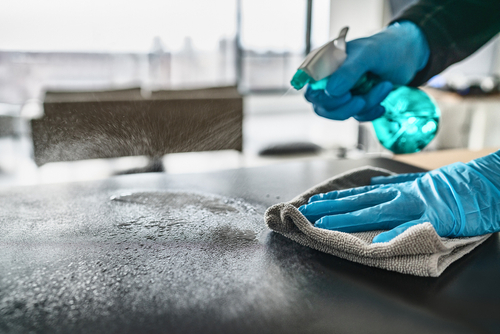
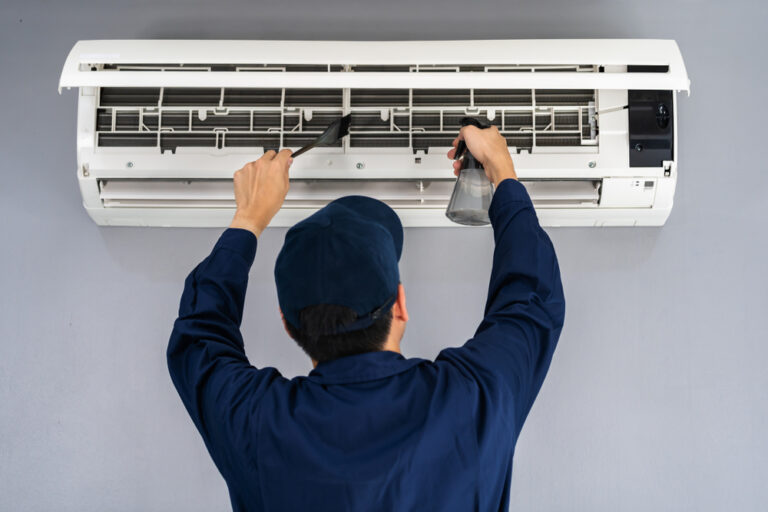
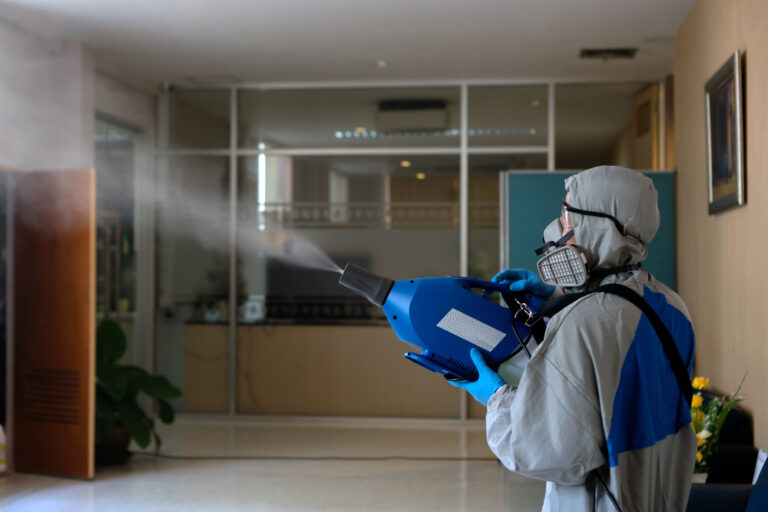
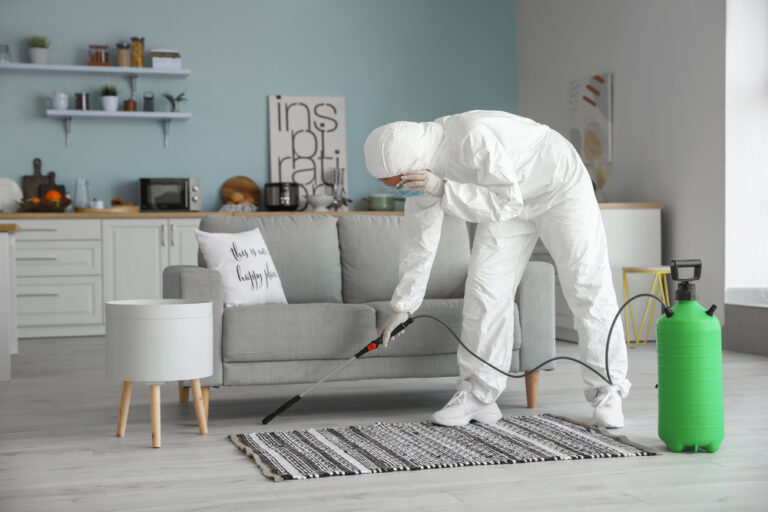
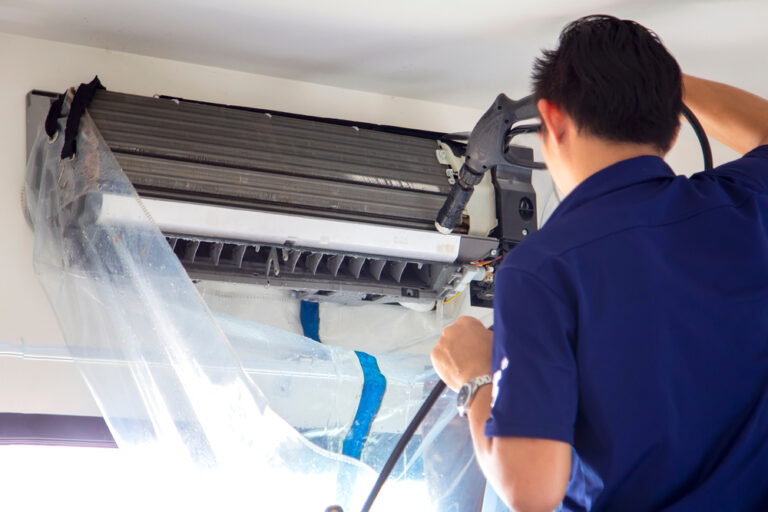
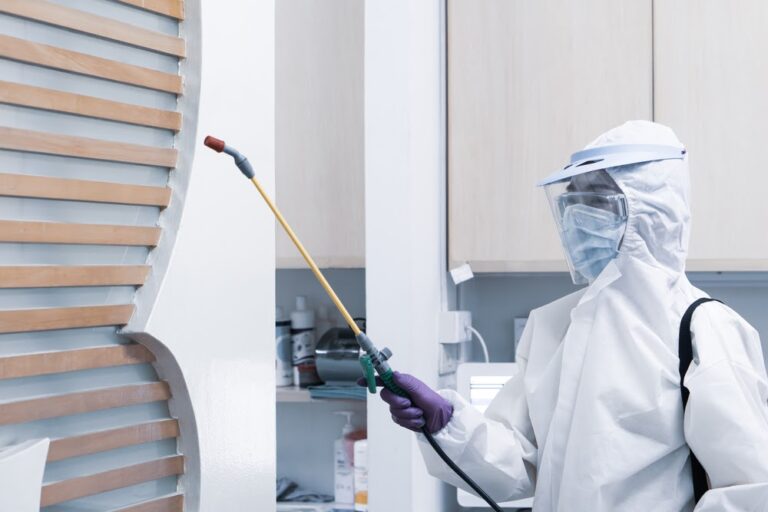
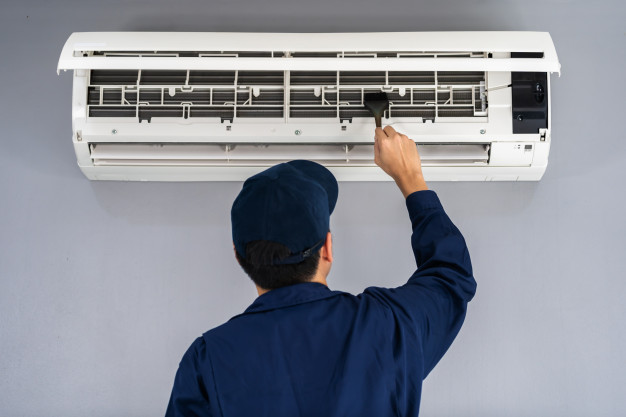
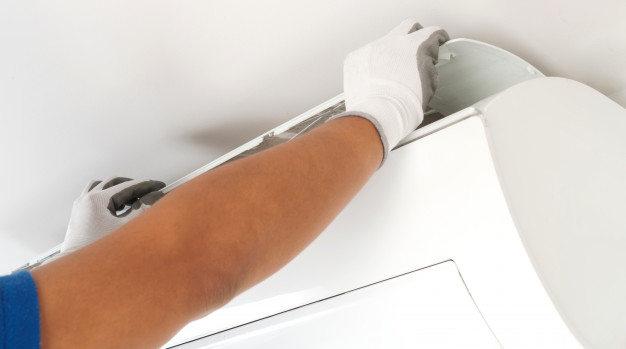
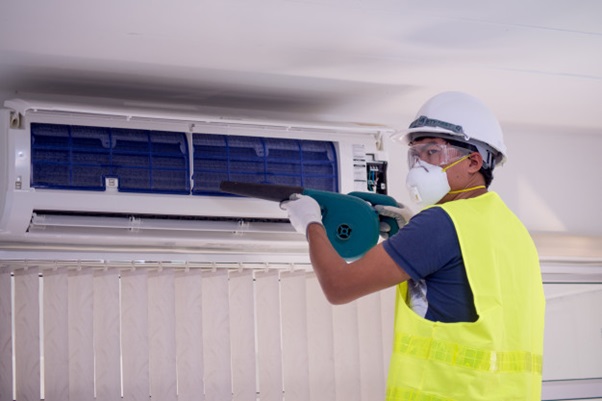
A standard surface clean is often insufficient for removing deep-seated biological growth. Investing in comprehensive system sanitisation ensures that the air you breathe is free from mould spores and bacteria.
When to Seek Professional Help
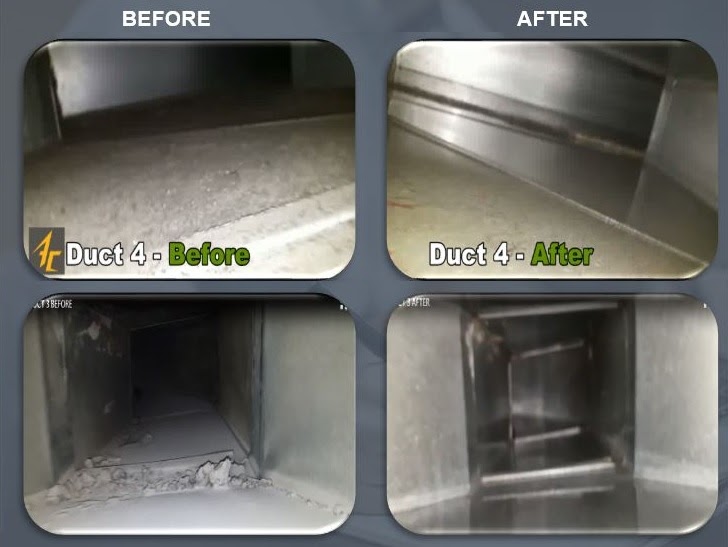
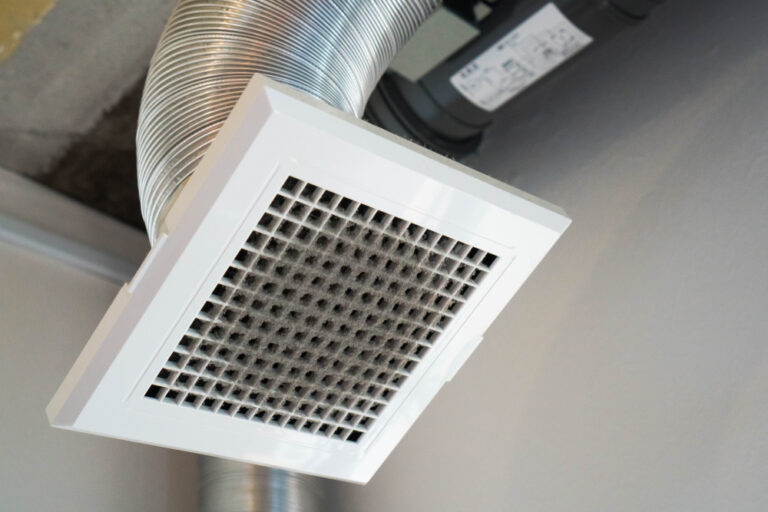
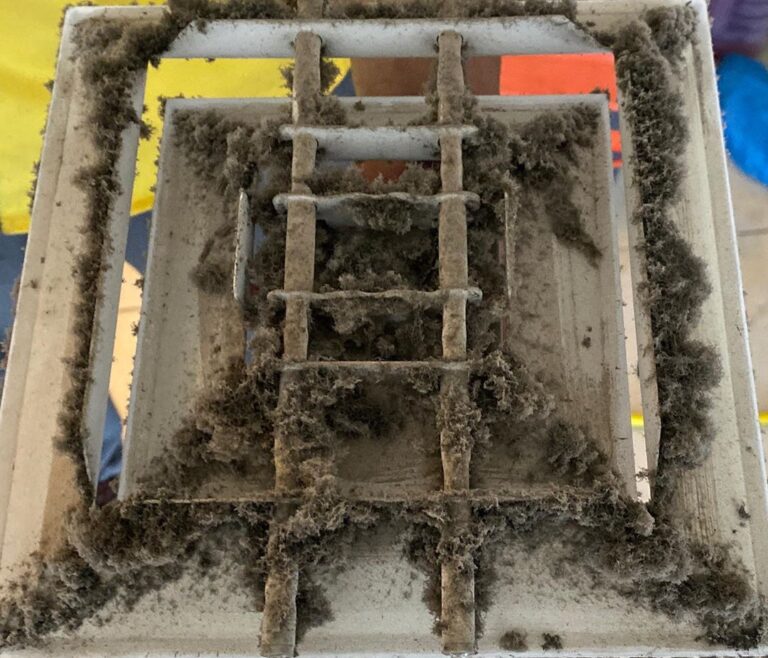
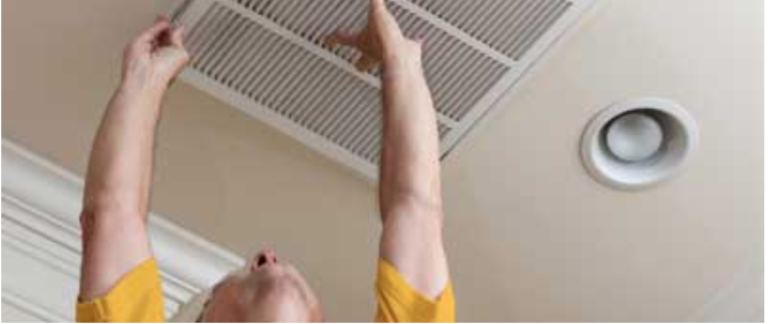
If your scratchy throat from the AC persists even after you have adjusted the temperature and increased your water intake, the problem is likely hidden deep within your ductwork. Over time, dust and debris can accumulate in areas that are impossible for a homeowner to reach.
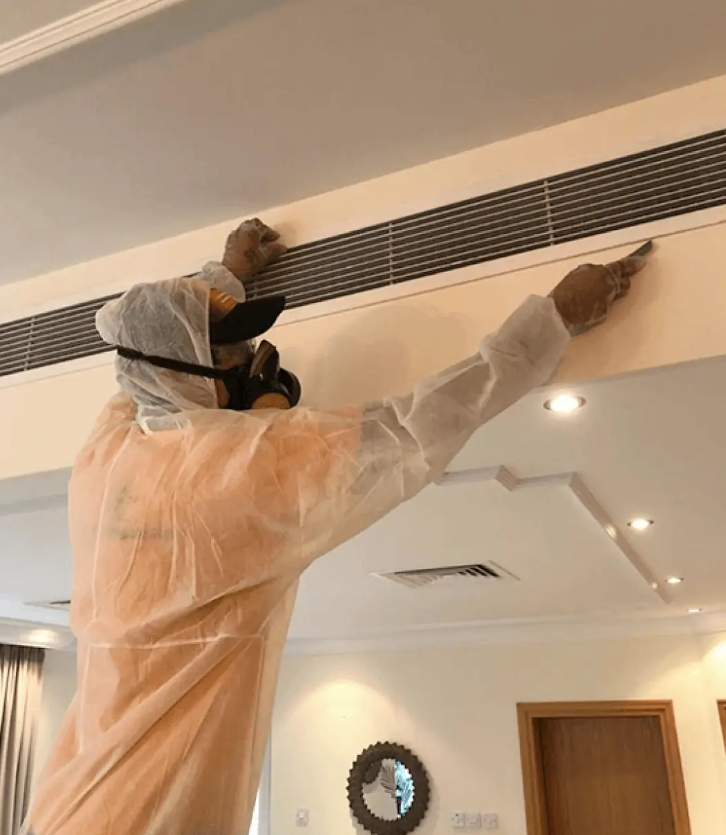
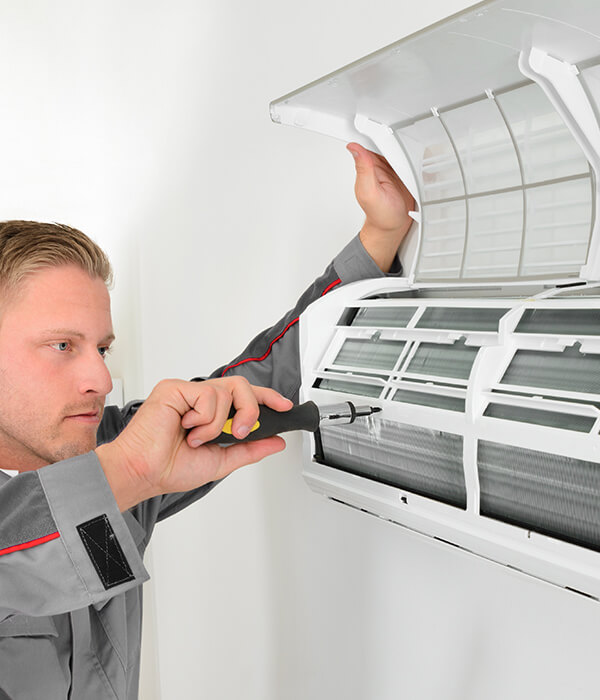
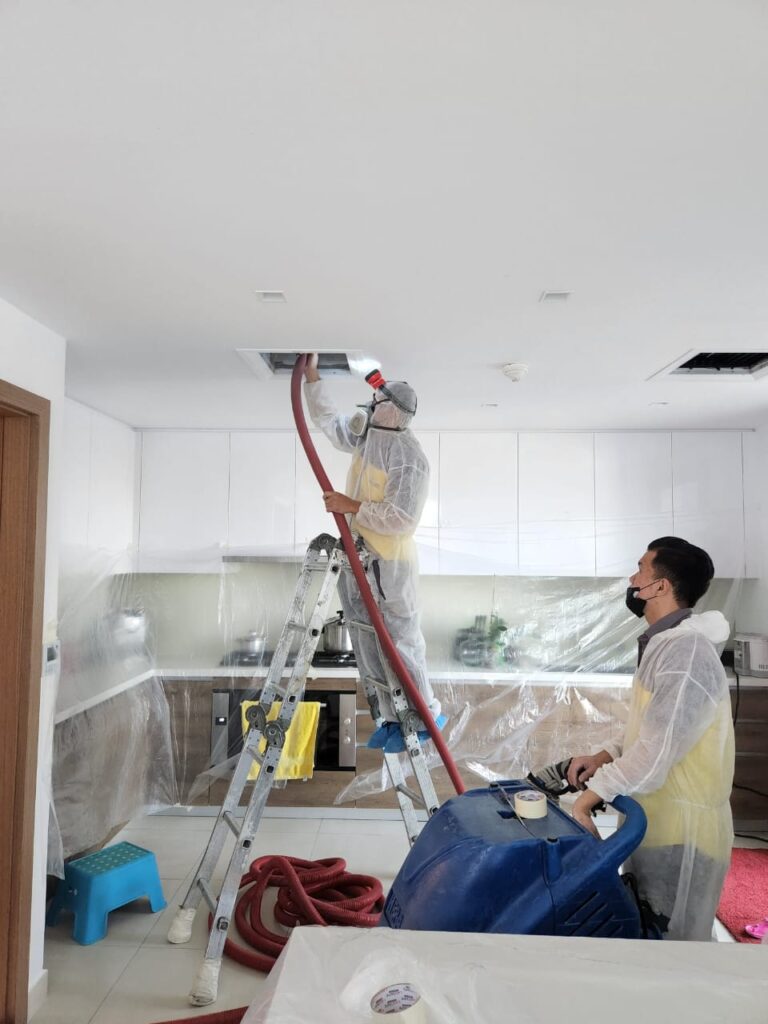
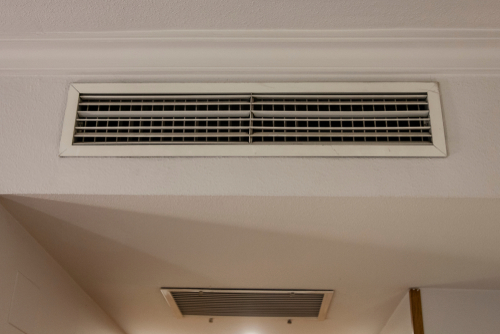
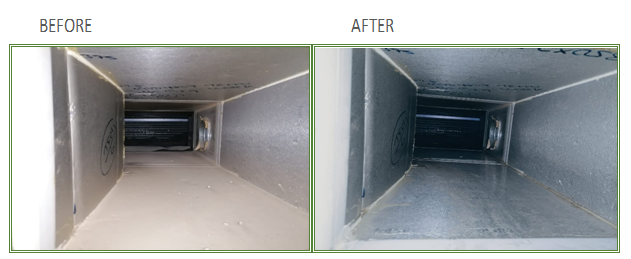
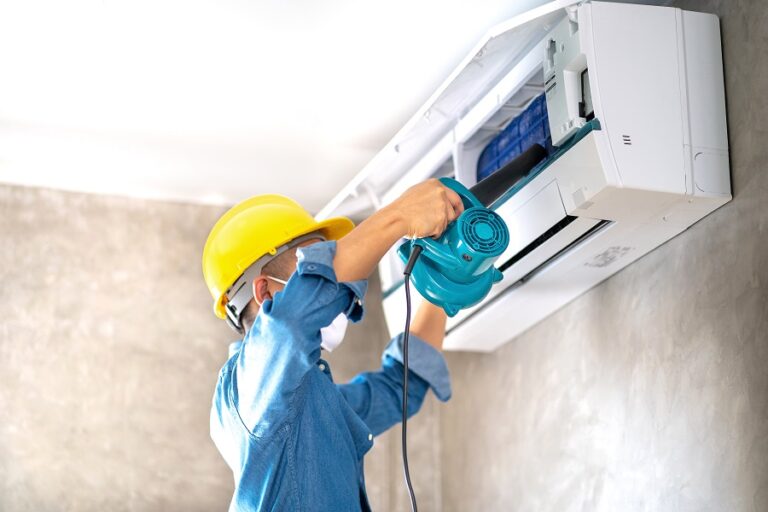
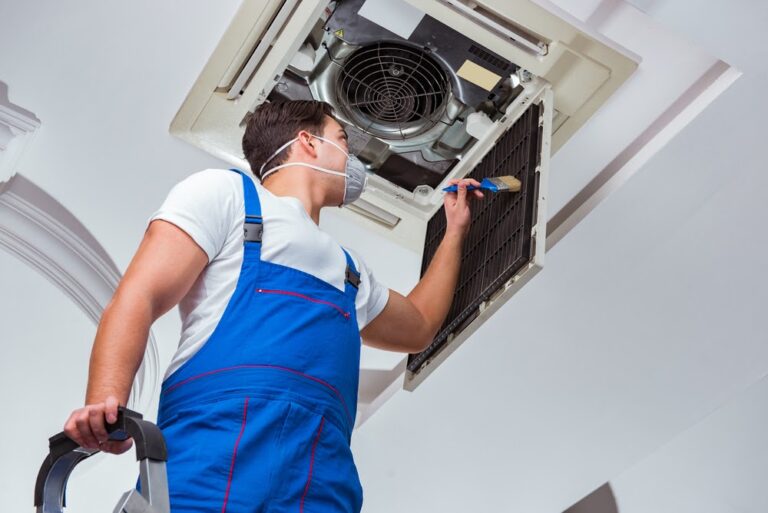
Professional air duct cleaning can remove years of accumulated dust and allergens, significantly improving indoor air quality and reducing respiratory irritation.
How Often Should You Service Your AC in Dubai?
Given the demanding climate and operating conditions, the standard service intervals recommended in cooler countries may not be sufficient for Dubai homes and offices. As a general rule of thumb for UAE properties:
- AC filter cleaning or replacement: Every 4 to 6 weeks during peak cooling season
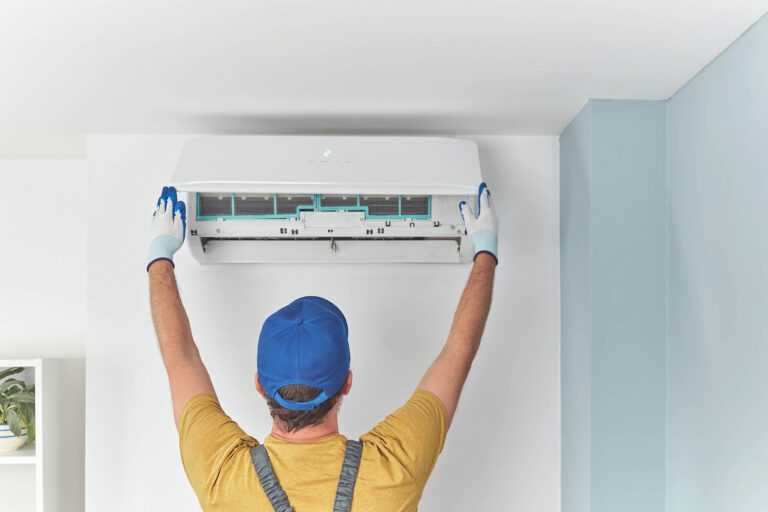
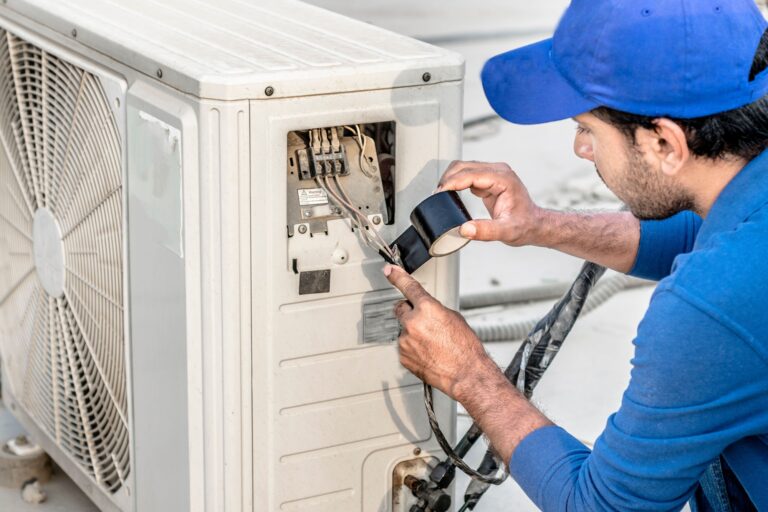
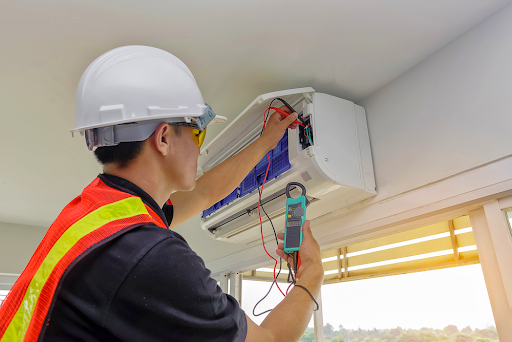
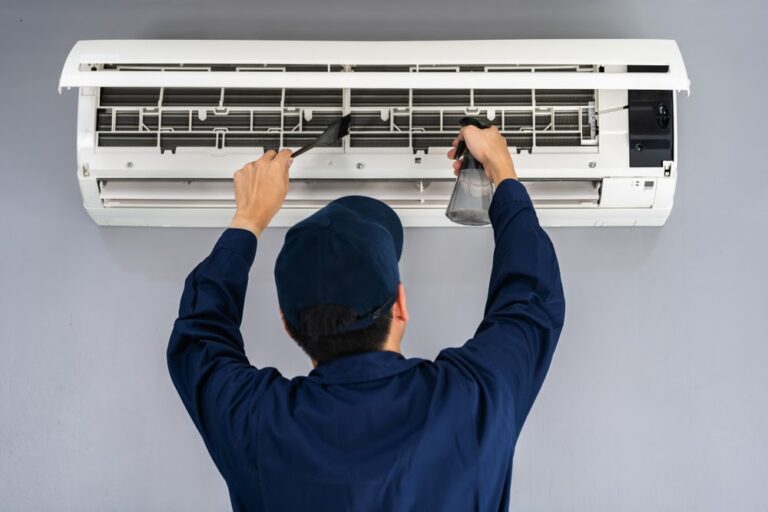
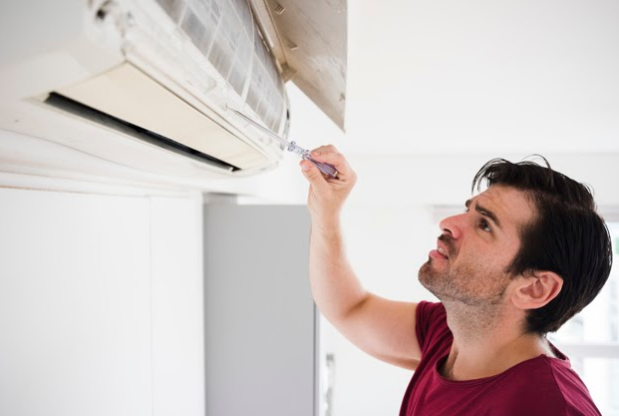
- Full AC service and deep clean: Every 3 to 4 months
- Duct cleaning and sanitisation: At least once every 6 months, or when you notice unusual odours, reduced airflow, or persistent allergy symptoms
- Mould inspection and remediation: Immediately if you spot visible growth, notice a musty smell, or experience chronic throat or respiratory irritation.
Move From Temporary Relief to Lasting Solutions
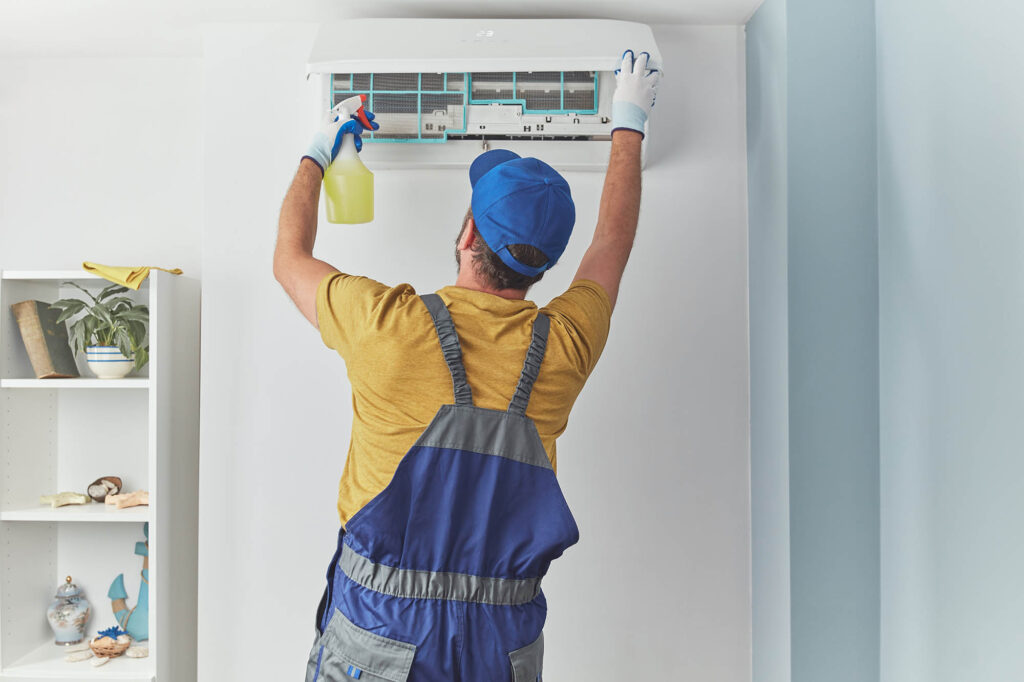
So, can air conditioning cause a sore throat? Yes, and the evidence is clear. Prolonged exposure to dry, poorly filtered, or contaminated air from unmaintained units places a significant burden on the respiratory tract. While adjusting your thermostat and staying hydrated can help alleviate symptoms, they do not address the root causes, such as dust accumulation in filters, moisture in drain pans, or biological growth on evaporator coils.
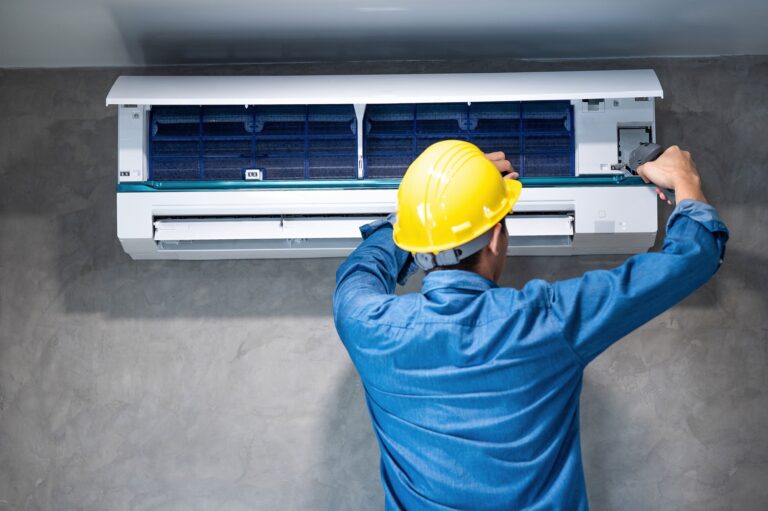
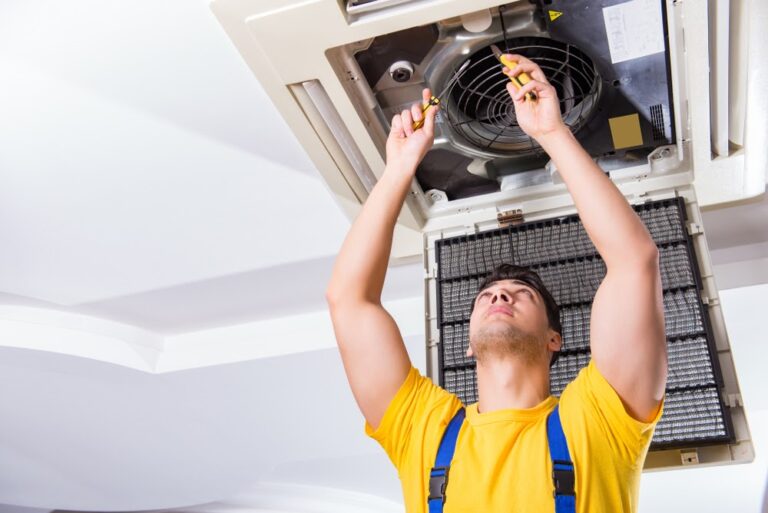
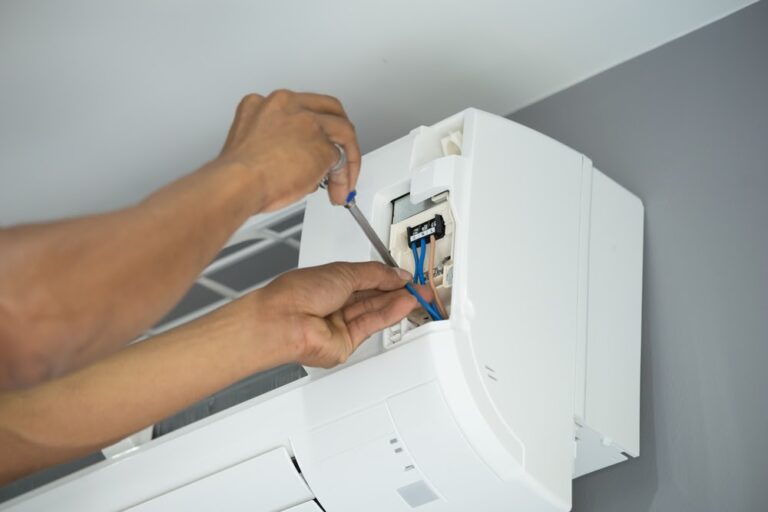
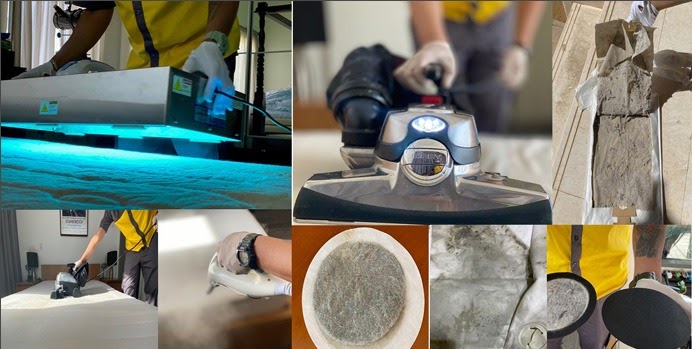
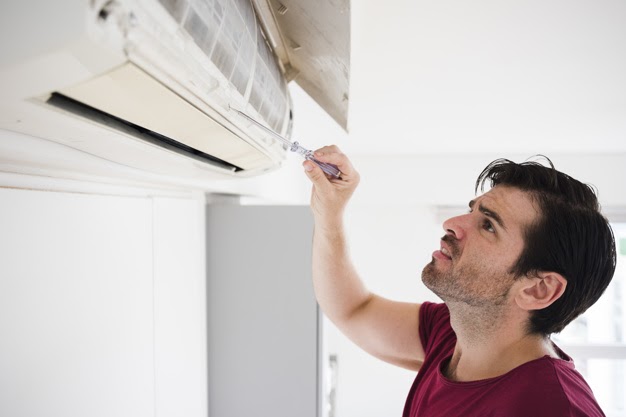
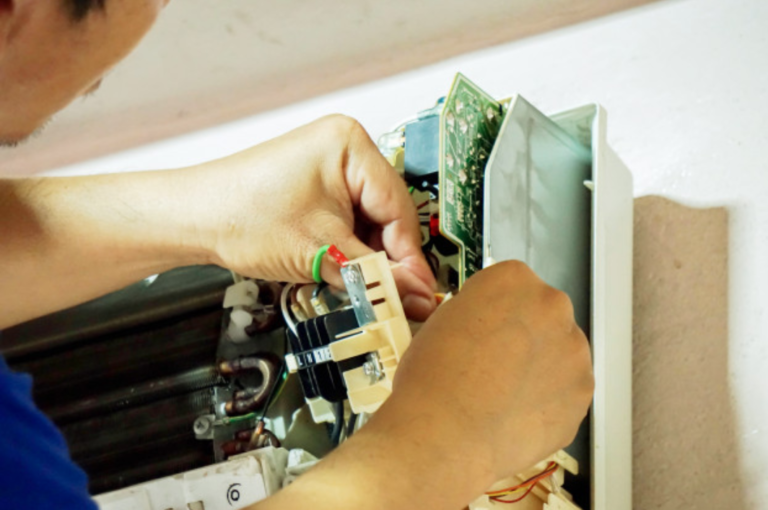
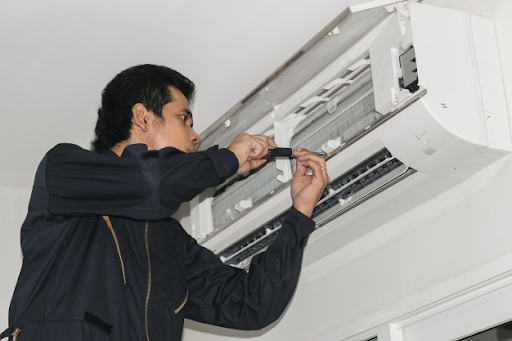
These underlying issues require professional intervention rather than simple habit changes, as they will not resolve on their own. Our qualified technicians possess the necessary tools and expertise to tackle these problems directly through services like duct cleaning, filter servicing, mould remediation, and full system sanitisation. By addressing the source of the contamination, these comprehensive services restore indoor air quality and protect your respiratory health more effectively than temporary fixes.
Frequently Asked Questions
-
Can air conditioning cause sore throat if the filter is clean?
Yes. Even with a clean filter, air conditioning removes moisture from the air as part of the cooling process. This dehumidification dries out the mucous membranes in your throat and nasal passages, causing that familiar scratchy feeling. Maintaining indoor humidity between 40% and 60% and staying well hydrated can help offset this effect.
-
How do I know if mould in my AC is causing my sore throat?
Common signs that mould in your AC may be the culprit include a musty or earthy smell when the unit is running, symptoms that consistently worsen at home but improve when you leave, visible dark spots around vents or grilles, and chronic throat irritation or allergy-like symptoms that persist even after drinking plenty of water. A professional inspection can confirm the presence of mould inside the unit.
-
What is the best temperature to set my AC to avoid a sore throat?
Setting your thermostat between 22°C and 24°C is generally recommended for both comfort and respiratory health in Dubai. Temperatures below 20°C cause the system to strip significantly more moisture from the air and create a larger temperature shock when moving between indoors and outdoors. A moderate temperature setting also reduces energy consumption and extends the life of your unit.
-
How often should I get my AC ducts cleaned in Dubai?
In Dubai, due to the high dust levels and continuous AC usage, professional AC duct cleaning is recommended every 4 to 6 months. If you have recently moved into a new property, have pets or young children, or have noticed a decline in indoor air quality, it is advisable to schedule a cleaning sooner rather than waiting for visible signs.
-
Can a deep clean of my home reduce AC-related throat irritation?
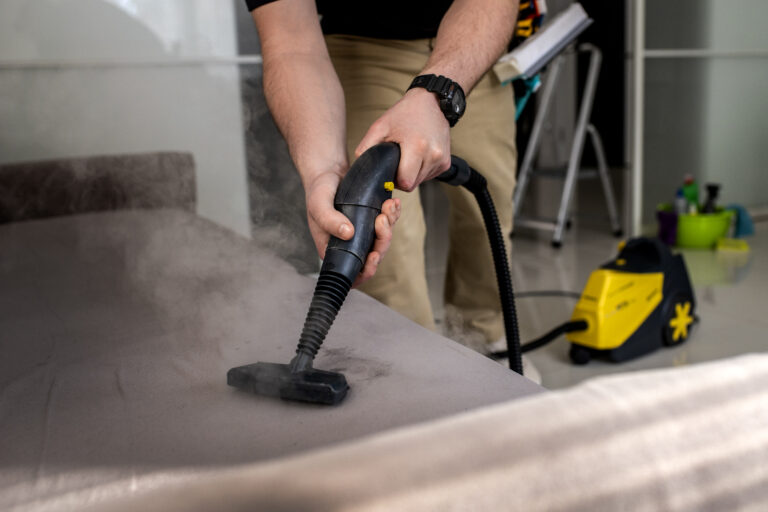
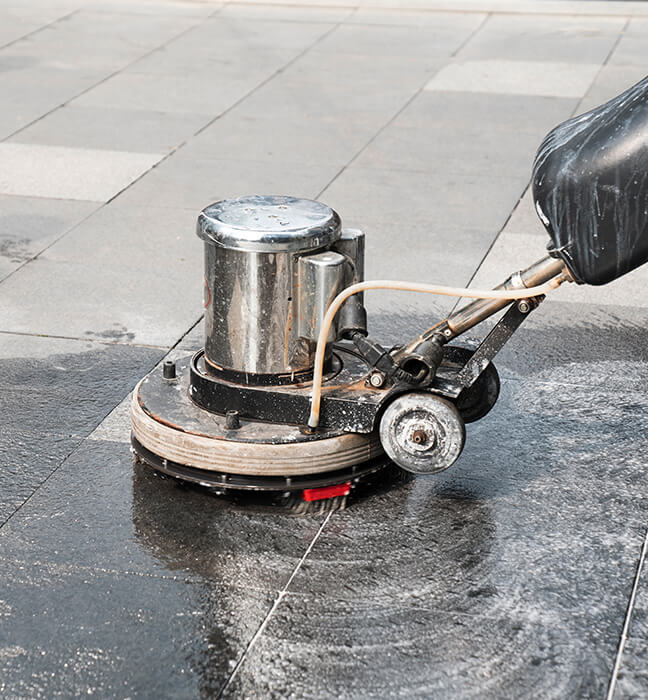
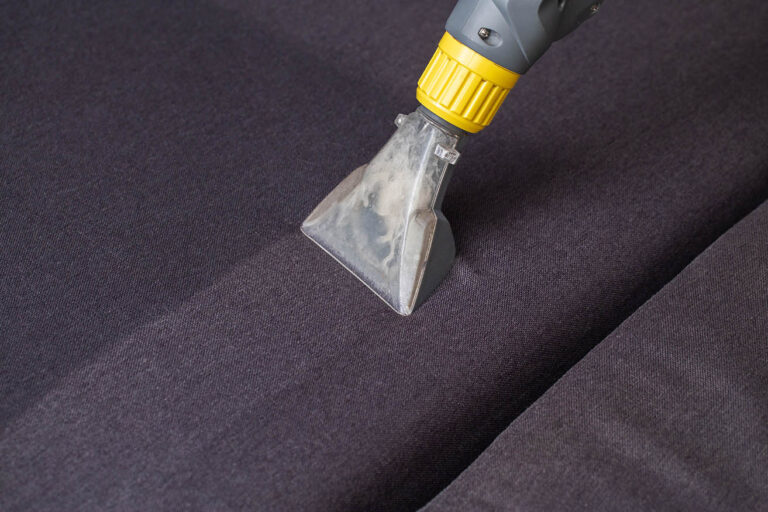
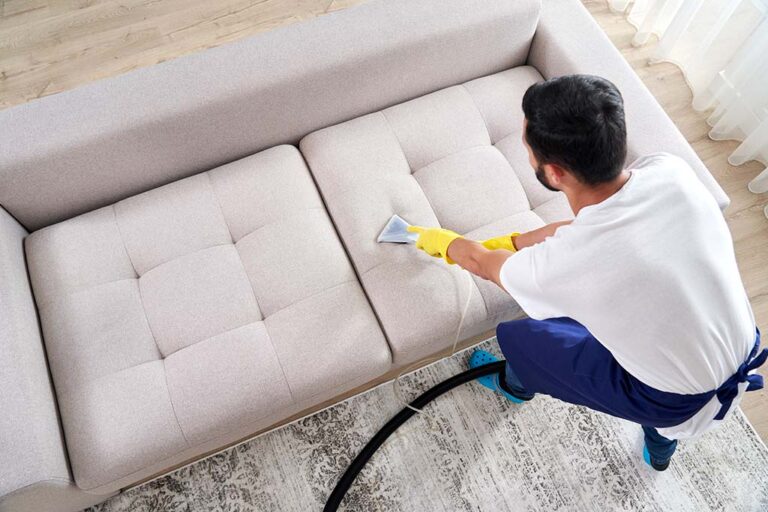
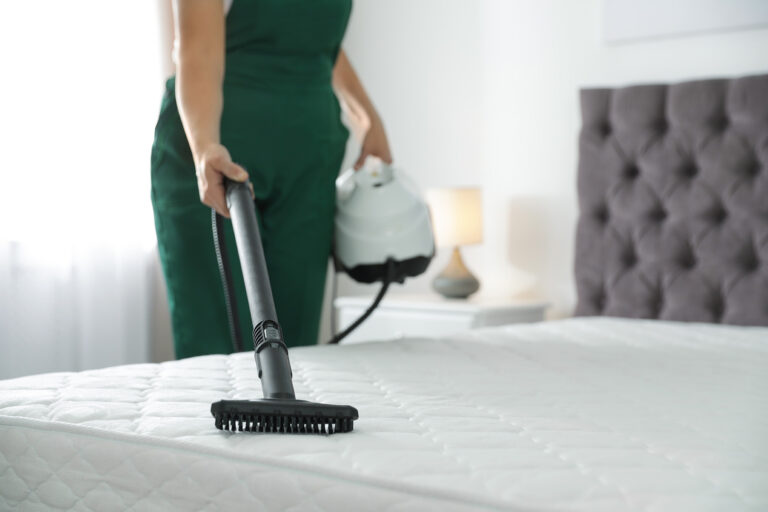
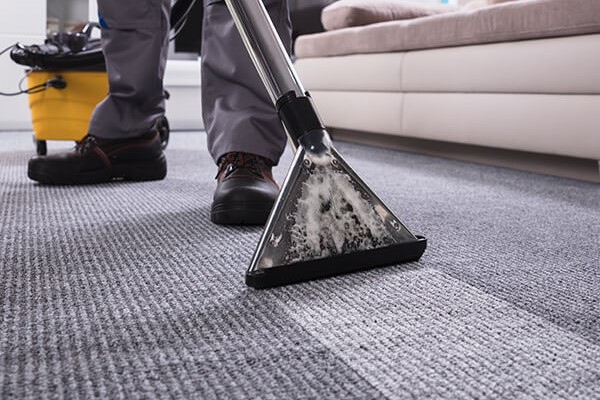
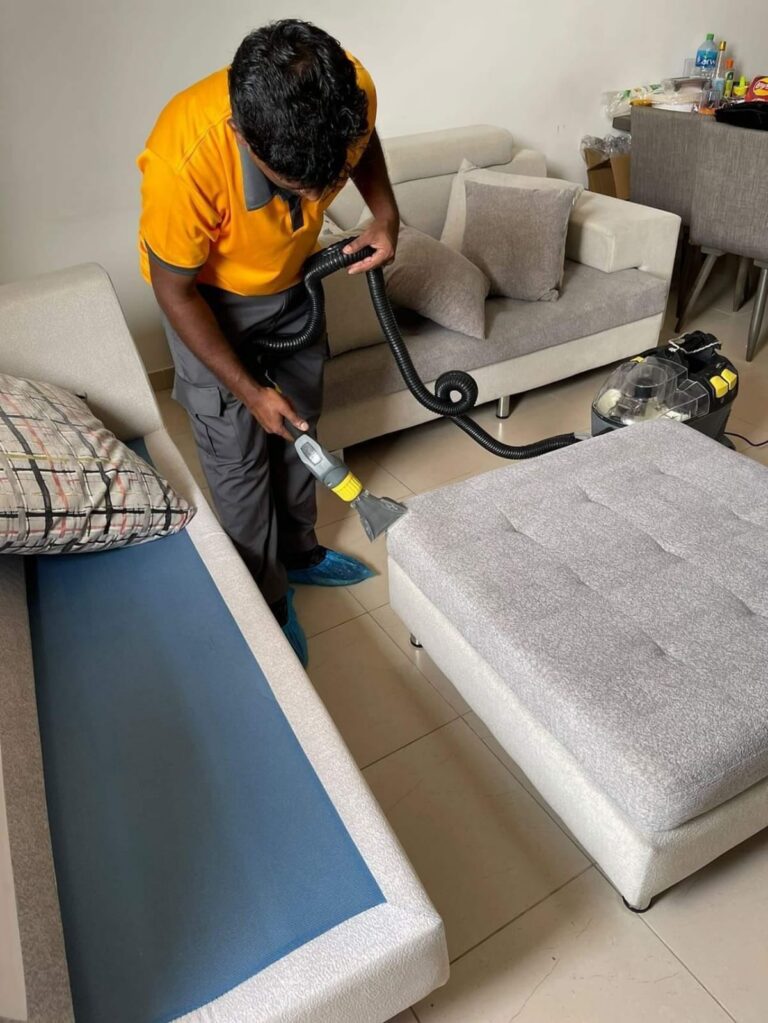
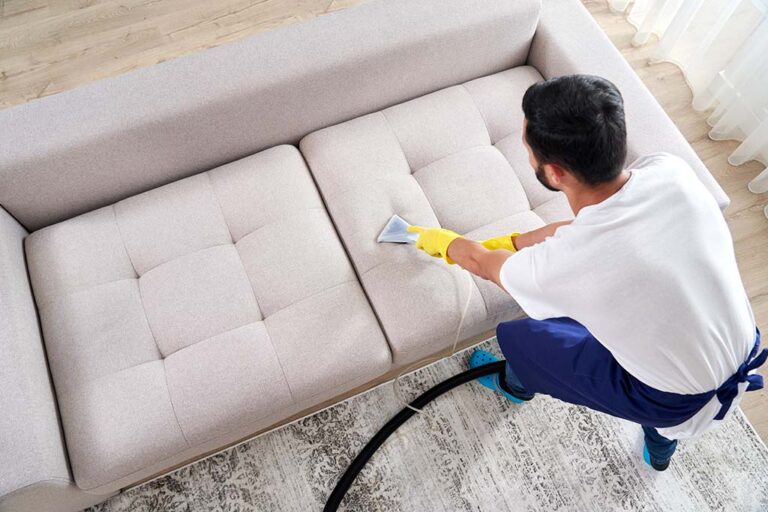
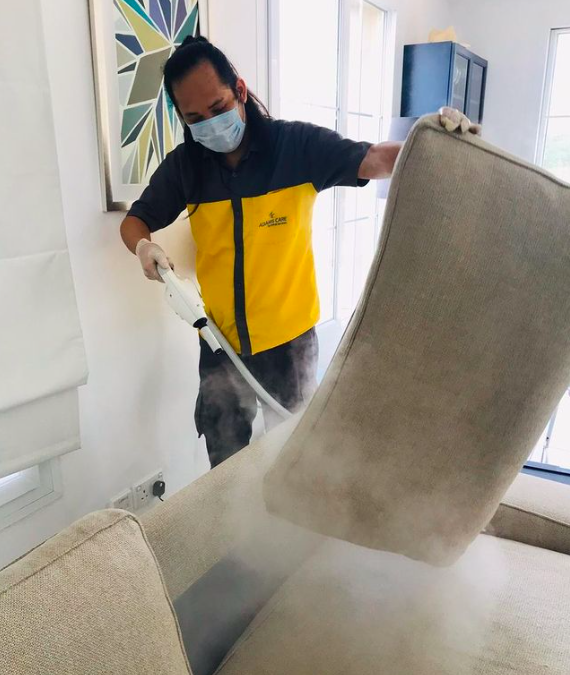
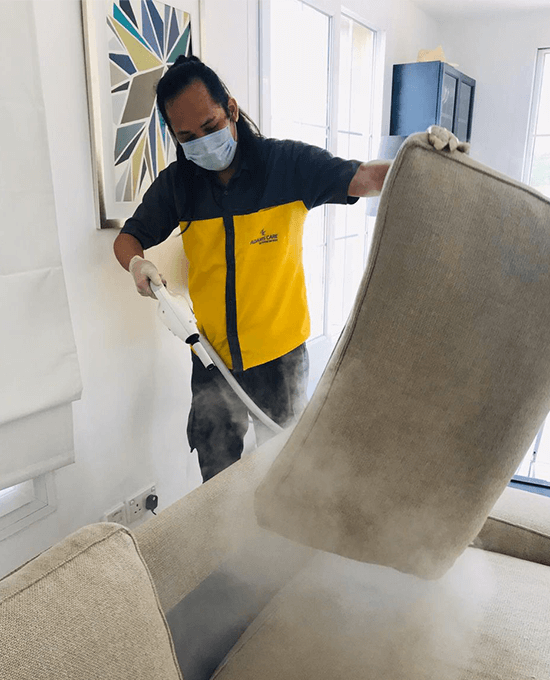
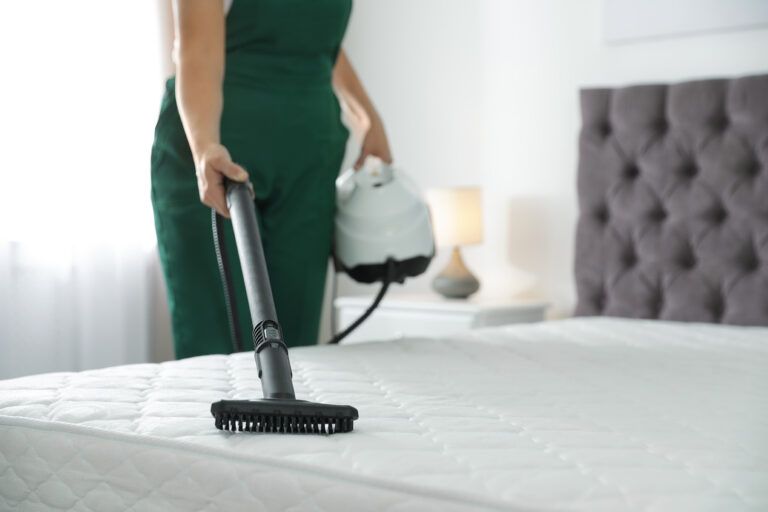
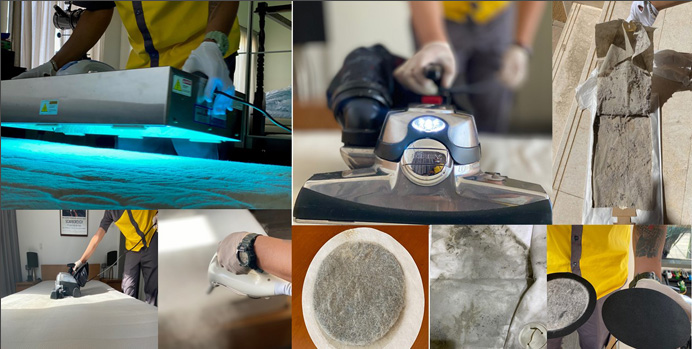
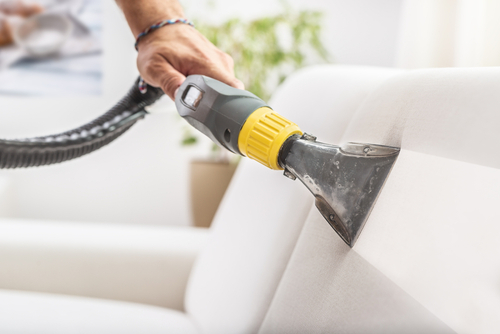
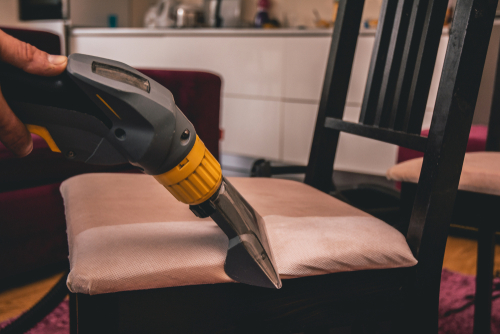
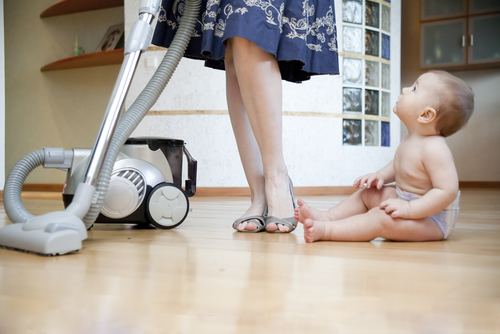
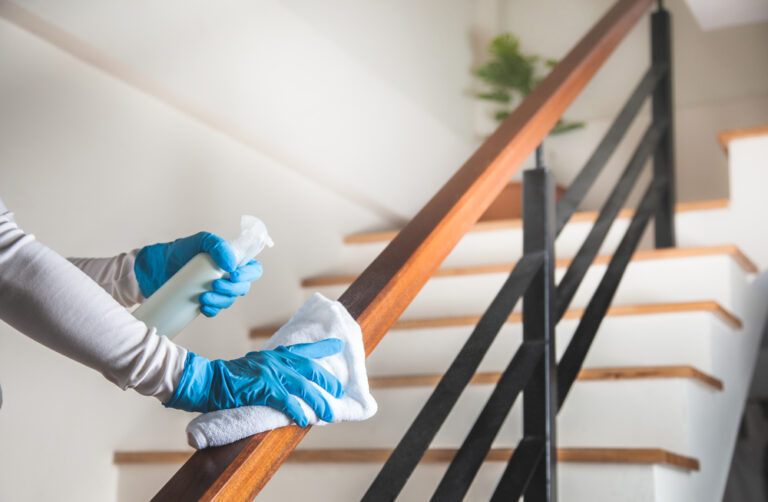
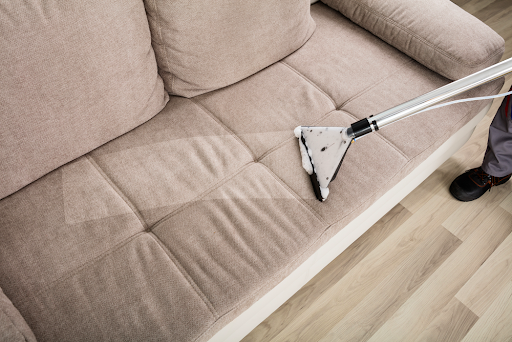
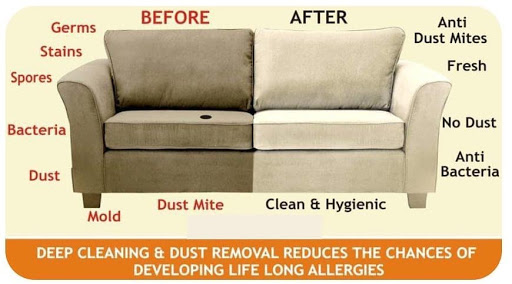
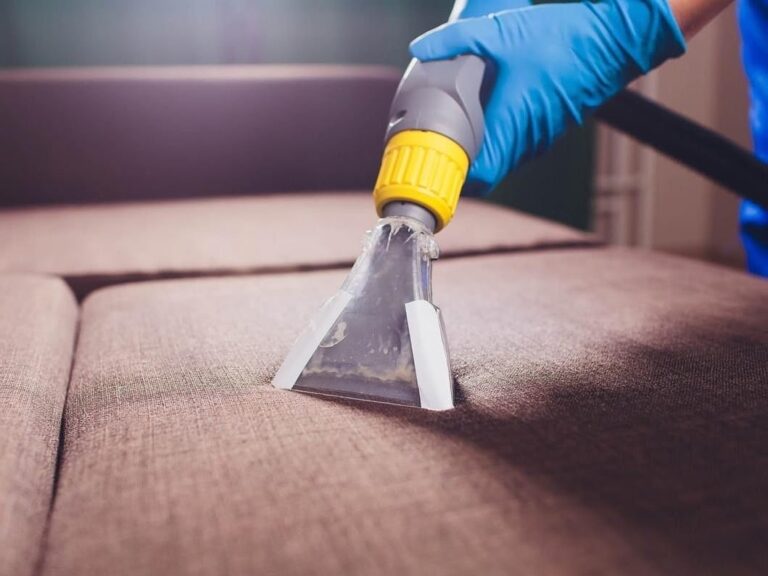
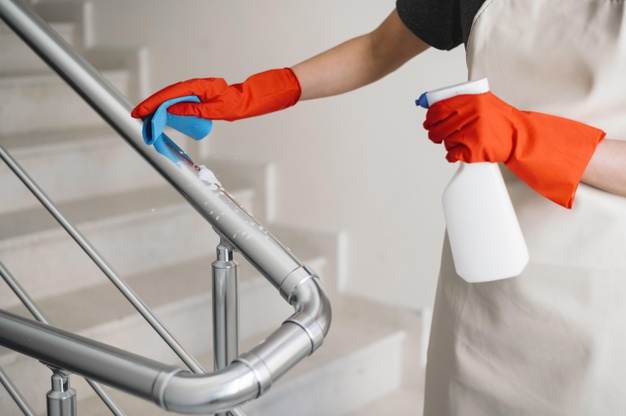
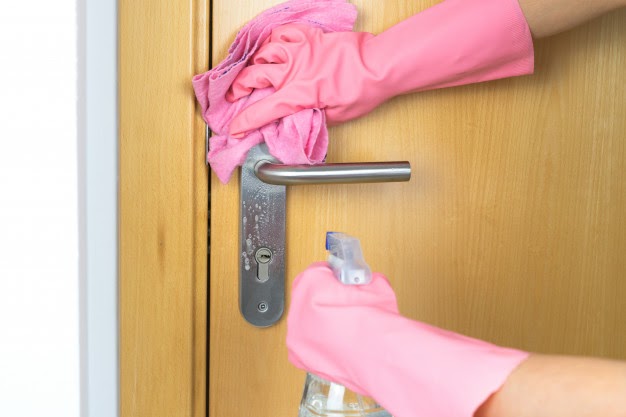
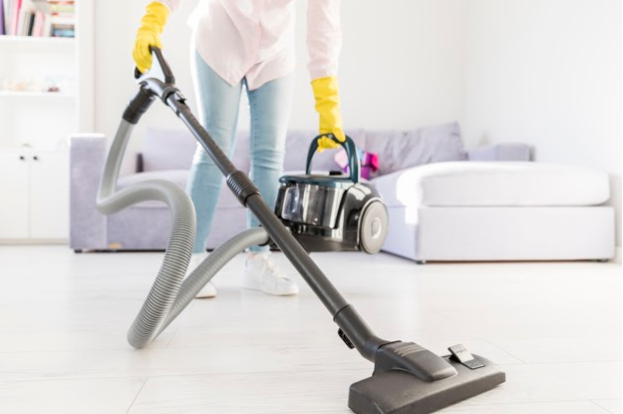
Absolutely. Dust and allergens that accumulate on surfaces, furniture, curtains, and carpets are repeatedly picked up and recirculated by your AC system. Pairing a professional home deep clean with a full AC service is one of the most effective ways to dramatically improve your indoor air quality and reduce the trigger load on your respiratory system.































































































Scan For a Free Quote
Looking for the best AC Duct cleaning service in Dubai?


