Call us or make an online inquiry for a quick cost estimate.

Mar 6, 2026
What Is the Best Energy Saving AC Temperature? (2026)
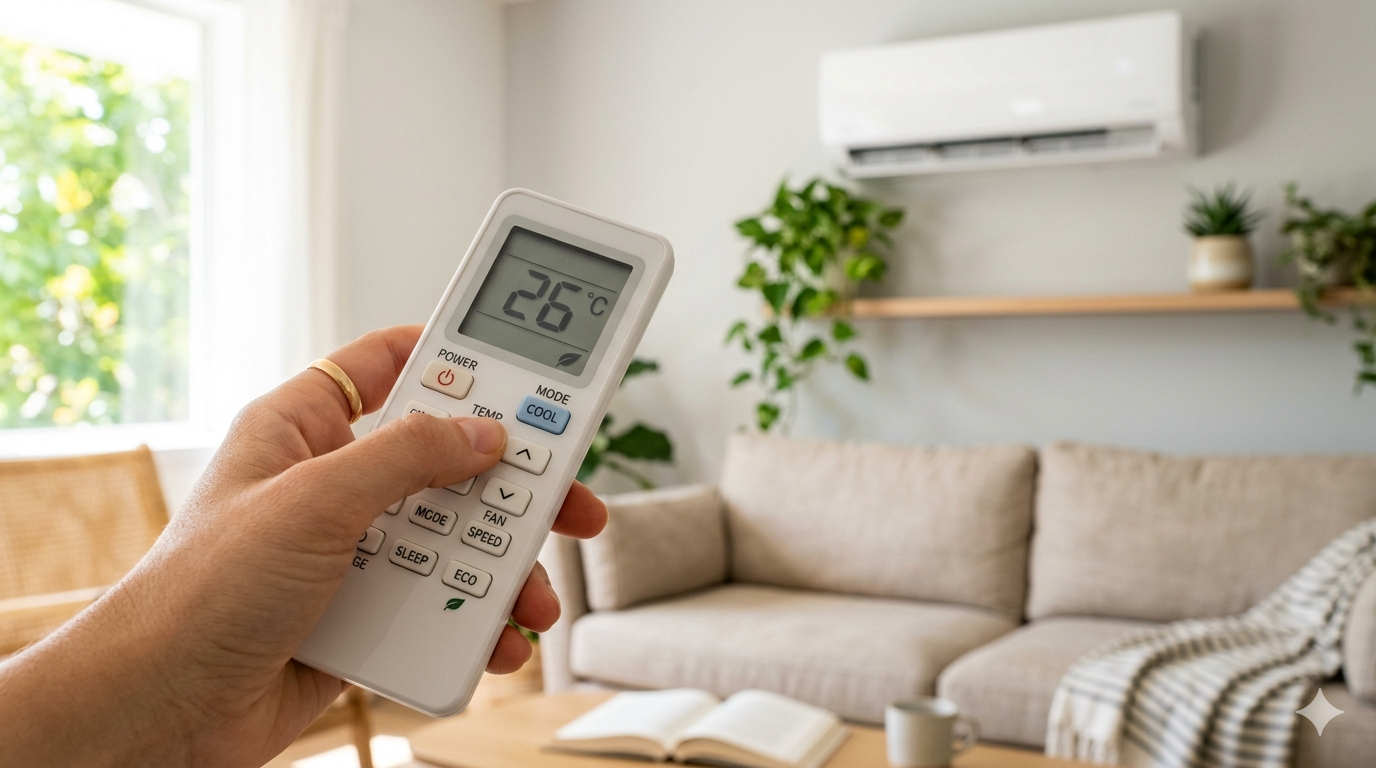
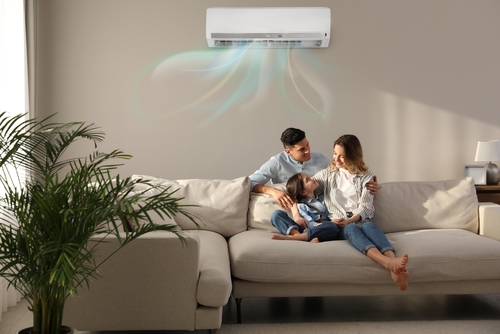
Air conditioning has become an essential part of daily life, and in climates where temperatures stay high for much of the year, cooling systems often run for long periods to keep indoor spaces comfortable. As a result, they can account for a significant share of household electricity use.
That is why choosing the right AC temperature matters for both comfort and efficiency. Even small adjustments to the setting can affect runtime, energy consumption, and overall cooling performance.
What Is the Ideal AC Temperature Range?
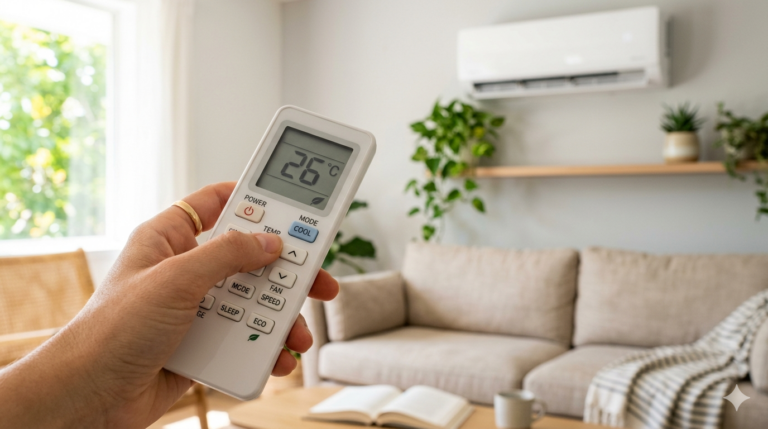
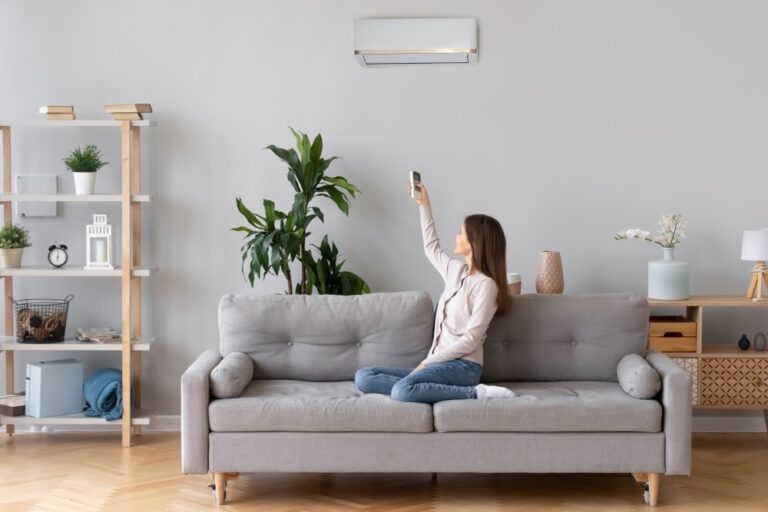
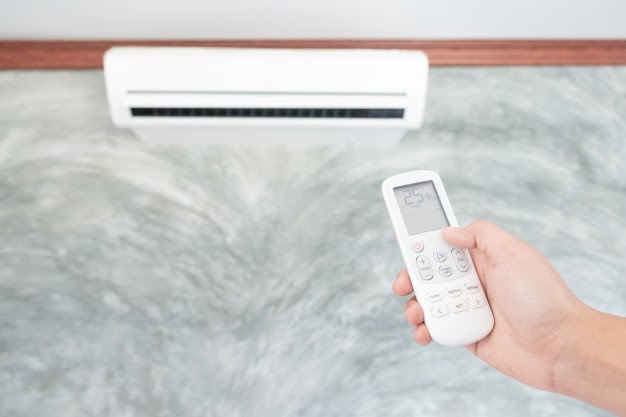
There is no single fixed AC temperature that applies to every space. Comfort preferences can vary, and indoor conditions may differ from one environment to another. Even so, a moderate setting in the mid-20s Celsius range is widely recognised as the most practical starting point for balancing comfort and energy efficiency.
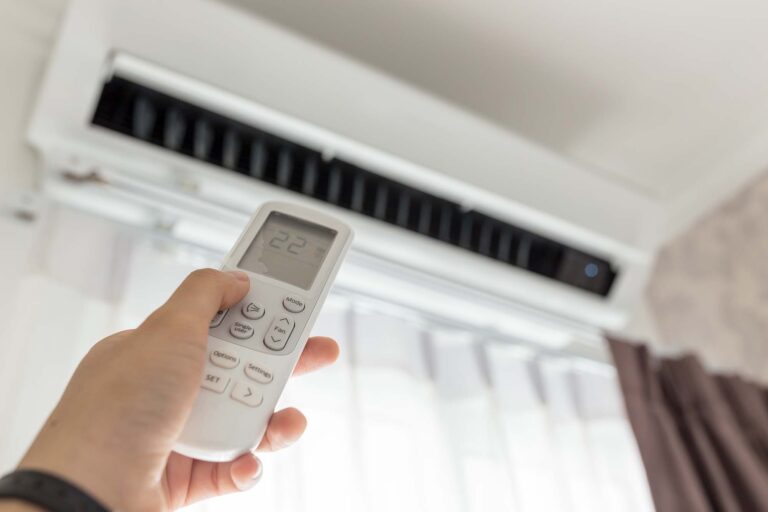
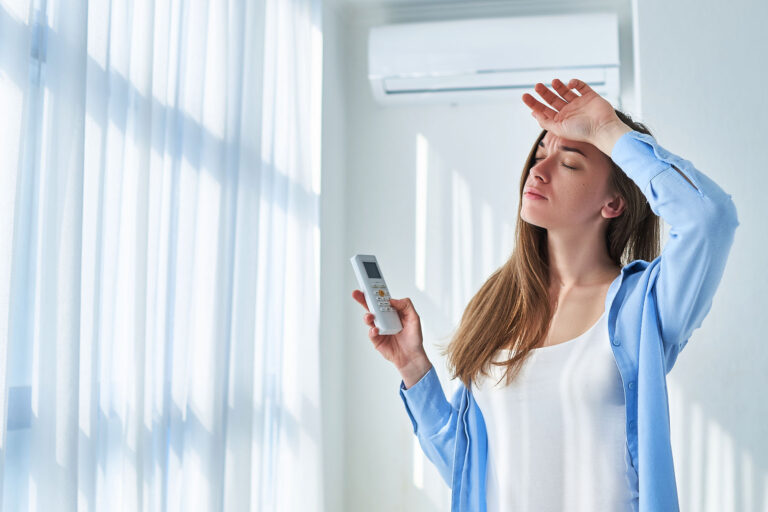
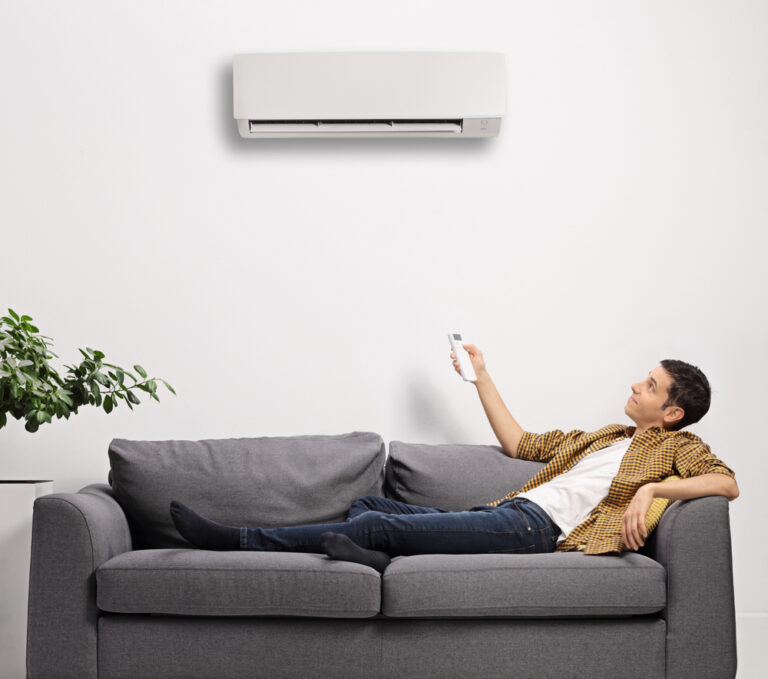
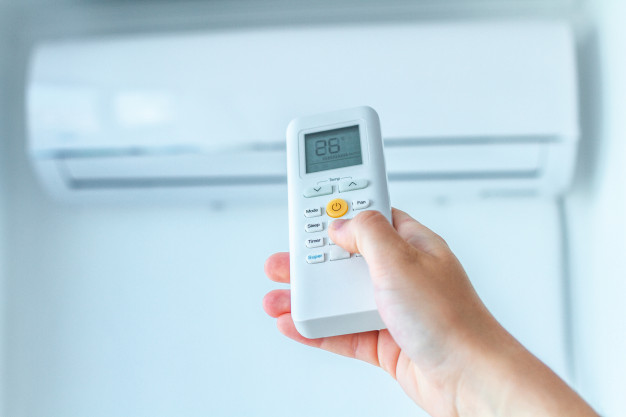
24 to 26 degrees Celsius is often recommended because it helps maintain a comfortable indoor environment without making the system work harder than necessary. Lower settings may seem more effective, but they can increase runtime and energy use without always improving how the space feels.
For this reason, the ideal approach is usually to begin within this commonly recommended range, then make small adjustments based on the conditions of the room. This creates a more balanced way to manage cooling while keeping unnecessary energy waste to a minimum.
What Affects the Ideal AC Temperature?
While a recommended range offers a practical starting point, the most suitable setting can still vary depending on conditions within the space.
Humidity
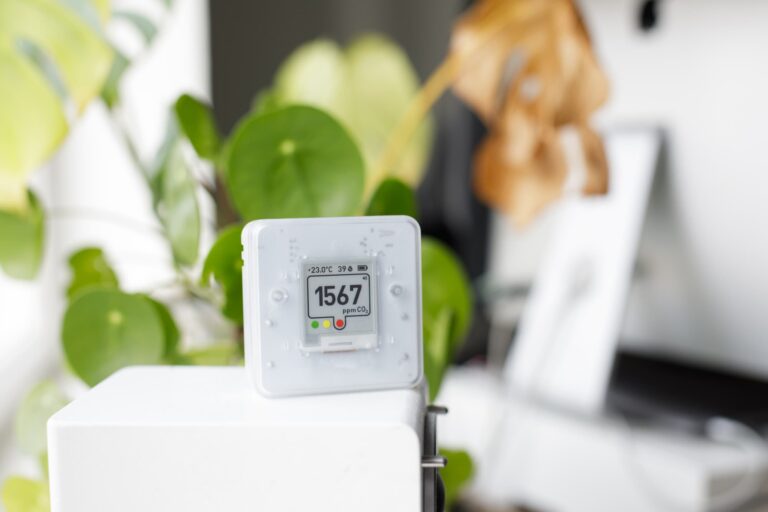
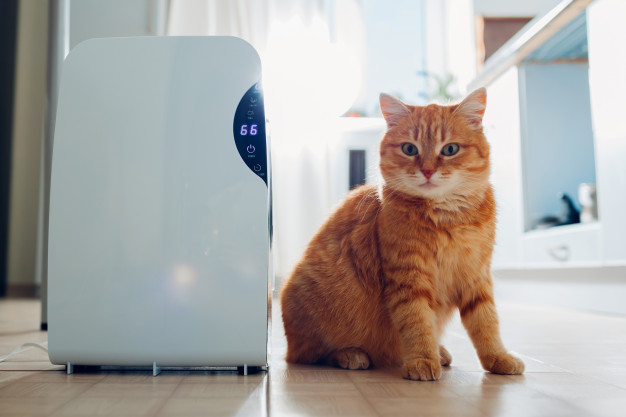
A space with excess moisture can still feel sticky or heavy even when the thermostat appears low enough. This often leads people to reduce the temperature further, even though the issue may not be the setting itself. When humidity is better controlled, moderate temperatures often feel much more comfortable.
Airflow
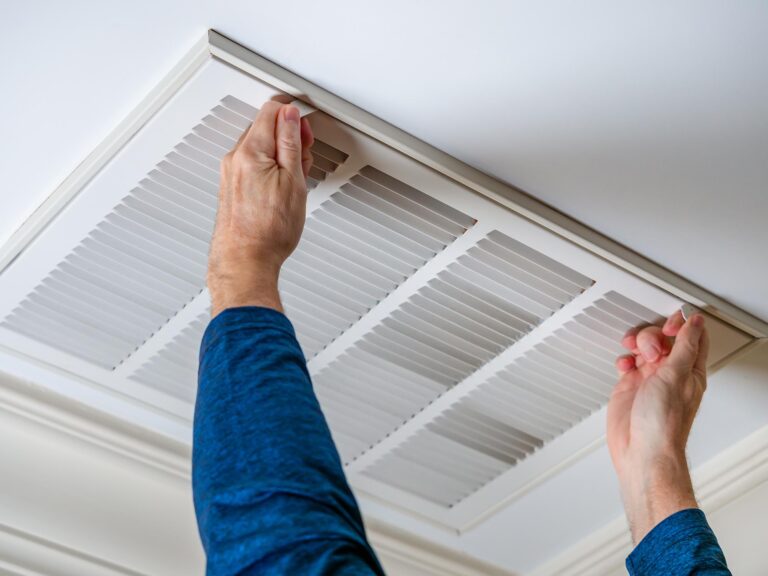
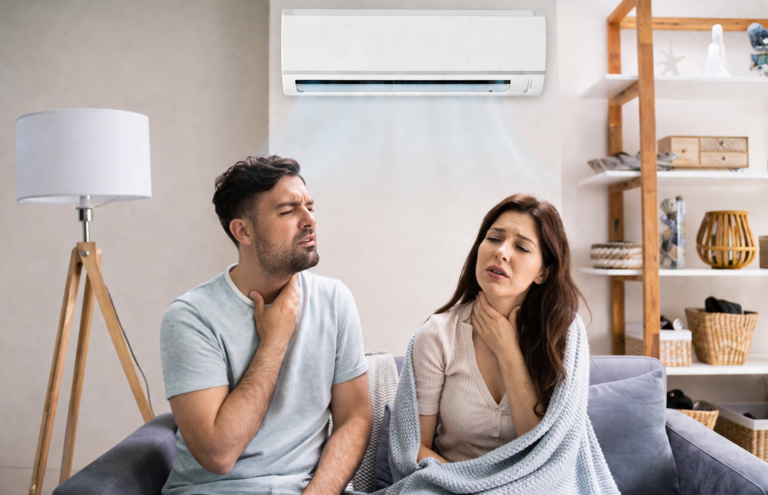
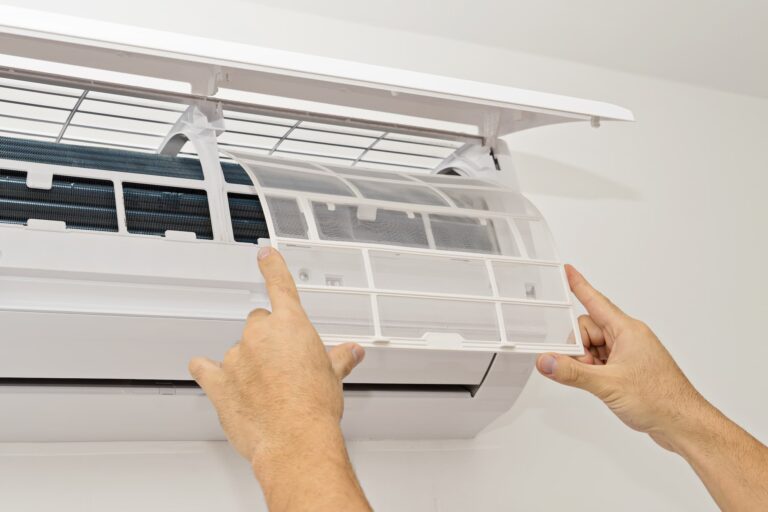
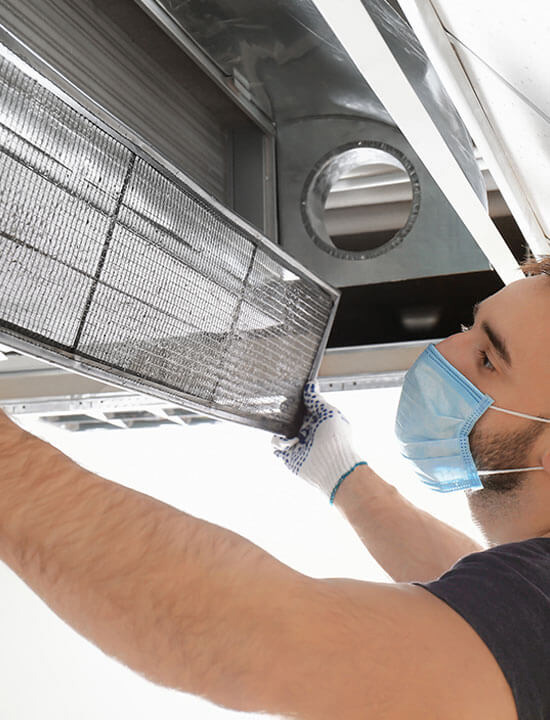
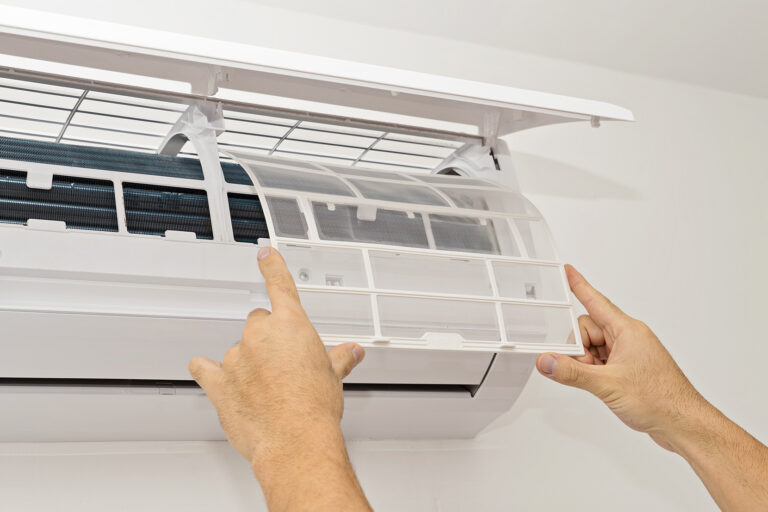
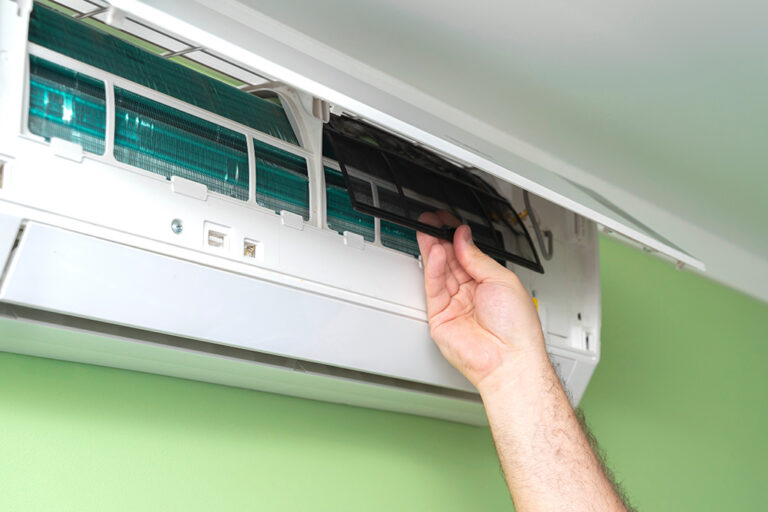
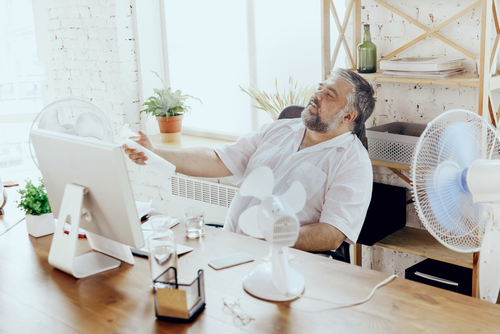
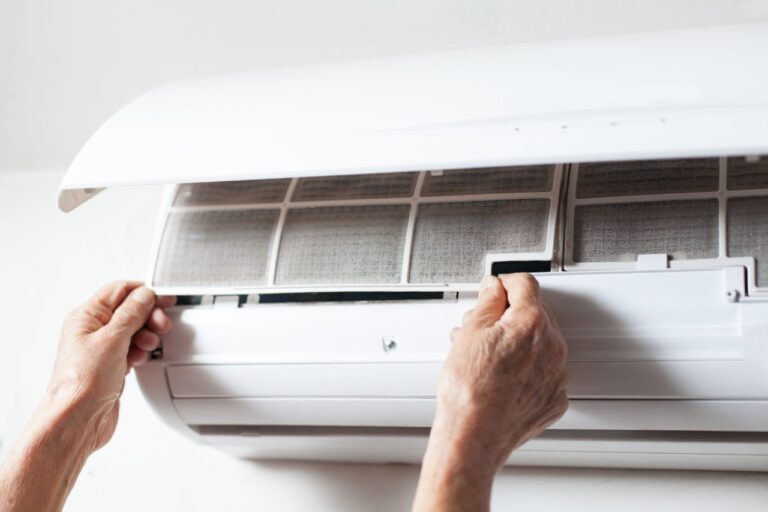
Poor airflow can make a room feel warmer than it should. If cooled air is not circulating properly, some parts of the room may stay stuffy while others feel fine. Weak airflow can come from dirty filters, blocked vents, or duct-related issues, and in these cases lowering the thermostat may not solve the real problem.
Sunlight Exposure
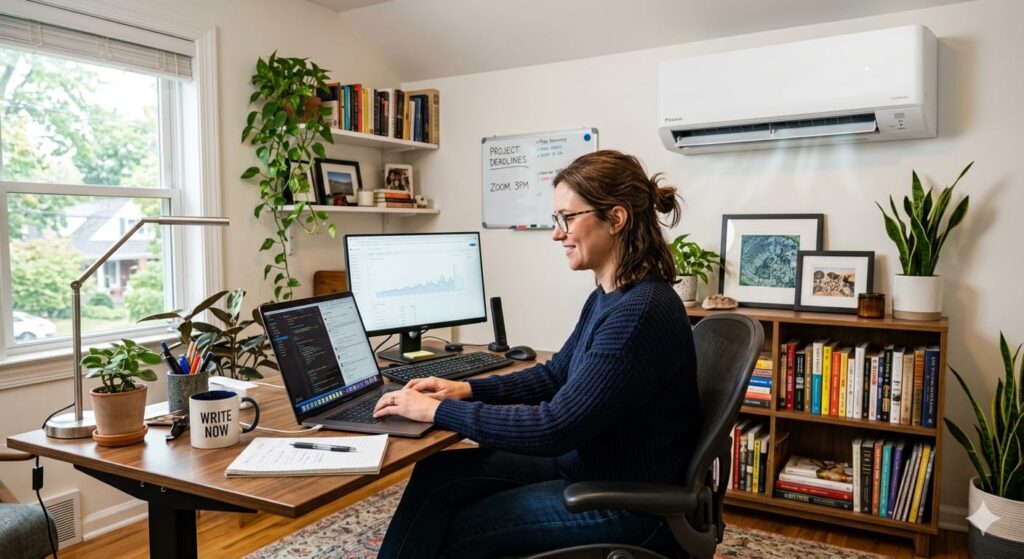
Room conditions also play a role. Gaps around doors or windows allow cooled air to escape, making indoor temperatures less stable. Appliances, lighting, and the number of people present all add heat, and a system that is not well maintained may struggle to compensate regardless of the setting..
Seasonal AC Temperature Control
Cooling needs do not stay the same throughout the year. Even in consistently warm climates, indoor conditions can shift depending on the season, outdoor temperatures, and how frequently a space is being used.
During hotter months, higher outdoor temperatures place more pressure on the system, making temperature control especially important. Setting the thermostat too low during peak heat can cause the unit to run longer than necessary, increasing energy use without meaningfully improving comfort. A moderate setting combined with measures that reduce indoor heat buildup, such as limiting direct sunlight and improving air circulation, often produces better results.
When conditions become milder, cooling demands ease as well. This creates more flexibility in how the thermostat is used, and slightly adjusting the setting during these periods can help avoid unnecessary consumption while still maintaining steady comfort.
Common Mistakes That Waste Energy
Some cooling habits seem helpful at first but actually increase energy use without improving comfort. The most common ones to avoid include:
- Setting the temperature too low too quickly – dropping the thermostat far below what is needed increases runtime and places more pressure on the system, without making the room feel noticeably better
- Assuming lower means faster – a much lower setting does not cool the room more efficiently, it simply tells the unit to keep running until it reaches a harder target, which leads to higher consumption
- Constantly changing the thermostat – frequent adjustments make cooling less stable, as the system is repeatedly responding to different targets rather than being allowed to settle
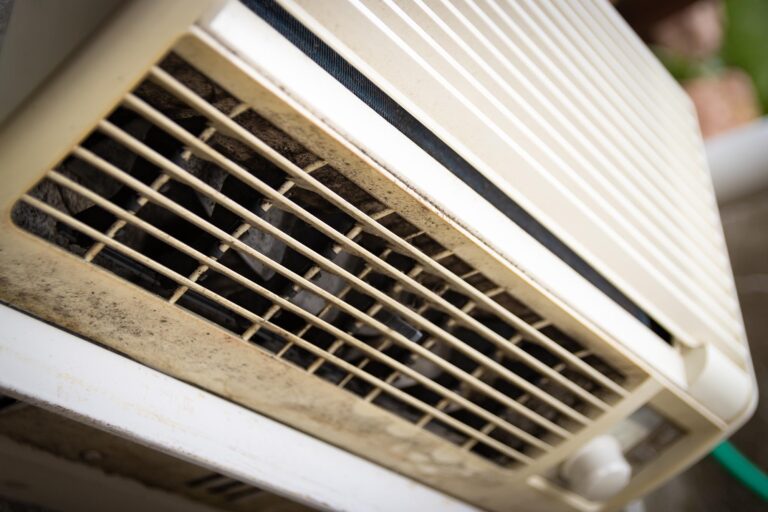
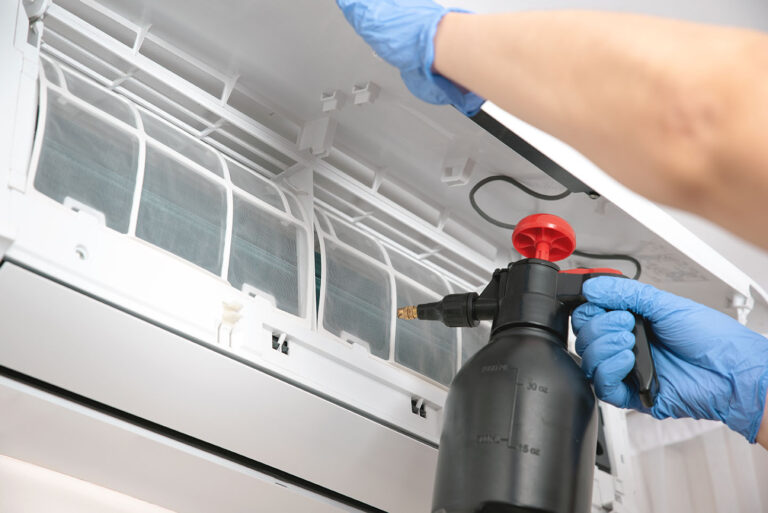
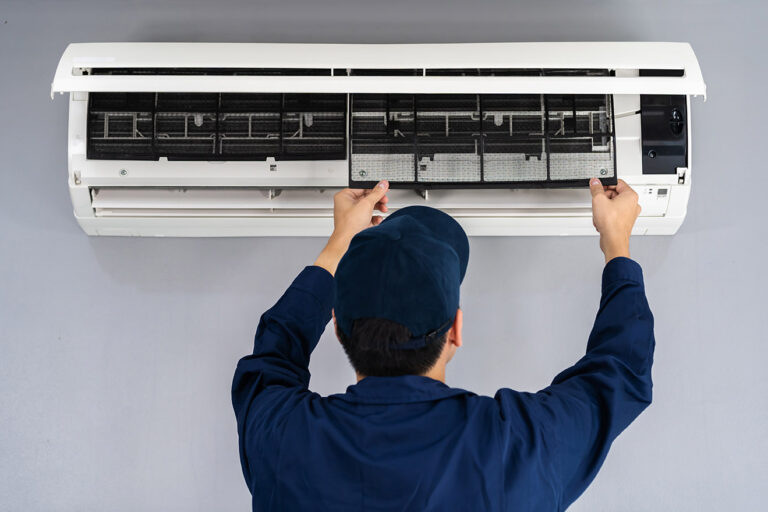
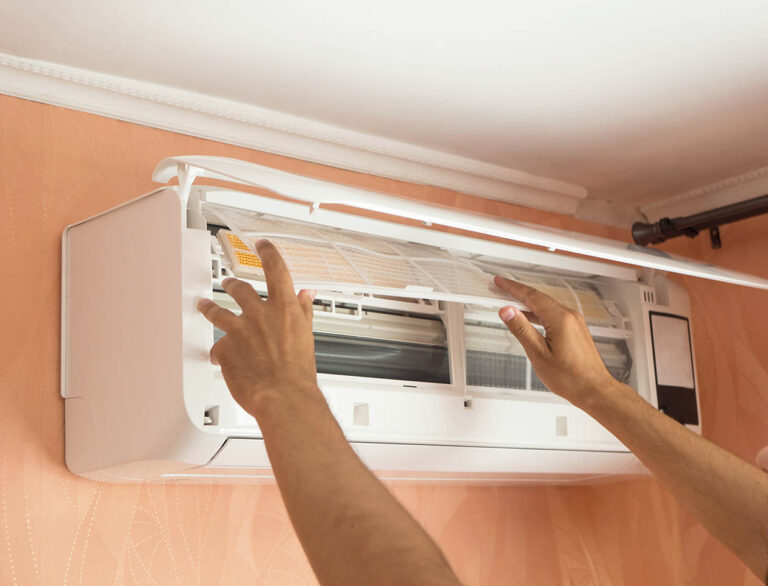
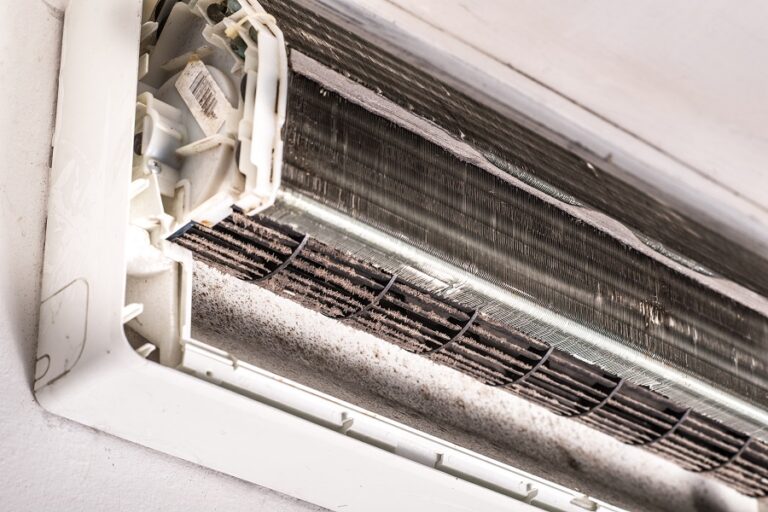
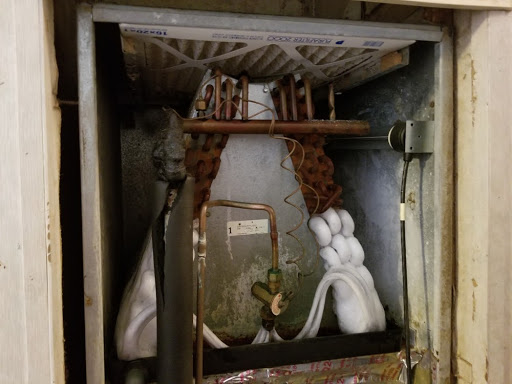
- Overlooking maintenance issues – when airflow feels weak or cooling is uneven, the cause is often filters, ducts, or coils rather than the temperature setting itself
How to Make the Ideal Temperature More Comfortable Without Lowering It
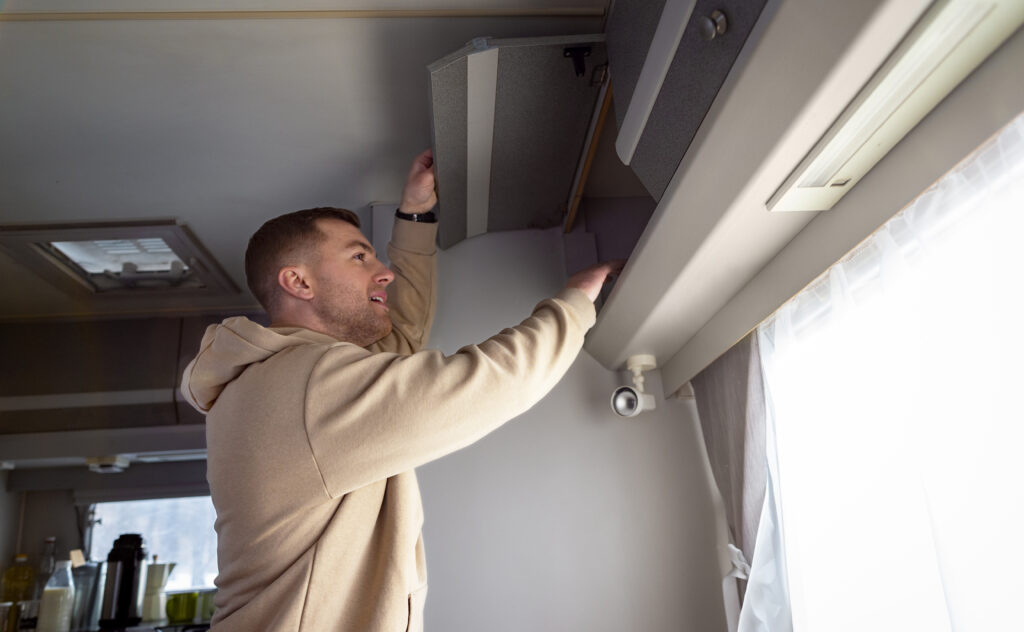
A moderate setting can feel much better when the room and system support it properly. Fans help distribute cooled air more evenly, reducing warm spots in larger spaces or areas where airflow does not naturally reach. Keeping blinds or curtains closed during the hottest part of the day also helps, as reducing solar heat gain allows the room to stay cooler for longer without placing extra strain on the unit.
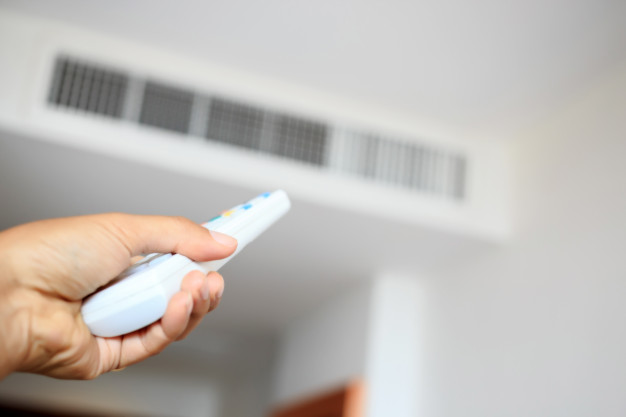
Sealing the space properly makes a noticeable difference as well. Doors and windows should be fully closed while the system is running, and any gaps around frames or entrances can allow cooled air to escape faster than the unit can replace it. Using timers or smart controls adds another layer of efficiency, allowing the system to run based on when the room is actually occupied rather than operating unnecessarily during empty periods.
The Importance of Regular AC Maintenance
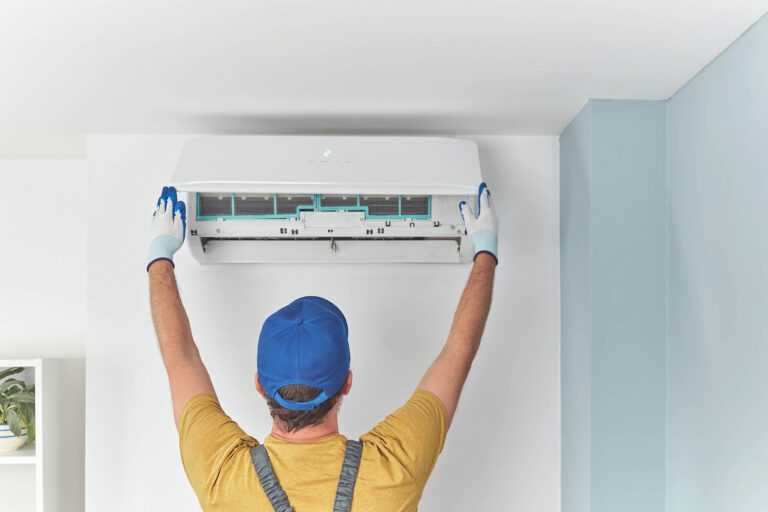
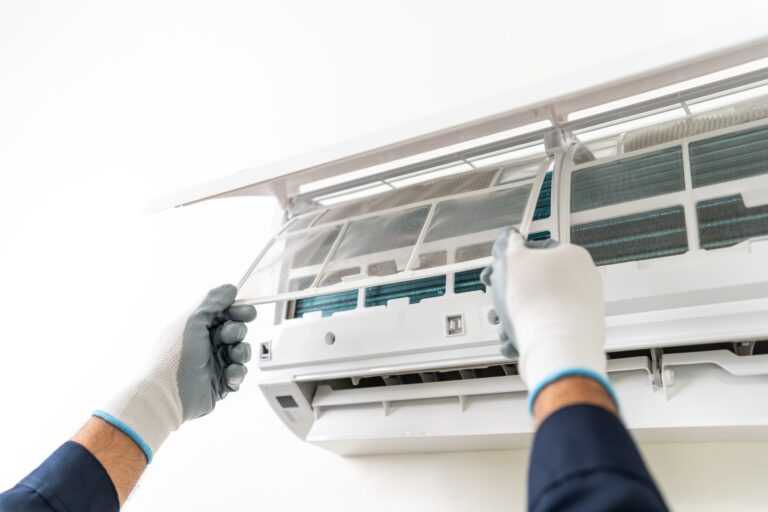
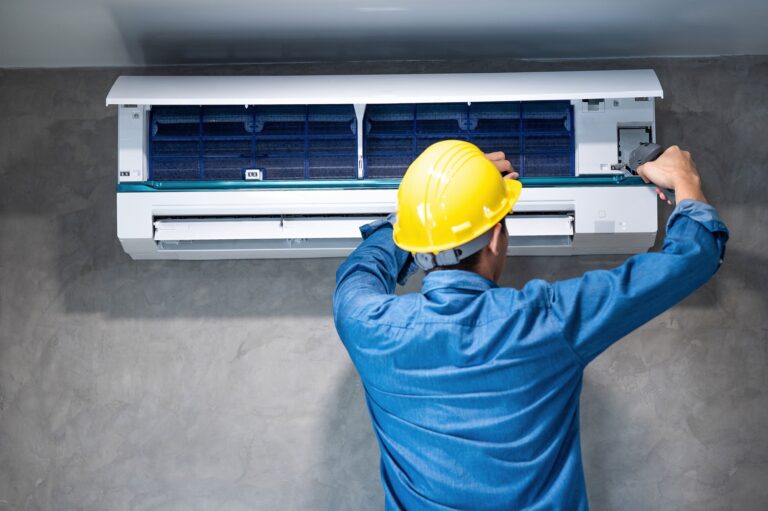
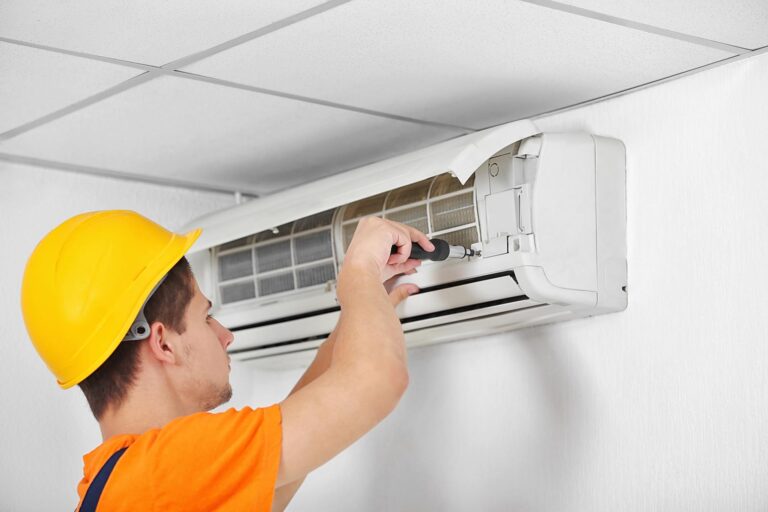
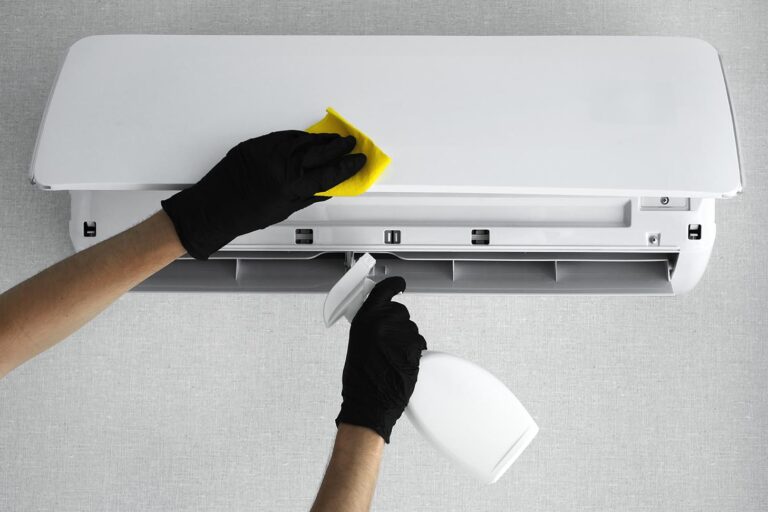
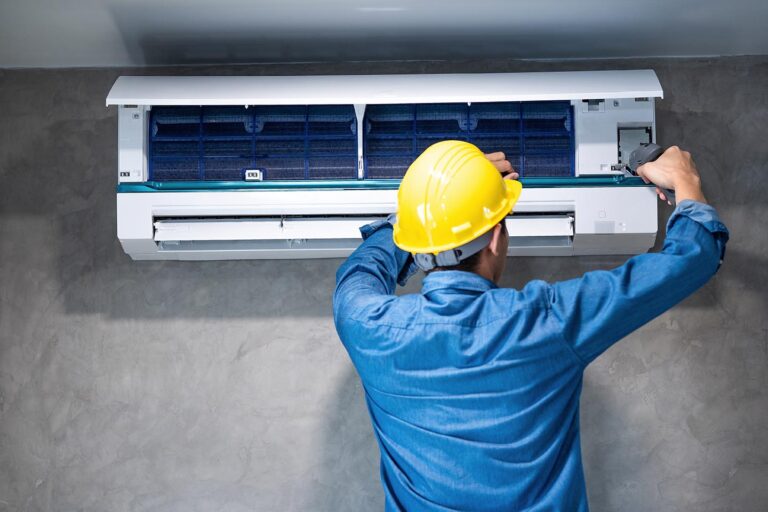
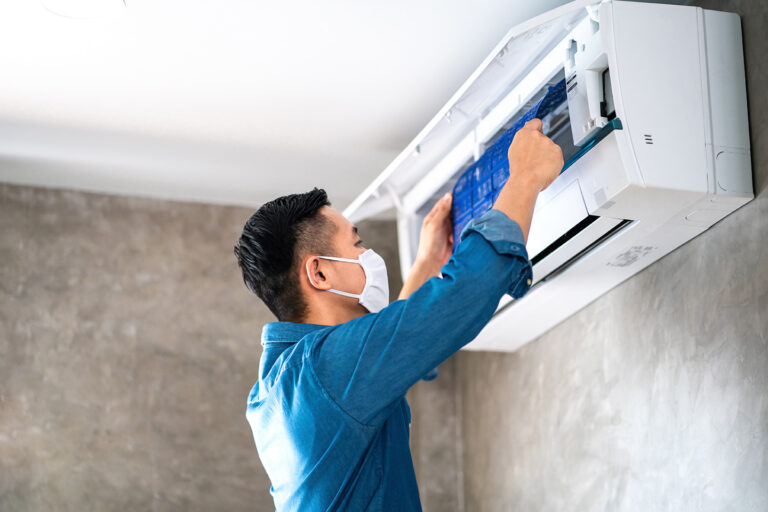
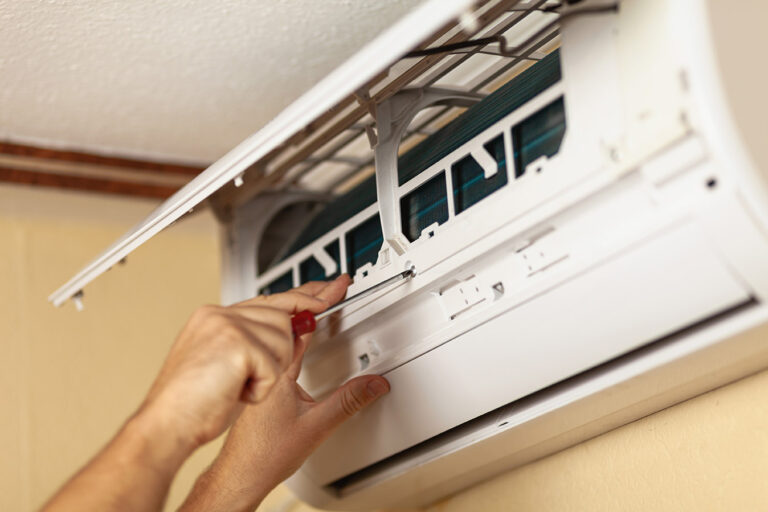
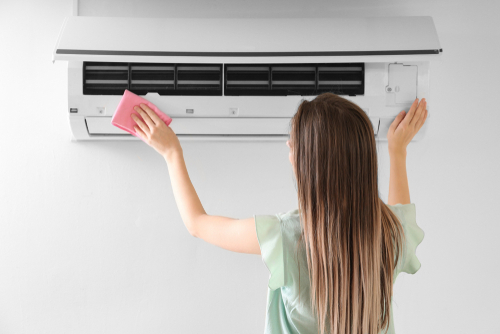
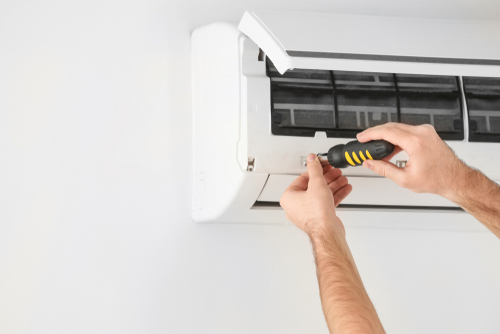
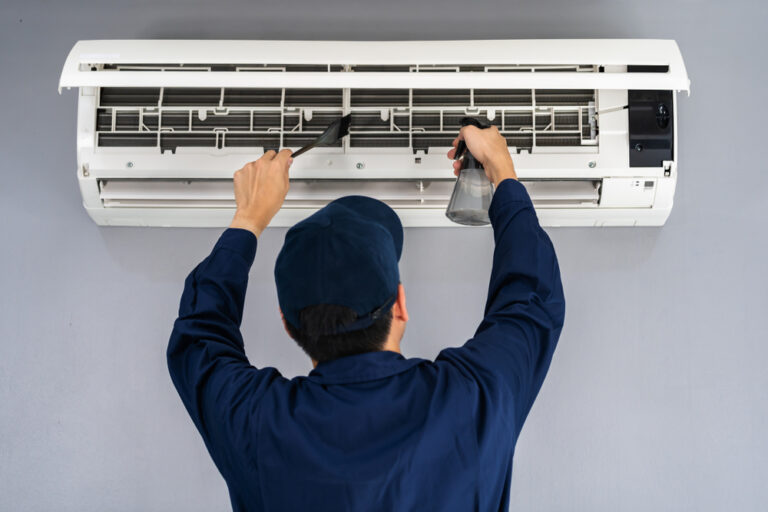
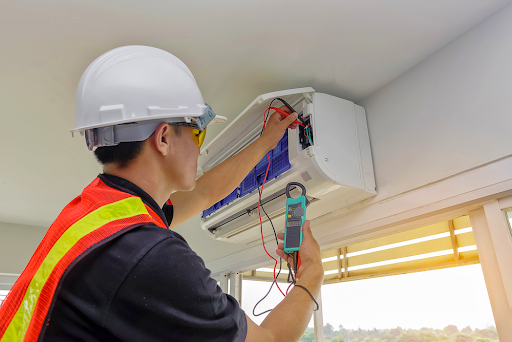
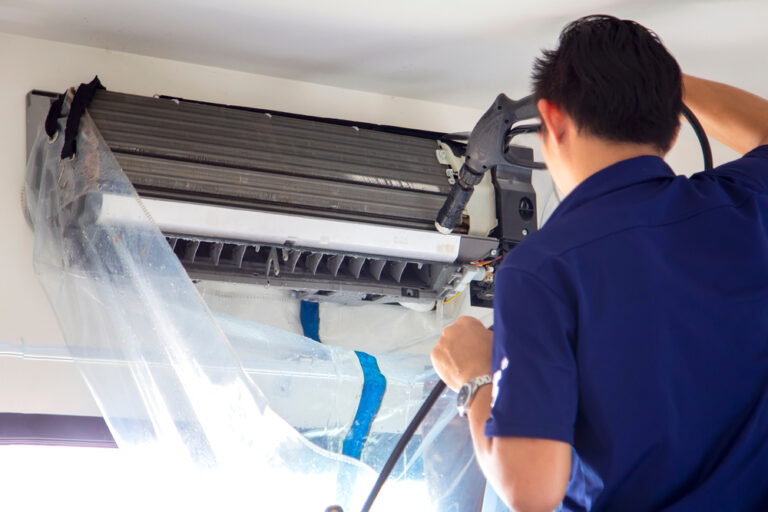
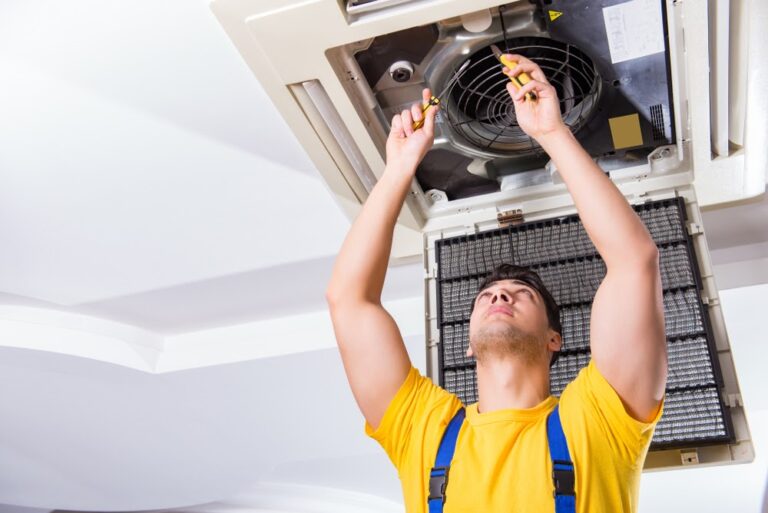
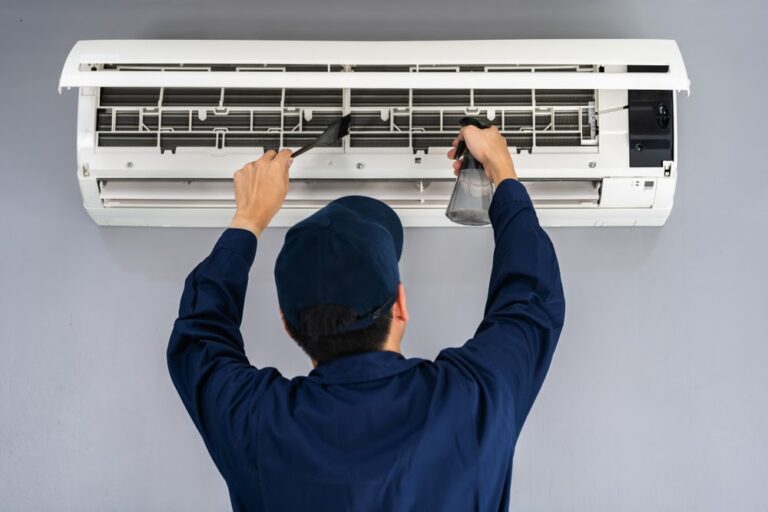
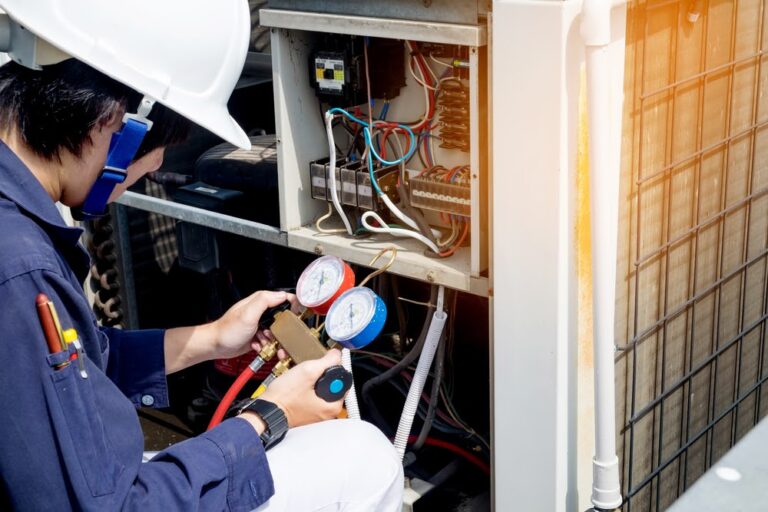
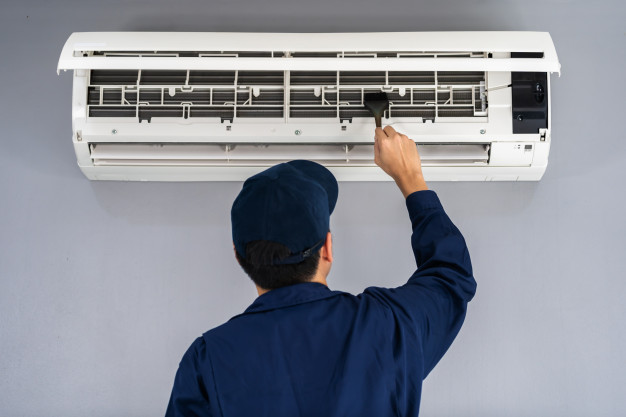
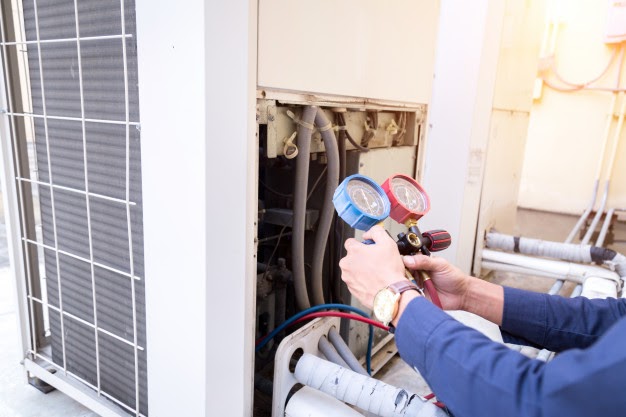
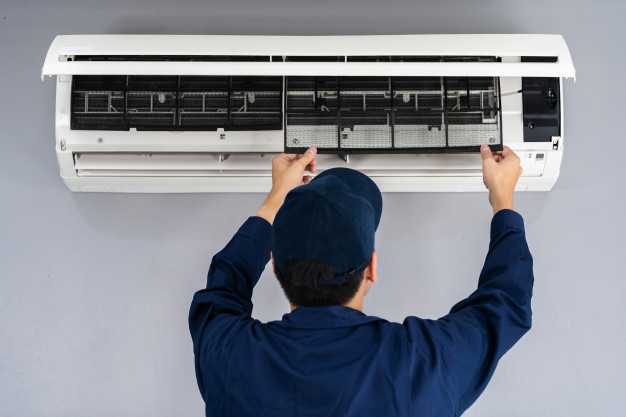
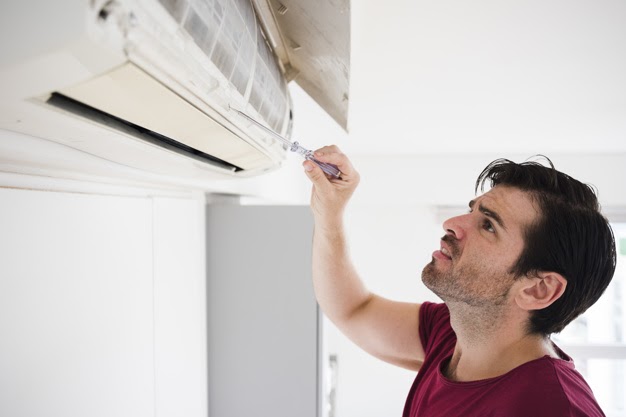
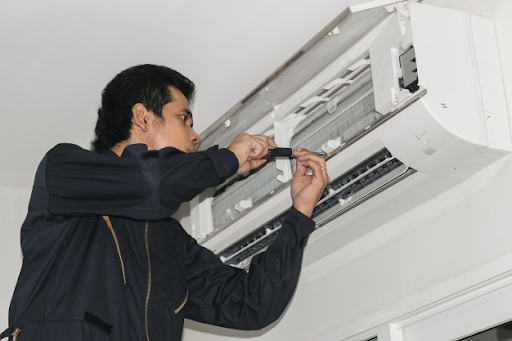
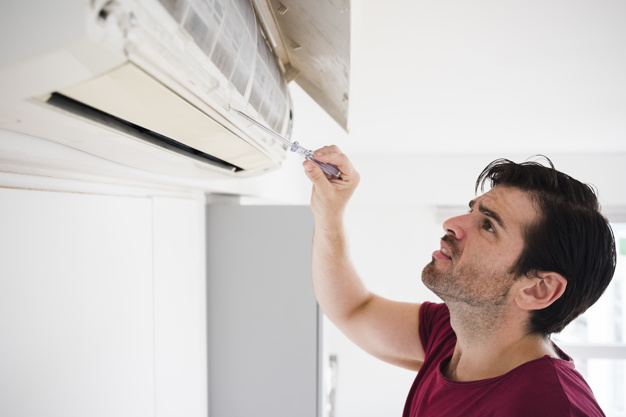
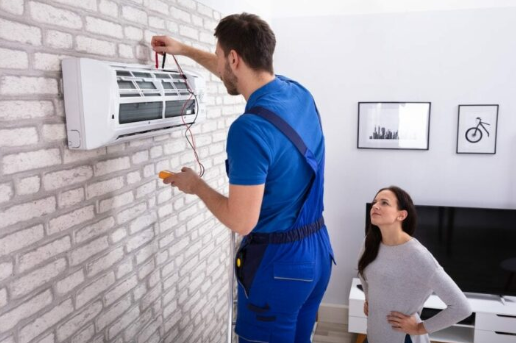
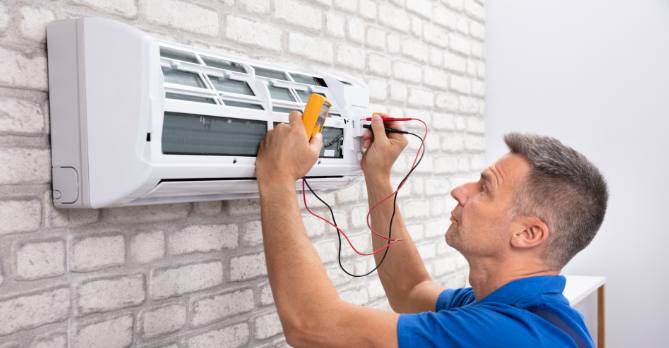
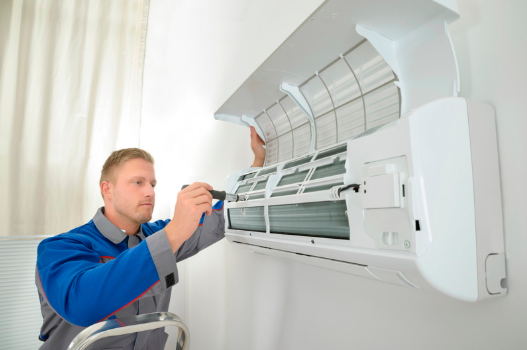
Consistent system care helps support better cooling performance, steadier airflow, and a more reliable response to thermostat settings. Over time, small performance issues can make a noticeable difference in how a space feels, and keeping the system checked regularly helps address these concerns before they affect daily comfort.
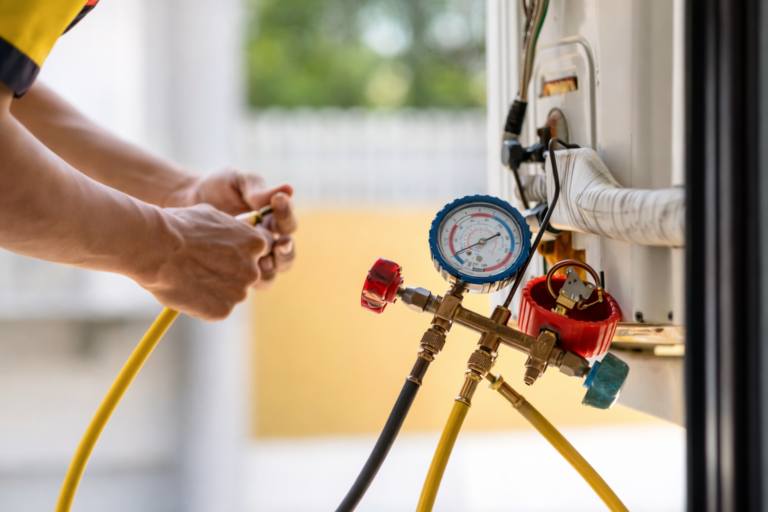
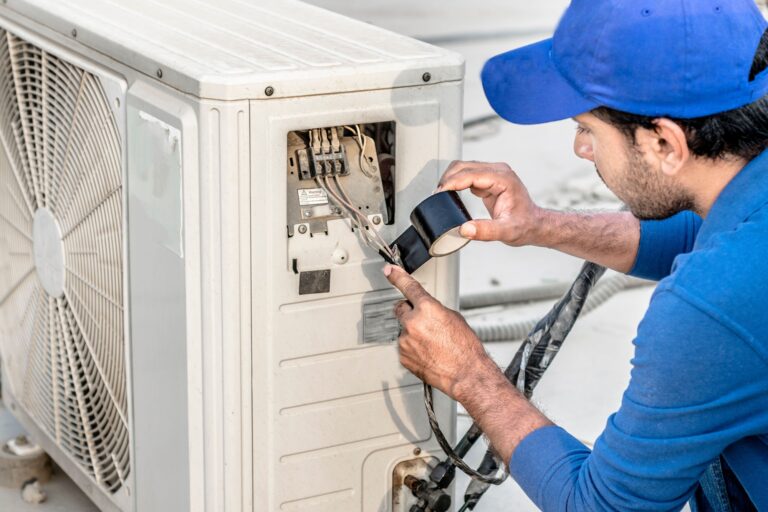
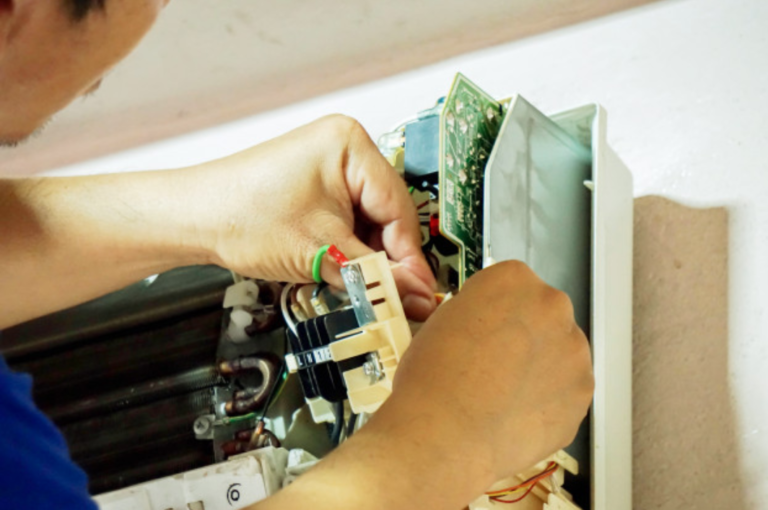
When cooling feels less effective than it should, the cause is often found in the system itself rather than the temperature setting. Routine servicing through AC repair and maintenance services helps identify what may be affecting performance and supports more stable operation over the long term.
A Smarter Way to Manage AC Temperature Control
Achieving better cooling does not always come from lowering the thermostat further. In many cases, it comes from understanding how the system works within the space and making choices that support a steadier indoor environment. A balanced approach can help create a more comfortable setting without placing unnecessary pressure on daily energy use.
When cooling no longer feels as effective as it should, the issue may go beyond the temperature setting itself. Addressing the room conditions, system performance, and maintenance habits together tends to produce more consistent results than adjusting the thermostat alone.
Frequently Asked Questions
Does increasing the AC temperature reduce electricity consumption?
Yes, raising the setting can help reduce electricity use because the system does not need to work as hard to maintain a colder indoor condition. Even a small adjustment can make a difference when the AC runs for long hours.
Does ceiling height affect how a room feels hot or cool?
Yes, higher ceilings can make a room feel different because cool air settles lower while warm air tends to rise. This can affect how evenly the space feels cooled, especially if air circulation is limited.
Is it better to leave the AC on all day or turn it on only when needed?
That depends on how the space is used, but keeping it running all day is not always the most efficient choice. In many cases, using timers or adjusting the settings when the room is unoccupied helps avoid unnecessary energy use while still maintaining comfort.
Does cooking indoors change how the room should be cooled?
Yes, cooking can add noticeable heat to the surrounding area, especially in kitchens connected to living spaces. During or after cooking, the room may need better airflow or a slight thermostat adjustment to maintain a more comfortable indoor condition.
Why can two people in the same room feel different levels of comfort?
Comfort can vary from person to person because body temperature, activity level, clothing, and personal preference all affect how indoor conditions are felt. This is why one person may feel comfortable at a setting that another finds too warm or too cool.

















































































































































Scan For a Free Quote
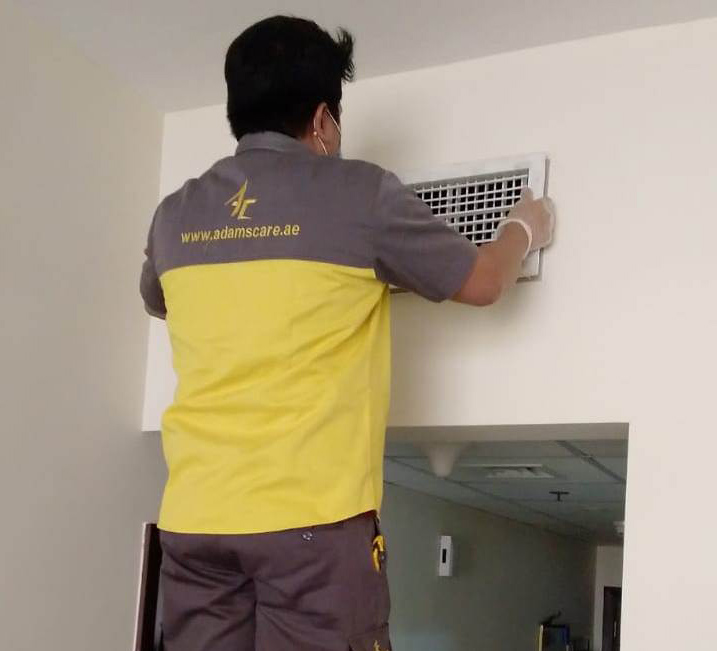
Looking for the best AC Duct cleaning service in Dubai?


