Call us or make an online inquiry for a quick cost estimate.


Apr 10, 2026
10 Most Common AC problems in Dubai Homes and How to Fix Them
Key Takeaways
- Dust and sand clog your filters quickly in Dubai, so clean them often to keep your AC cool.
- Water leaks and bad smells usually mean the drain pipe is blocked and needs a professional clean.
- Get your AC serviced twice a year to avoid expensive breakdowns during the hottest months.
Living in the United Arab Emirates, particularly in a bustling metropolis like Dubai, makes air conditioning more than a luxury; it is a fundamental necessity for health and comfort. Given that ambient temperatures can soar well above 40°C during the summer months, your HVAC system operates under extreme mechanical stress.
When your cooling system falters, the indoor environment can become unbearable within minutes. Understanding the most frequent AC problems and knowing how to address them can save you from unnecessary discomfort and costly repairs. In this guide, we explore the primary issues faced by Dubai homeowners and provide professional insights into maintaining a high-performance cooling system.
1. Inadequate Cooling and Weak Airflow
One of the most frequent complaints from residents is that the AC is running but the rooms remain warm. This often stems from restricted airflow or a lack of cooling capacity.
The Cause
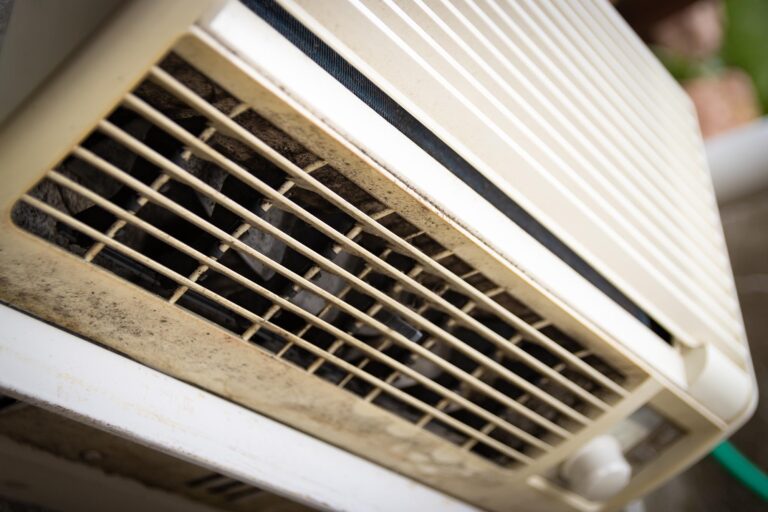
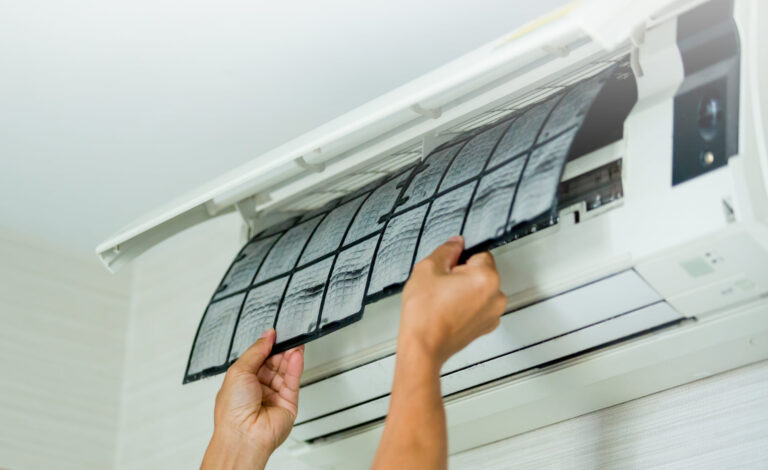
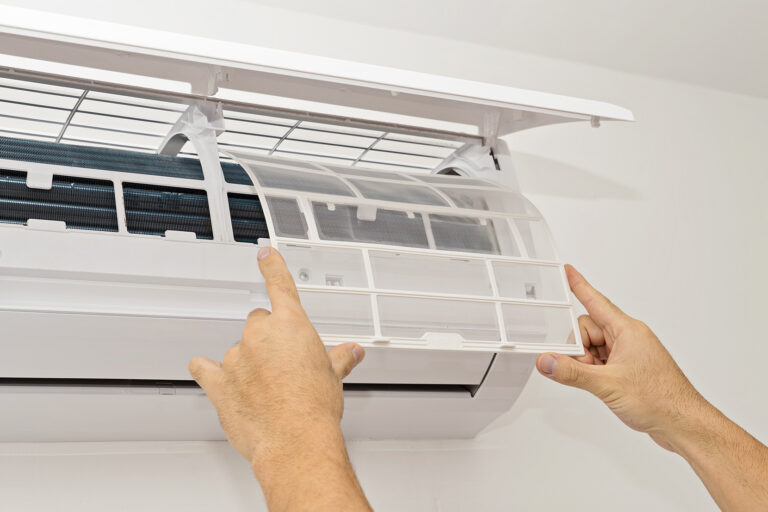
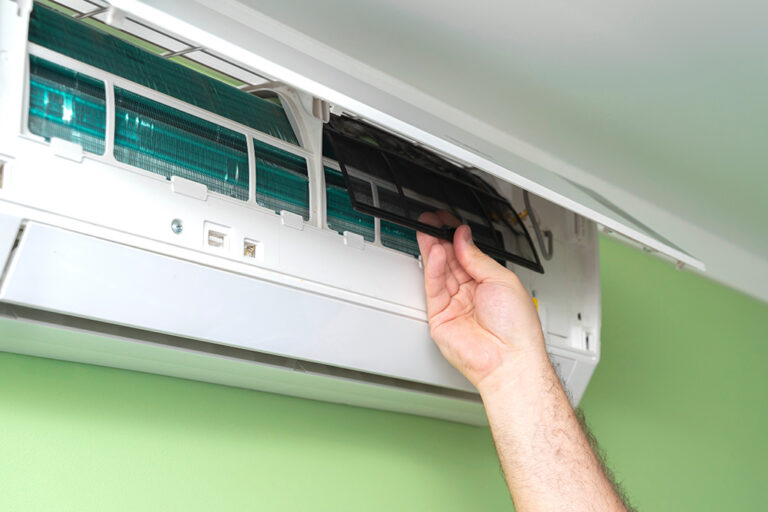
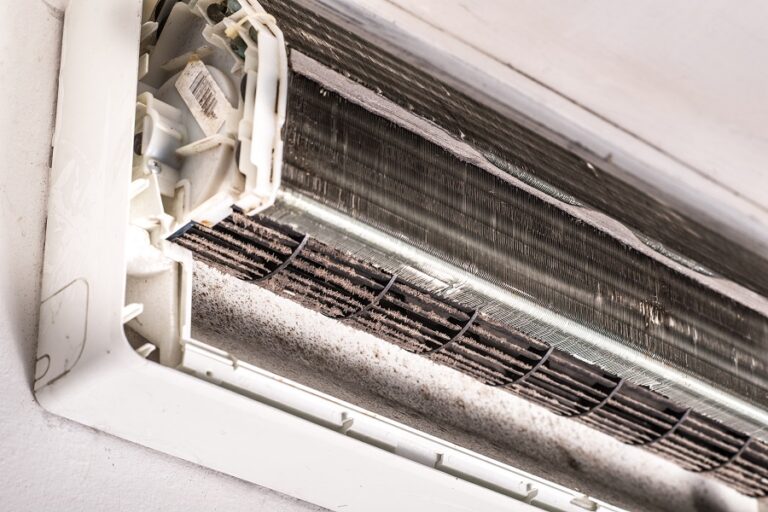
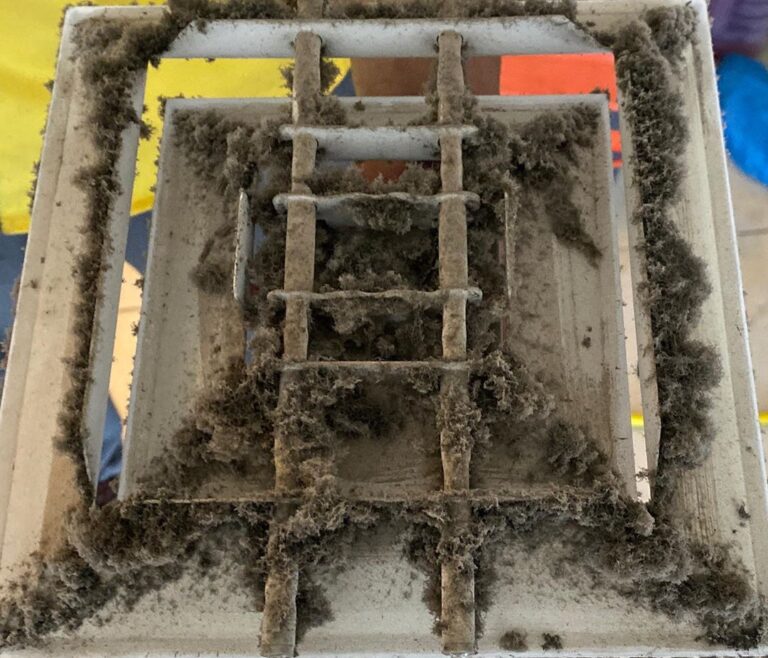
This is typically caused by clogged air filters or obstructed vents. In Dubai’s desert environment, fine sand and dust particles accumulate rapidly, restricting the unit’s airflow intake.
The Fix
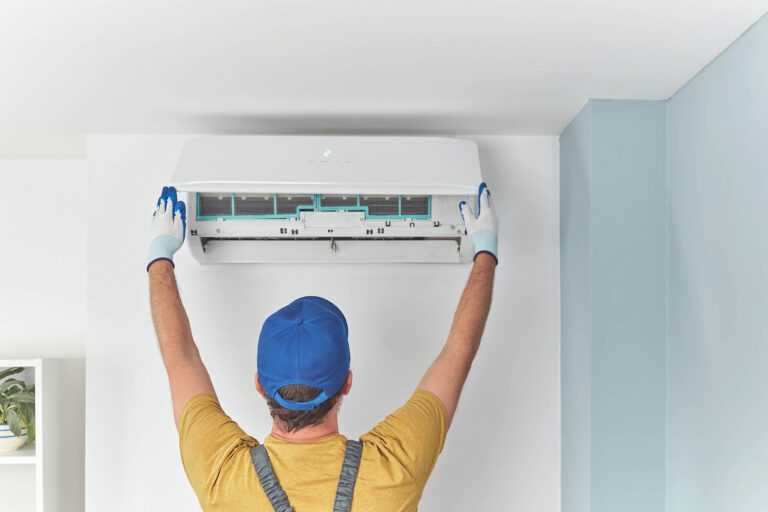
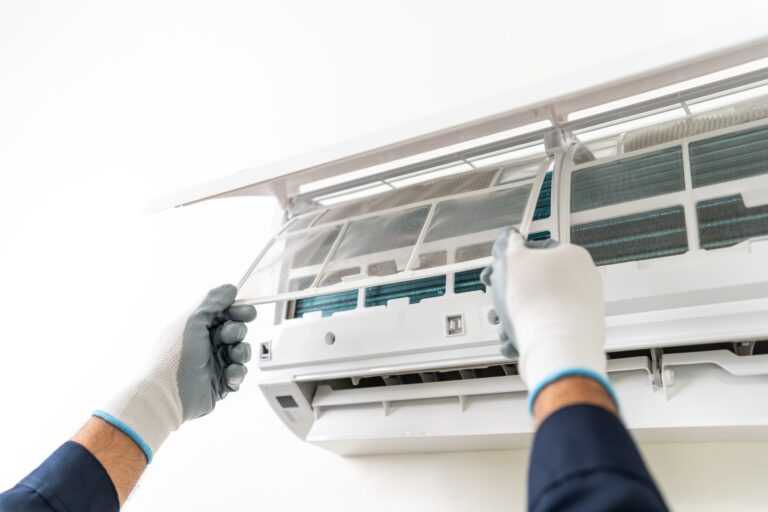
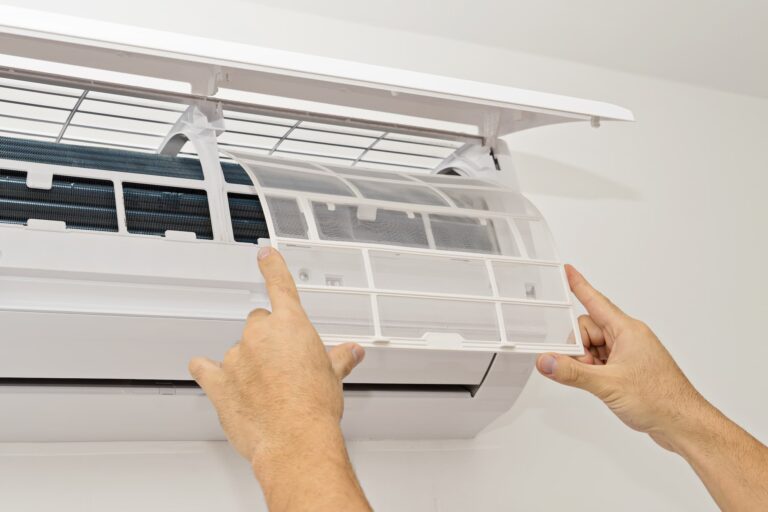
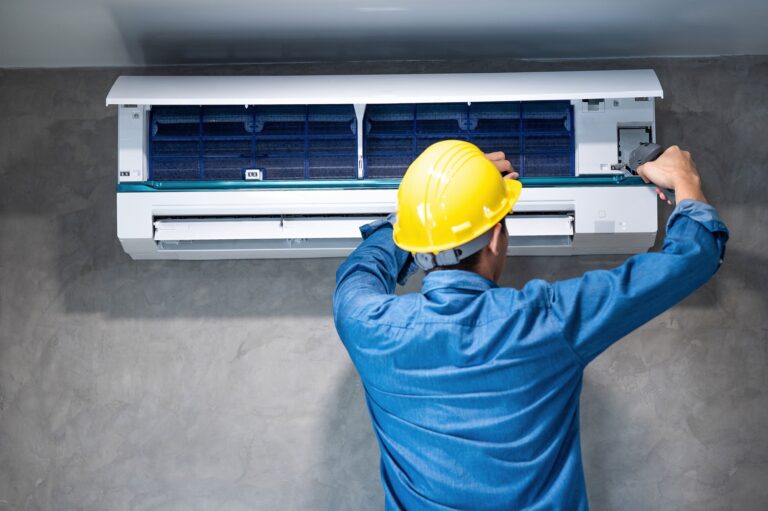
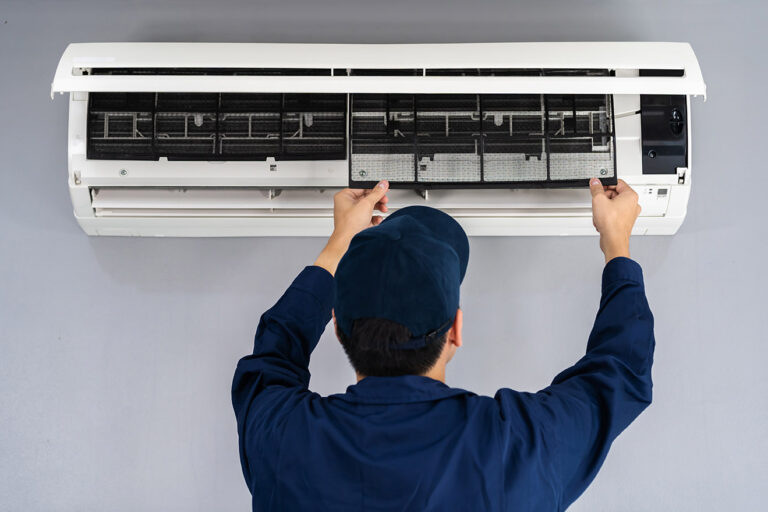
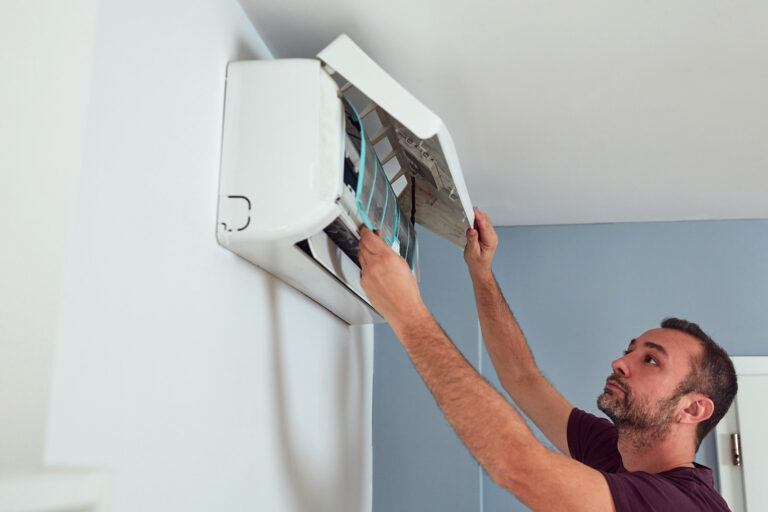
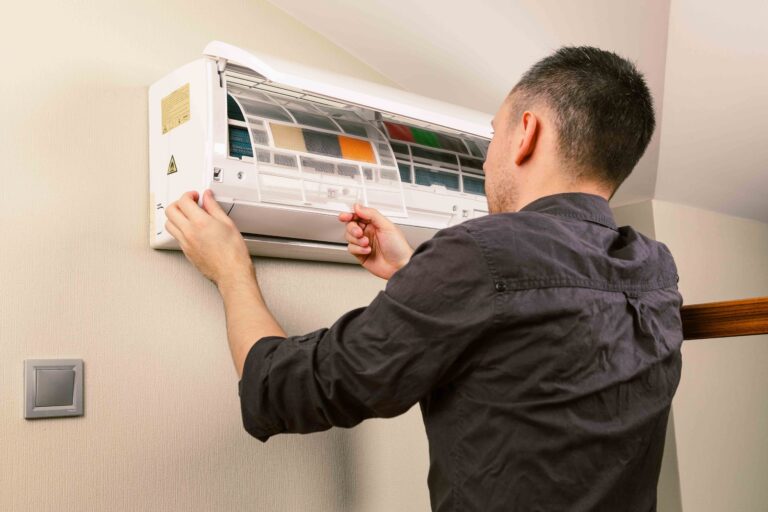
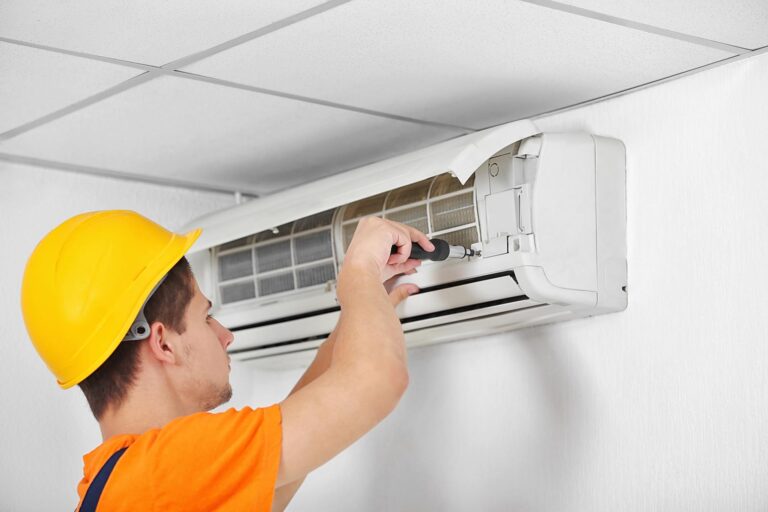
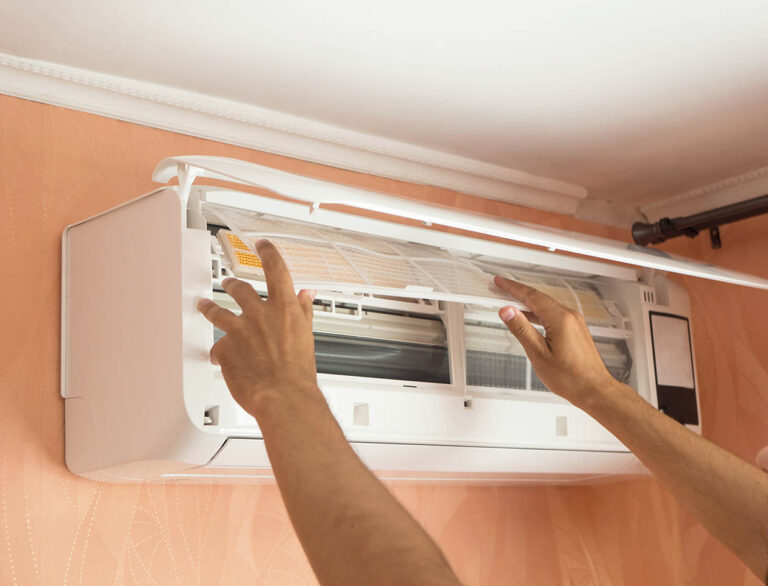
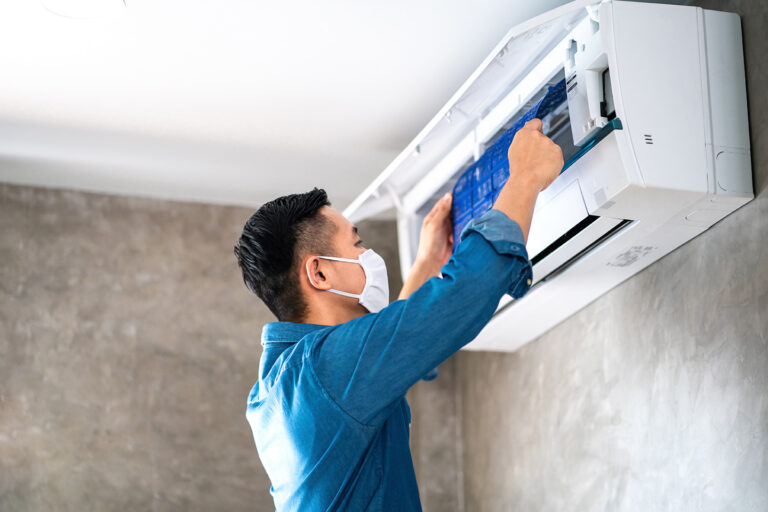
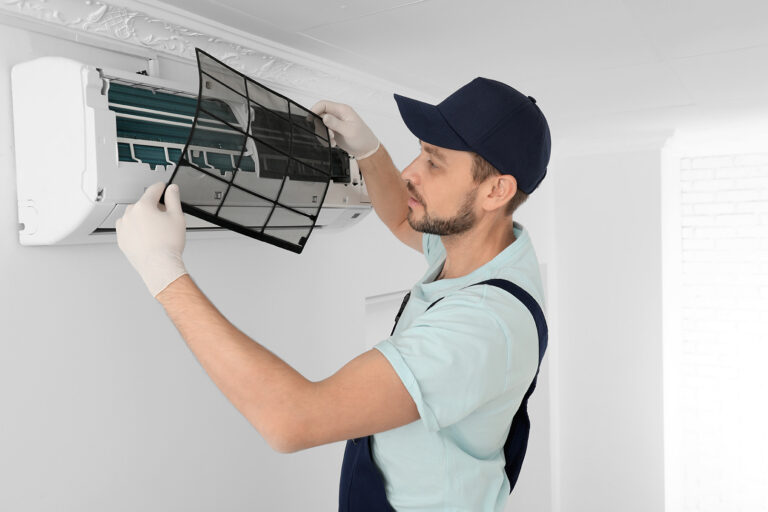
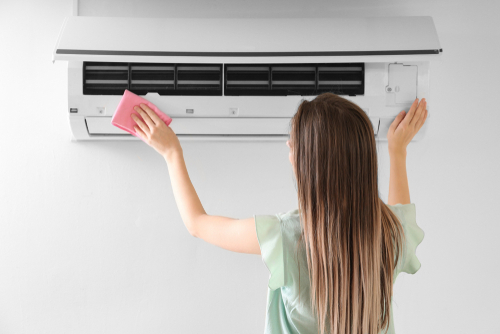
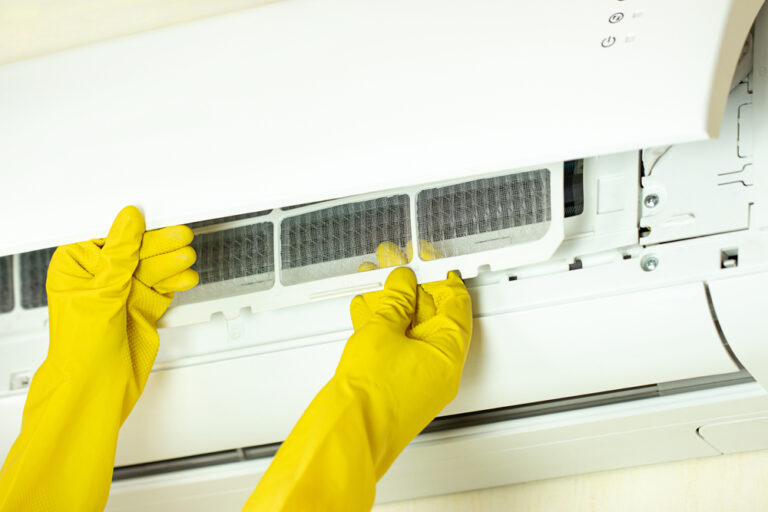
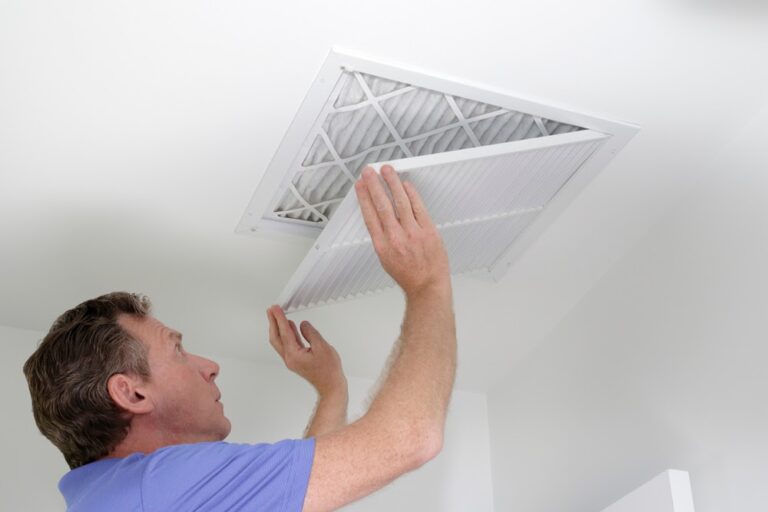
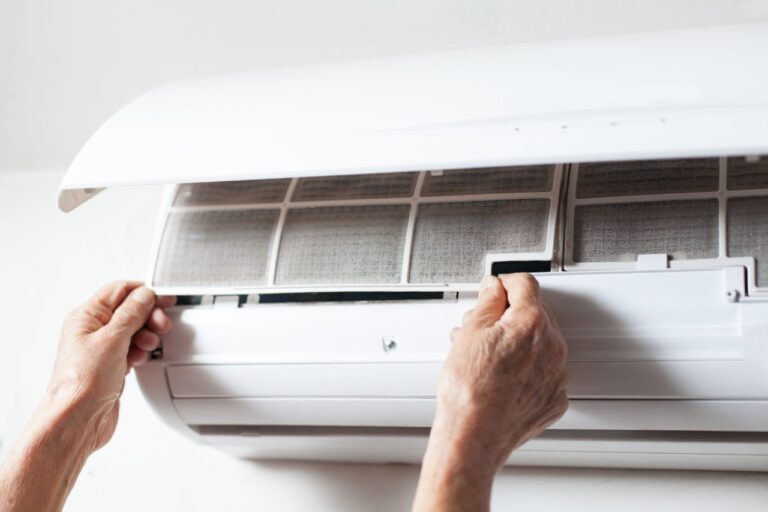
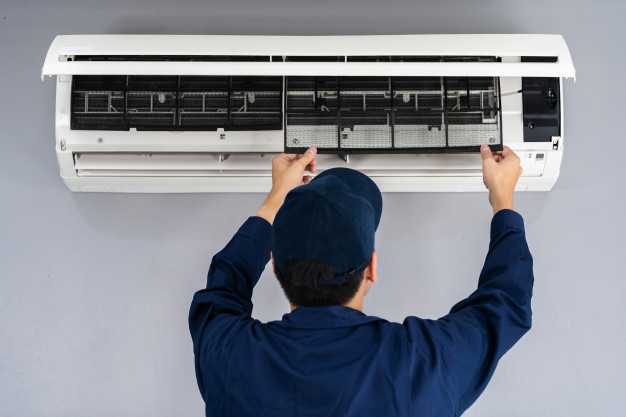
- Clean or Replace Filters: Homeowners should inspect filters every 15 to 30 days.
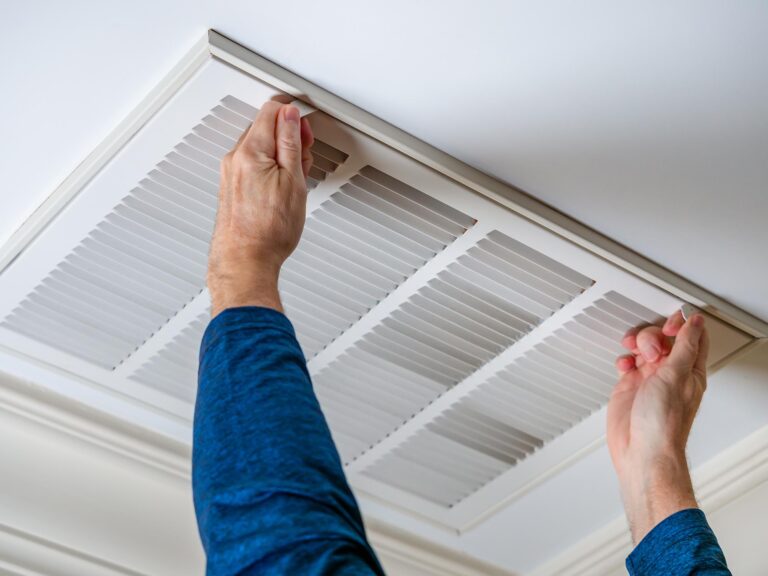
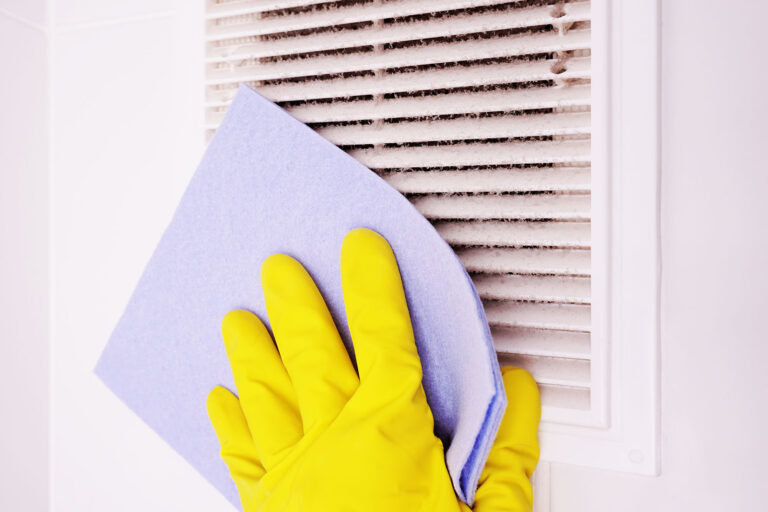
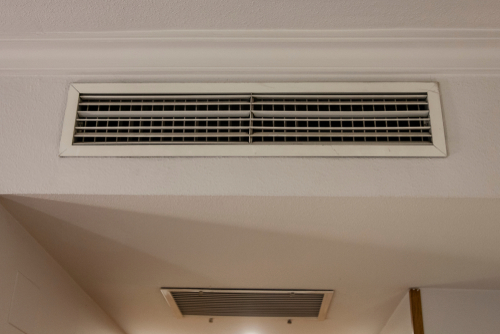
- Check Vents: Ensure that furniture or curtains are not blocking the supply or return air grilles.
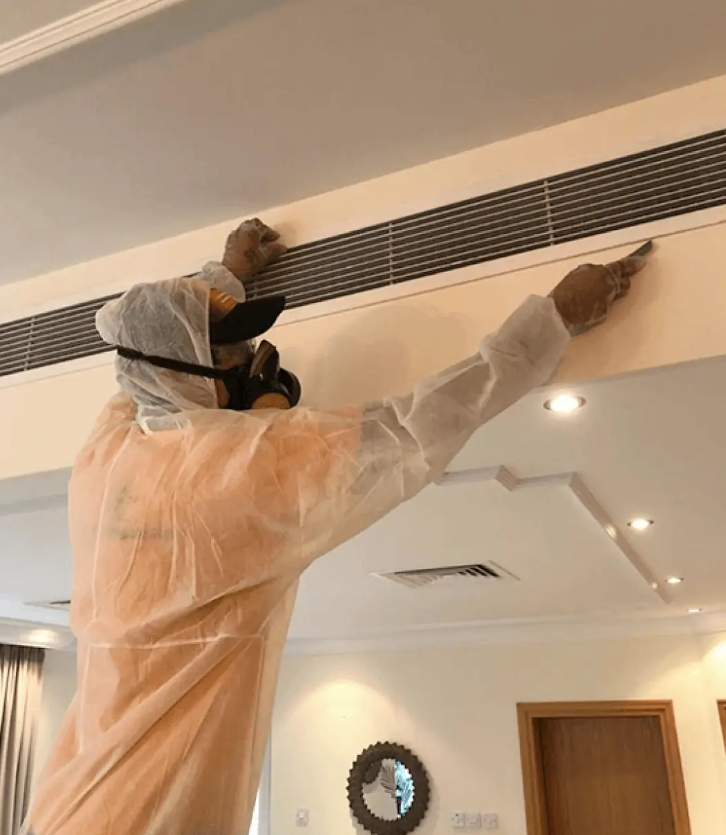
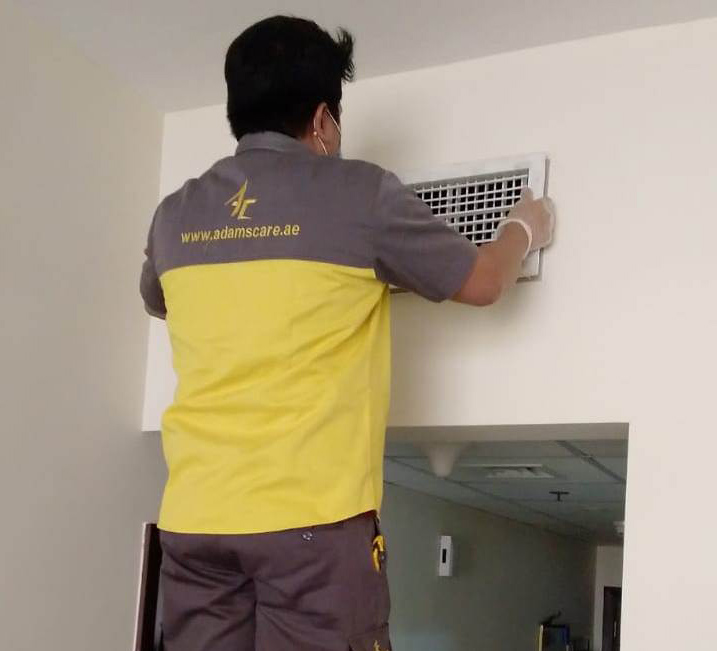
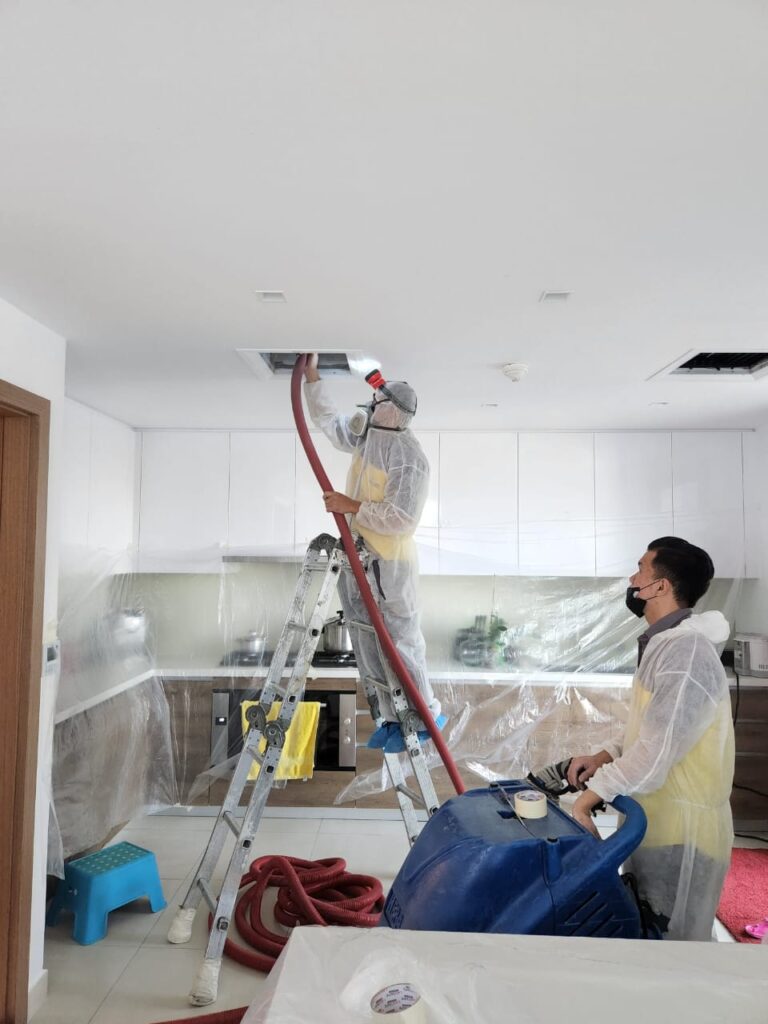
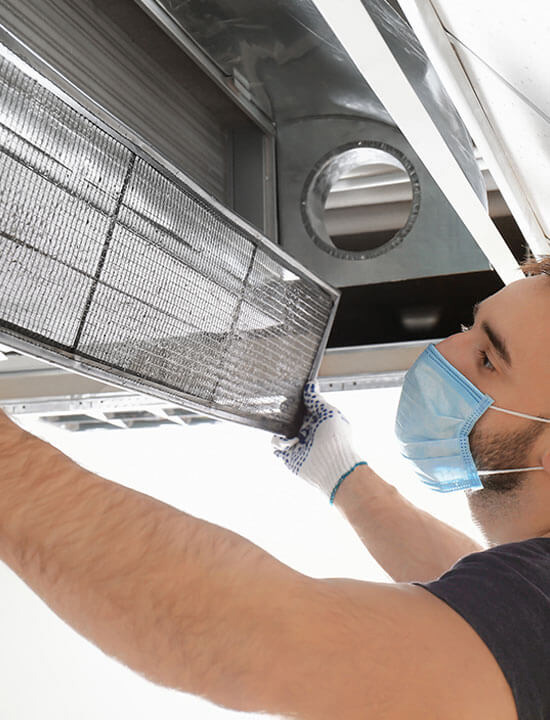
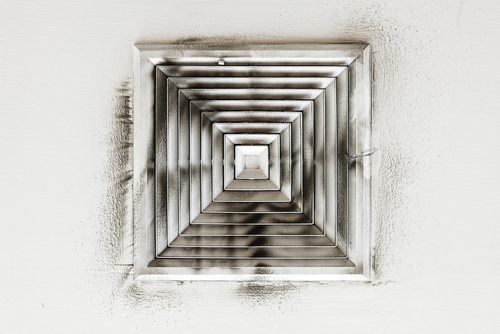
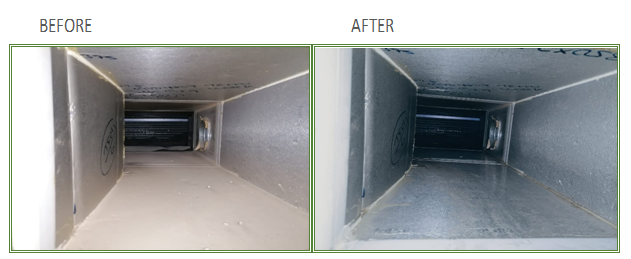
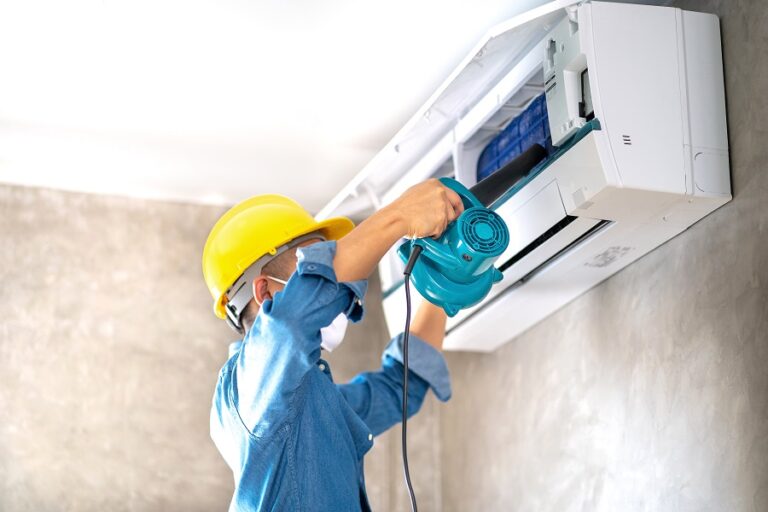
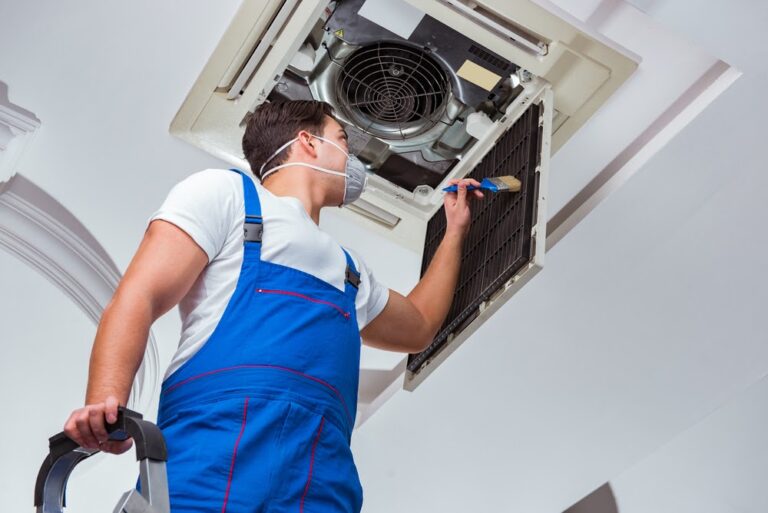
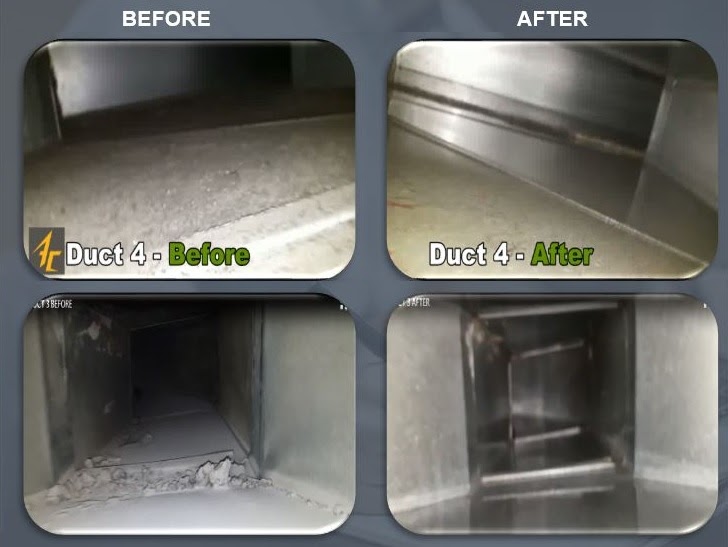
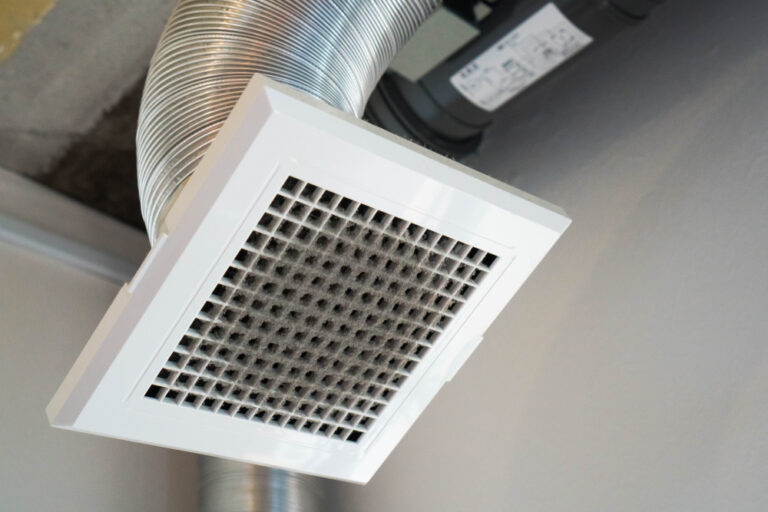
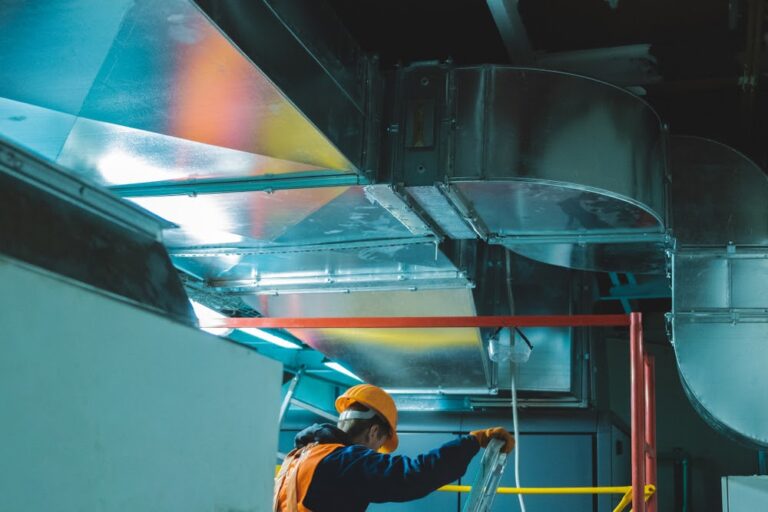
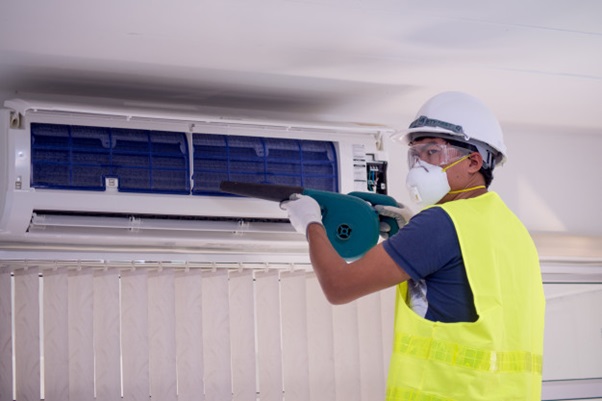
- Specialist Cleaning: If airflow remains weak, there may be a buildup of debris within the ductwork requiring thorough sanitation of your ventilation system.
2. Refrigerant Leaks and Low Gas Levels
The refrigerant is the lifeblood of your air conditioning system. It is responsible for absorbing heat from the indoor air and releasing it outside.
The Cause
Contrary to popular belief, an AC does not consume refrigerant. If the levels are low, there is a leak. In Dubai, the high salt content in the air can lead to the corrosion of copper coils, resulting in pinhole leaks.
The Fix
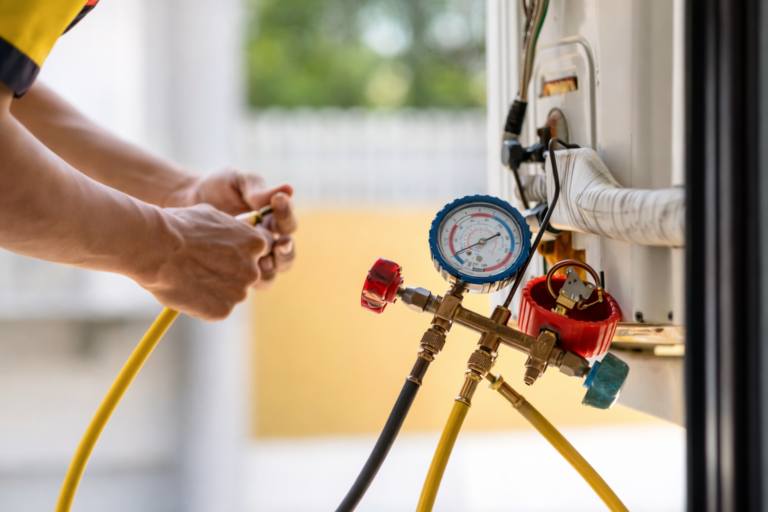
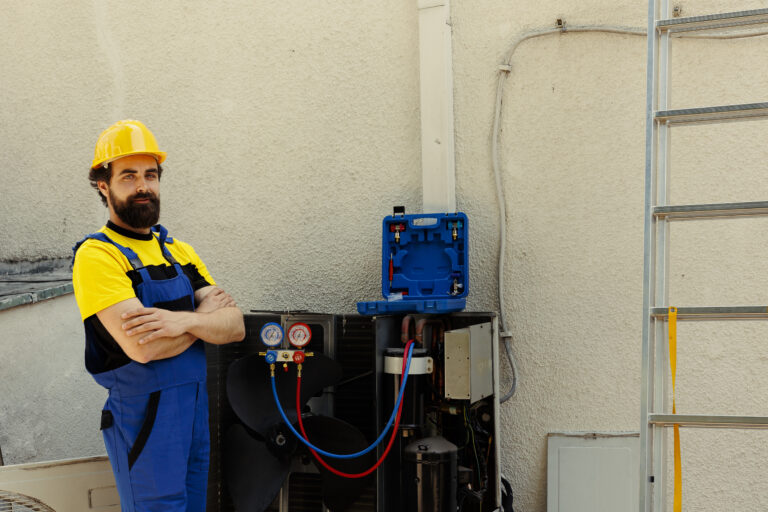
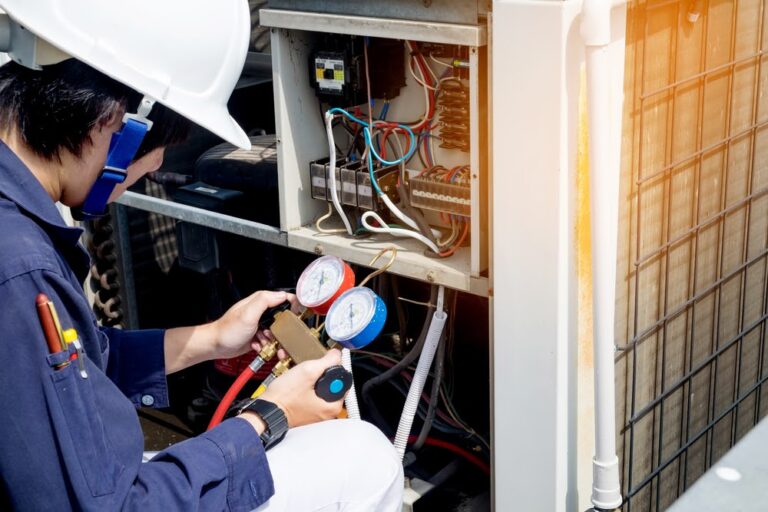
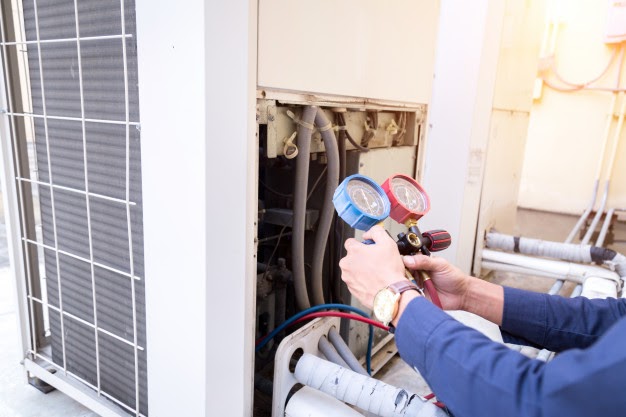
- Detect the Leak: A technician must use electronic leak detectors or UV dyes to find the source.
- Repair and Recharge: Simply topping up the refrigerant is only a temporary solution. The leak must be sealed before the system is recharged to the manufacturer’s specified levels.
- Research: For a deeper dive into how these chemicals work, you can explore the properties of cooling refrigerants.
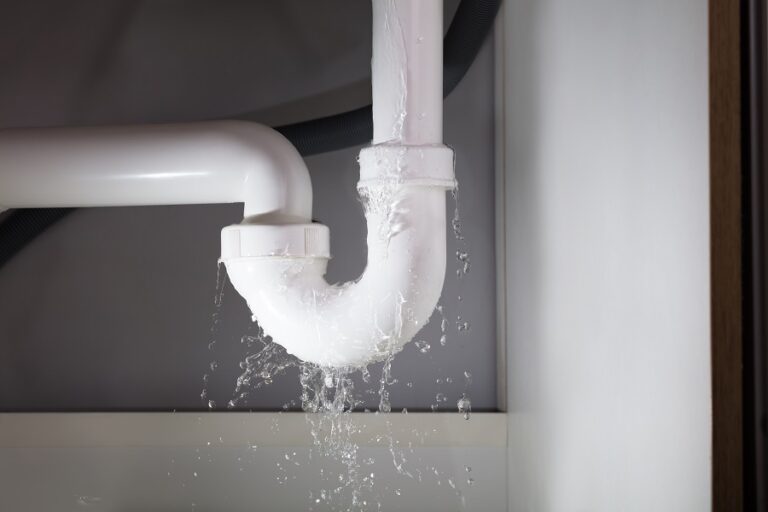
3. AC Unit Leaking Water Internally
Finding water beneath your indoor unit or damp patches on your ceiling is a common occurrence in high-humidity regions..
The Cause
As the ac cools the air, it removes moisture. This condensate should flow through a drain line. However, dust and fungal growth can clog these narrow pipes, causing the water to back up and overflow the internal tray.
The Fix
- Flush the Drain Line: Use a wet/dry vacuum or a pressure pump to clear the blockage.
- Algae Tablets: Placing condensate tablets in the drain pan can prevent future sludge build-up.
- Leveling: Ensure the indoor unit is mounted perfectly level to allow proper drainage.
4. Frozen Evaporator Coils
It seems counterintuitive to find ice on an air conditioner in the middle of a Dubai summer, but it is a significant mechanical failure.
The Cause
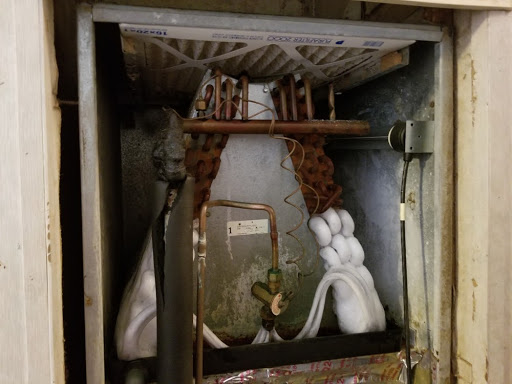
When airflow is restricted due to dirty filters or low refrigerant levels, the evaporator coil’s temperature drops below freezing. The humidity in the air then condenses and freezes onto the coil, further insulating it and stopping the cooling process entirely.
The Fix
- Thaw the Unit: Turn off the cooling function and run the fan only to melt the ice.
- Check Airflow: Ensure the return air path is completely clear.
- Professional Inspection: If it freezes again, a technician must check for refrigerant pressure issues.
5. Faulty Thermostat Readings
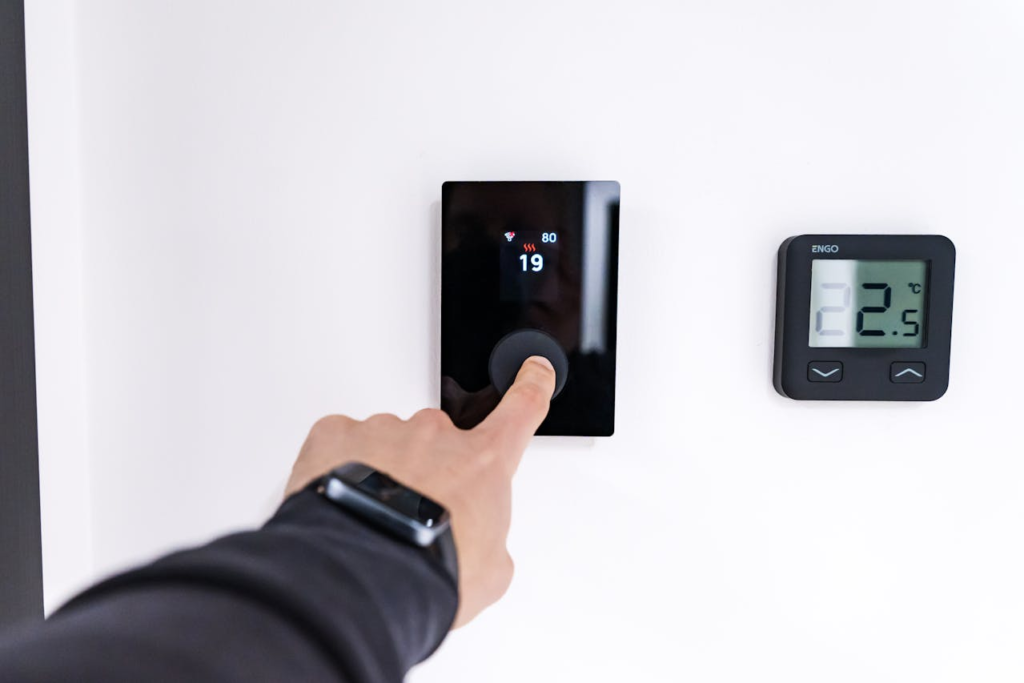
A malfunctioning thermostat can display the wrong temperature or fail to trigger the cooling cycle. This can make it appear that the AC is faulty when the main unit is functioning properly.
The Cause
Thermostats can fail due to old batteries, faulty wiring, or poor placement. If a thermostat is placed directly under a sunlit window, it will detect temperatures much hotter than they actually are, causing the AC system to overwork.
The Fix
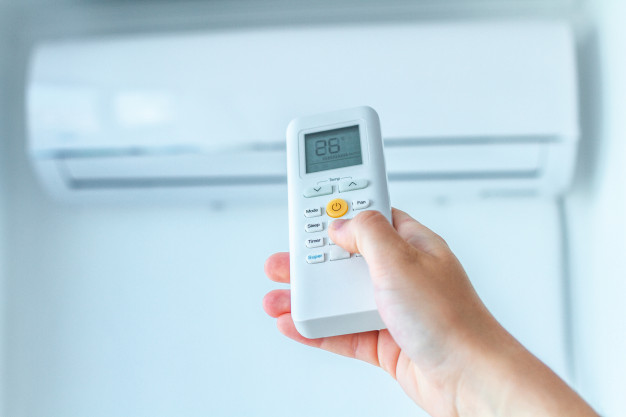
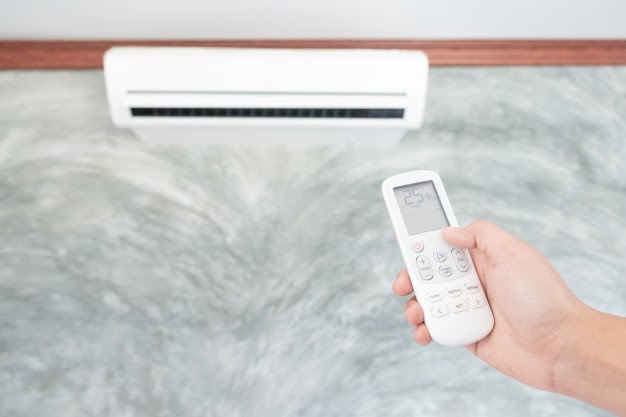
- Recalibration: Ensure the thermostat is calibrated to the actual room temperature.
- Battery Replacement: A simple change of batteries often solves intermittent connectivity issues.
- Upgrade: Consider installing a smart thermostat that allows for better scheduling and remote monitoring.
6. Compressor Failure
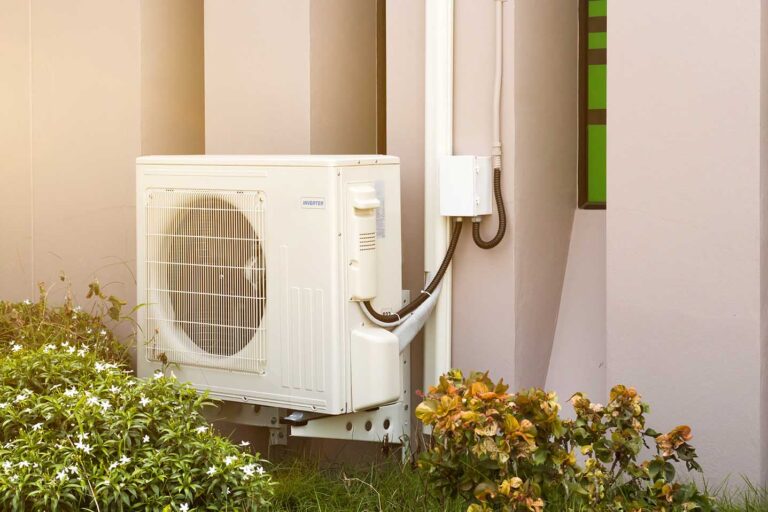
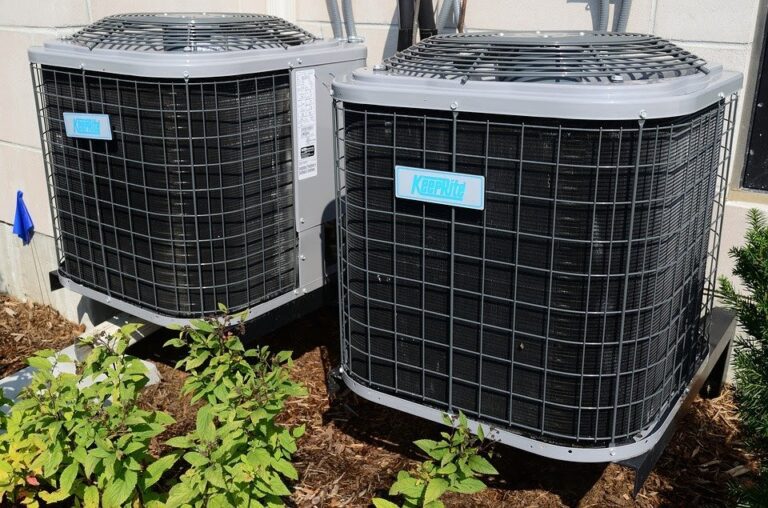
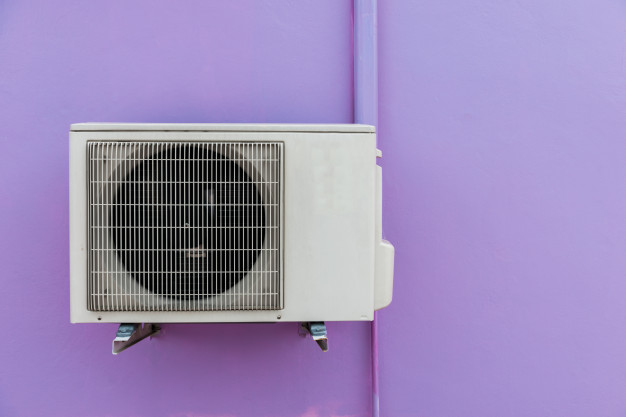
The compressor is the main component of an AC outdoor unit. If this fails, the system cannot cool.
The Cause
Overheating is a major cause of compressor failure in air conditioning systems. If the outdoor condenser coils are caked in sand and grime, the compressor then works significantly harder to expel heat, causing the motor to fail or seize.
The Fix
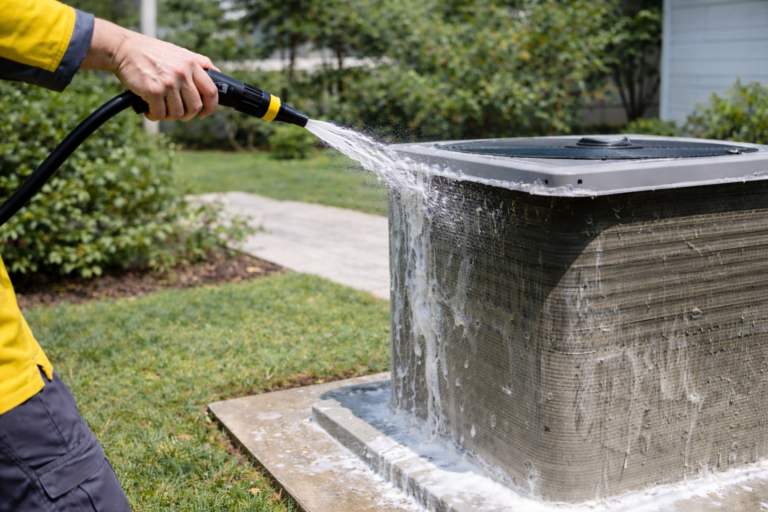
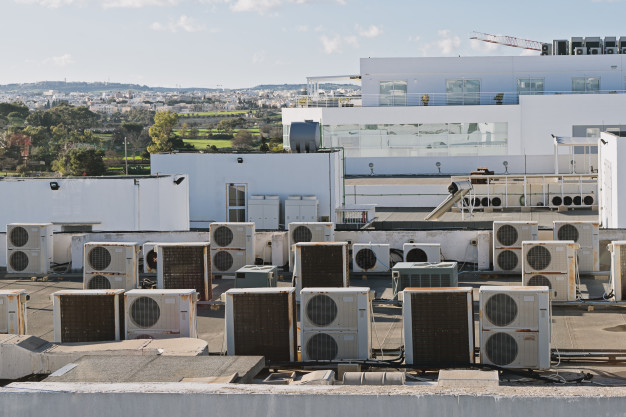
- Keep it Clean: Regularly hose down the outdoor unit to remove sand.
- Ensure Clearance: Do not store items around the outdoor unit as it needs at least two to three feet of clear space for heat dissipation.
7. Unusual Noises
Your AC should operate with a consistent hum. Sharp or sudden noises often indicate underlying mechanical issues.
The Cause
- Screeching: Usually indicates a worn-out fan belt or a bearing issue in the motor.
- Banging: Suggests a loose part such as a connecting rod or crankshaft within the compressor.
- Clicking: Often an electrical issue, specifically a failing relay or contactor.
The Fix
- Immediate Shutdown: If you hear metal-on-metal grinding, turn off the system immediately to prevent severe motor destruction.
- Lubrication: Some older motors require periodic oiling, though most modern units are permanently sealed.
8. Foul Odours
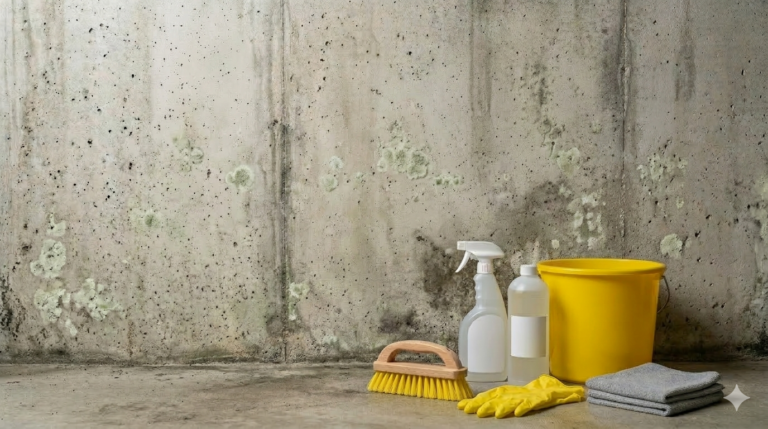
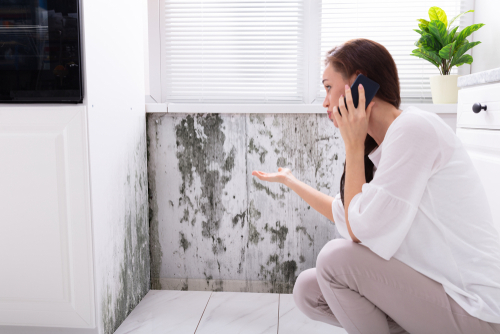
When you turn on the ac and a musty smell fills the room, it usually indicates mould or mildew growth.
The Cause
The dark and damp environment inside an ac unit is a breeding ground for mould and bacteria. In Dubai, the mixture of high humidity and indoor dust provides the perfect food for these organisms.
The Fix
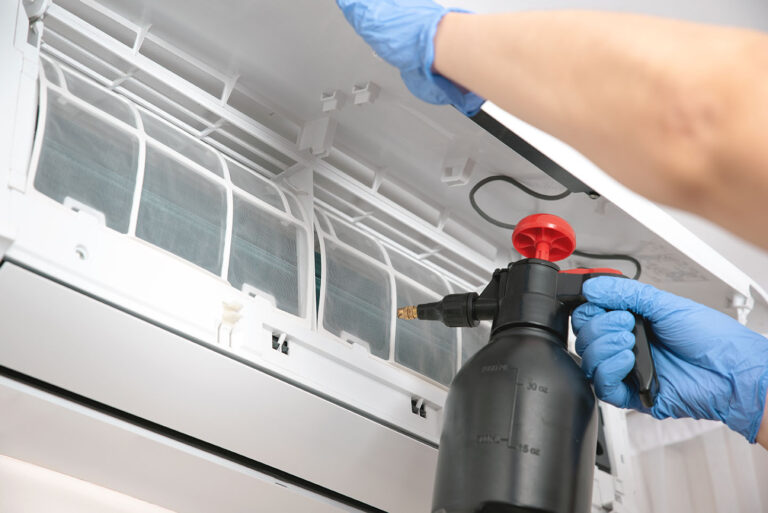
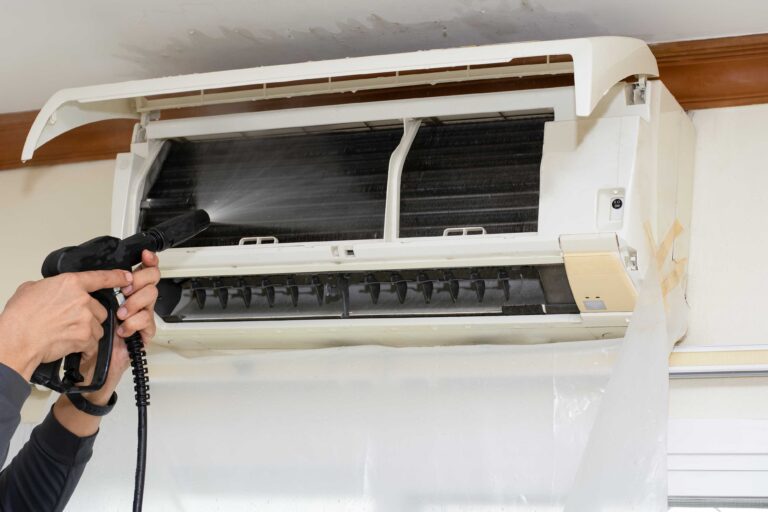
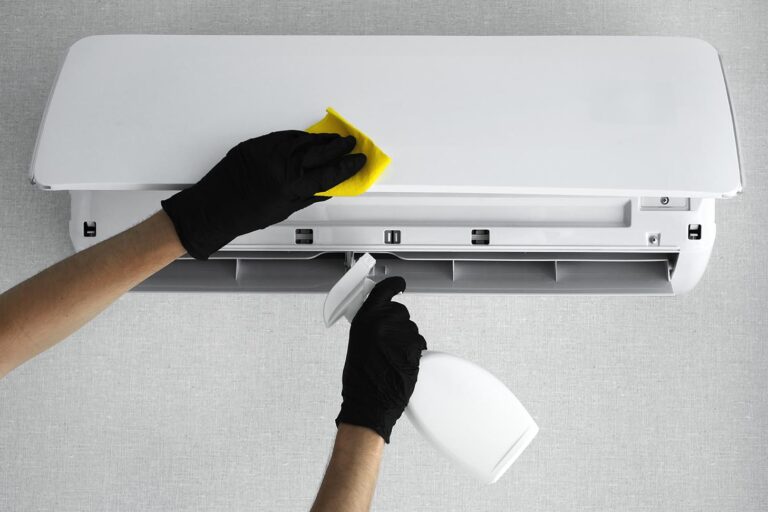
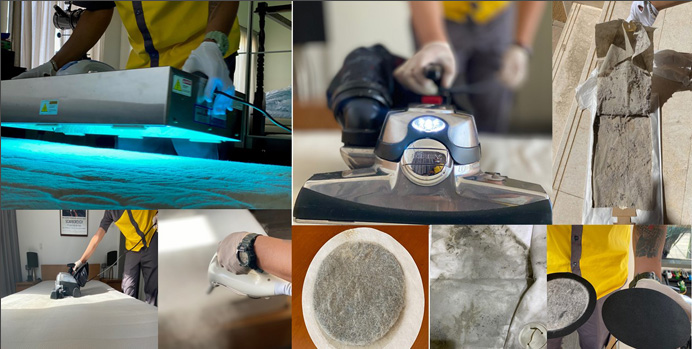
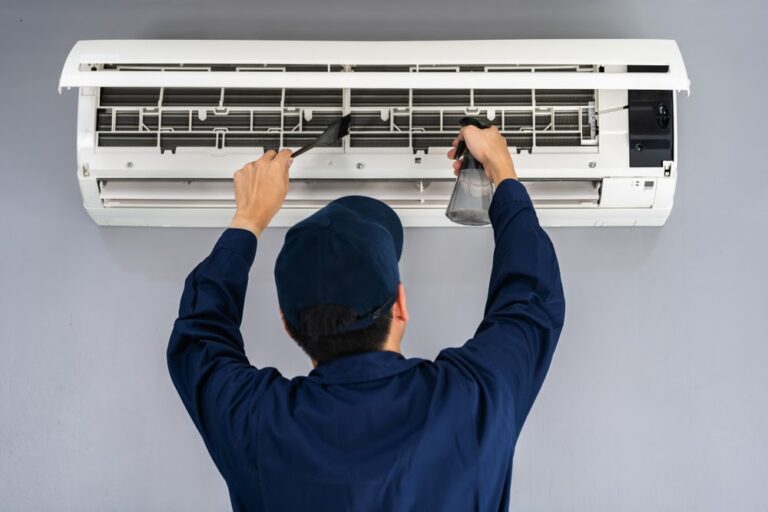
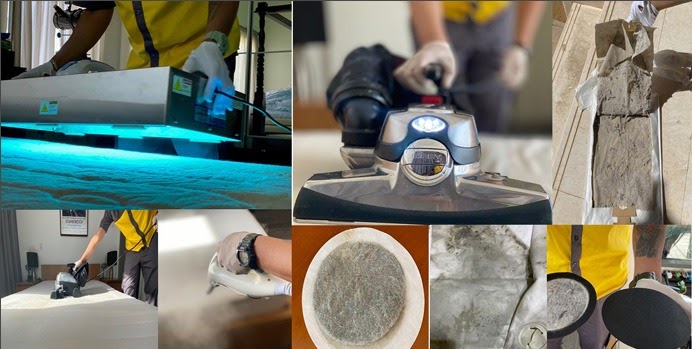
- Deep Sanitisation: A standard filter wash is not enough. A deep coil disinfection using anti-fungal treatment may be required.
- UV Lights: Installing UV-C lamps inside the air handling unit can kill mould spores before they enter the airflow.
9. Frequent Cycling
If your AC turns on and off every few minutes, it is short-cycling. This means that your unit turns on, runs for a very short time (just a few minutes), shuts off, and then immediately turns on again to repeat the process.
The Cause
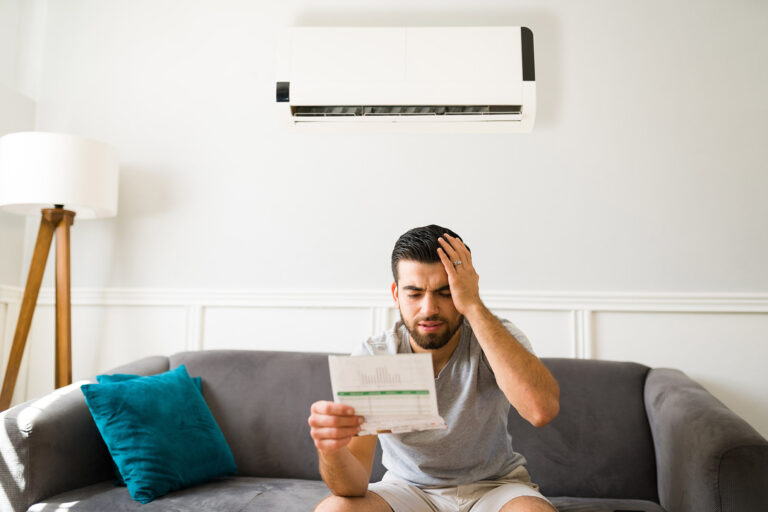
Frequent short-cycling is often caused by an oversized unit for the space or a malfunctioning capacitor. It puts immense strain on the electrical components and leads to a spike in DEWA bills.
The Fix
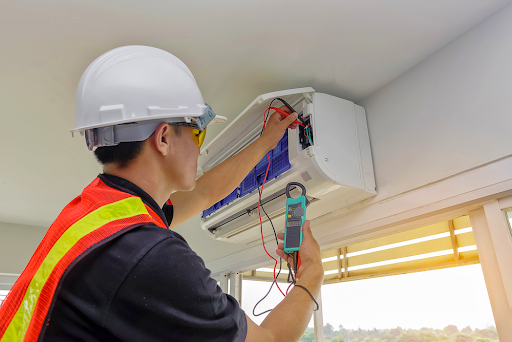
- Capacitor Replacement: A technician can test the start or run capacitors to see if they are providing the necessary voltage boost.
- Sensor Check: Ensure the evaporator thermistor is positioned correctly and not touching the cold metal coils.
10. Electrical Failures and Blown Fuses
In the peak of summer, the electrical load on Dubai’s grid and your home’s distribution board is at its highest.
The Cause
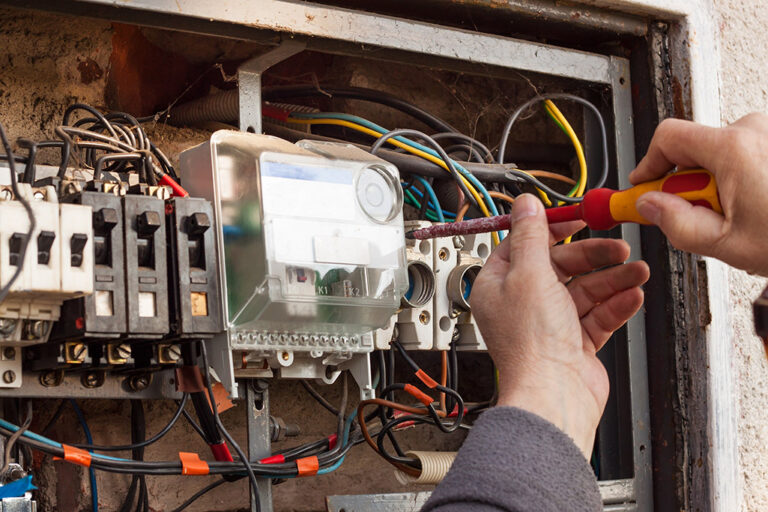
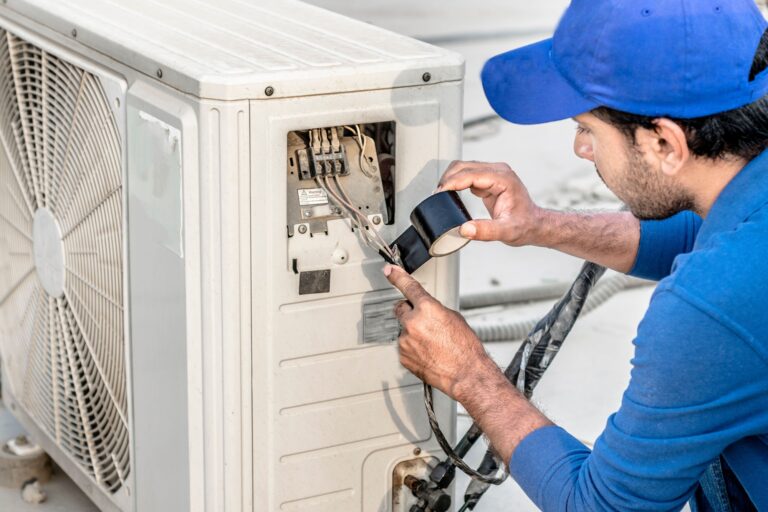
Worn-out wiring or a faulty contactor can cause the ac to trip the circuit breaker. This is a safety mechanism to prevent electrical fires.
The Fix
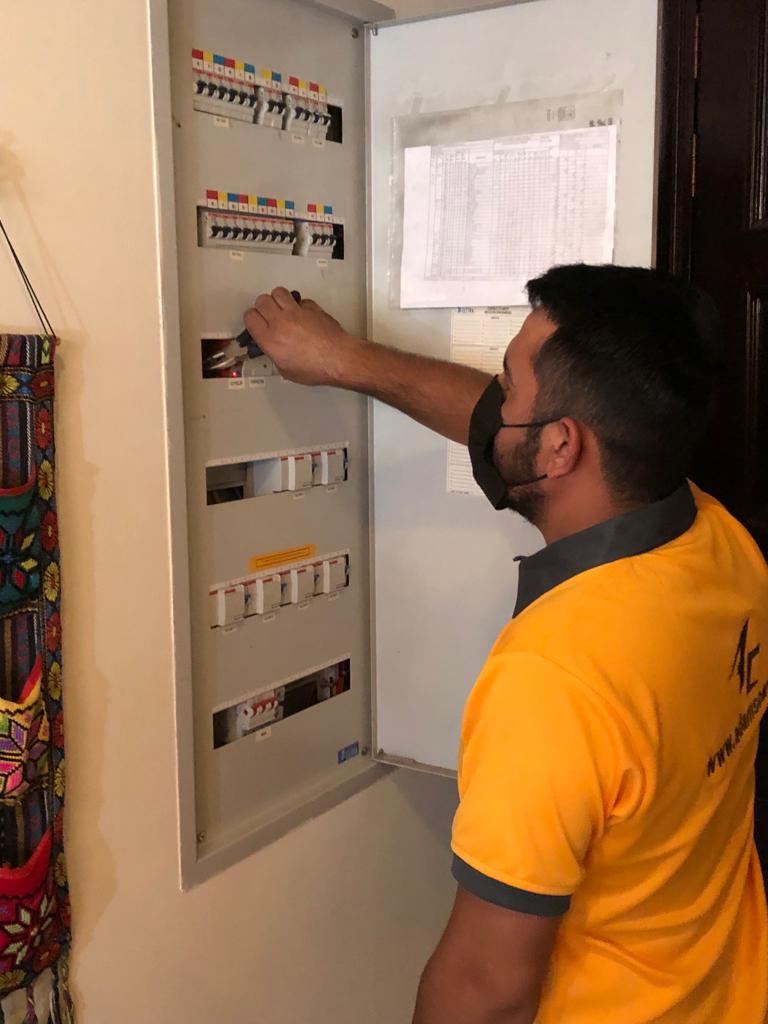
- Check the Breaker: If it trips once, reset it. If it trips repeatedly, do not keep resetting it.
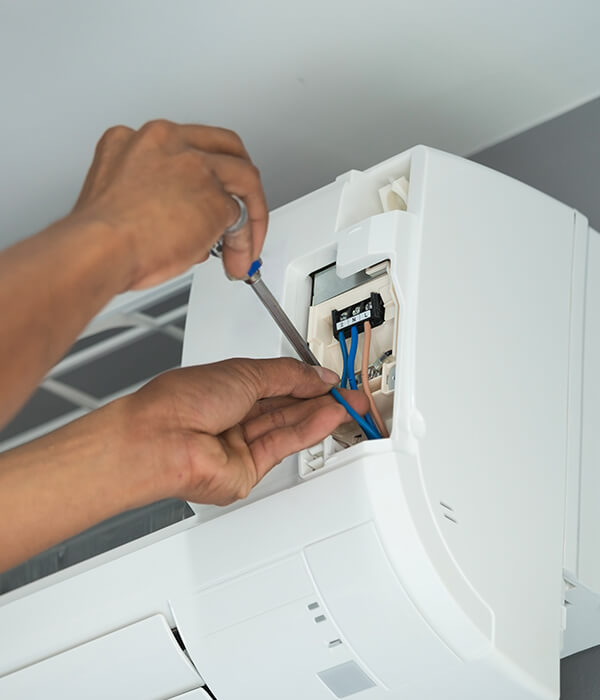
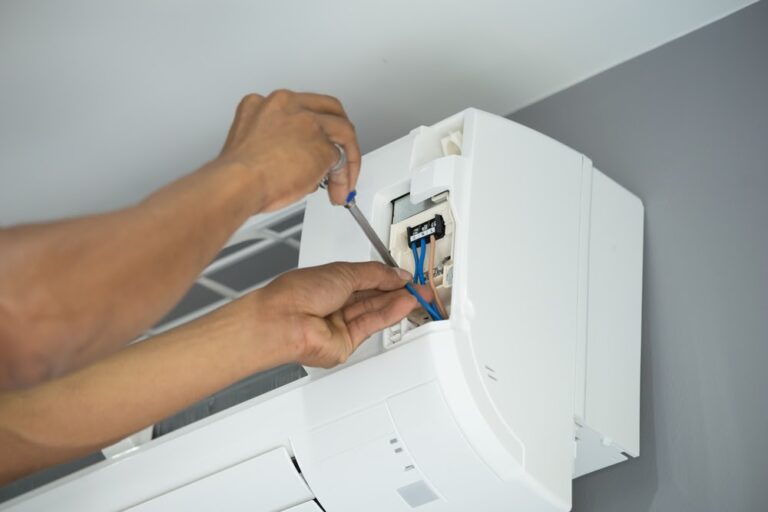
- Tighten Connections: Heat causes wires to expand and contract, which can loosen electrical terminals over time.
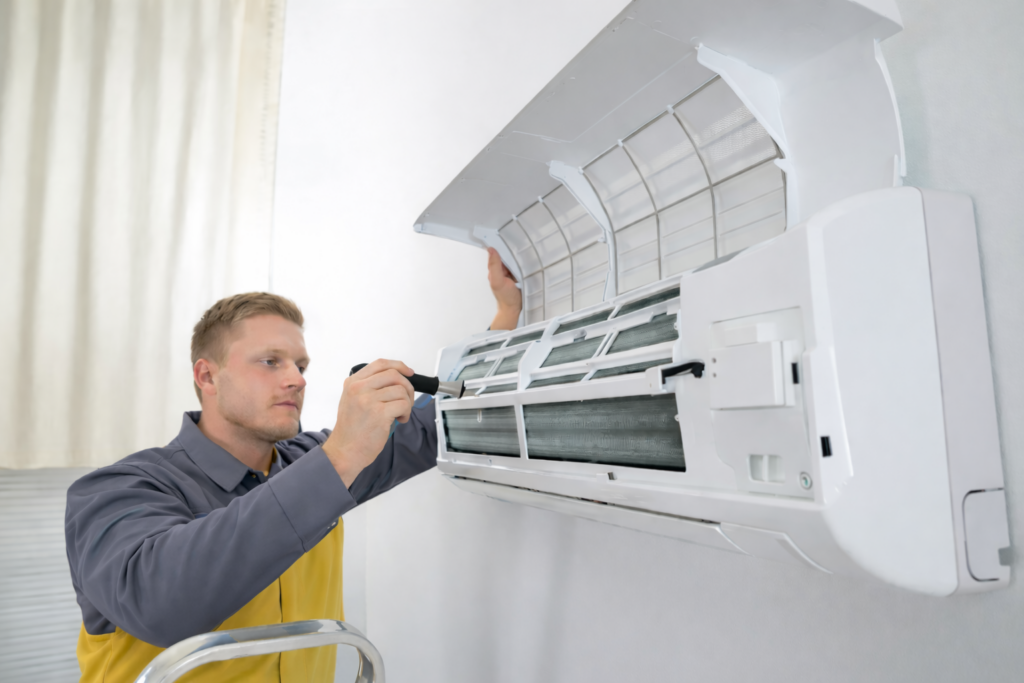
Why Professional Maintenance is Critical in Dubai
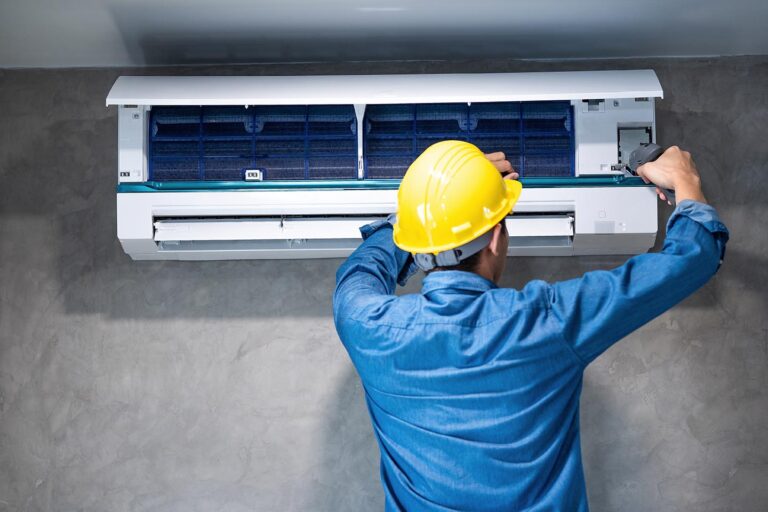
While some AC problems can be mitigated with basic steps, the complexity of modern HVAC systems demands expert oversight. Regular preventative maintenance ensures your system is prepared for the summer heat.
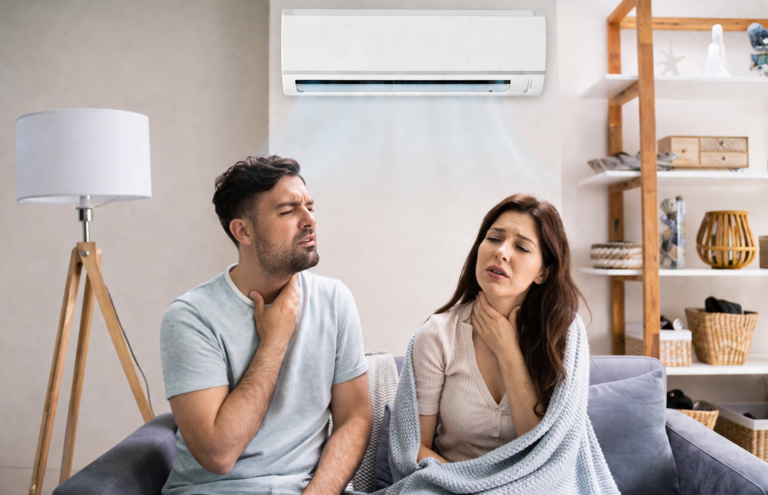
Regular servicing not only prevents the issues listed above but also reduces energy consumption. A clean AC system can operate up to 25% more efficiently. It also improves air quality, which is essential for families with allergies or respiratory issues. Most importantly, it extends equipment life and helps you avoid the high costs of a full system replacement.
Frequently Asked Questions
-
How much does a standard maintenance visit cost?
In Dubai, a standard service for a single split unit typically costs between AED 150 and AED 250. A full home contract (5 to 10 units) usually ranges from AED 1,000 to AED 2,500 annually. This generally includes filter cleaning, gas pressure check, coil washing, and a general safety inspection.
-
What is the ideal frequency for AC maintenance in the UAE?
Twice a year is recommended: once in March or April (before peak summer) and once in October or November (after summer). During extreme summer months (July-August), a quick filter check every 2 to 3 weeks is advised to maintain efficiency.
-
Can I perform DIY deep coil cleaning instead of hiring a professional?
No, it is not recommended. DIY sprays often lack the necessary pressure and chemical strength to remove deep grime and mould. Furthermore, improper handling can bend the delicate aluminium fins or damage electrical components, leading to costly repairs.
-
How can I tell if my AC is oversized for my room?
Use the rule of thumb: you need approximately 600 to 800 BTUs per square metre (depending on insulation and sun exposure). If your unit cycles on and off every 10 minutes despite reaching the set temperature, or if the room feels damp and cold but never dries out, it is likely oversized.
-
When is it better to repair an AC rather than replace it?
Repair if: the unit is less than 7 to 8 years old and the repair cost is less than 50% of a new unit’s price. Replace if: the unit is over 10 years old, requires a major component replacement (like a compressor), or has frequent breakdowns that spike your DEWA bills.

















































































































Scan For a Free Quote
Looking for the best AC Duct cleaning service in Dubai?


