Call us or make an online inquiry for a quick cost estimate.

Mar 31, 2026
What Is an AC Refrigerant? Types, Uses, Maintenance (2026 Guide)
Air conditioning has become an essential part of everyday comfort in homes, offices, and commercial spaces. Behind the steady flow of cool air lies a carefully engineered process, and one of the most important elements that makes it possible is AC refrigerant.
Despite its importance, most property owners are not familiar with how it works or why it matters for system performance. This guide covers the fundamentals, including how refrigerant functions inside a cooling system, the types commonly used today, and the maintenance practices that support long-term performance.
What is an AC Refrigerant
At the core of every cooling system is a chemical compound that makes heat transfer possible. This compound, known as AC refrigerant, circulates through the internal components of an air conditioning system, carrying heat from inside a building to the outdoor environment.
As it travels through the system, it moves through a closed network of pipes and coils, repeatedly changing between liquid and gas states. These changes are what allow it to absorb heat from indoor air and release it outside.
Unlike fuel, refrigerant is not consumed during operation. It continues moving through the same sealed system as long as no leaks occur, supporting the cooling cycle each time the unit runs.
Types of AC Refrigerant
Several refrigerant types have been developed over the years, each reflecting advances in cooling technology and environmental standards.
R22
Once the standard choice for residential and commercial air conditioners, R22 delivered reliable cooling performance for many years. Later studies found that it could contribute to ozone layer damage, prompting many countries to phase out its production and use.
Some older systems still run on R22, though maintaining them has become more difficult as availability continues to decline.
R4102
Developed as a direct replacement for R22, R410A does not contain chlorine, meaning it carries no risk of ozone layer depletion. Systems designed for this refrigerant generally offer improved energy performance and more efficient heat transfer.
It became the widely adopted standard in modern residential air conditioners following the phase-out of R22.
R32
R32 has become increasingly common in newer air conditioning systems, offering lower environmental impact than several earlier alternatives while supporting stronger energy performance.
Many manufacturers now incorporate it into current models as part of a broader shift toward more efficient and sustainable cooling technology.
How Air Conditioner Refrigerant Works
Air conditioning systems operate through a repeating process called the refrigeration cycle, which allows refrigerant to continuously move heat out of an indoor space.
Compression
The cycle begins when refrigerant enters the compressor as a low-pressure gas. The compressor increases its pressure, which also raises its temperature significantly.
Condensation
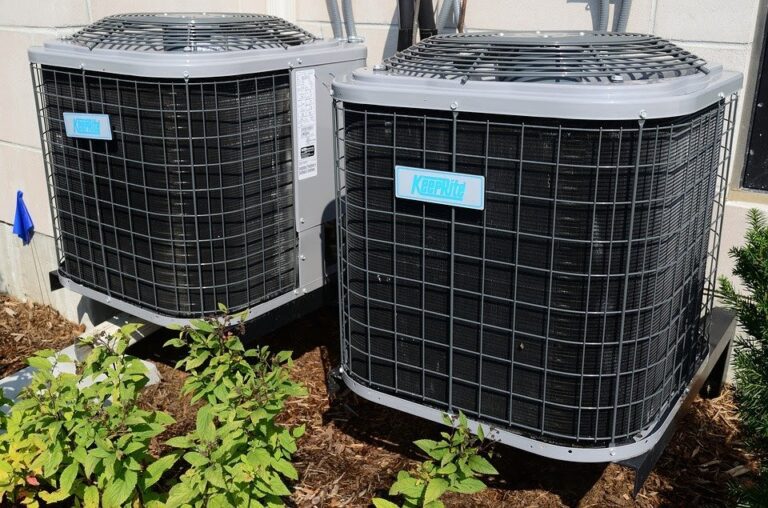
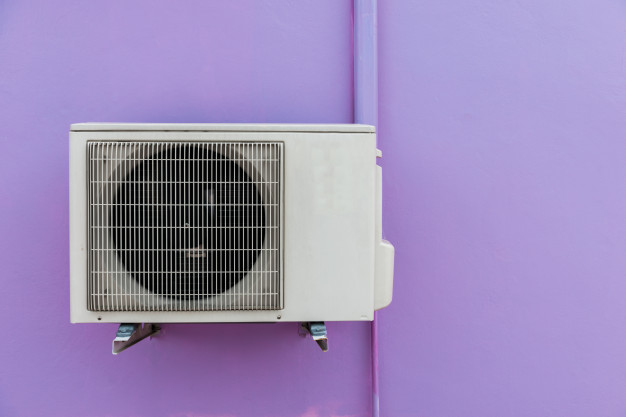
The heated refrigerant flows into the condenser coil in the outdoor unit. A fan pushes outside air across the coil, helping the refrigerant release the heat it carried from indoors. As the heat disperses, the refrigerant cools and shifts from gas into liquid form.
Expansion
The liquid refrigerant then passes through an expansion valve, which controls how much enters the next stage. As it moves through, pressure drops sharply, causing the refrigerant to become much colder.
Evaporation
The cooled refrigerant travels to the evaporator coil inside the indoor unit. Warm indoor air passes across this coil, and the refrigerant absorbs that heat before turning back into a gas. From there, it returns to the compressor and the cycle begins again.
How Refrigerant Is Used in Different Units
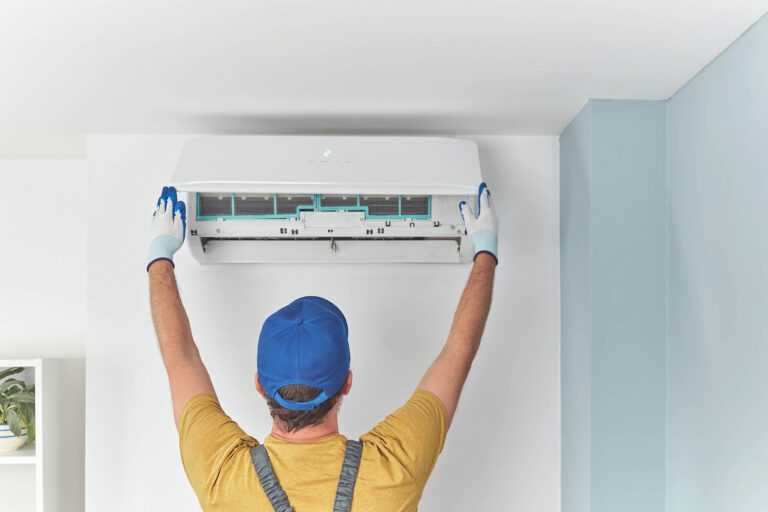
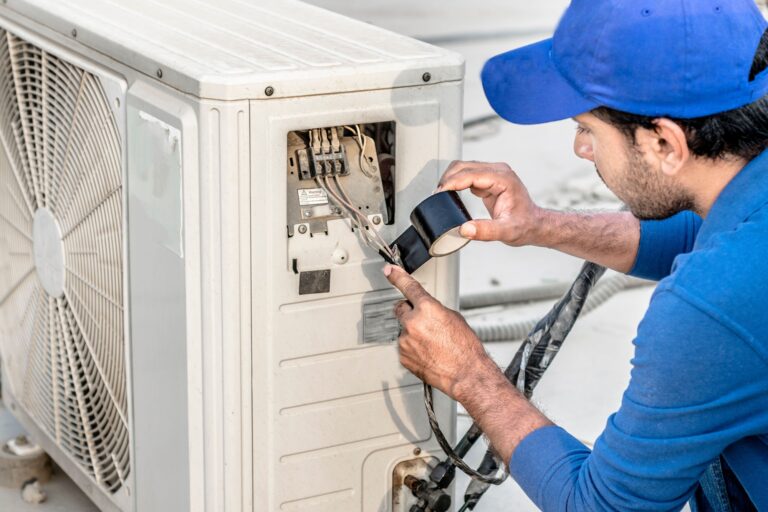
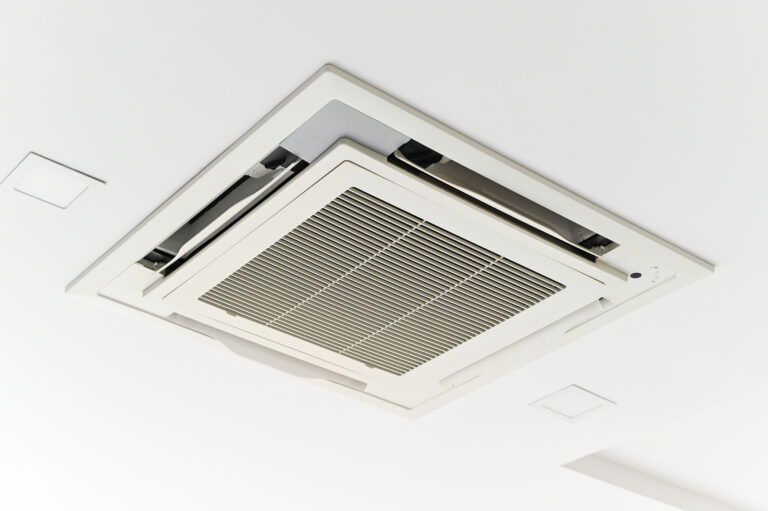
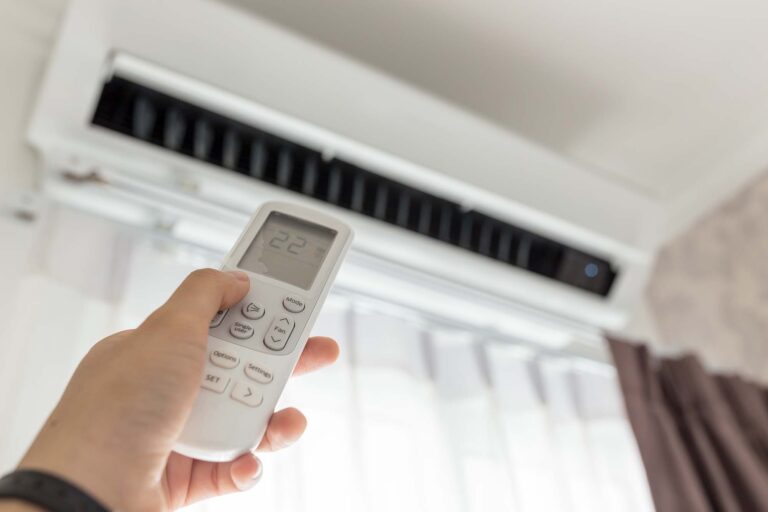
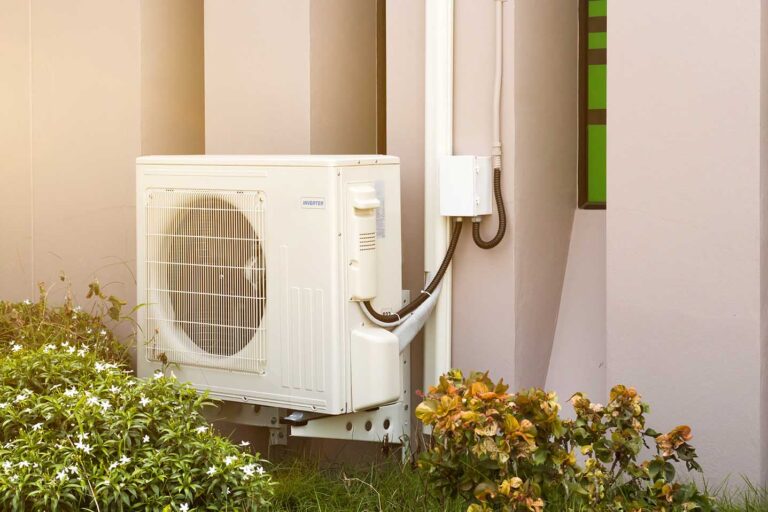
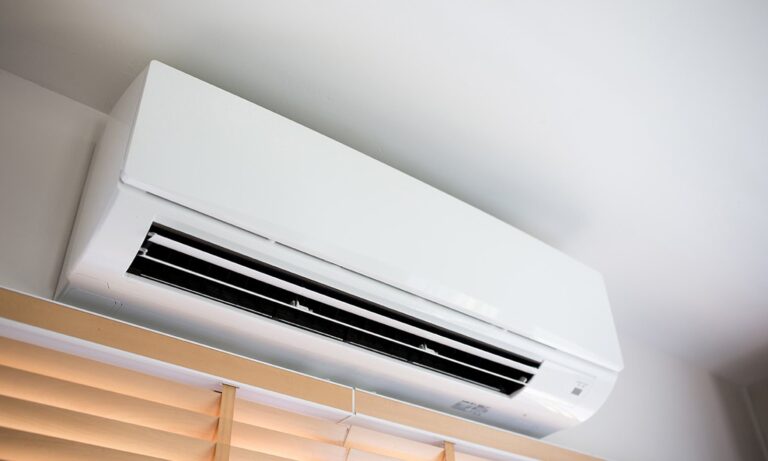
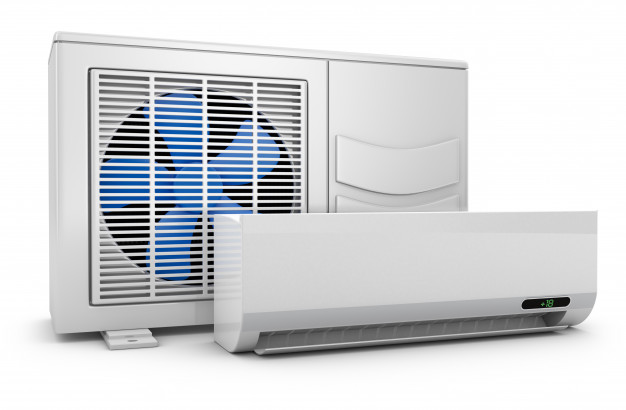
Although the refrigeration cycle follows the same principles across systems, how refrigerant moves through a unit depends on the type of air conditioner installed. In most homes, split systems are the most common setup, with one unit inside the building and another outside. Warm air passes over the indoor evaporator coil, the refrigerant absorbs that heat, and it travels through insulated copper pipes to the outdoor unit where the heat is released before the cycle repeats.
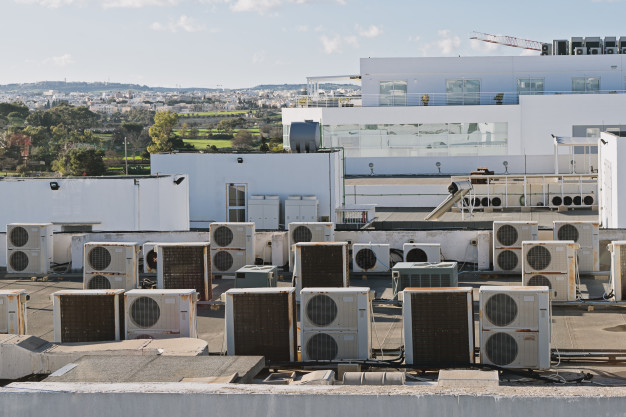
Commercial buildings follow the same basic process but on a larger scale. Refrigerant travels through longer piping networks connecting multiple indoor units to outdoor equipment, allowing different zones to receive cooling based on occupancy and usage patterns across offices, meeting rooms, and shared spaces.
Signs That AC Refrigerant Levels May Be Low
A cooling system running low on refrigerant will usually show it through gradual changes in performance. The most common signs to watch for include:
- Weak cooling – the unit keeps running but indoor spaces take longer to reach the desired temperature and air from the vents feels less cool than usual
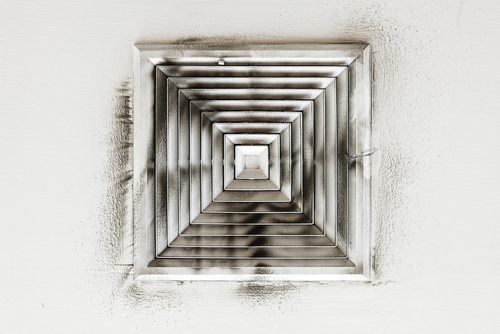
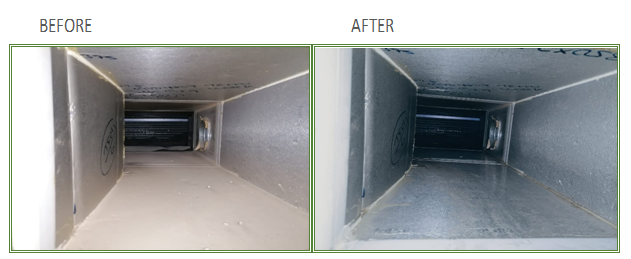
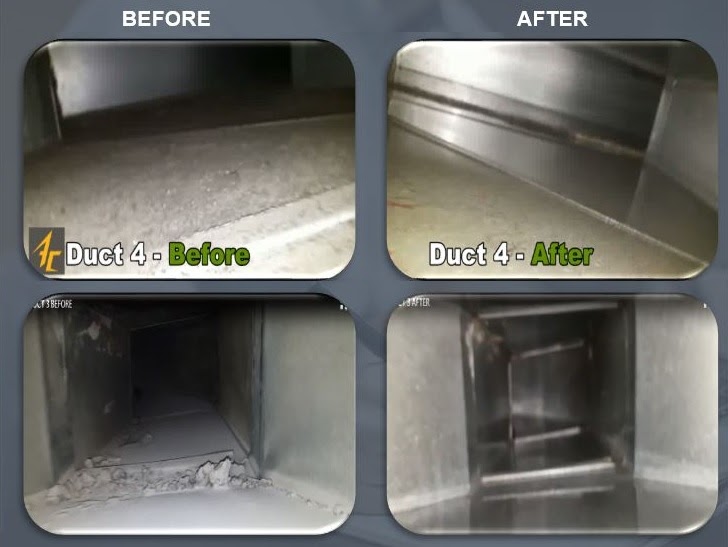
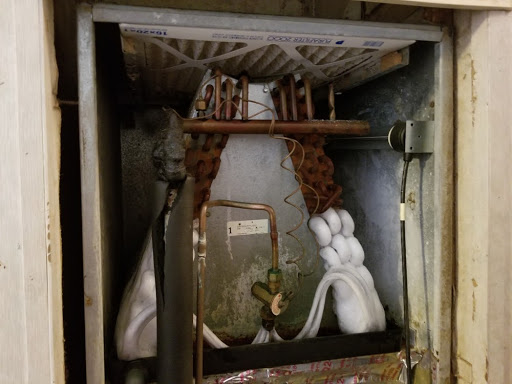
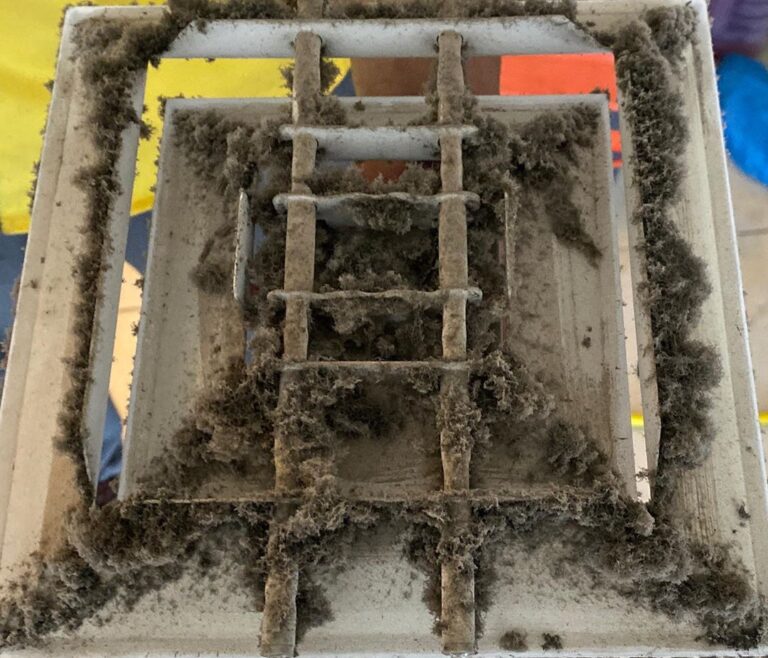
- Ice on the evaporator coil – low refrigerant pressure causes the coil to become colder than intended, leading to ice buildup that restricts airflow. Regular AC duct cleaning helps maintain proper airflow around the system.
- Unusual sounds – hissing or bubbling noises from the refrigerant lines or indoor unit may indicate refrigerant is escaping through a small opening
- Increased energy use – longer operating cycles place more demand on the system, pushing electricity consumption up even as cooling performance declines
AC Refrigerant Maintenance and System Care
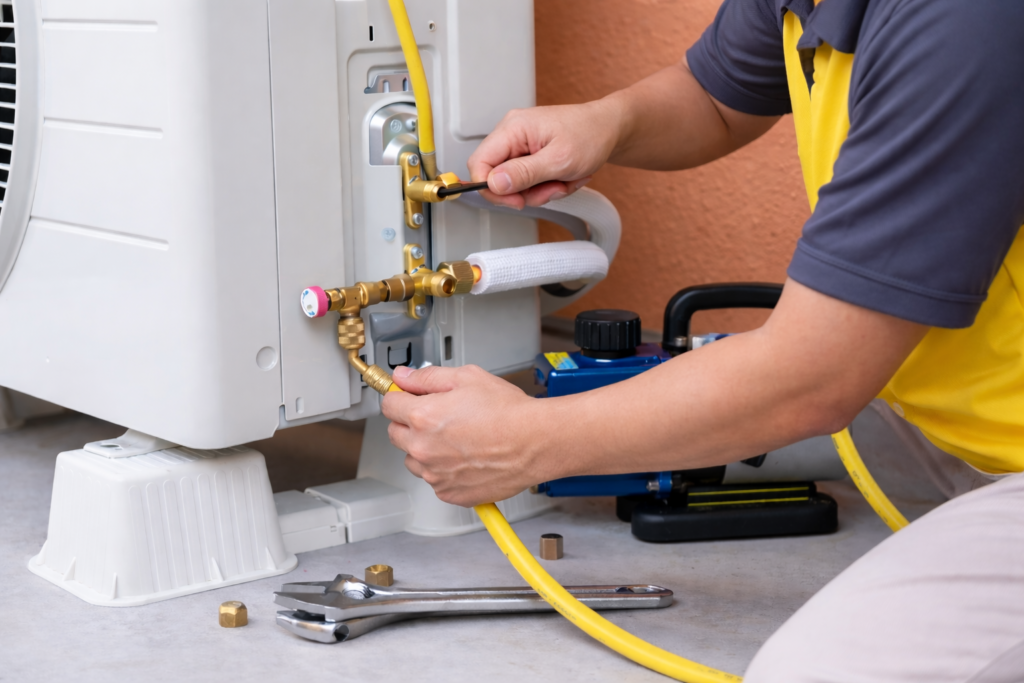
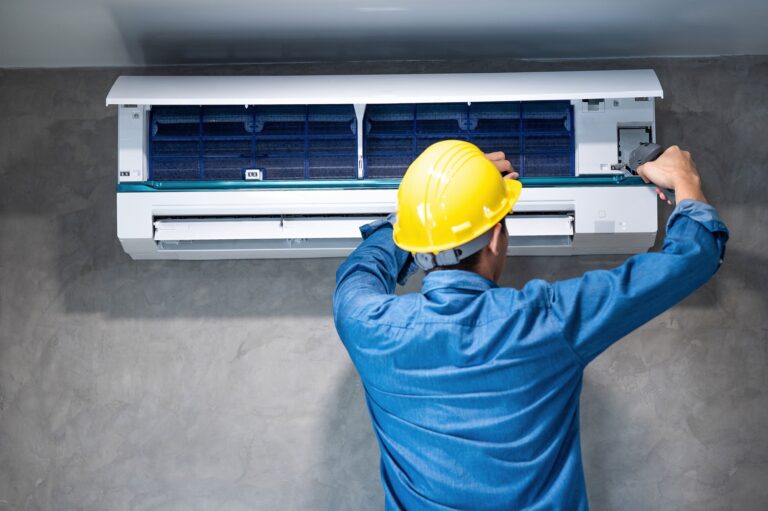
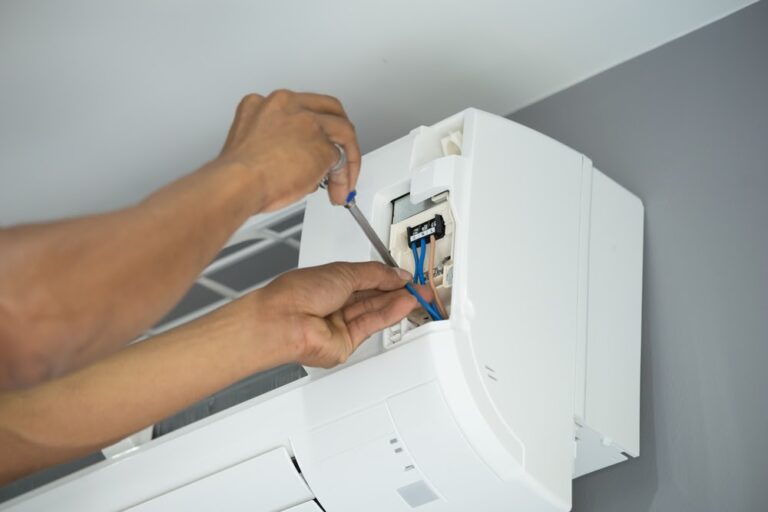
Keeping key components clean, sealed, and working properly allows refrigerant to move through the system as intended and supports steady cooling performance over time. Professional servicing plays an important role in maintaining those conditions.
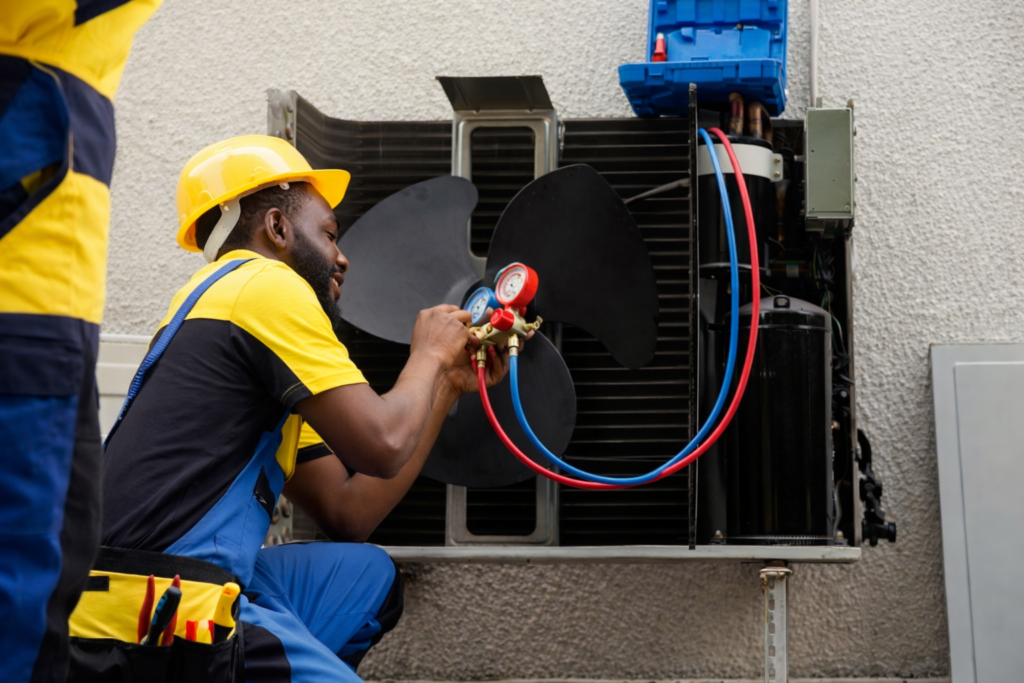
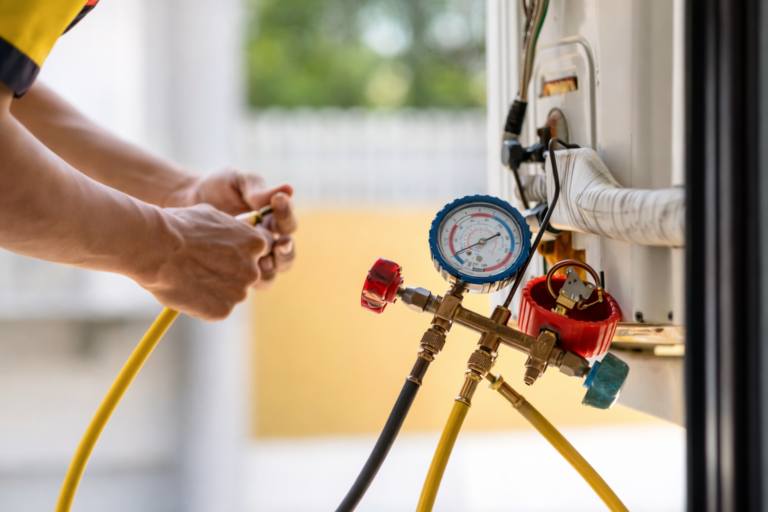
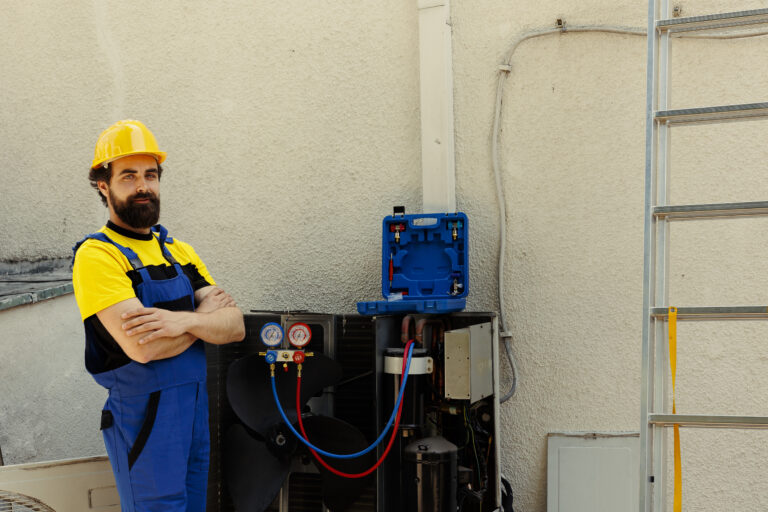
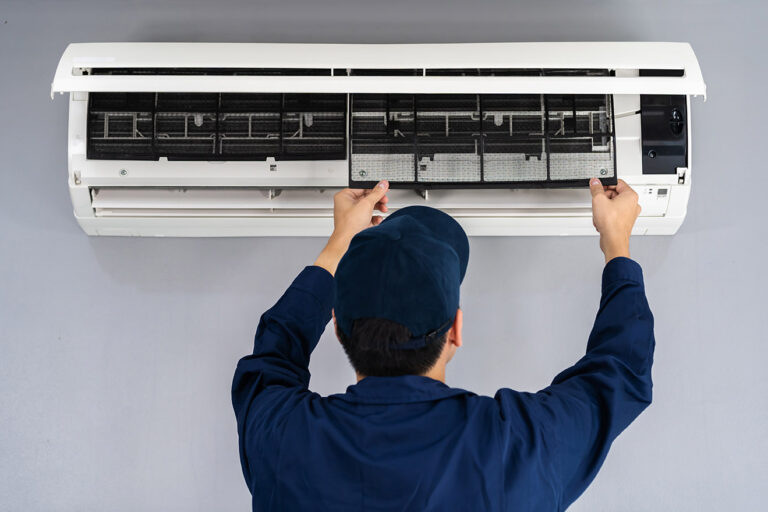
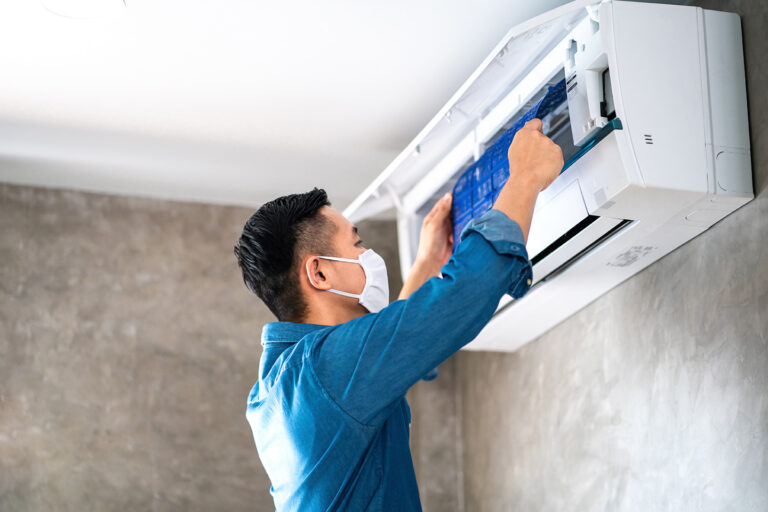
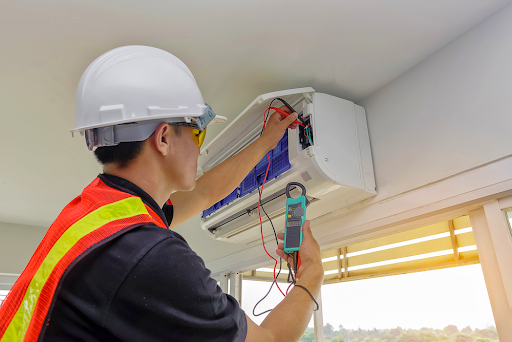
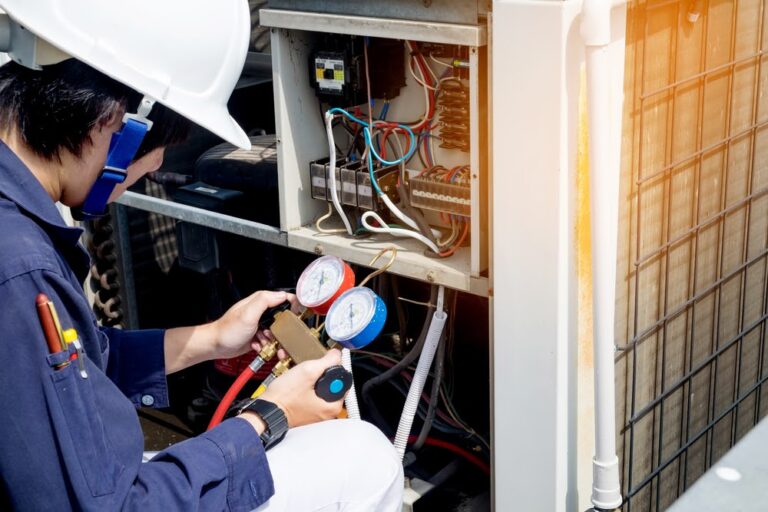
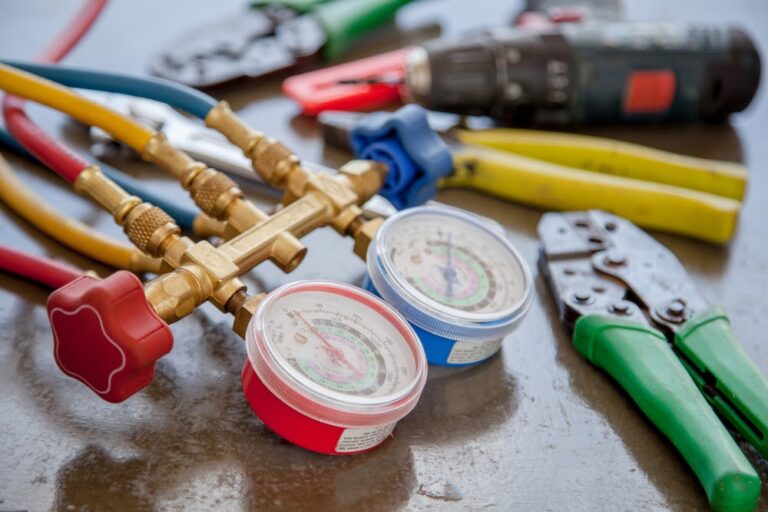
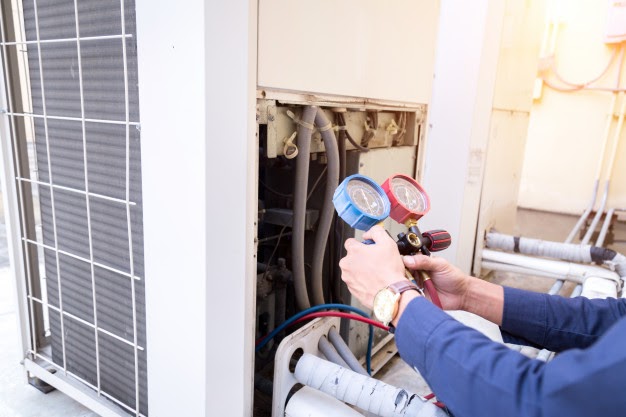
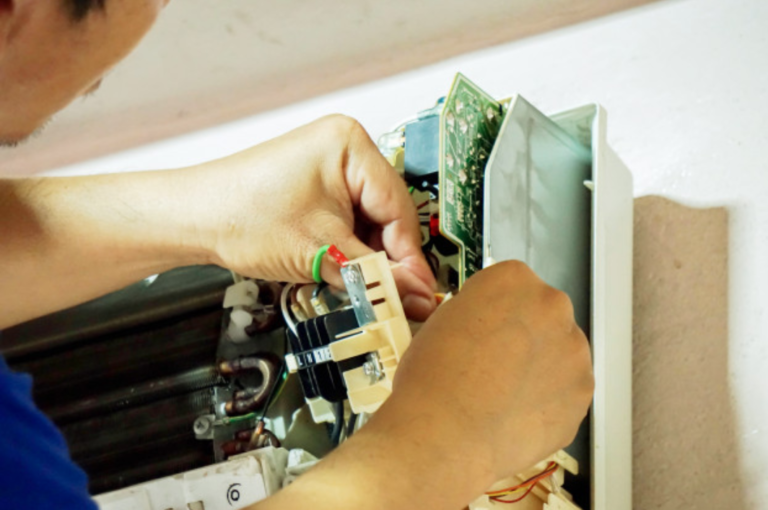
Routine inspections allow operating conditions to be checked against manufacturer guidelines. During these visits, technicians look for irregular readings, small pressure changes, and early signs of leaks that could affect the cooling cycle. When carried out consistently as part of an annual AC maintenance service, these checks help monitor system condition and confirm performance remains stable during normal daily use.
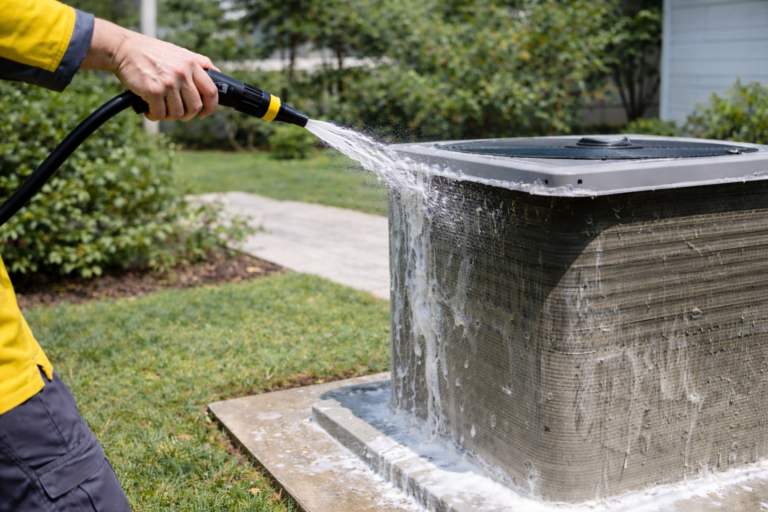
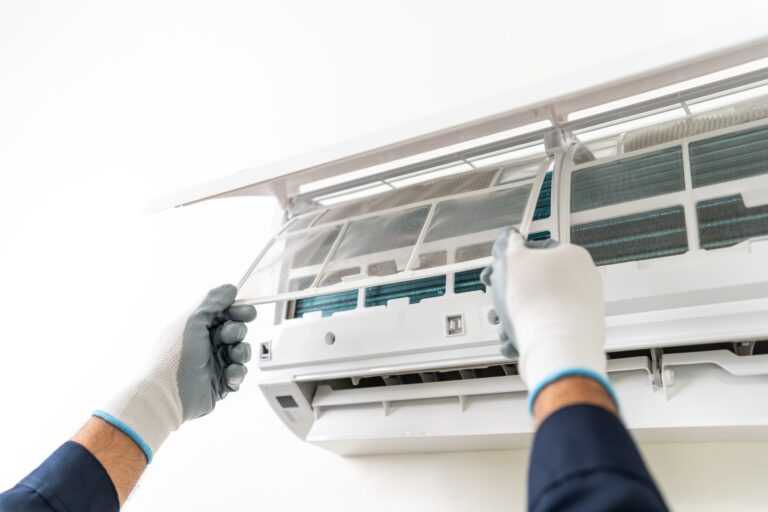
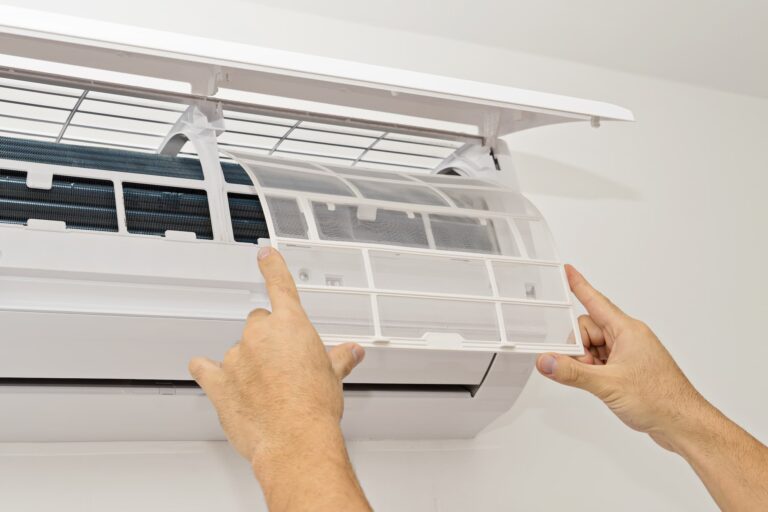
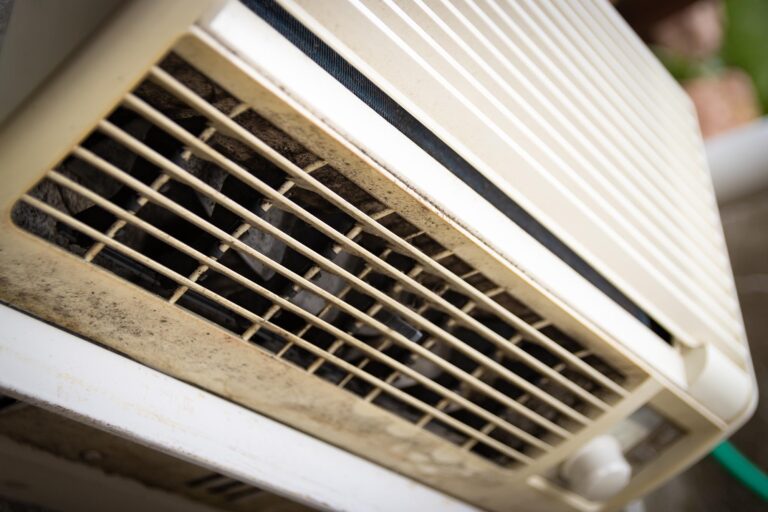
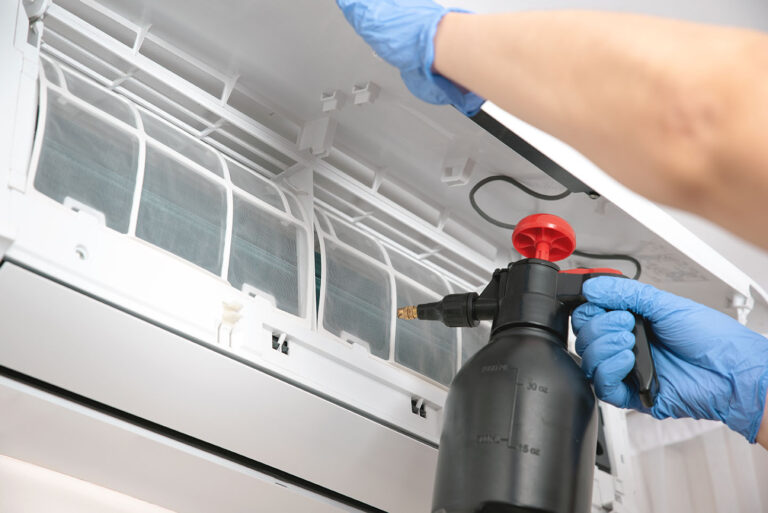
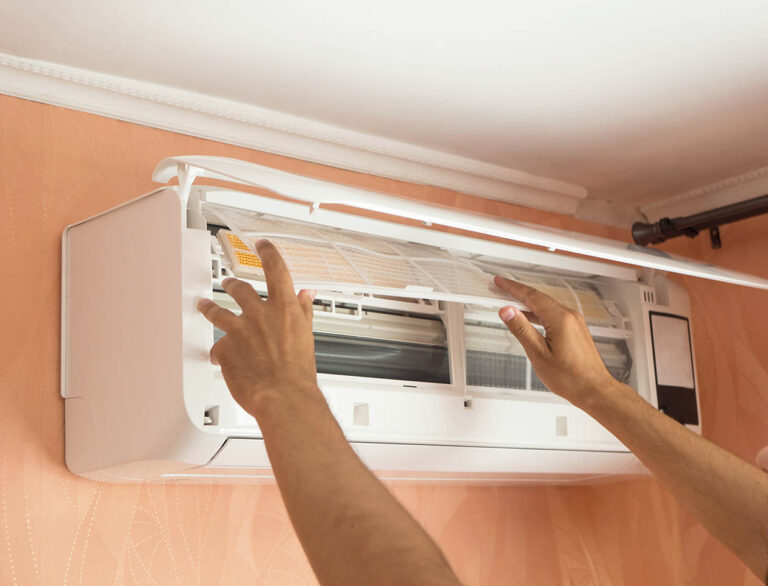
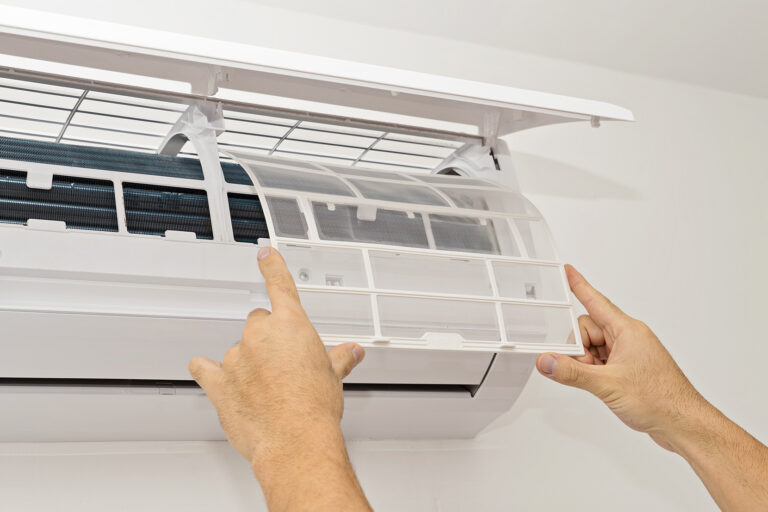
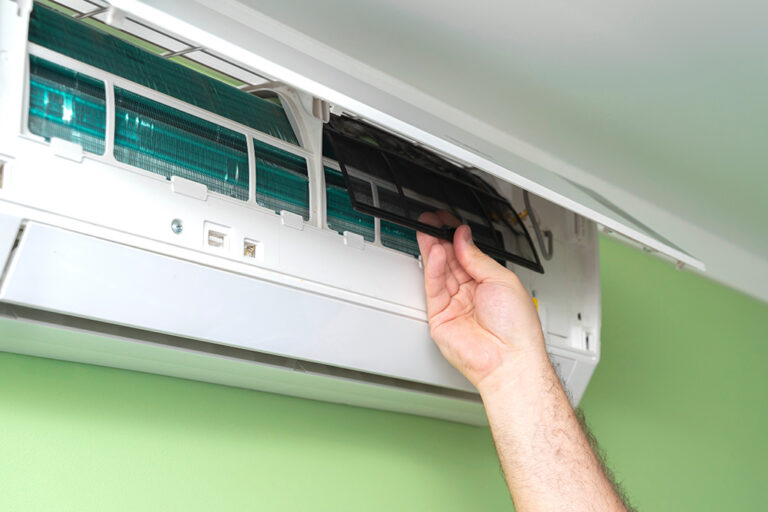
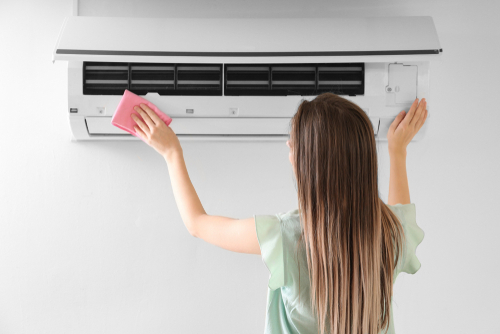
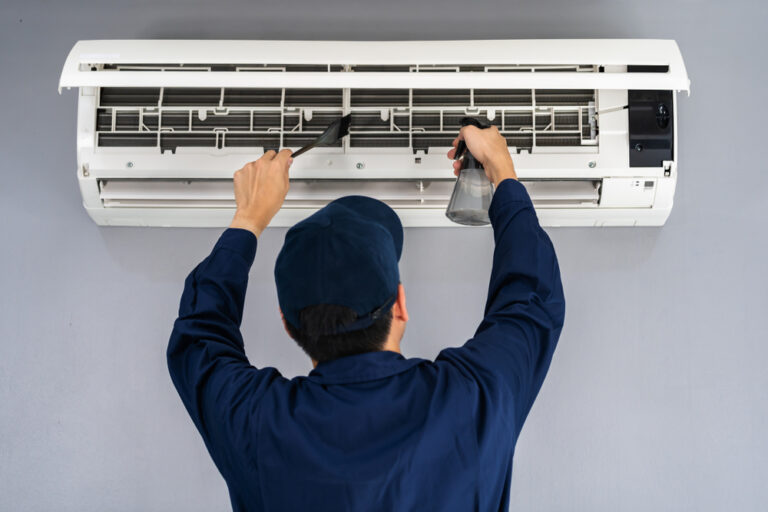
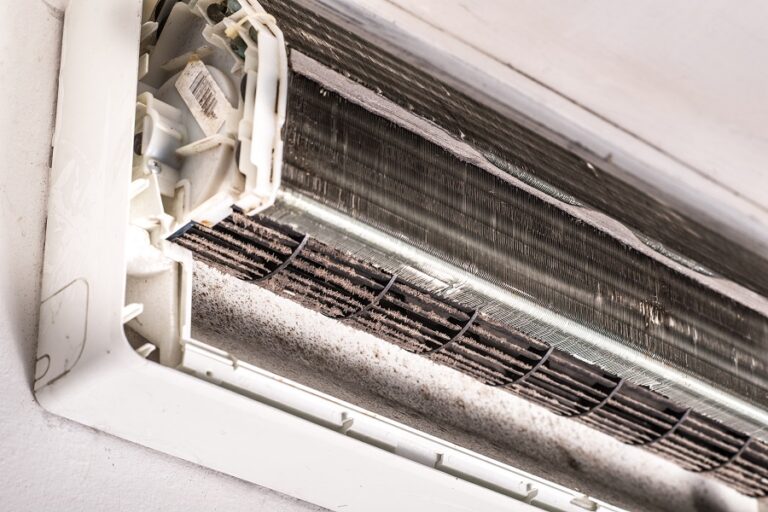
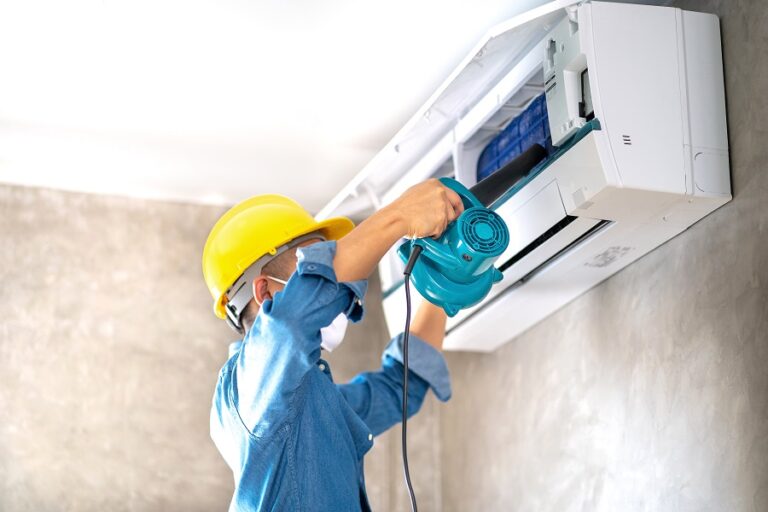
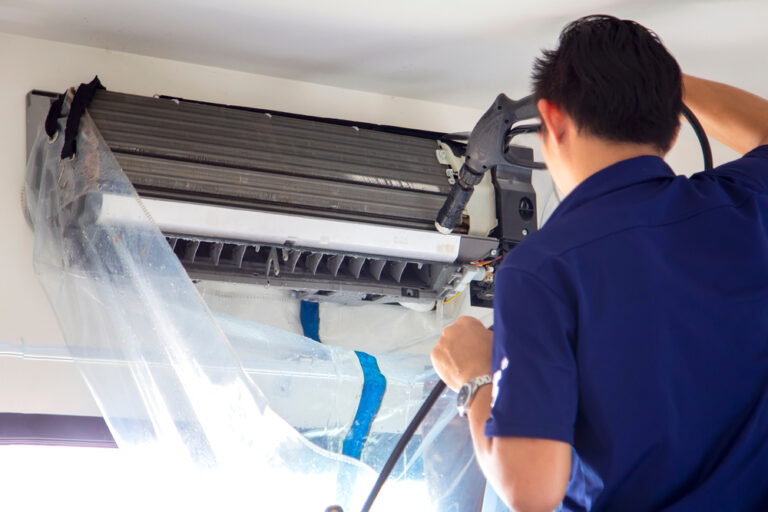
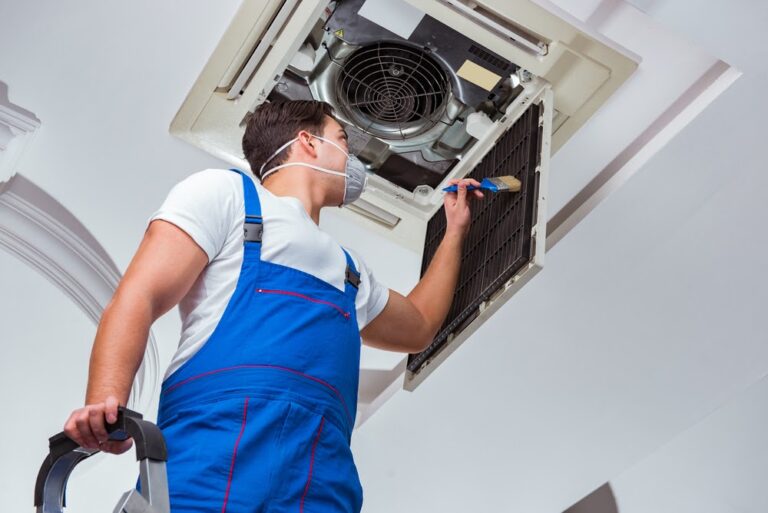
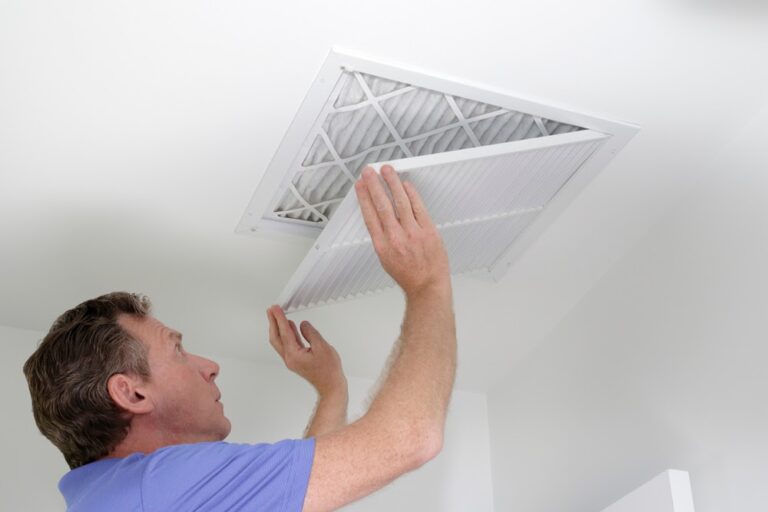
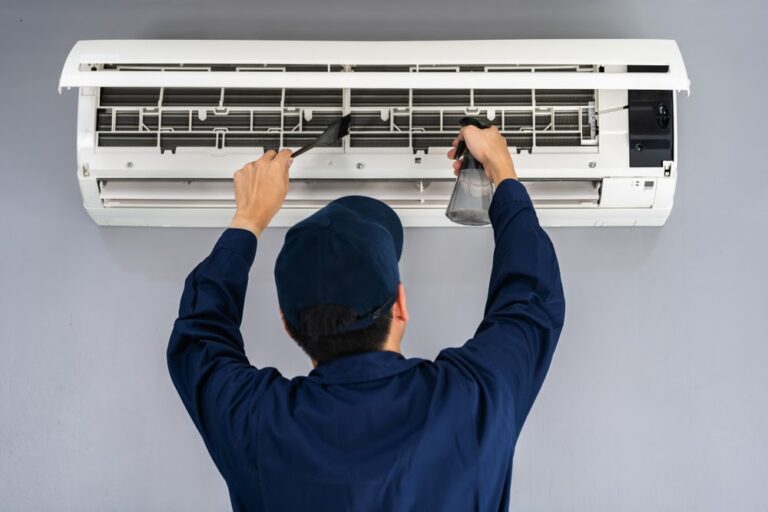
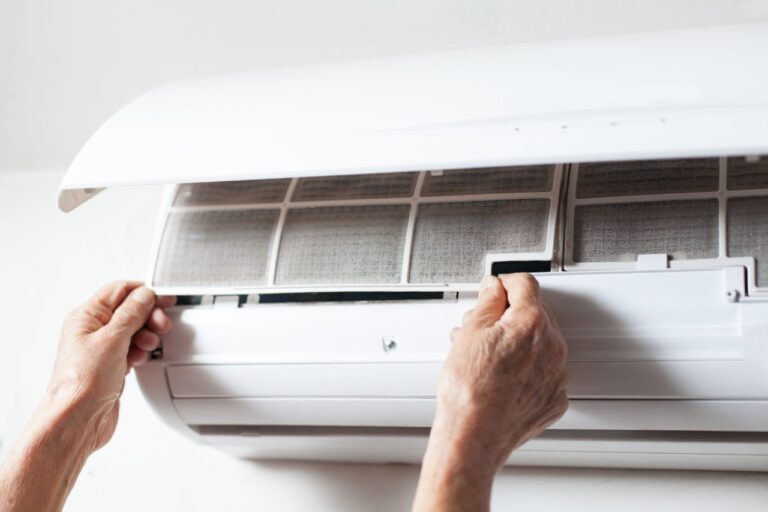
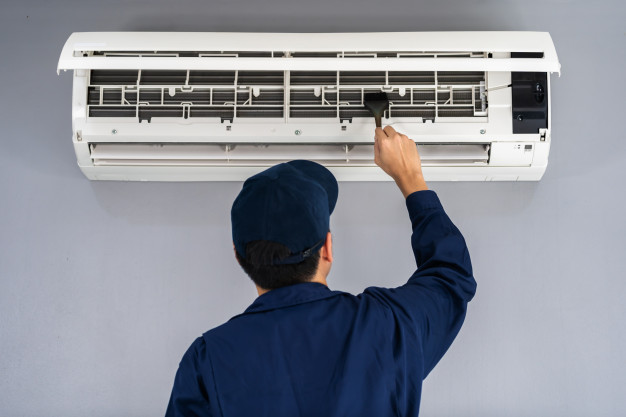
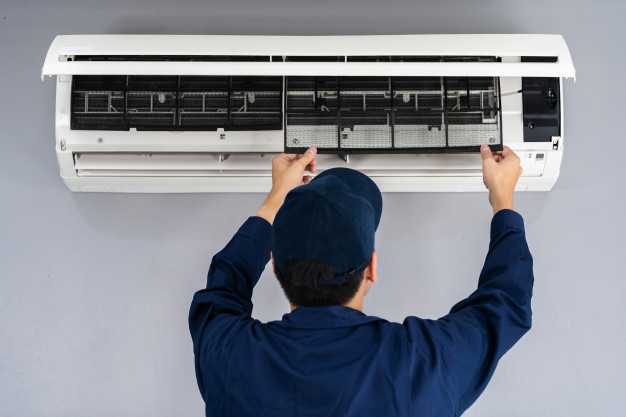
Effective heat transfer also depends on clean internal components. Dust buildup on coils or filters interferes with airflow and reduces how efficiently the system runs. Through services such as AC coil cleaning and AC filter cleaning, the conditions needed for smoother operation are maintained. Broader AC maintenance can also address buildup around nearby components that support overall unit performance.
Ensuring Long-Term Cooling Performance
Reliable indoor cooling depends on several components working together, and refrigerant is central to how that process functions. As air conditioning systems continue to evolve, newer refrigerant options are helping improve efficiency while supporting more responsible environmental standards.
For property owners, understanding this part of the system can make maintenance decisions clearer and help support long-term performance.
Frequently Asked Questions
How often does an air conditioner need its refrigerant replaced?
Refrigerant does not deplete through normal operation. A top-up is only necessary if part of the charge has been lost due to a leak in the system.
Does the type of cooling compound affect system compatibility?
Yes. Each air conditioner is designed to operate with a specific refrigerant that matches its pressure and performance requirements. Using a different type can affect how the system runs and may cause damage over time.
Do all air conditioners require the same charge capacity?
No. The required amount varies depending on the system’s size, design, and manufacturer specifications. Each unit must be charged according to its own recommended capacity.
Can a cooling fluid leak occur without any visible signs?
Yes. Small leaks do not always produce obvious warning signs right away. Performance changes such as reduced cooling or increased energy use are often the first indicators, which is why routine professional inspections are useful for catching issues early.
What happens if an air conditioner runs too long with low refrigerant?
Operating with insufficient refrigerant places additional strain on the compressor, which is one of the most critical components in the system. Over time this can lead to overheating, reduced system lifespan, and potentially costly repairs.




























































































































































Scan For a Free Quote
Looking for the best AC Duct cleaning service in Dubai?


