Call us or make an online inquiry for a quick cost estimate.

May 8, 2026
Fungus on Walls: Causes, Risks, and How to Remove It (2026 Guide)
Key Takeaways
- Successful removal of fungus on walls requires fixing the underlying moisture issue, such as AC leaks or high humidity.
- Maintain a three-inch gap between furniture and external walls to prevent stagnant air pockets where fungus typically thrives.
- Use antimicrobial treatments instead of bleach to kill fungal roots on porous surfaces and prevent immediate regrowth.
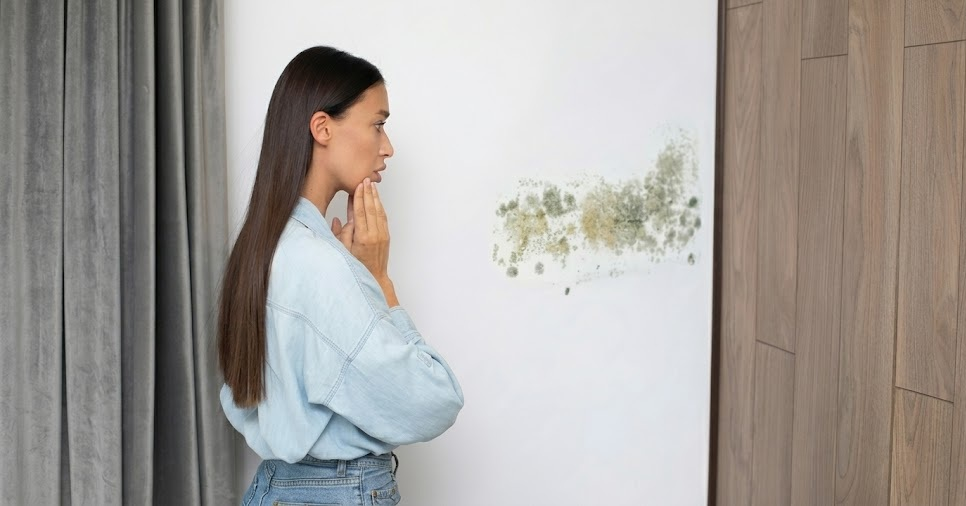
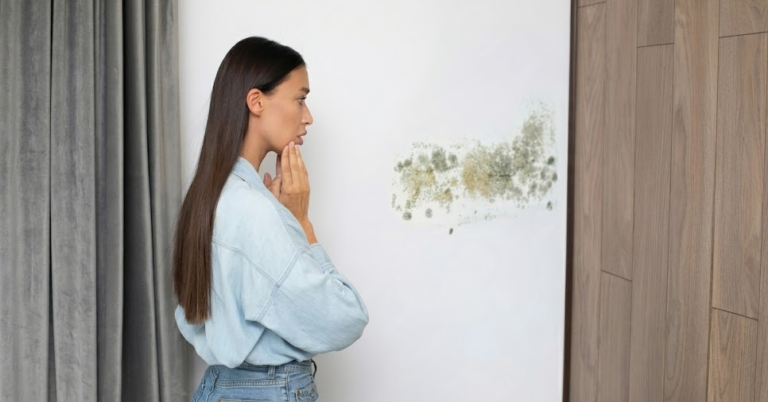
Maintaining a pristine home in the UAE involves more than just interior design and regular dusting. Given the unique environmental challenges of the region, homeowners often encounter a persistent and unsightly foe known as fungus on walls. This issue is particularly prevalent in Dubai due to the extreme contrast between coastal humidity and the intensive use of climate control systems.
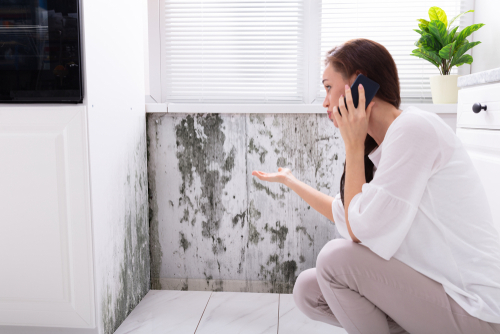
While it may begin as a small speck in the corner of a ceiling or behind a wardrobe, fungal growth can rapidly escalate into a structural and health-related crisis. Understanding the biological triggers of these outbreaks and knowing exactly how to remove fungus from wall surfaces is essential for every resident
In this guide, we’ll take a comprehensive look at identifying, treating, and preventing fungal infestations in the modern Dubai household.
The Science Behind Fungus on Walls
Fungus is not a single organism but a broad category of spores that thrive in specific conditions. In the context of a Dubai home, three factors usually align to create the perfect “bloom” environment: moisture, warmth, and a food source, such as drywall, wallpaper, or even the dust settled on a surface.
Why Dubai Homes Are Susceptible
Despite the desert climate, the UAE often experiences high humidity levels exceeding 80% during the summer months. This provides ample moisture for spores to germinate. When humid air enters a cooled building, it reaches its dew point upon contact with cold surfaces, resulting in condensation. This localised dampness is the primary catalyst for fungus on walls in high-rise apartments and villas alike.
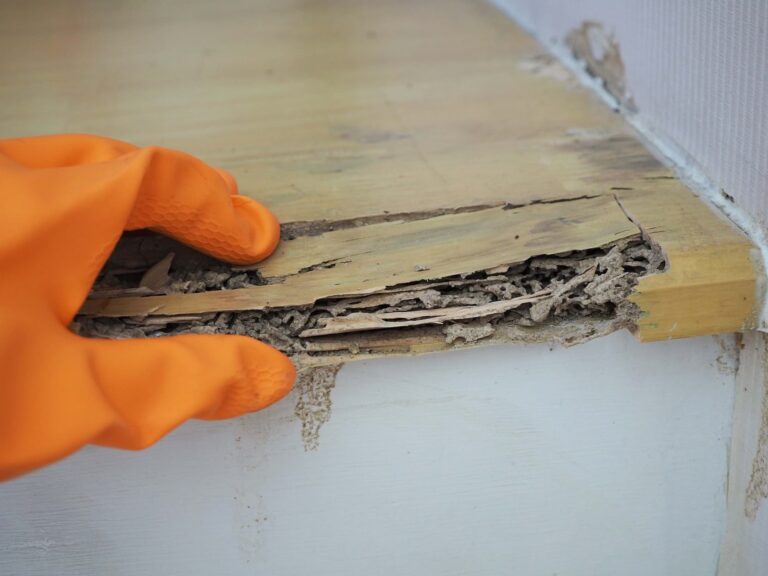
Modern UAE construction often uses gypsum board and certain types of emulsion paint containing cellulose, which serves as an organic food source. Over time, a colony can eventually digest the wall surface if the environment remains damp and unventilated.
Causes of Fungal Growth
Before you attempt to scrub away the stains, you must identify why the fungus appeared in the first place. Treating the symptom without fixing the cause only ensures the mould will return within weeks.
AC Condensation and Leaks
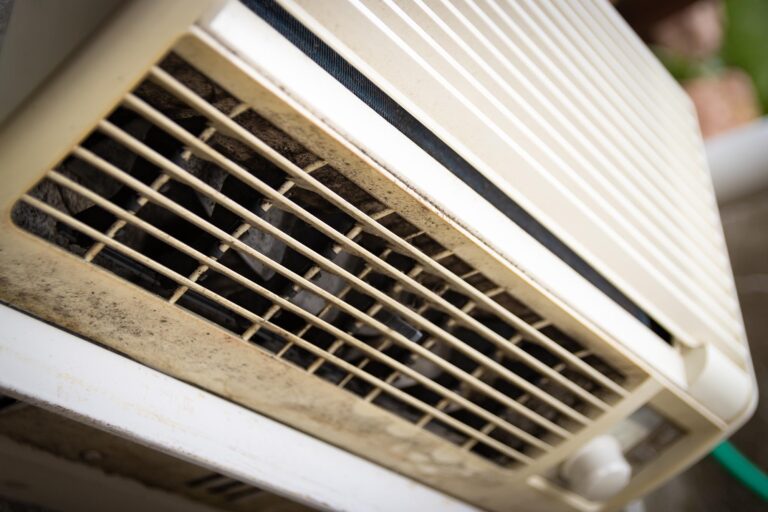
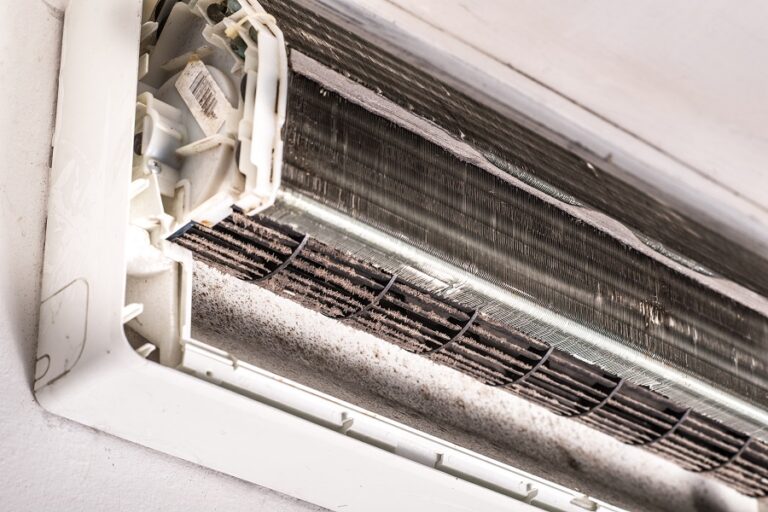
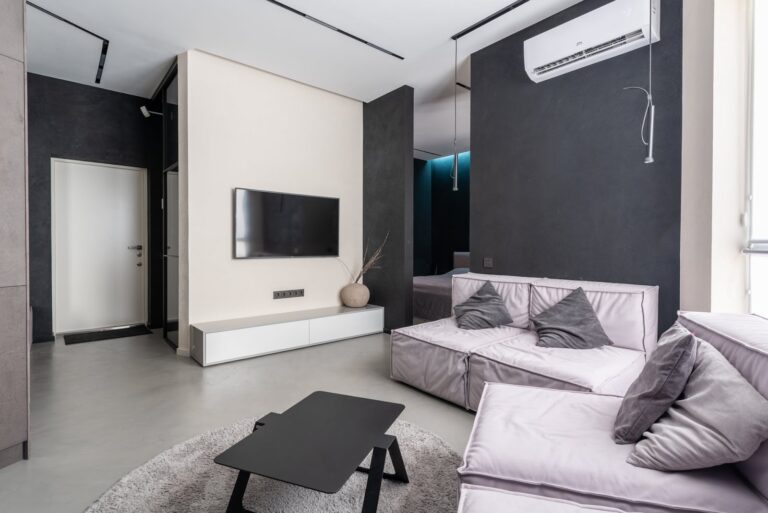
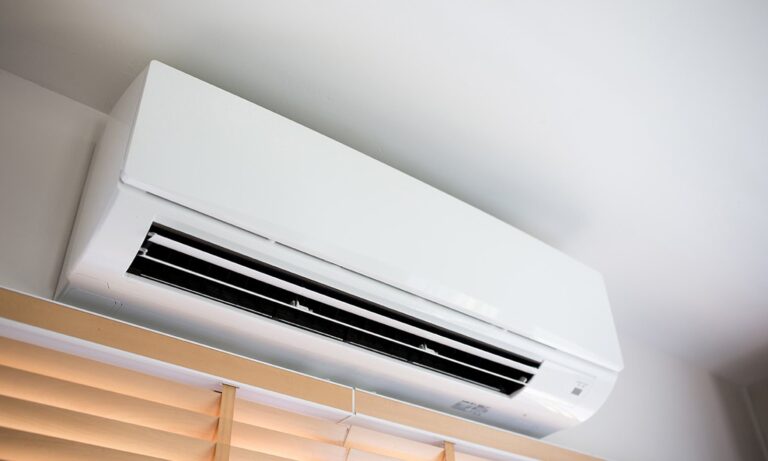
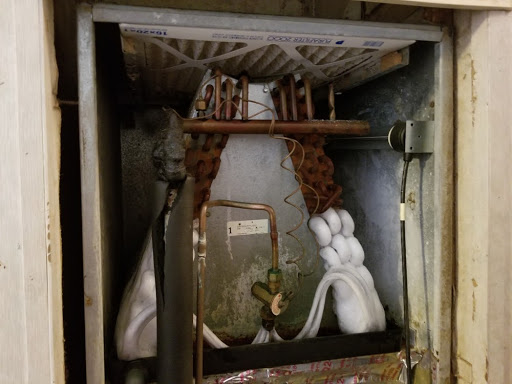
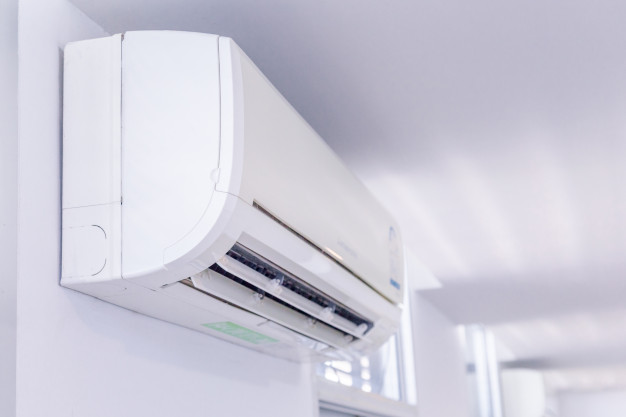
Your air conditioning system is the most frequent culprit. If a condensate drain line is blocked or if the unit is leaking internally, moisture seeps into the surrounding masonry. Over time, this creates a damp sanctuary for spores to flourish. Because these leaks are often hidden behind decorative panels, the fungus may be quite advanced by the time it becomes visible on the exterior wall.
Poor Ventilation and Airflow
In many apartments, certain areas experience stagnant air. Without proper circulation, moisture becomes trapped against the wall, allowing fungus to take root in the dark. This is particularly common in:
- The back of walk-in wardrobes.
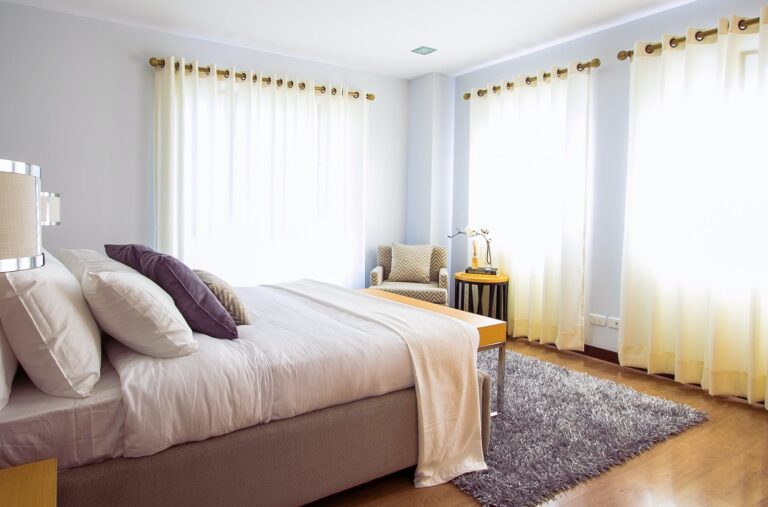
- The space behind heavy headboards or sofas pushed flush against external walls.
- Storage rooms that lack active AC vents.
High Indoor Humidity
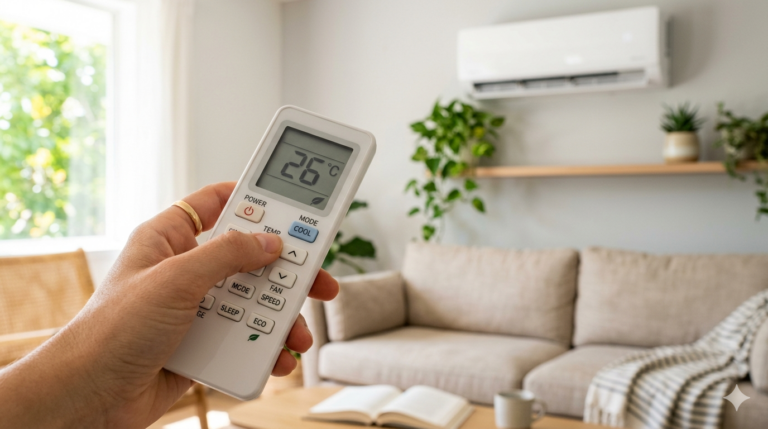
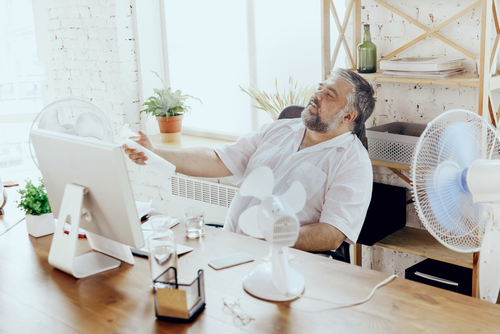
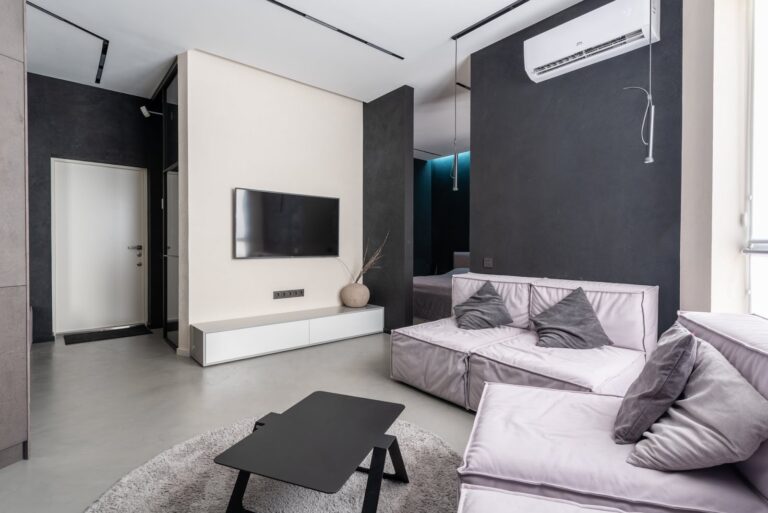
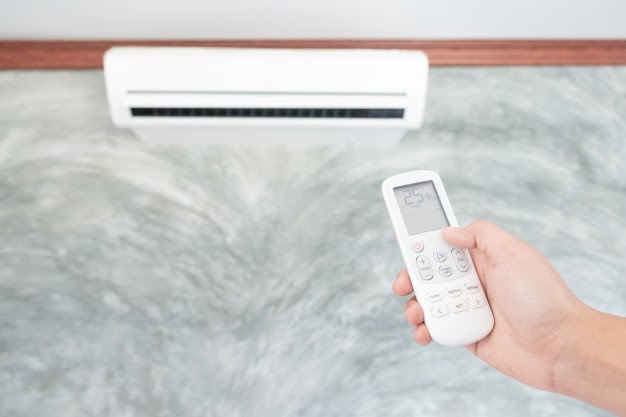
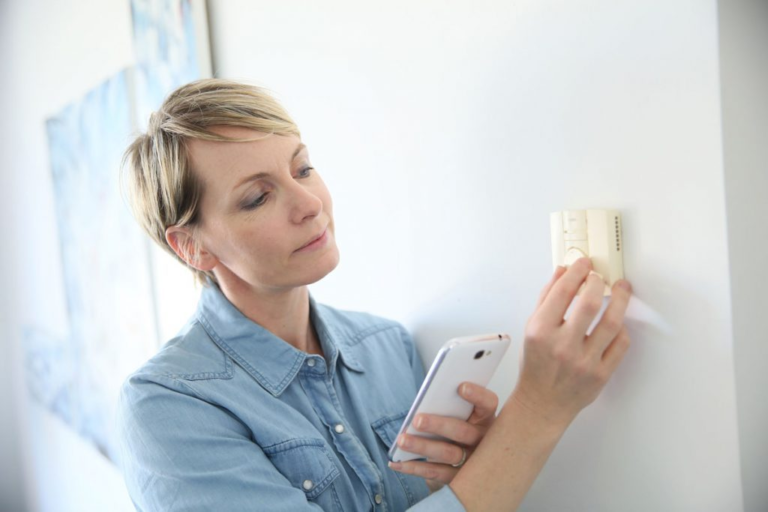
If your AC is undersized or short-cycling, it may cool the air without adequately dehumidifying it. This leaves a “heavy” feel to the air, which eventually settles on walls as microscopic droplets. If your indoor humidity consistently stays above 60%, fungal growth is almost inevitable.
Structural Water Ingress
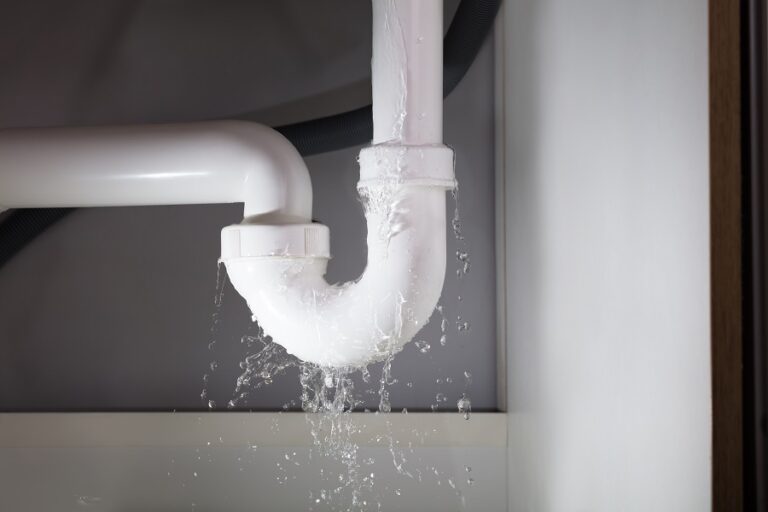
Occasional heavy rains in the UAE or plumbing leaks from neighbouring apartments can cause water to migrate through the building’s structure. This often manifests as bubbling paint or yellow-brown staining before the fungus actually becomes visible.
The Health Risks: Why You Should Not Ignore Fungus On Walls
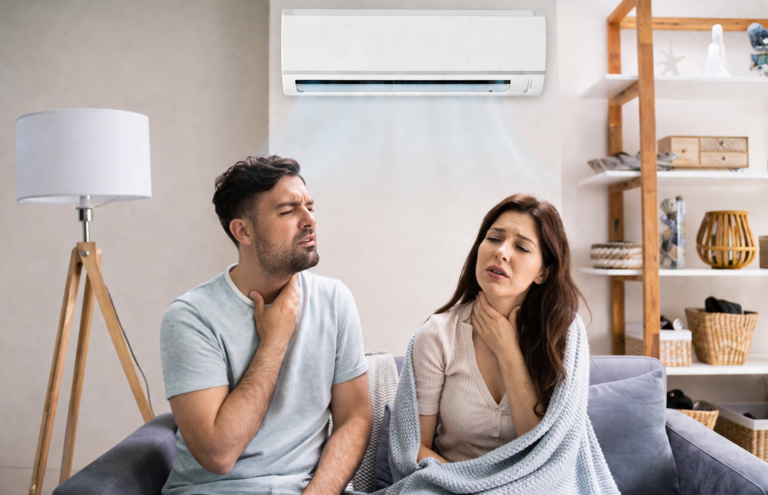
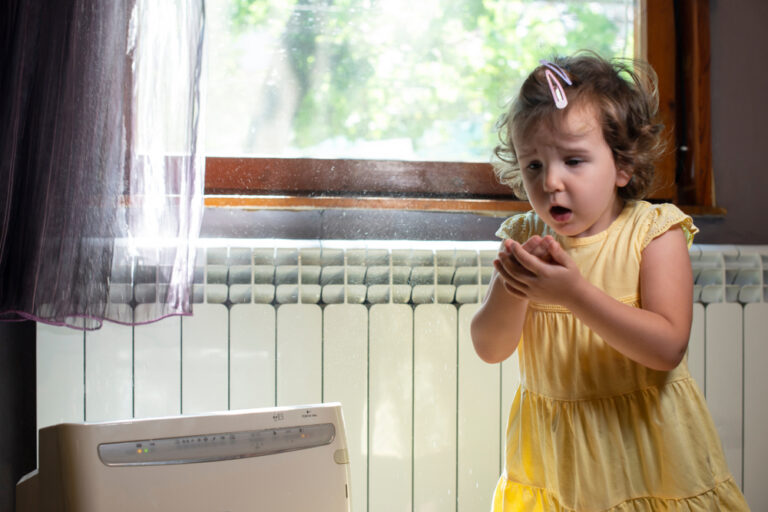
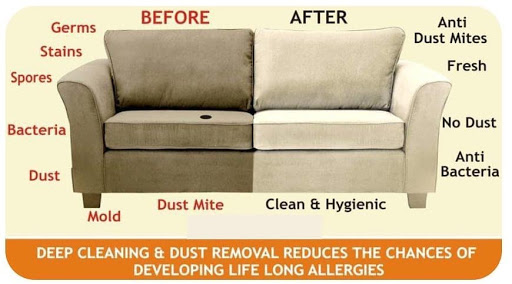
Fungus is a significant respiratory hazard. Fungal colonies release mycotoxins (microscopic spores and metabolic byproducts) that enter the air you breathe.
It can cause:
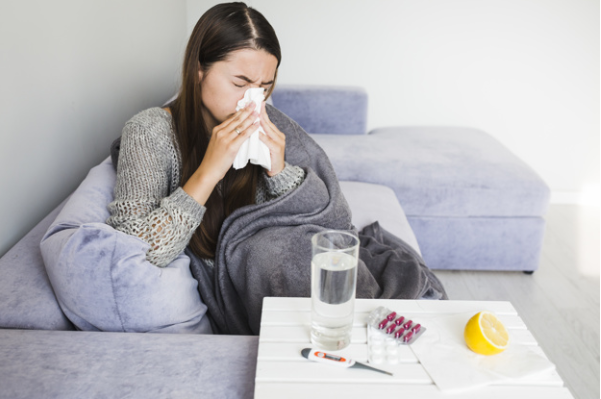
- Respiratory distress that manifests through chronic coughing, wheezing, and shortness of breath.
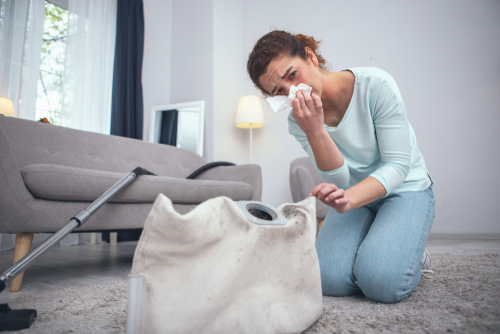
- Allergic reactions such as sneezing, skin rashes, and red, itchy eyes
- Severe asthma attacks or worsen existing conditions
- Sick Building Syndrome, which is a general feeling of lethargy and headaches

The Biological Lifecycle of Wall Fungus
Understanding the lifecycle of these organisms helps in effective removal. Fungi reproduce via tiny, lightweight spores that travel through the air. When these spores land on a damp wall, they germinate and grow hyphae, thread-like structures that penetrate the surface. These hyphae form a network called a mycelium, which is the visible patch you see on your wall. If you only clean the surface, the hyphae remain deep within the wall material, ready to sprout again as soon as moisture returns.
How to Remove Fungus from Wall Surfaces Effectively
If you have discovered an outbreak, the method of removal depends on the severity and the type of surface involved.
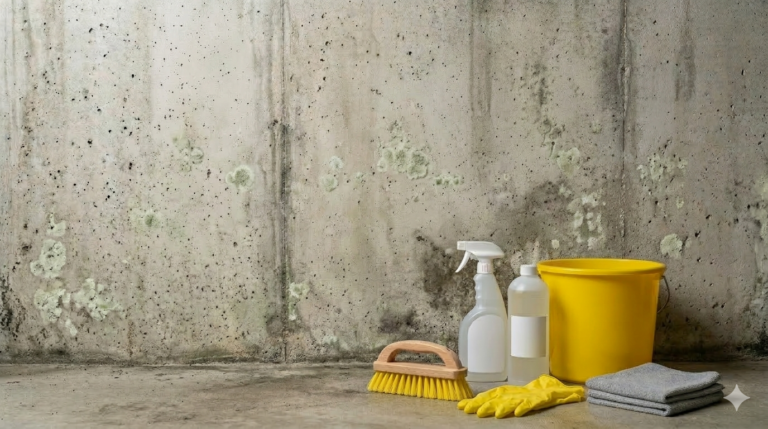
For Minor Surface Growth (Non-Porous Surfaces)
If the fungus is on a tiled surface or high-gloss paint, you may be able to handle it yourself:
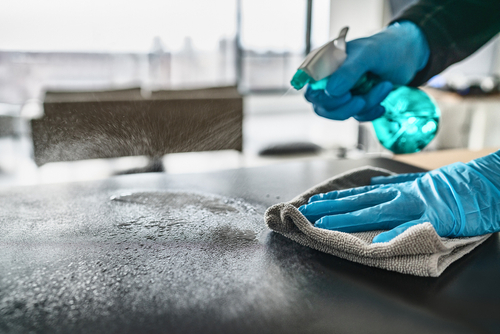
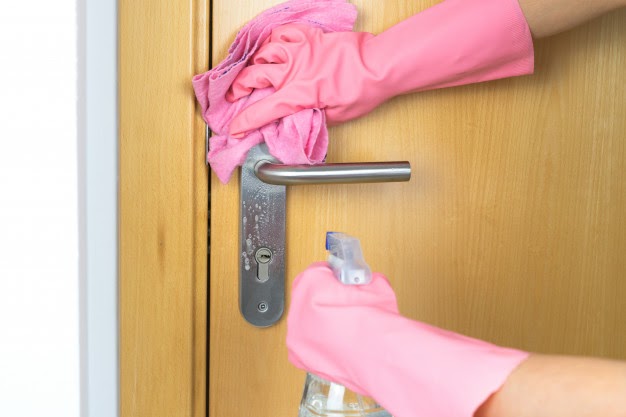
- Safety First: Always wear an N95 mask, gloves, and goggles to avoid inhaling spores during cleaning.
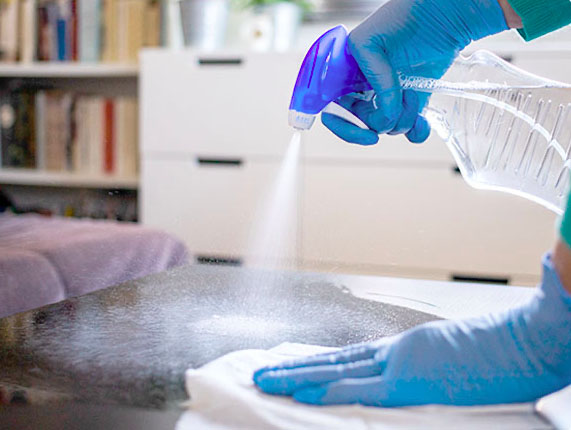
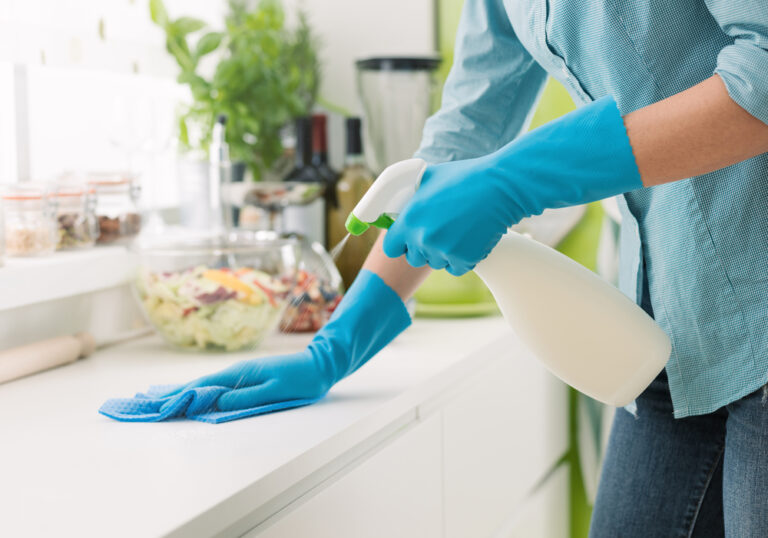
- The Solution: Mix a solution of white vinegar and water (80/20 ratio). Vinegar is highly effective at killing the roots of the fungus, whereas bleach often only changes the colour of the surface spores without killing the underlying colony.
- Application: Spray the area and let it sit for at least 60 minutes.
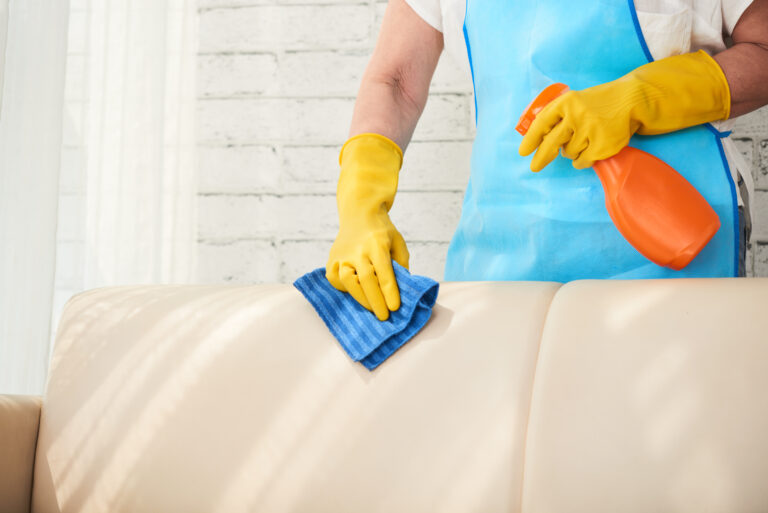
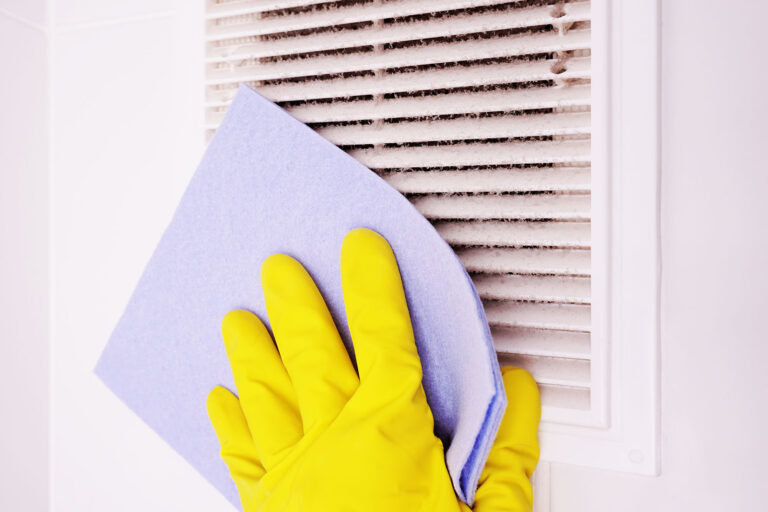
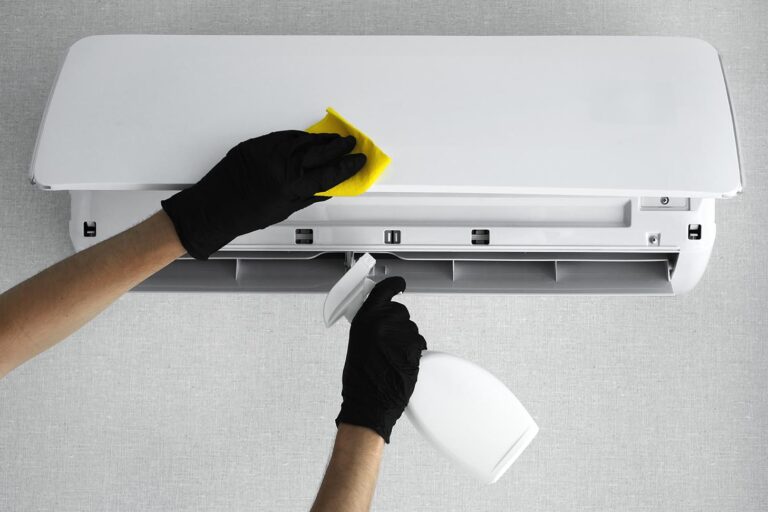
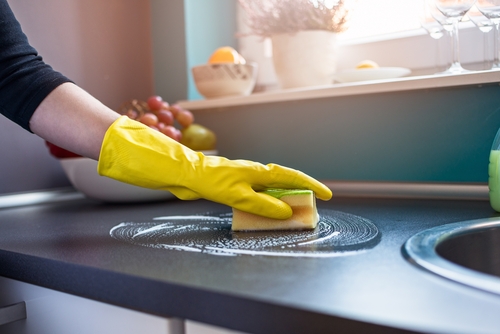
- Wipe Down: Use a disposable cloth to wipe the area, then dry it thoroughly with a fan or hairdryer.
For Deep-Seated Growth (Porous Surfaces)
If the fungus on walls has penetrated the gypsum, drywall, or wallpaper, DIY cleaning is usually ineffective. The fungus mycelium grows deep into the pores of the material. In these cases, the affected material must be professionally removed and the area treated with industrial-grade antimicrobial agents. Trying to scrub porous surfaces often just spreads the spores further into the air.
Professional Remediation vs. DIY
Many homeowners make the mistake of simply painting over the fungus. This is a temporary mask that allows the colony to continue eating away at the wall structure underneath the paint.
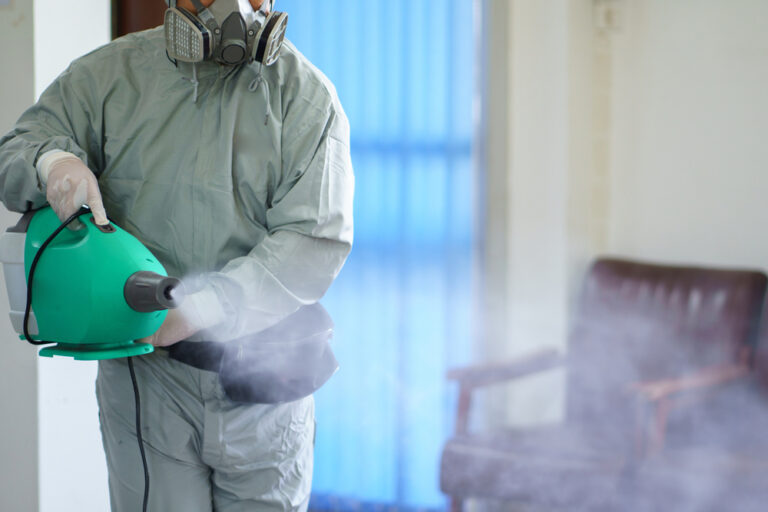
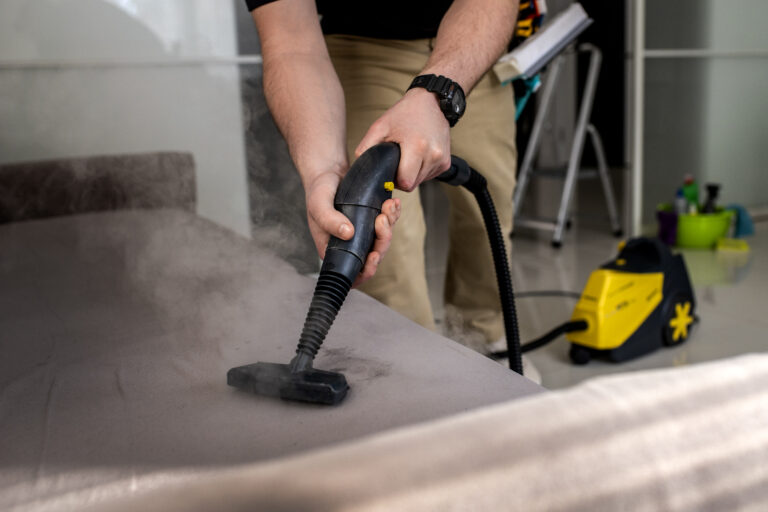
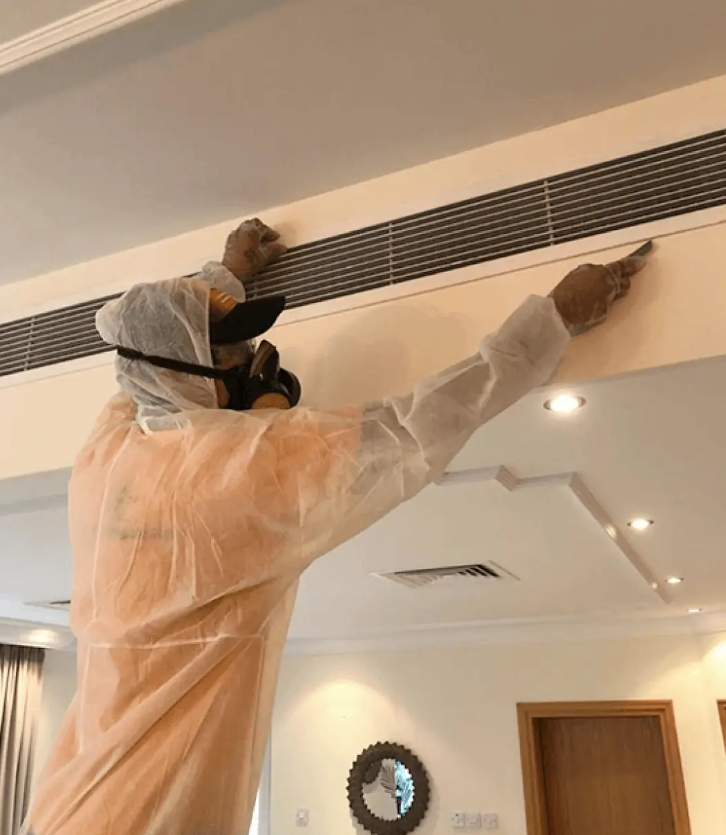
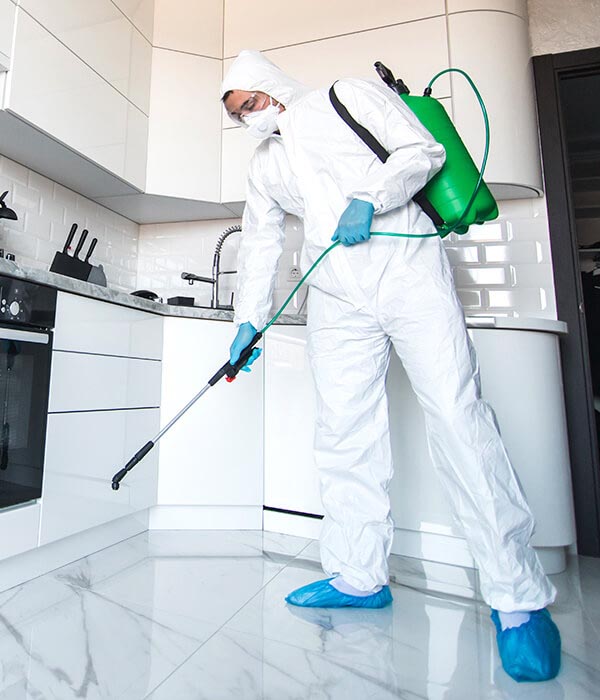
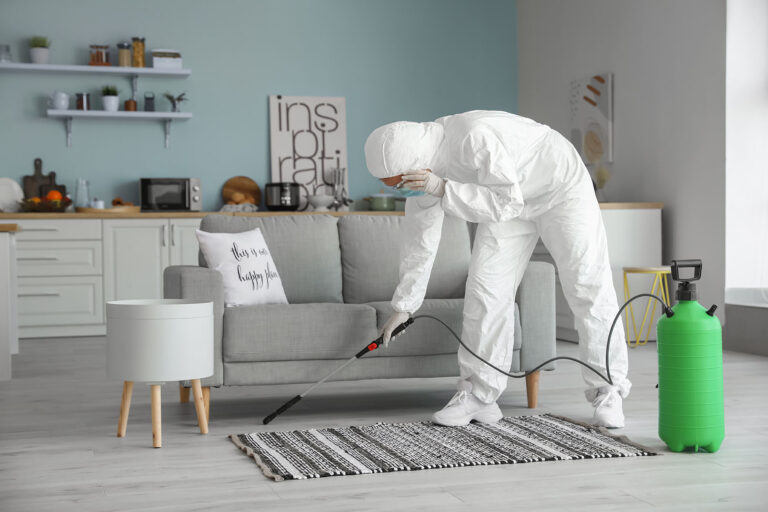
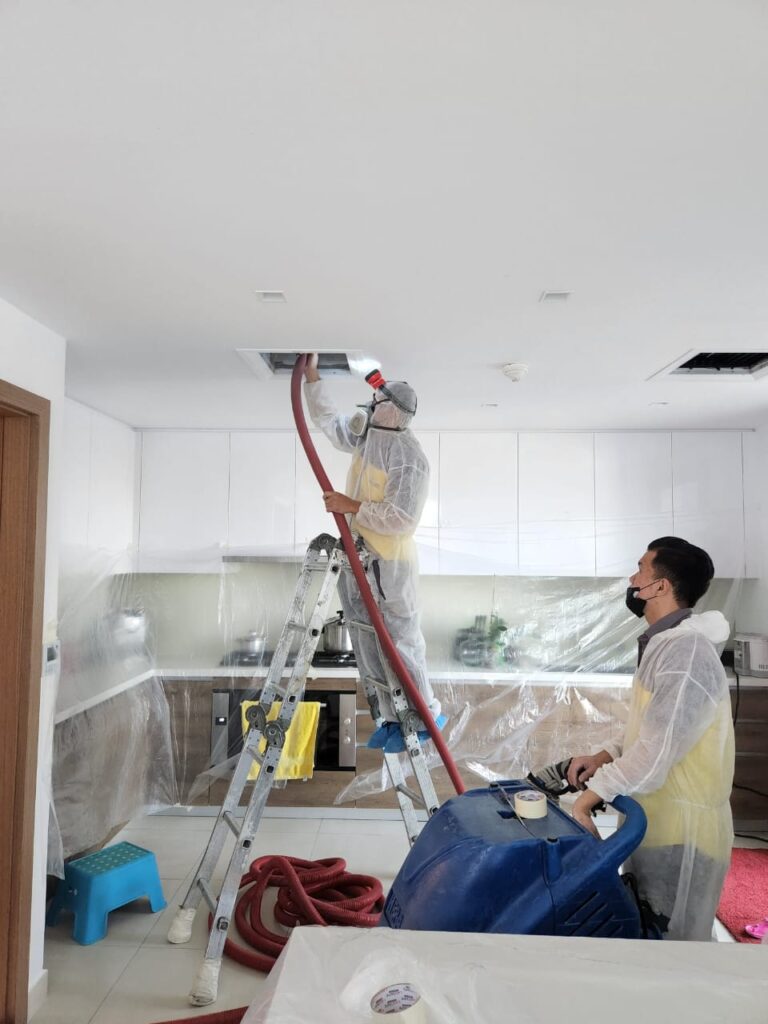
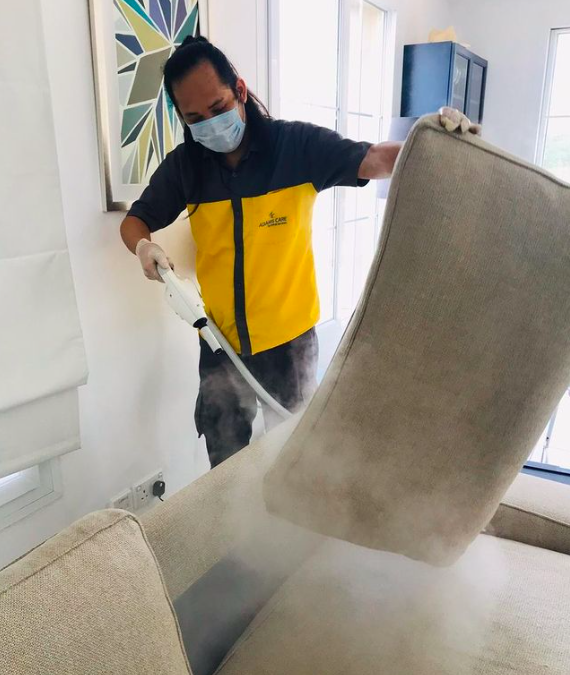
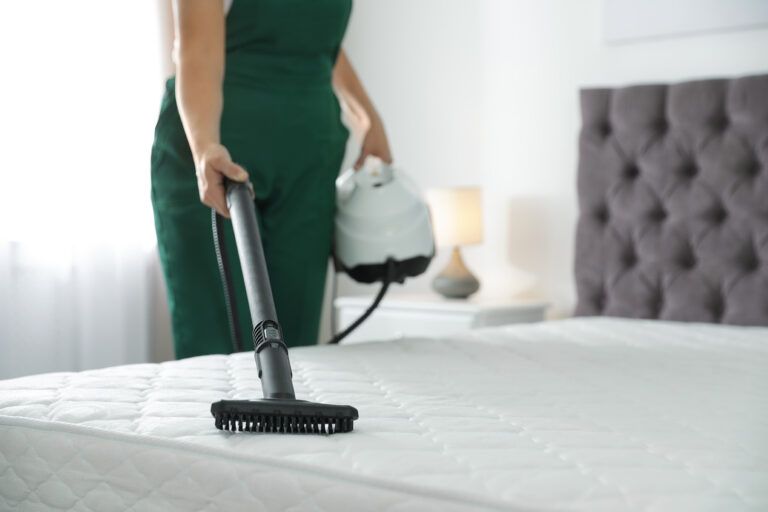
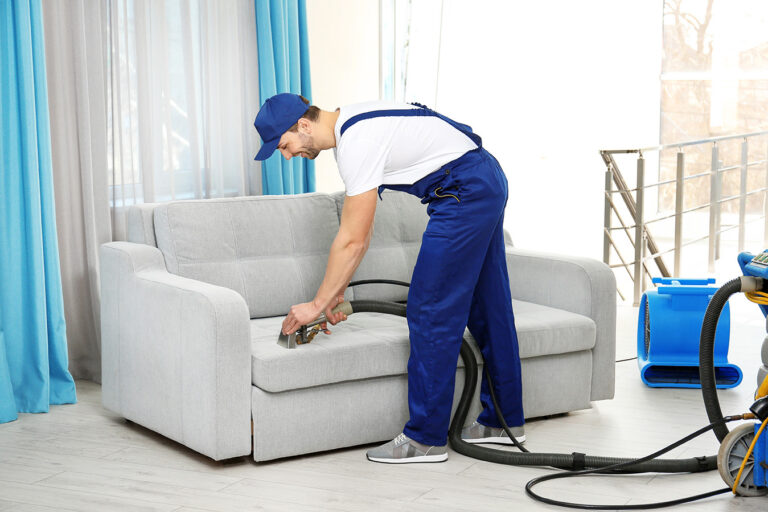
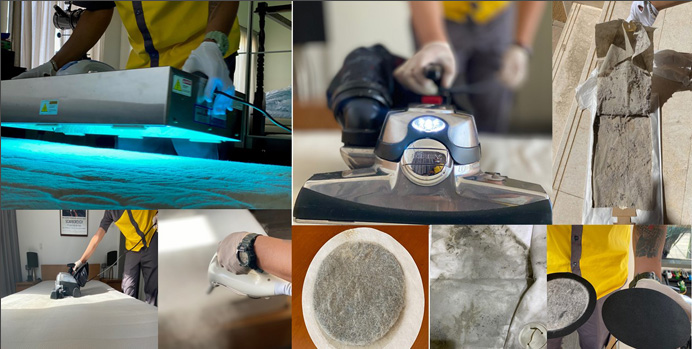
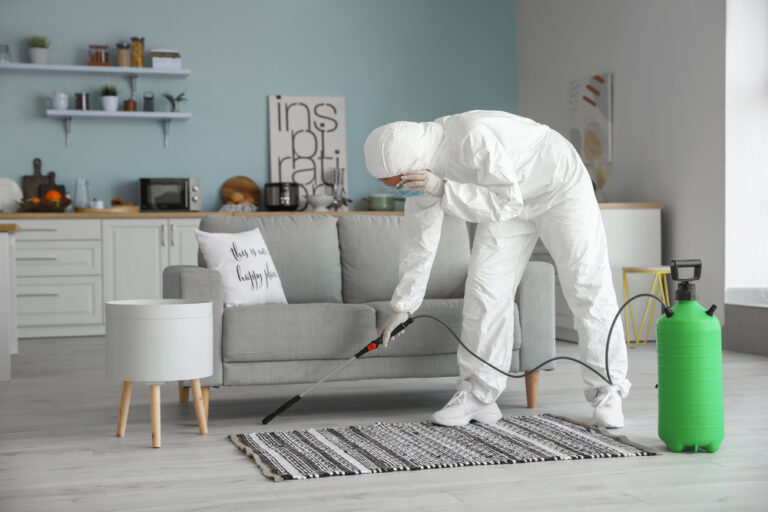
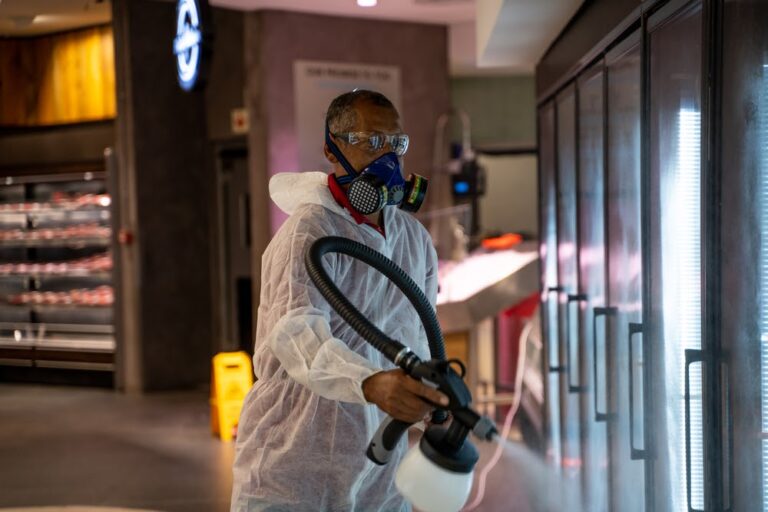
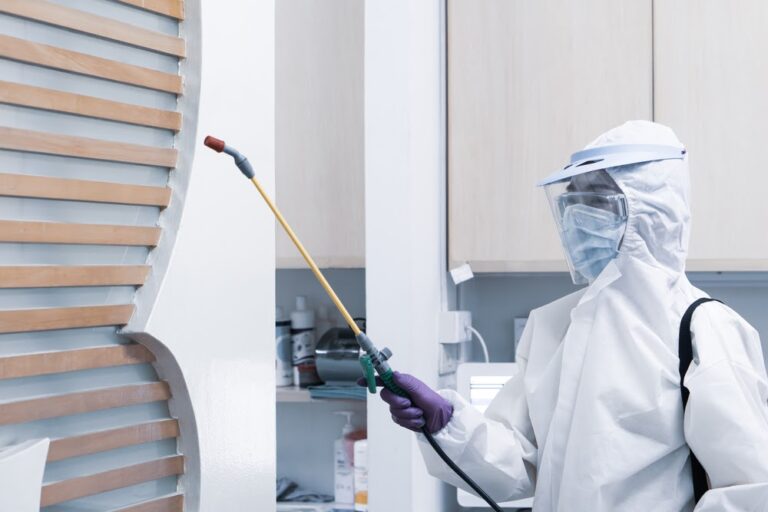
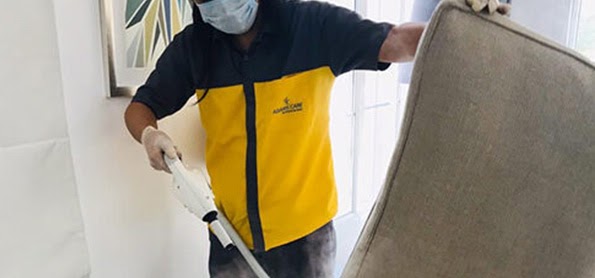
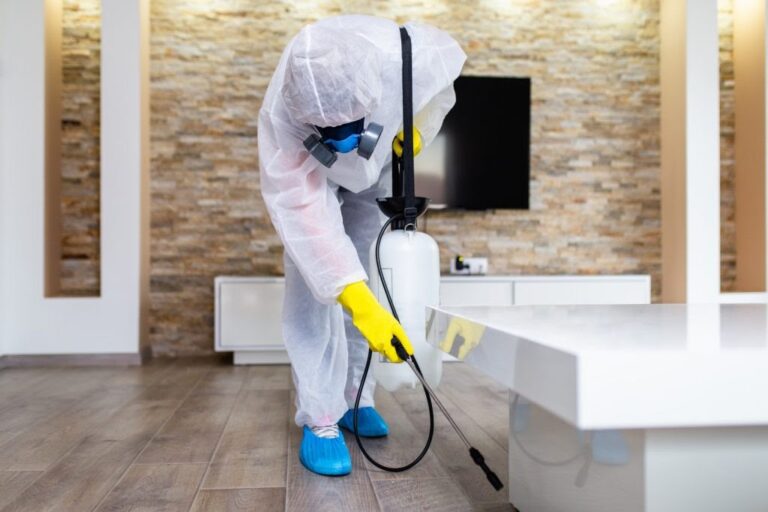
Professional mould remediation and sanitisation involves a rigorous multi-step process:
-
Containment
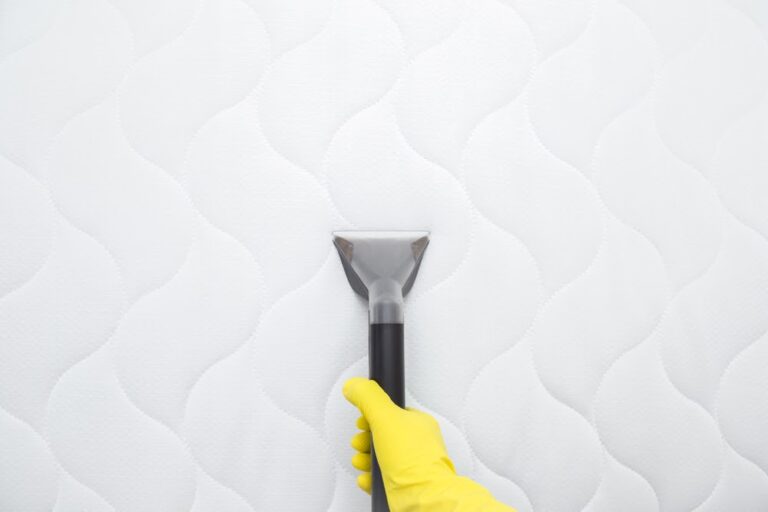
Sealing off the affected area with plastic sheeting and negative air pressure to prevent spores from spreading to the rest of the house during cleaning.
-
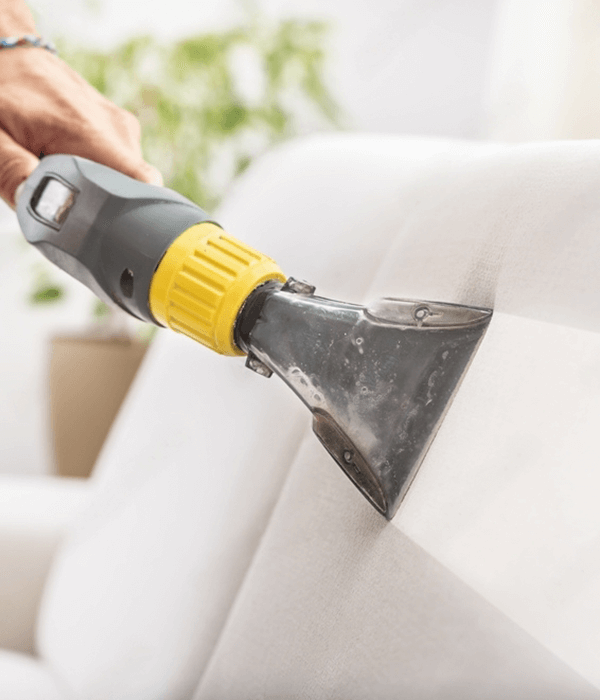
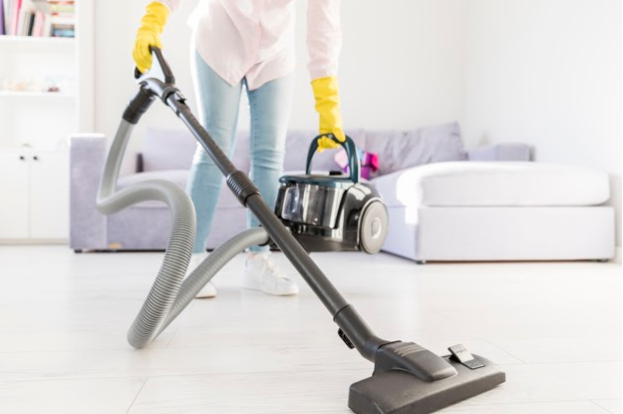
HEPA Vacuuming
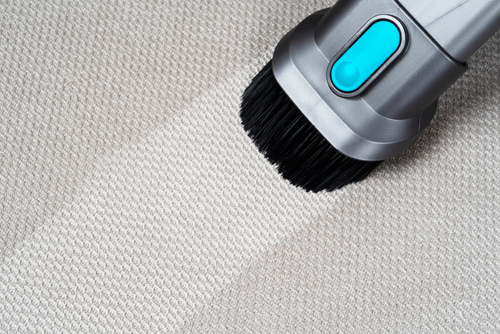
Using specialised vacuums to remove loose spores from the air and surfaces before liquid treatment begins.
-
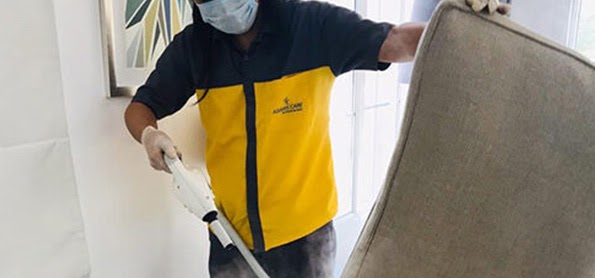
Antimicrobial Treatment
Applying hospital-grade, non-toxic solutions that kill fungus at a molecular level.
-
Dehumidification
Industrial-strength machines are used to pull every last drop of moisture out of the wall before any repair work or repainting begins.
Long-Term Prevention Strategies
Preventing the return of fungus requires a multi-pronged approach to moisture control. Here are some practical tips to keep in mind:
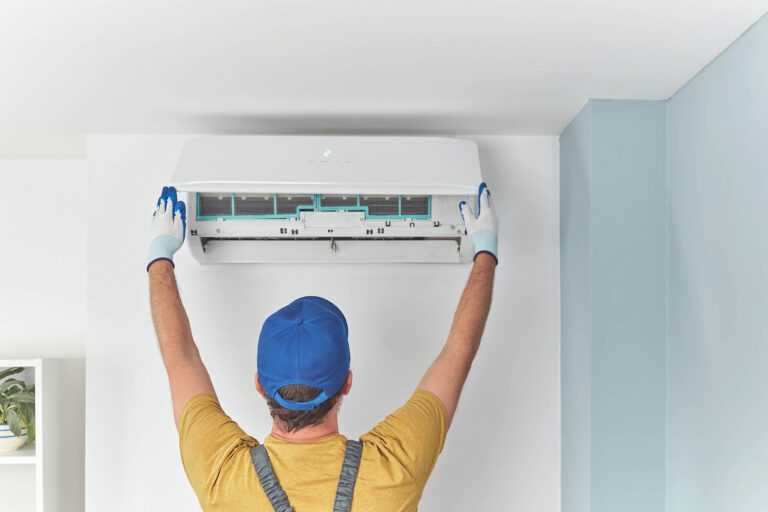
Maintain Your HVAC System
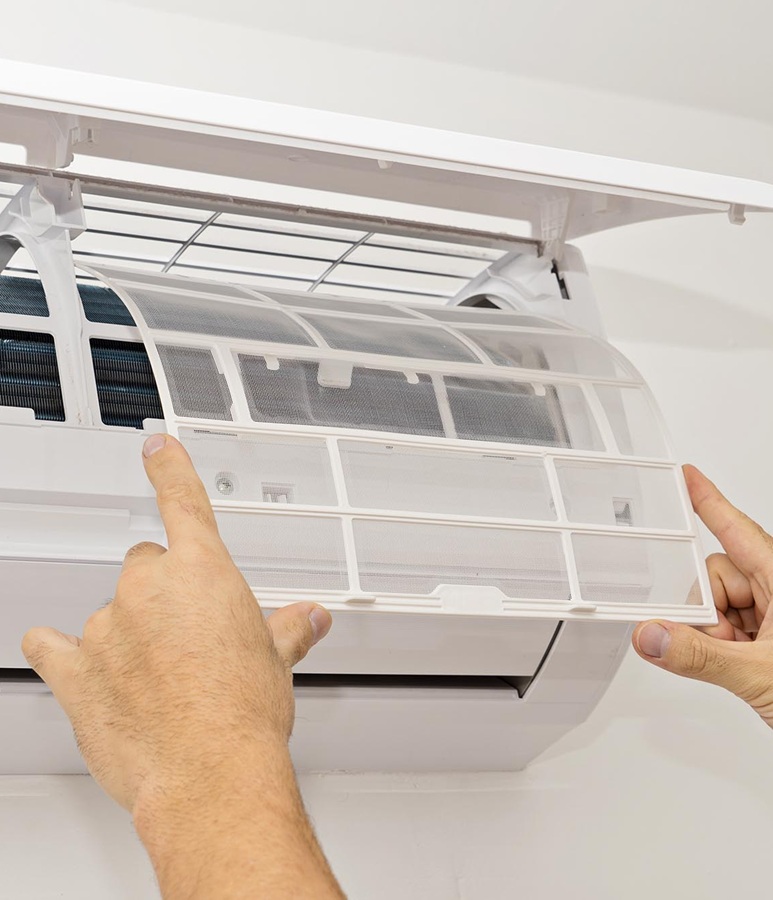
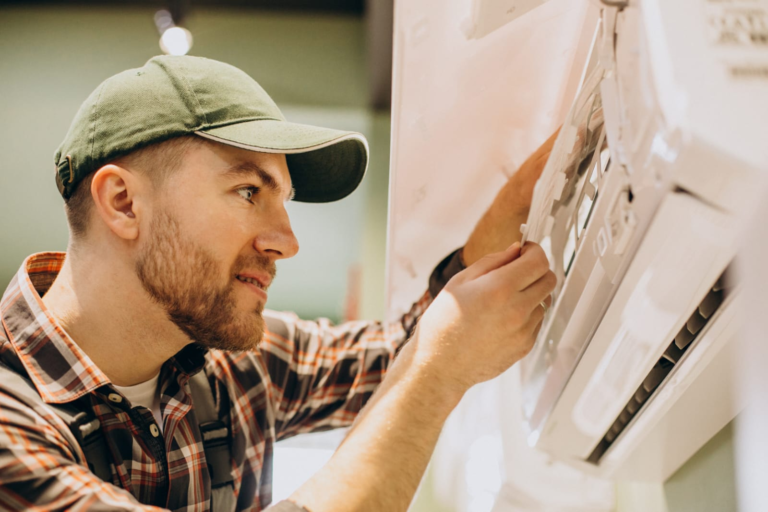
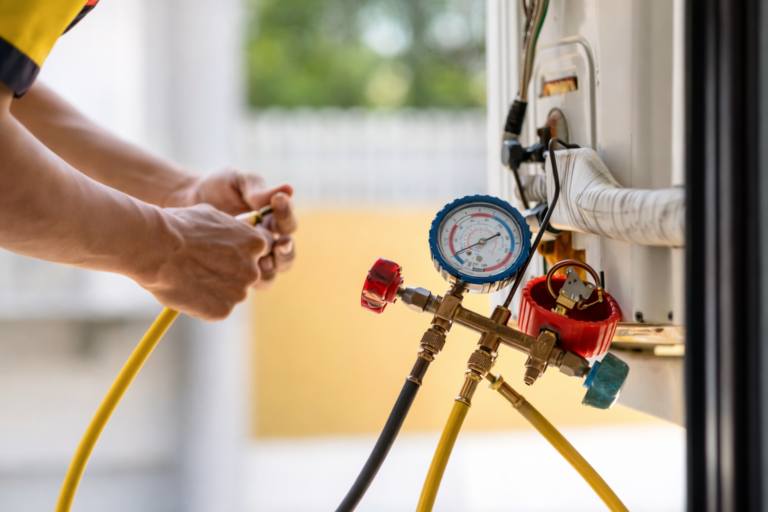
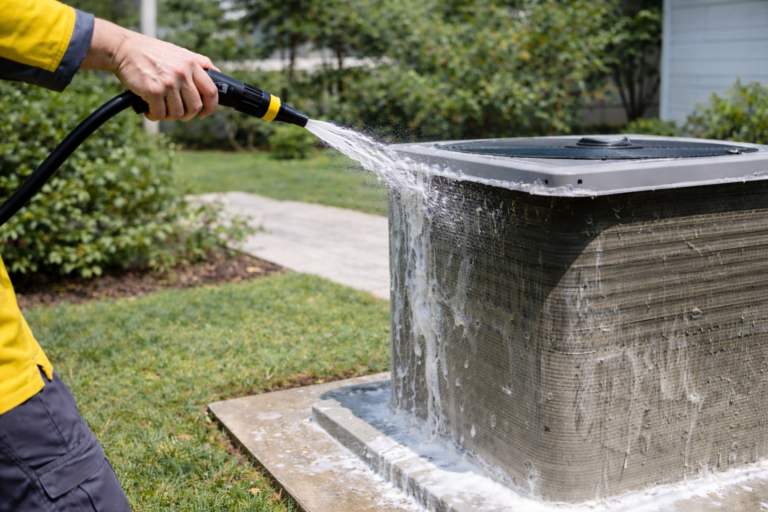
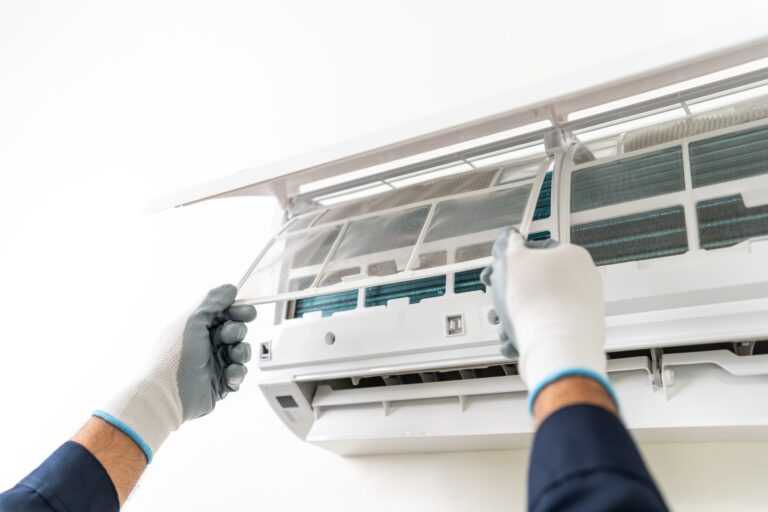
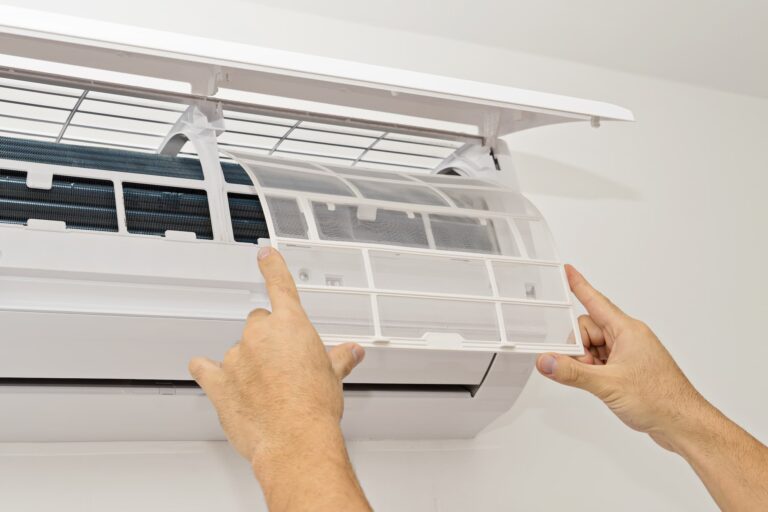
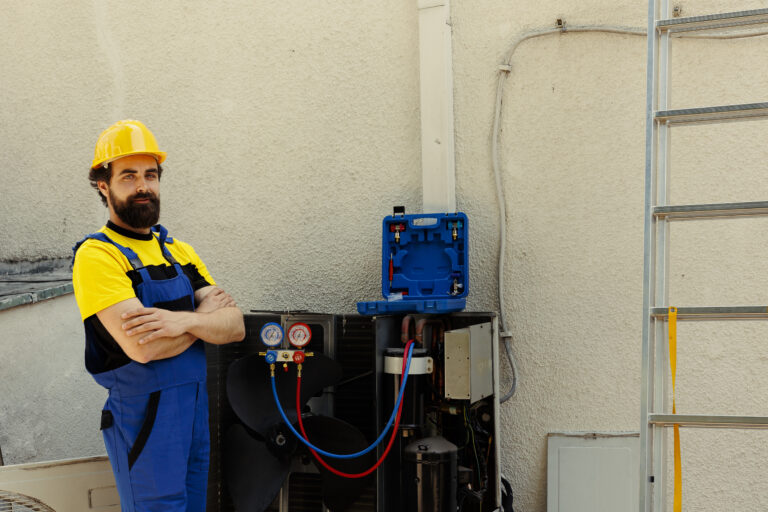
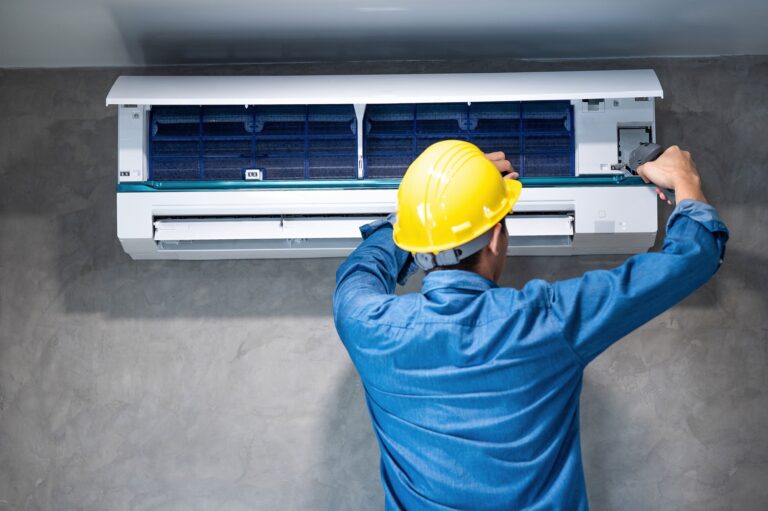
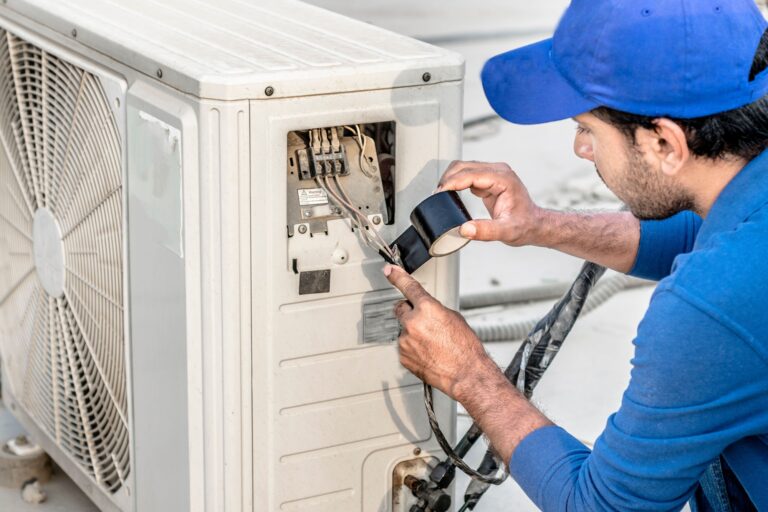
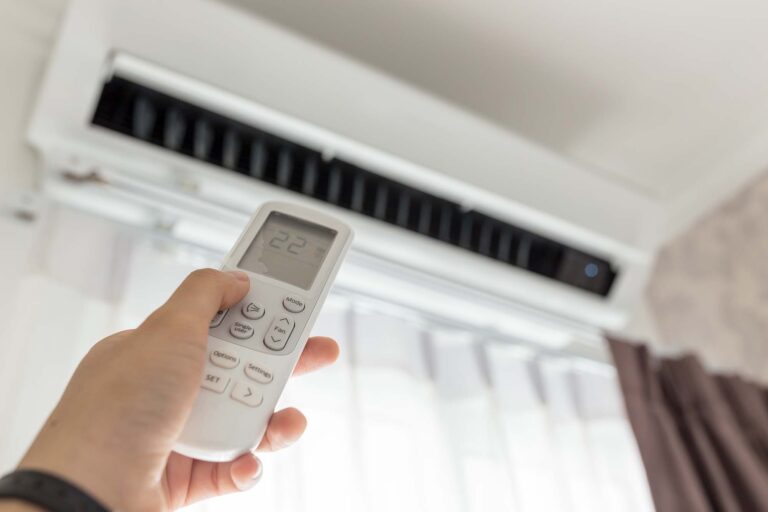
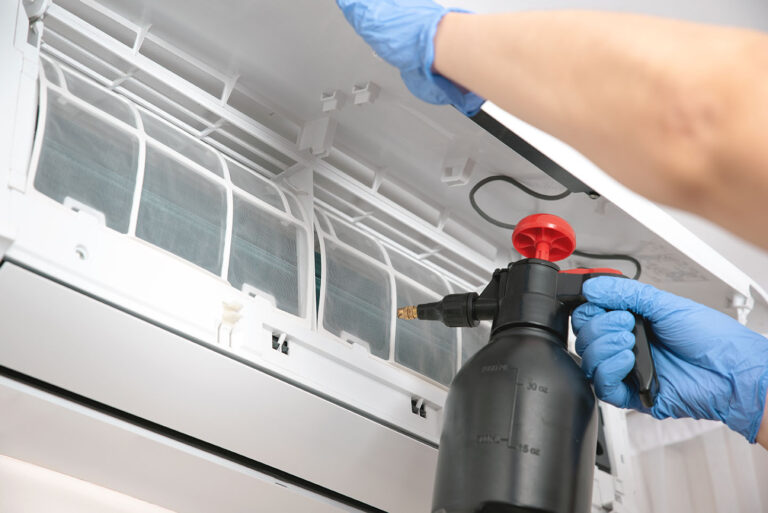
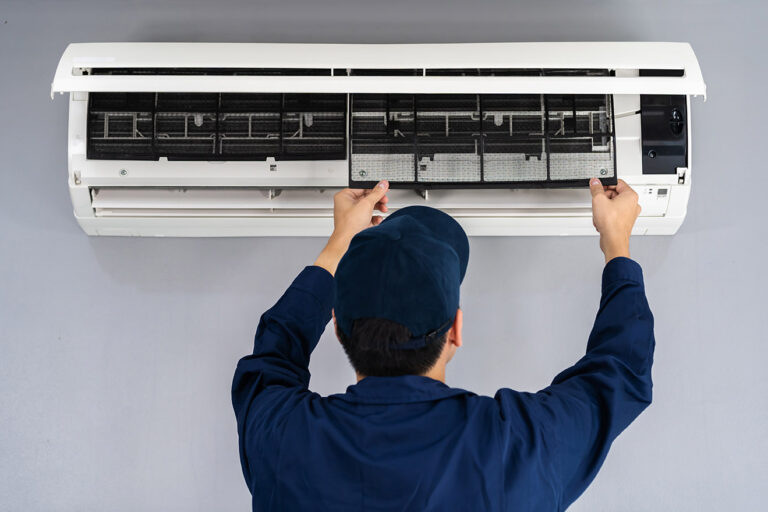
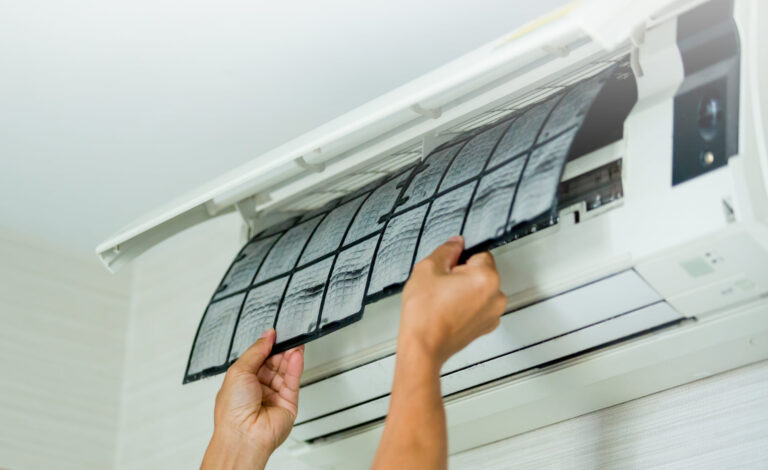
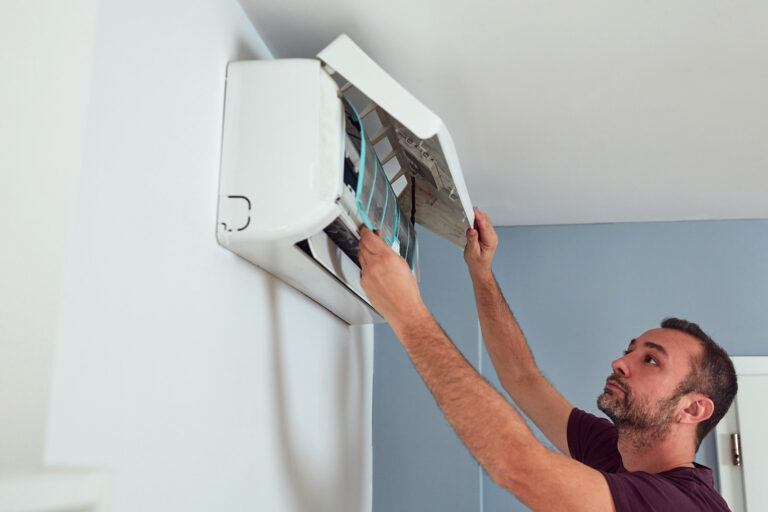
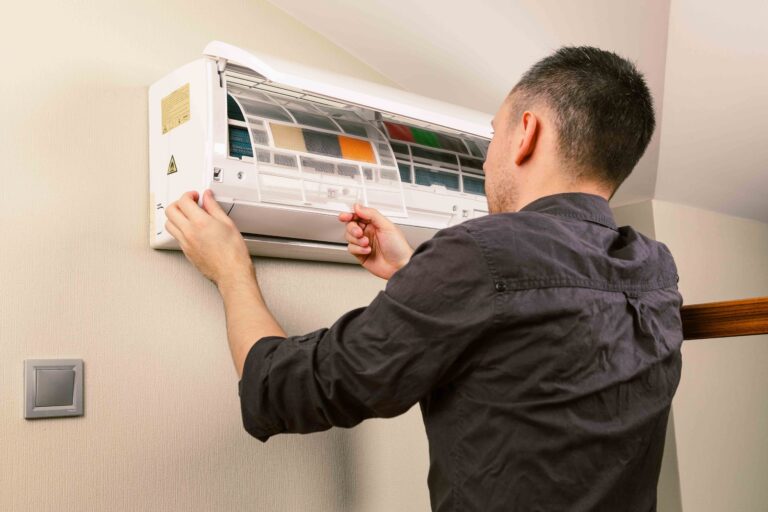
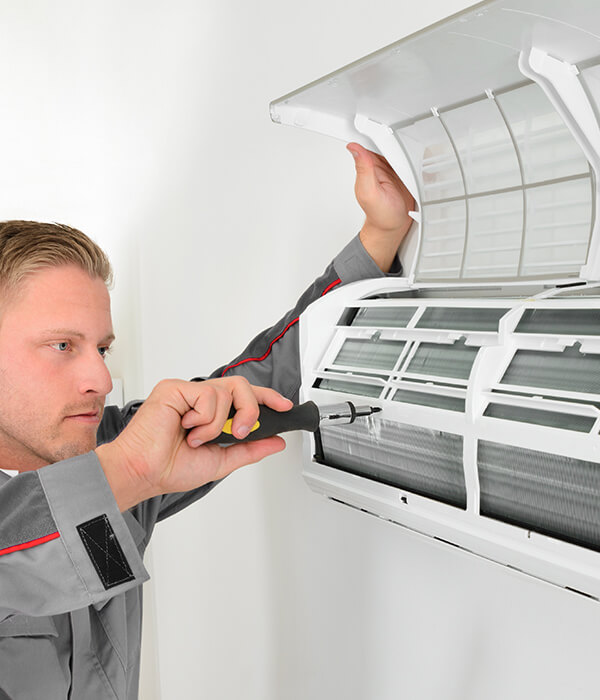
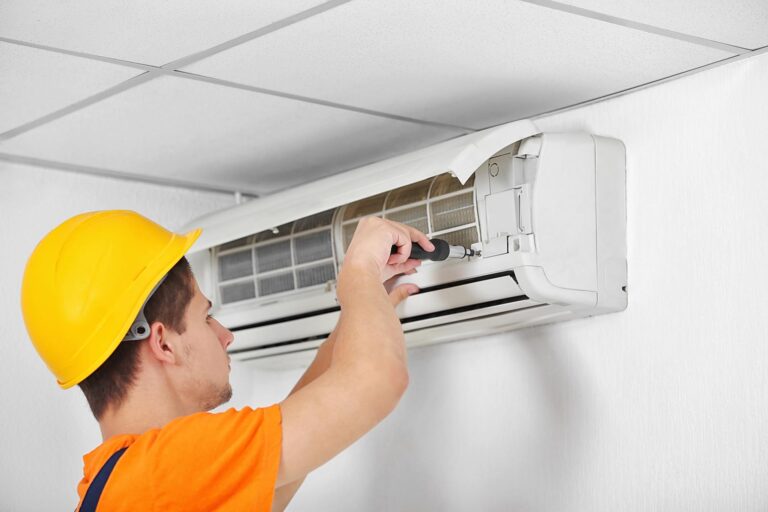
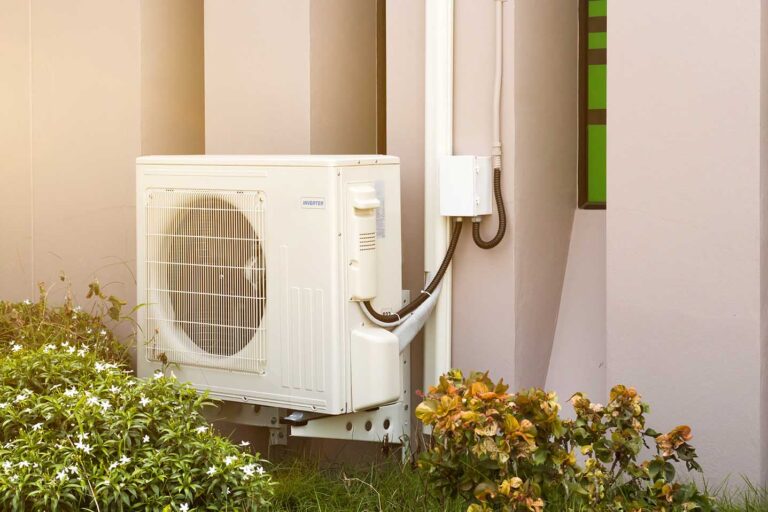
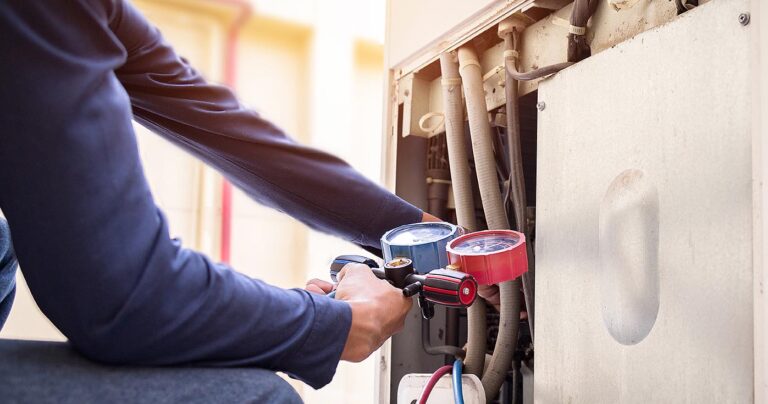
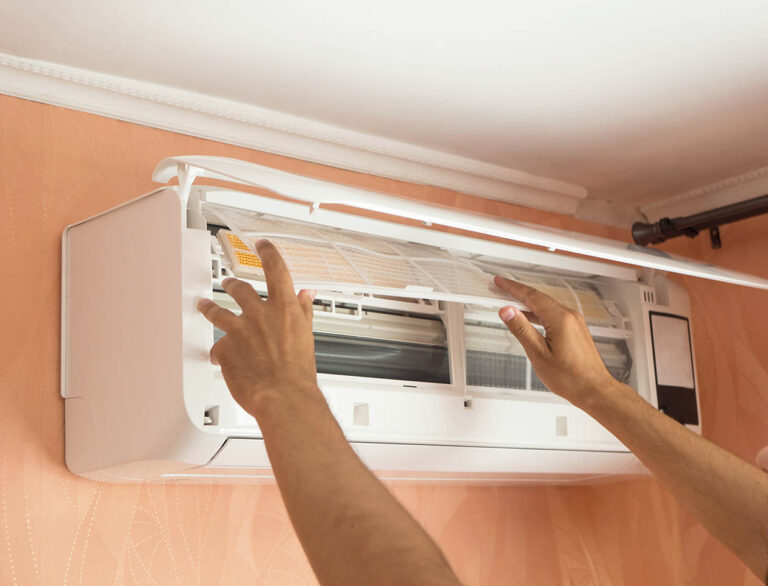
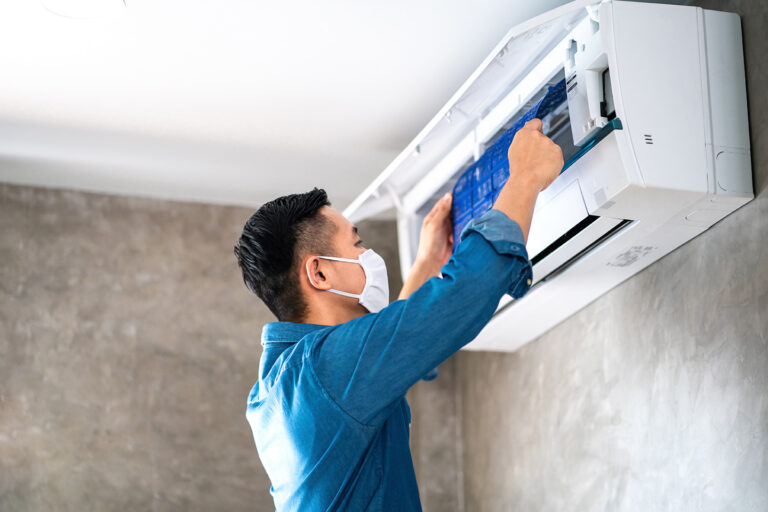
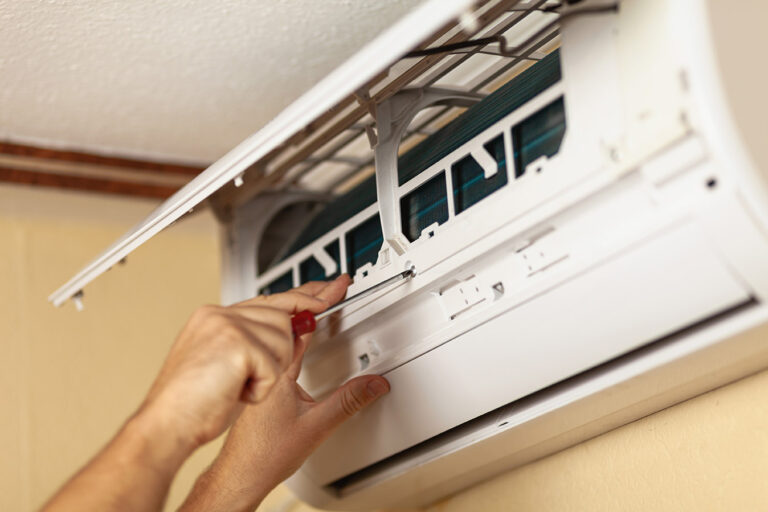
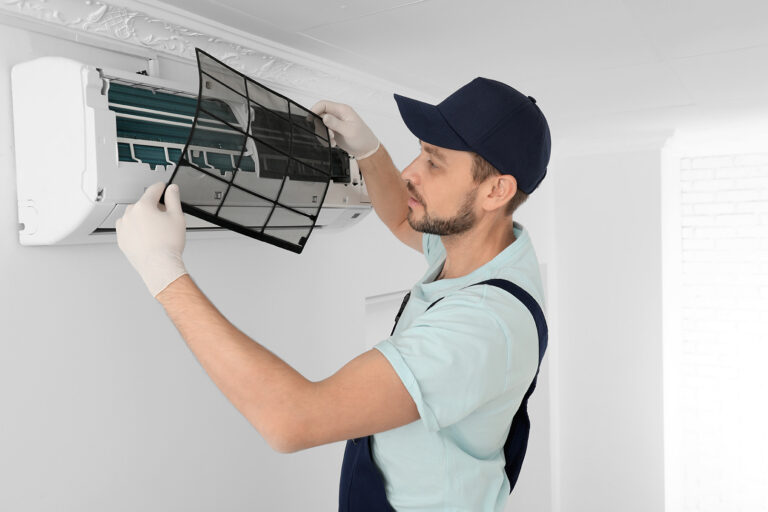
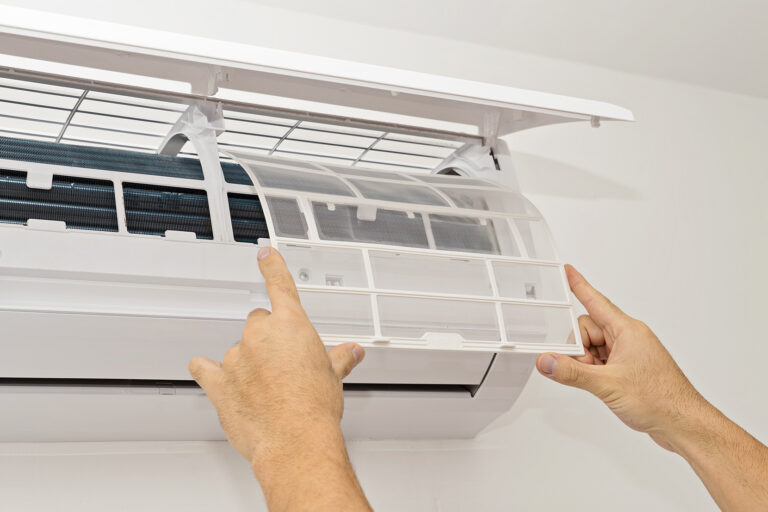
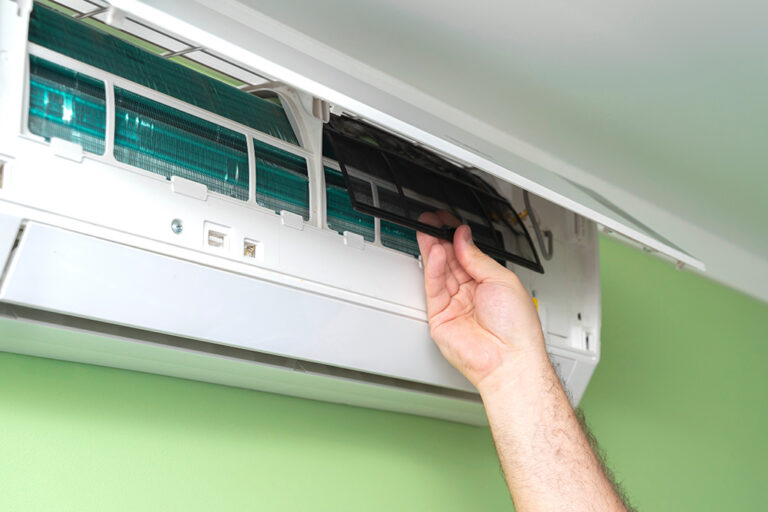
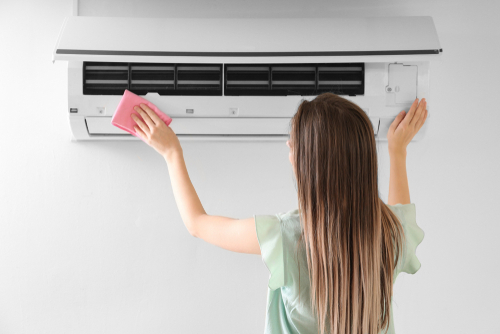
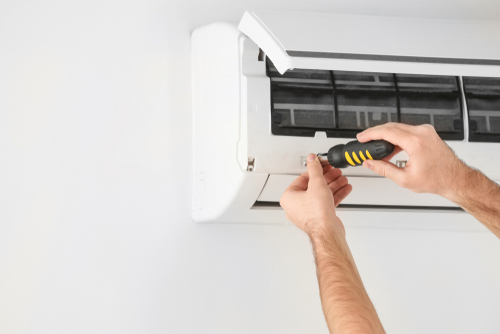
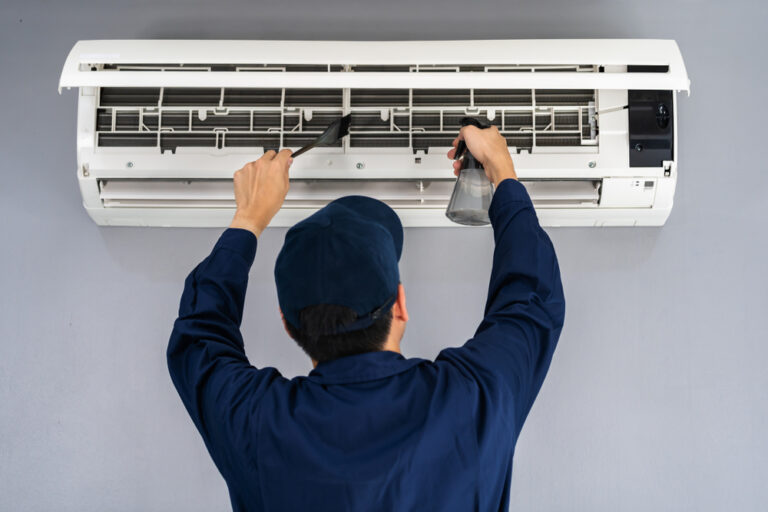
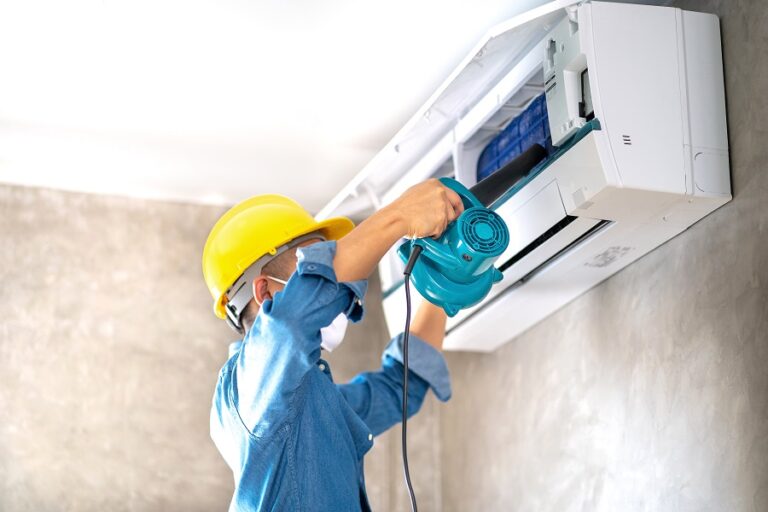
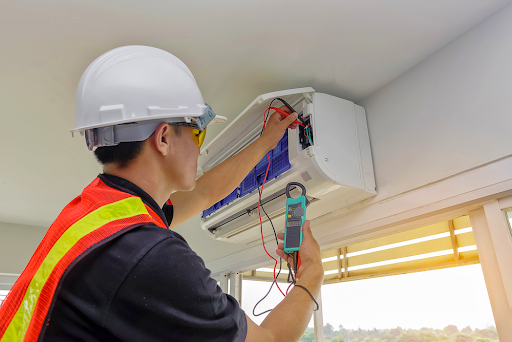
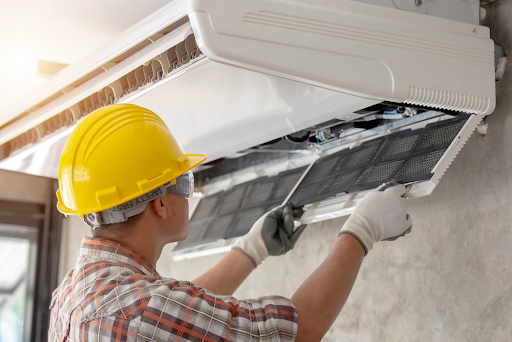
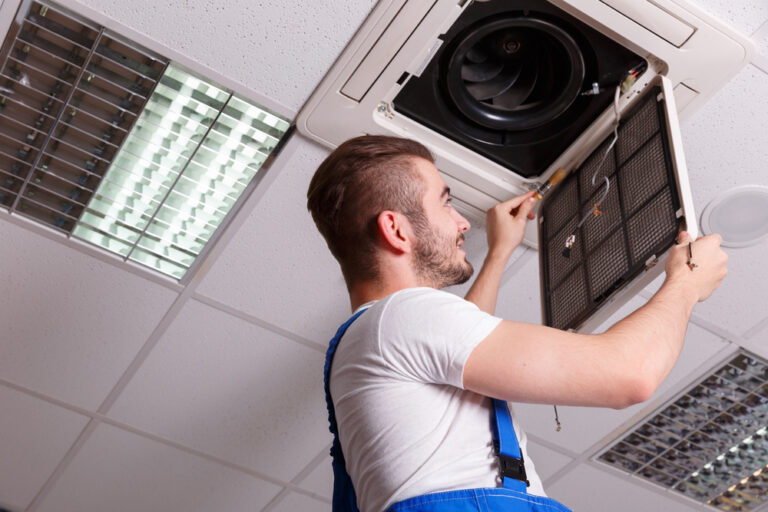
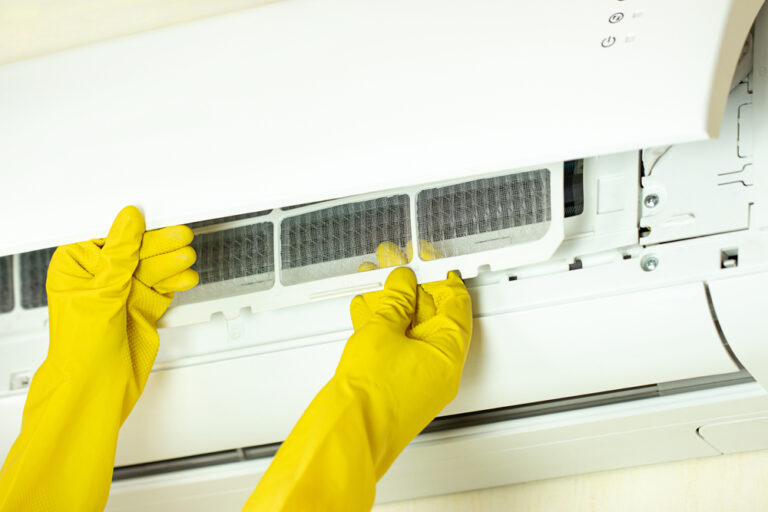
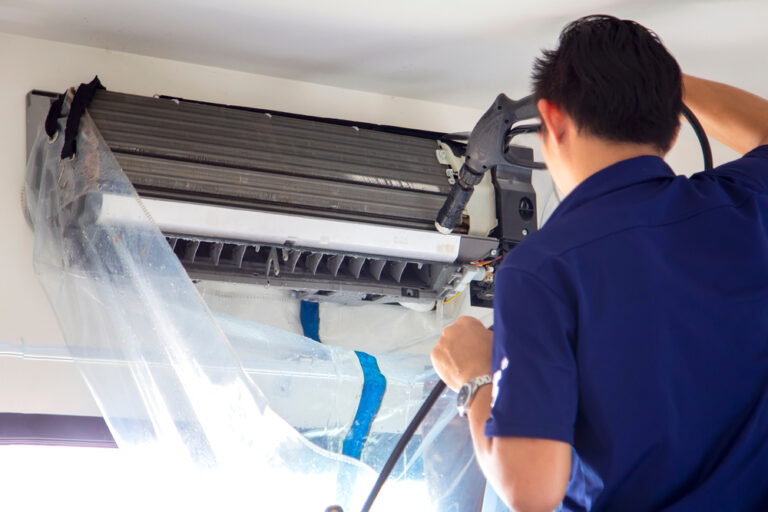
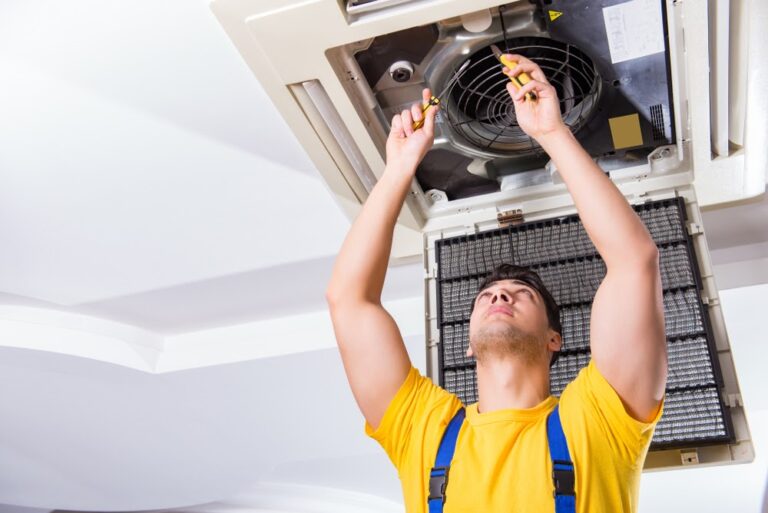
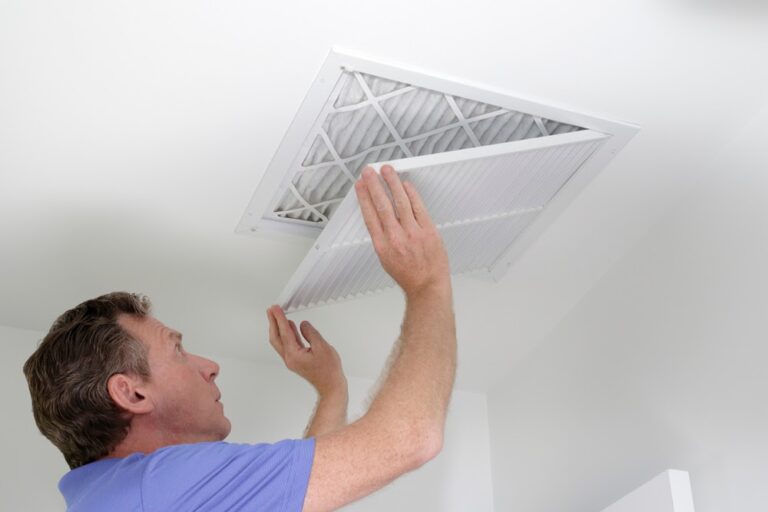
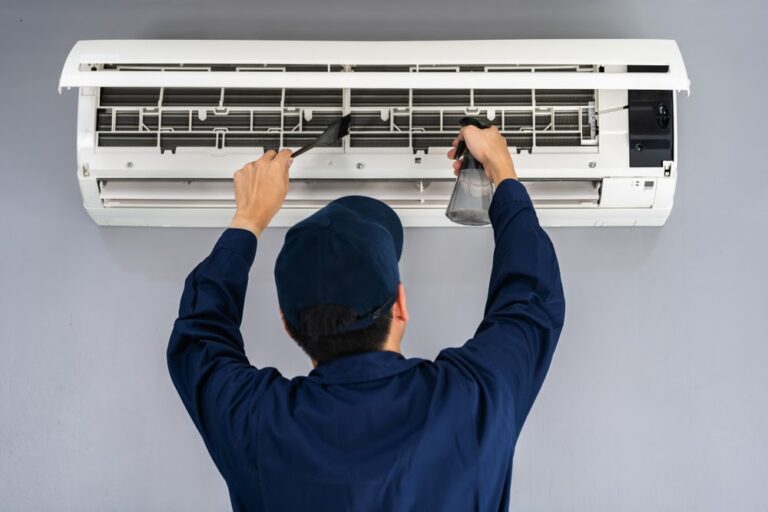
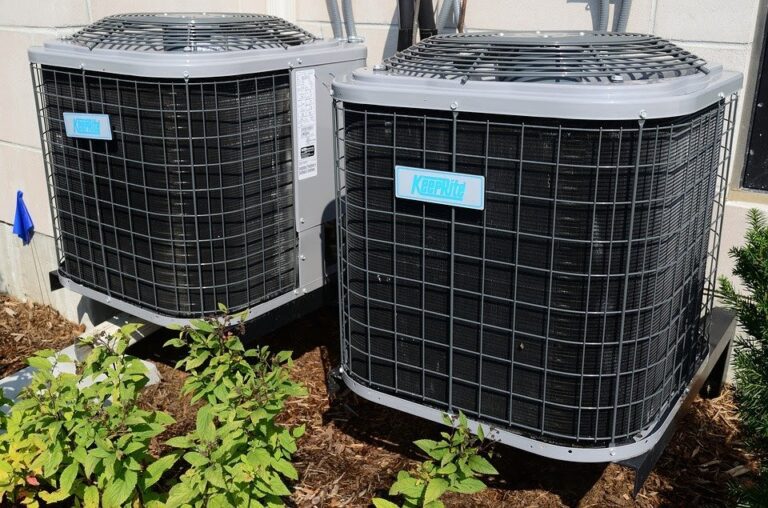
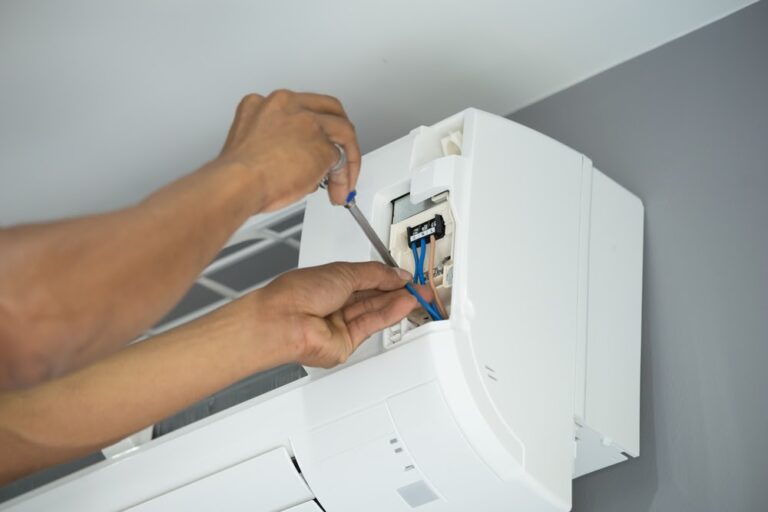
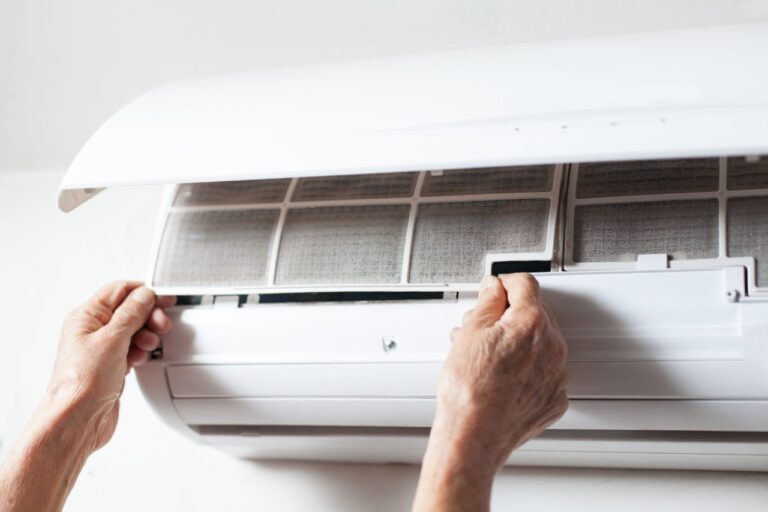
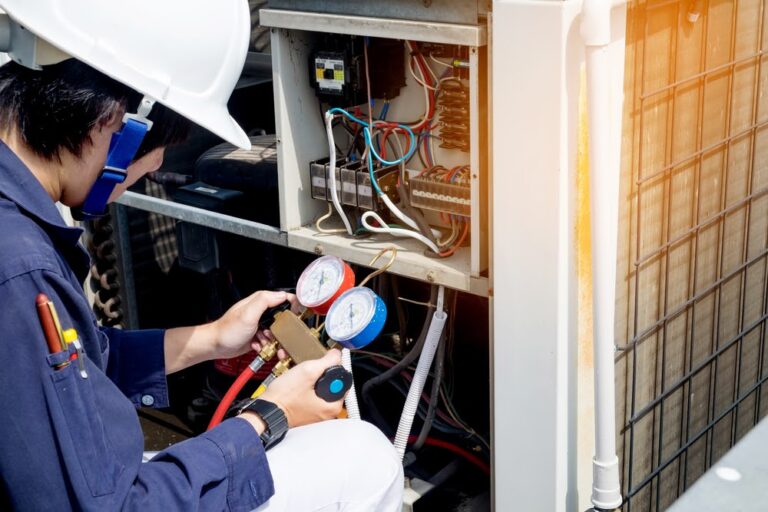
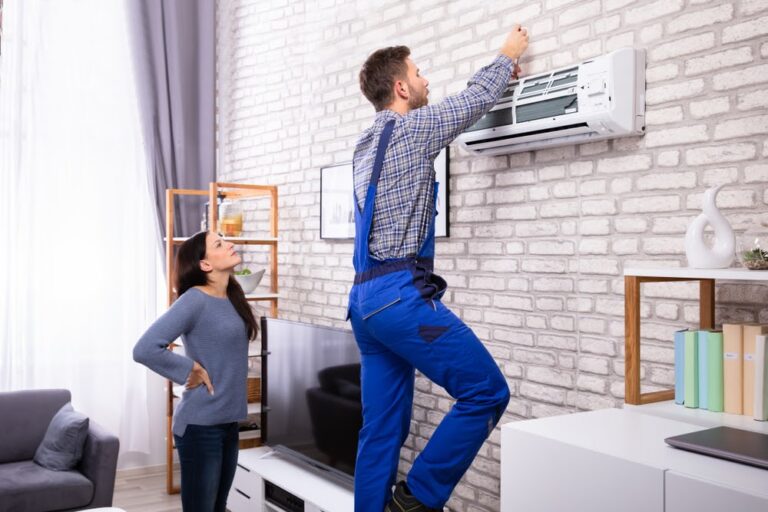
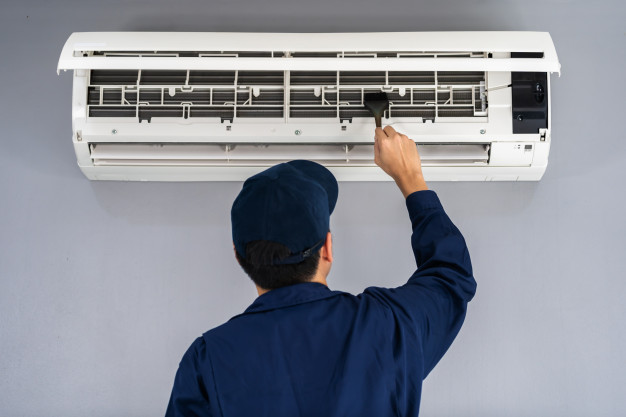
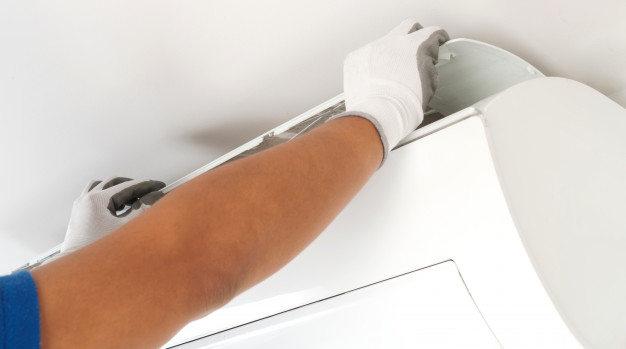
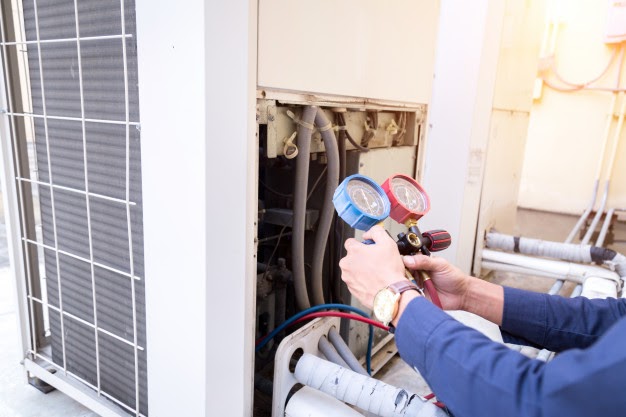
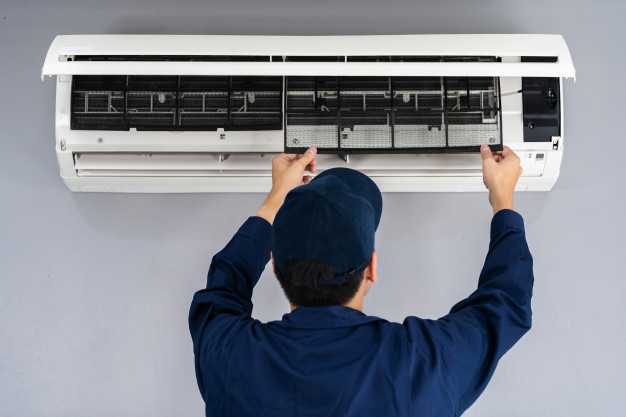
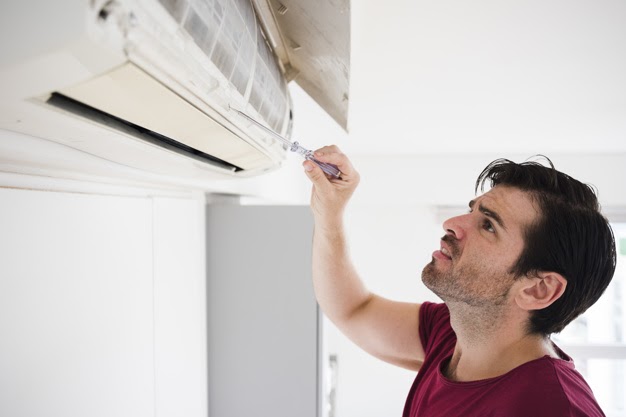
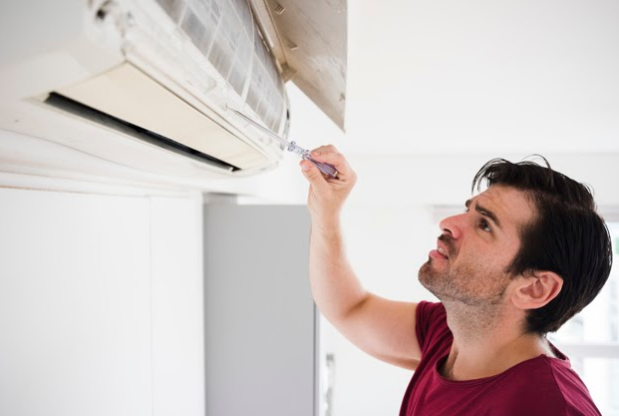
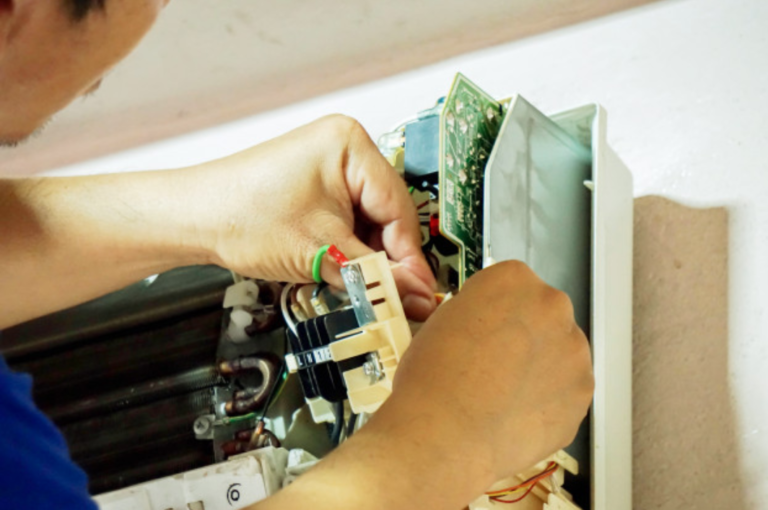
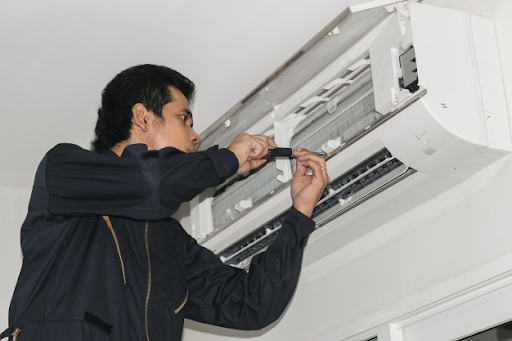
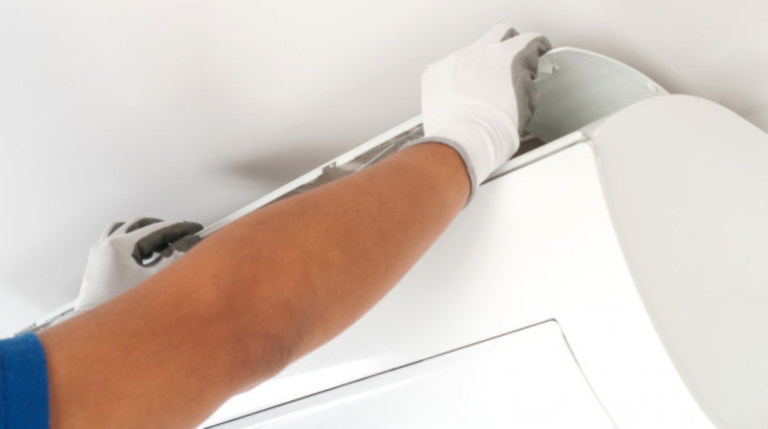
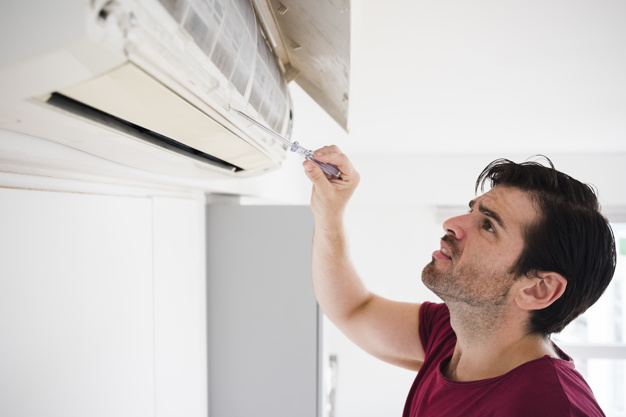
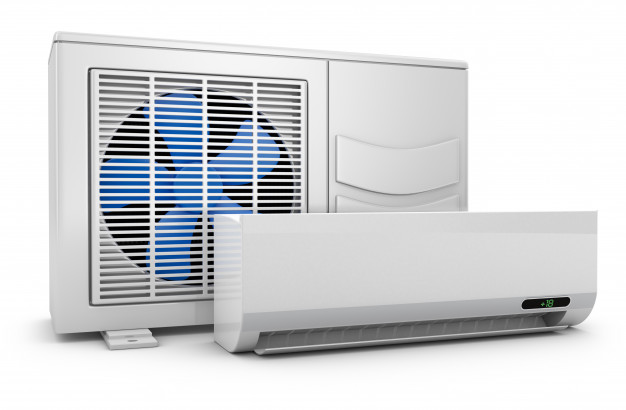
Since your AC is your primary dehumidifier, it must be in peak condition. Regular preventative AC maintenance ensures that drain lines are clear and that the system is pulling enough moisture out of the air. A faulty system is the number one cause of fungal outbreaks in Dubai.
Improve Air Circulation
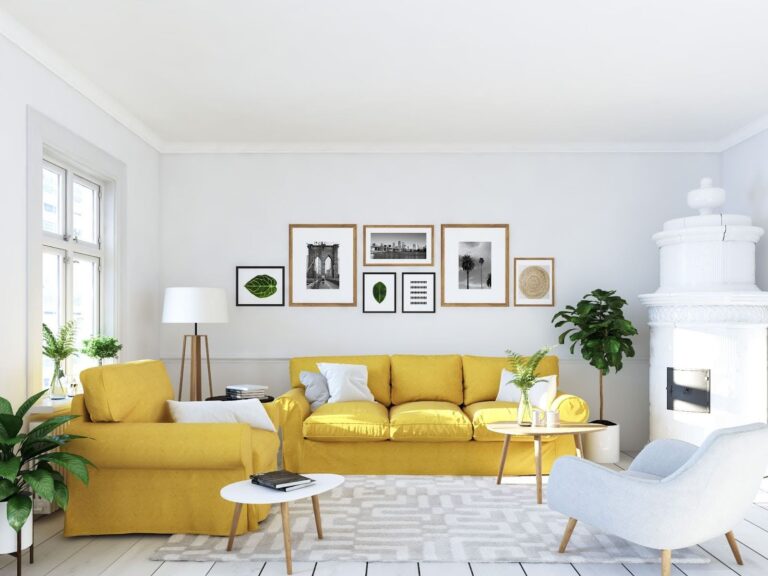
Leave a small gap (at least 2 to 3 inches) between your furniture and external walls. This allows air to flow behind wardrobes and beds, preventing dead air zones where moisture accumulates. If a room feels particularly stuffy, consider using a ceiling fan to keep the air moving.
Use Dehumidifiers
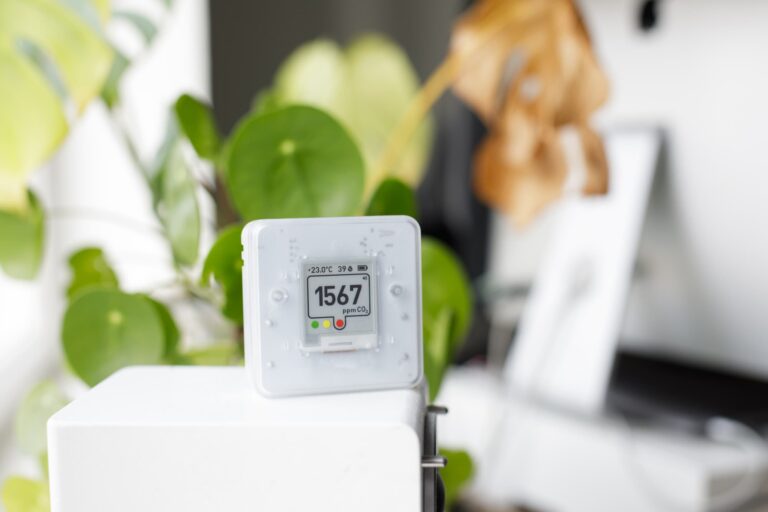
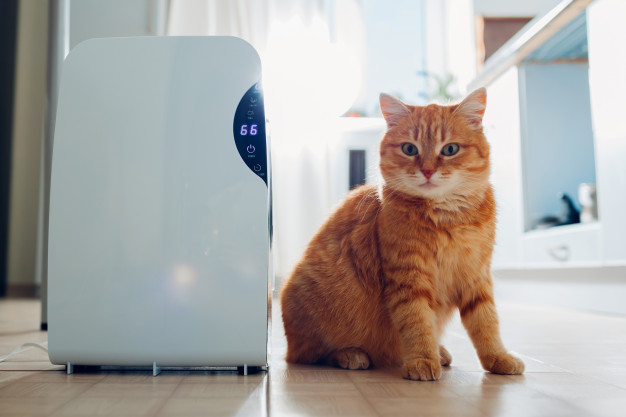
In particularly humid months, a portable dehumidifier can support your AC system. Aim to keep your indoor humidity levels between 40% and 55%. Most modern dehumidifiers allow you to set a target humidity level, automatically switching off once it is reached.
Invest in Specialist Paint
When repainting after an outbreak, use high-quality, anti-fungal masonry paint. These contain additives that make the surface inhospitable to spores, providing an extra layer of protection against future growth.
The Role of Ductwork in Fungal Spread
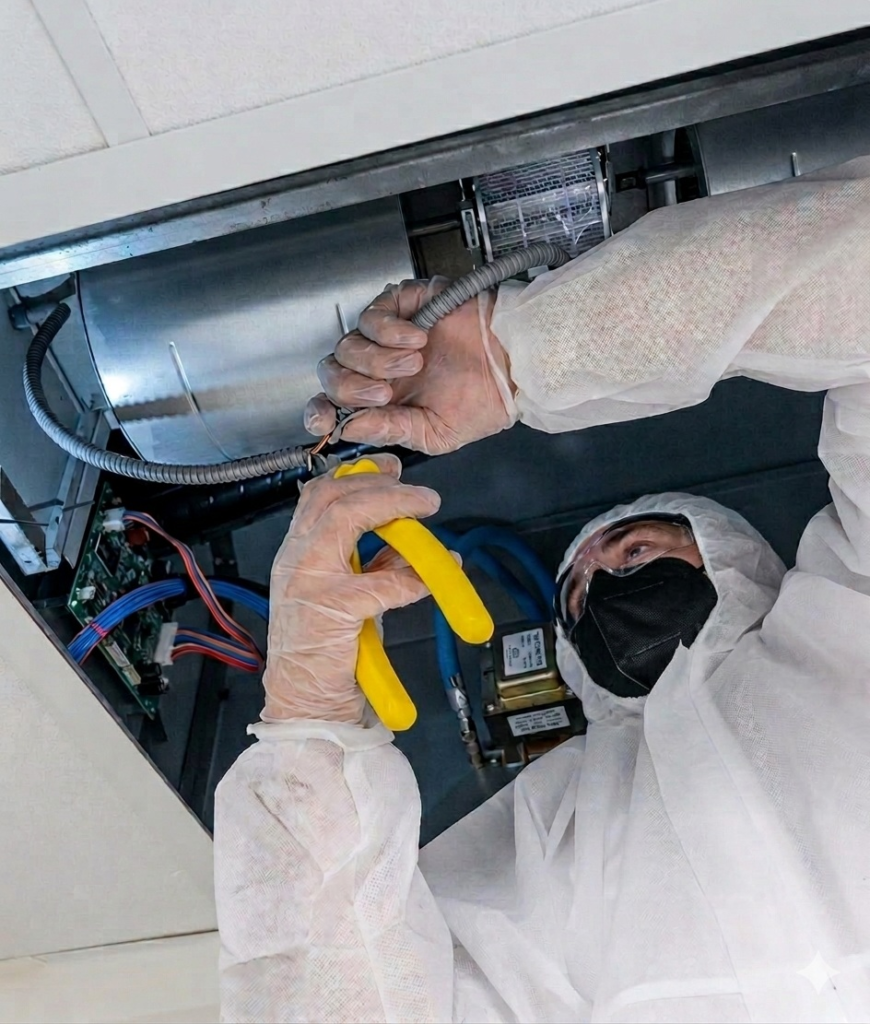
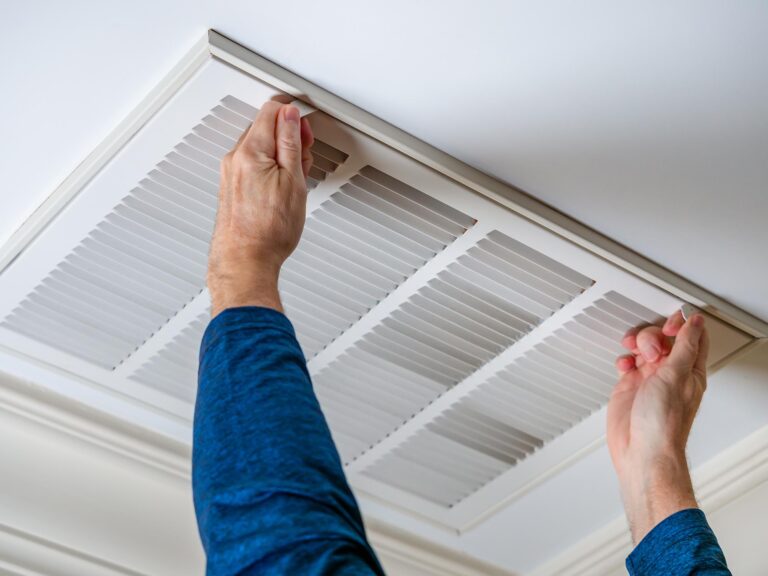
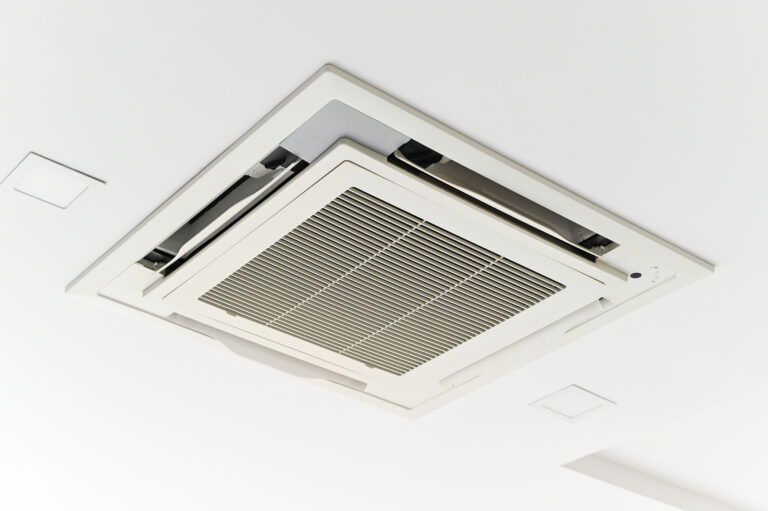
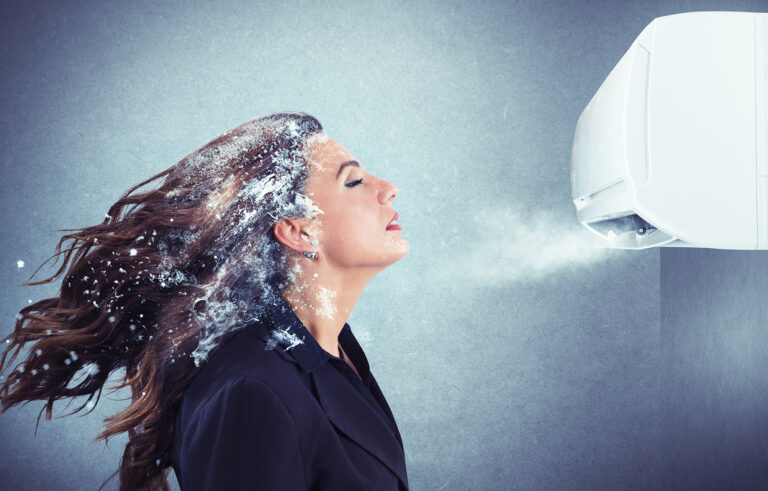
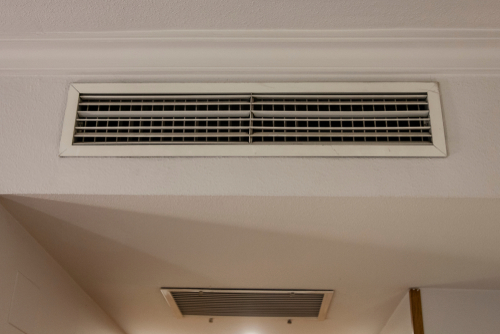
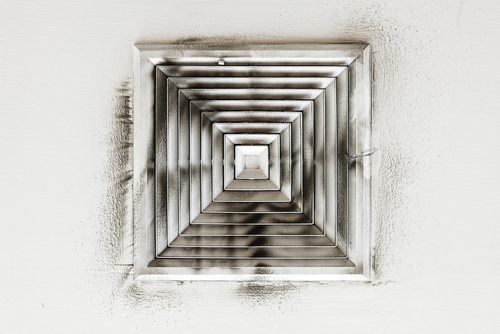
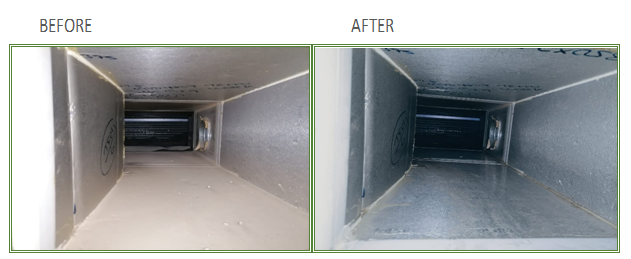
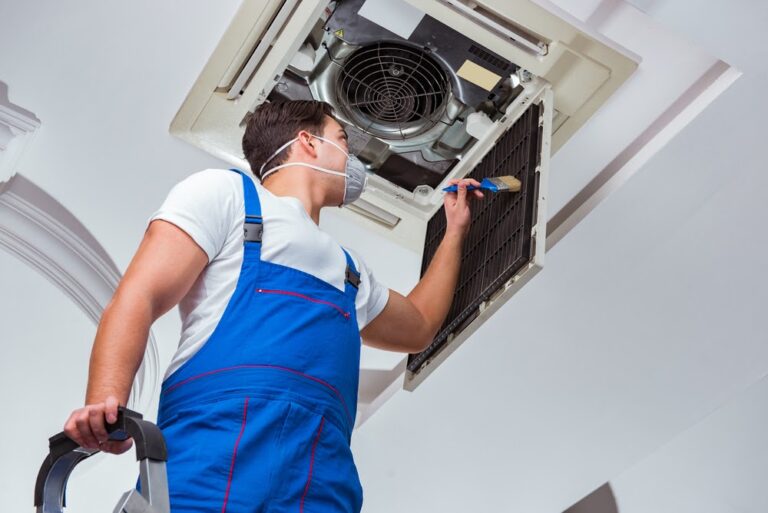
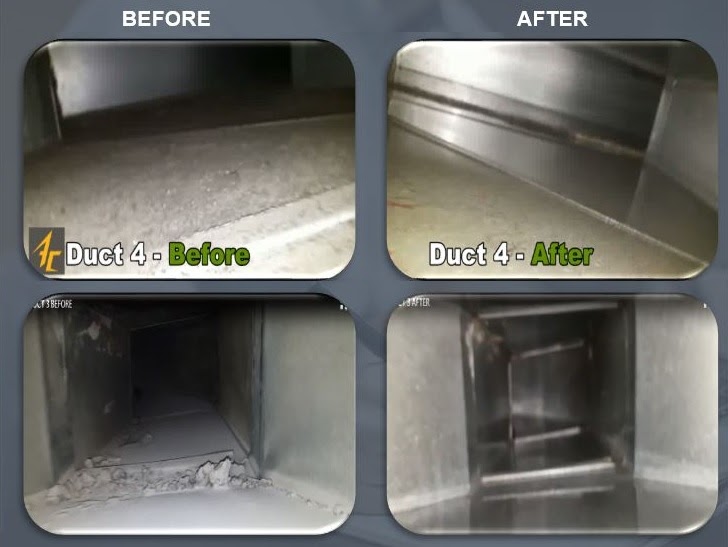
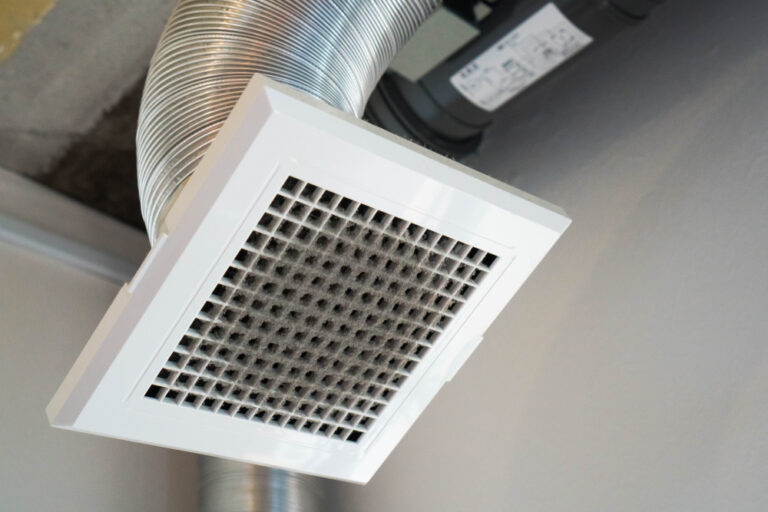
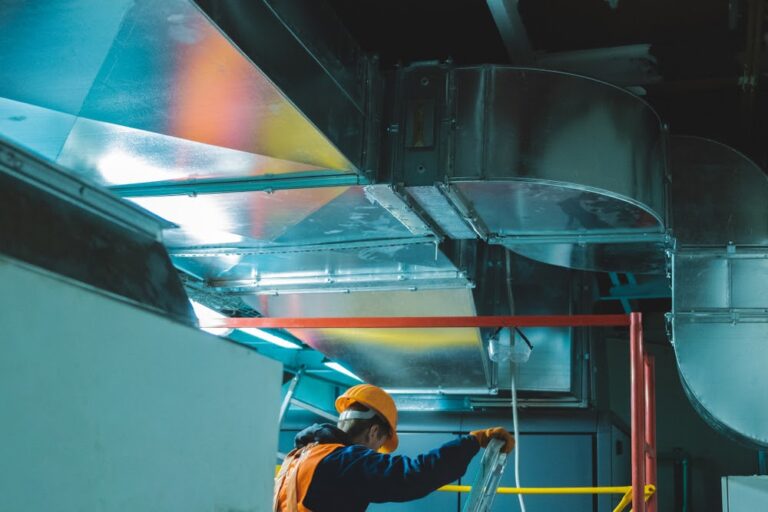
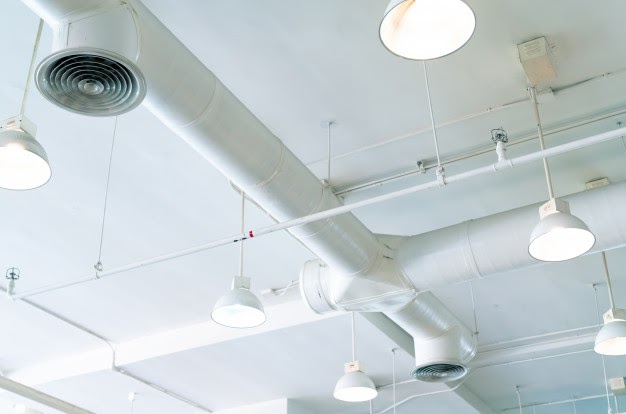
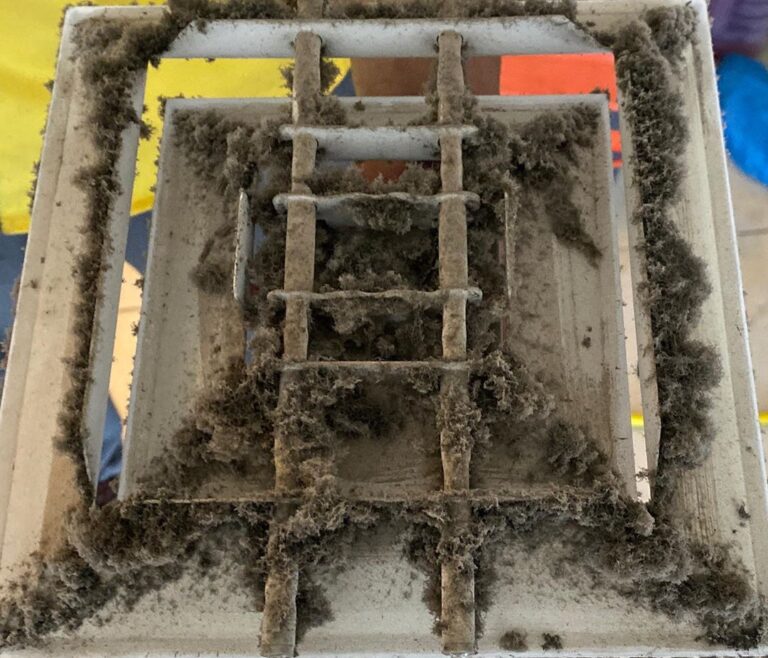
Often, the fungus on walls is just a symptom of a much larger problem hidden inside your air ducts. If the interior of your ventilation system is contaminated with mould, it acts as a spore cannon, firing millions of microscopic fungal seeds into every room of your house whenever the AC turns on.
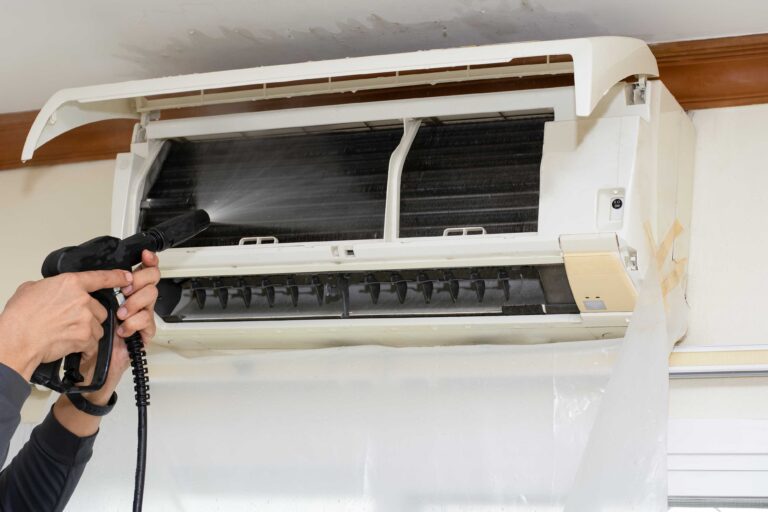
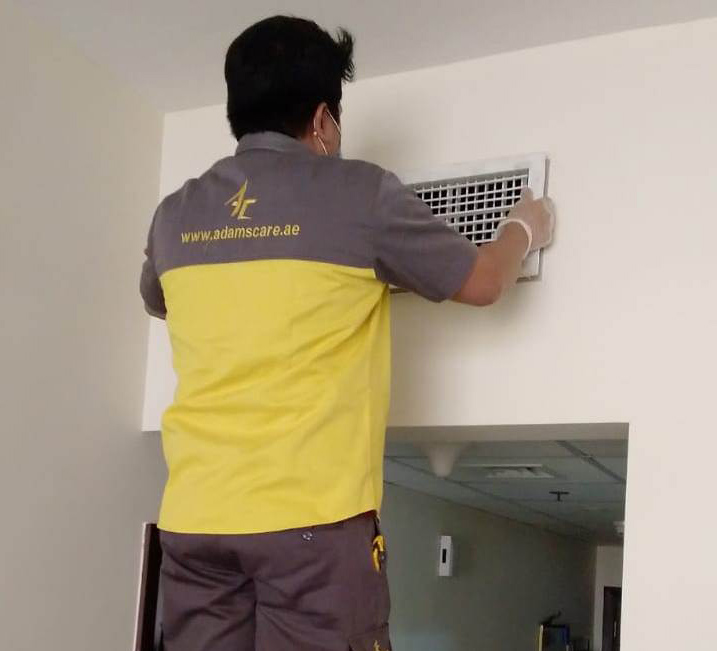
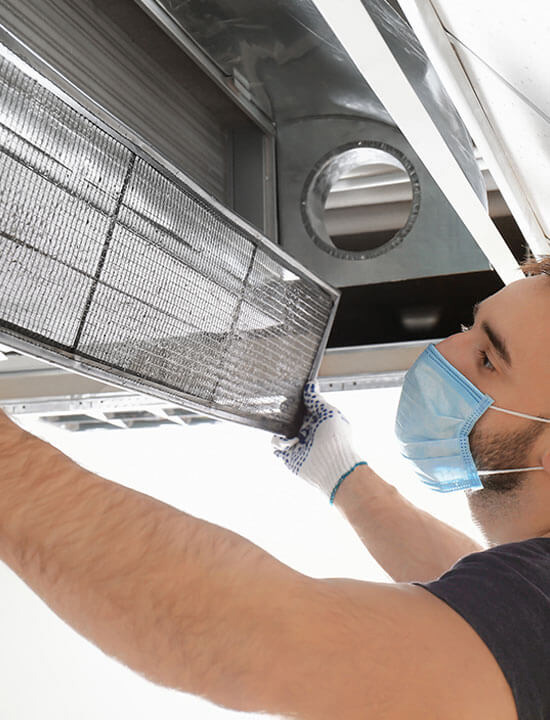
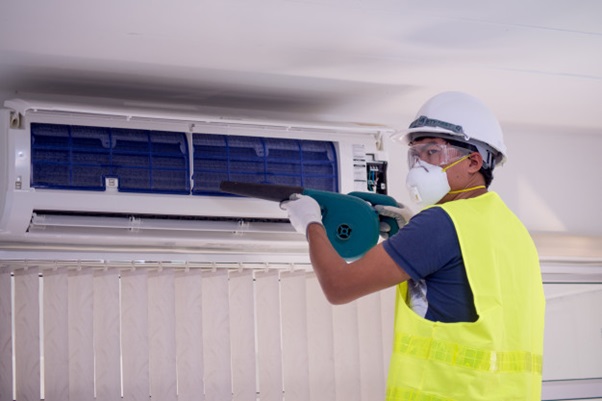
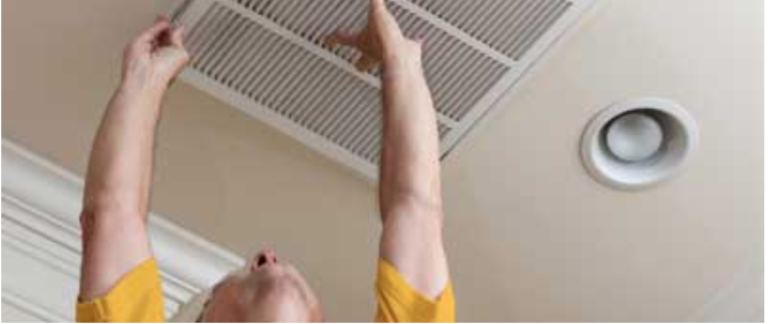
This is why spot cleaning a wall often fails. If you clean your walls but continue to see new spots appearing in different rooms, the source is likely internal. A professional AC duct cleaning can remove years of accumulated dust and allergens, significantly improving the indoor air quality and ensuring that the spores are gone for good.
Maintaining Fungus-Free Walls in Dubai
Managing fungal growth in the UAE requires a proactive approach to moisture control and consistent airflow. By identifying early signs of dampness and ensuring your climate control systems operate efficiently, you can prevent minor spores from evolving into a widespread infestation.
However, expert intervention remains the most reliable way to handle deep-seated issues that basic cleaning cannot reach. We offer sanitisation and mould remediation services that ensure your indoor air quality is restored and the underlying causes of moisture are permanently addressed. These professional solutions provide the technical depth needed to eliminate hidden colonies within your walls and ductwork, giving you long-term peace of mind and a protected home environment.
Frequently Asked Questions
-
Can a dirty AC unit cause wall stains?
Yes. A blocked AC drain or contaminated ducts can leak moisture or blow spores into every room, causing stains to appear even if you just cleaned them.
-
Why does mould keep coming back after I clean it?
Scrubbing often only removes surface spores while leaving roots deep inside the wall. Without fixing the underlying moisture source, like an AC leak, it will grow back quickly.
-
Is bleach effective for removing wall stains?
No. Bleach mostly changes the color of surface spores but doesn’t kill the roots in porous paint. It also adds moisture, which can actually encourage more growth.
-
How far should furniture be from the walls?
Keep a gap of at least 2 to 3 inches. This allows air to circulate and prevents stagnant, humid pockets behind furniture where mould thrives.
-
When should I call a professional instead of doing it myself?
Call a pro if the stain is large, deep, or on porous surfaces like drywall. DIY methods rarely reach the roots, and professionals can safely contain spores and fix the moisture source.
























Scan For a Free Quote
Looking for the best AC Duct cleaning service in Dubai?


