Call us or make an online inquiry for a quick cost estimate.

Mar 11, 2026
How to Clean AC Coils Like a Pro: 2026 Guide
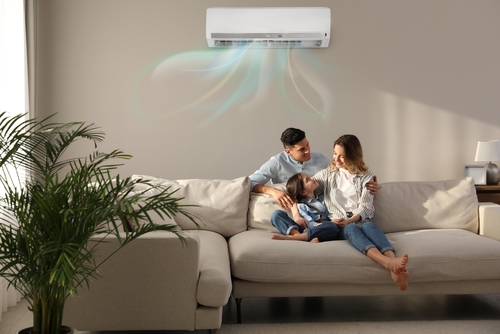
Air conditioners play an essential role in keeping indoor spaces comfortable, especially in warm climates where systems often run for long hours. Over time, airborne particles accumulate inside the unit, reducing its efficiency.
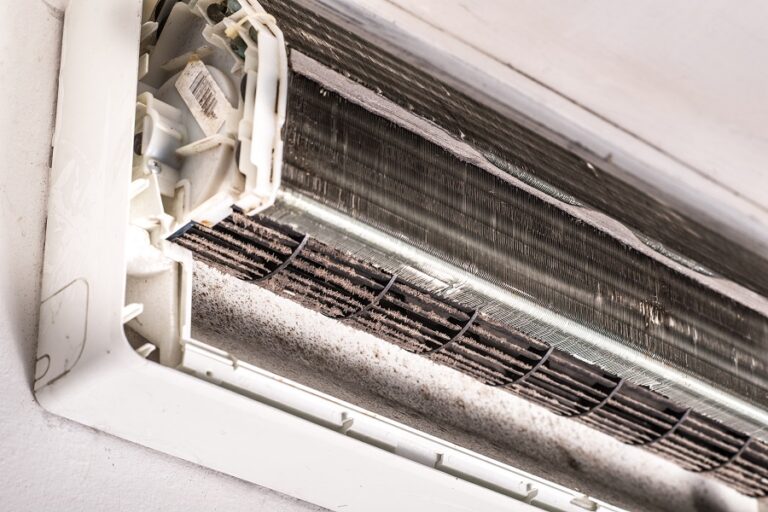
One component that is particularly sensitive to dust buildup is the AC coil. When coils become dirty, the system struggles to transfer heat properly. This forces the air conditioner to work harder, increasing energy use and placing extra strain on internal parts.
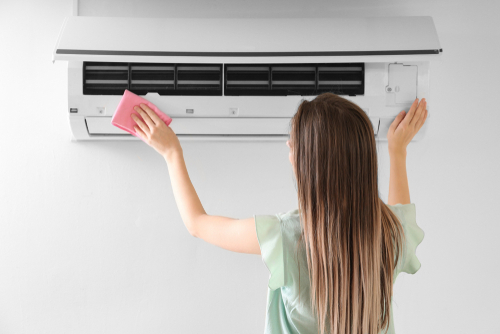
Understanding how to clean AC coils helps maintain consistent cooling performance and prevents unnecessary wear on the system. In this guide, we’ll explain what AC coils do, why keeping them clean matters, and how to clean AC coils safely using the right methods and tools.
What Are AC Coils?
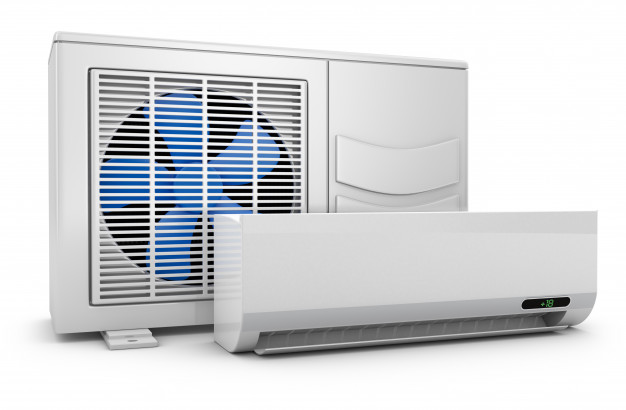
Air conditioners cool a room by removing heat from the indoor air and releasing it outside. AC coils are the components that make this process possible. They allow the system to capture heat from indoors and move it through the cooling cycle.
Inside the unit, refrigerant flows through these coils while air passes around them. As warm air comes into contact with the coil surface, the refrigerant absorbs the heat and carries it away. As the heat is removed, the air that flows back into the room becomes cooler.
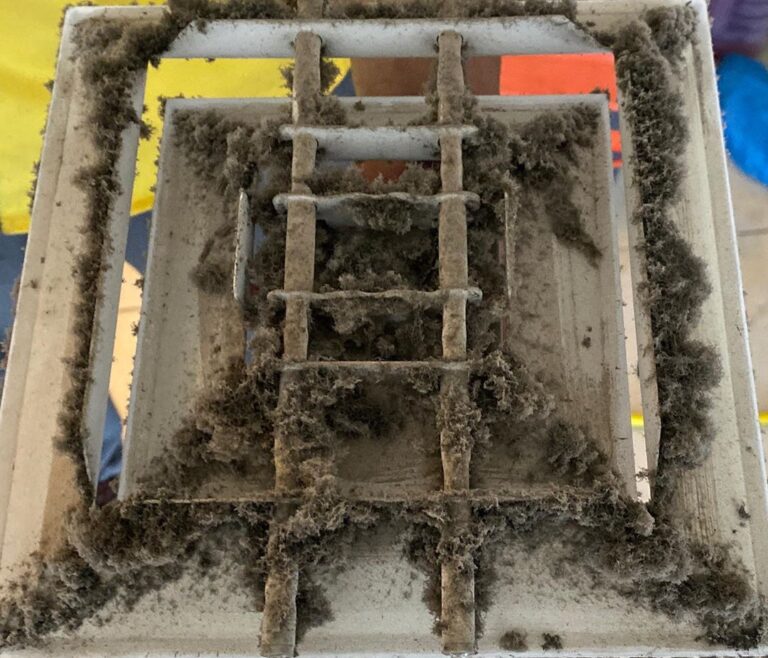
Because coils are constantly exposed to moving air, they naturally collect dust and small airborne particles over time. This buildup can gradually affect how easily air moves through the system, which is why regular coil cleaning is an important part of AC maintenance.
Types of AC Coils
Air conditioners rely on two primary coil components to complete the cooling cycle. Each plays a distinct role in transferring heat and maintaining efficient system performance.
Evaporator Coil
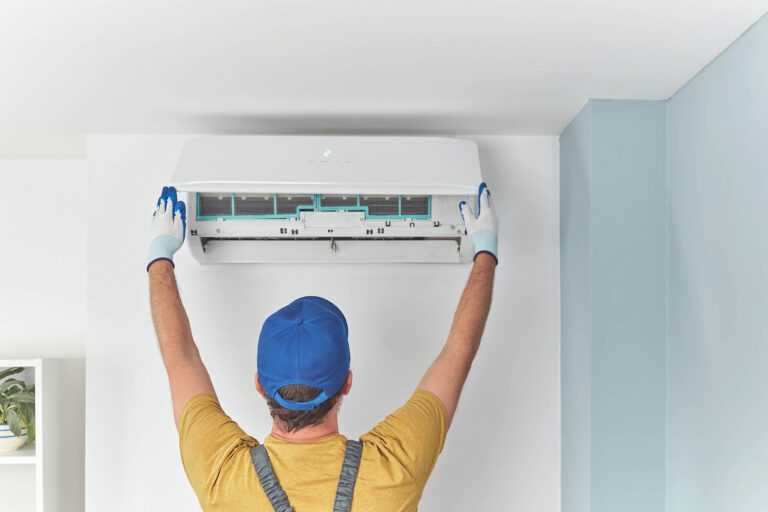
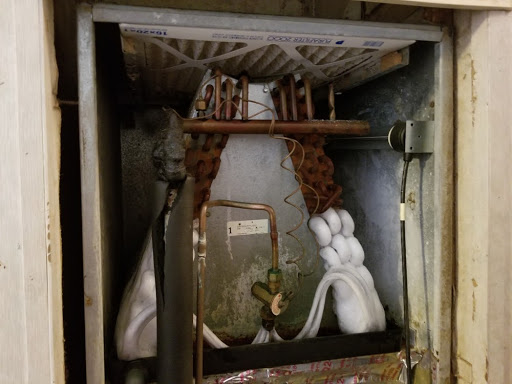
Located within the indoor unit, the evaporator coil sits near the air handler or the blower assembly, where air moves through the system before circulating back into the room. Because it is located inside the system’s airflow path, it works closely with filters and ventilation components.
Condenser Coil
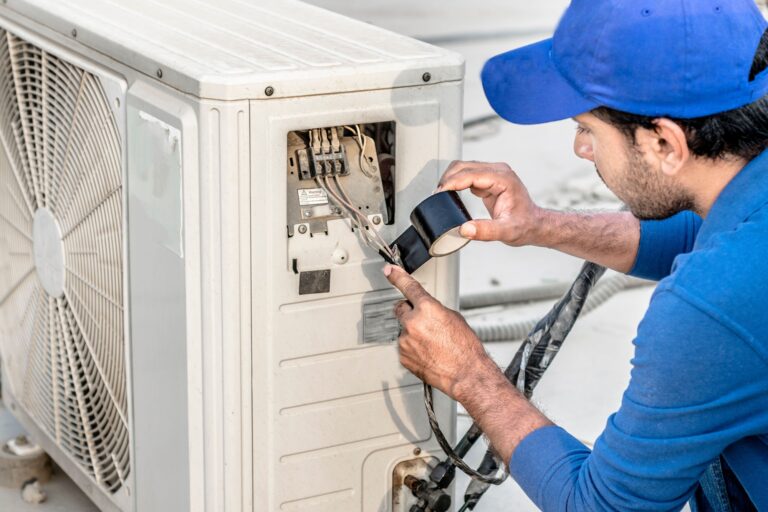
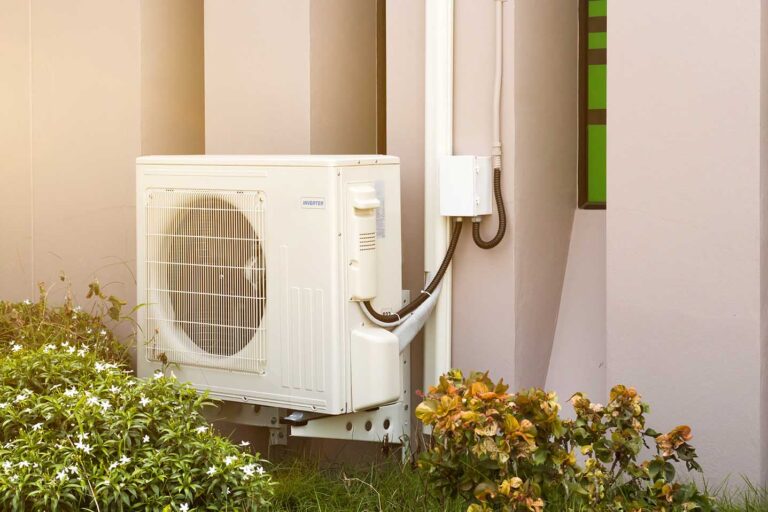
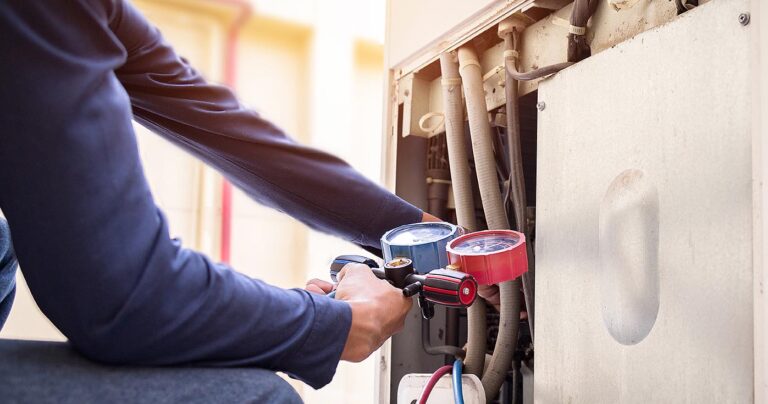
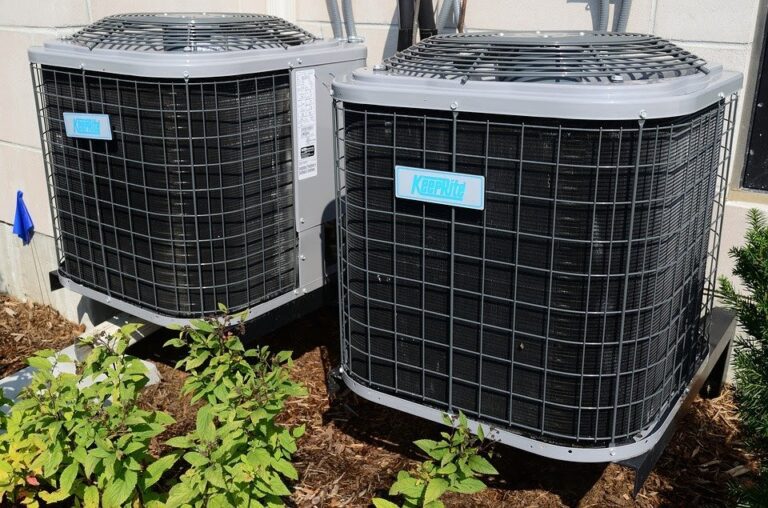
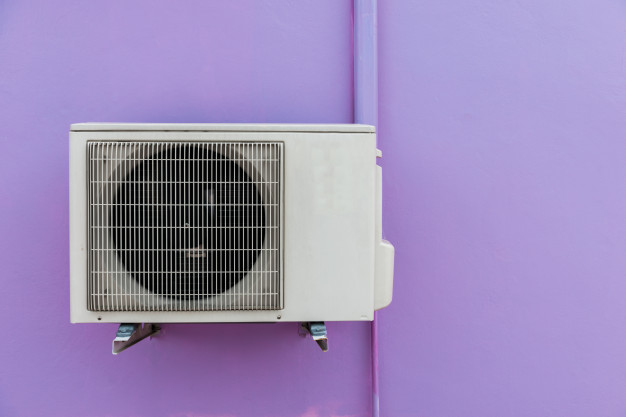
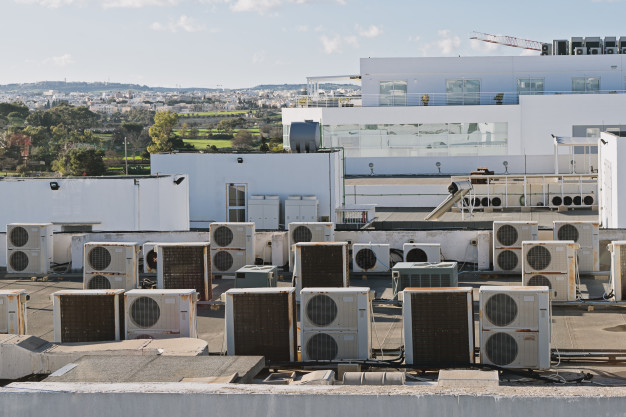
This coil is located in the outdoor condenser unit, which is the section of the air conditioner placed outside the building. The condenser coil works together with the unit’s fan to release heat from the system. Since it operates outdoors, it is often exposed to surrounding elements such as dust, sand, leaves, and debris.
How to Clean AC Coils at Home
Learning how to clean AC coils does not require advanced technical knowledge. However, the coil surface and its surrounding parts are extremely sensitive, so careful handling is essential throughout the process.
To help you carry out each task properly, the steps below provide a detailed guide on what to do:
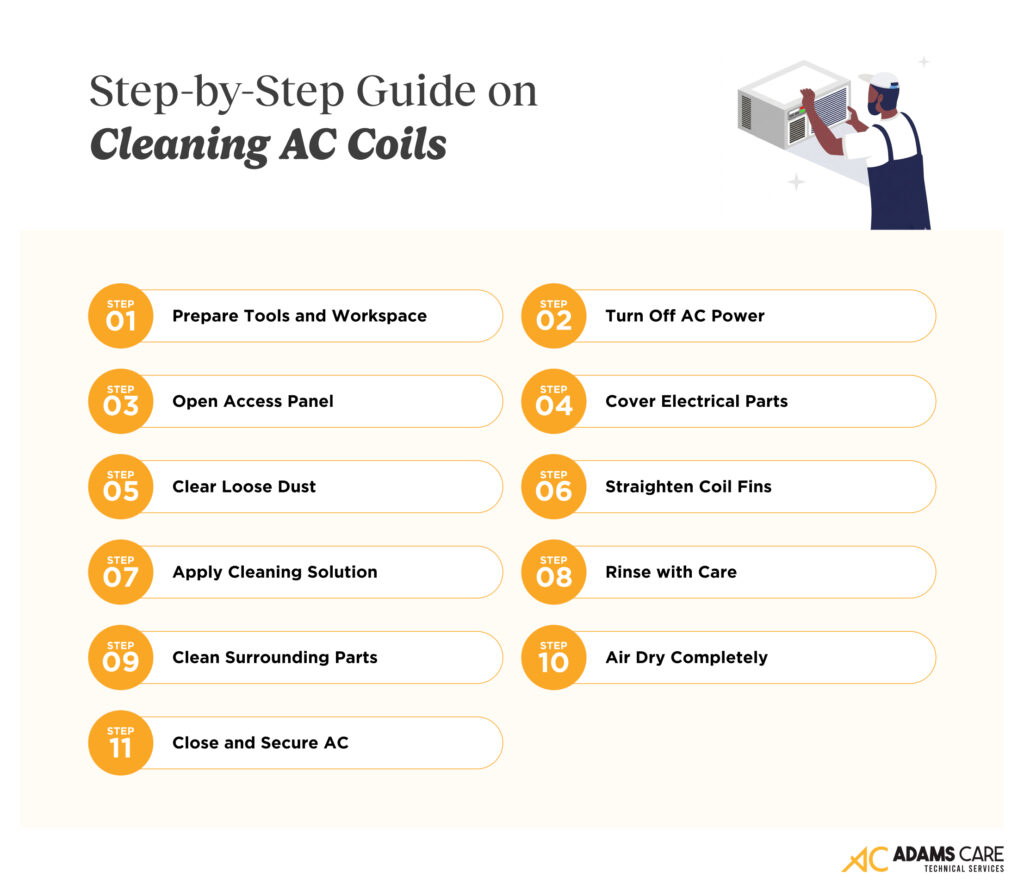
1. Gather Tools and Set Up the Work Area
To get started, it helps to bring everything within reach first, like:
- Screwdriver or nut driver
- Soft brush
- Vacuum with a brush attachment
- Microfibre cloths or shop towels
- Fin comb
- Pump sprayer
- Coil cleaner (foaming or non-foaming)
- Gloves and eye protection
2. Power Down Properly
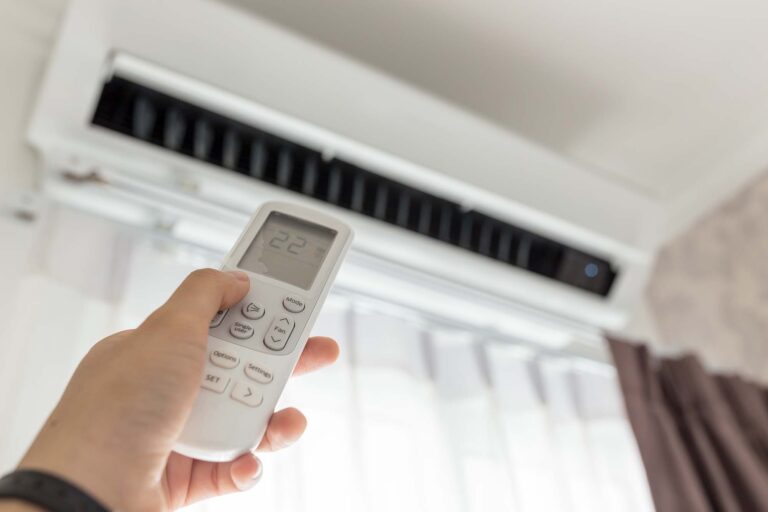
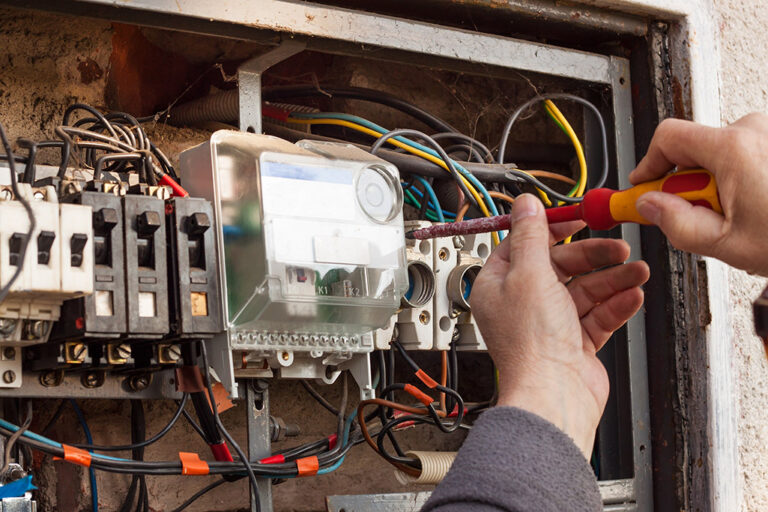
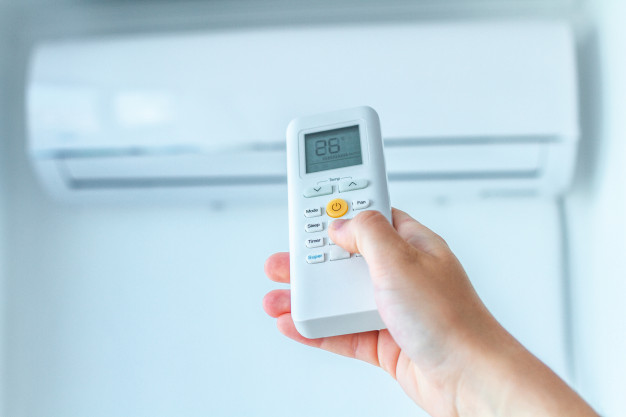
Before opening the unit, make sure the air conditioner is completely disconnected from power. Switching the system off from the remote or thermostat alone is not enough, as electricity may still be flowing through internal components.
Turn off using the control panel first, then shut off the dedicated circuit breaker or power isolator connected to the AC.
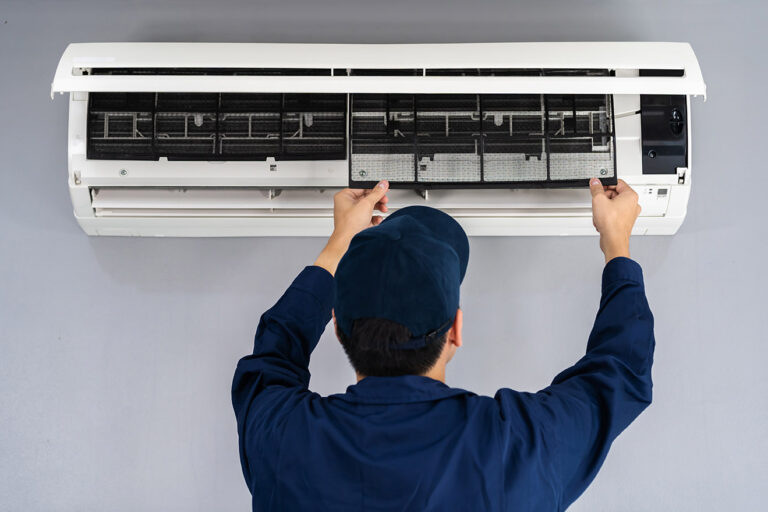
3. Open the Unit Carefully
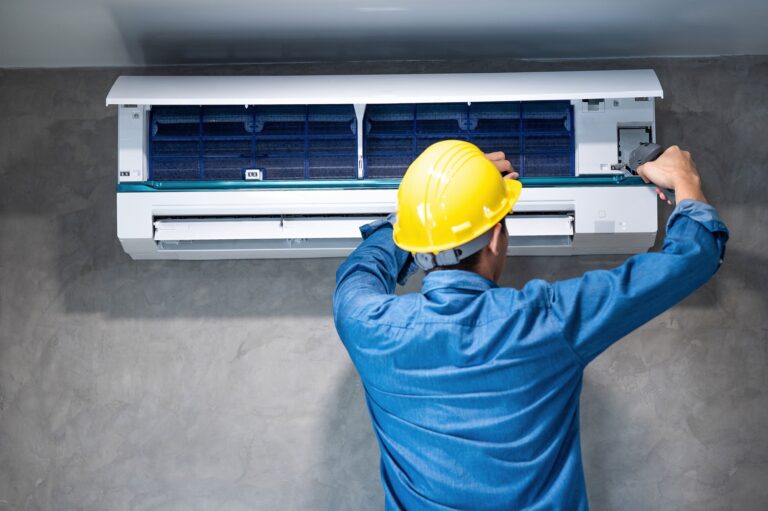
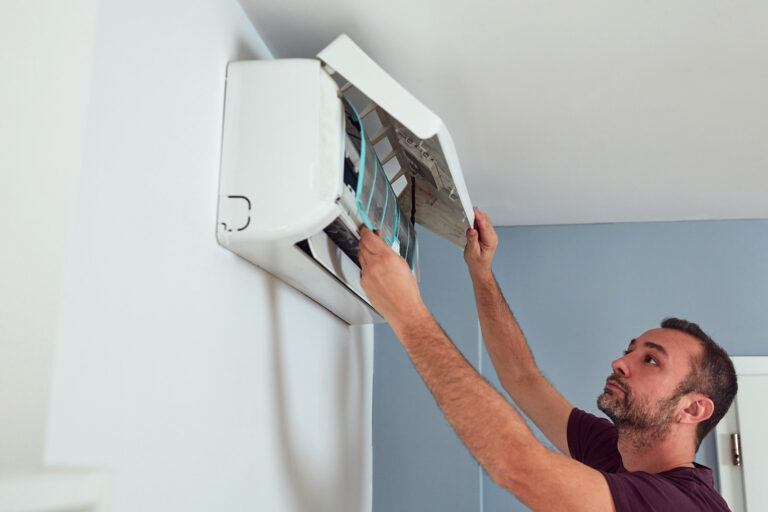
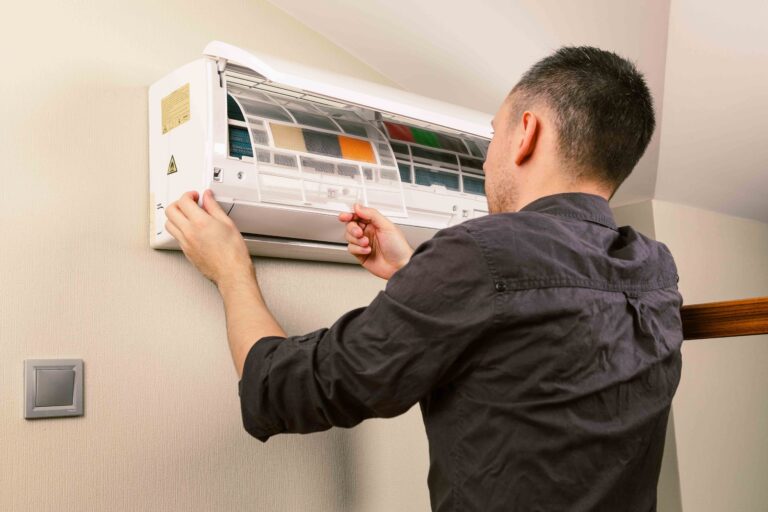
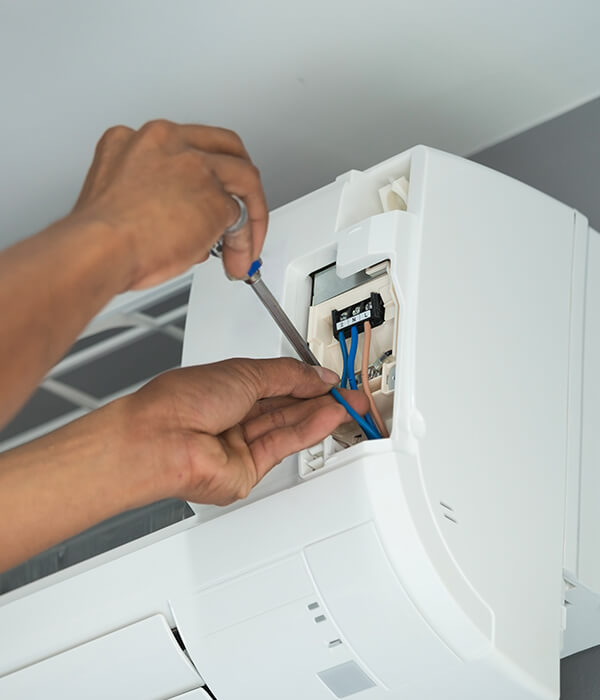
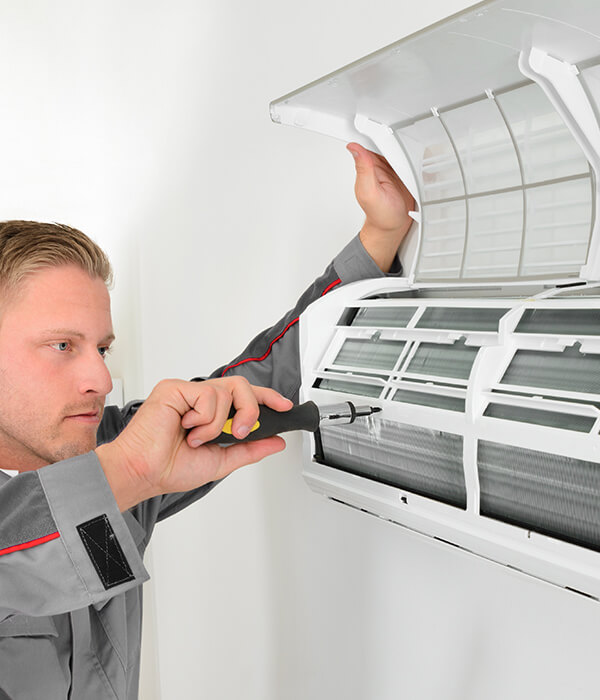
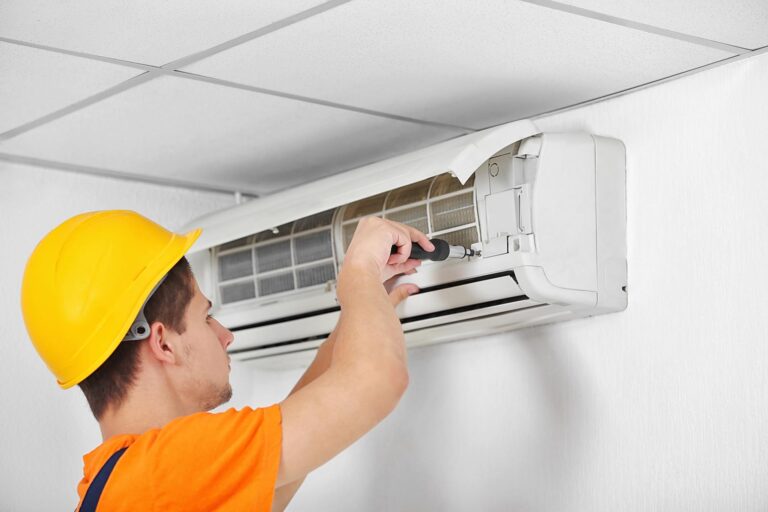
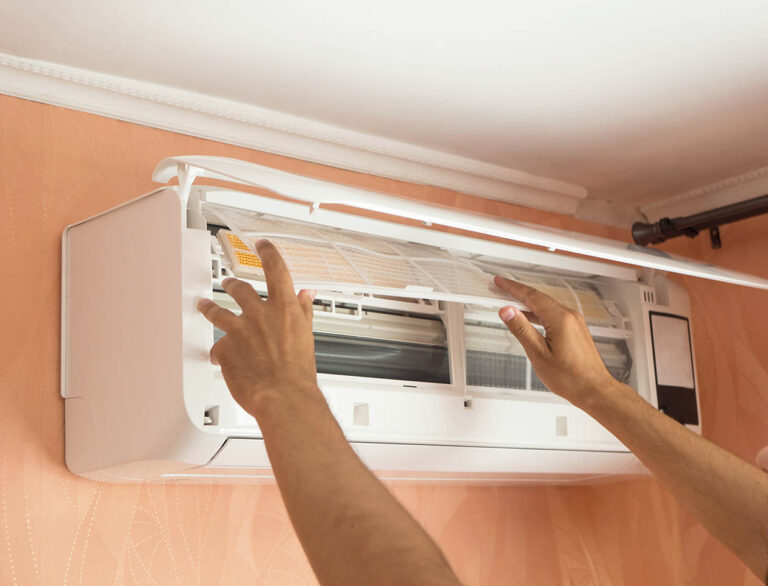
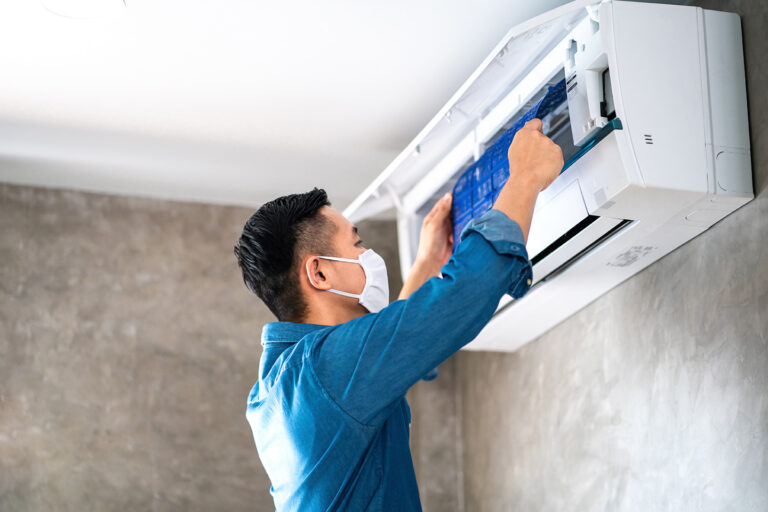
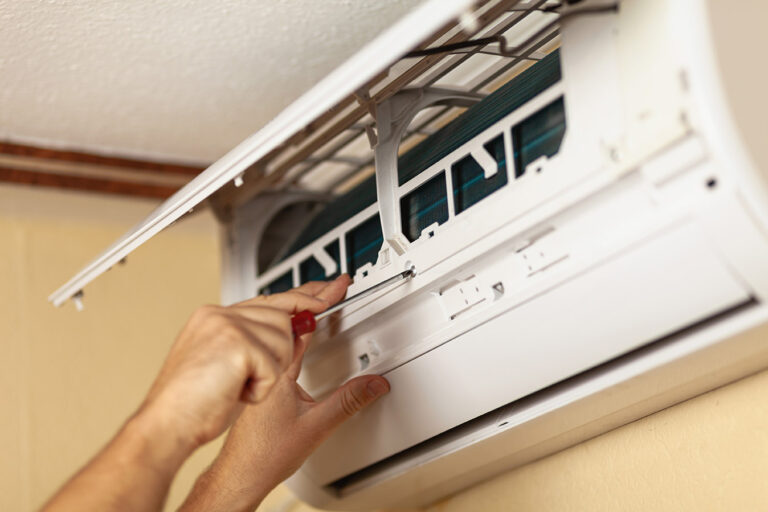
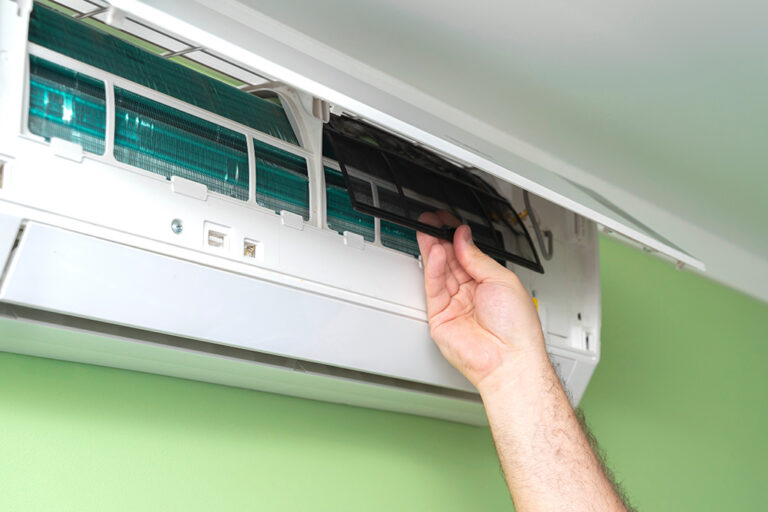
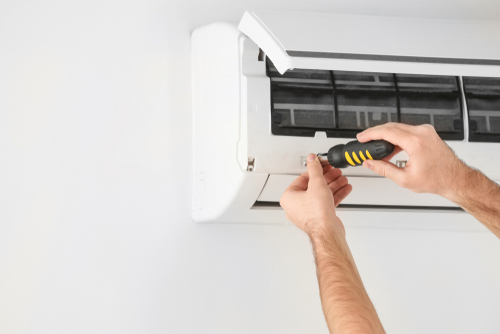
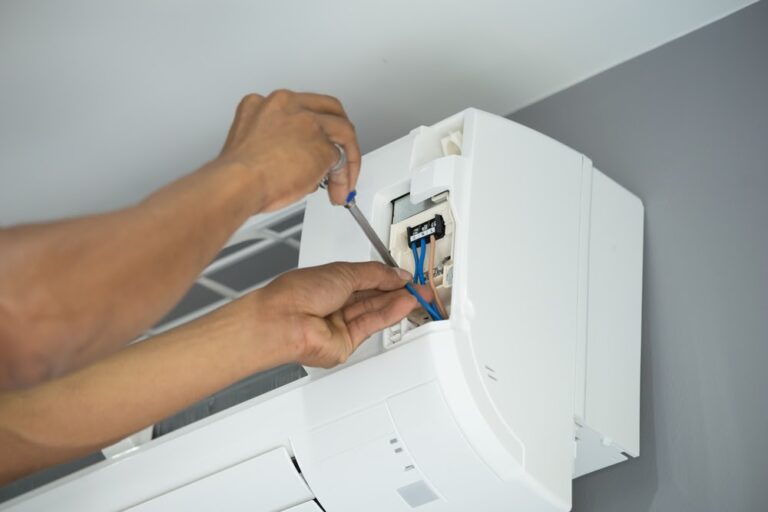
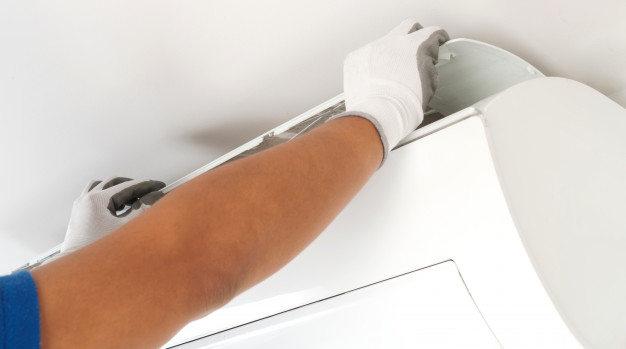
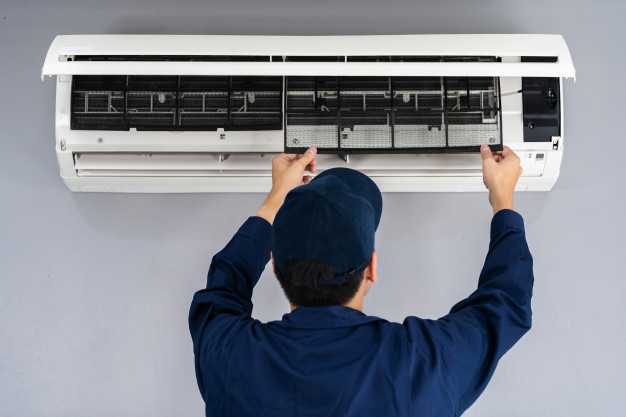
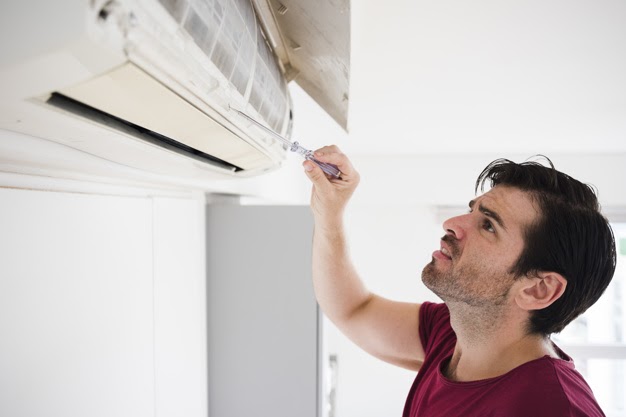
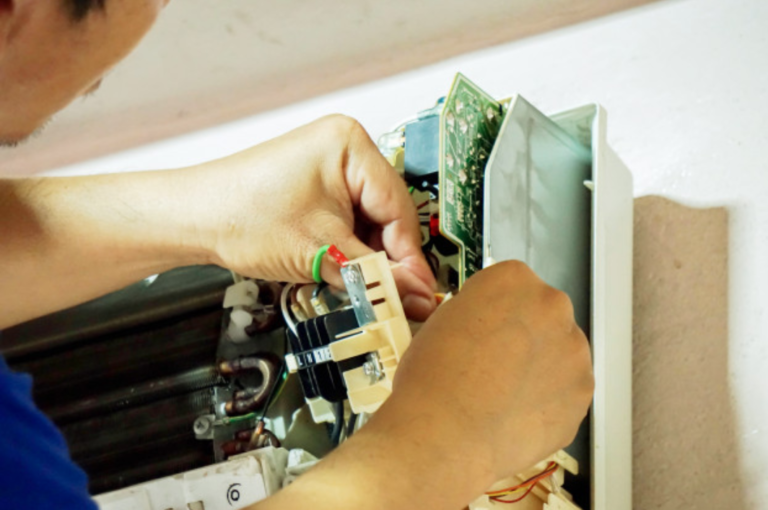
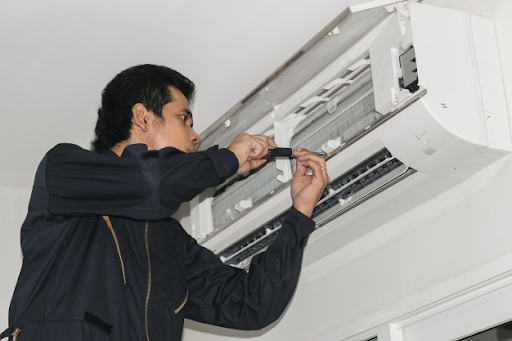
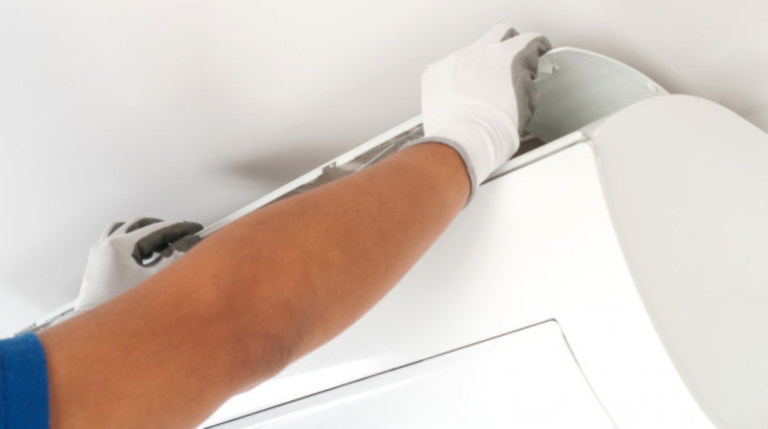
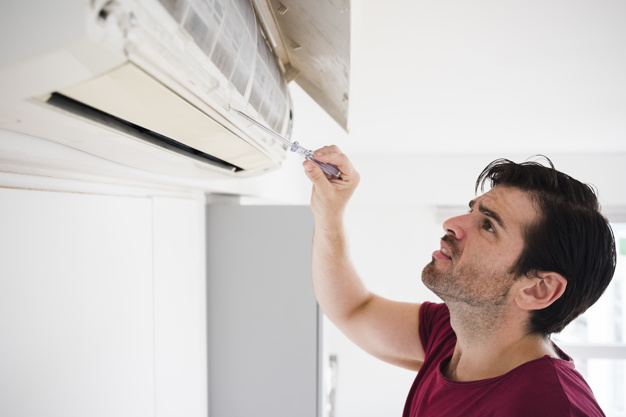
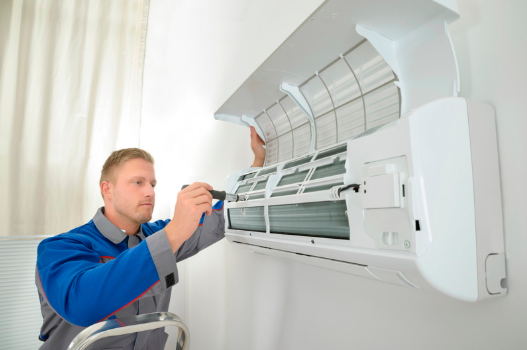
Accessing the coil requires removing protective panels from the unit. Use the correct screwdriver or nut driver to loosen the screws without stripping them. As each panel is removed, keep the fasteners in a small container so they are not misplaced.
Some covers include tabs that slide into place, so lift them gently rather than forcing them out. Taking a quick photo before removing parts can help during reassembly, especially if multiple panels need to be detached.
4. Protect Sensitive Areas
Before applying any cleaning solution, locate the electrical compartments inside the unit. These areas may contain wiring, sensors, or circuit boards that should remain dry during the cleaning process. Lightly cover them with plastic to shield them from overspray without sealing them tightly.
Aside from the unit, also protect nearby walls, flooring, or furniture with a towel or plastic sheet to prevent accidental drips.
5. Dry Clean First
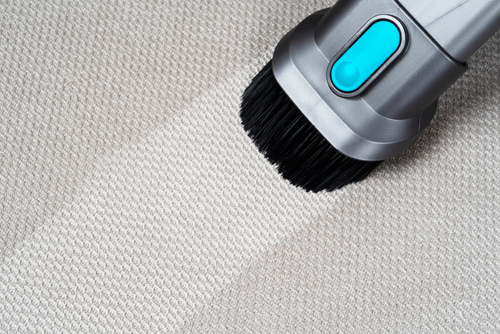
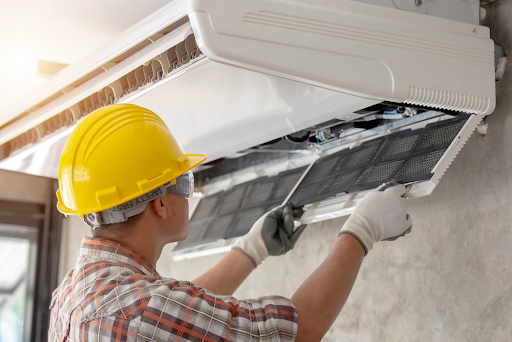
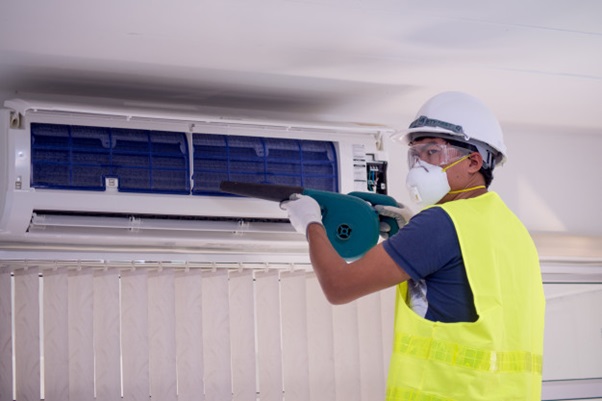
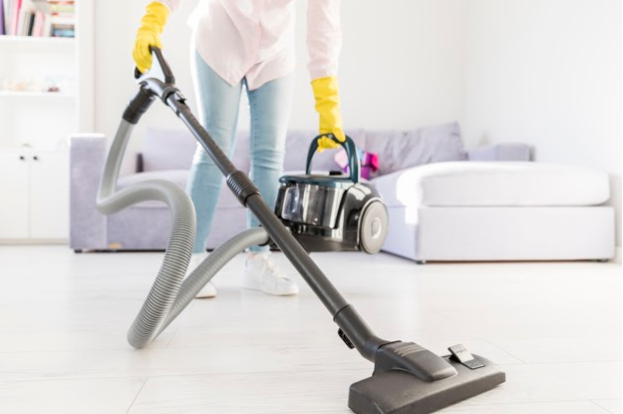
Start the cleaning process by removing surface dust from the coil area. A vacuum cleaner with a soft brush attachment works well for lifting loose particles without deforming the coil structure.
If debris remains between the fins, a soft brush can be used to gently loosen it. Always move the brush in the same direction as the fins to avoid bending them.
6. Check the Fins
Coil fins are thin and can bend easily over time. When this happens, a fin comb can be used to gently realign them by guiding it along their direction. This should be done slowly and carefully so the metal is straightened rather than forced into place.
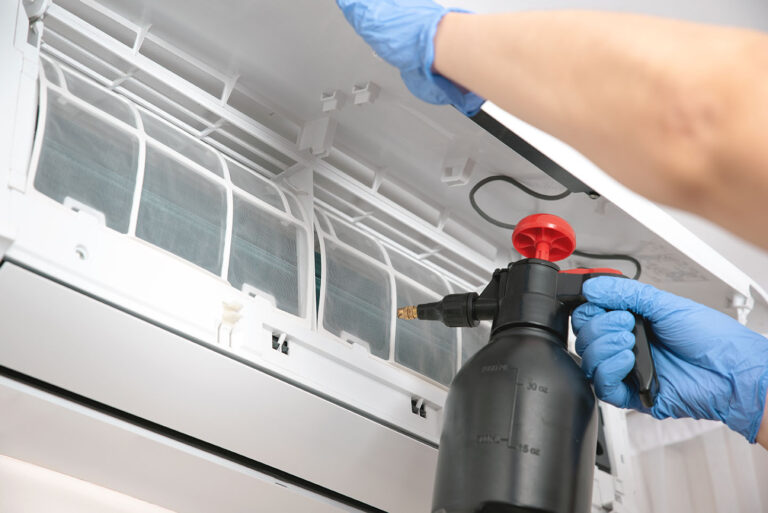
7. Apply the AC Coil Cleaner
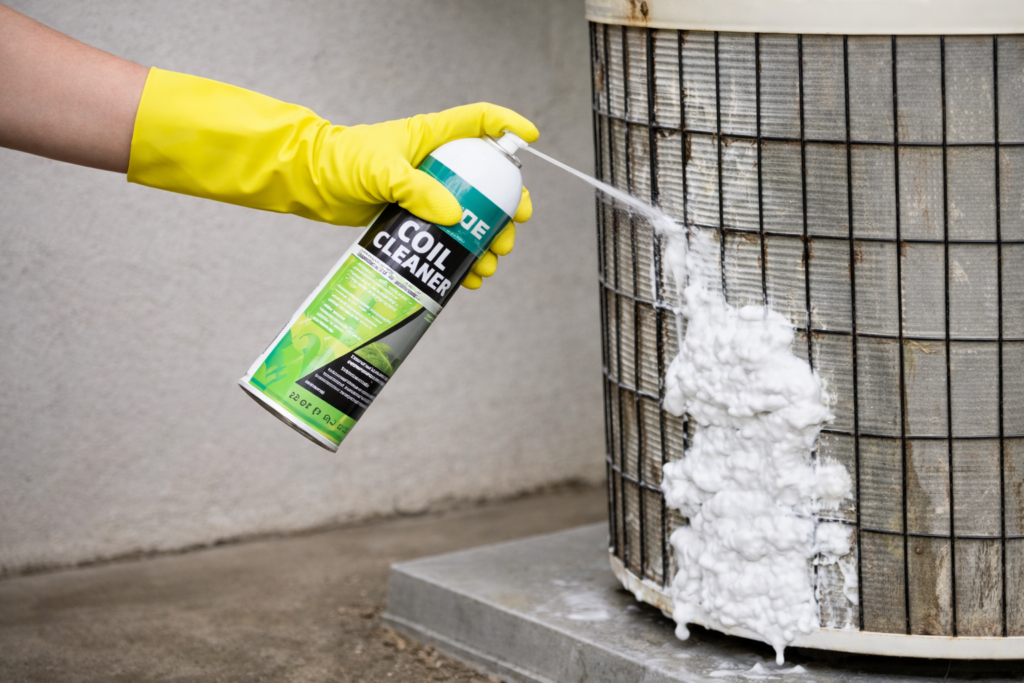
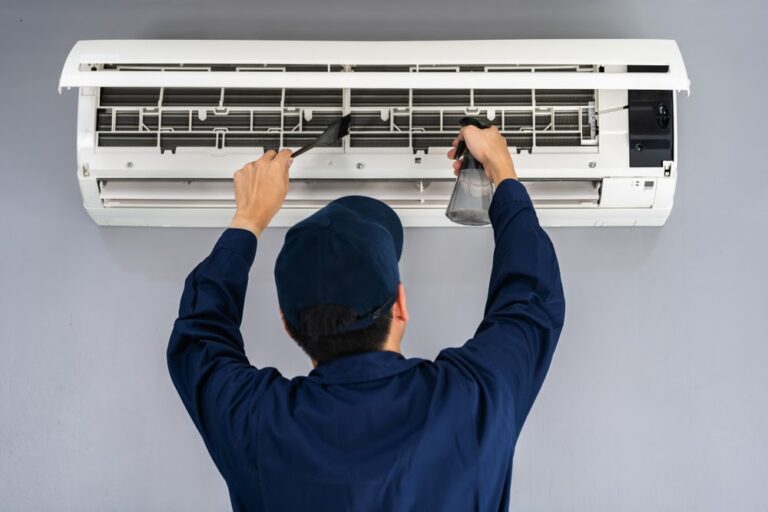
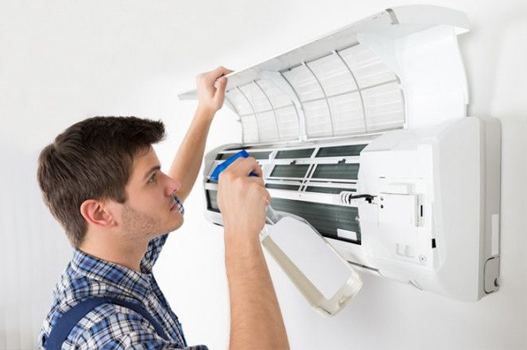
Once surface dust has been removed, apply a suitable AC coil cleaning chemical to loosen deeper buildup. Spray the solution evenly across the coil surface, starting from the top and letting it move down through the fins. Allow it to sit briefly so it can break down the residue.
If a dedicated coil cleaner is not available, a mixture of water and gentle soap may be used. Avoid strong household cleaners, bleach, or acidic products, as these can damage the coil surface.
8. Rinse Properly
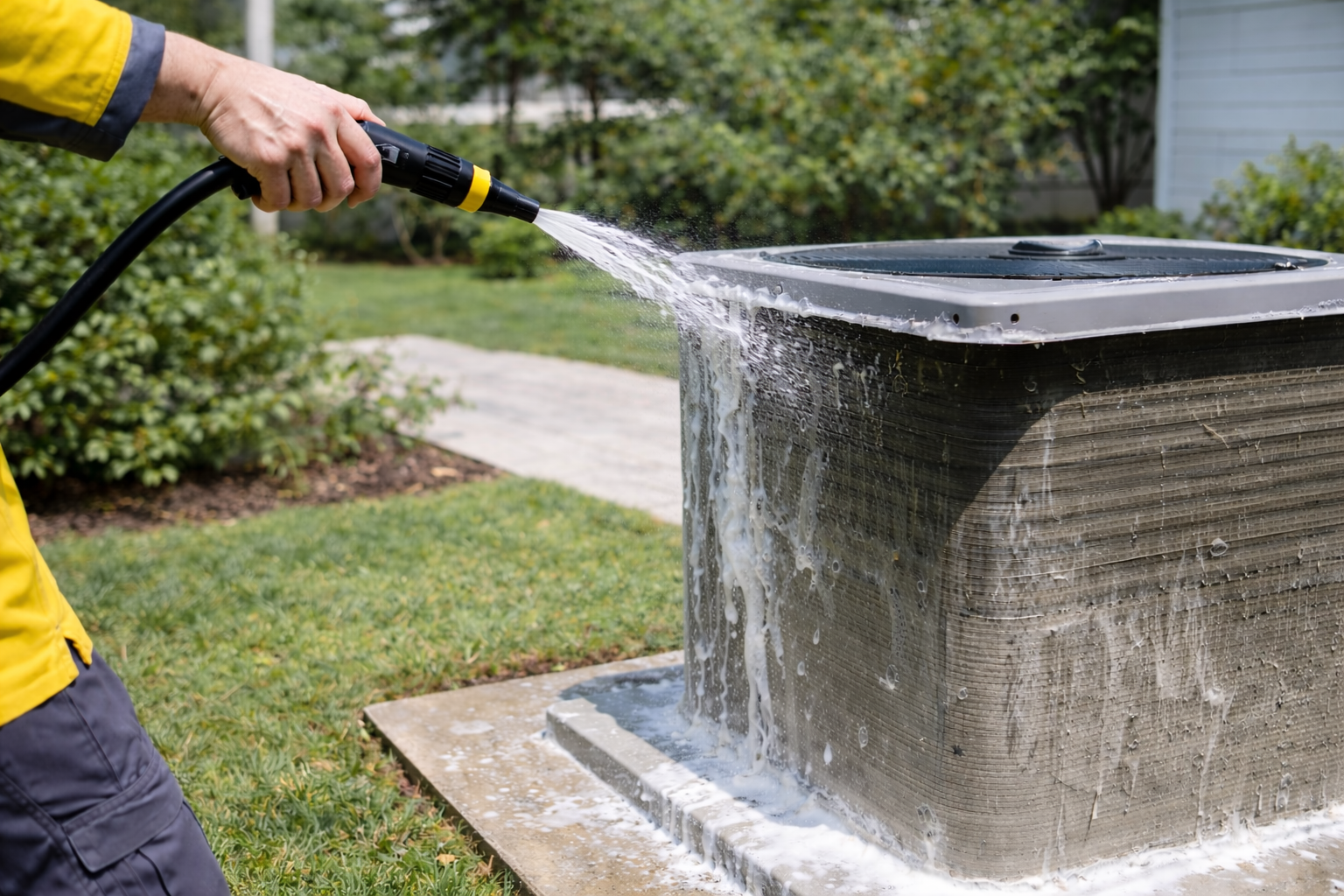
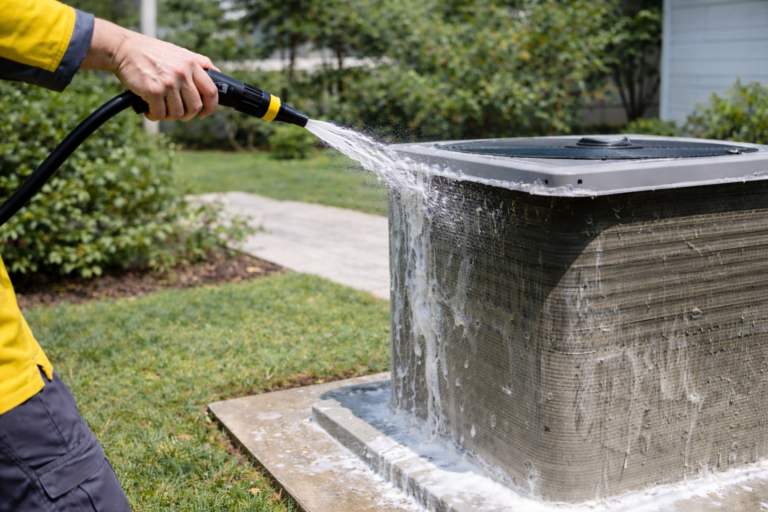
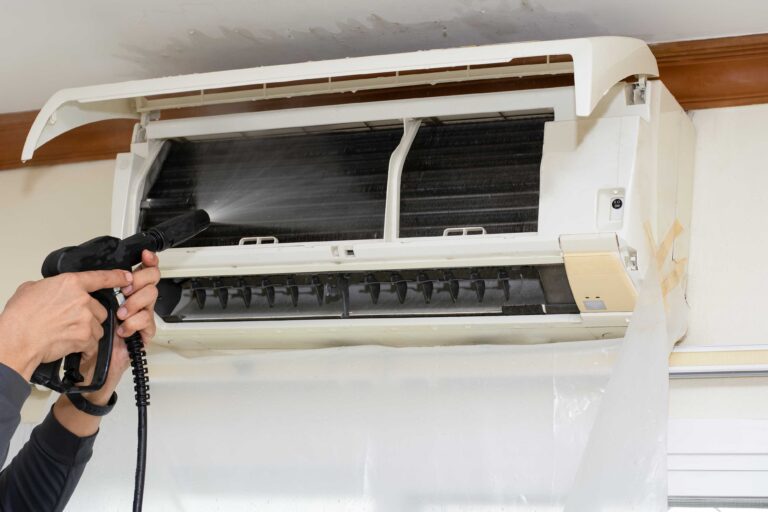
After the cleaning solution has loosened the debris, rinse the coil to remove the remaining residue. For outdoor coils, use gentle water pressure and aim the spray in a direction that pushes dirt out of the fins rather than deeper into them. Indoor coils require more caution due to nearby electrical components, so rinsing should be light and controlled.
10. Clean Surrounding Components
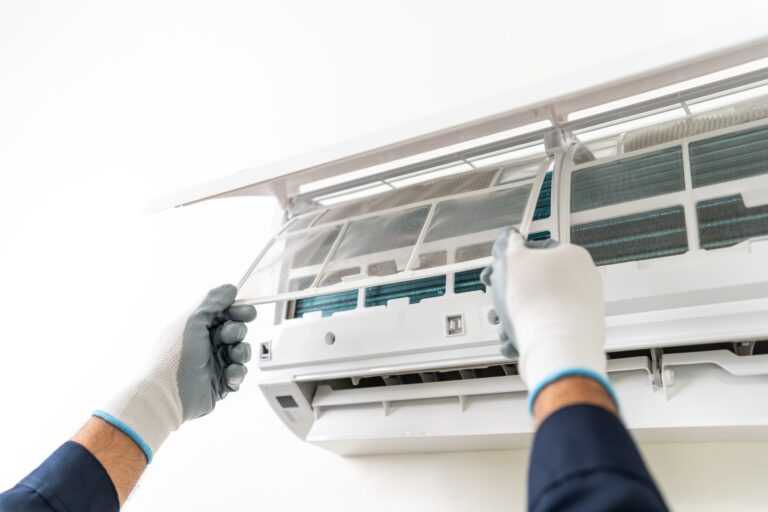
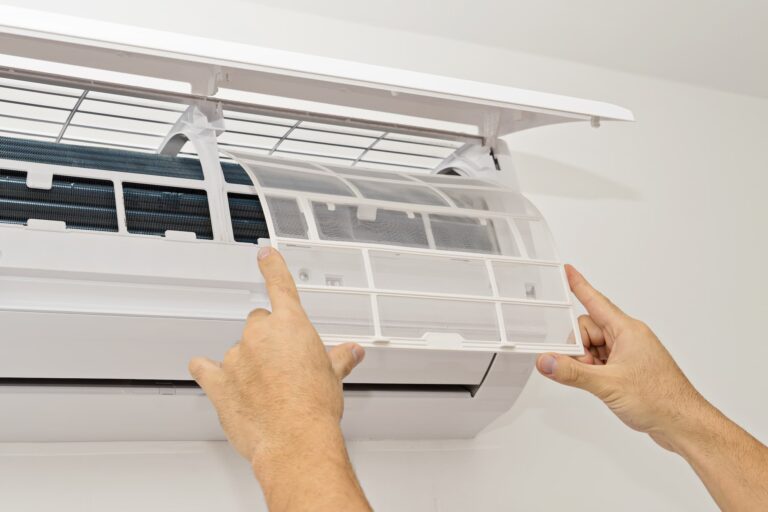
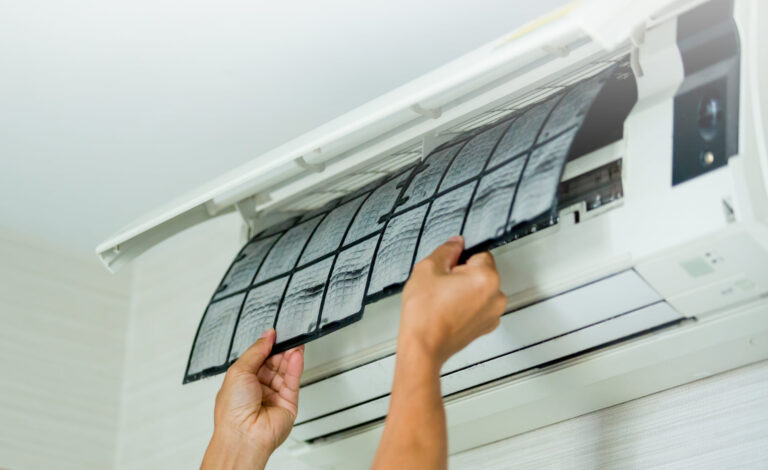
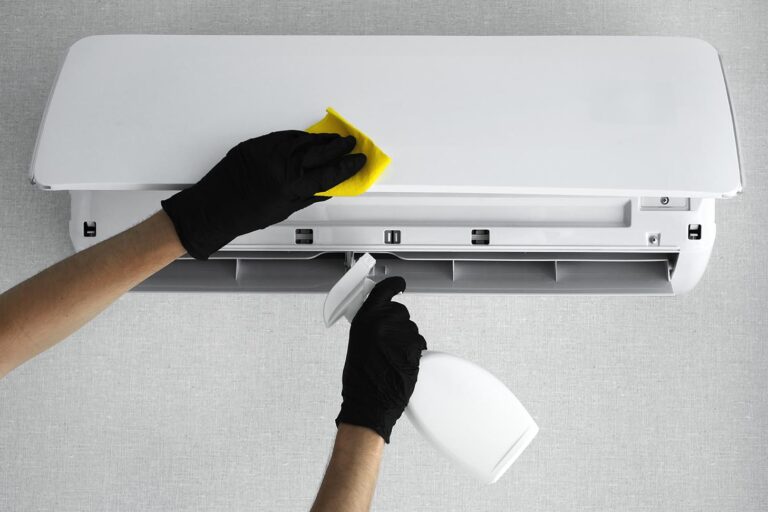
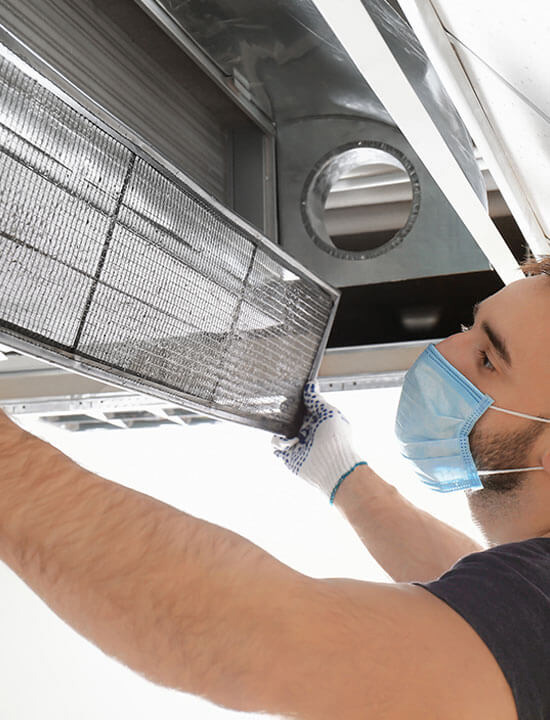
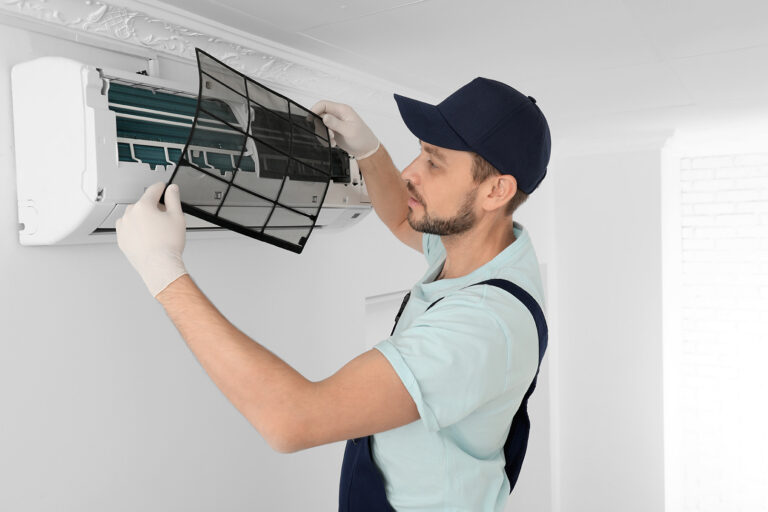
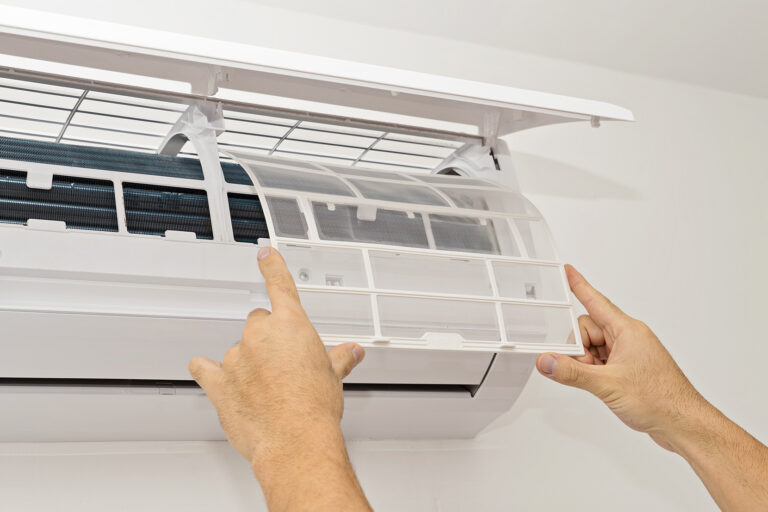
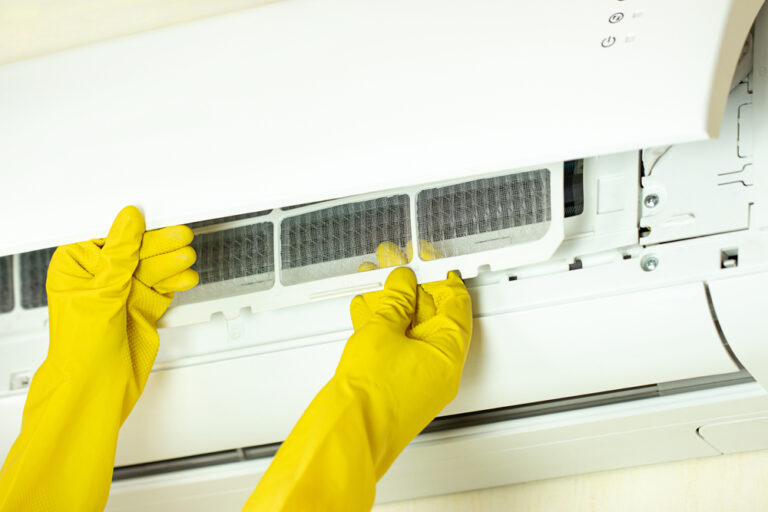
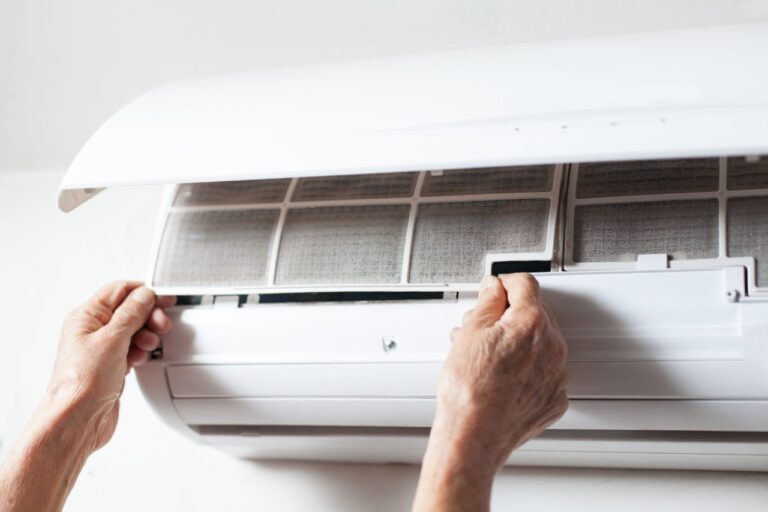
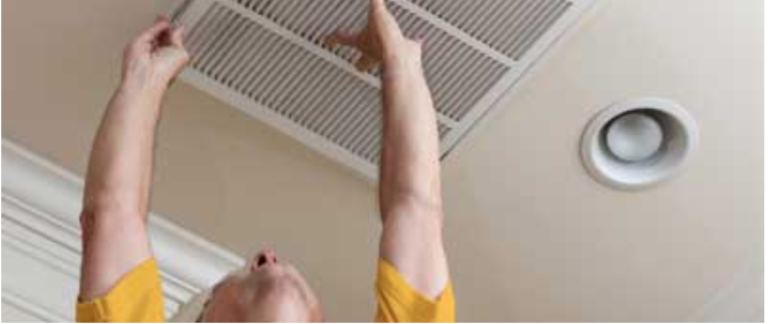
While the coil area is open, take a moment to clean nearby surfaces that affect airflow. Wipe down accessible interior panels and check the drain pan for dirt or sludge buildup. If the air filter is clogged, replacing or cleaning it at this stage helps maintain smooth airflow through the system.
11. Let the Coils Dry
Before closing the unit, allow the cleaned area to dry naturally. Remove any protective plastic from electrical components and wipe away excess moisture if necessary. This short drying period helps prevent water from remaining trapped inside the unit, which could cause mould.
12. Reassemble the Unit
Carefully return the panels to their original positions and secure them with the screws removed earlier. Align the panel edges properly before tightening the fasteners so the cover sits evenly.
Screws should be tightened firmly but not excessively, as over-tightening can damage the threads or panel structure.
Why Is It Important to Clean AC Coils?
AC coils operate at the centre of the cooling process. When their surfaces remain clean, heat transfer occurs efficiently, and the air conditioner can maintain the desired indoor temperature with minimal effort. Over time, however, dust and airborne particles begin to accumulate on the coils, and the system may begin to show several performance-related issues, such as:
Reduced Cooling Efficiency
Dust layers create a barrier that prevents the coil from interacting effectively with the air moving through the system. As a result, the air conditioner needs more time and energy to cool the space.
Poor Indoor Air Quality
Dust that settles on the coils can mix with the air moving through the system. As airflow continues, these particles may circulate throughout the room, which can affect air quality and contribute to a less comfortable indoor environment.
Increased Risk of System Damage
Restricted circulation can lead to uneven cooling inside the unit. When internal components operate under these conditions for extended periods, mechanical strain can increase.
Shorter Unit Lifespan
When an air conditioner constantly works harder than necessary, parts such as compressors and fans experience greater wear. Over time, this additional workload can reduce the overall lifespan of the unit and lead to more frequent maintenance needs.
How Often Should AC Coils Be Cleaned?
Coil cleaning is part of routine air conditioner upkeep rather than a one-time task. As dust and other particles naturally settle on system components, periodic cleaning helps maintain stable operation.
For most homes, inspecting and cleaning the coils once or twice a year is generally sufficient. However, the ideal schedule can vary depending on the environment and how often the system runs.
Properties in dusty locations or areas close to construction activity may experience faster buildup. Outdoor units near roads or open spaces can also collect more debris due to constant exposure to the surrounding environment.
System usage also plays a role. Air conditioners that operate for long hours during warmer seasons may accumulate dirt more quickly than units used occasionally.
Routine inspections help detect buildup early before it affects performance. When paired with regular AC filter cleaning, coil maintenance supports consistent airflow and helps the cooling system run more efficiently throughout the year.
Professional AC Coil Cleaning Services
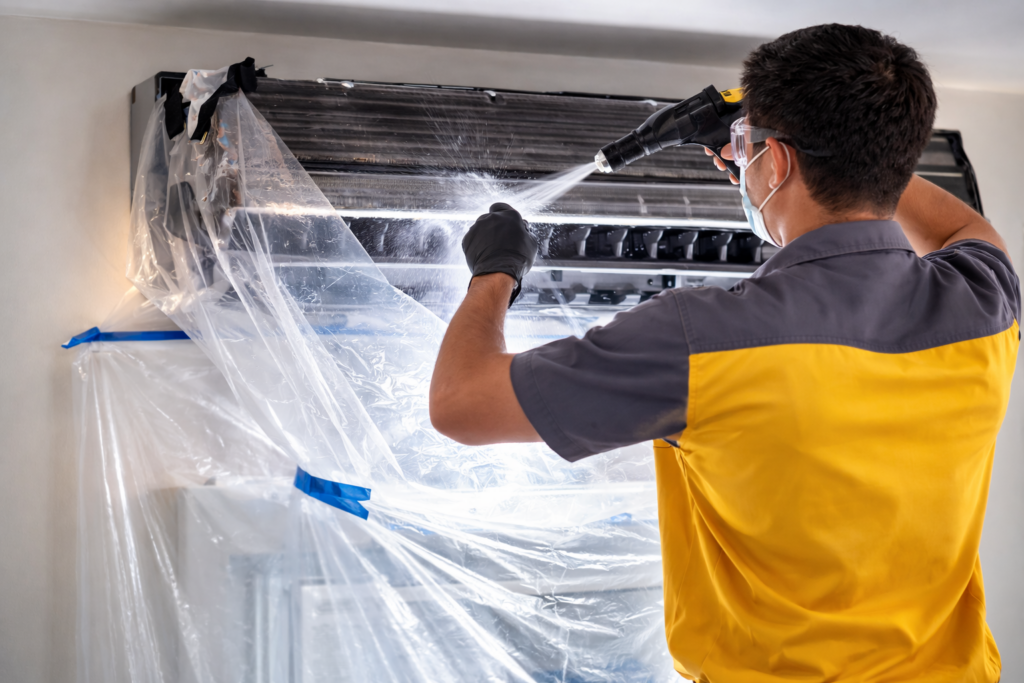
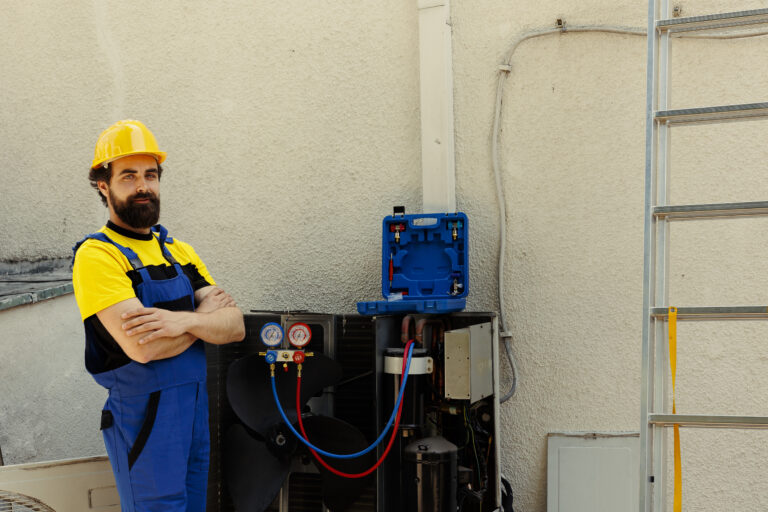
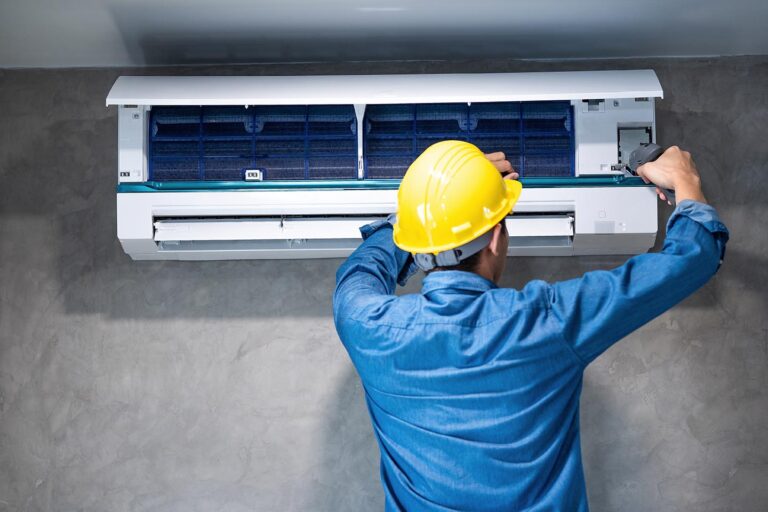
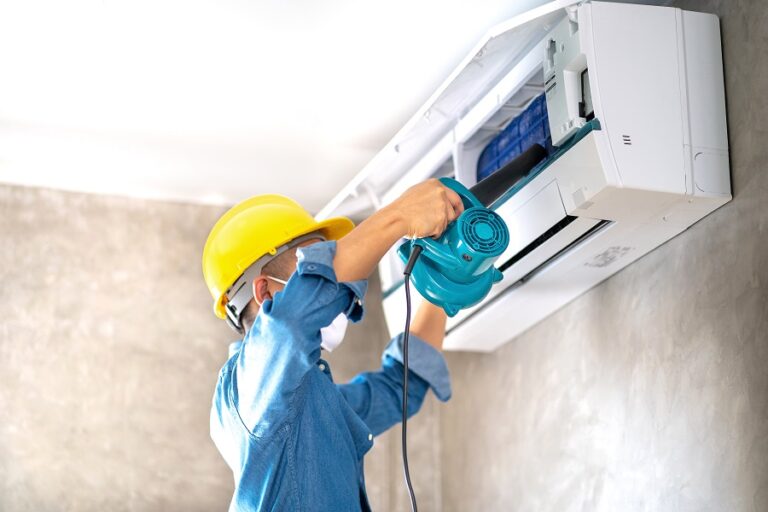
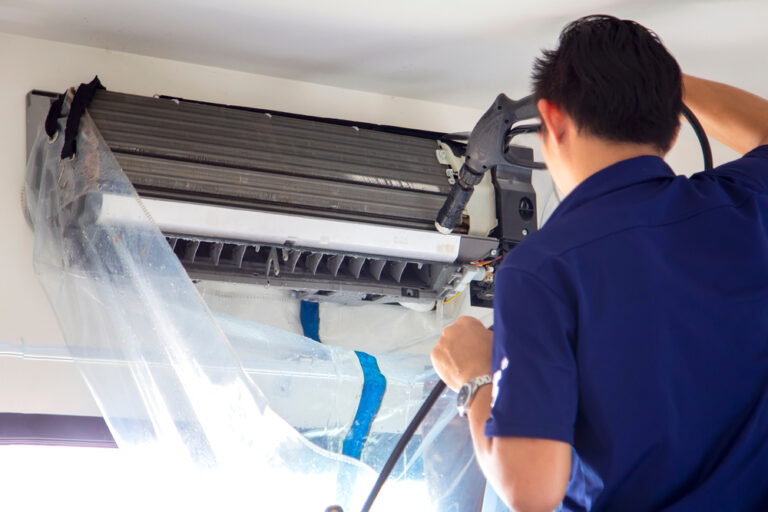
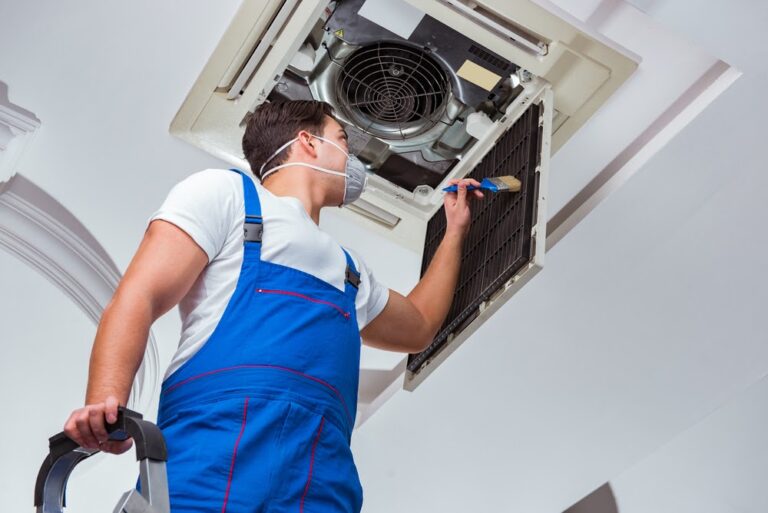
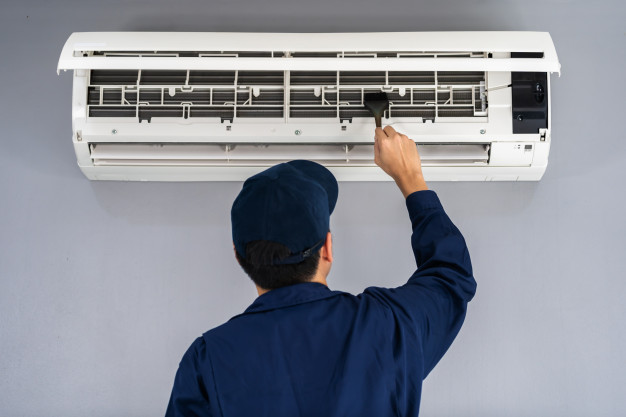
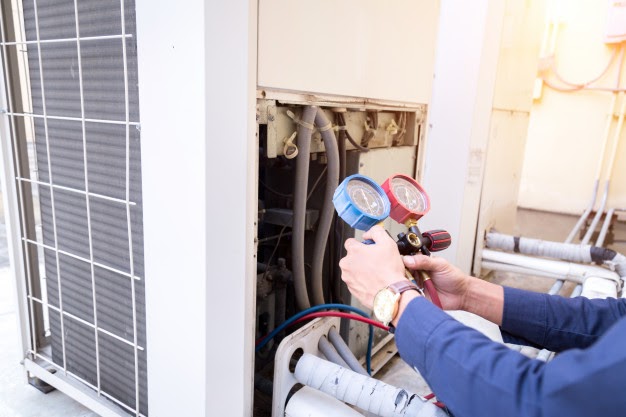
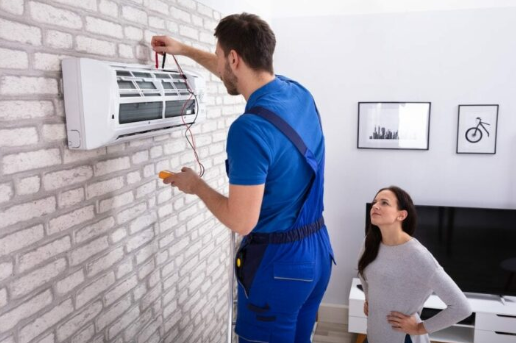
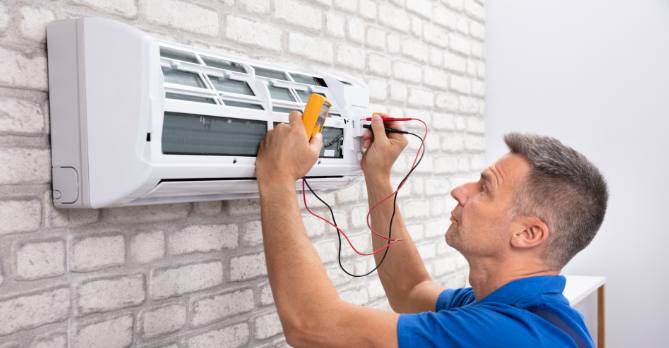
While basic cleaning can be performed during routine home maintenance, professional servicing offers a more thorough approach. Technicians use specialised tools and system-safe solutions designed specifically for air conditioning components. These allow them to reach areas that are difficult to access and remove buildup that ordinary household tools may not fully clear.
A professional visit also includes checking nearby components that influence system performance. Airflow passages, drainage points, and ventilation openings are inspected to confirm that the unit is operating under proper conditions.
When coil buildup requires deeper attention, our team provides support through comprehensive AC cleaning and system care. We address coil deposits as part of a broader maintenance approach that also considers airflow condition, filter hygiene, and overall unit performance.
For ongoing care, our annual maintenance plans help ensure coils and other critical components are inspected and serviced regularly, supporting consistent temperature control.
Improve Long-Term AC Care by Learning How to Clean AC Coils
Taking care of your air conditioning system often begins with understanding how its key parts function and how small maintenance habits can make a difference over time. Paying attention to components like AC coils allows you to spot early signs of buildup and address them before they affect comfort or system reliability.
While some upkeep can be handled during routine home maintenance, there may be times when the condition of the system calls for more careful attention. When that happens, having a trusted team to turn to can make the process easier and more reassuring.
If you ever feel unsure about the condition of your coils or prefer professional support, our team is always here to help. We are ready to assist with AC repair, cleaning, and inspection so your system continues to operate smoothly when you need it most.
Frequently Asked Questions
Are indoor and outdoor coils cleaned the same way?
The overall objective is similar, but the cleaning approach differs because of their location. Indoor coils require extra care due to nearby electrical components, while outdoor coils can usually be rinsed more directly once debris is removed.
How long does a typical coil cleaning service take?
Most AC coil cleaning services take about 1 to 1.5 hours for a single unit under normal conditions. If the coils are heavily clogged or access is limited, the process may take up to 2 hours because technicians need to clean carefully and inspect surrounding components.
What are the signs that a professional inspection might be needed?
Signs may include weaker cooling performance, unusual sounds from the unit, or ice forming on indoor components. Persistent airflow problems or recurring debris around the outdoor unit can also indicate the need for professional attention.
What happens if AC coils are never cleaned?
Dirt buildup can gradually interfere with the system’s ability to transfer heat efficiently. Over time, this can lead to longer cooling cycles, increased strain on internal components, and reduced overall system performance.
Is an AC coil cleaning machine necessary for every cleaning job?
Not always. Light buildup can often be addressed through careful manual cleaning. However, when debris is deeply embedded between the fins, technicians may use an AC coil cleaning machine to remove it more effectively.



















































































Scan For a Free Quote
Looking for the best AC Duct cleaning service in Dubai?


