Call us or make an online inquiry for a quick cost estimate.

Mar 11, 2026
Expert Guide to AC Filter Cleaning (2026): Tips and Importance
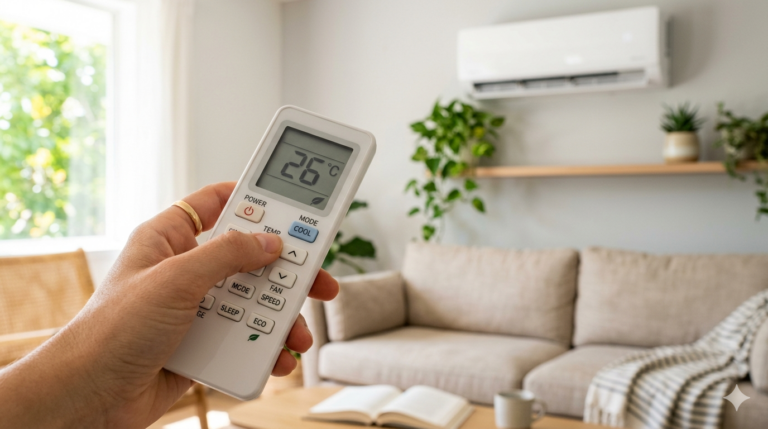
Air conditioning is essential in the UAE, especially during the peak summer months. It works harder than most homeowners realise. Yet one small component determines how efficiently everything performs: the filter.
AC filter cleaning is one of the simplest and most effective maintenance steps you can take to protect your air conditioner, improve indoor air quality, and reduce electricity costs. When neglected, even a high-performance unit will struggle to deliver proper cooling.
In this expert guide, you will learn everything you need to know about AC filter cleaning, from step-by-step methods to when professional support becomes necessary.
Why AC Filter Cleaning Matters in UAE Homes
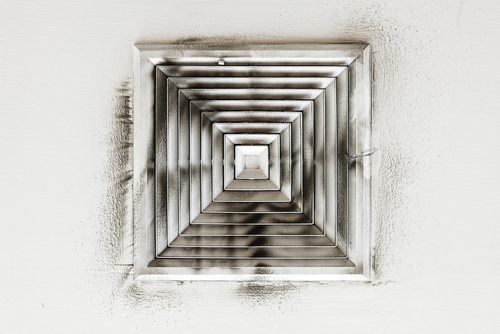
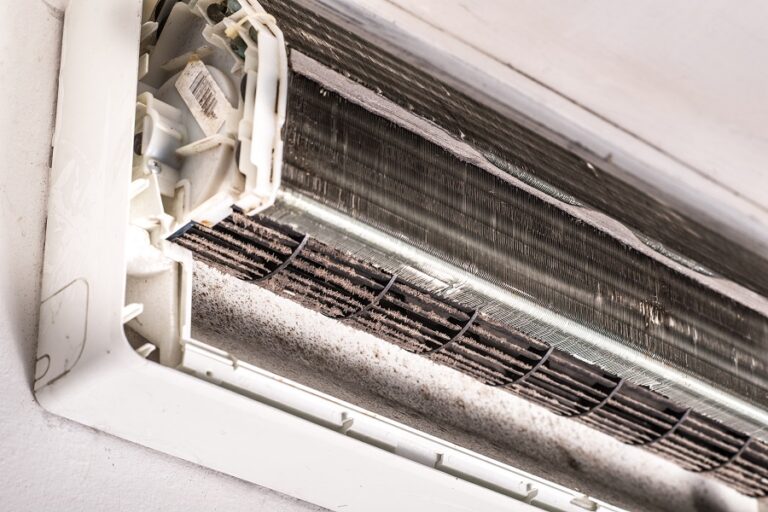
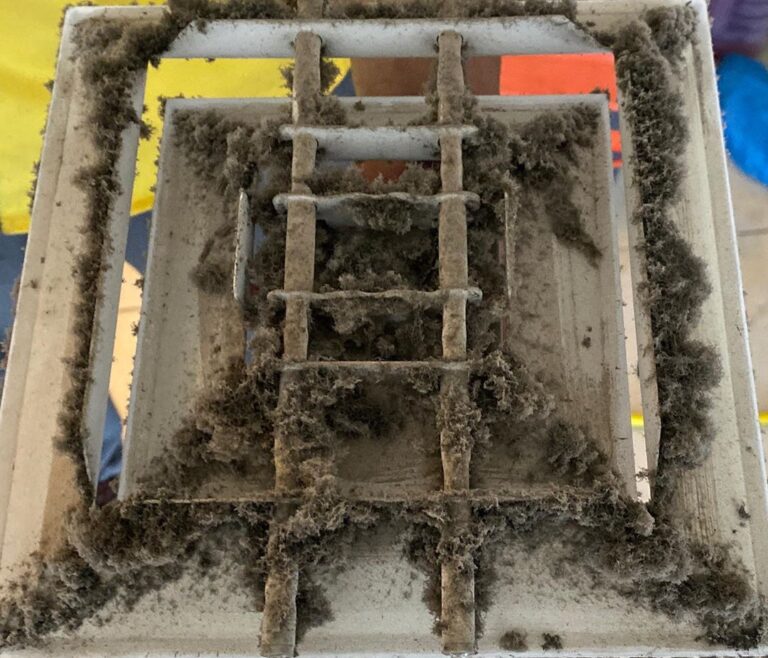
Living in Dubai and across the UAE means your home is constantly exposed to dust and fine sand. Even when windows and doors stay closed, microscopic debris enters your indoor space and circulates through air conditioning systems. Over time, these particles collect inside the filter, forming a dense layer that restricts airflow.
As buildup increases, air can no longer move freely through the system. Your AC must then work harder and run longer to achieve the same level of cooling. This added strain reduces efficiency, increases electricity consumption, and places unnecessary pressure on internal components.
Understanding Your AC Filter Before Cleaning
Before performing AC filter cleaning, it is important to understand the type of filter installed in your system and how it functions. Not all filters are built the same, and using the wrong cleaning method can reduce efficiency or cause damage.
Knowing what you are handling allows you to maintain the filter properly while protecting the overall performance of your AC unit.
Common Types of AC Filters
Depending on the unit, you may have:
- Reusable mesh filters commonly found in split AC systems
- Pleated filters that capture smaller particles
- Electrostatic filters designed to attract fine dust
- HEPA filters in advanced systems
- Disposable filters in some central units
Where Your AC Filter is Located
Filted placement depends on your system type:
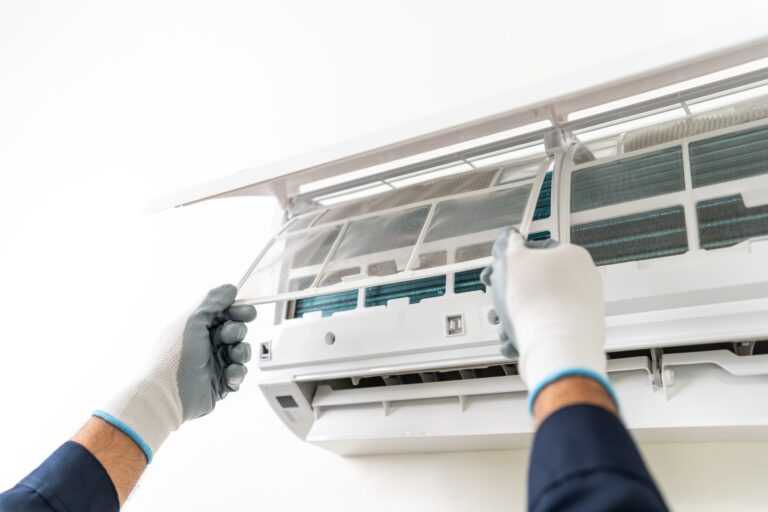
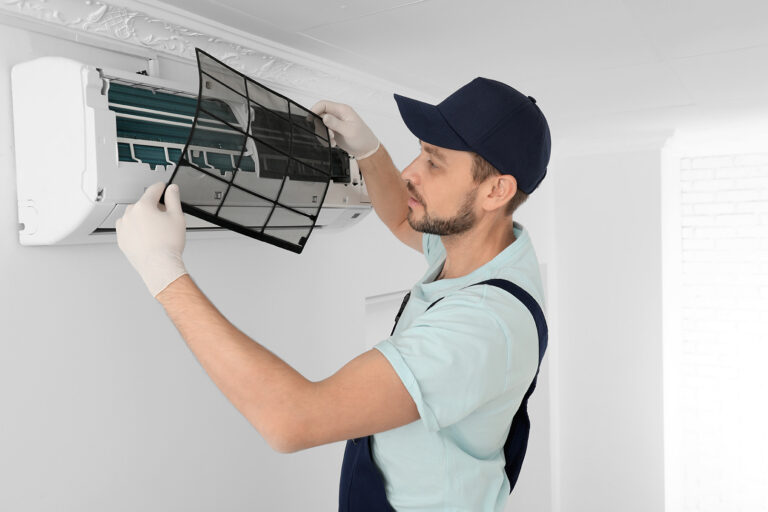
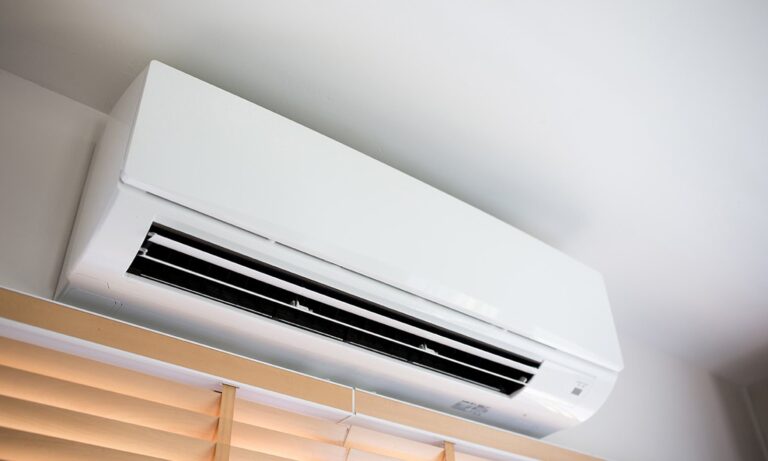
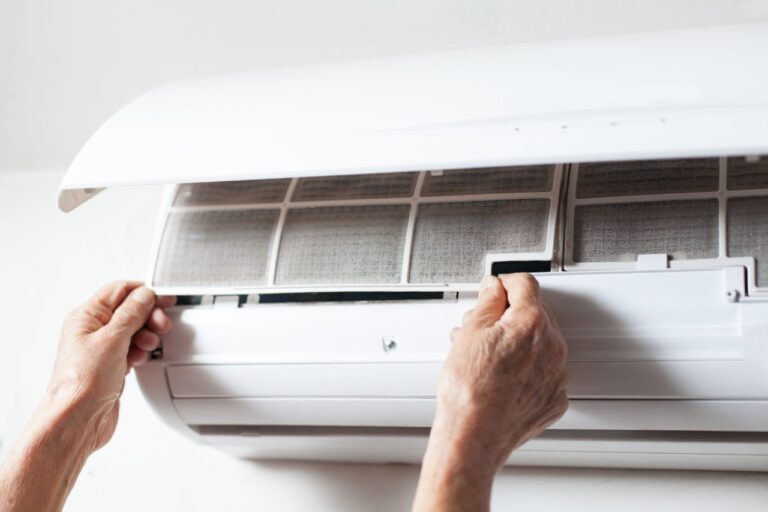
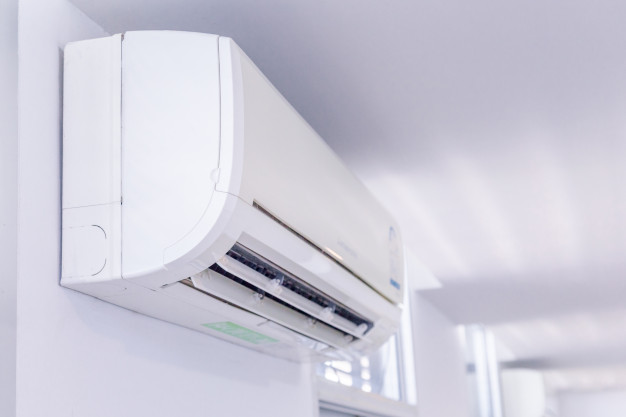
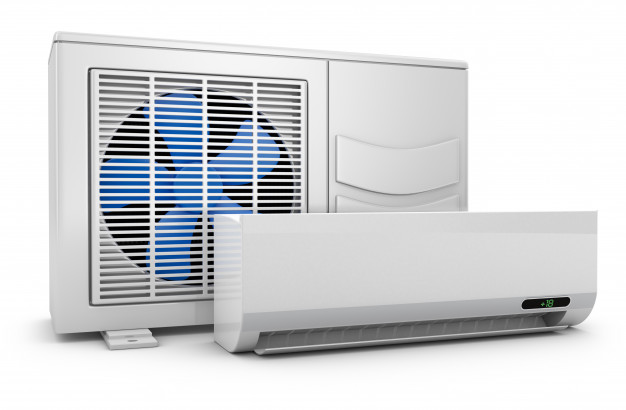
- Split AC units: behind the front panel
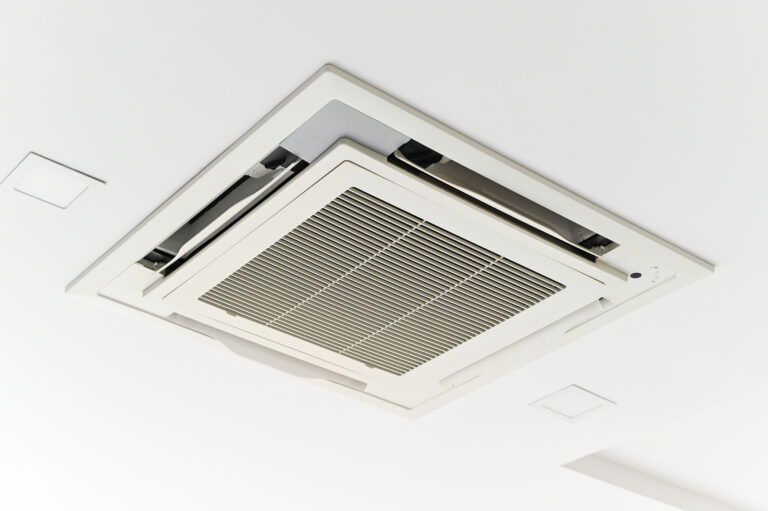
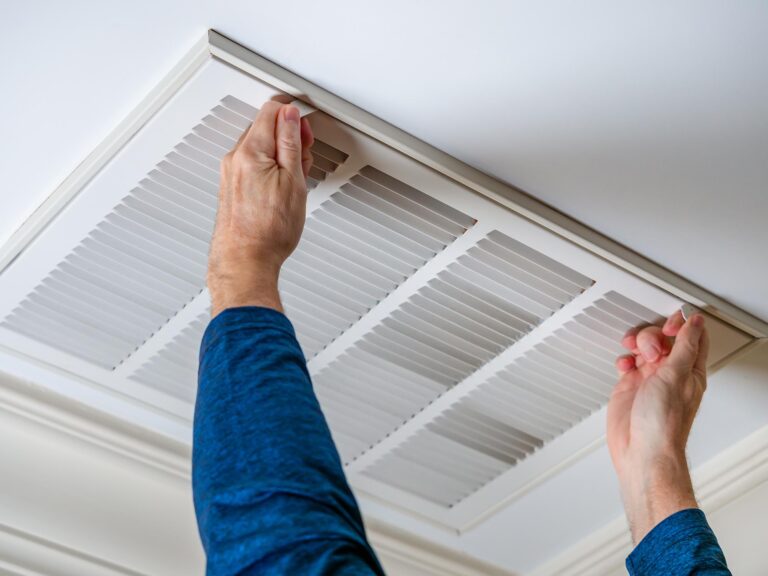
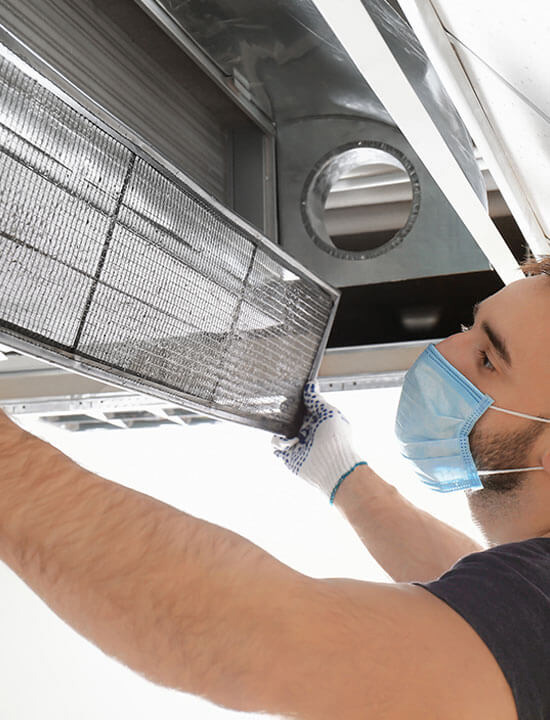
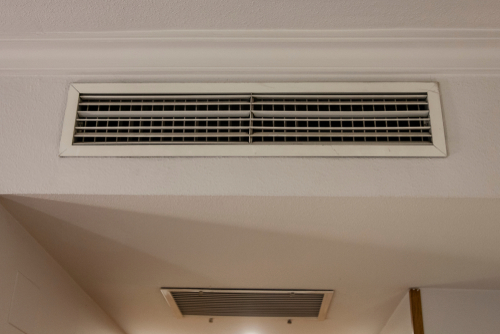
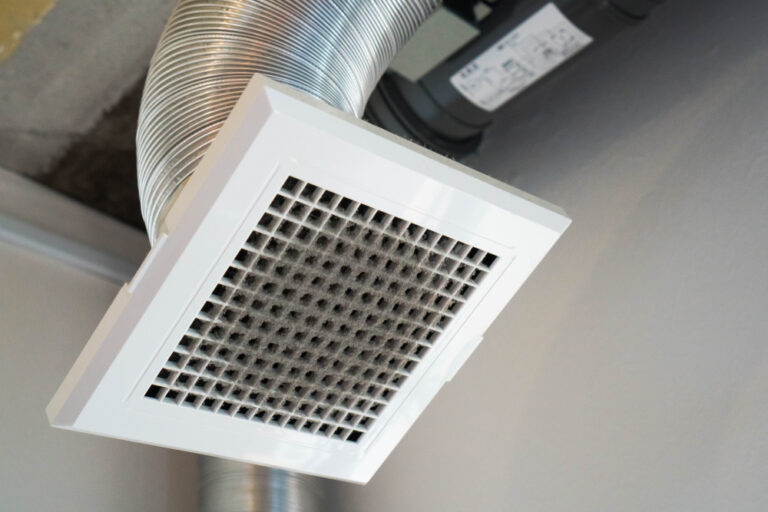
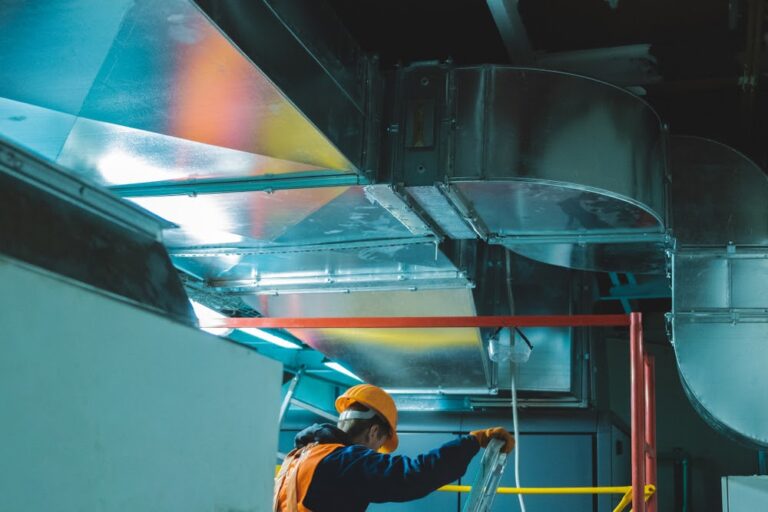
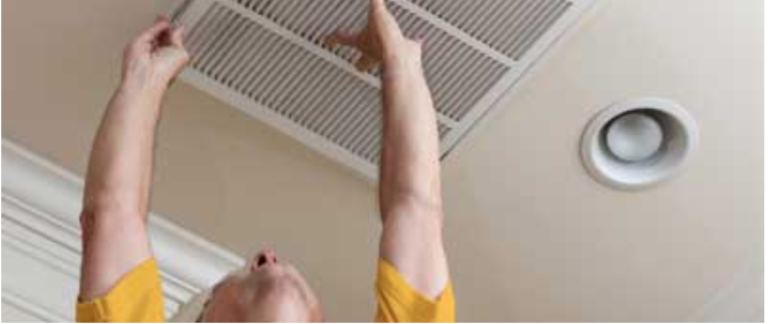
- Central AC systems: inside return air vents or ducts
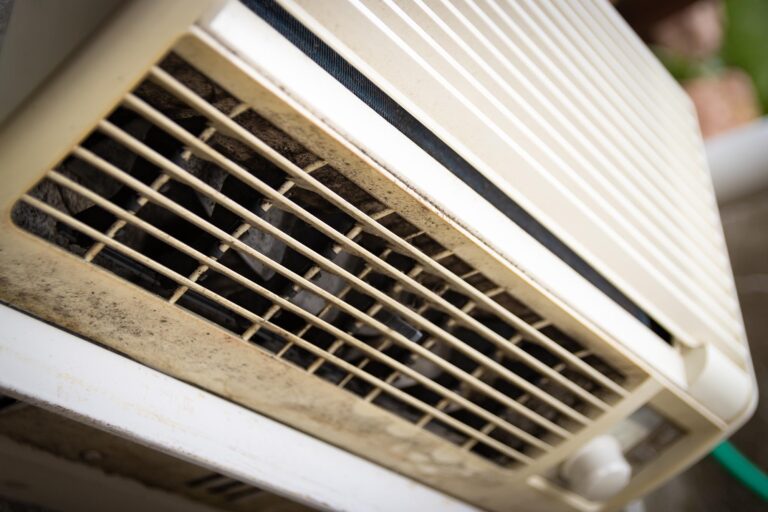
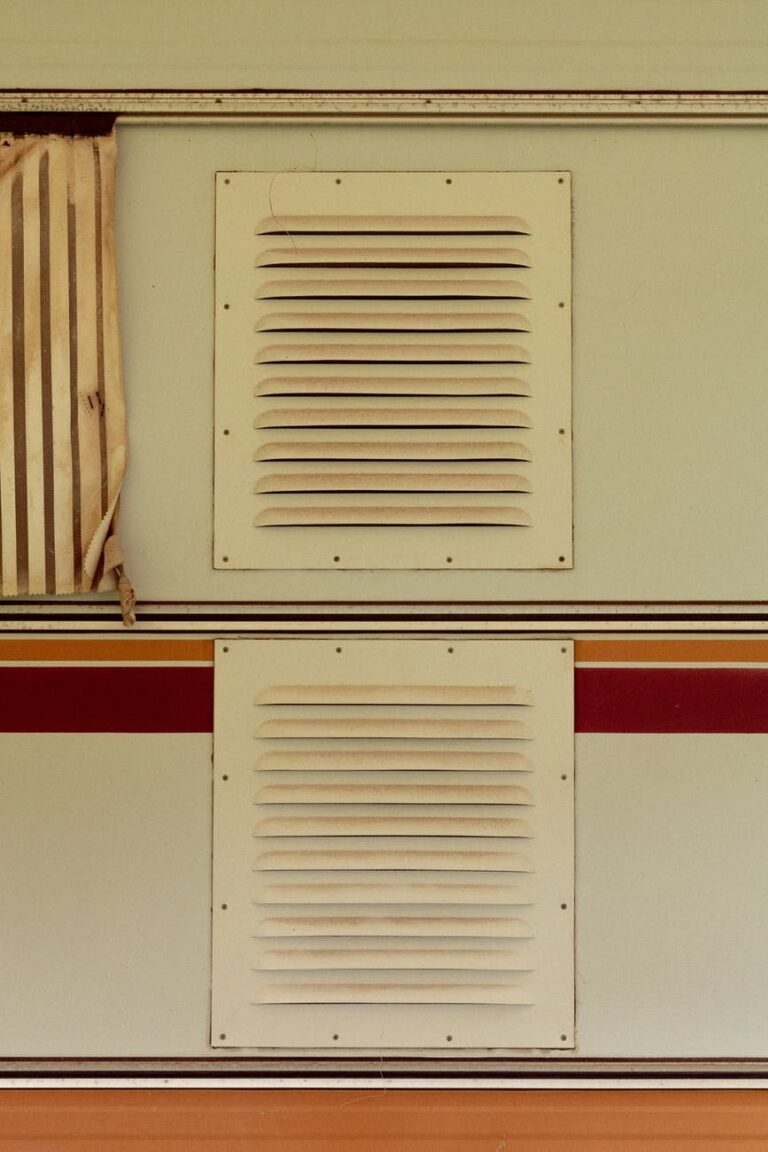
- Window units: behind the front grille
- Portable AC units: typically at the rear intake panel
Step-by-Step Guide to AC Filter Cleaning
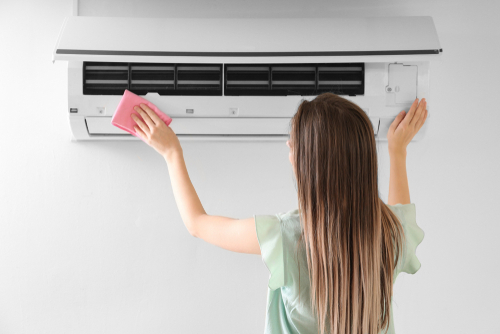
If you are comfortable handling basic home maintenance, you can safely clean AC filters with the right approach. The goal is not only to remove visible dust, but also to restore proper airflow without damaging the filter material.
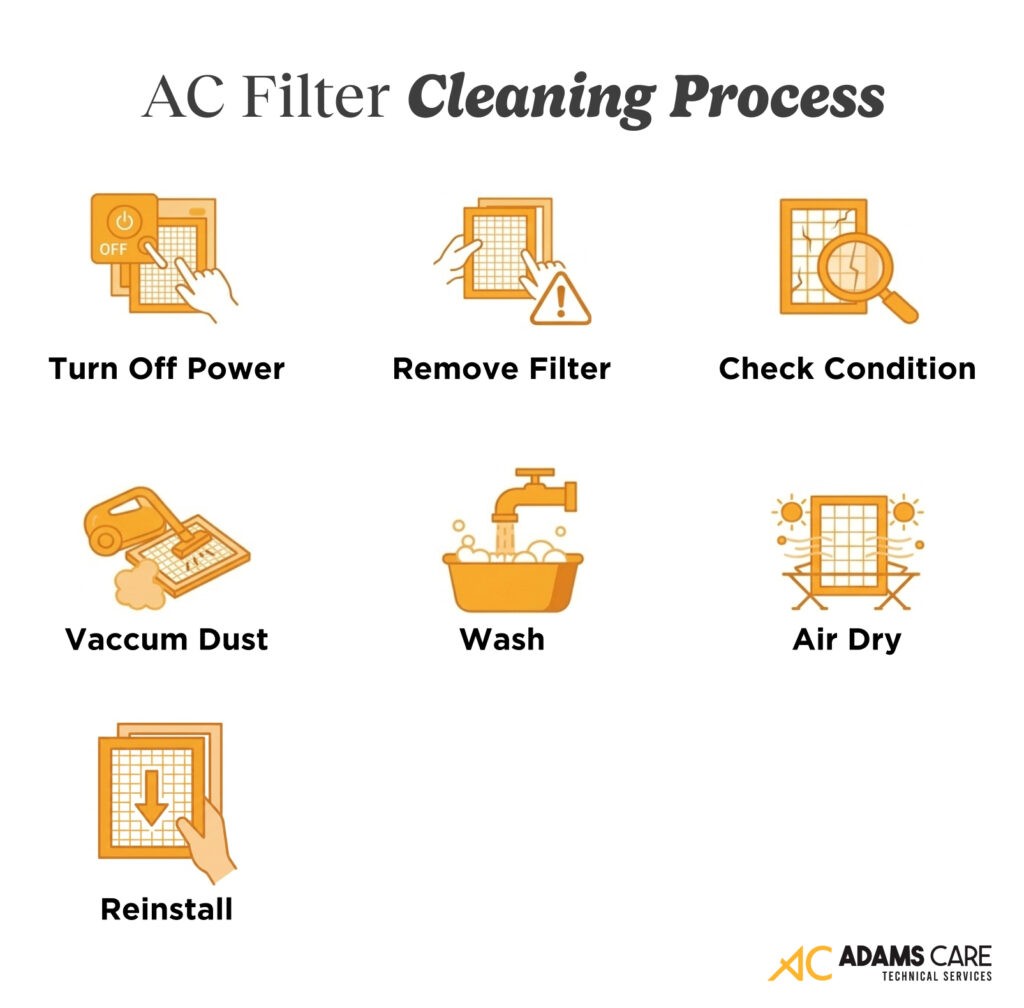
Follow these simple steps to clean your AC filter safely and effectively:
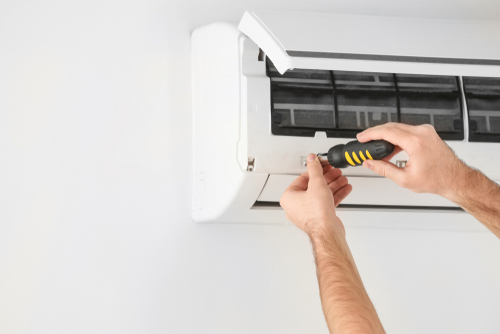
1. Turn Off and Unplug the AC Unit
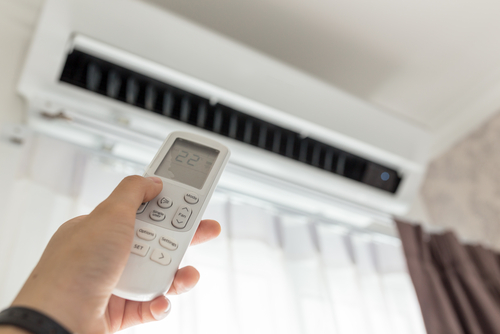
Before opening your unit, switch off the AC completely and disconnect it from the power source. This step is essential for safety and prevents the system from operating while the filter is removed.
Never attempt to clean the AC filter while the unit is running.
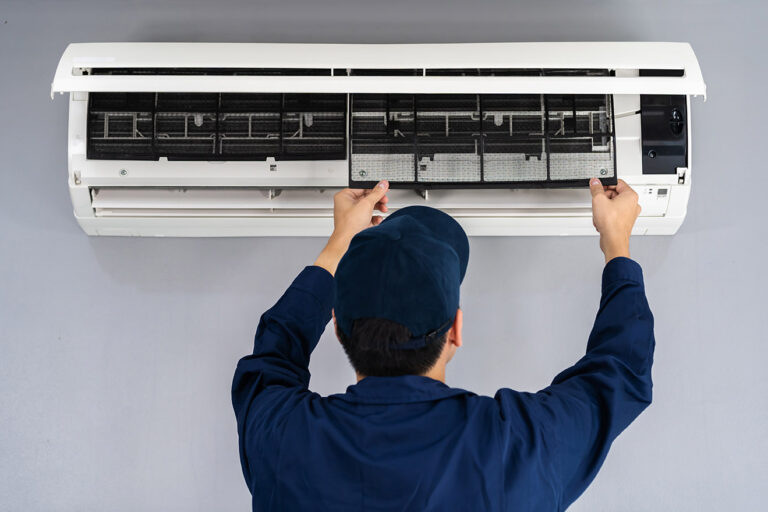
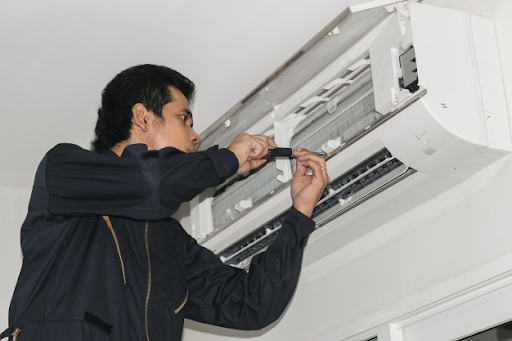
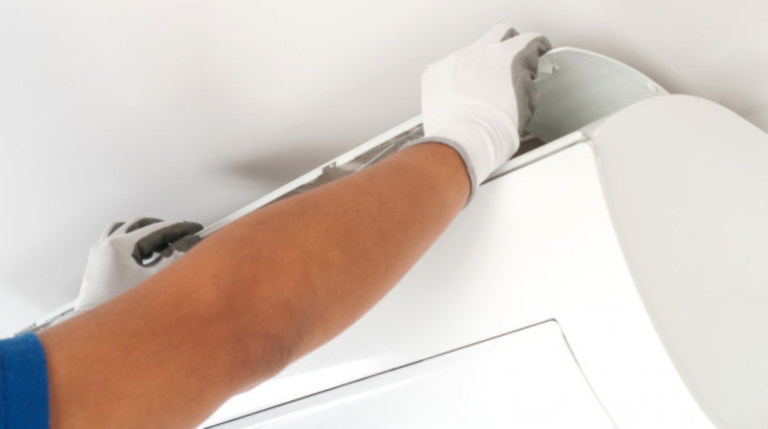
2. Remove the Filter Carefully
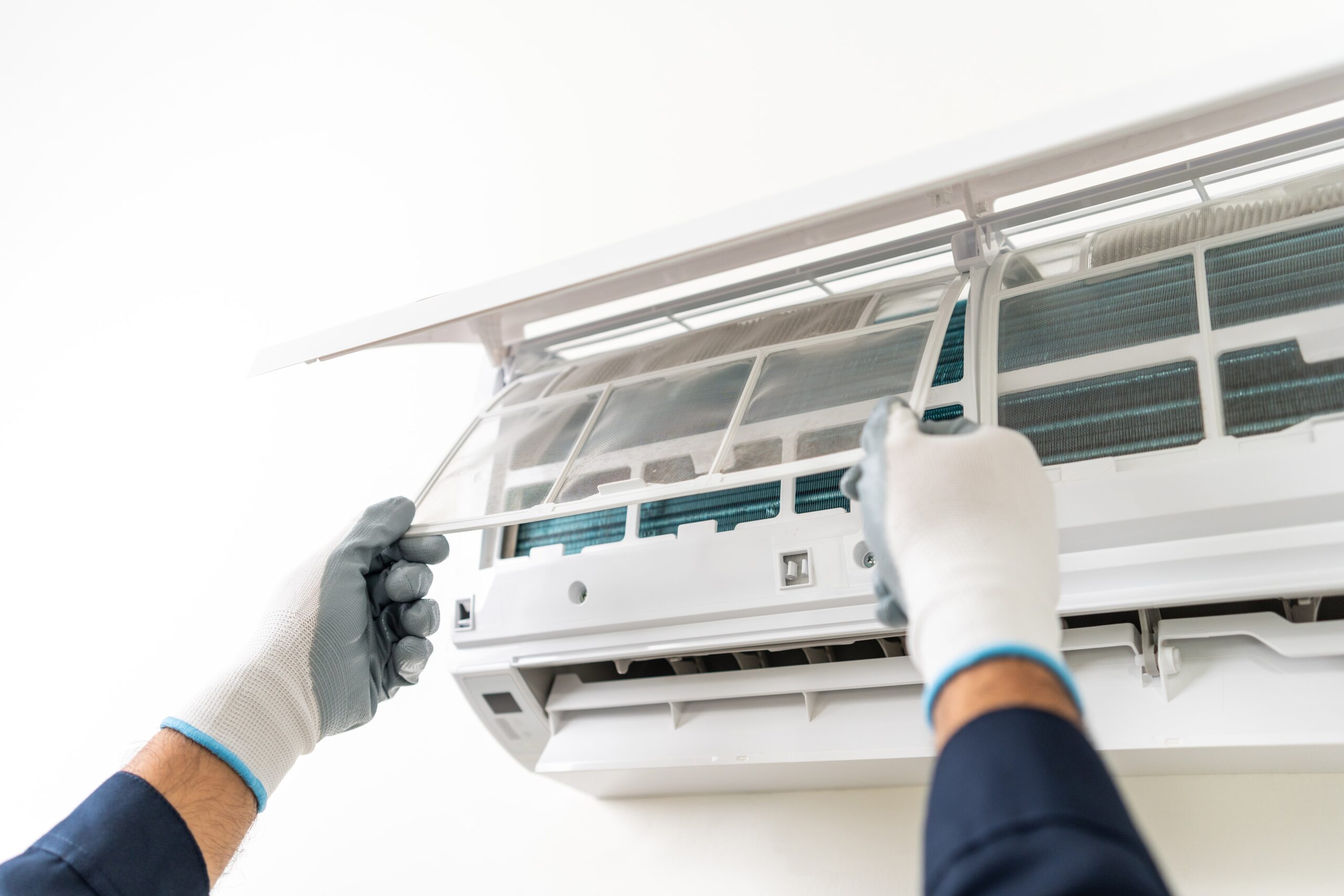
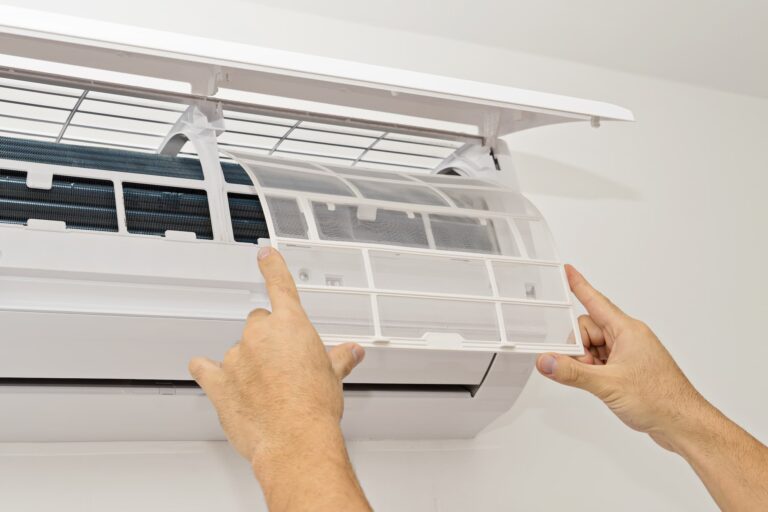
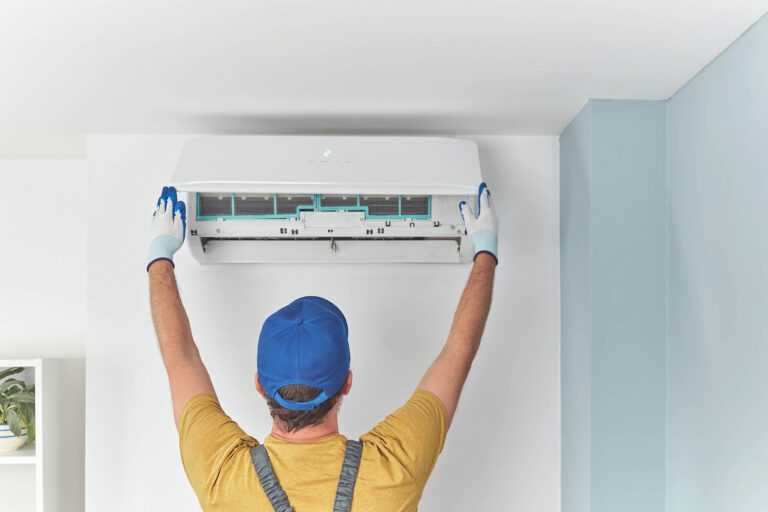
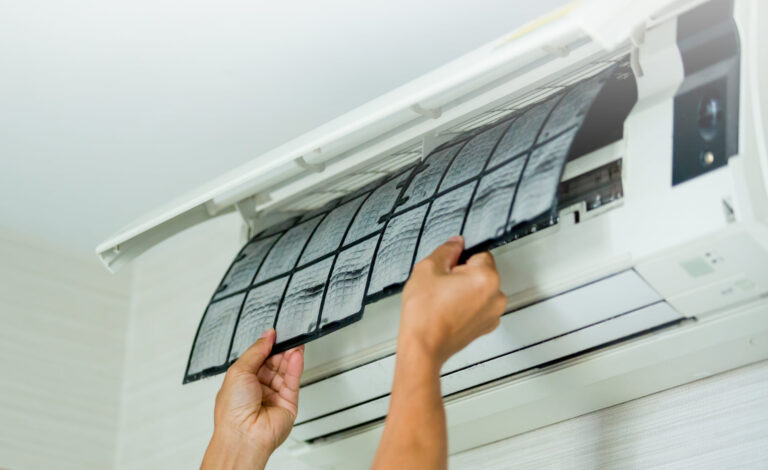
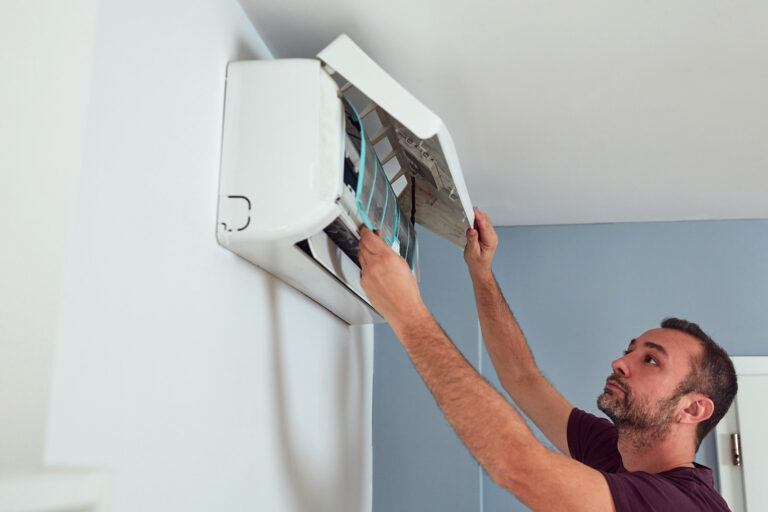
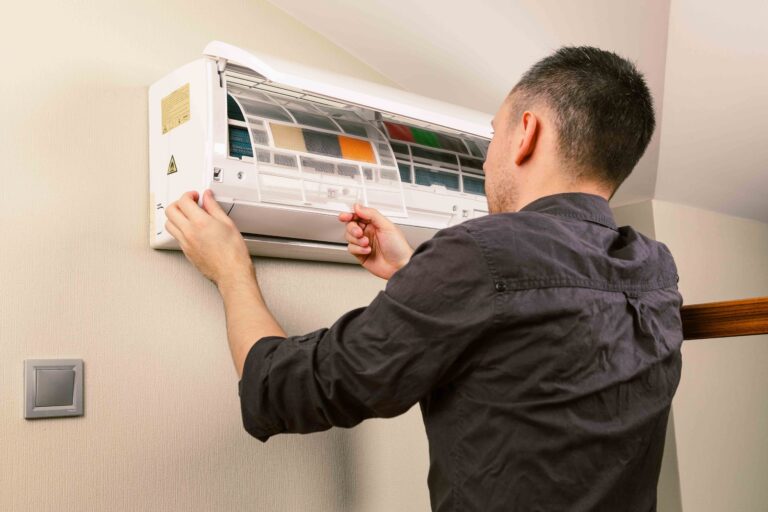
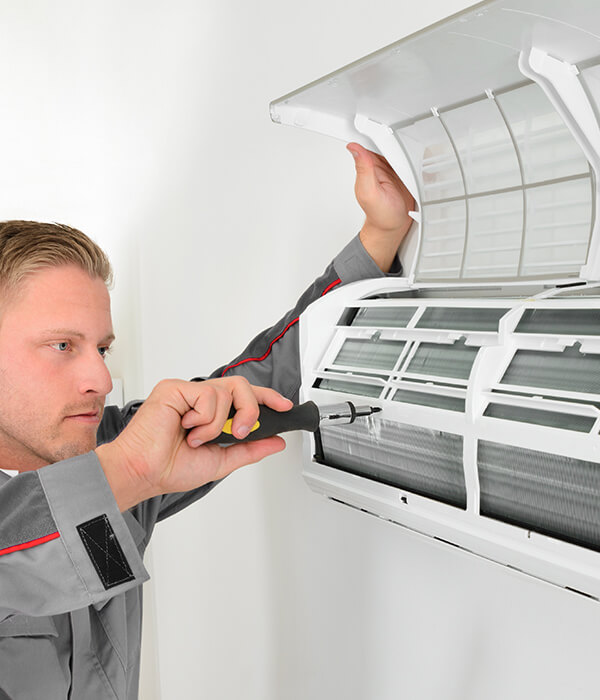
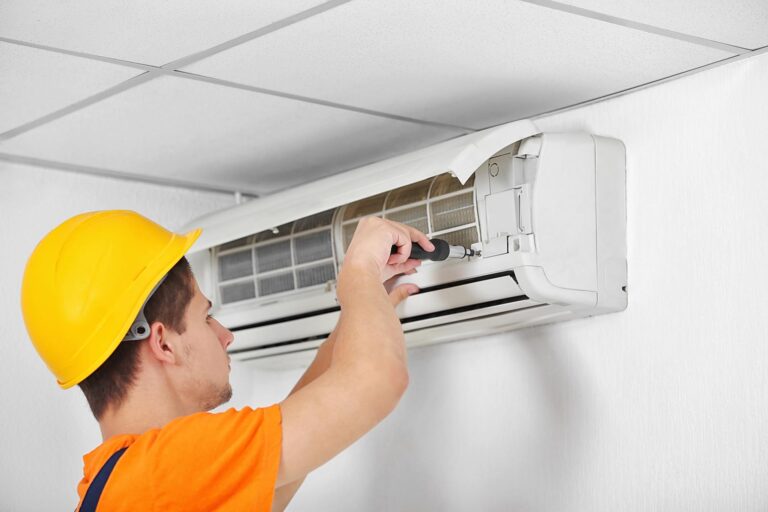
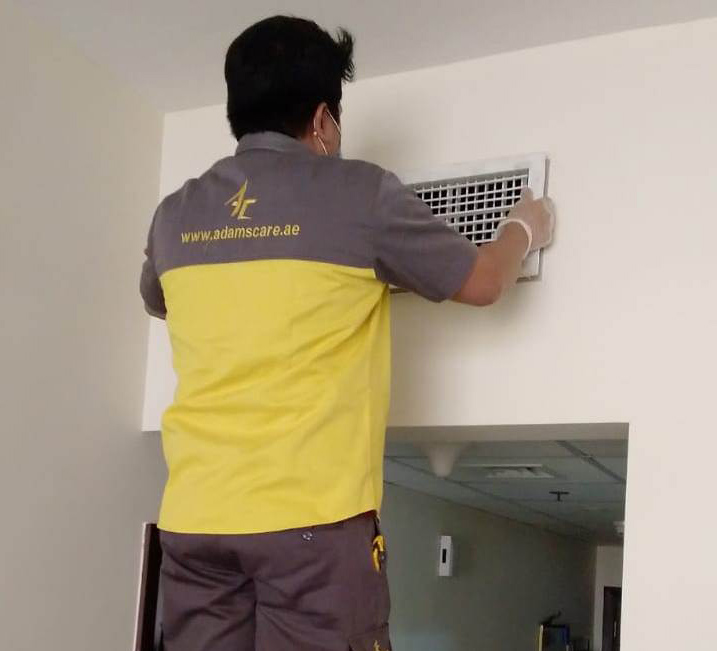
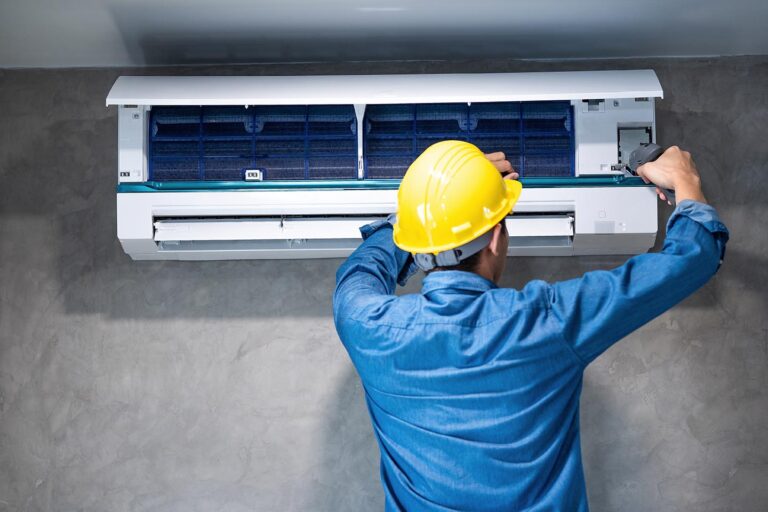
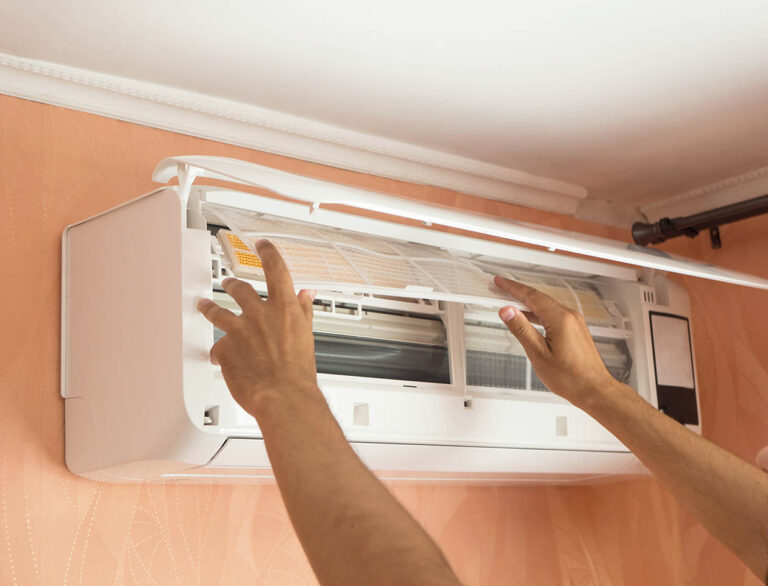
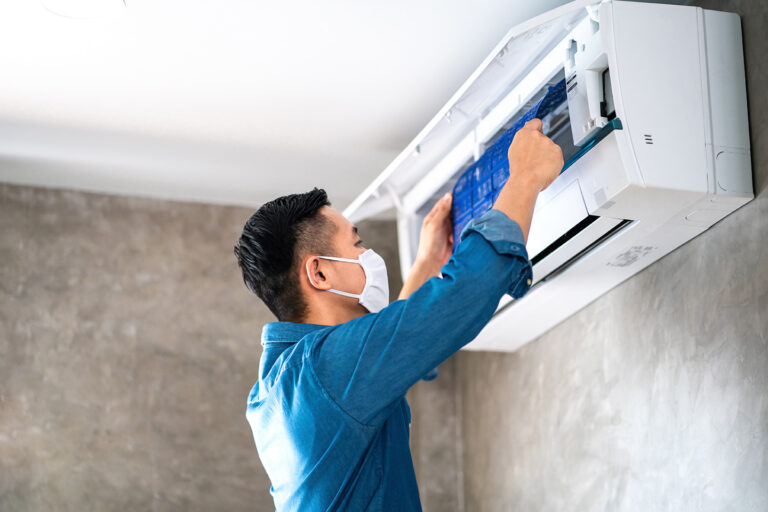
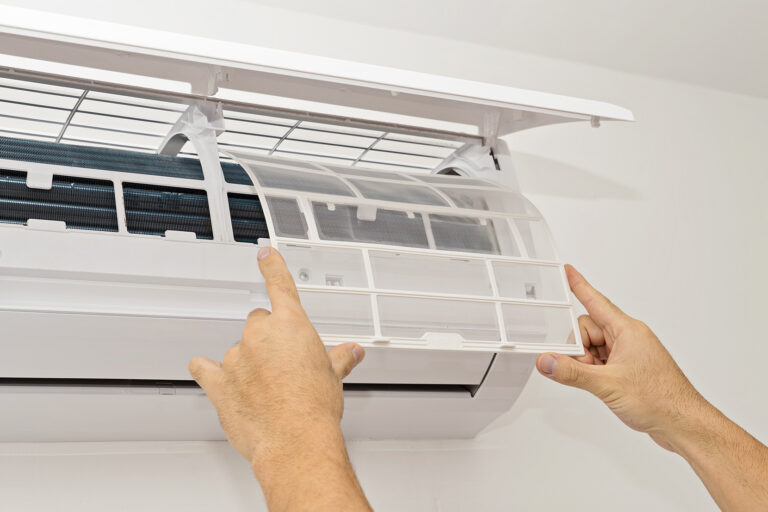
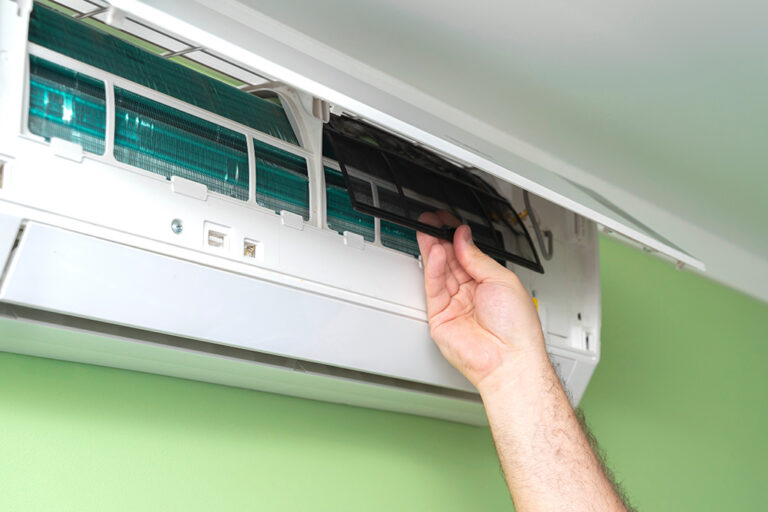
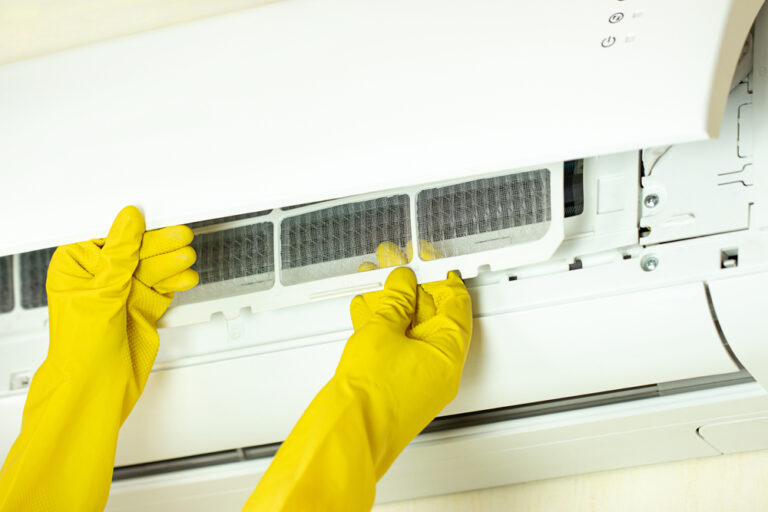
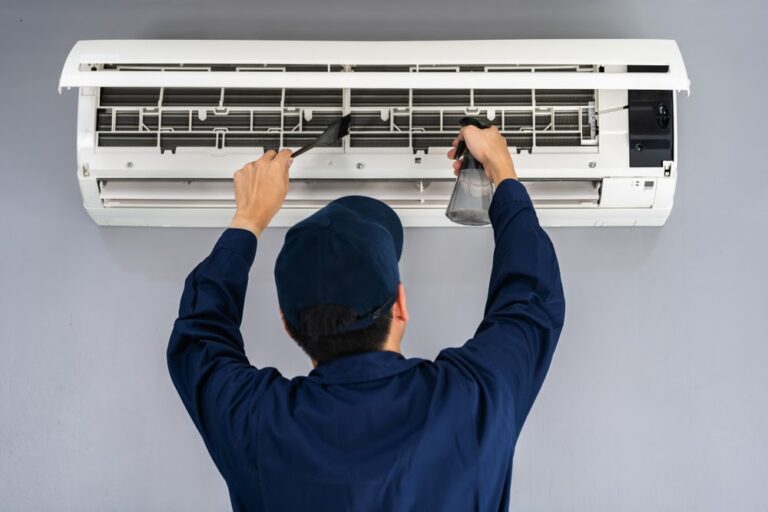
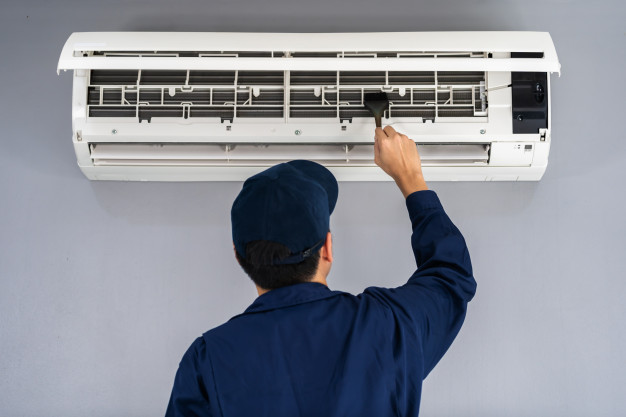
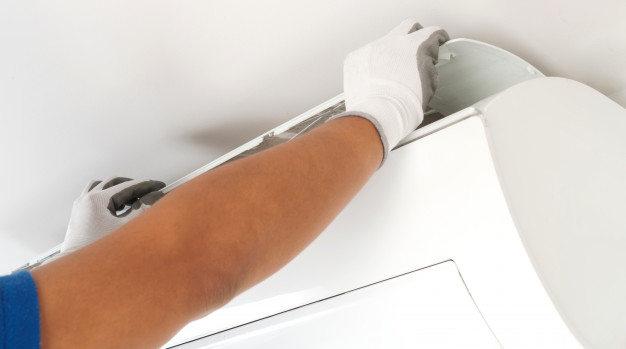
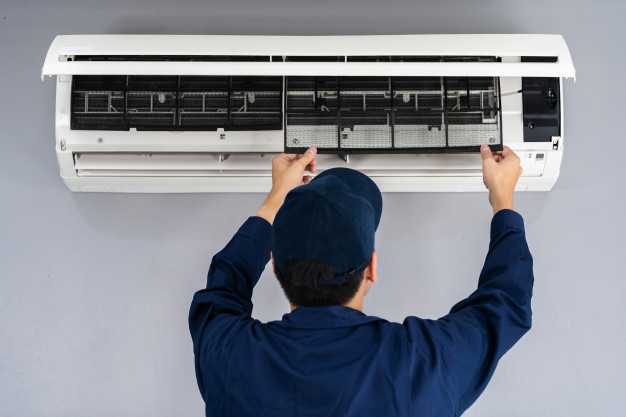
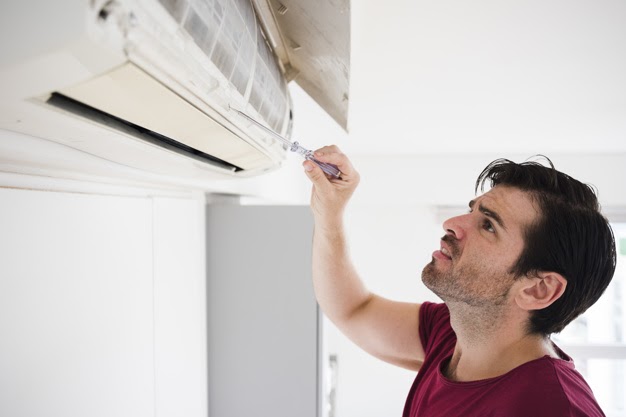
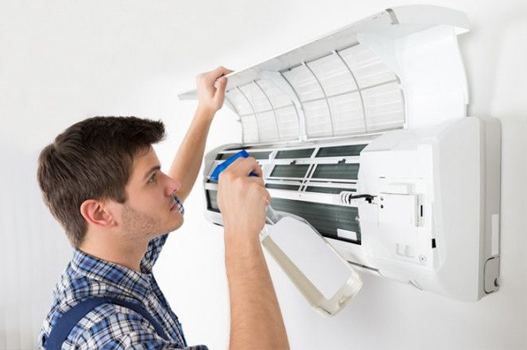
Most split AC units allow easy access by lifting the cover upward. Slide the filter out slowly and avoid bending the frame or mesh. For central systems, locate the return air vent and remove the panel to access the filter.
Handling the filter carefully prevents tears or warping, which can reduce filtration effectiveness.
3. Inspect the Filter Condition
Before cleaning, examine the filter closely. Look for:
- Tears in the mesh
- Thick layers of dust build up
- Signs of mould or dark spots
- Structural damage or loose framing
If the filter is disposable or visibly damaged, replacement is the better option. Washing a damaged or disposable filter will not restore proper performance.
4. Vacuum Loose Dust Particles
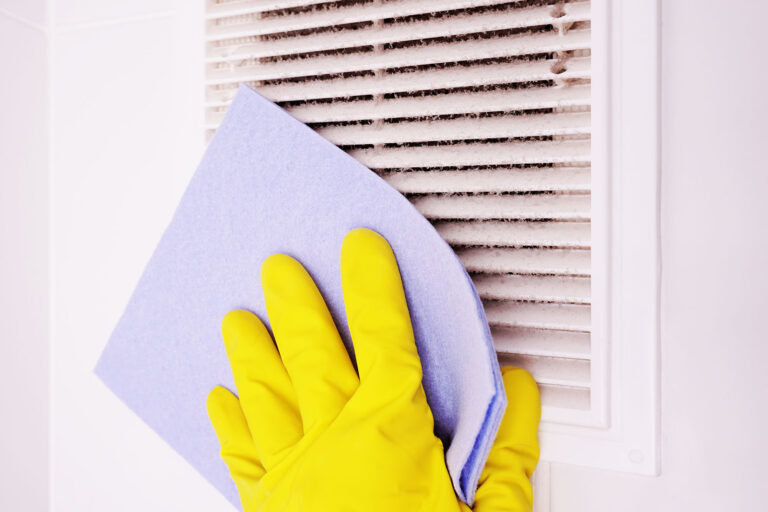
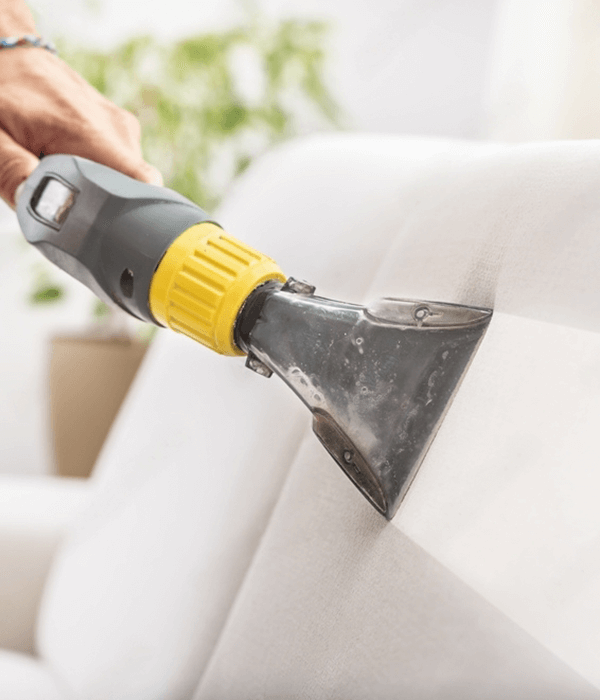
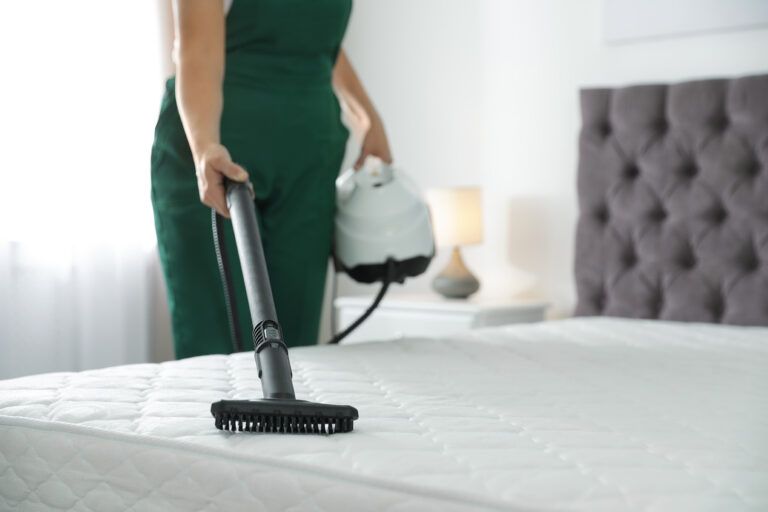
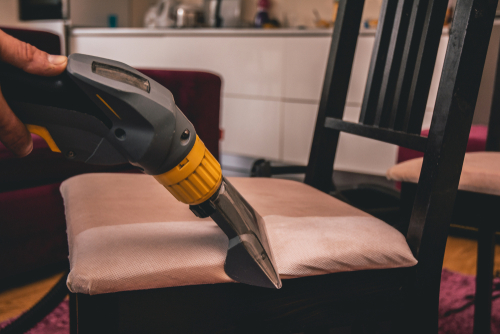
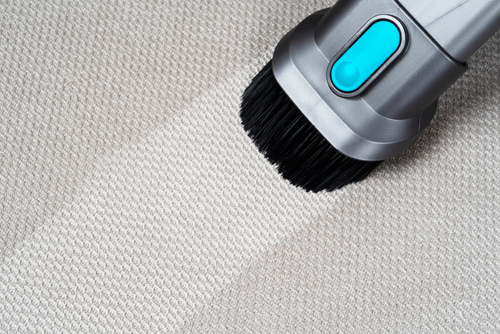
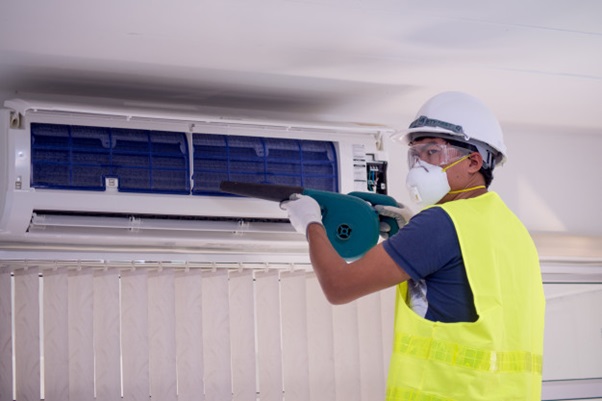
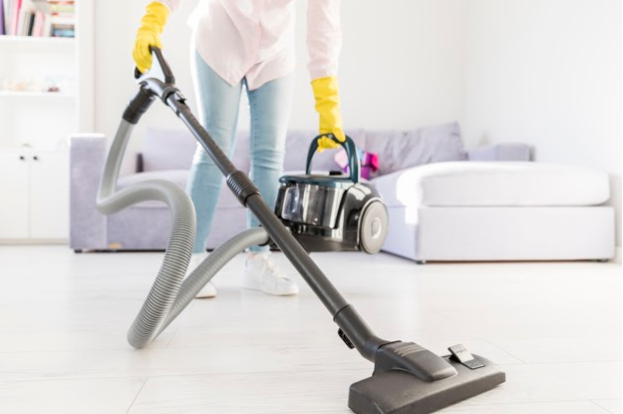
Use a handheld vacuum with a brush attachment to remove loose debris from both sides of the filter. Vacuuming first helps remove surface buildup and makes washing more effective. Apply gentle pressure to avoid stretching or damaging the mesh.
5. Wash with Mild Soap and Water
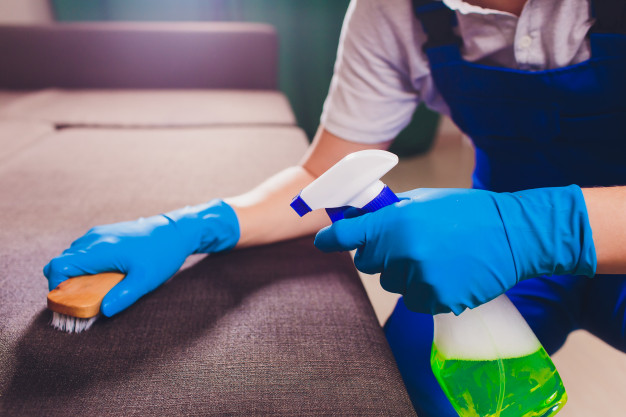
If your filter is washable, rinse it under running water. For deeper cleaning, apply a small amount of mild detergent and gently rub the surface with your hands. Avoid using harsh chemicals, bleach, or strong cleaning agents, as these can weaken the filter material.
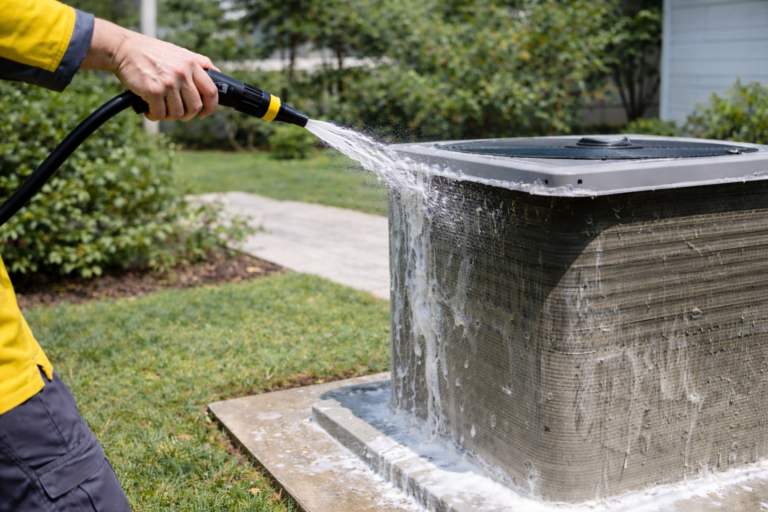
Rinse thoroughly to remove all soap residue. Do not use high-pressure water, as it may deform the mesh or break the frame.
6. Allow Complete Air Drying
After washing, place the filter in a well-ventilated area and allow it to air dry completely. Do not expose it to direct sunlight for long periods, and do not use a hairdryer or heat source to speed up drying.
Reinstalling a damp filter can introduce moisture into your system, which increases the risk of mould growth and unpleasant odours.
7. Reinstall the Filter Properly
Once the filter is fully dry, slide it back into its original position. Ensure it fits securely and aligns correctly with the frame. Close the panel properly before restoring power.
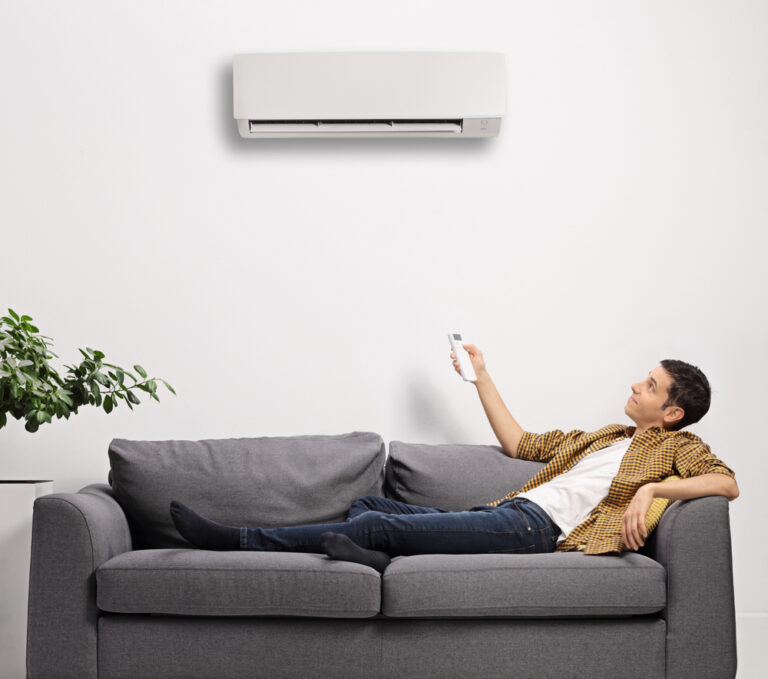
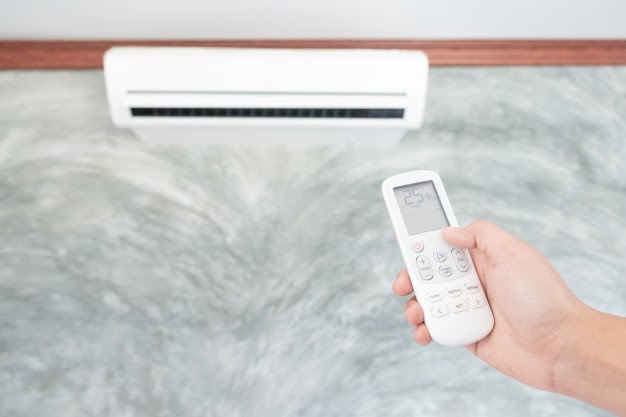
Turn the AC back on and check that the airflow feels steady and strong. A noticeable improvement in air circulation is often immediate after proper ac filter cleaning.
When Should AC Filters Be Replaced Instead of Cleaned?
Not every filter is designed to be washed and reused. While AC filter cleaning is an essential part of routine maintenance, there are situations where replacement is the safer and more effective option.
Washable Filters
Reusable mesh filters, commonly found in split AC units, are built for repeated ac filter cleaning. With proper care, these filters can last several years. Regular washing removes accumulated dust and restores airflow without compromising the structure.
However, even washable filters have limits. Replacement is recommended if you notice:
- Torn mesh
- Loose framing
- Warping that prevents proper fitting
- Persistent odour after cleaning
- Visible thinning of material
A damaged filter cannot seal properly within the unit, allowing dust to bypass filtration and enter internal components.
Disposable Filters
Often used in central AC systems, disposable filters are not designed for washing. Attempting to clean them with water weakens the material and reduces their ability to trap particles effectively.
You should replace disposable filters when:
- It appears heavily discolored
- Dust buildup cannot be removed with light vacuuming
- Airflow remains weak despite recent cleaning
- The manufacturer’s recommended replacement period has been reached
In UAE conditions, disposable filters may require replacement more frequently due to higher dust exposure.
Replacing a worn or clogged filter ensures that your ac filter cleaning routine continues to support efficient cooling, healthy indoor air, and long term system performance.
Recommended AC Filter Cleaning Schedule
Establishing a routine schedule helps ensure that AC filter cleaning remains consistent throughout the year.
In UAE conditions, the following timeline is generally recommended:
During Peak Summer Months
Clean filters every 2 to 4 weeks, as AC usage is at its highest and systems operate for extended hours daily. Frequent cleaning helps maintain steady airflow and prevents dust buildup from affecting cooling performance.
During Moderate Usage Periods
Cleaning every 1 to 2 months is typically sufficient when AC usage is less intensive. Even during cooler months, filters still collect dust, so periodic inspection remains important.
After Sandstorms or Heavy Dust Events
Inspect and clean filters as soon as possible if you notice visible dust buildup. Sandstorms can introduce large amounts of fine particles into indoor spaces, which may quickly clog the filter.
Homes with Pets or Allergy Sensitivities
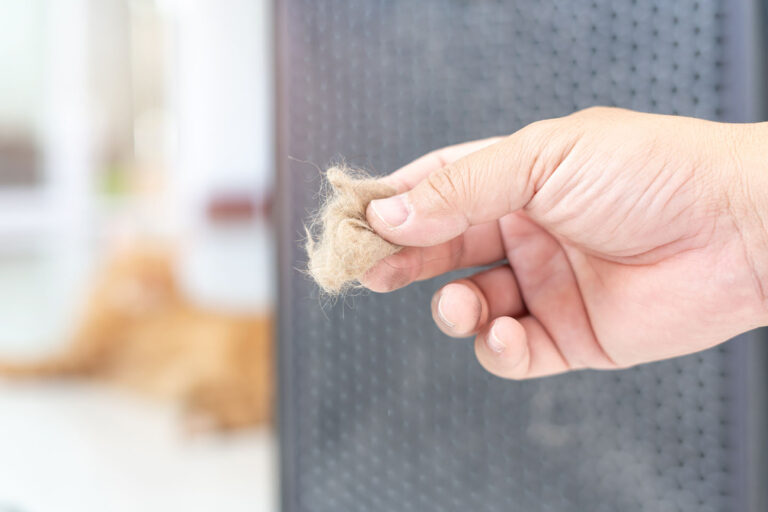
Homes with pets or residents with allergy sensitivities may benefit from weekly to biweekly ac filter cleaning. Pet hair, dander, and fine airborne particles accumulate faster in filters, which can increase the circulation of allergens indoors.
When DIY AC Filter Cleaning Is Not Enough
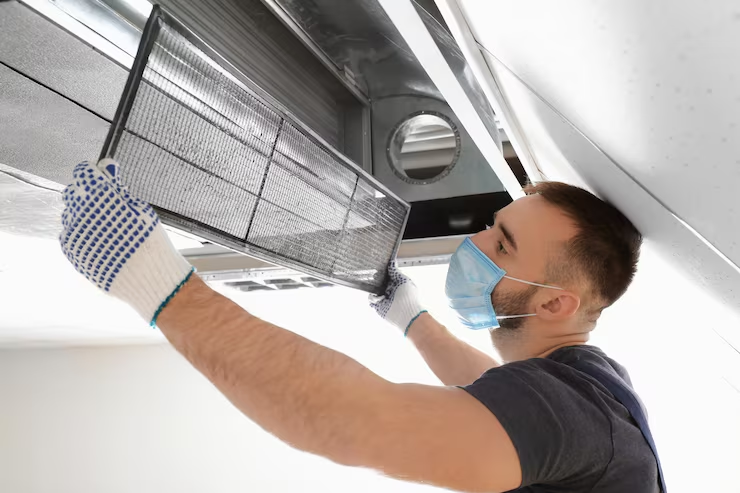
While regular ac filter cleaning plays a major role in maintaining airflow and system efficiency, it does not address every potential issue inside your unit. If problems persist even after you have cleaned or replaced the filter, the root cause may lie deeper within the system.
In such cases, professional inspection becomes necessary to prevent further damage.
Persistent Bad Odour
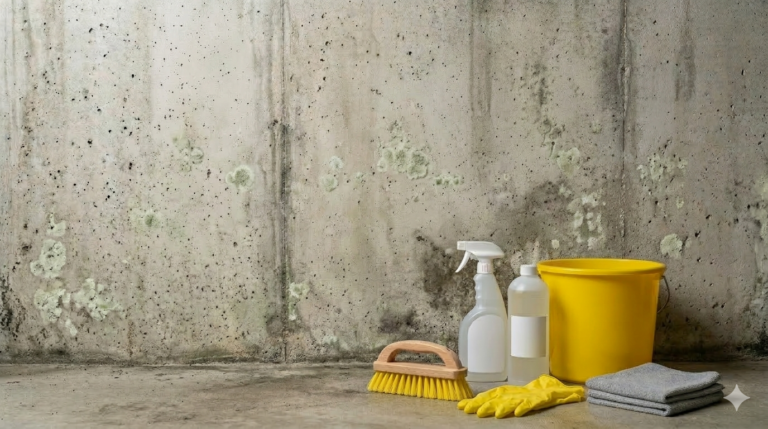
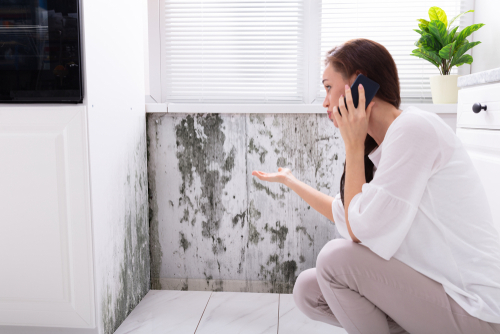
If unpleasant smells continue even after ac filter cleaning, the issue may not be limited to the filter itself. Moisture buildup inside the evaporator coil or drain pan can create conditions for mould and bacteria growth.
These contaminants circulate through your indoor air every time the unit runs. A deeper internal cleaning and sanitisation process is often required to eliminate the source.
Ice Formation on Coils
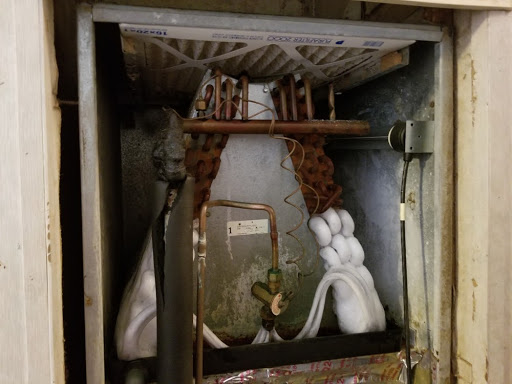
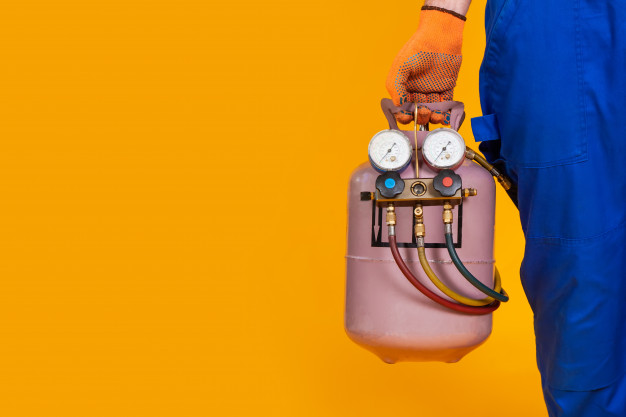
Ice forming on the evaporator coil is a warning sign that airflow or refrigerant balance is compromised. Although a clogged filter can restrict airflow, ice buildup may also indicate dirty coils, blocked air passages, or low refrigerant levels.
Continuing to operate the system in this condition can strain the compressor and lead to costly repairs.
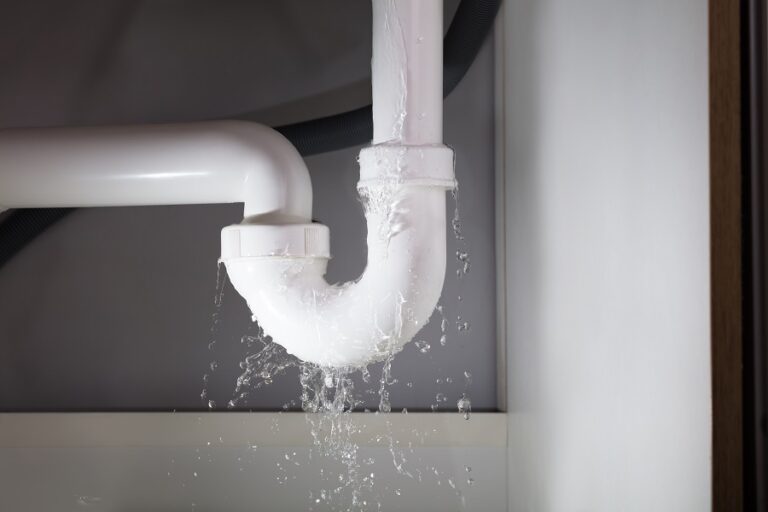
Water Leakage
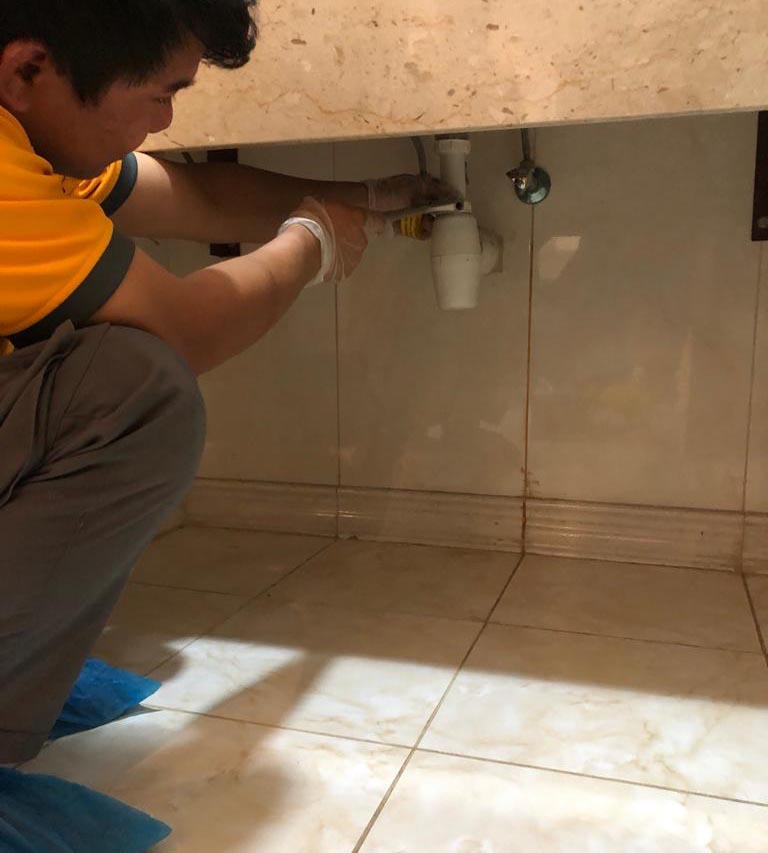
Water leakage around your indoor unit typically points to a blocked or clogged drain line. While ac filter cleaning improves airflow, it does not clear drainage systems. When condensate cannot flow properly, water backs up and may drip into your home. Professional servicing ensures that drain lines are cleared and functioning correctly.
Continued Weak Cooling
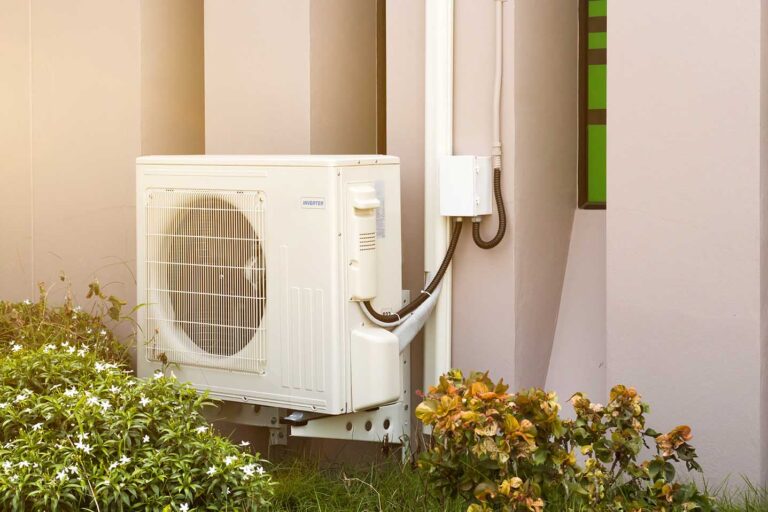
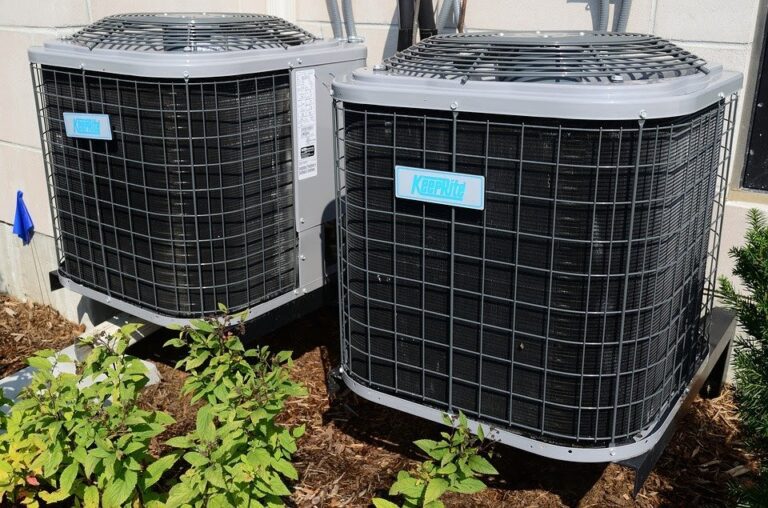
If cooling performance remains poor even after cleaning the filter, internal components such as the evaporator coil, blower fan, or condenser unit may be heavily contaminated. Dust and debris can accumulate beyond the filter area, reducing heat exchange efficiency.
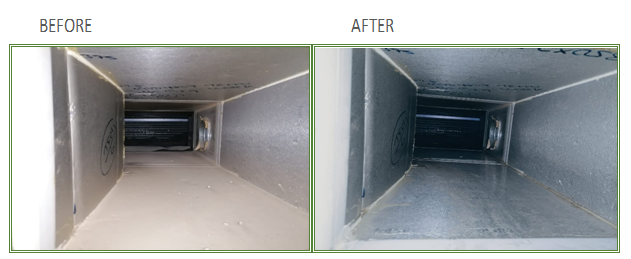
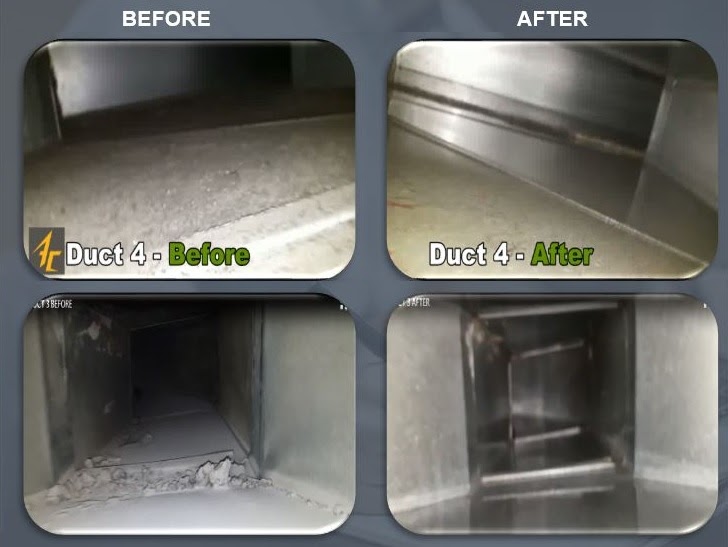
In these situations, a comprehensive AC cleaning service restores performance more effectively than surface-level maintenance alone.
Professional Service vs DIY Cleaning
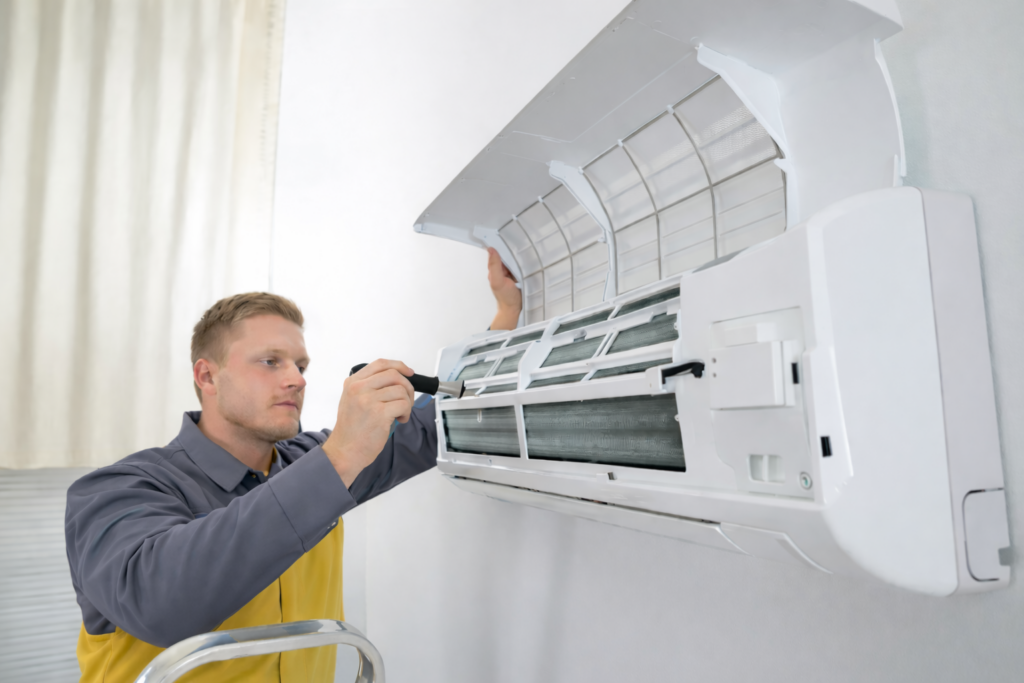
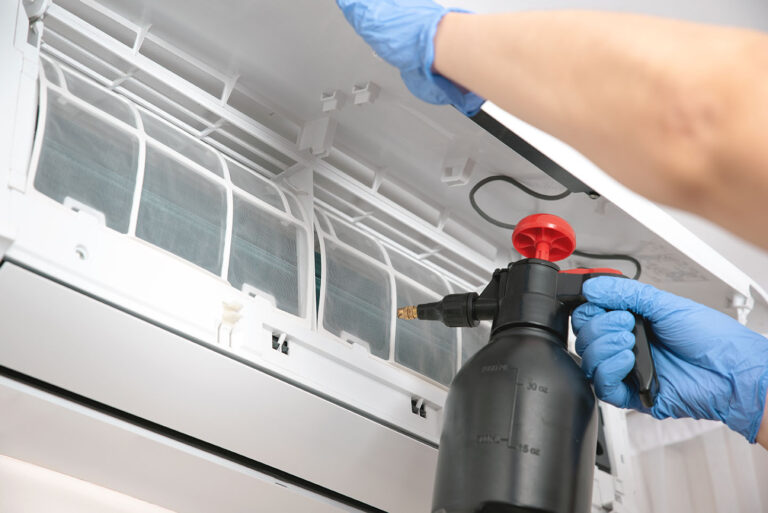
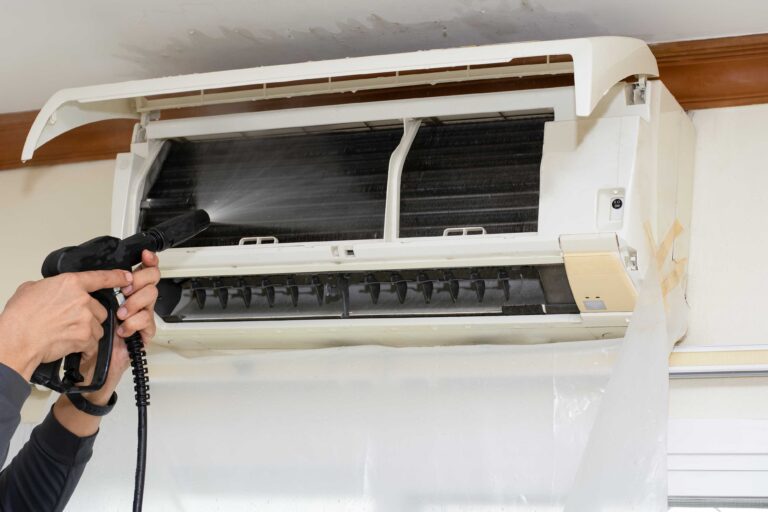
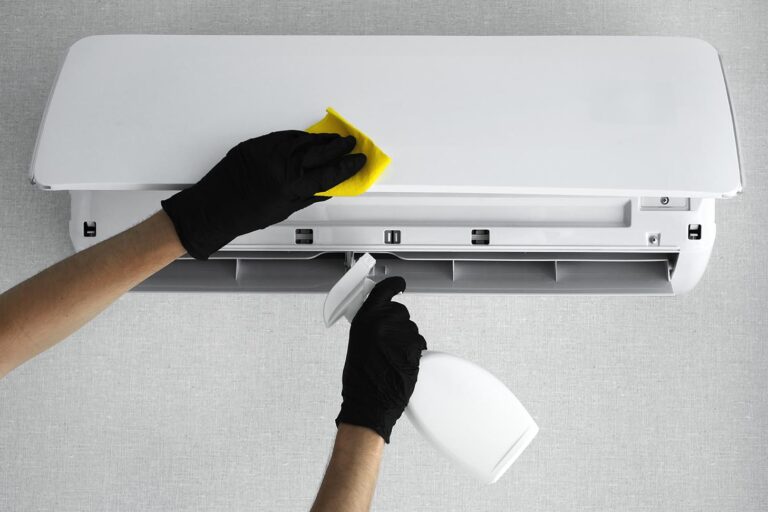
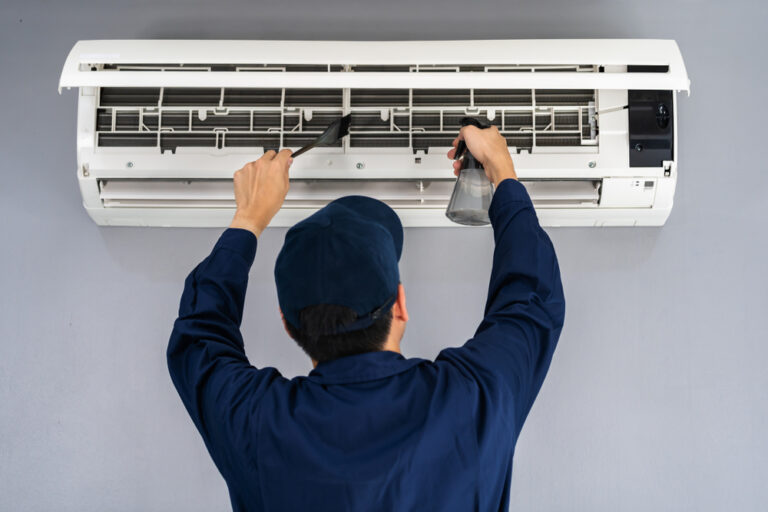
Routine maintenance can often be done by cleaning the AC filter yourself, which helps maintain proper airflow and remove visible dust buildup. However, this step addresses only the filter. Over time, dust and debris can also accumulate inside evaporator coils, fans, and other internal parts that are not accessible during routine cleaning.
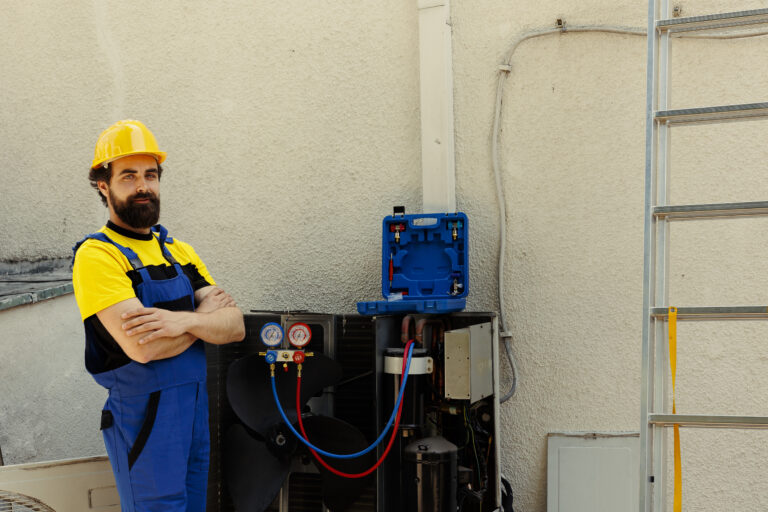
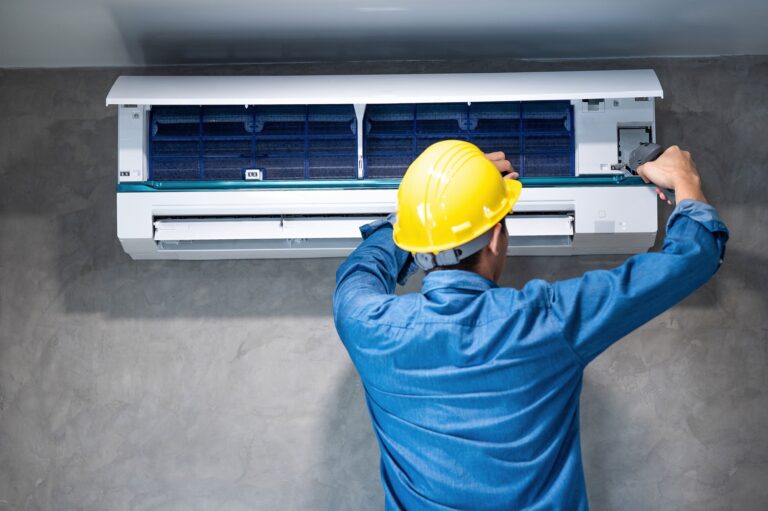
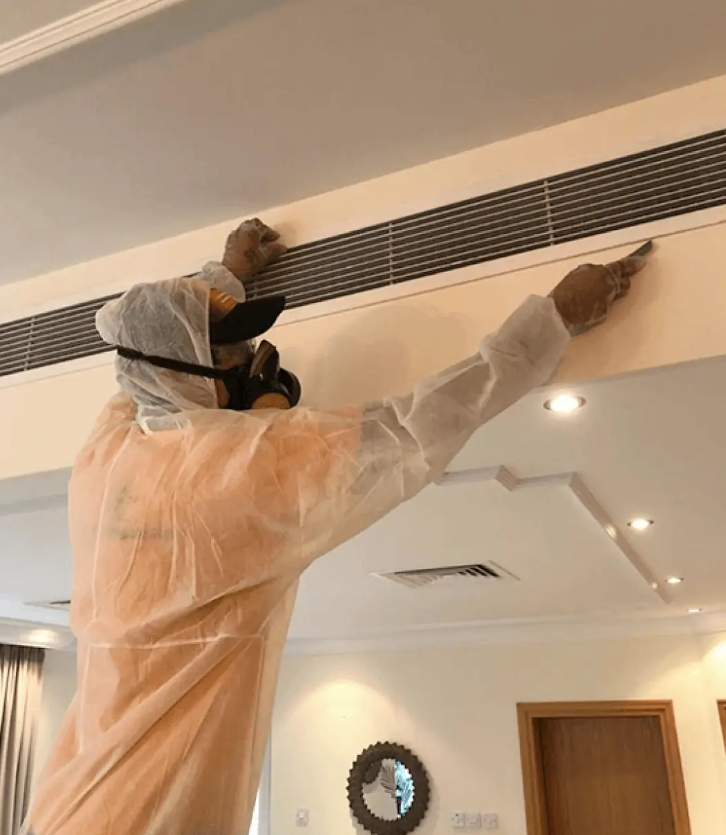
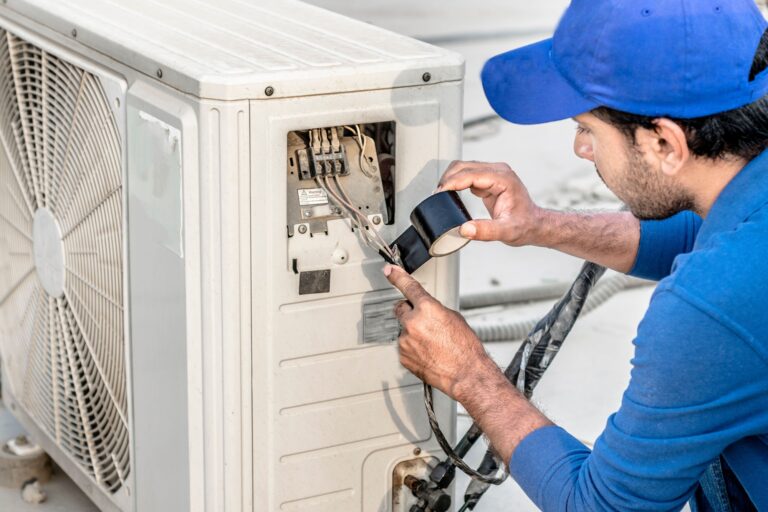
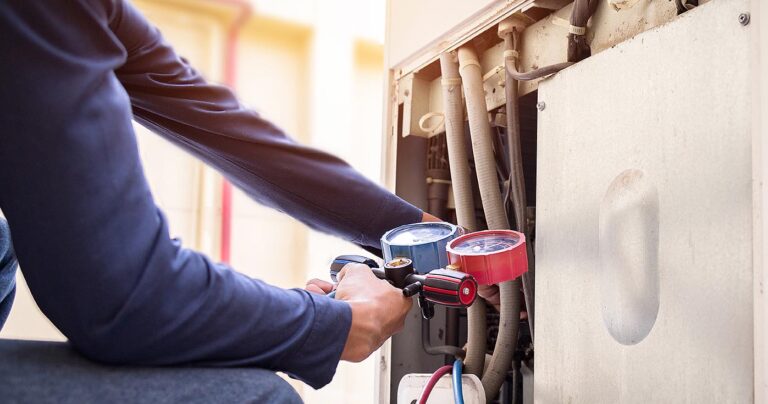
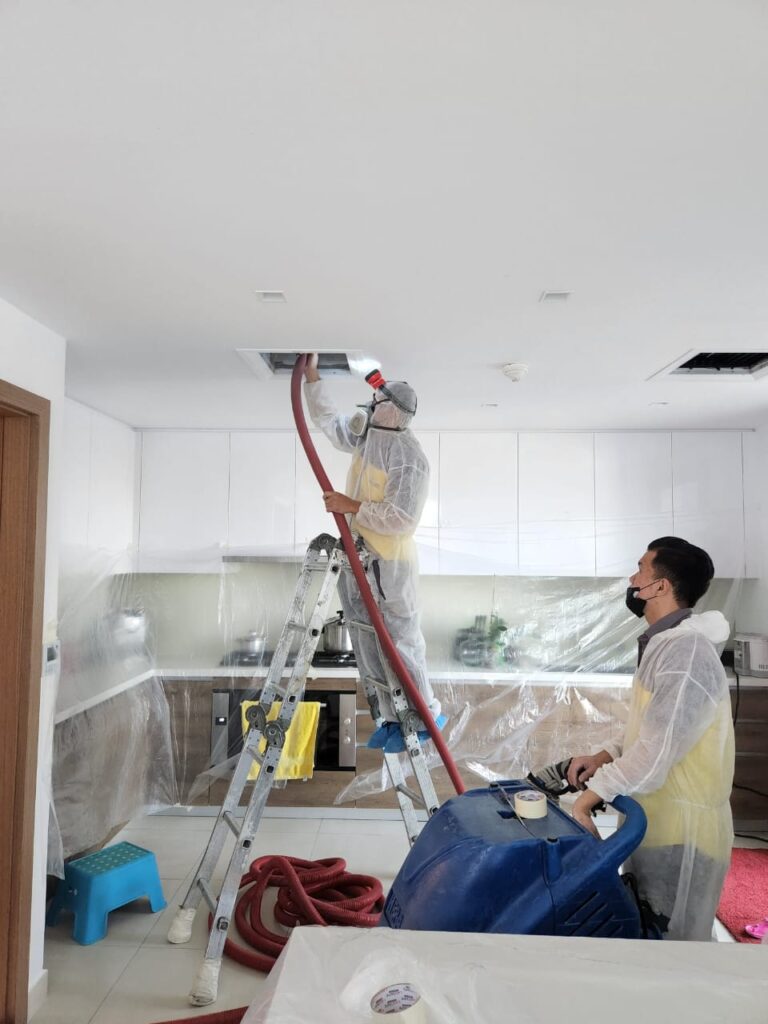
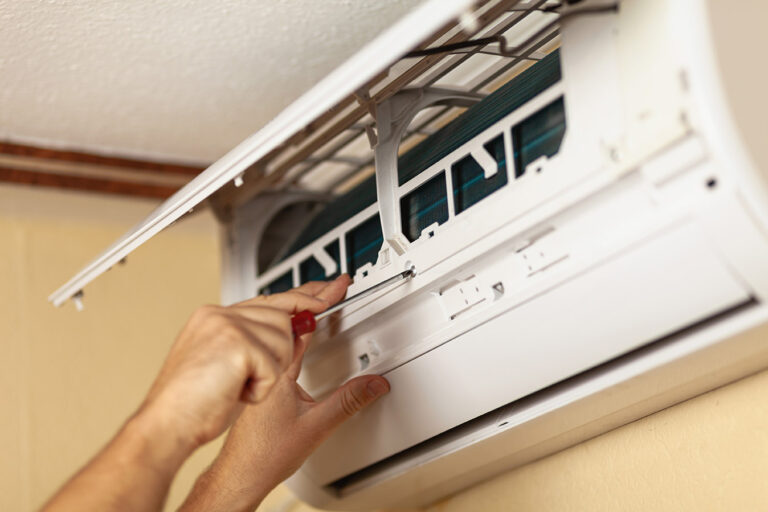
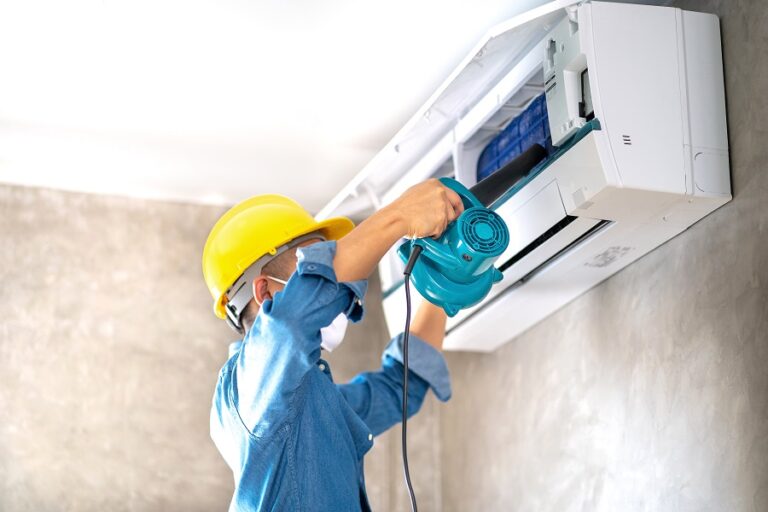
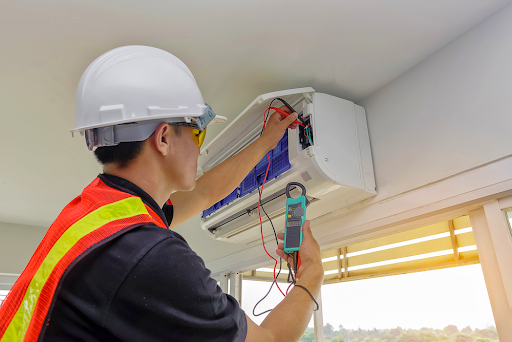
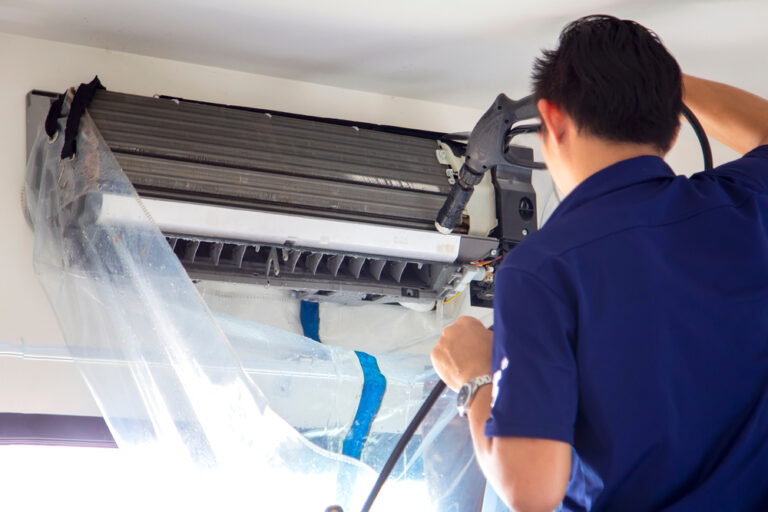
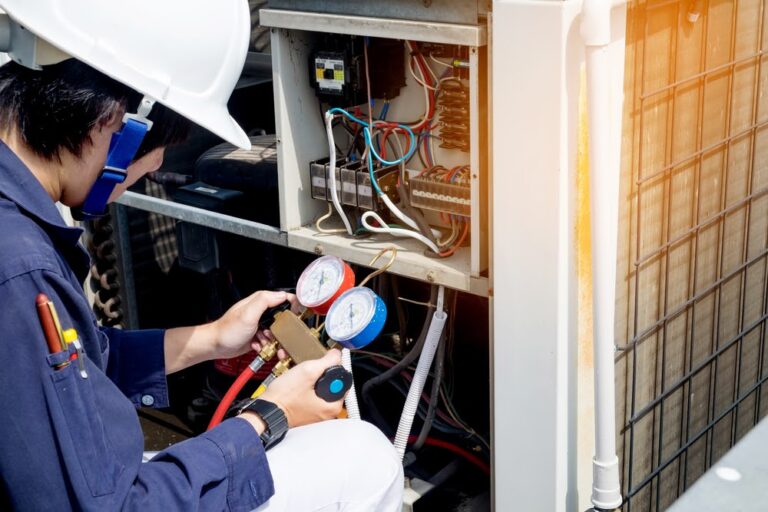
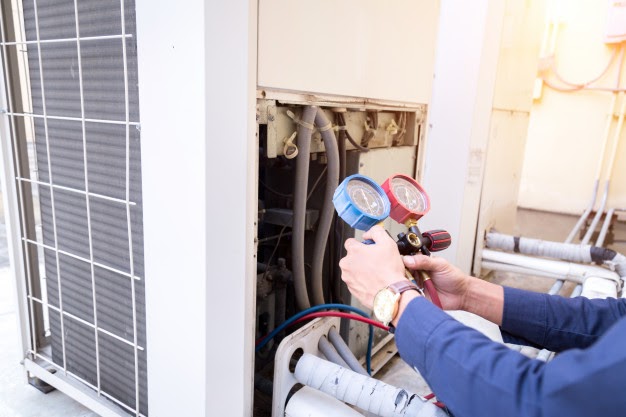
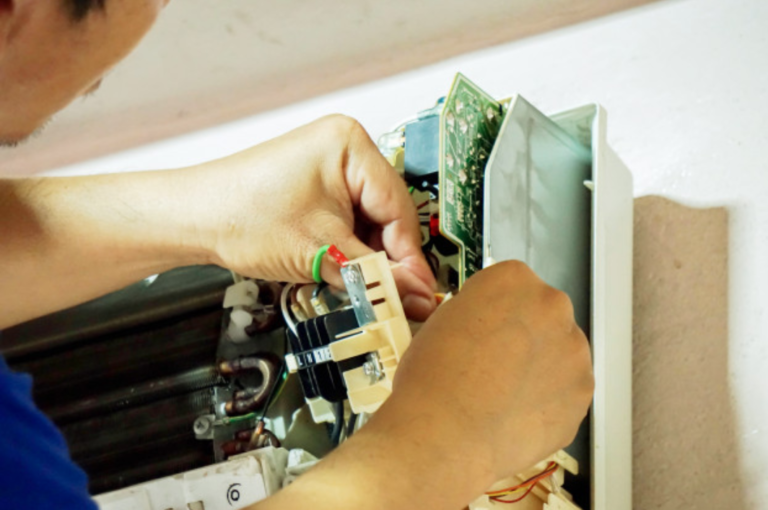
This is where professional service becomes valuable. In our work with AC repair and maintenance, we go beyond cleaning by carrying out a detailed system assessment, reviewing airflow pathways, internal cooling components, and drainage lines to ensure the entire unit operates efficiently.
By pairing regular ac filter cleaning with periodic professional maintenance, you help sustain consistent cooling performance while supporting the long-term reliability of your unit.
Making AC Filter Cleaning Part of Home Maintenance
A system that receives proper care is more likely to operate reliably over time. Early attention to AC maintenance helps your unit continue delivering the level of comfort needed in the UAE’s climate conditions.
If you are ready to move beyond routine upkeep, reach out, and our team will be there to evaluate the overall condition of your AC and identify where further attention may be needed, making sure it operates at its best.
Frequently Asked Questions
Can I use air conditioners without a filter?
No. Operating without a filter allows dust and debris to enter internal components, which can lead to performance issues and potential damage.
Can indoor plants affect AC maintenance needs?
Yes, they can. While plants help improve indoor air quality, soil particles and organic debris may circulate through the air and gradually accumulate in the air intake system.
Is it safe to handle filters with bare hands?
Yes, in most cases it is safe. However, wearing gloves can be helpful if the filter contains heavy dust buildup or if you want to avoid direct contact with accumulated particles.
Why does the air conditioner release dust even after a long time of being unused?
Dust can settle inside the intake area and airflow passages when the system is not used for extended periods. When the unit starts again, some of these particles may be pushed into the room before they are trapped by the filter.
Do different rooms affect how often filters need cleaning?
Yes. Rooms exposed to higher dust levels, cooking activity, open windows, or nearby construction may cause the AC filter to collect particles more quickly. In these situations, cleaning may be needed more frequently to maintain steady airflow and consistent cooling performance.
















































































Scan For a Free Quote
Looking for the best AC Duct cleaning service in Dubai?


