Call us or make an online inquiry for a quick cost estimate.

Sep 5, 2025
What Is An AC Air Compressor and Tips for Maintenance
Air conditioning isn’t just a luxury in Dubai. It’s a lifeline. At the centre of every cooling system is the AC air compressor, the part that keeps your home comfortable through the hottest months. When the compressor runs smoothly, everything else operates smoothly as well. When it struggles, cooling performance, energy bills, and your peace of mind all suffer.
We meet many homeowners worried about sudden cooling failures or rising power costs. We understand how stressful a warm house can be in our climate, so this guide explains what an AC air compressor does, how to maintain it, and what to do if something goes wrong.
How an AC Air Compressor Works
Think of the AC air compressor as the heart of your air conditioner. It pumps refrigerant (the cooling fluid) through the system, compressing it so it can absorb and release heat. Without it, cool air simply can’t flow into your rooms.
There are a few common compressor types used in the UAE:
- Reciprocating Compressors
Durable and budget-friendly, these are commonly found in older air conditioning units.
- Rotary Compressors
Compact and quieter, making them a good fit for smaller homes or apartments.
- Scroll Compressors
Efficient and smooth-running, with fewer moving parts for longer service life.
- Inverter or Variable-Speed Compressors
Adjust their speed automatically to conserve energy and maintain stable indoor temperatures.
In Dubai’s heat and dust, compressors work harder than in cooler countries. Understanding the basics helps you make better decisions about care, repair, and replacement.
Signs of AC Air Compressor Trouble
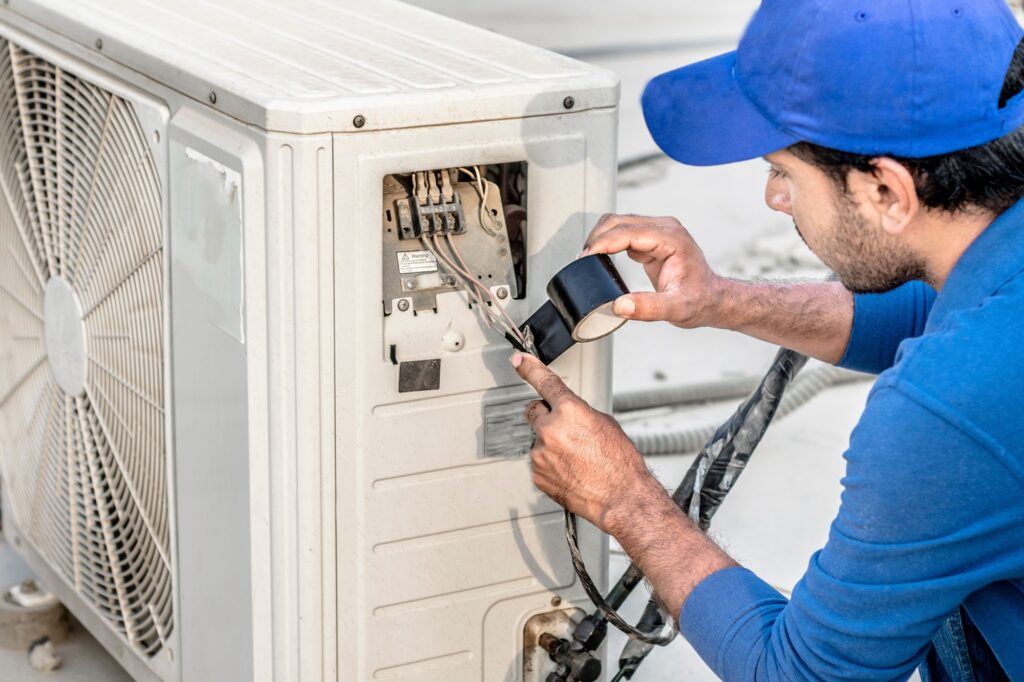
Because the compressor sits out of sight, problems often go unnoticed until cooling stops. Watch for these warning signs:
- Unusual noises like grinding, rattling, or buzzing.
- Weak or uneven cooling indoors.
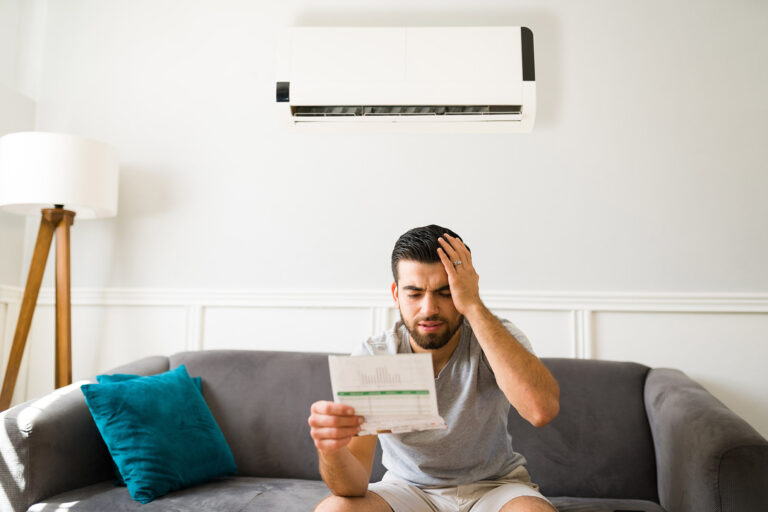
- Higher electricity bills, even when usage hasn’t changed.
- Circuit breaker tripping when the unit starts.
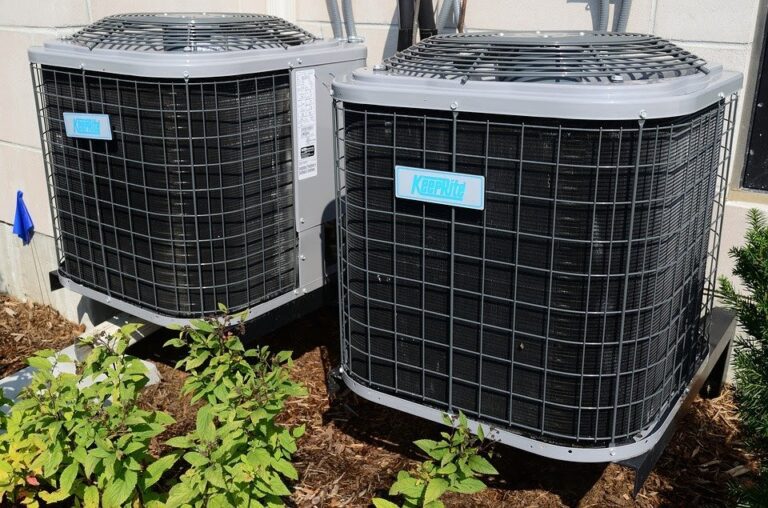
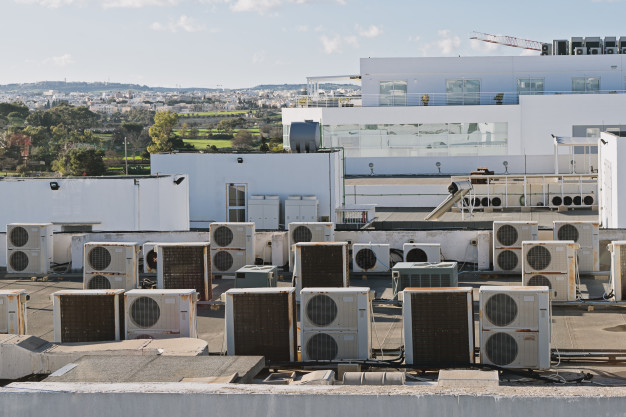
- Leaks or visible damage near the outdoor unit.
Catching these symptoms early can save you time and money. If you’re unsure, it’s safer to have a technician inspect it before it becomes a bigger issue.
Typical Lifespan of an AC Air Compressor in UAE Conditions
Under normal conditions, an AC air compressor can last 10-15 years. In our region, factors like heavy usage, power fluctuations, sand, and dust can shorten its life. Regular maintenance extends its lifespan and keeps your home comfortable all year round.
Repair or Replacement: Making the Right Choice
When a compressor starts failing, many homeowners wonder which path is best. Consider:
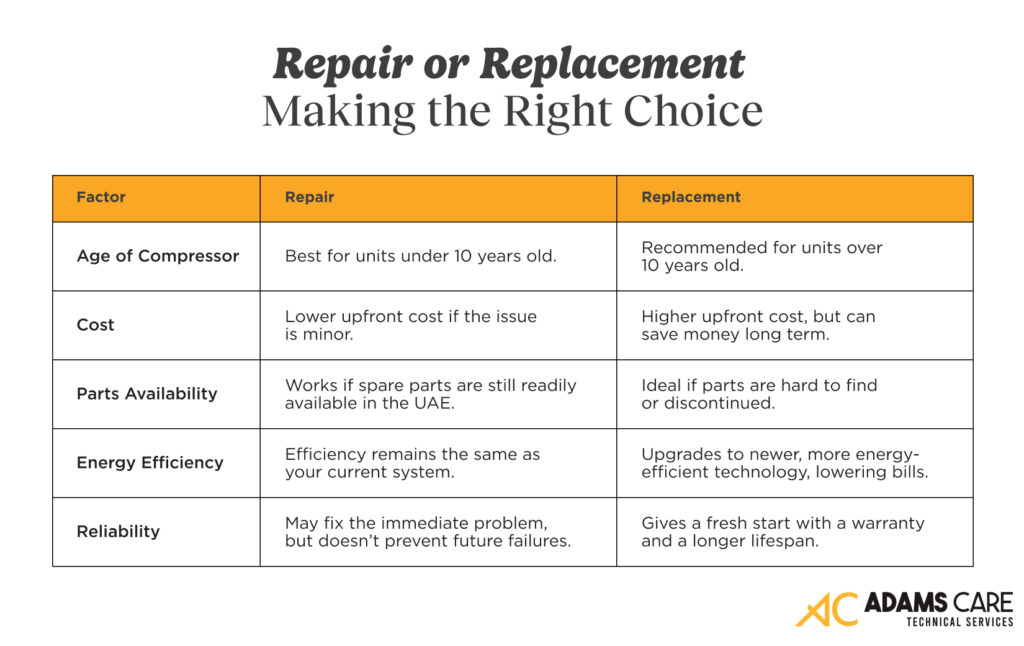
size, and labour complexity. As a rough guide:
- Repairing an AC air compressor might range from 500 – 1,500 AED, depending on parts.
- Replacing an AC air compressor can cost 2,000 – 5,000 AED or more for larger systems.
Costs also depend on the type of refrigerant, the accessibility of the outdoor unit, and whether other parts require attention. Request a clear breakdown of charges to avoid any surprises.
Choosing the Right AC Air Compressor for Your Home
If you need a new compressor, keep these points in mind:
Capacity
Your compressor should match the cooling capacity (tonnage) of your AC unit. A compressor that’s too small will struggle to cool your home efficiently, while an oversized unit wastes energy and can cause temperature swings. Obtaining the right capacity ensures your system runs smoothly and keeps your electricity bills under control.
Energy Efficiency
Look for inverters or high-efficiency models that adjust their speed instead of turning on and off constantly. These compressors save energy, reduce wear and tear, and maintain a more consistent indoor temperature. Over time, investing in an energy-efficient unit can significantly lower your monthly electricity bills.
Noise Level
Some compressors can be quite noisy, which is a concern if your AC is located near bedrooms, living spaces, or neighbours. Rotary and scroll compressors tend to run quieter, making them ideal for apartments or villas where quiet operation is essential. Choosing a low-noise unit improves comfort without disturbing your household or community.
Compatibility
Ensure the new compressor is compatible with your existing AC system, including refrigerant type and unit model. Installing an incompatible compressor can cause malfunctions or even damage other components. A properly matched compressor guarantees optimal performance and prevents costly repairs down the line.
Professional Installation
Even the best compressor can fail early if it’s not installed correctly. Professional technicians ensure correct connections, proper refrigerant levels, and adherence to safety standards. Investing in expert installation protects your warranty and gives peace of mind that your AC system will perform reliably.
Maintenance Practices to Extend Compressor Life
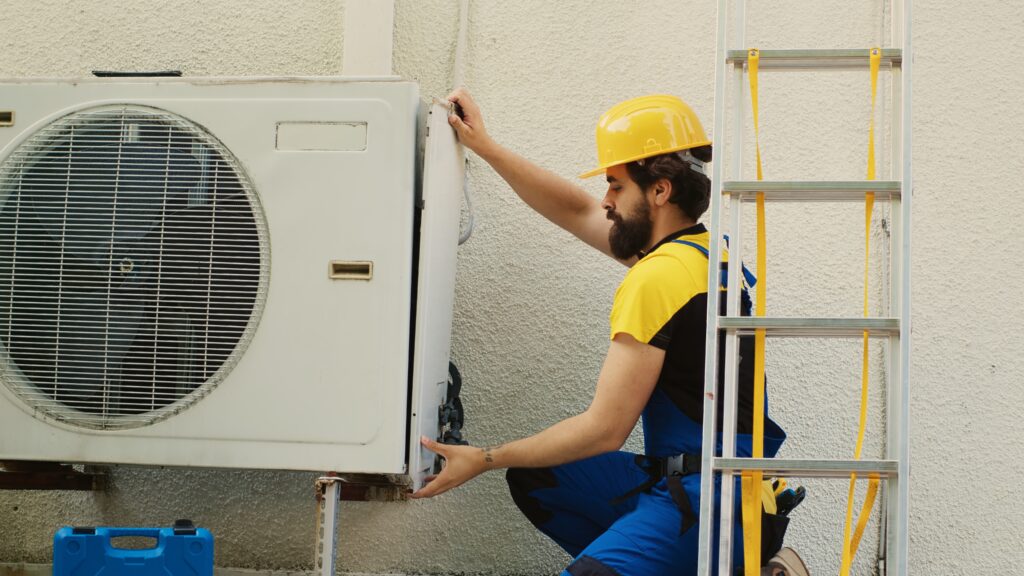
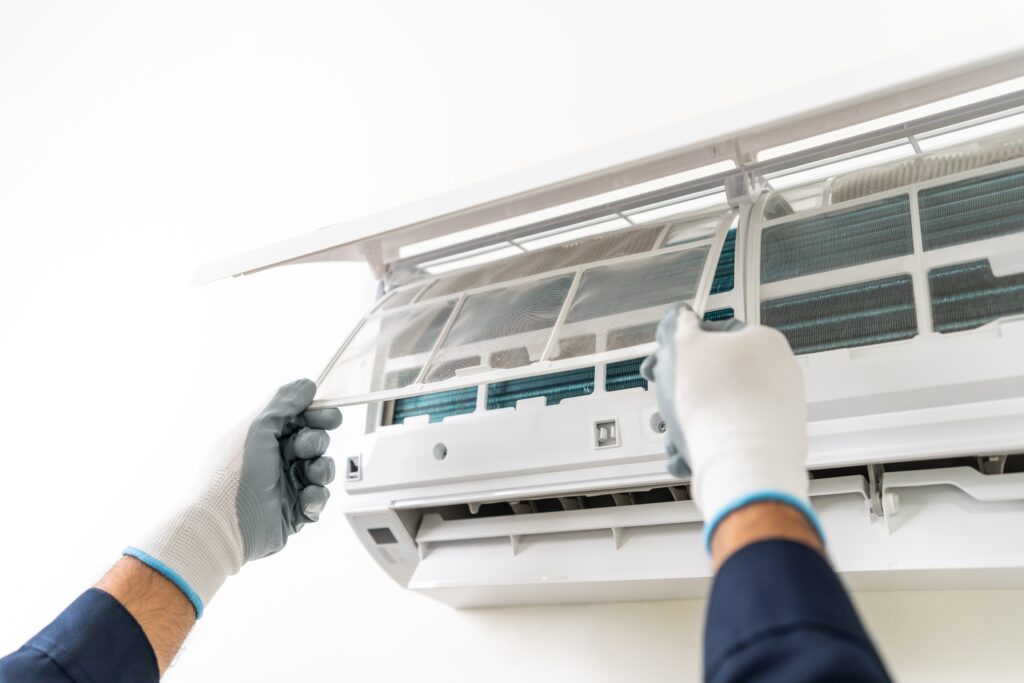
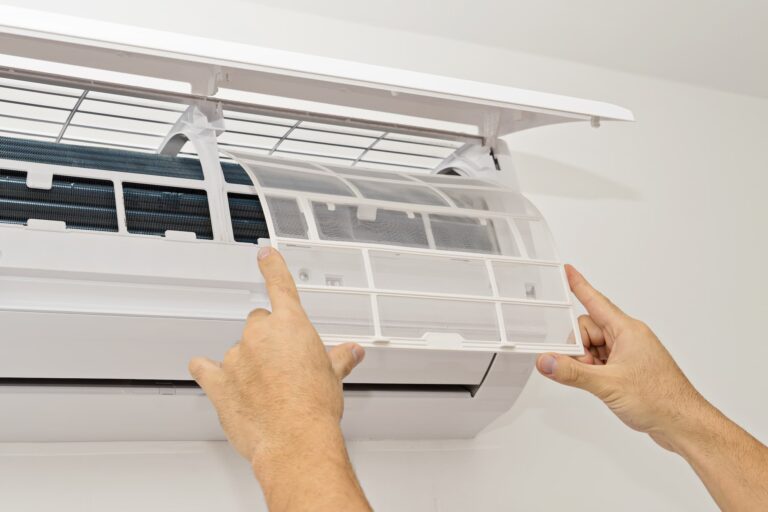
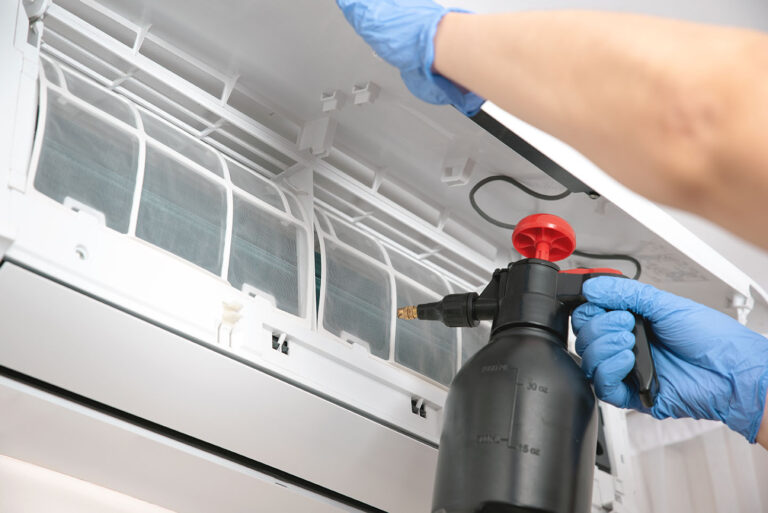
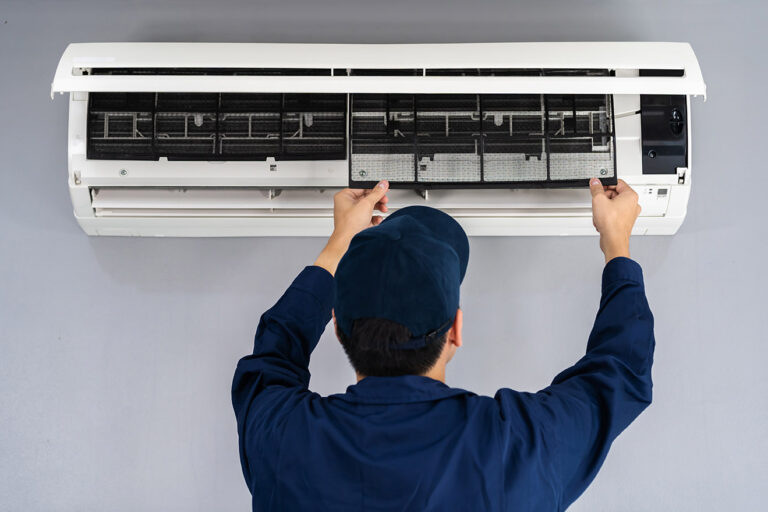
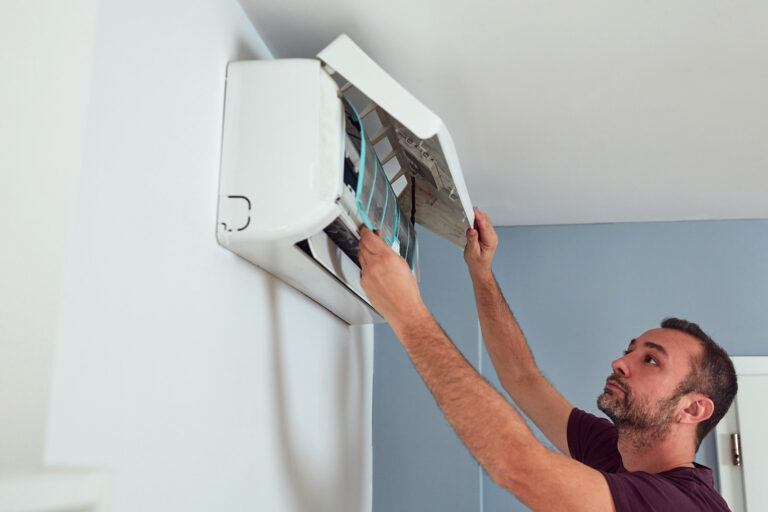
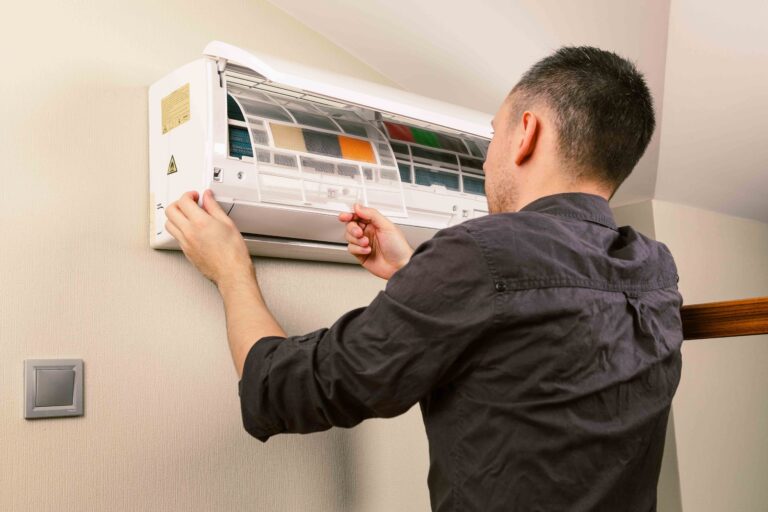
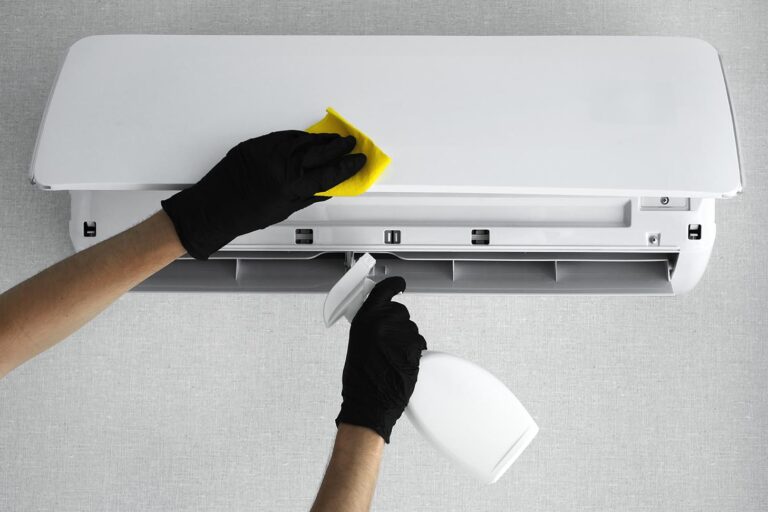
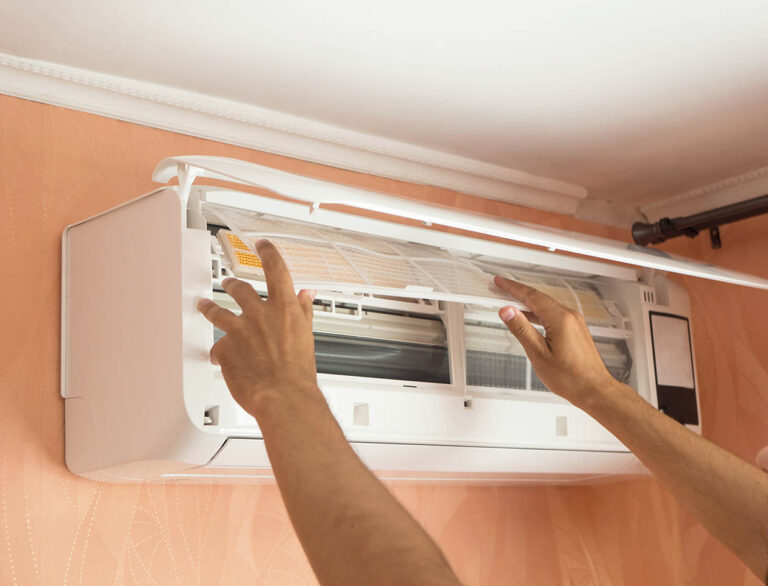
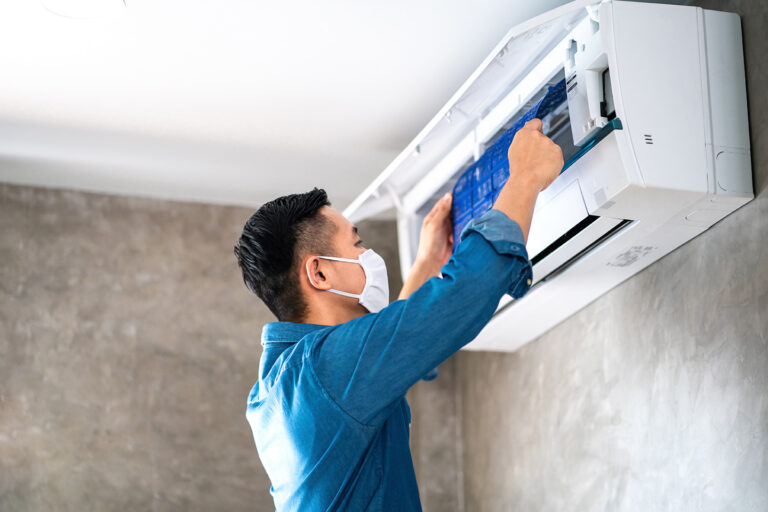
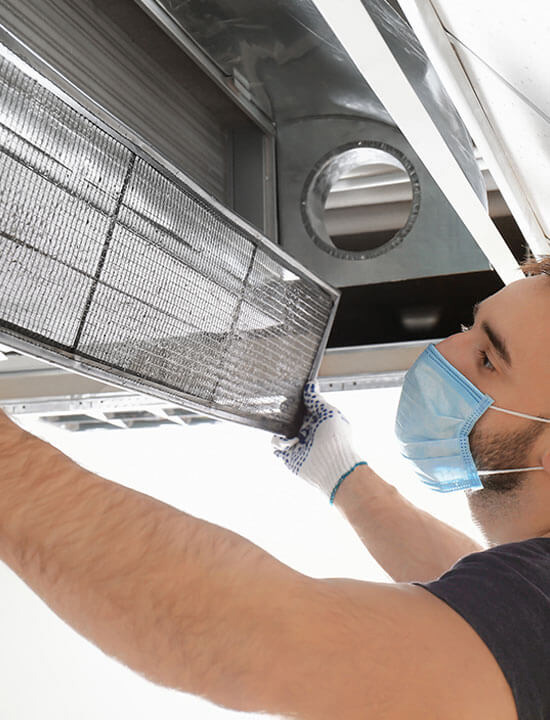
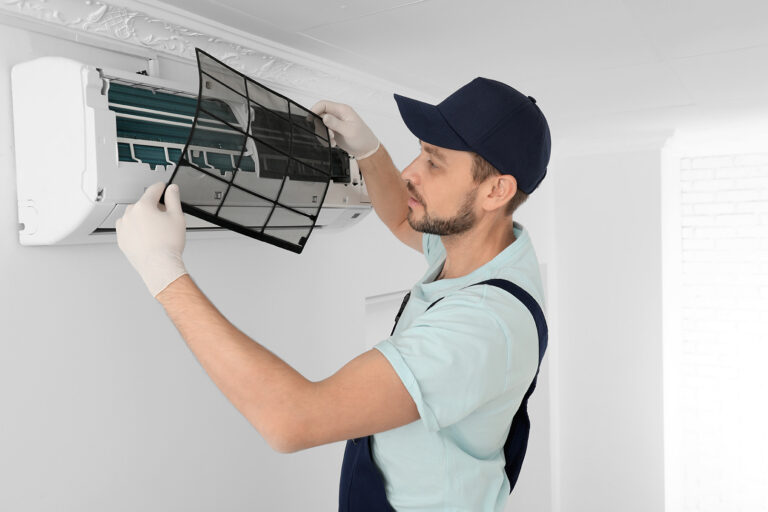
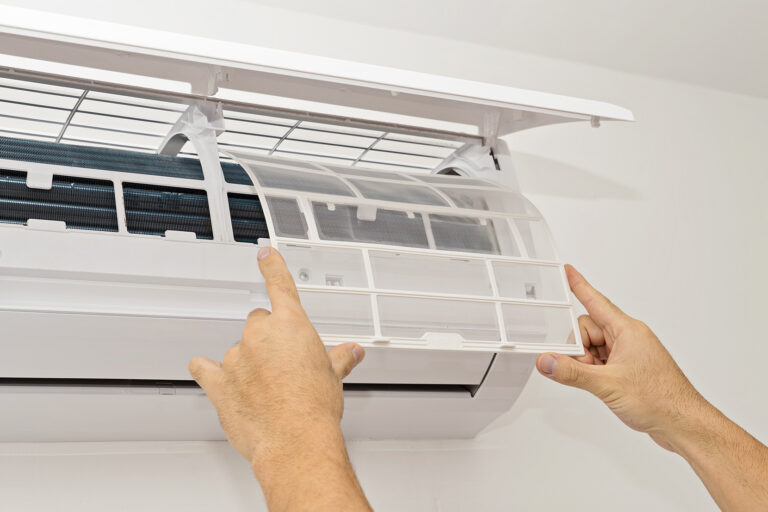
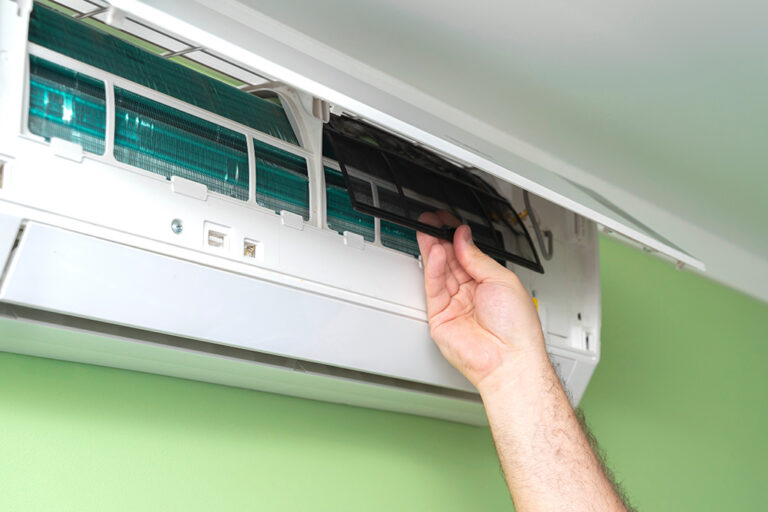
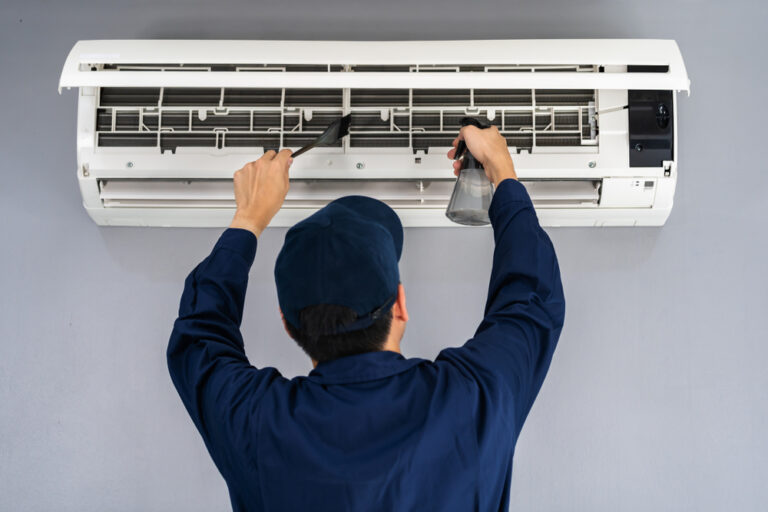
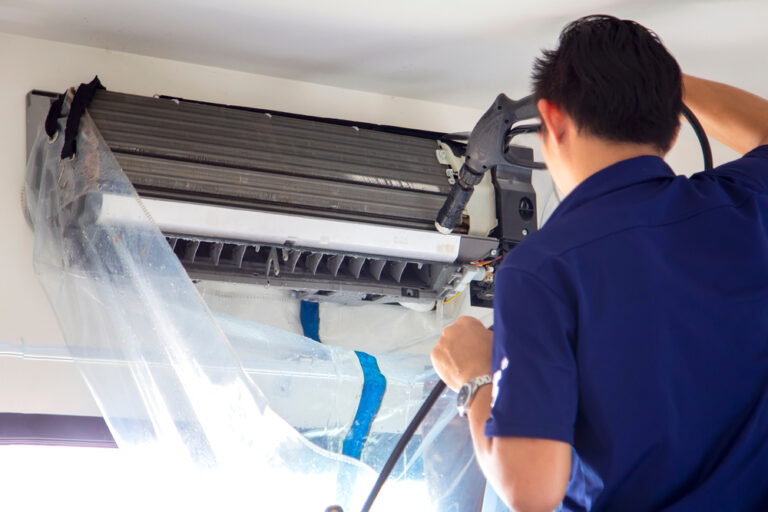
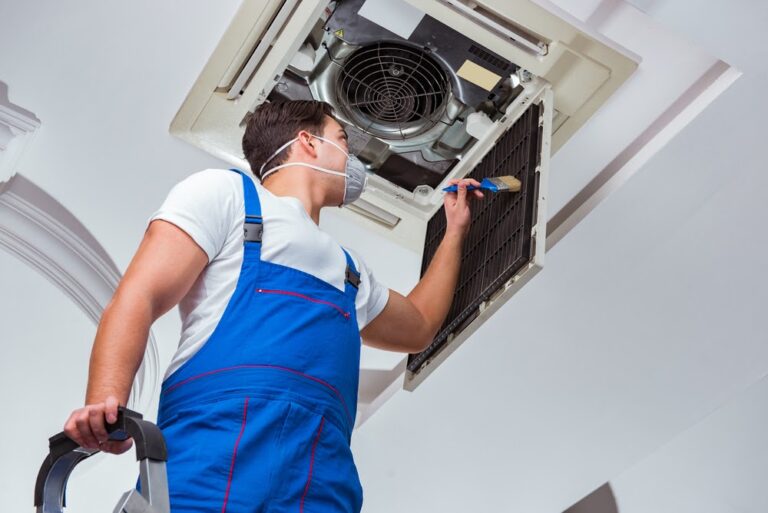
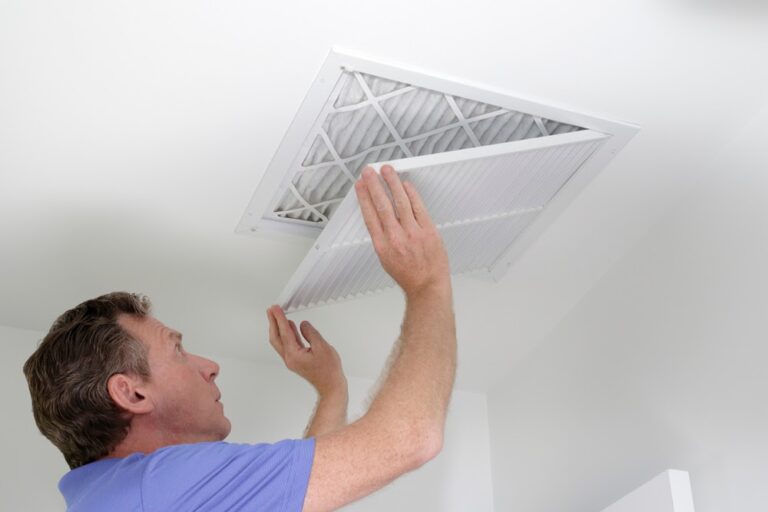
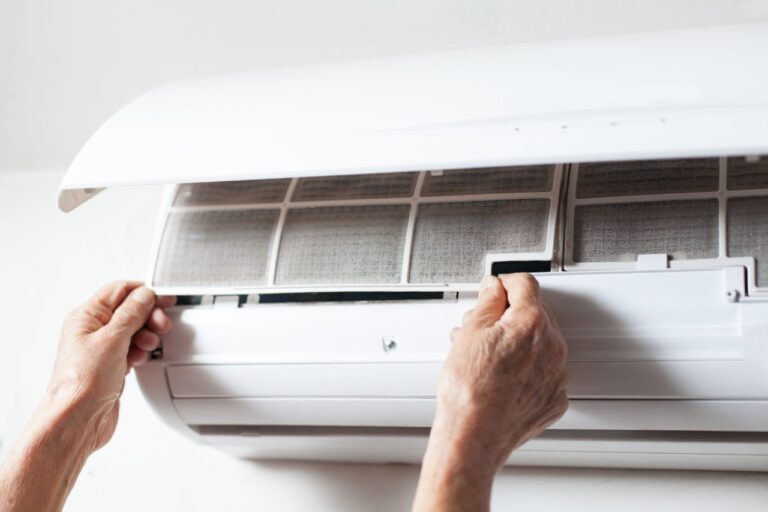
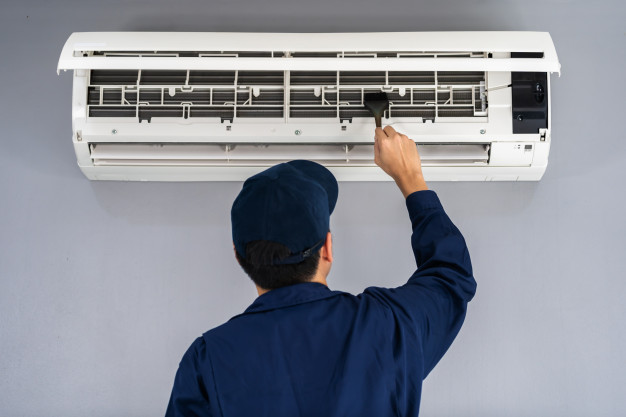
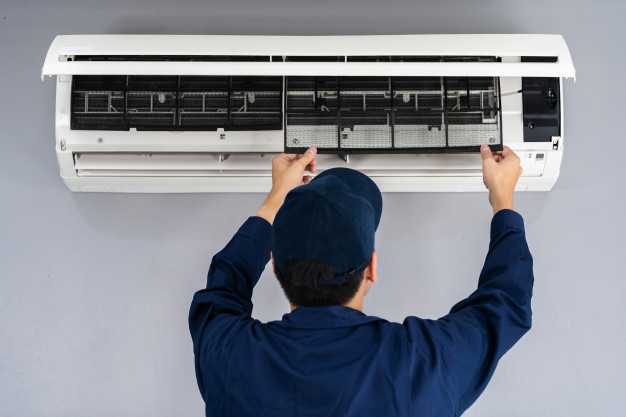
Step 1: Keep your filters clean.
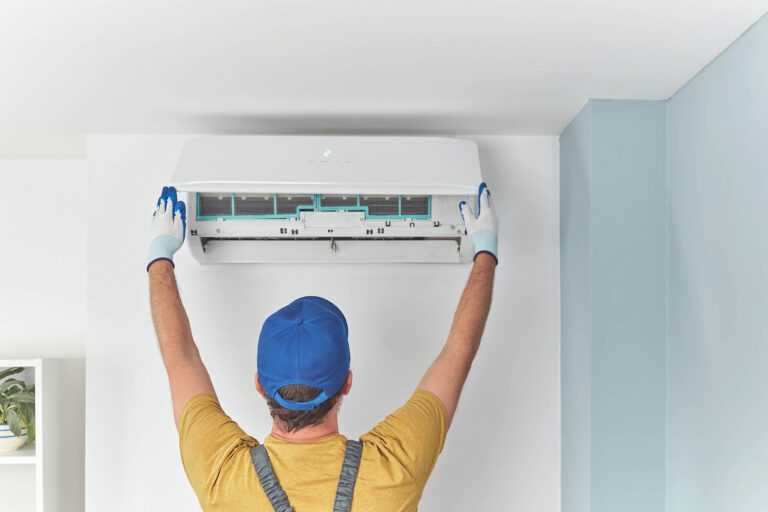
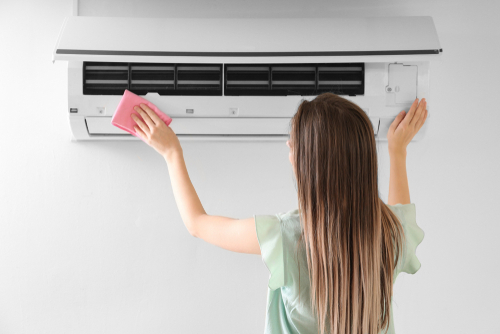
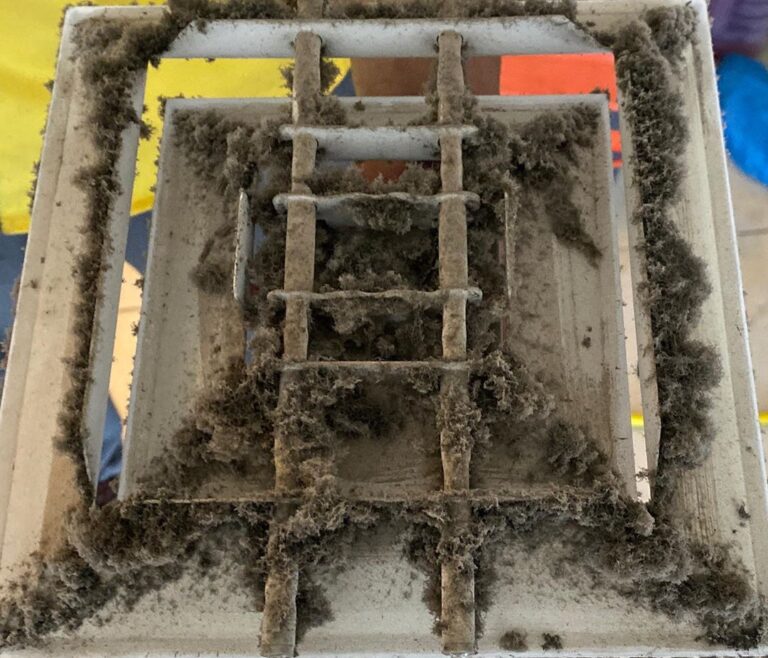
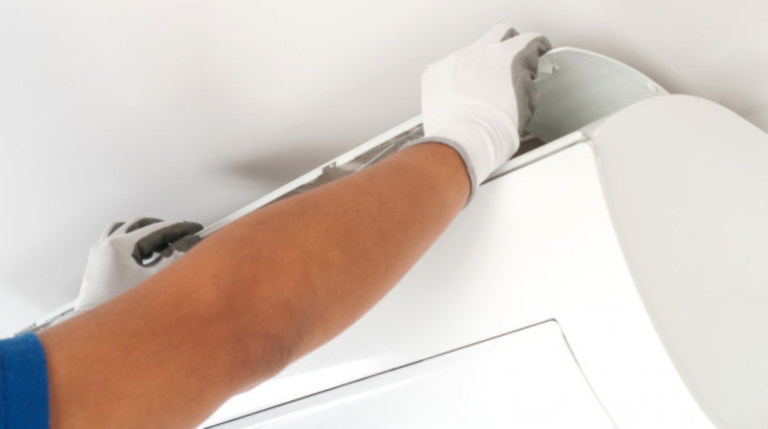
Regularly clean or replace your AC filters to prevent airflow problems. Clogged filters force the compressor to work harder, which can shorten its lifespan and raise electricity bills.
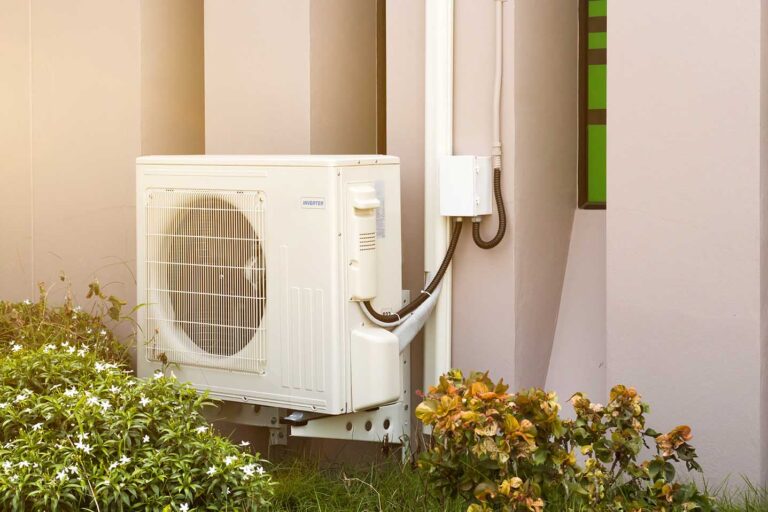
Step 2: Clear the outdoor unit.
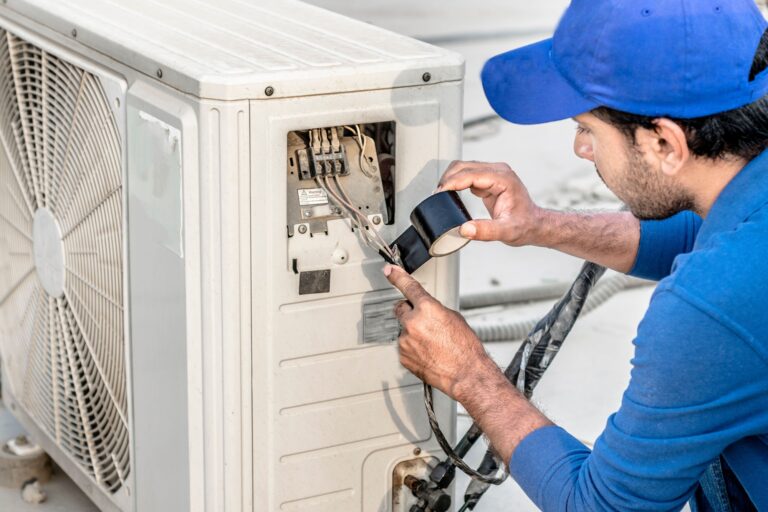
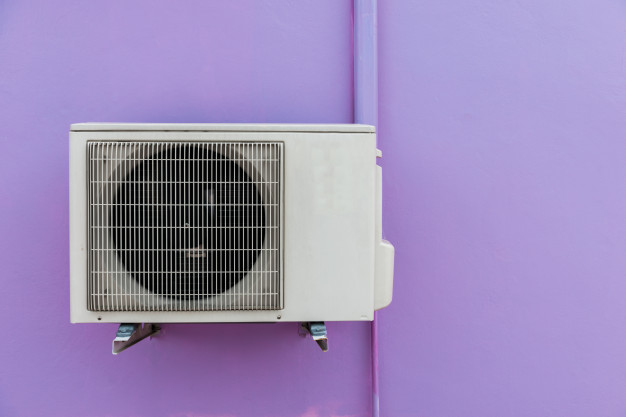
Ensure the area around your outdoor unit is free from leaves, sand, dust, and other debris. This allows proper airflow and helps the compressor operate efficiently, especially during Dubai’s dusty months.
Step 3: Provide shade if possible.
If your outdoor unit is exposed to direct sunlight, consider shading it without blocking airflow. Reducing heat load on the compressor can improve efficiency and reduce wear.
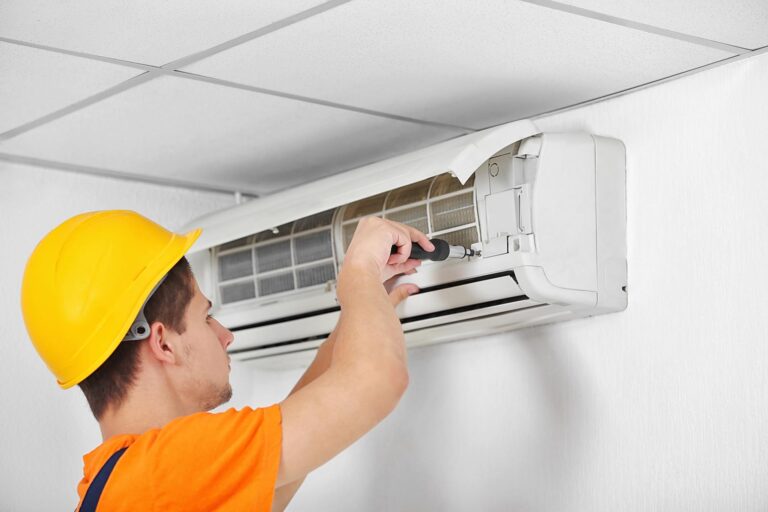
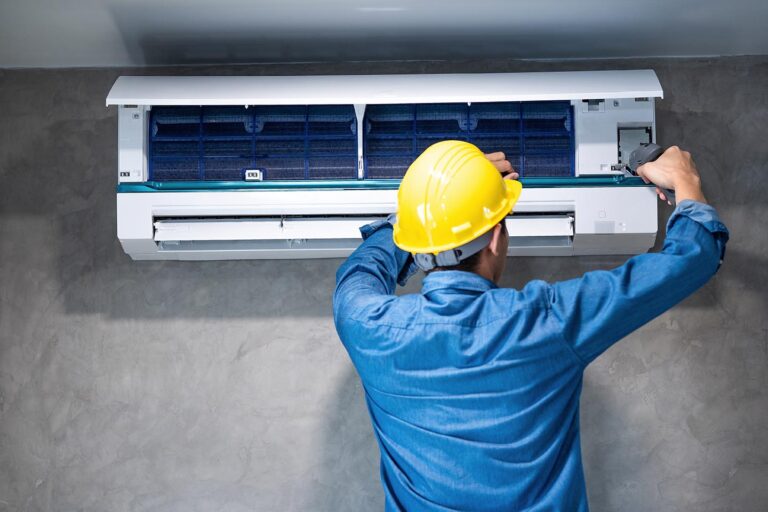
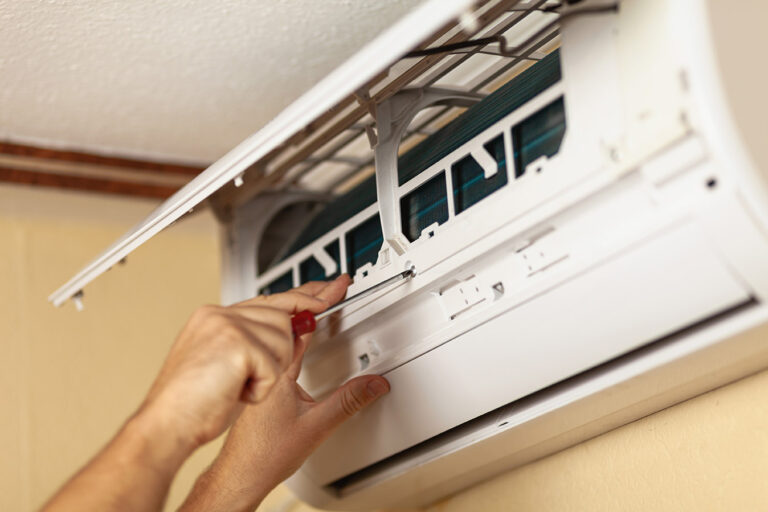
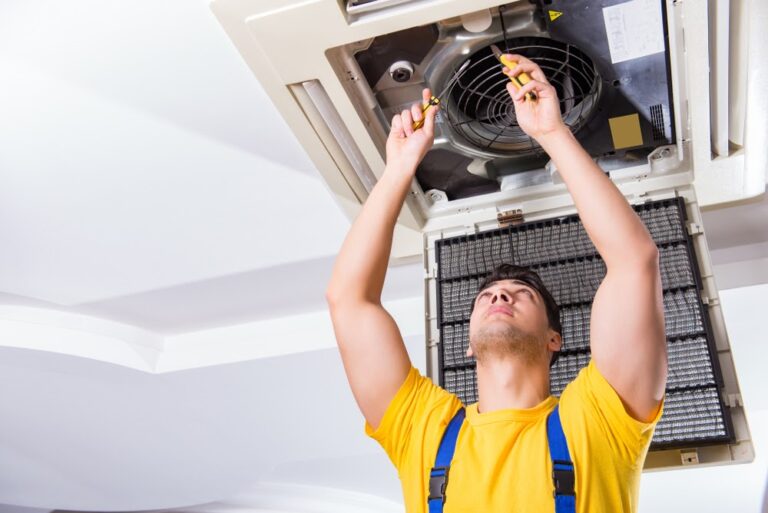
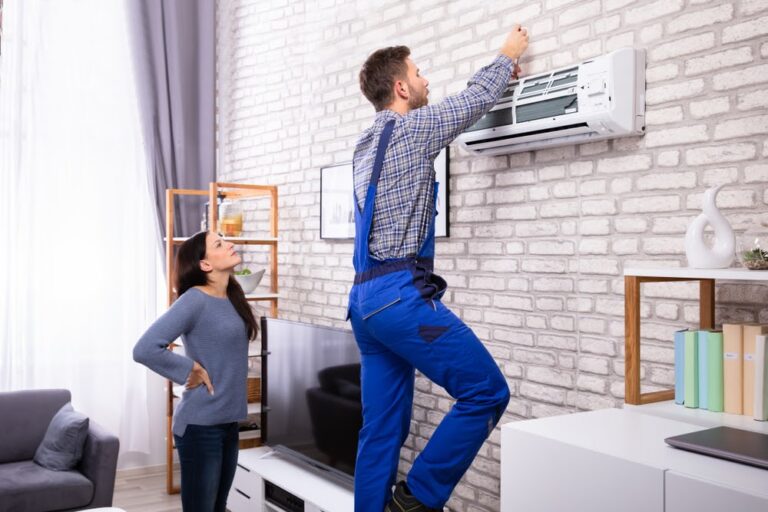
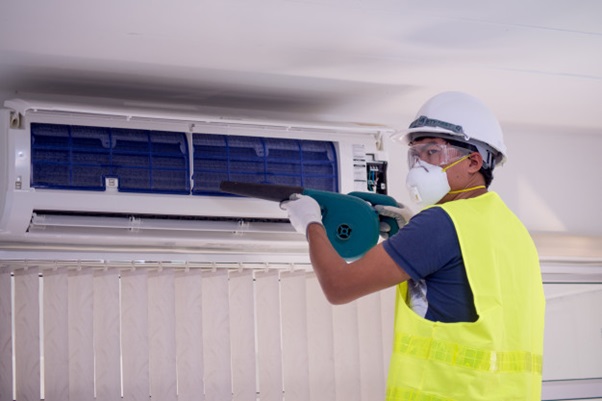
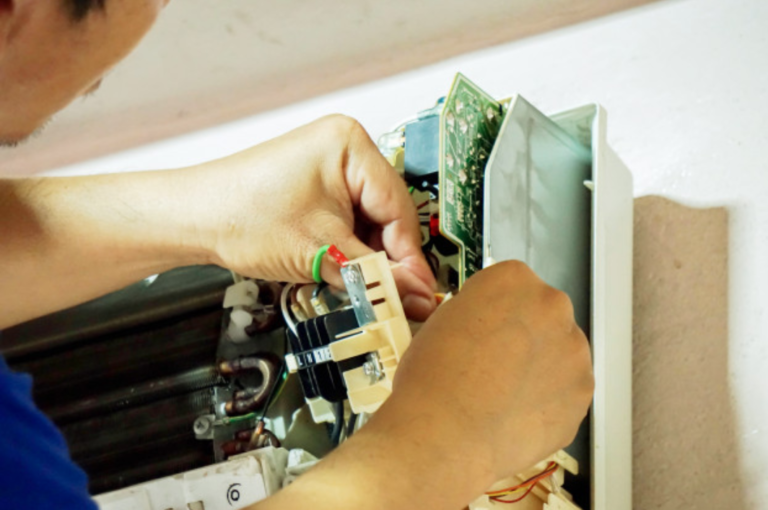
Step 4: Schedule routine professional checks.
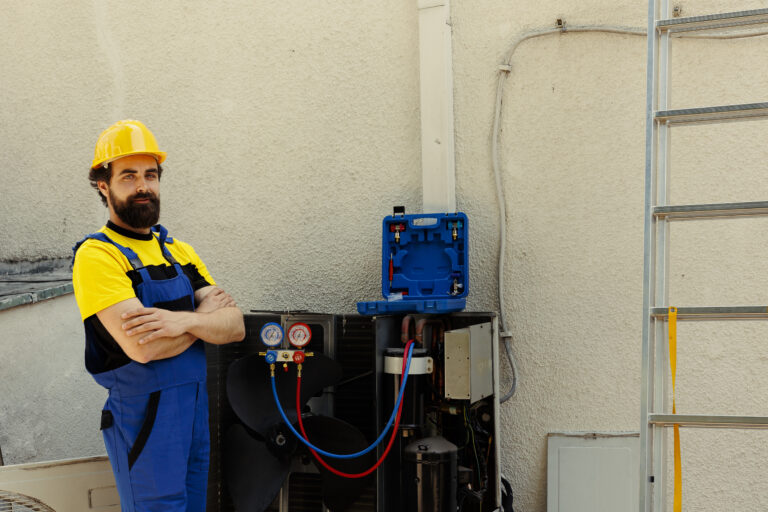
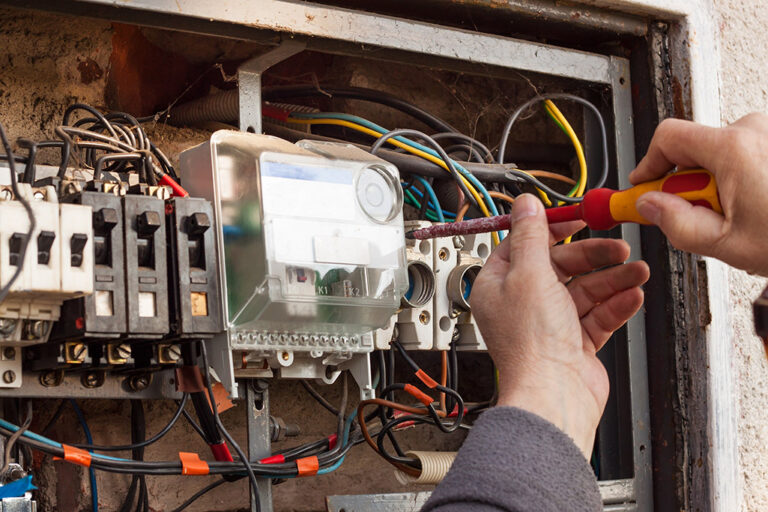
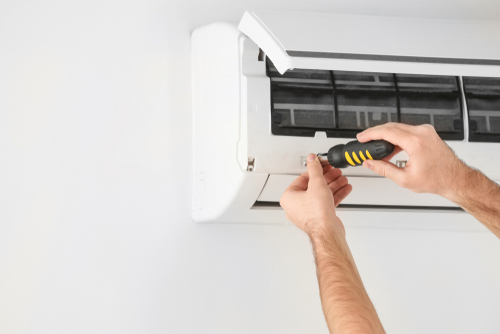
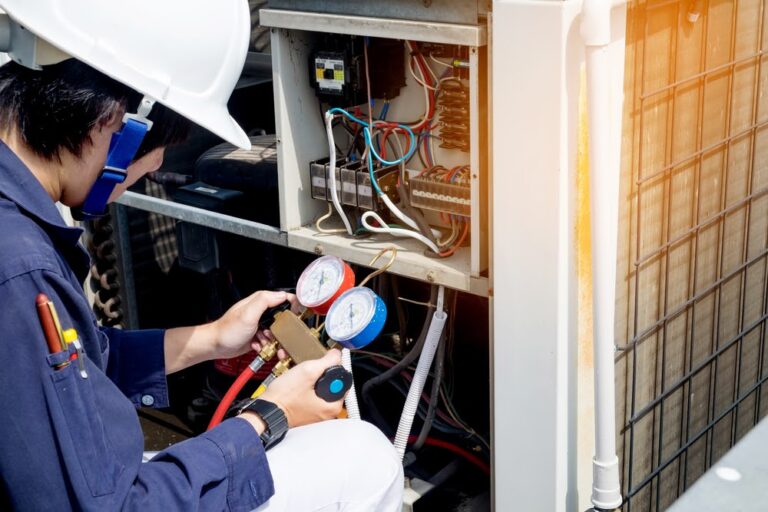
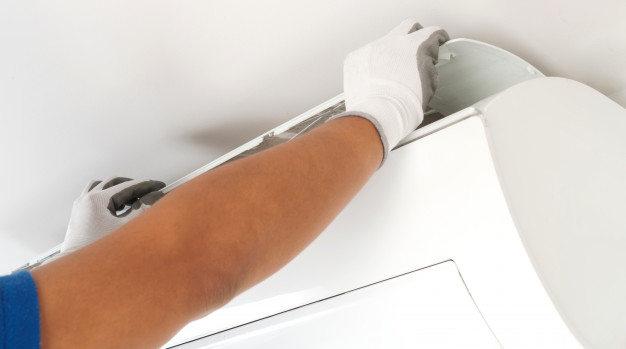
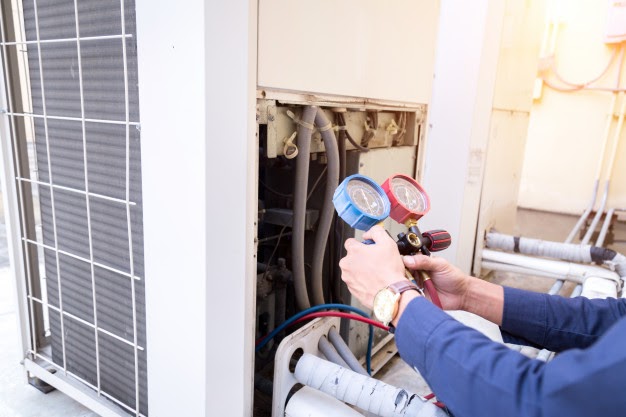
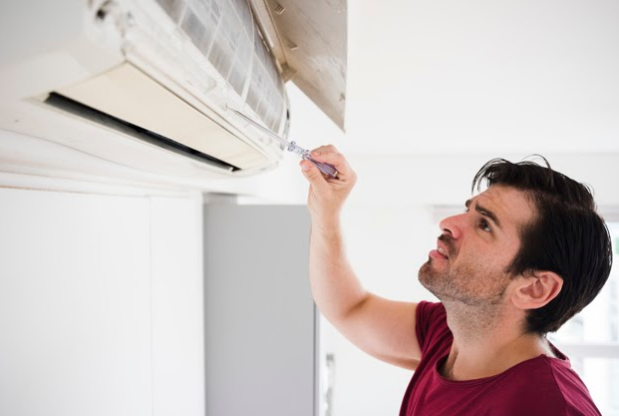
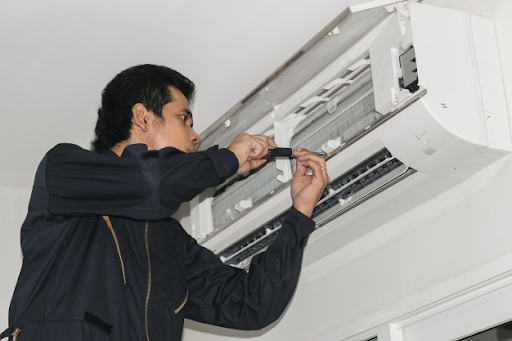
Book a qualified technician to inspect your AC before the summer season begins. During these visits, they check refrigerant levels, electrical connections, and the compressor’s operating pressure.
Step 5: Embrace preventive care.
Regular maintenance costs far less than emergency repairs and helps avoid sudden breakdowns. A well-maintained compressor runs longer, uses less energy, and keeps your home comfortably cool.
Local Standards, Warranties, and Services in the UAE
Many compressors come with 5-10 year manufacturer warranties on parts. Keep warranty documents safe and follow the maintenance schedule to avoid voiding coverage.
The UAE has energy efficiency standards for air conditioners (Dubai Government Energy Efficiency Standards) that can reduce your bills and your carbon footprint. Choosing certified products and regular servicing helps you stay compliant.
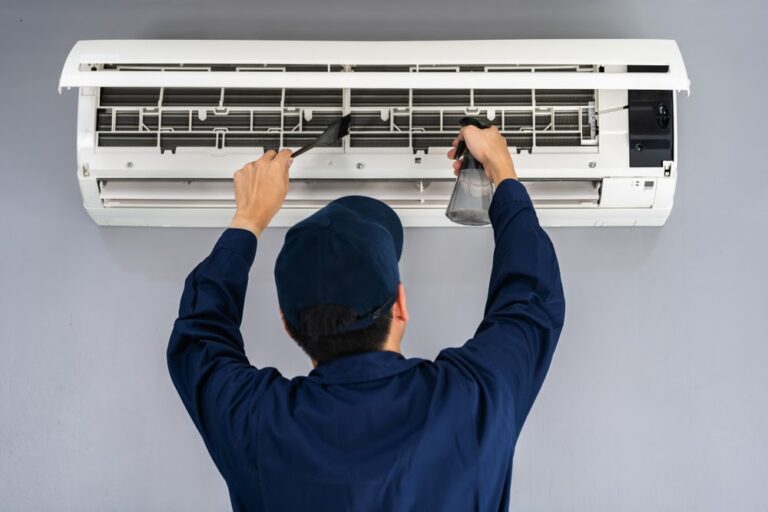
Adams Care offers regular AC inspections, cleaning, and maintenance plans to help homeowners comply with standards and keep systems running reliably. Our goal is to give you peace of mind, not just quick fixes.
Keeping Your AC Air Compressor Reliable Year-Round
Your AC air compressor is the heart of your cooling system. With regular care, clear decisions, and timely action, you can extend its life and avoid costly emergencies.
We understand the importance of comfort in your home. Our team offers inspections and maintenance plans designed to give you peace of mind and a cool, healthy indoor environment.
Frequently Asked Questions
What is the compressor in the AC?
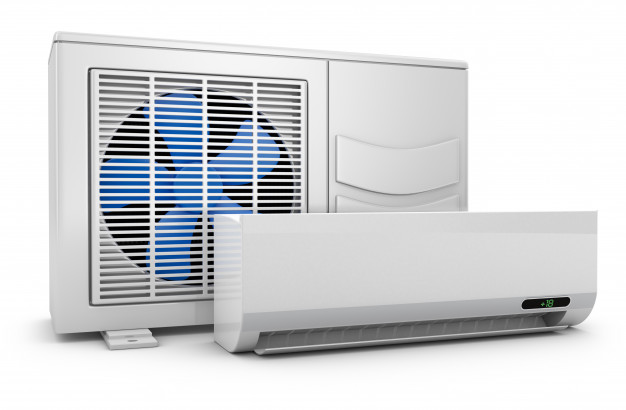
The compressor is the heart of your air conditioner. It pumps refrigerant through the system, raising its pressure so it can absorb heat from inside your home and release it outside. Without a working compressor, your AC cannot produce cool air.
What is the difference between an AC condenser and a compressor?
The compressor pressurizes the refrigerant to move it through the system, while the condenser releases heat from the refrigerant into the outside air. In simple terms, the compressor “pushes” the refrigerant, and the condenser “cools” it, allowing your home to stay comfortable. Both work together for efficient cooling.
How much is an AC compressor in Dubai?
Prices vary depending on brand, size, and type. Repairing a compressor typically costs 500-1,500 AED, while a full replacement may range from 2,000-5,000 AED or more for larger units. Always request a clear quote that includes parts and labor.
How often should an AC compressor be serviced?
At least once a year, ideally before the summer season. In Dubai’s dusty climate, regular checks help prevent breakdowns, maintain efficiency, and extend the compressor’s lifespan.
Can an AC run without a compressor?
No. The compressor is essential for cooling. Without it, your AC can only blow warm air, even if the fan and other parts are working.
What are common signs that a compressor is failing?
Look out for unusual noises like buzzing or grinding, weak or uneven cooling, higher electricity bills, leaks near the outdoor unit, or circuit breaker trips when the AC starts. Early detection can prevent expensive repairs and sudden breakdowns.





























































































































Scan For a Free Quote
Looking for the best AC Duct cleaning service in Dubai?


