Call us or make an online inquiry for a quick cost estimate.

Jan 17, 2025
How Long Do Air Conditioners Last? The Role of Regular Maintenance
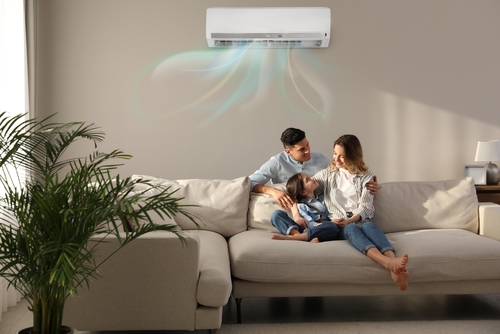
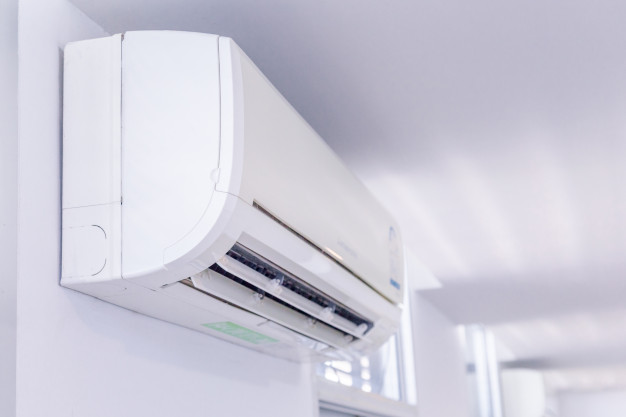
When you invest in an air conditioner (AC) for your home, you expect it to provide reliable cooling and comfort for many years–a long-term investment for your home. However, like all home appliances, air conditioners don’t last forever. Understanding how long your air conditioner can last and how regular maintenance can influence its lifespan is essential for homeowners looking to get the most out of their investment.
Let’s talk about the expected lifespan of different types of air conditioners, the signs that your AC may need to be replaced, and how regular maintenance can play a critical role in prolonging its efficiency.
How Long Do Air Conditioners Last?
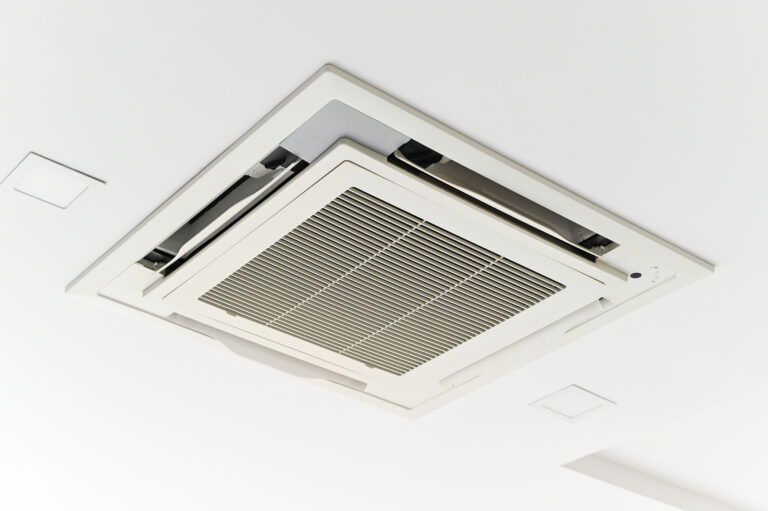
Air conditioners come in various types, and their lifespan can vary depending on factors like usage, maintenance, and climate. On average, most air conditioners last between 10 and 15 years, but several factors can affect this duration. Here’s a breakdown of the typical lifespans for different AC types:
| Type of Air Conditioner | Average Lifespan | Key Factors Influencing Lifespan |
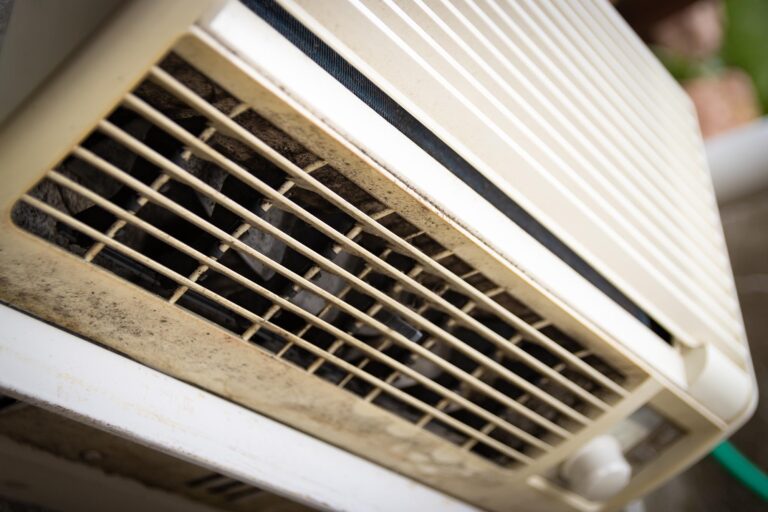
| Window Units | Around 10 years | Regular AC cleaning, minimal usage during mild weather, and avoiding overloading can prolong lifespan. |
| Portable AC Units | 5 to 10 years | Proper storage during off-seasons and routine maintenance help these units last longer. |
| Central Air Conditioning Systems | 15 years (up to 20 years with good maintenance) | Annual professional servicing and proper insulation ensure longer service life. |
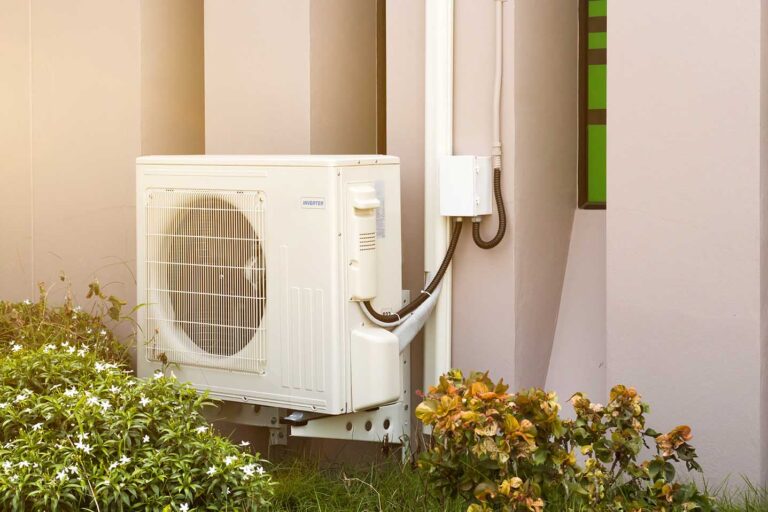
| Ductless Mini-Split Systems | 20 to 25 years | Timely filter replacement, scheduled inspections, and appropriate usage contribute to longevity. |
• Window Units
Typically last around 10 years.
• Portable AC Units
These units can last anywhere from 5 to 10 years, depending on usage.
• Central Air Conditioning Systems
These generally last 15 years, with well-maintained systems potentially lasting up to 20 years.
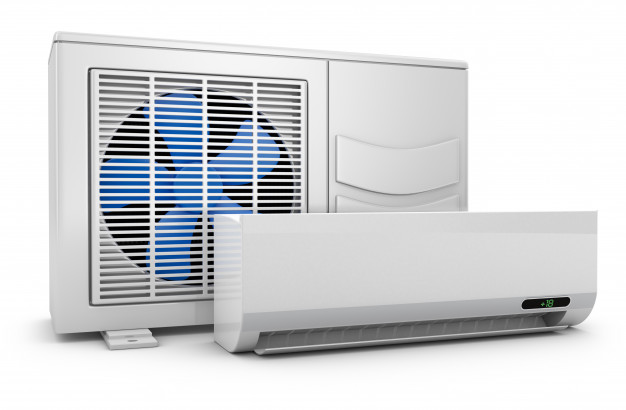
• Ductless Mini-Split Systems
These units have the longest lifespan, often lasting from 20 to 25 years with proper care.
However, just knowing the average lifespan isn’t enough. The actual longevity of your air conditioner depends on several factors. Let’s explore them further.
4 Factors That Affect the Lifespan of an Air Conditioner
Several elements influence how long your air conditioner lasts. Regular maintenance plays a significant role, but other factors should also be considered:
1. Frequency of Use
The more frequently your AC is used, the more wear and tear it will experience. In regions with hot climates, the AC may be in use most of the year, potentially reducing its lifespan.
2. Installation Quality
If the system is not properly installed, it can lead to premature breakdowns. A poorly installed unit may struggle to cool your home efficiently and could face operational issues sooner.
3. Climate
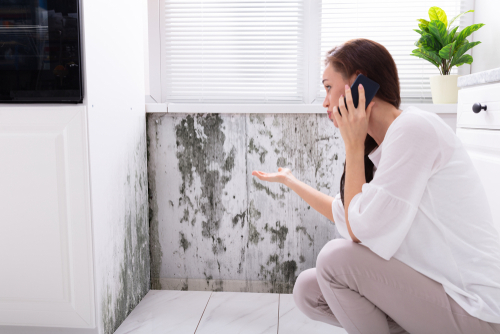
In areas with extreme weather conditions, an air conditioner may work harder to maintain comfortable indoor temperatures. High humidity levels can encourage mould growth within the unit, further straining its performance and potentially impacting its lifespan.
4. Maintenance
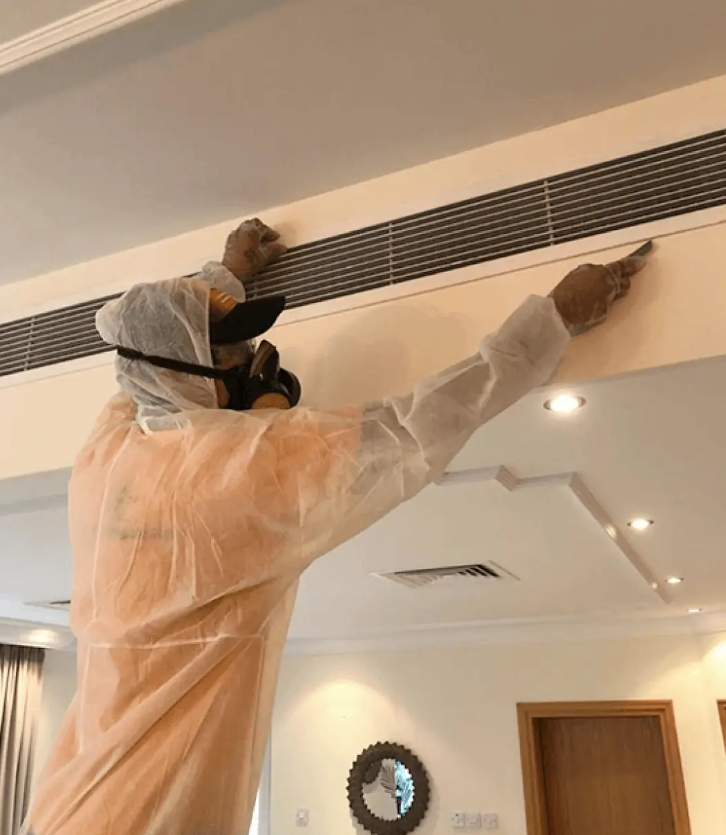
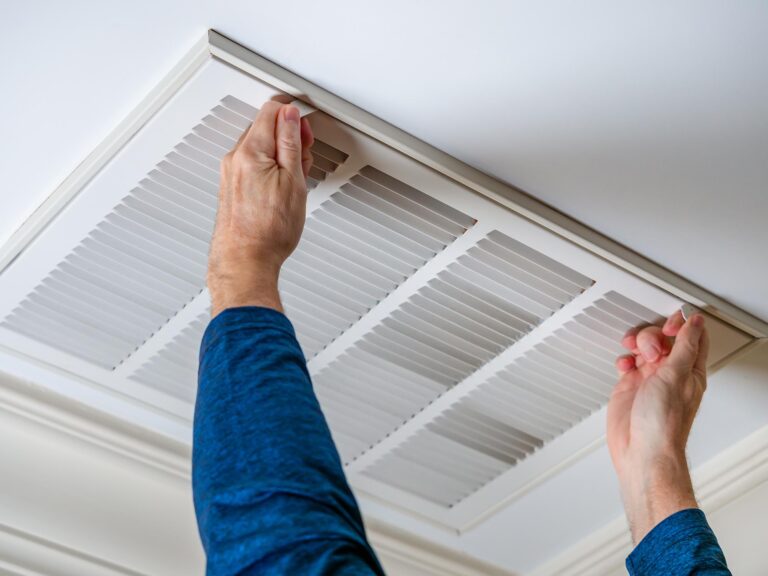
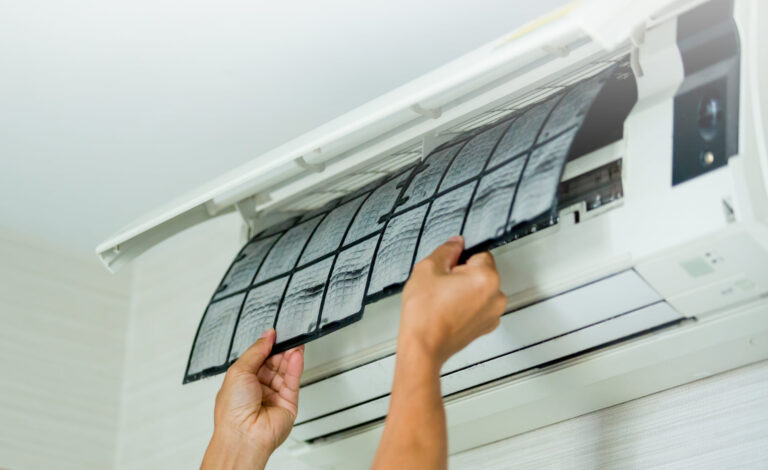
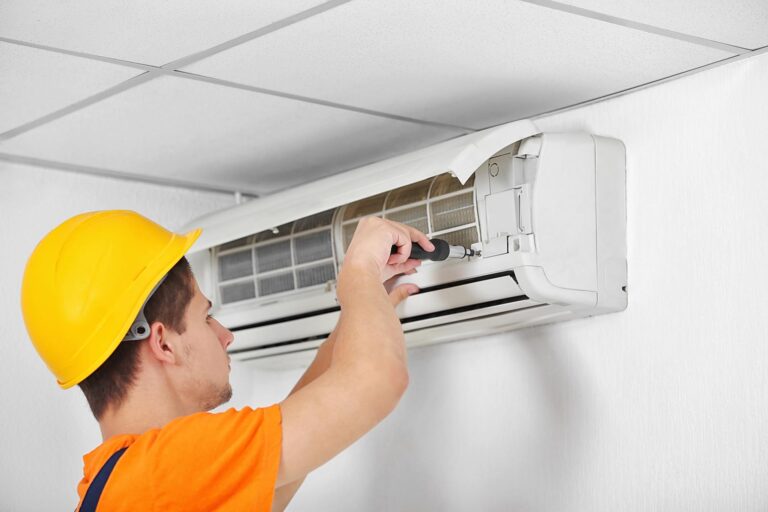
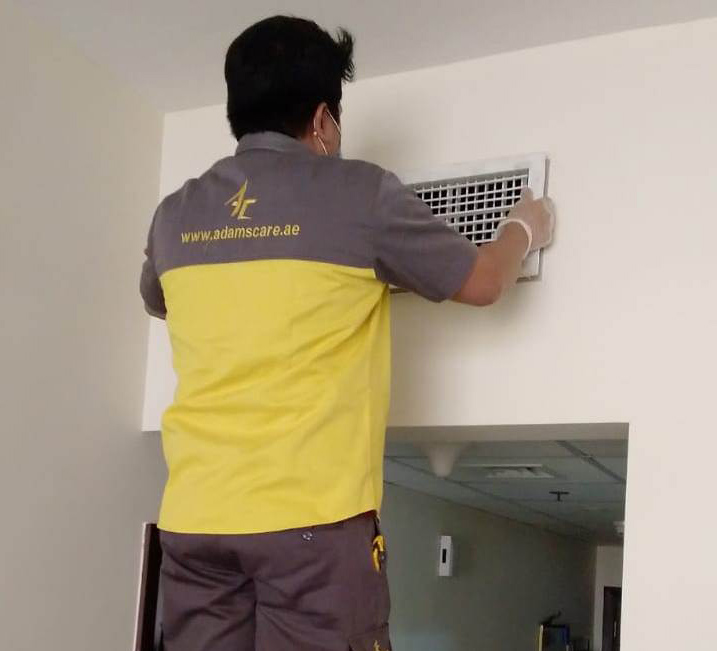
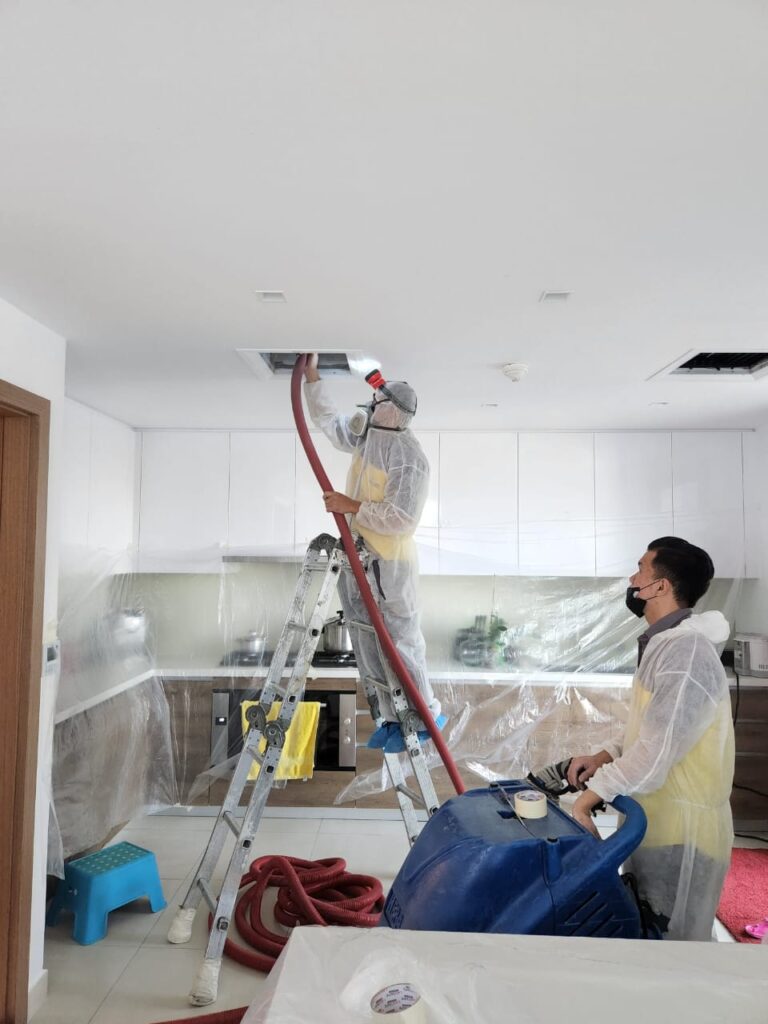
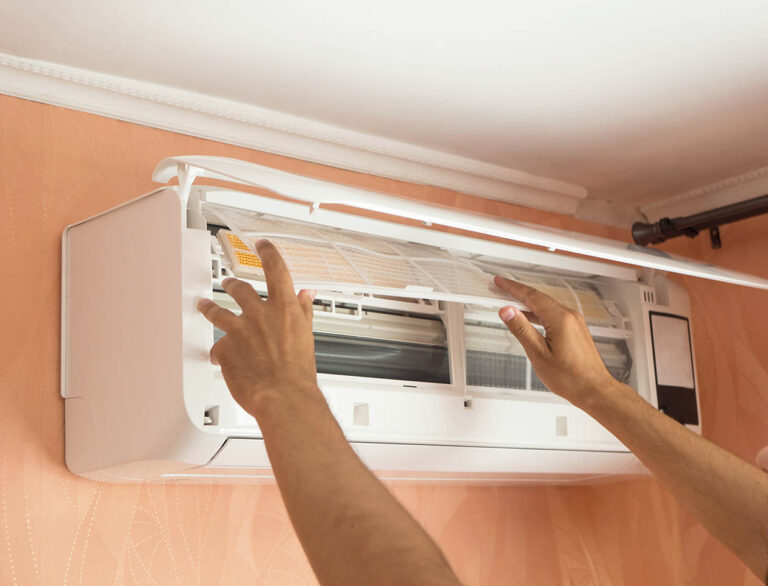
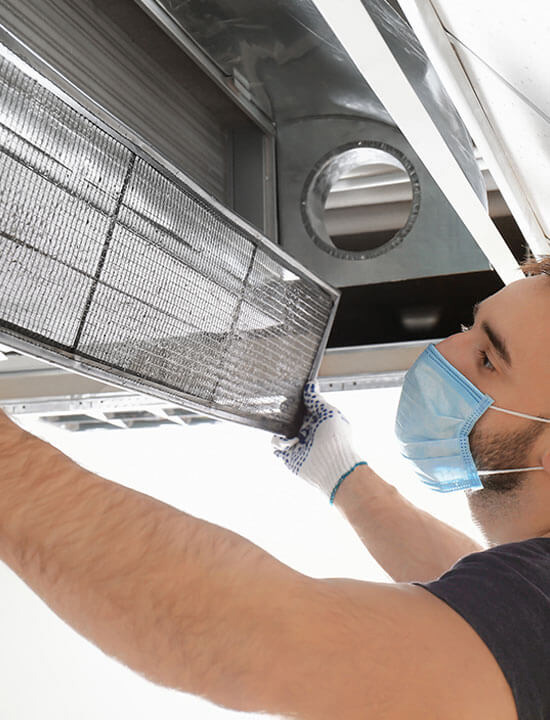
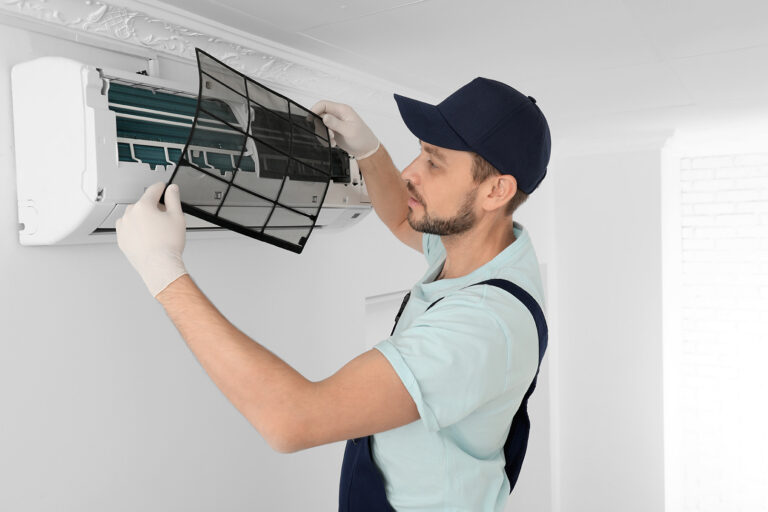
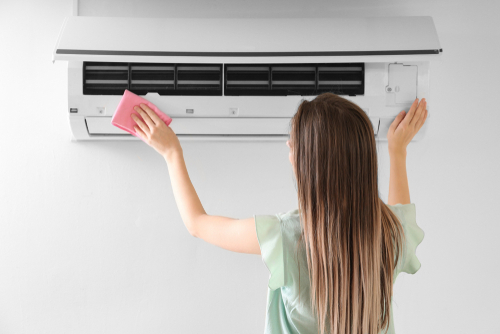
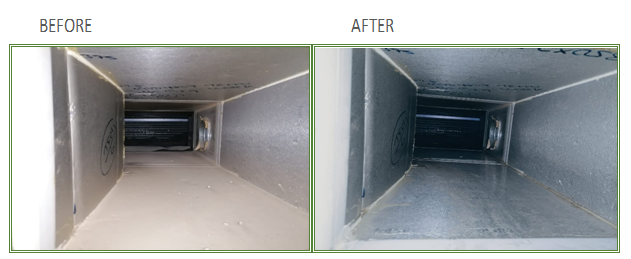
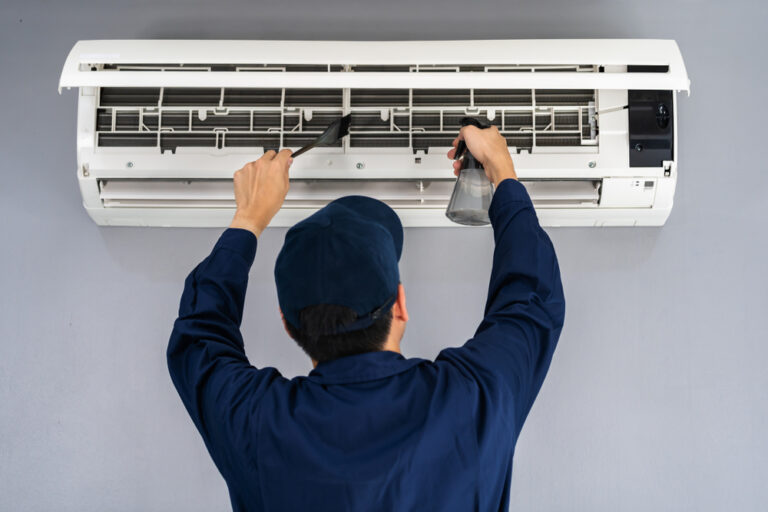
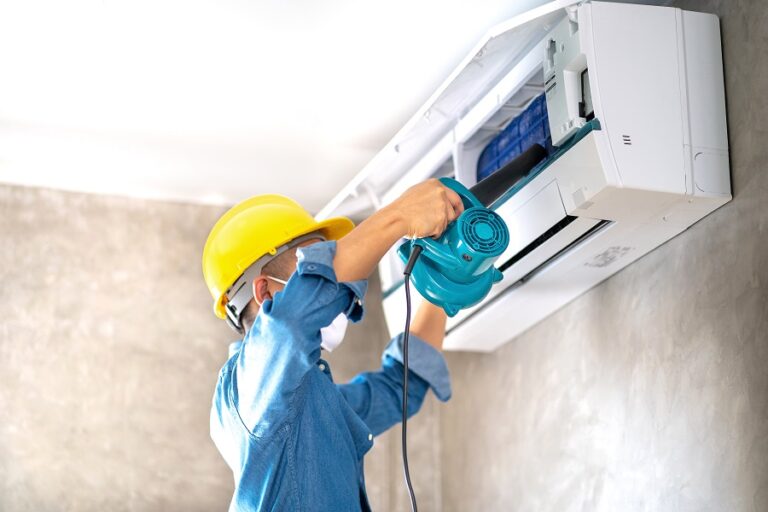
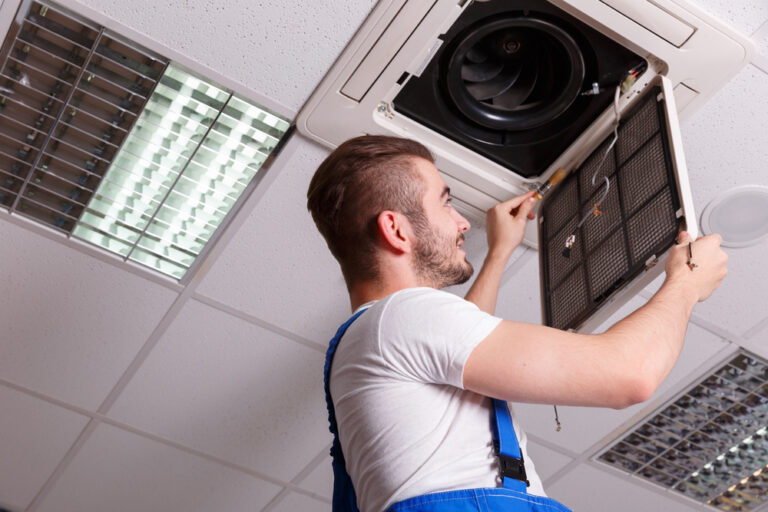
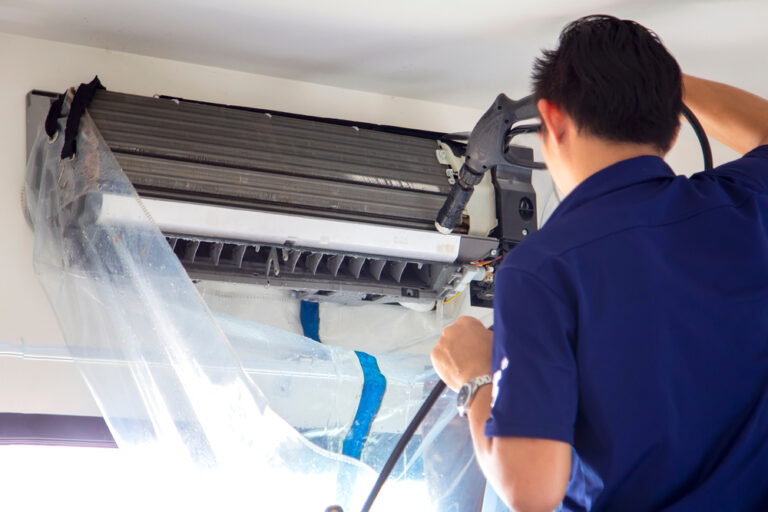
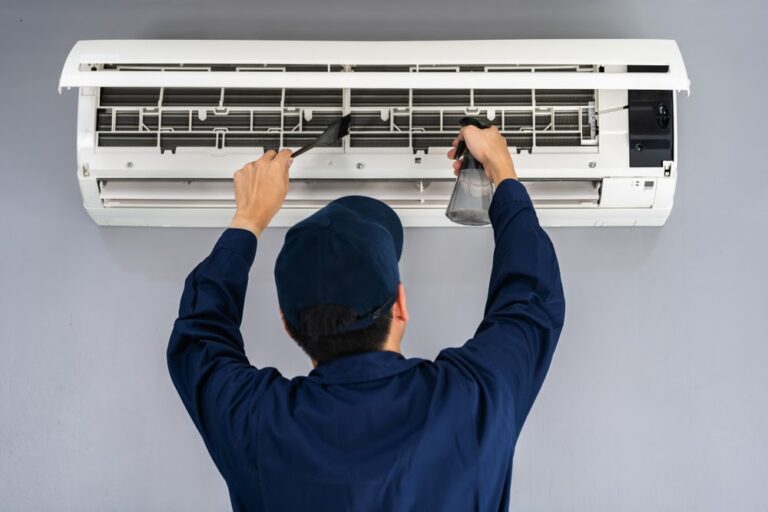
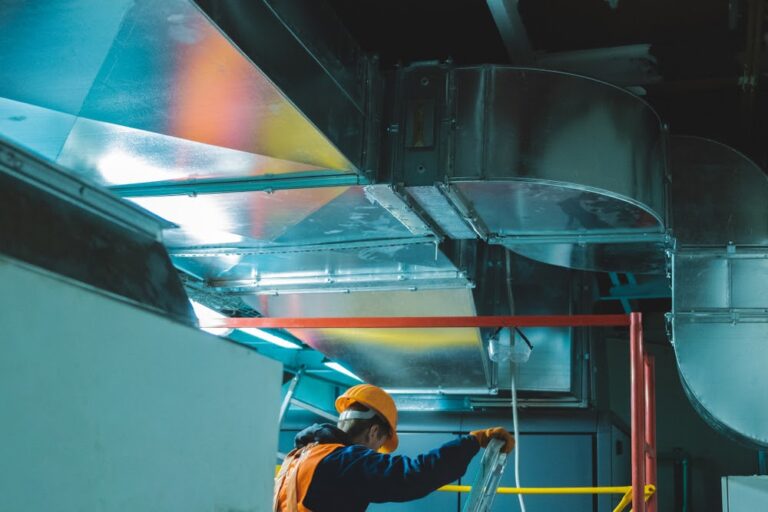
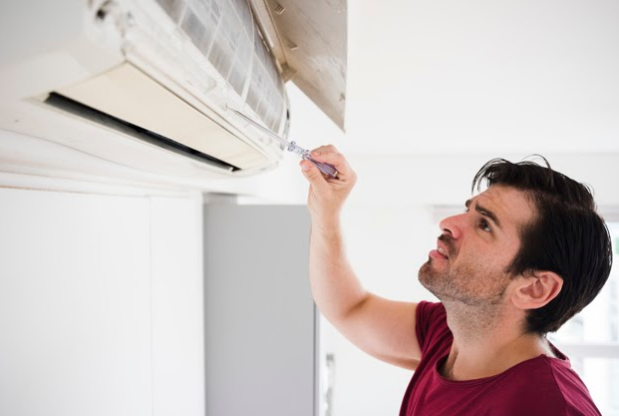
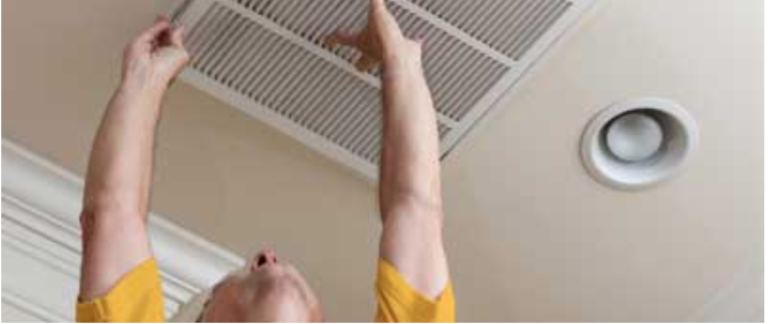
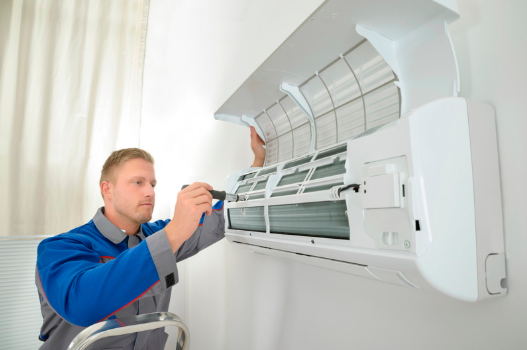
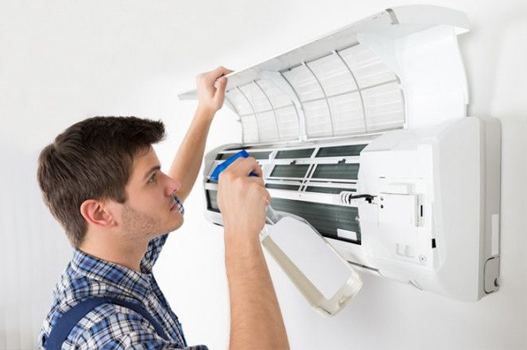
Regular upkeep is essential. Air conditioners that are serviced annually, including AC duct cleaning, will perform more efficiently, preventing avoidable breakdowns and extending their lifespan.
Why Regular Maintenance Matters for Your Air Conditioner
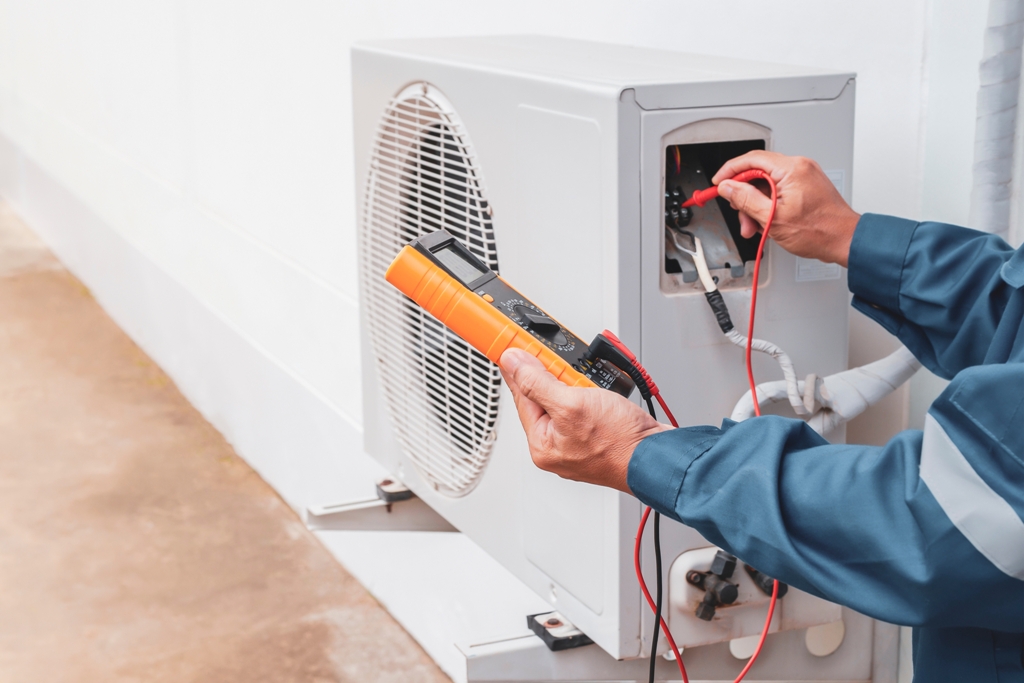
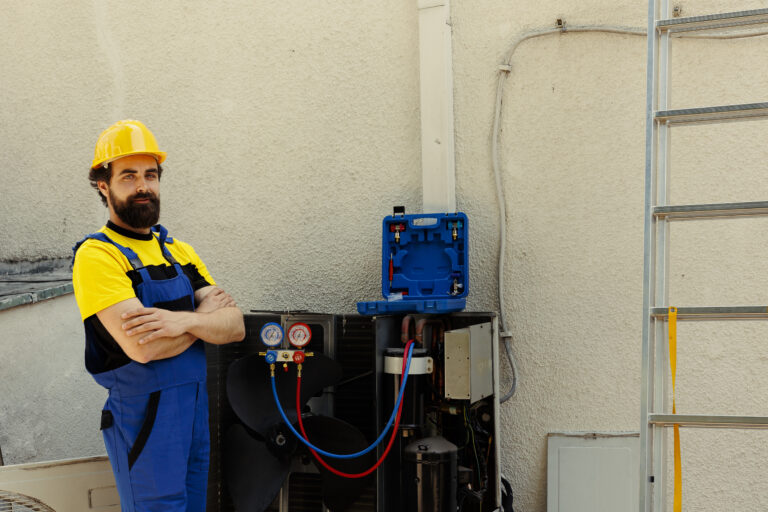
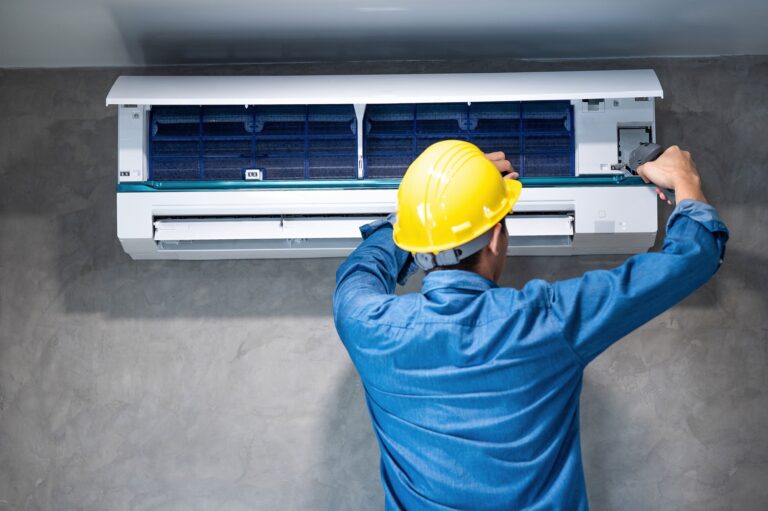
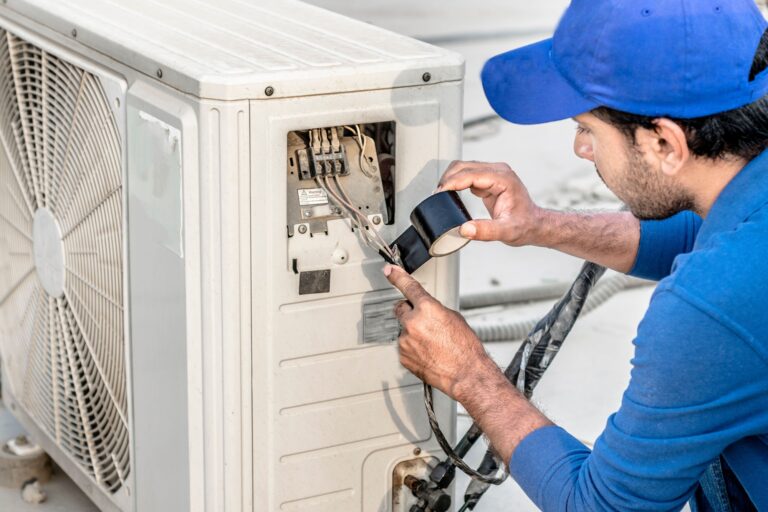
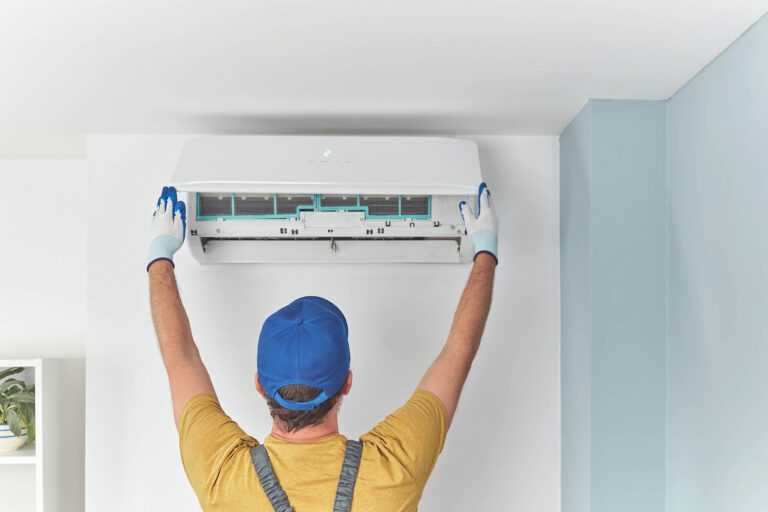
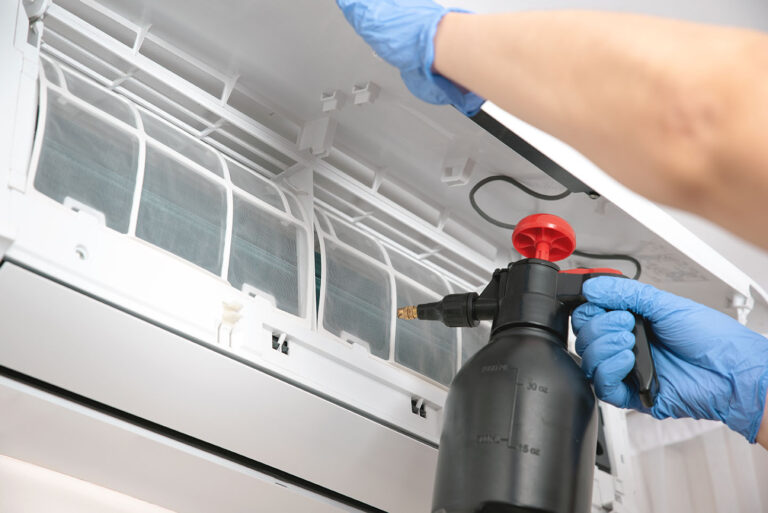
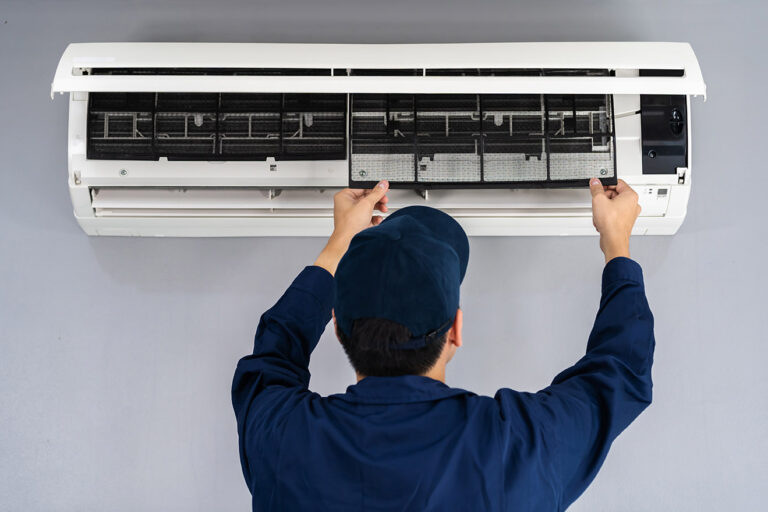
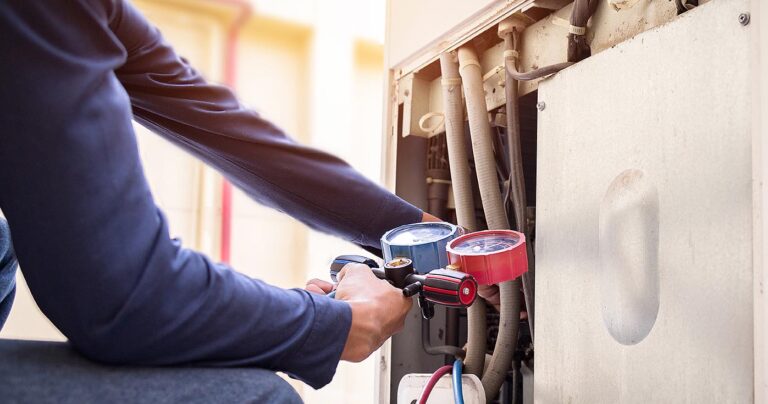
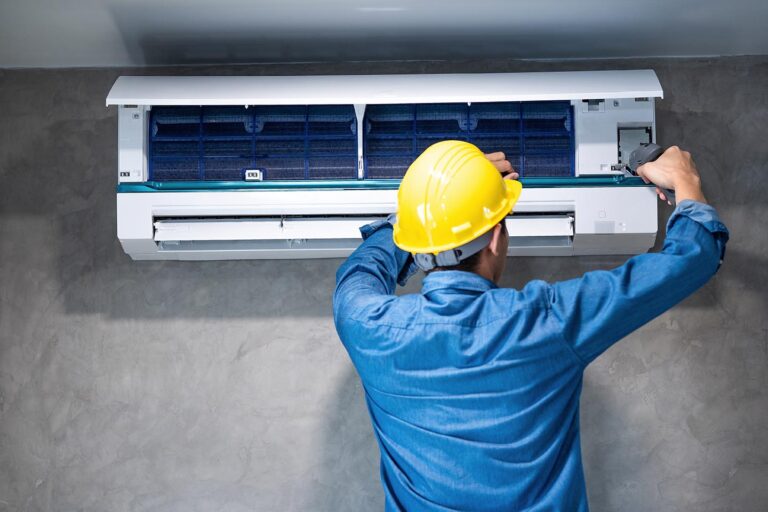
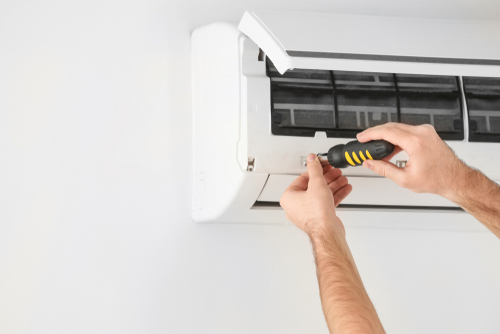
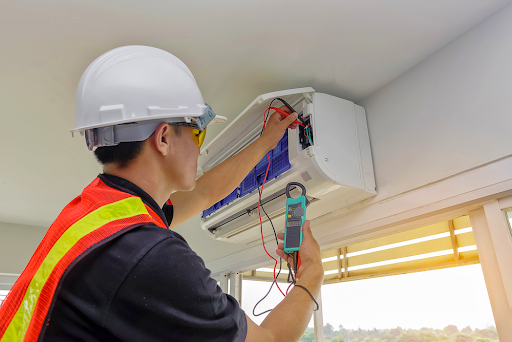
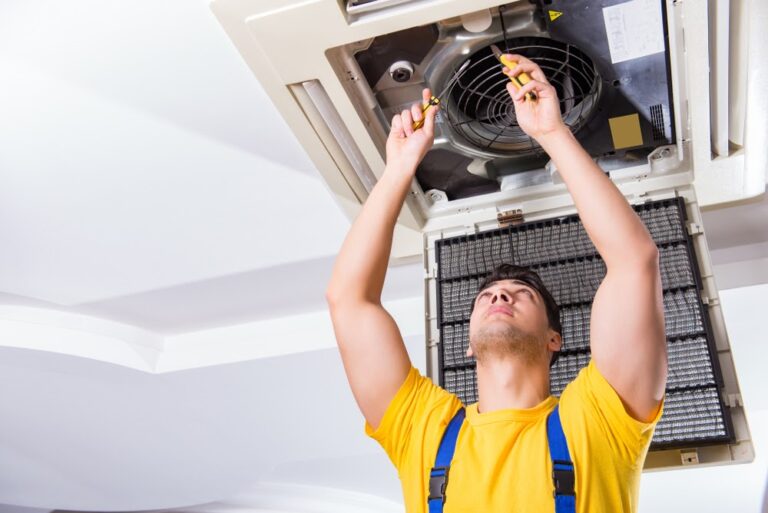
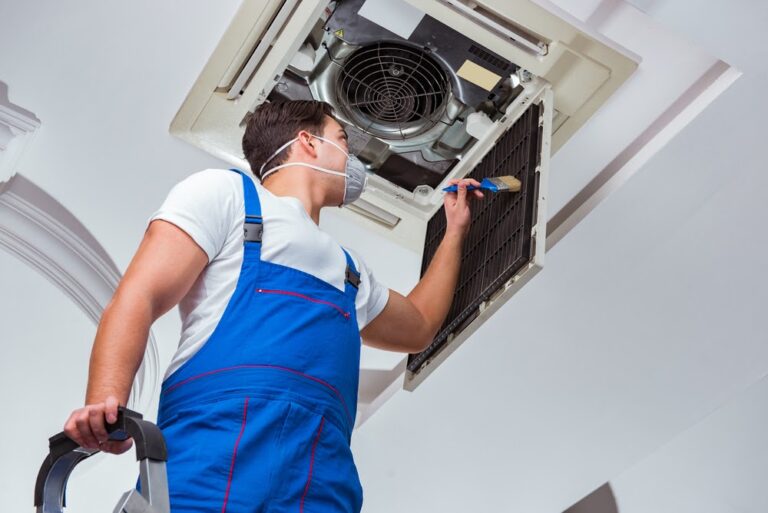
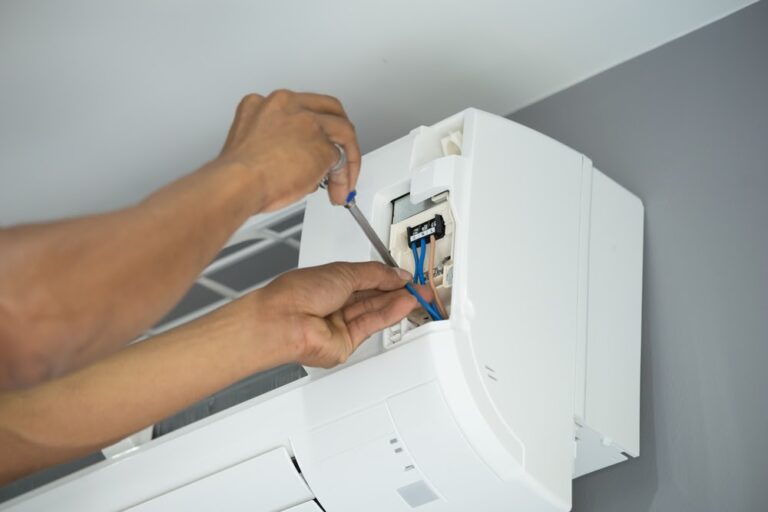
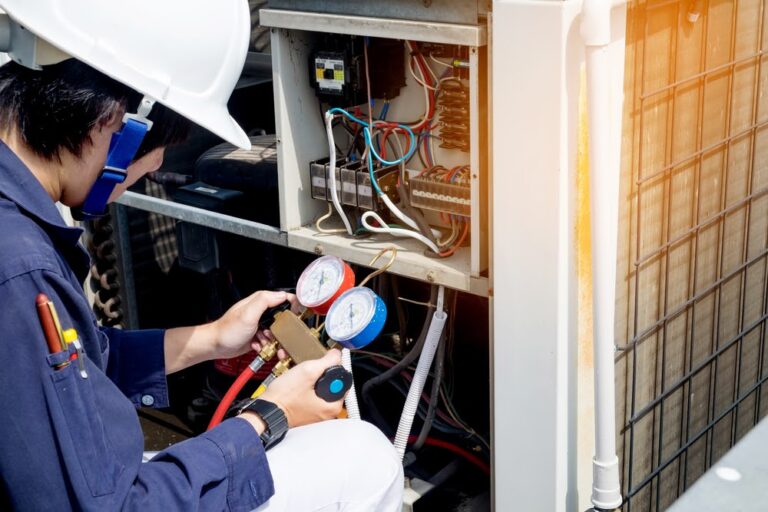
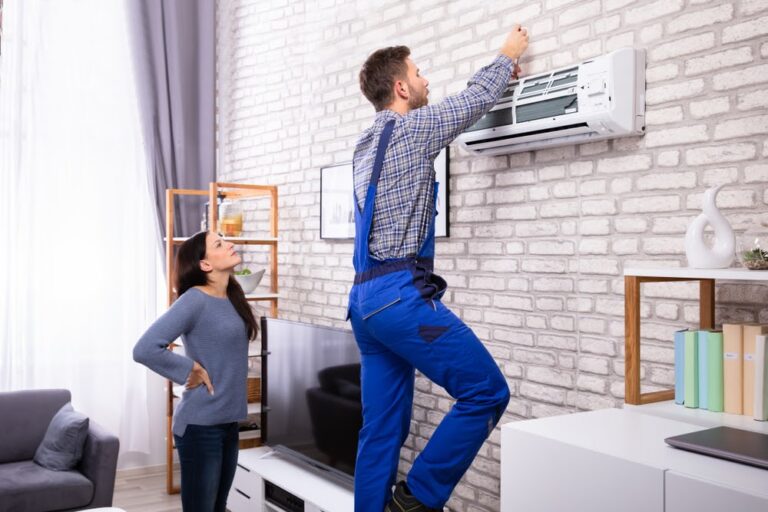
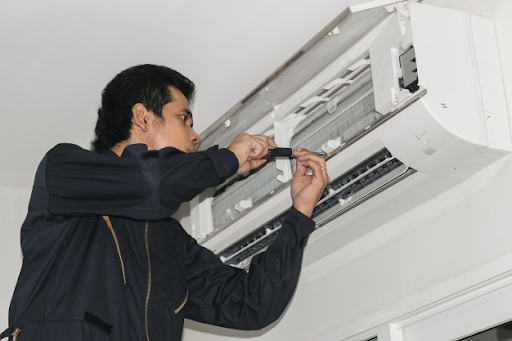
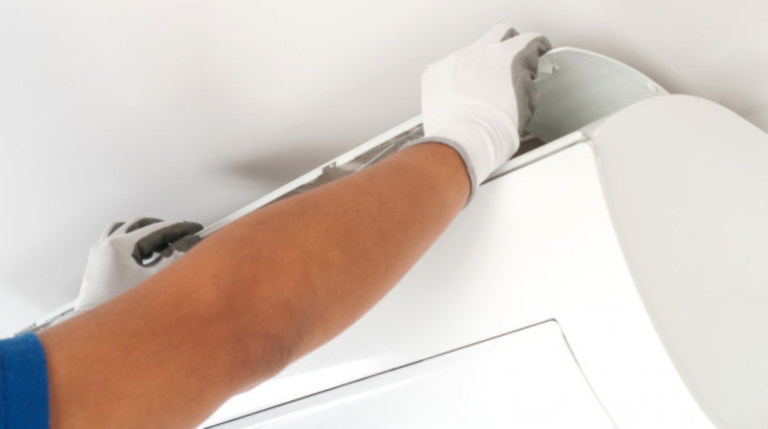
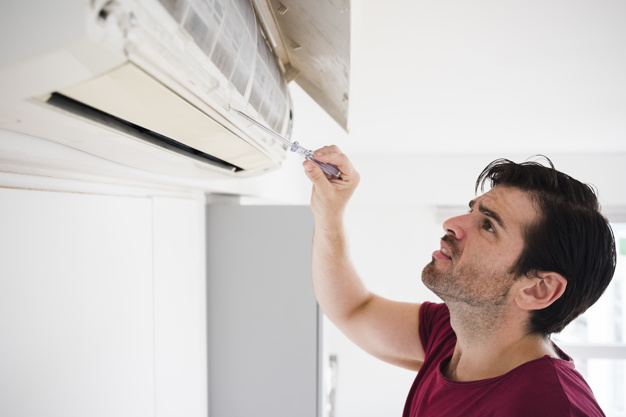
Regular AC maintenance service is perhaps the most crucial factor in extending the life of your air conditioner. By investing in yearly check-ups, you can ensure that your system is running at peak performance and address potential problems before they turn into costly repairs. Here’s why routine maintenance matters:
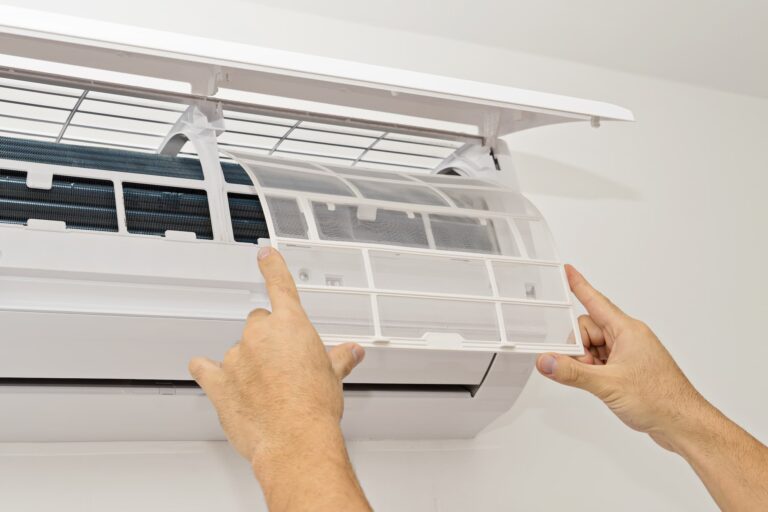
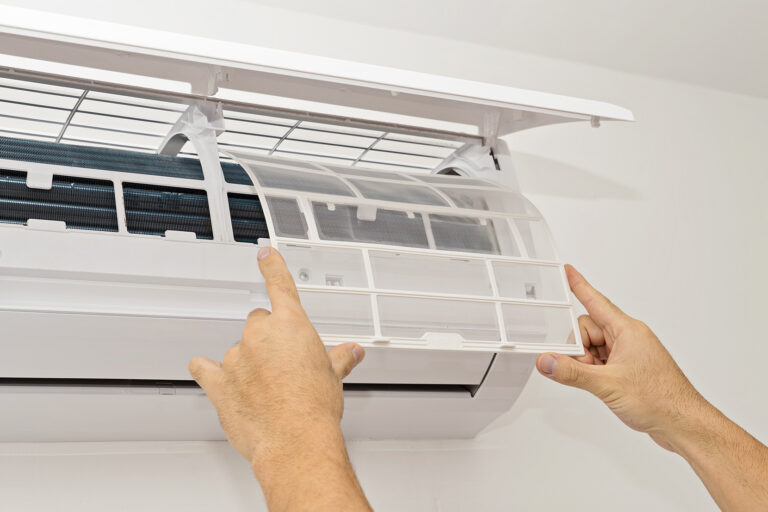
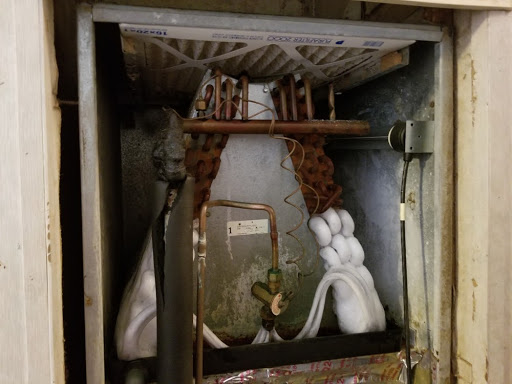
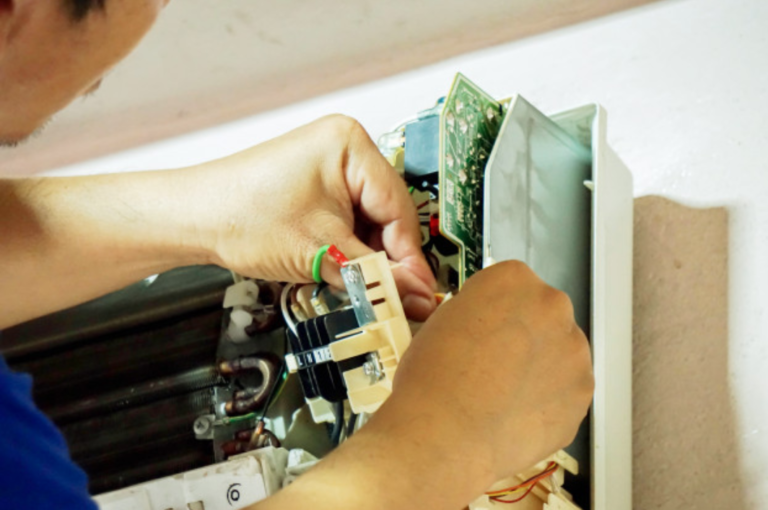
- Regular maintenance helps identify minor issues before they escalate. Problems such as blocked filters, refrigerant leaks, or coil damage are often noticed during maintenance inspections and can be fixed before they lead to major breakdowns.
- A well-maintained AC unit operates more efficiently, keeping energy costs lower. For example, dirty filters or clogged coils can strain the system, making it work harder than necessary and increasing energy consumption.
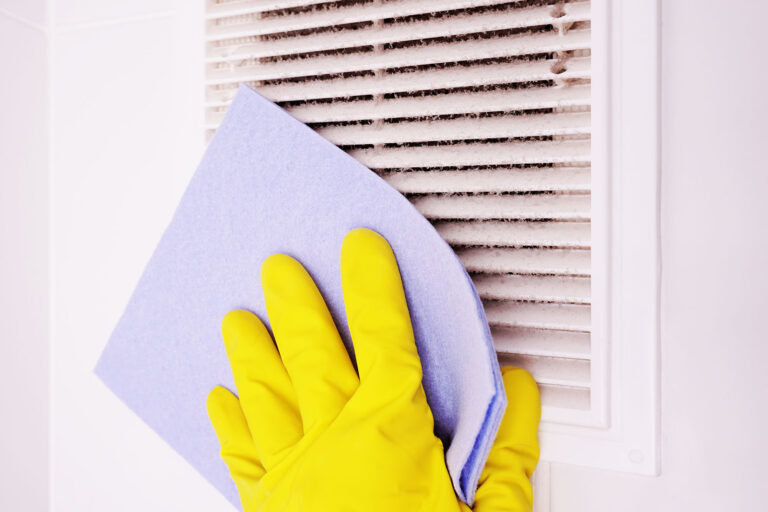
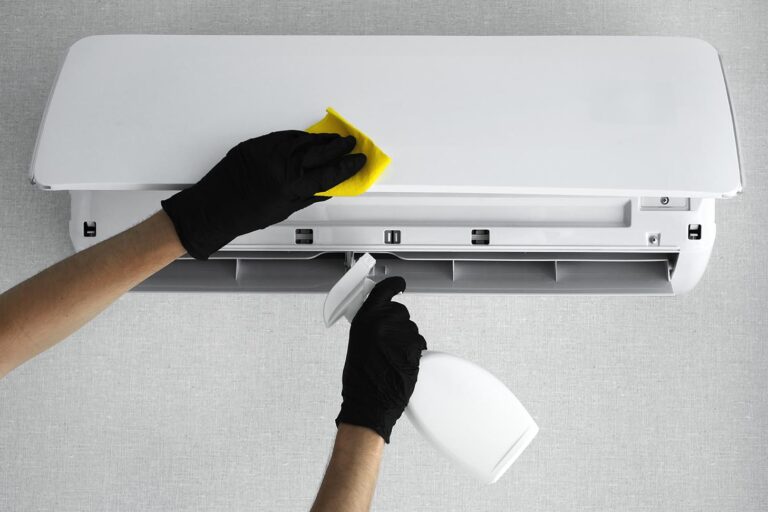
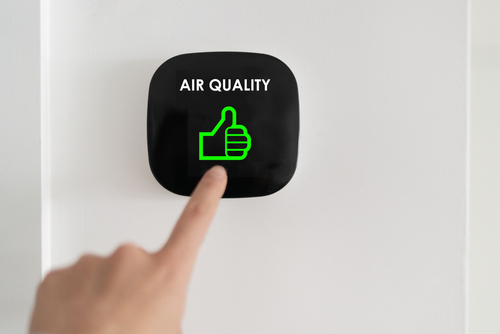
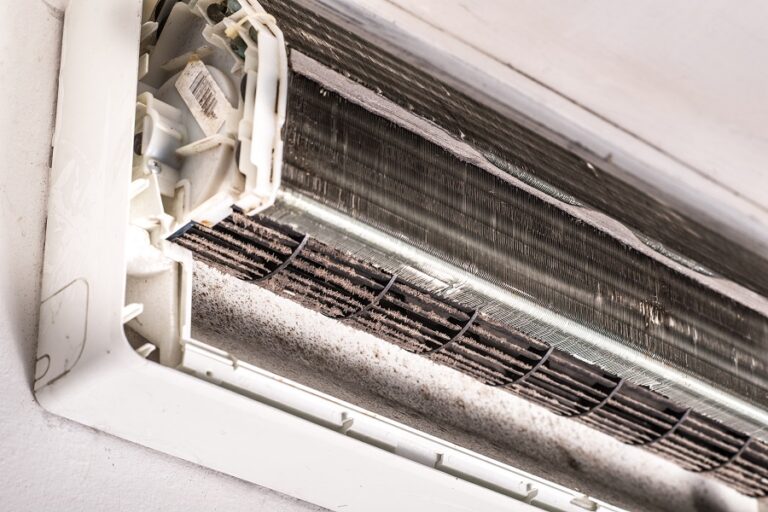
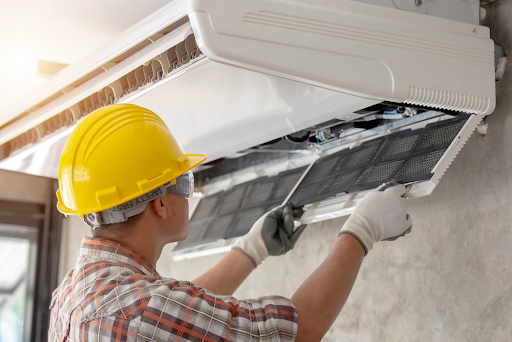
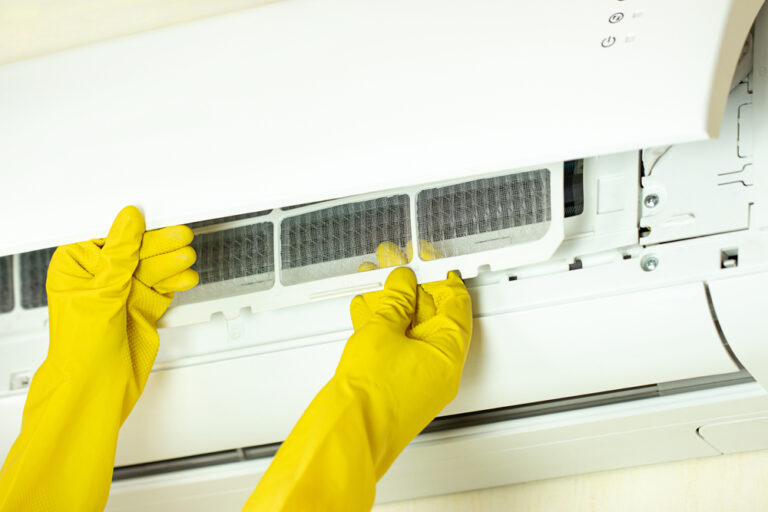
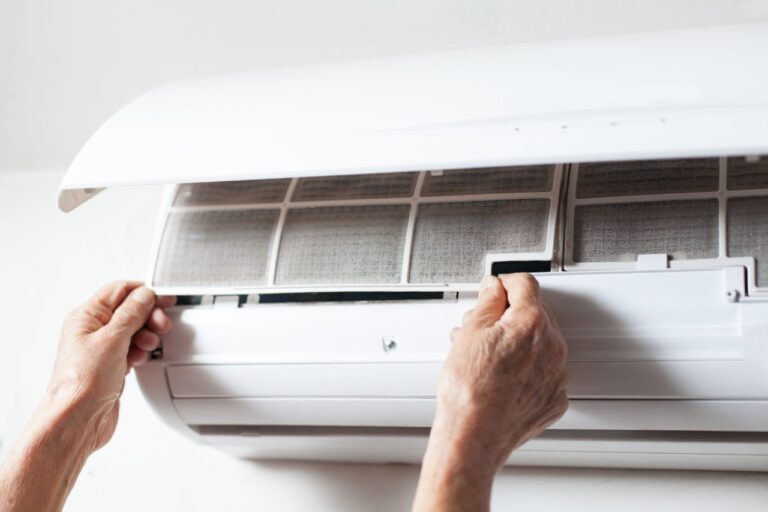
- An air conditioner that is properly maintained helps to improve indoor air quality by ensuring that air filters are clean, preventing dust, mould, and other allergens from circulating throughout your home.
- Many manufacturers require regular servicing as part of the warranty terms. Failing to perform routine maintenance may void your warranty, leaving you responsible for expensive repairs or replacements.
5 Signs Your Air Conditioner May Need Replacement
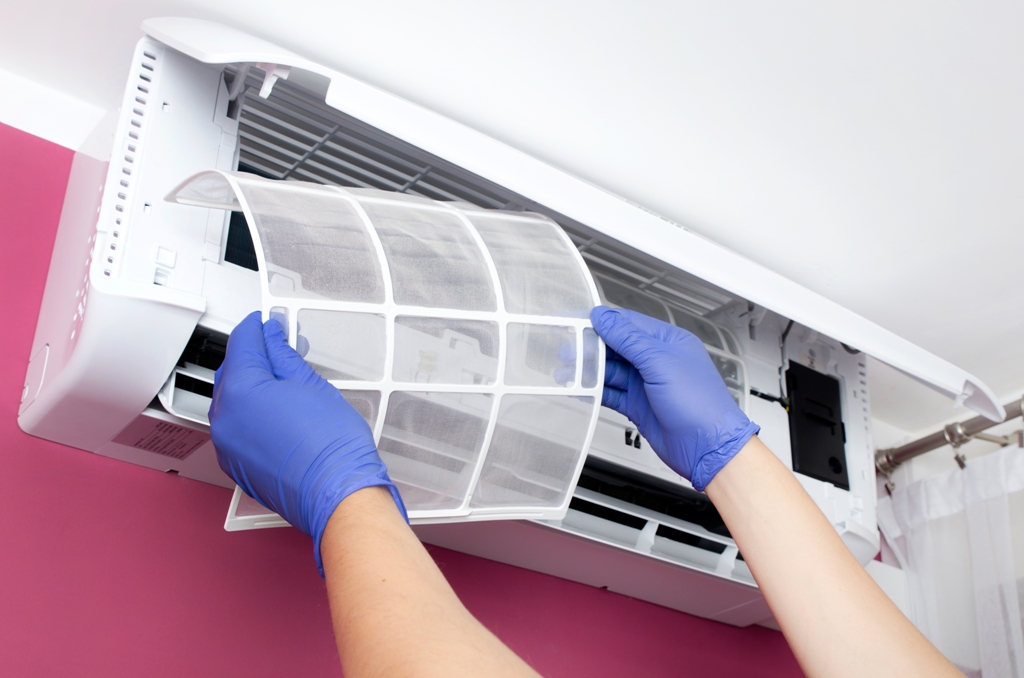
Even with regular annual maintenance, all air conditioners eventually reach the end of their useful life. While the average lifespan of an AC is between 10 to 15 years, there are several warning signs that indicate your system may need to be replaced:
1. Your AC is Struggling to Cool Your Home
If your AC is constantly running but failing to cool your home effectively, it may be a sign that it is no longer functioning at full capacity.
2. Constant Repairs
If your AC has required frequent repairs over the past few years, it may be more cost-effective to replace it than continue spending on repairs.
3. Rising Energy Bills
Older units that are no longer energy-efficient may result in higher electricity bills. If you notice a steady increase in your utility costs, it might be time to consider a replacement.
4. Excessive Noise or Leaks
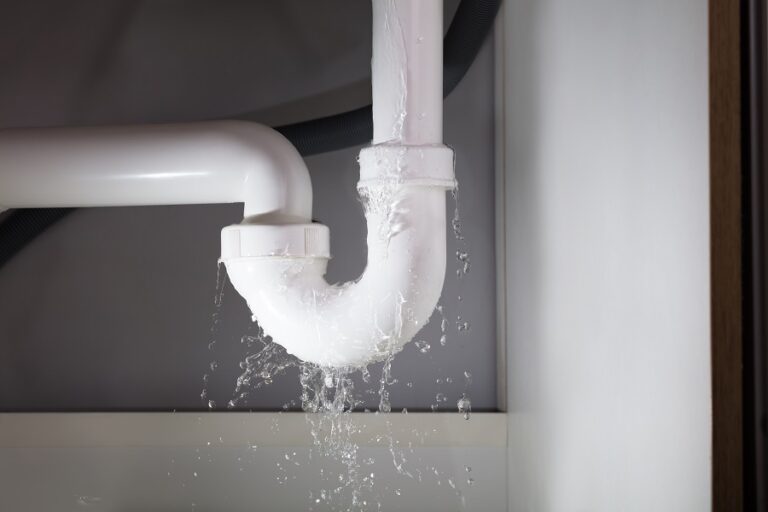
Unusual noises like grinding or banging, or signs of water leaks, may indicate serious problems within the system that could be costly to repair.
5. Age of the Unit
If your air conditioner is over 15 years old, it’s likely nearing the end of its lifespan, even if it hasn’t developed major issues yet.
Final Thoughts
Understanding how long air conditioners last and how regular maintenance can impact their longevity is crucial for making informed decisions about your HVAC system. A well-maintained air conditioner will not only last longer but will also run more efficiently, keeping your home comfortable and your energy bills lower.
Regular servicing, timely repairs, and proper care together with a respectable cleaning service provider can extend your unit’s lifespan well beyond the average. Keep an eye out for signs of wear and tear, and when the time comes to replace your AC, make sure you’re well-prepared with the knowledge to choose the best unit for your needs.
Frequently Asked Questions
Can an AC unit last up to 30 years?
While rare, some AC units can last up to 30 years with exceptional maintenance and ideal conditions. However, most units last 10–20 years.
What is the maximum life of an AC unit?
The maximum lifespan of an AC unit depends on its type. Ductless mini-split systems and well-maintained central systems can last up to 20–25 years.
What AC services are available in Dubai?
In Dubai, service providers such as Adams Care offer AC installation, maintenance, repairs, and duct cleaning services tailored to the region’s climate. Some also provide energy-efficient solutions.
When should I replace my AC unit?
Replace your AC unit if it’s over 10–15 years old, requires frequent repairs, has declining efficiency, or struggles to cool your home effectively.
How do I find reliable AC service providers in Dubai?
Look for licensed professionals like Adams Care with strong customer reviews, 24/7 availability, and expertise in energy-efficient cooling solutions suited to Dubai’s climate.


































































Scan For a Free Quote
Looking for the best AC Duct cleaning service in Dubai?


