Call us or make an online inquiry for a quick cost estimate.

Jun 14, 2022
What Is Household Dust Made Of And Why They Can Be Bad For You
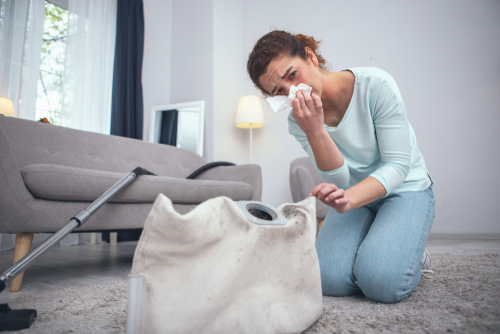
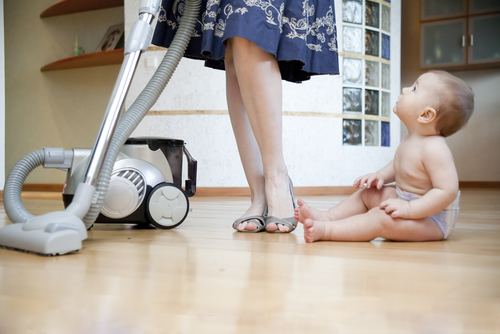
All houses and buildings collect dust. It gathers on almost everything — from ceilings and furniture to carpets and floorings. Although it indeed makes indoor spaces look and feel dirty, dust has so much more effect on the health, especially when it circulates into the air. To know how its accumulation can be minimized, and to avoid its adverse effects, it is best to understand what household dust is made of and how it can be bad for you.
What is Dust Made Of?
- Outside Dirt
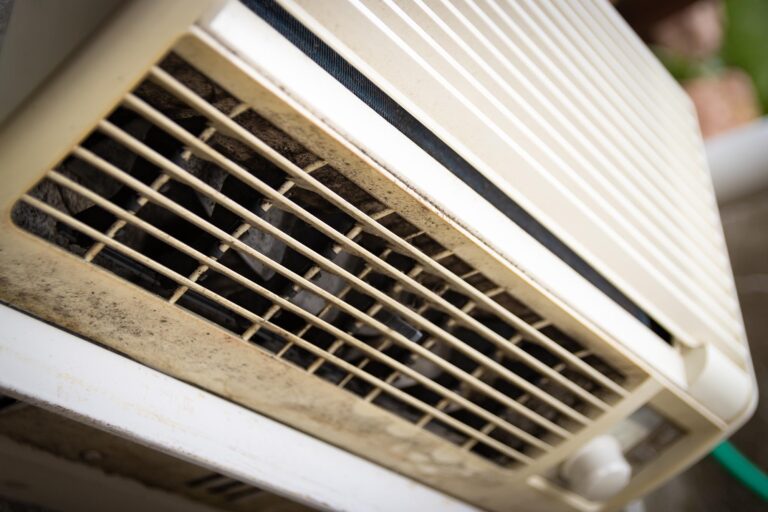
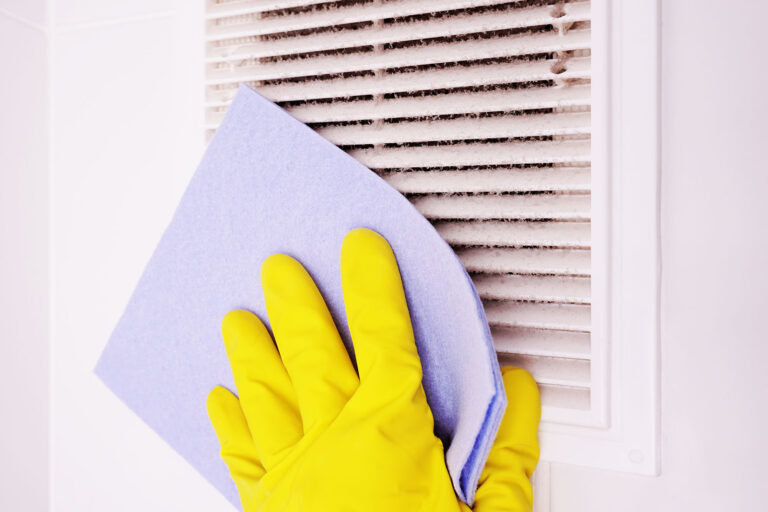
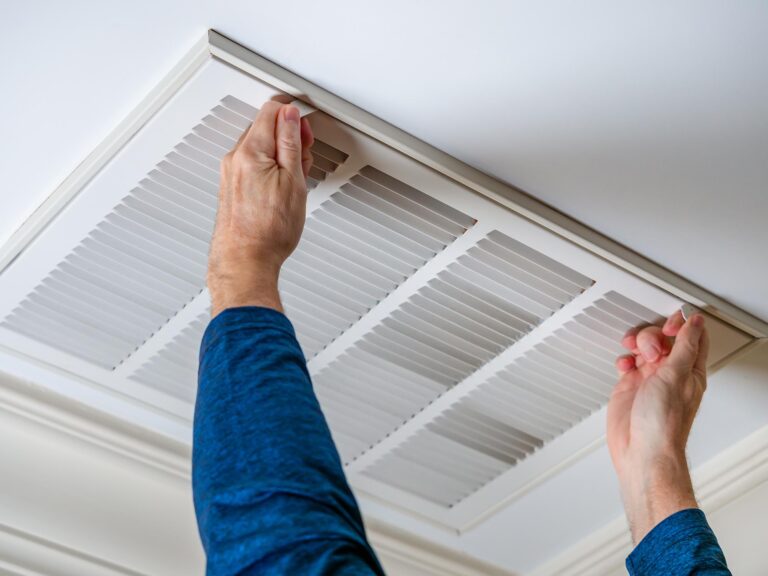
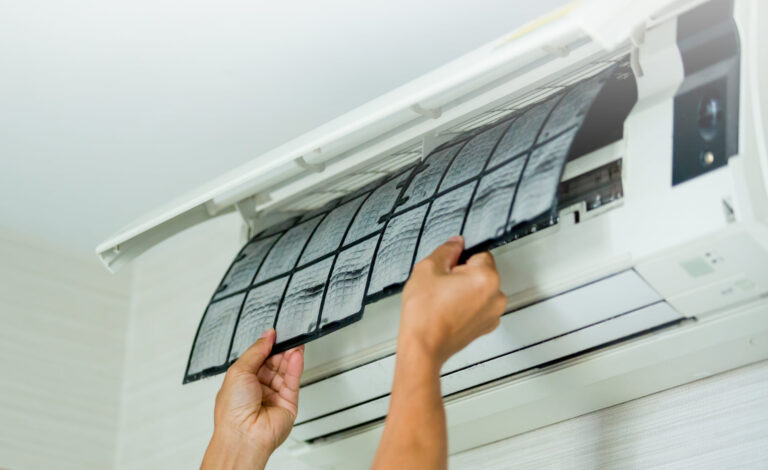
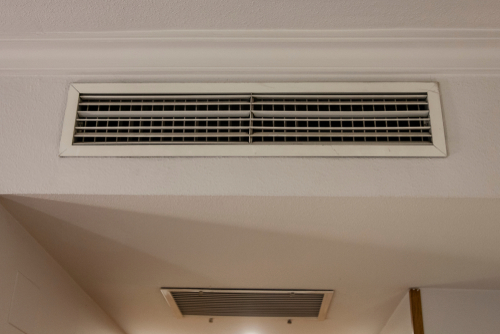
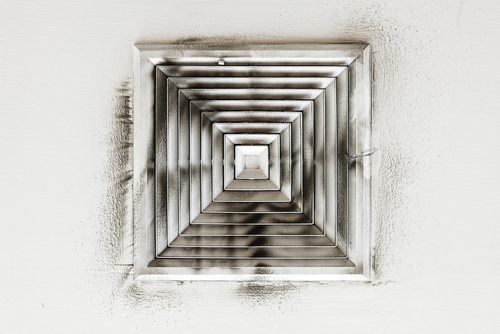
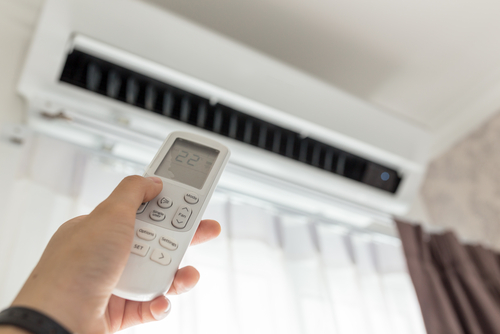
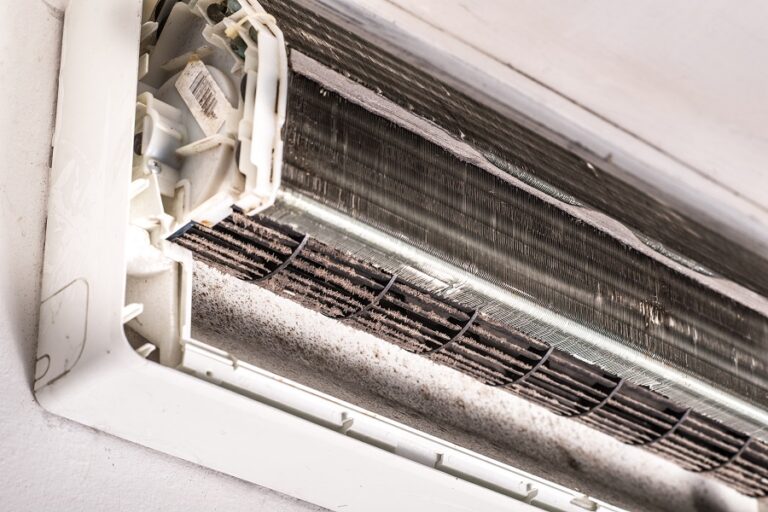
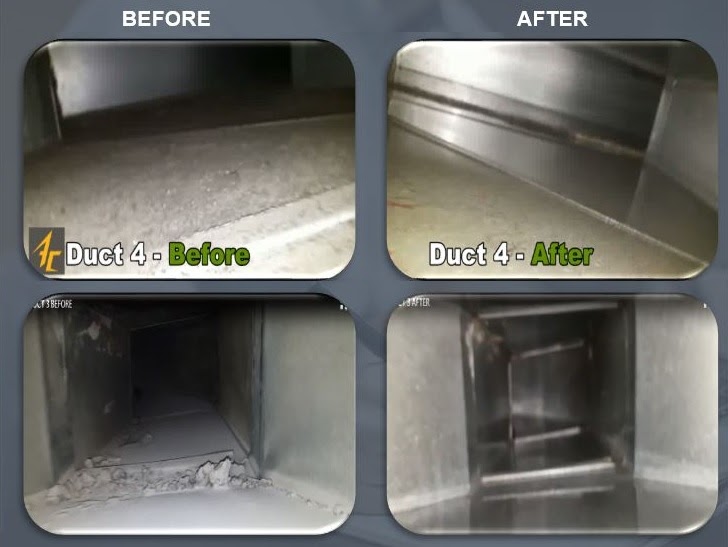
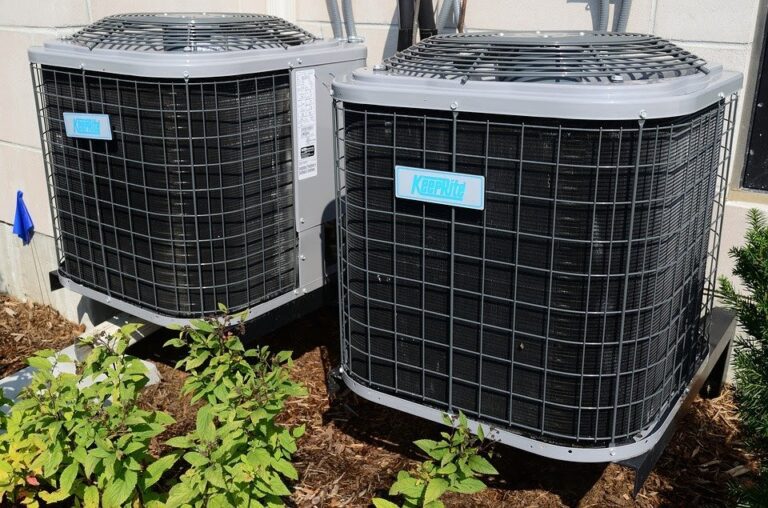
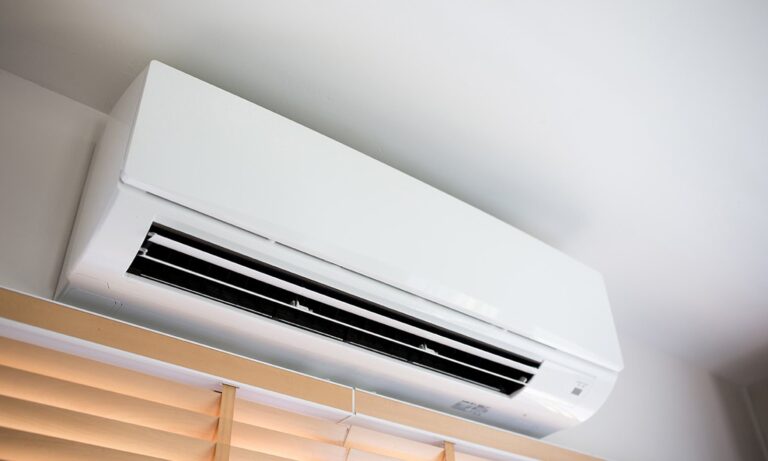
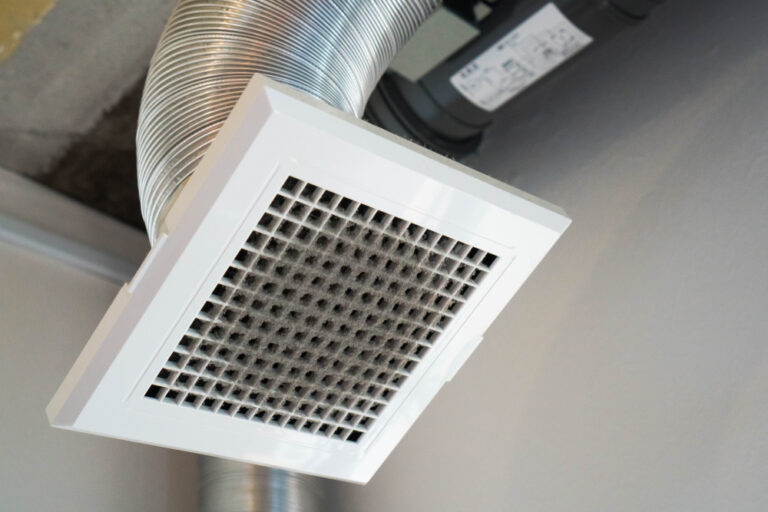
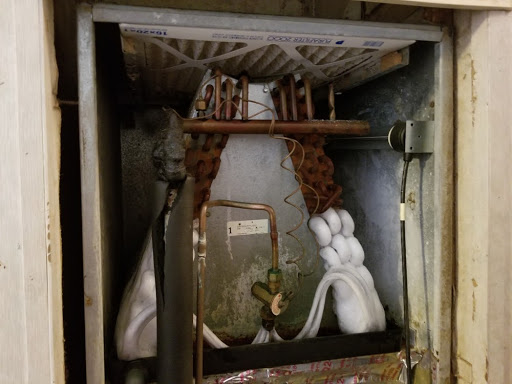
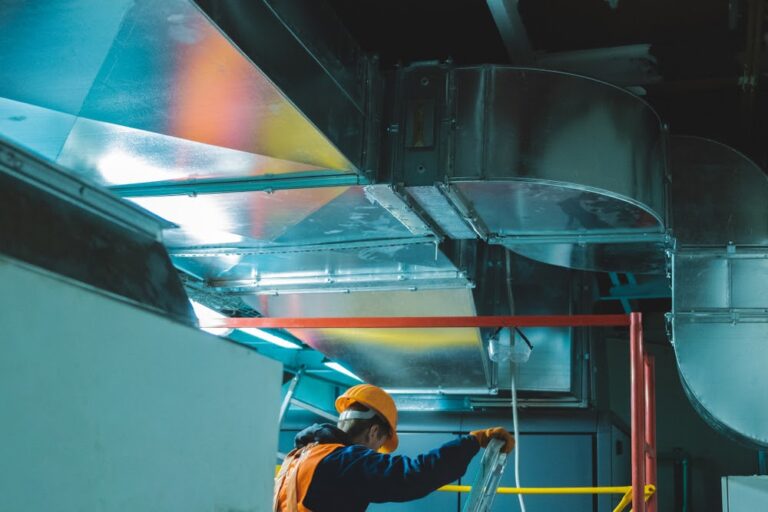
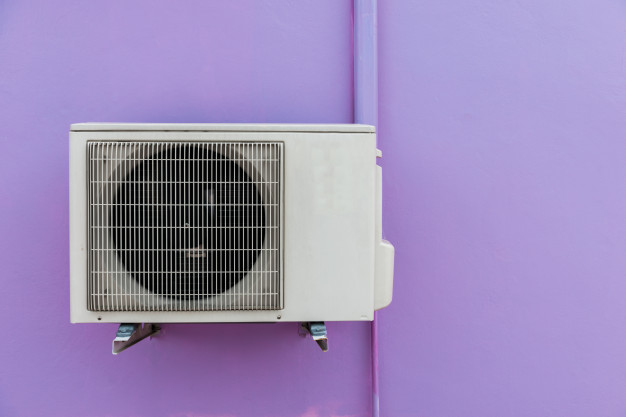
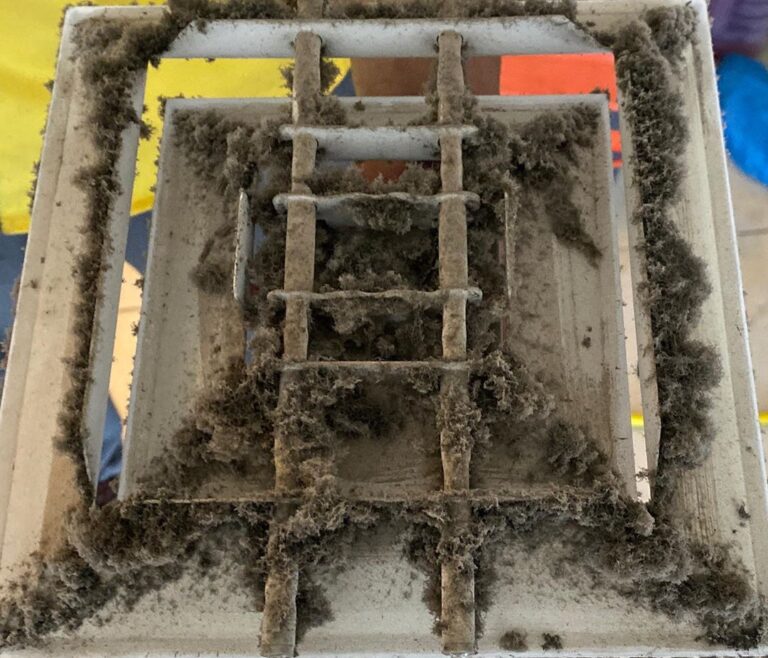
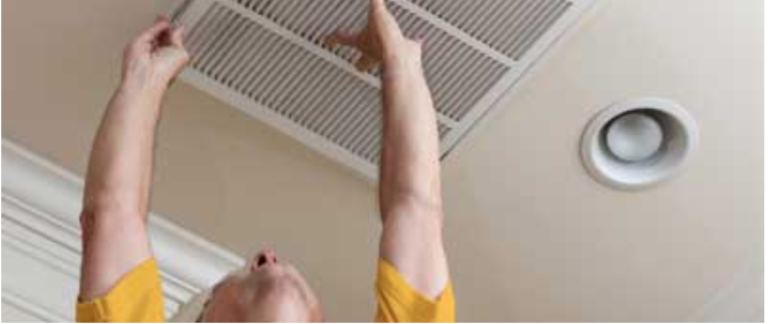
According to experts, two thirds of the dust in your household comes from outside. It may be due to the dirt tracked in your shoes, as well as airborne allergens, like pollen and soot, that gets inside when HVAC systems are not regularly cleaned, as they circulate the dirt accumulated in the ducts from outside.
- Dead Skin
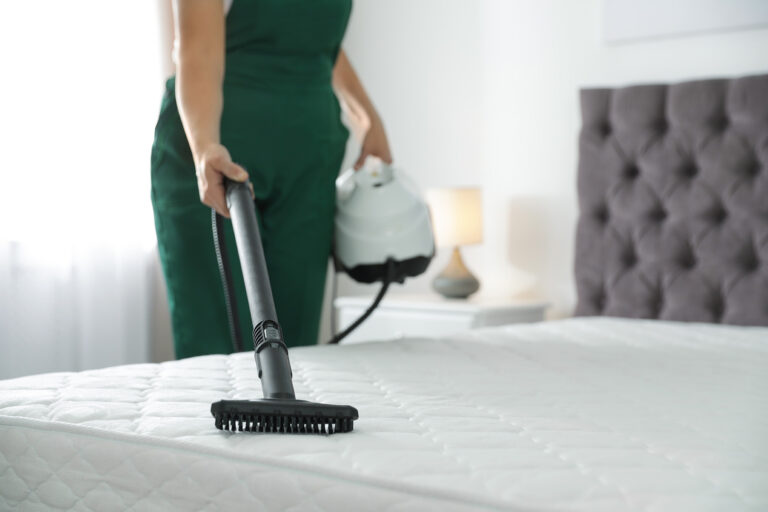
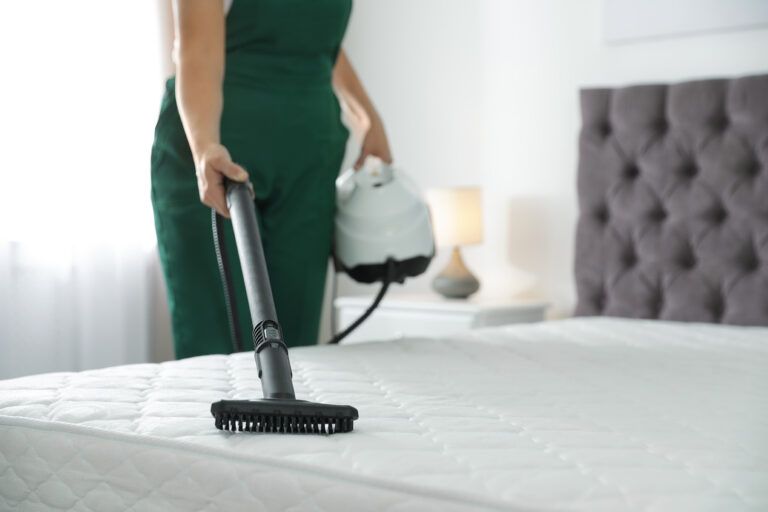
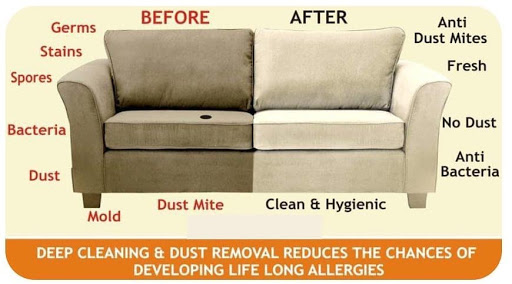
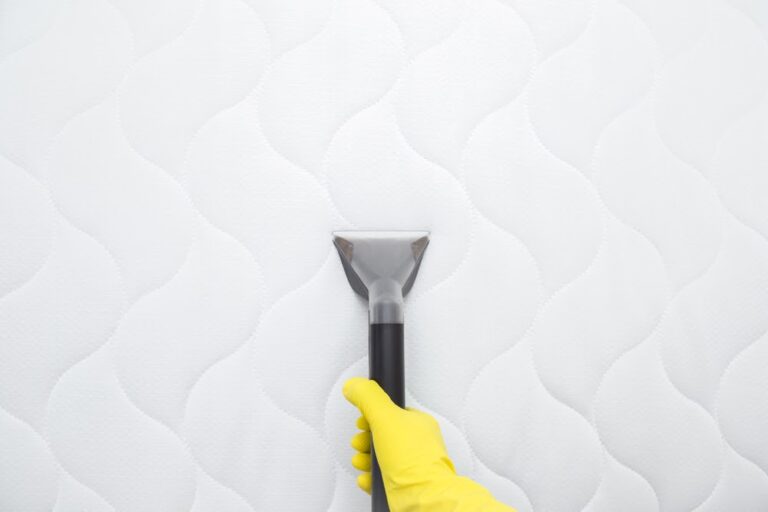
Although most dead skins are carried away by water when people shave or bathe, humans still shed some of these on mattresses, beddings, and floorings, which may attract dust mites, species that live and feed on dead skin. As a result, the more dead skin there is on surfaces, the more likely dust and dust mites will thrive at homes.
- Pet Dander
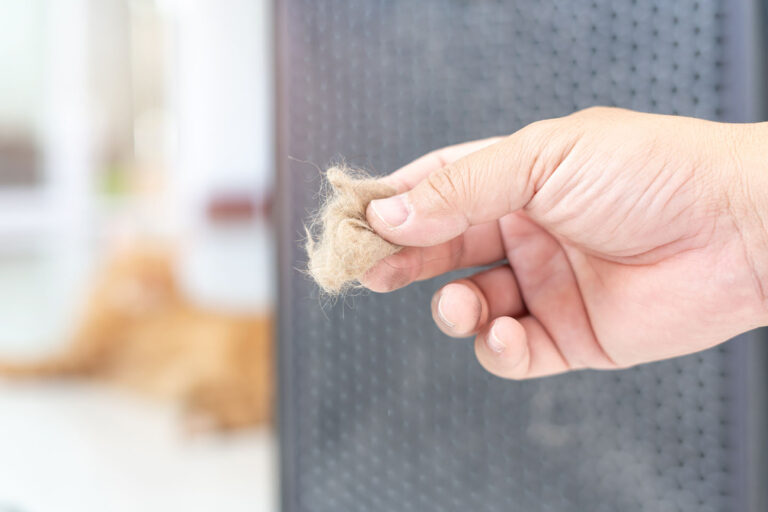
Pet danders are dead flakes of skin pets shed that may turn into a common allergen found in dust. This is mostly common in households with pets. However, those with no pets at home may still acquire this allergen from people coming in who may have previous encounters with animals.
- Insect Droppings
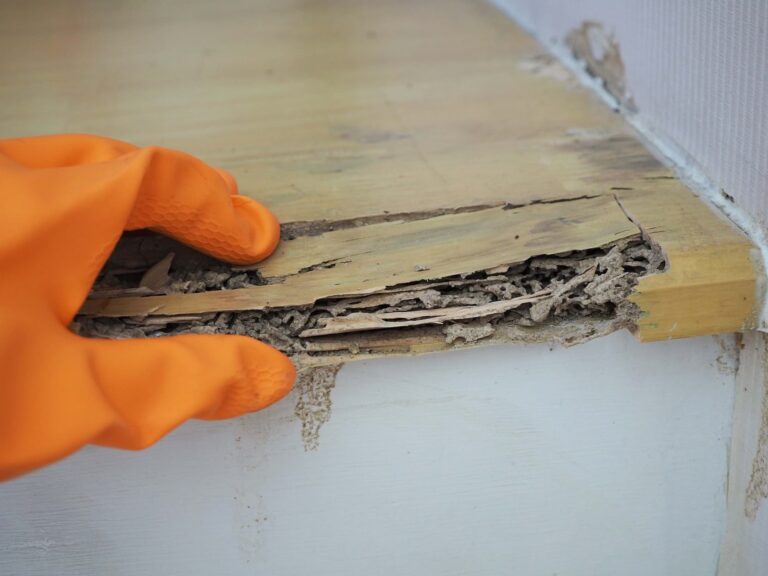
The saliva, shedding body parts, and fecal matters of insects, especially of cockroaches, can be commonly found in dust. In fact, according to the National Pest Management Association of the US, 63% of homes in the country contain cockroach allergens. Since insects like this are common in households regardless of how spotless they may be, their shedding matters may become a common composition of dust at homes.
Adverse Health Effects
- Respiratory Problems
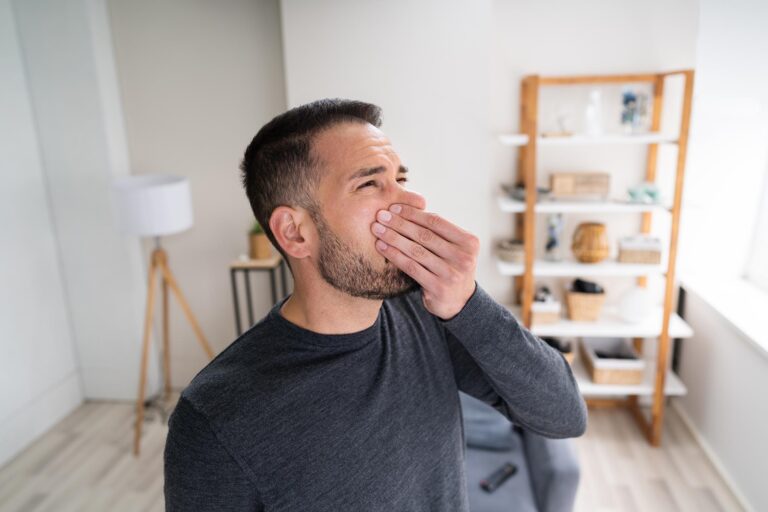
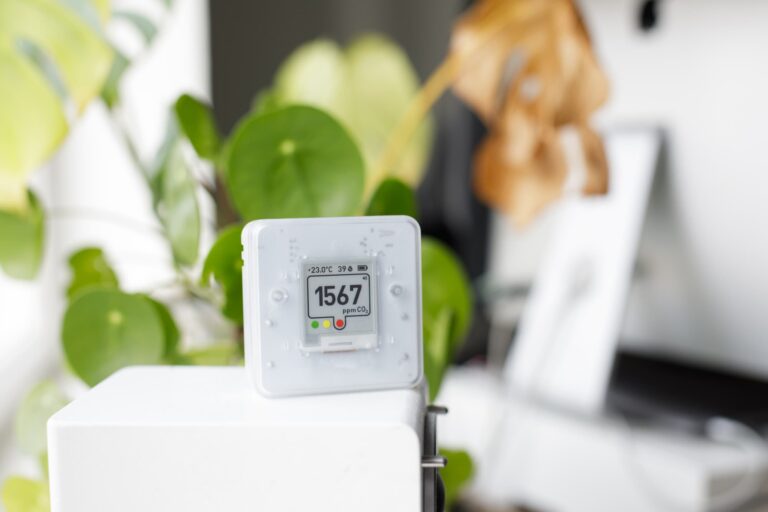
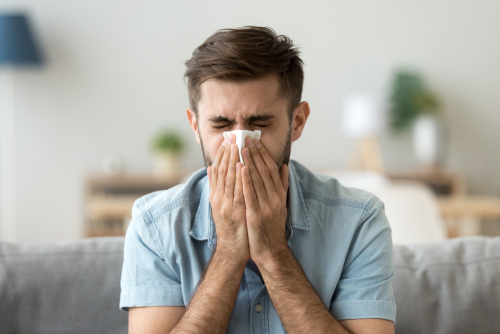
Breathable dust particles, those smaller than 10 μm, often get trapped in the nose, mouth, and upper respiratory tract, causing respiratory problems like asthma, hay fever, silicosis, and pneumonia, depending on where the inflammation is. For example, dust irritants that settle in the nose may inflame the mucus membranes, causing hay fever. On the other hand, particles that attack larger air passages may cause bronchitis.
- Cardiovascular Disorders
Finer dust particles may penetrate the lower respiratory tract when breathed into, causing them to enter the bloodstream, affect internal organs, and be responsible for cardiovascular disorders. In fact, according to a 2014 study, exposure to fine dust particles caused about 400,000 premature deaths through cardiopulmonary disease.
- Infectious Diseases
There are infectious diseases which can be transmitted by dust, such as meningococcal meningitis. According to studies, the spread of the said disease is linked to environmental factors, like low humidity and dust conditions. This may be based on the fact that dust can carry allergens, some of which may be infectious, causing diseases and viruses to be spread in indoor spaces where there is limited air circulation.
Avoid the Health Effects of Dust
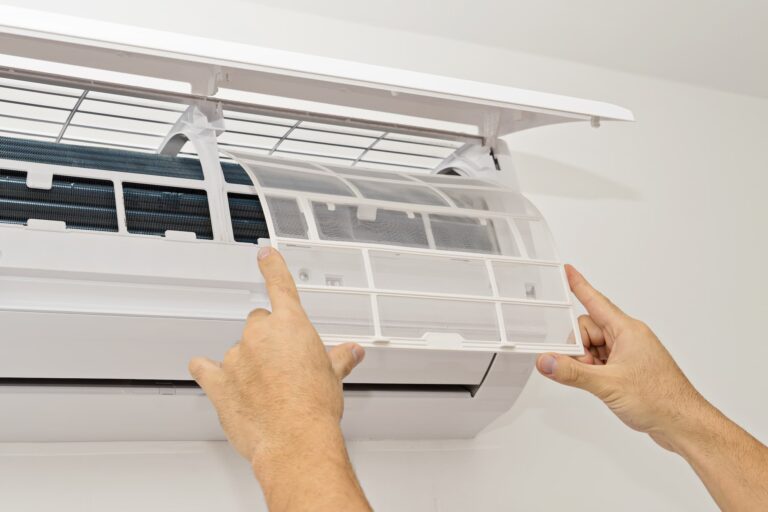
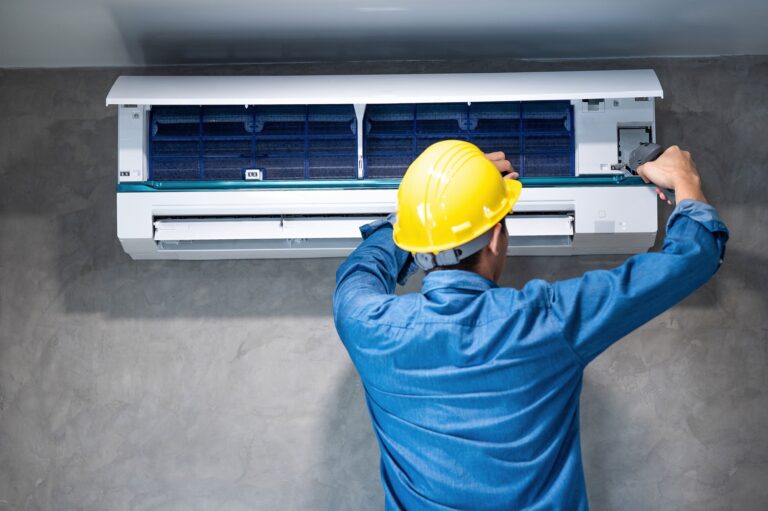
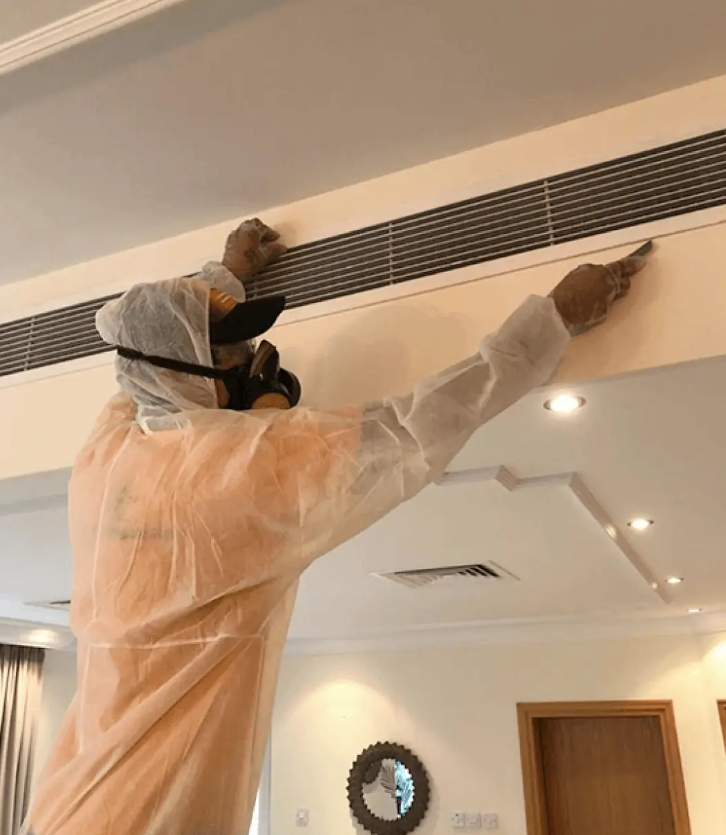
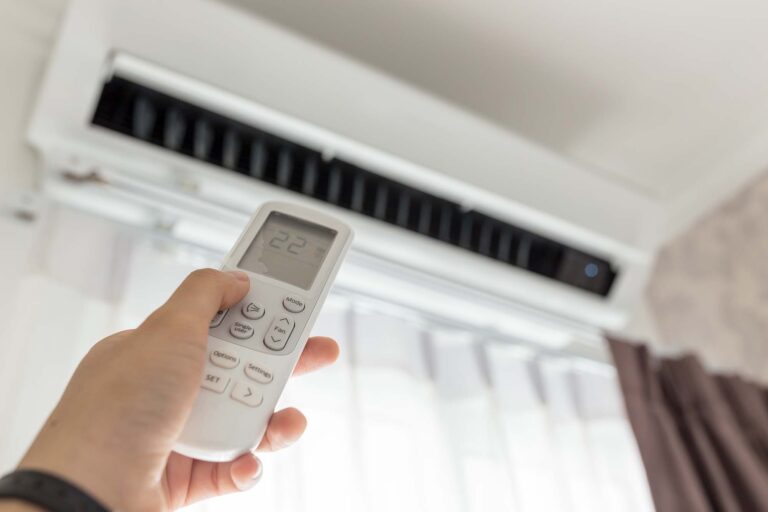
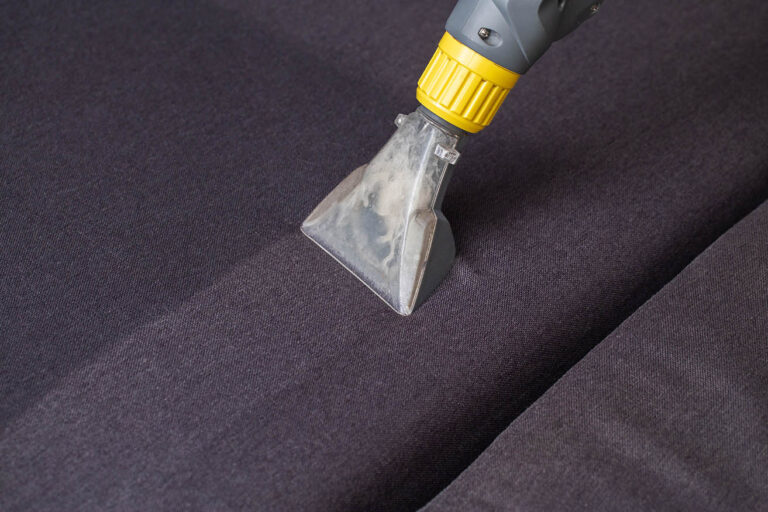
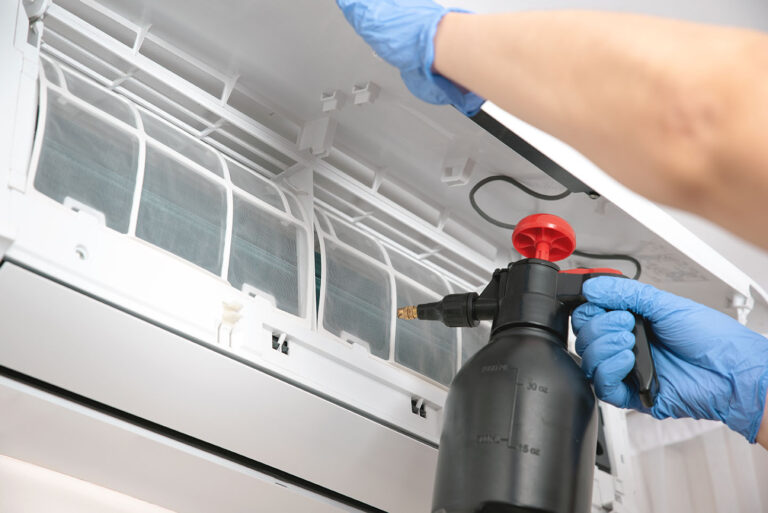
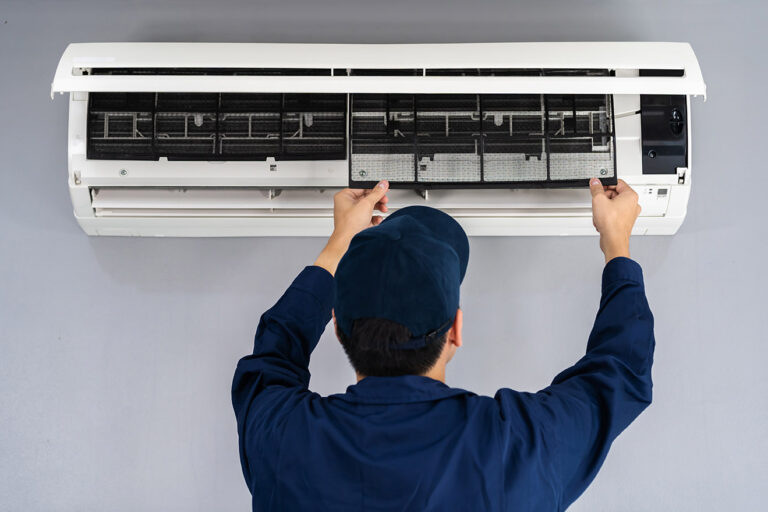
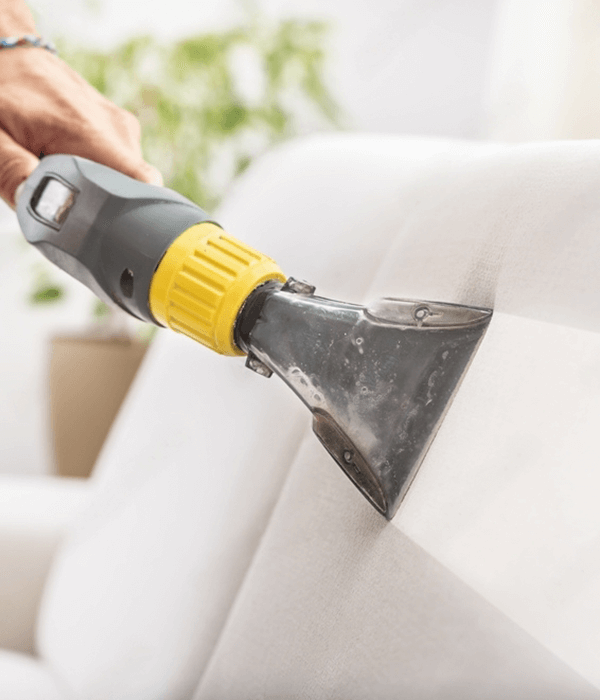
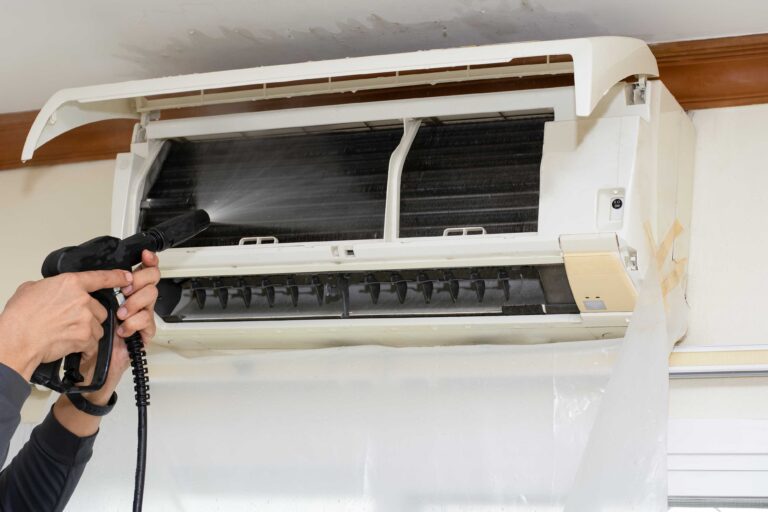
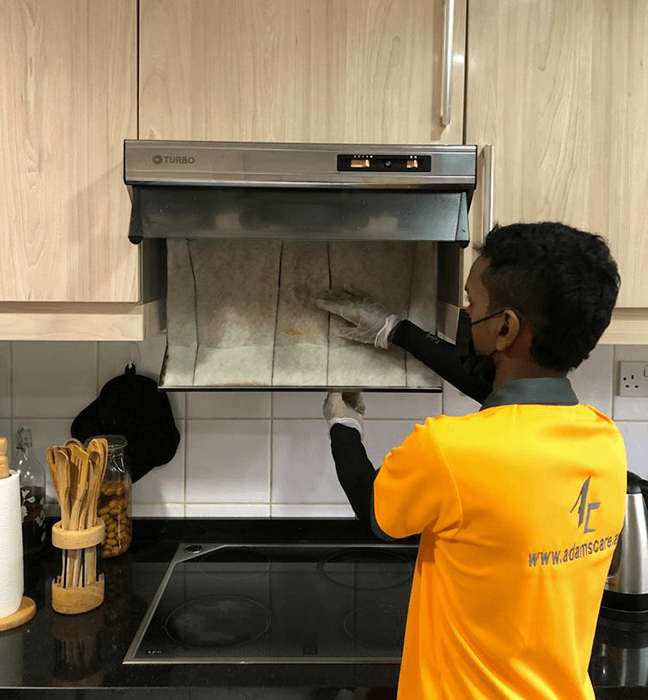
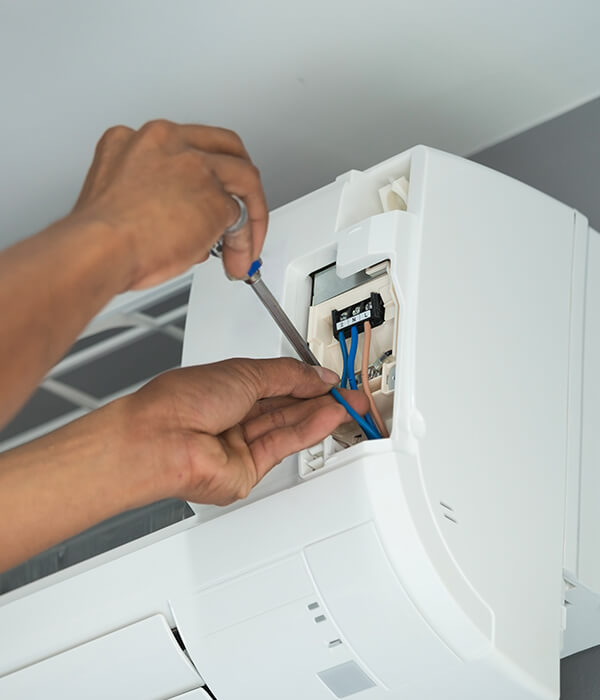
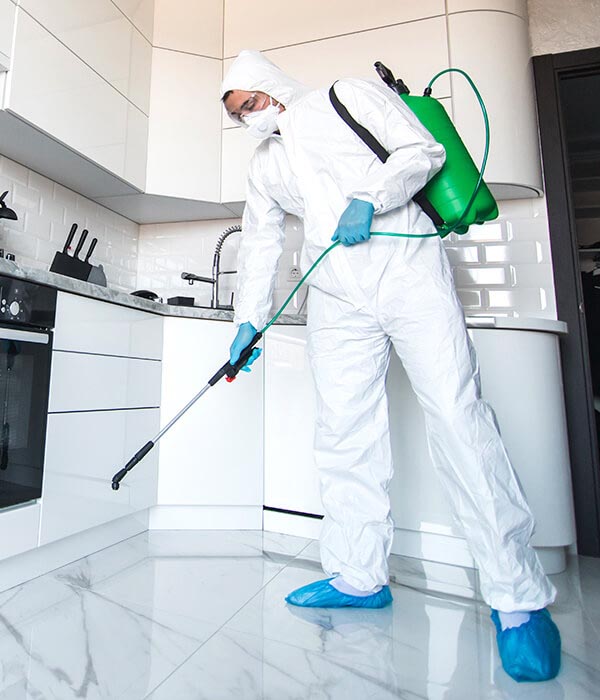
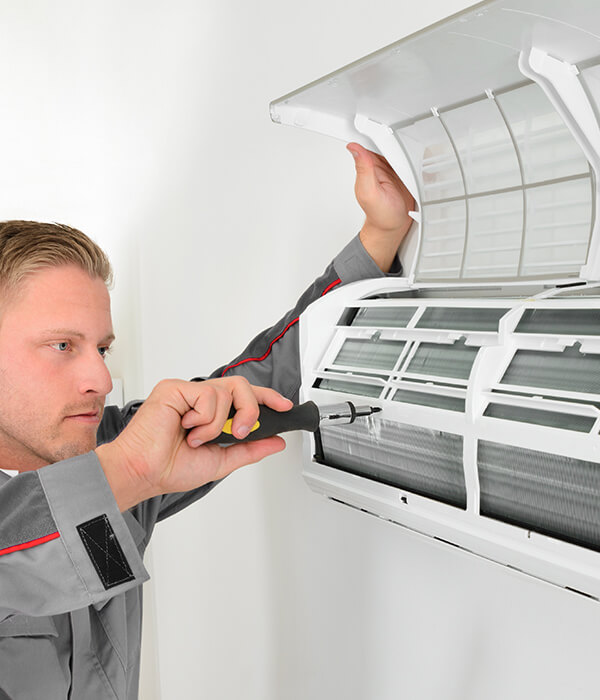
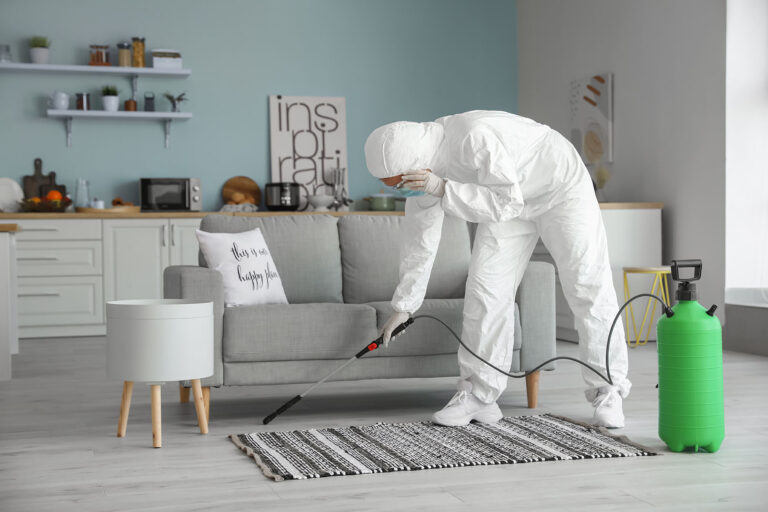
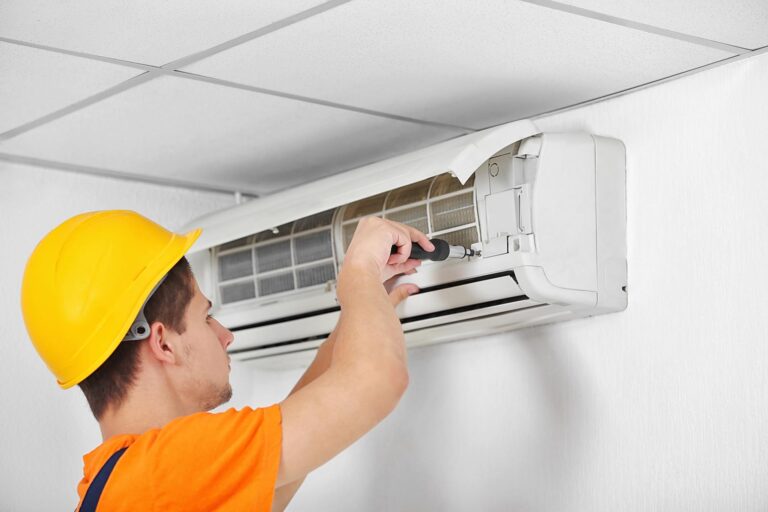
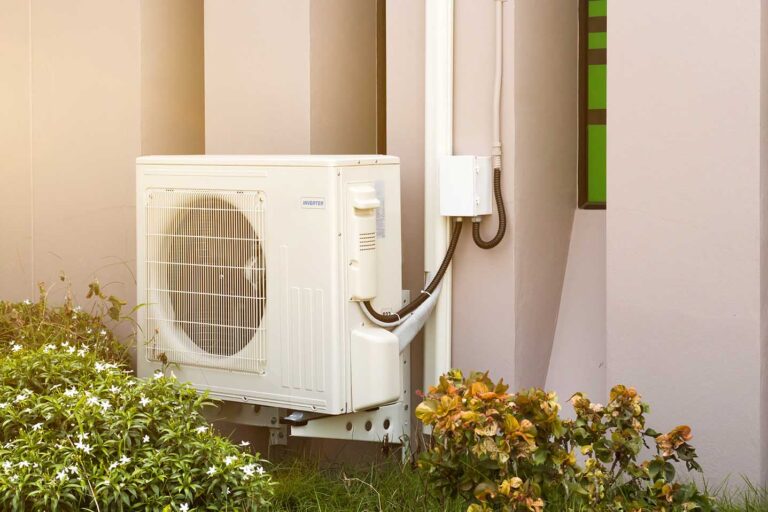
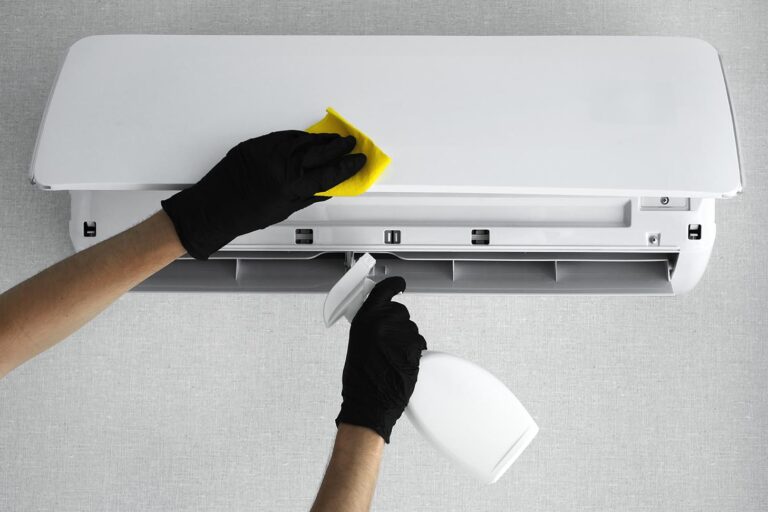
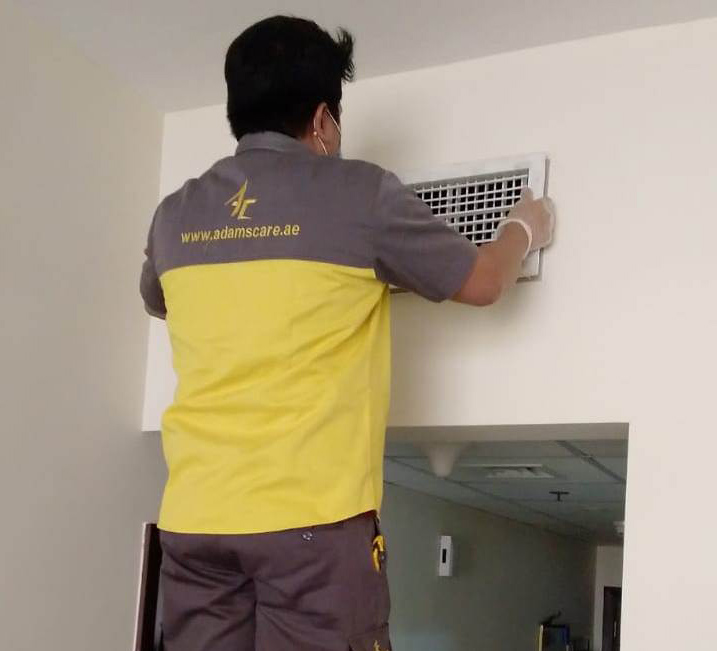
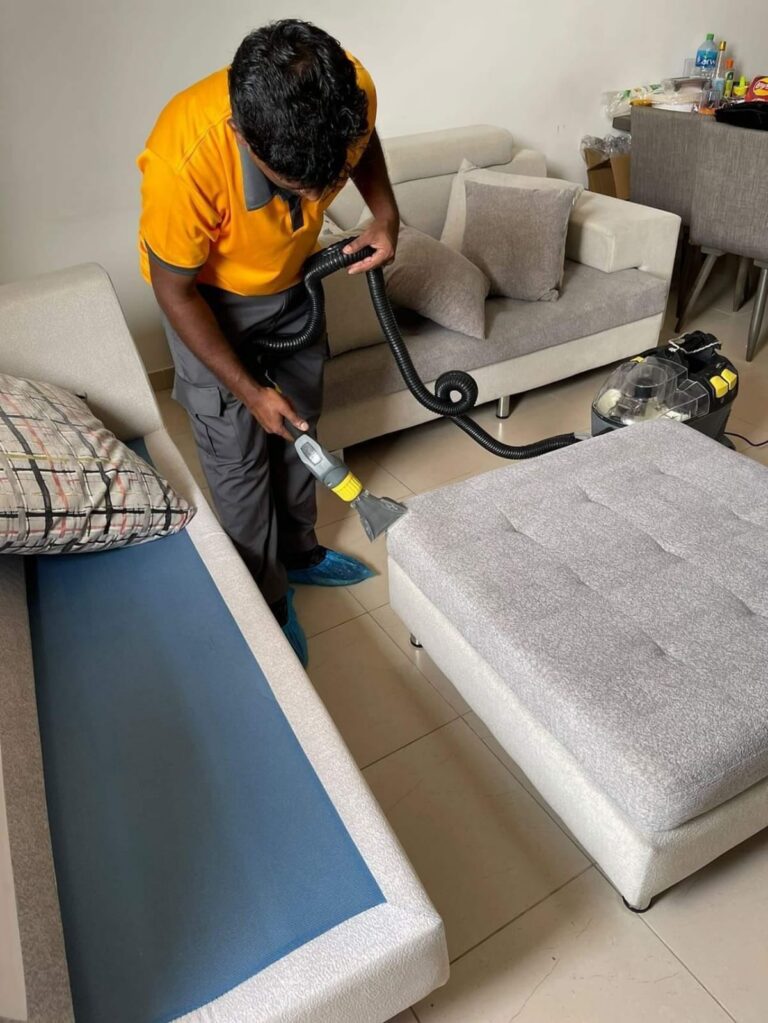
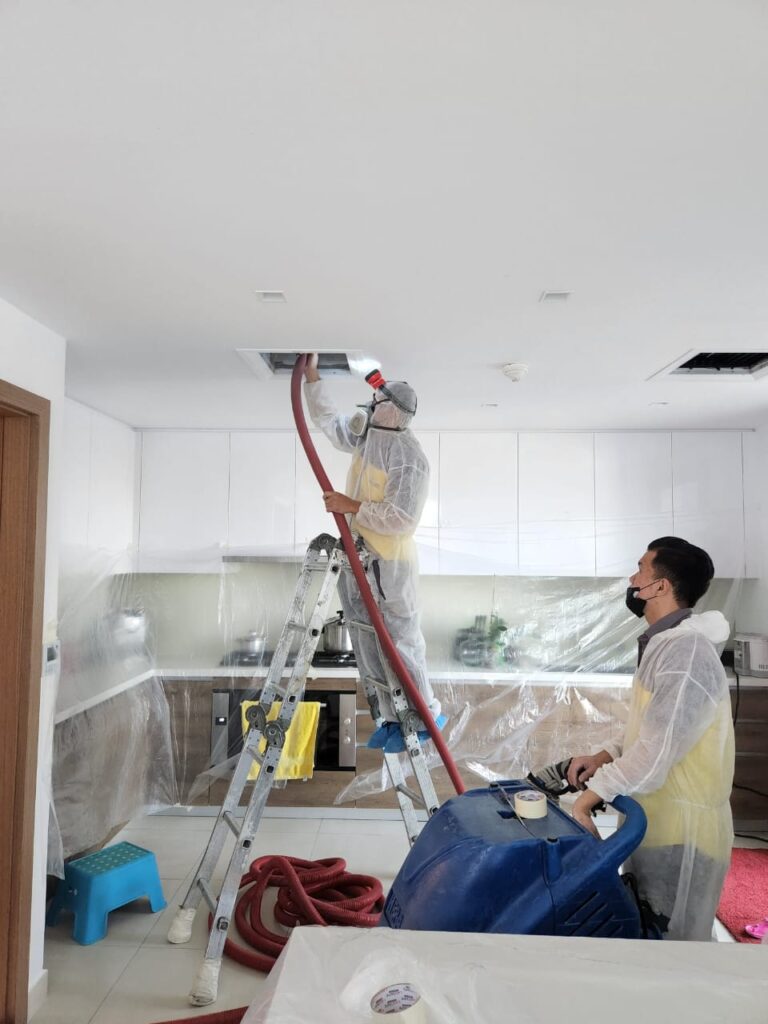
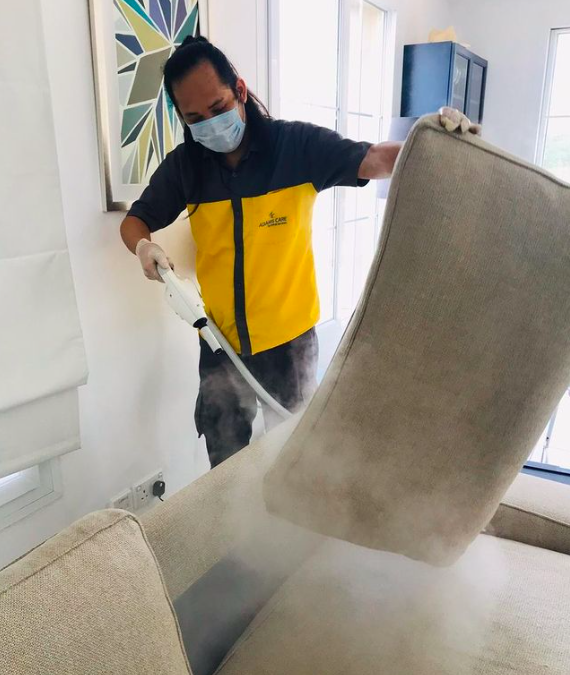
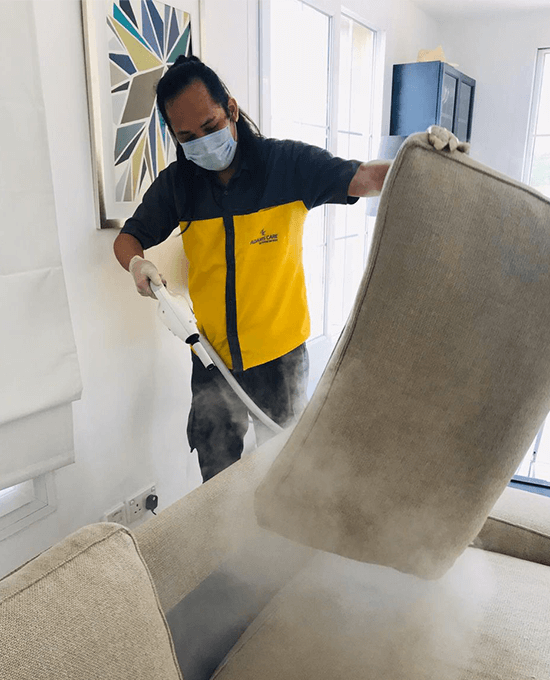
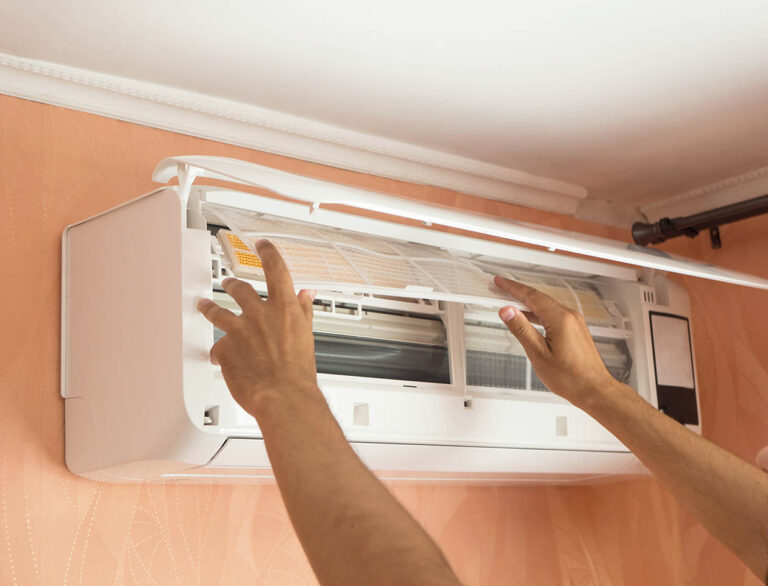
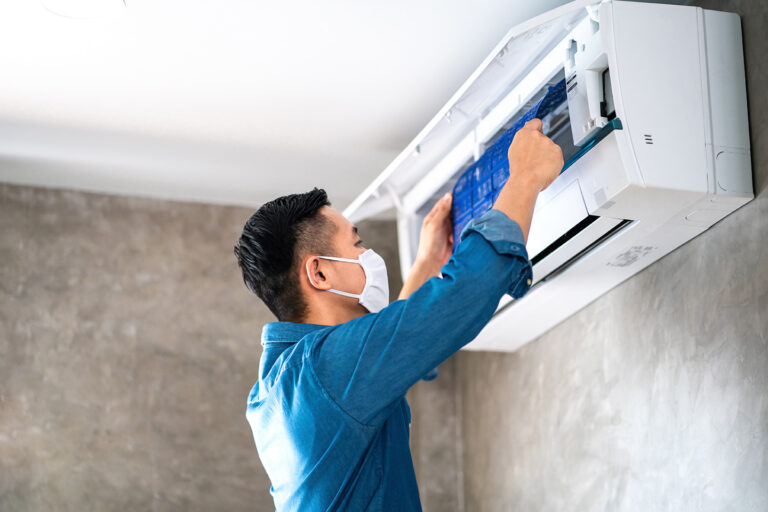
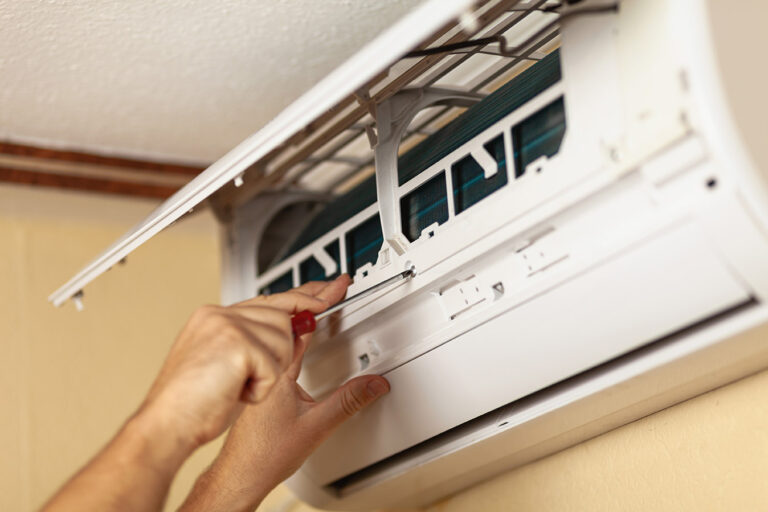
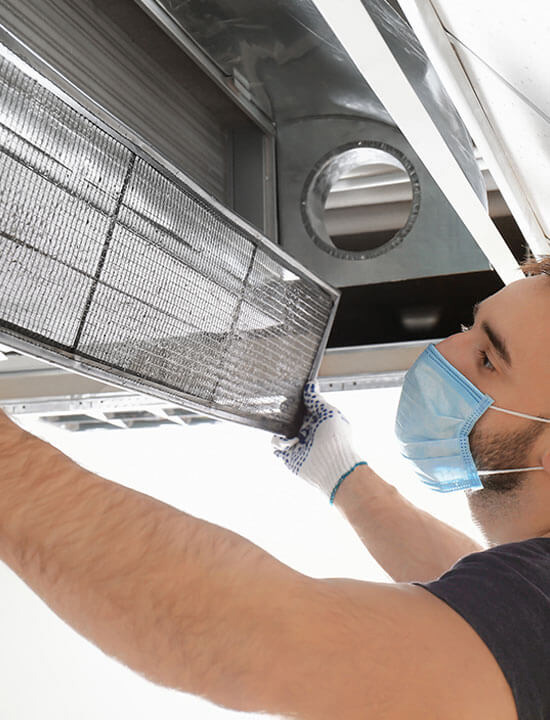
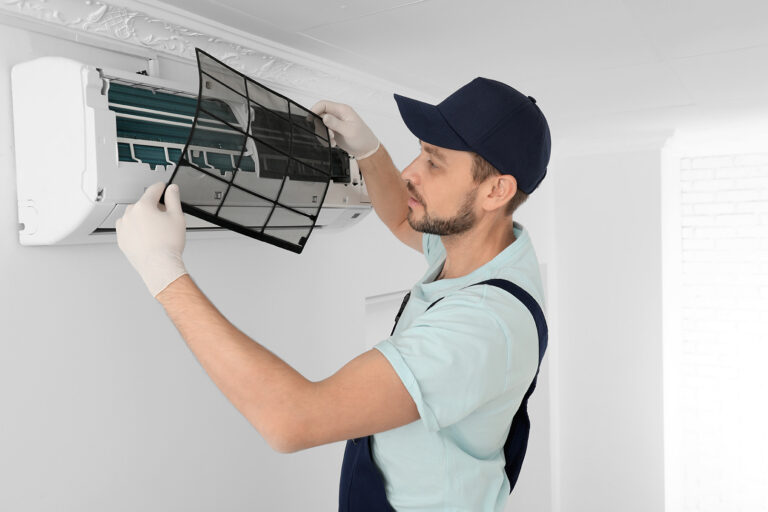
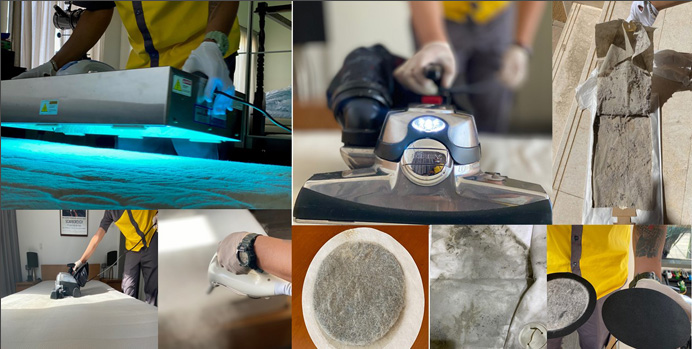
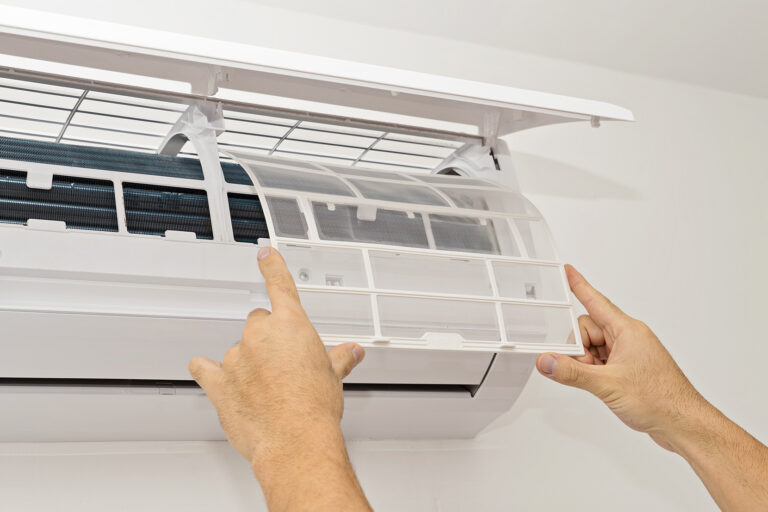
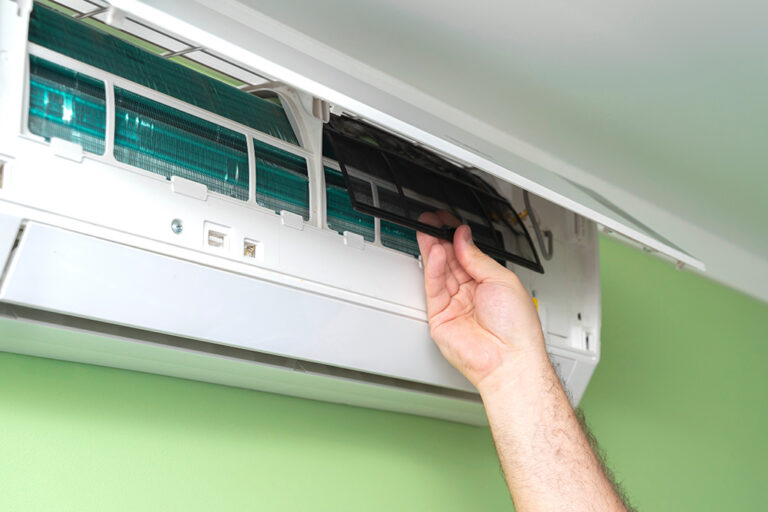
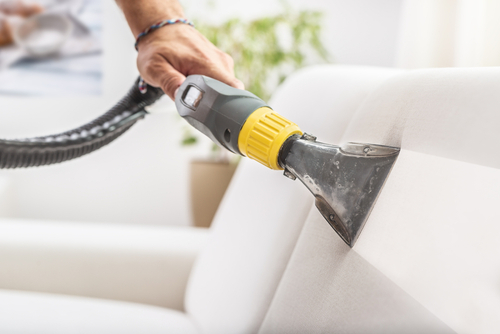
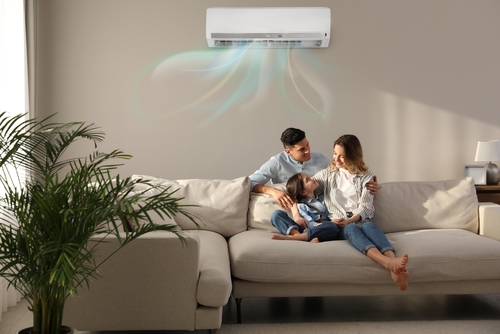
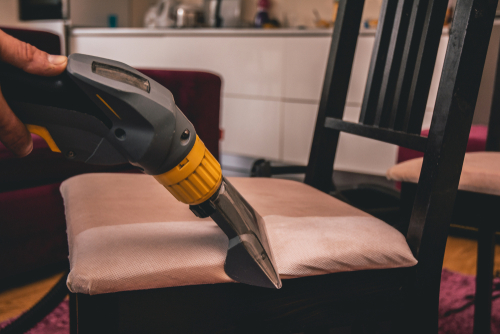
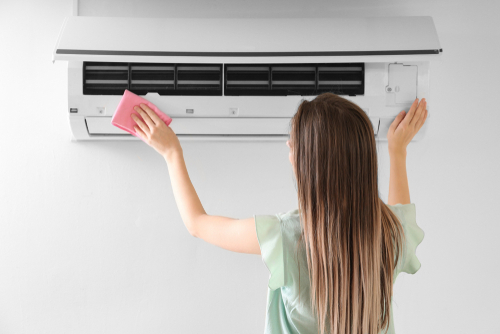
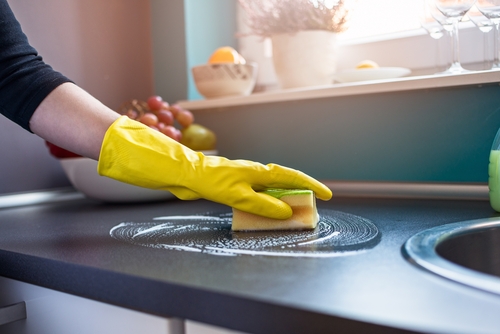
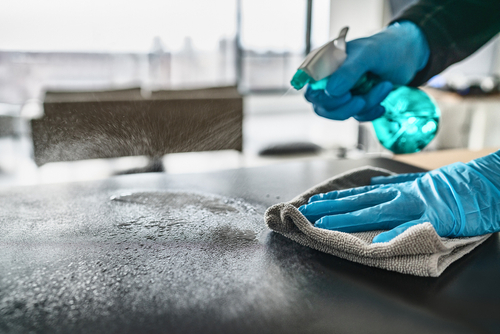
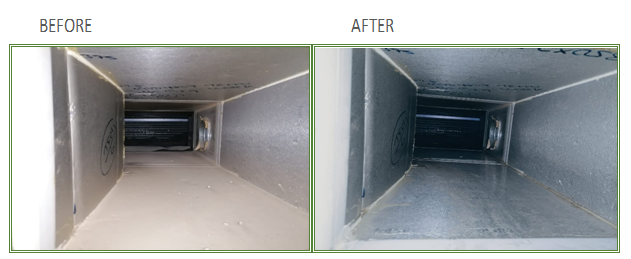
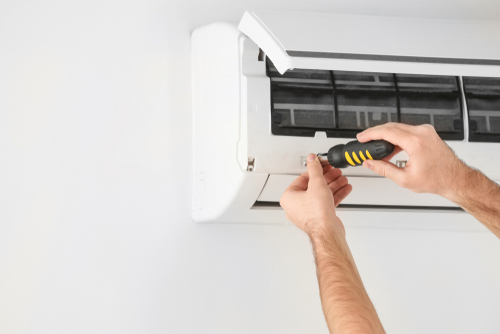
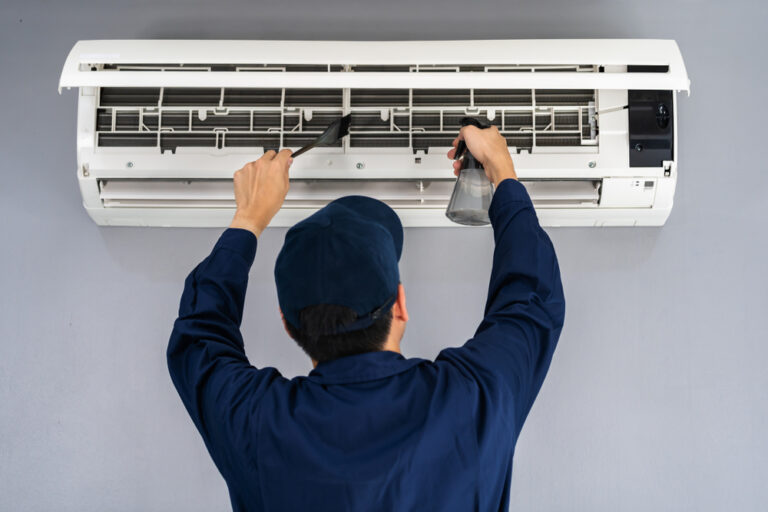
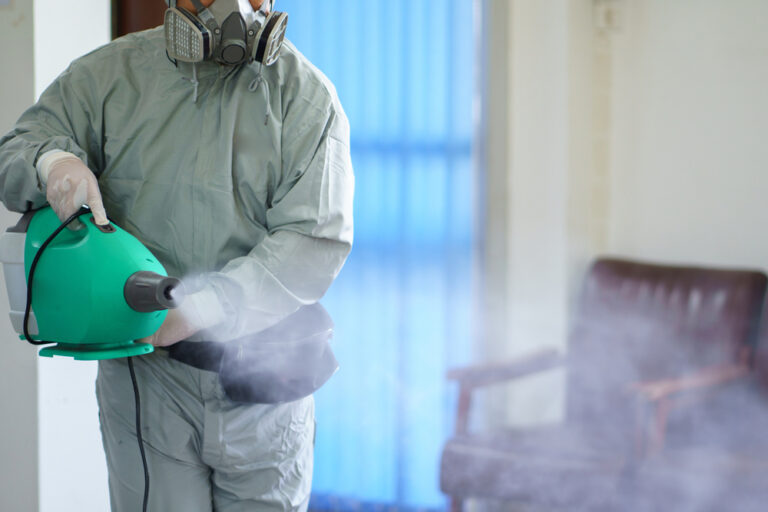
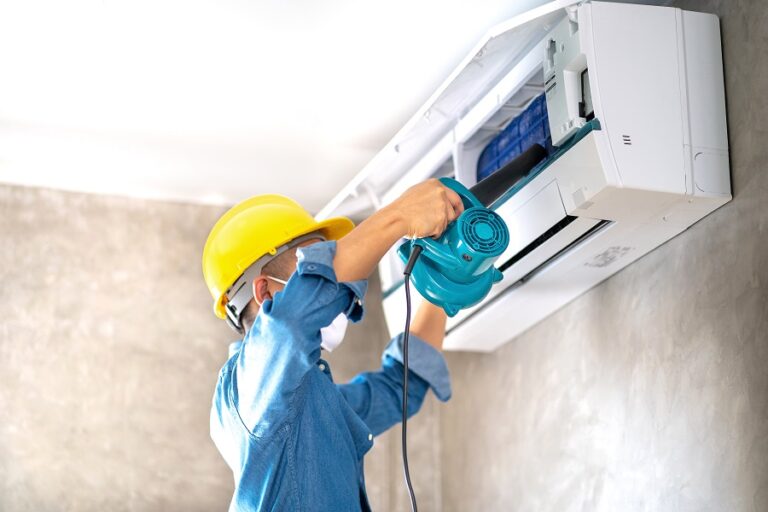
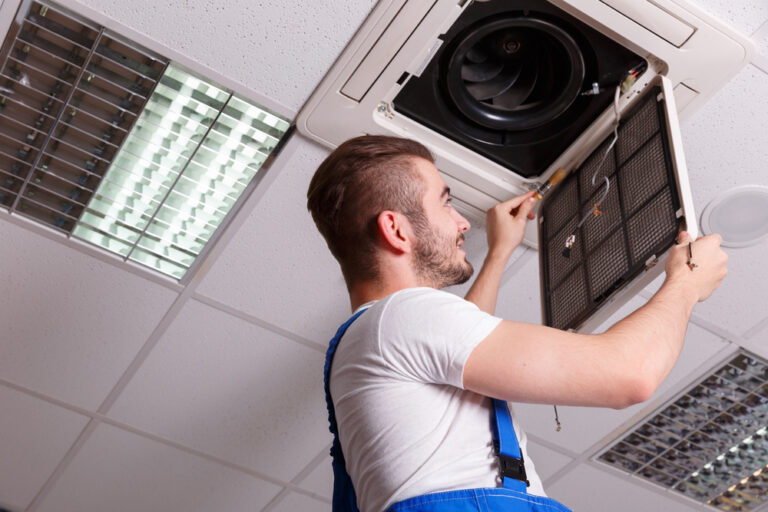
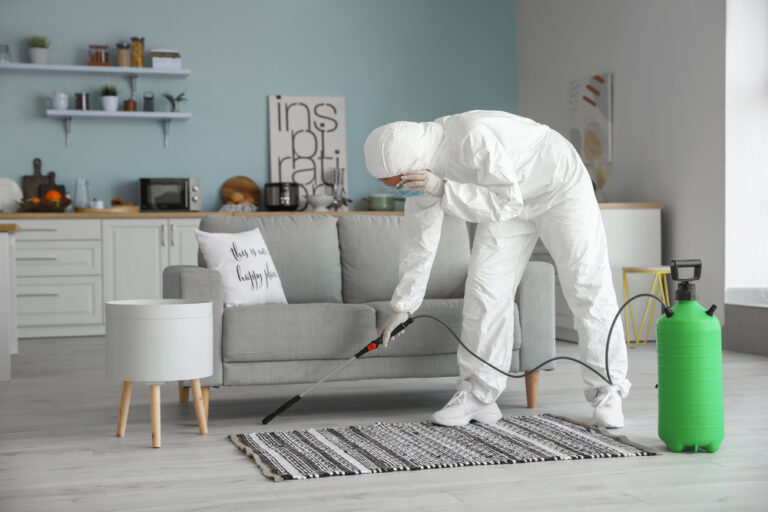
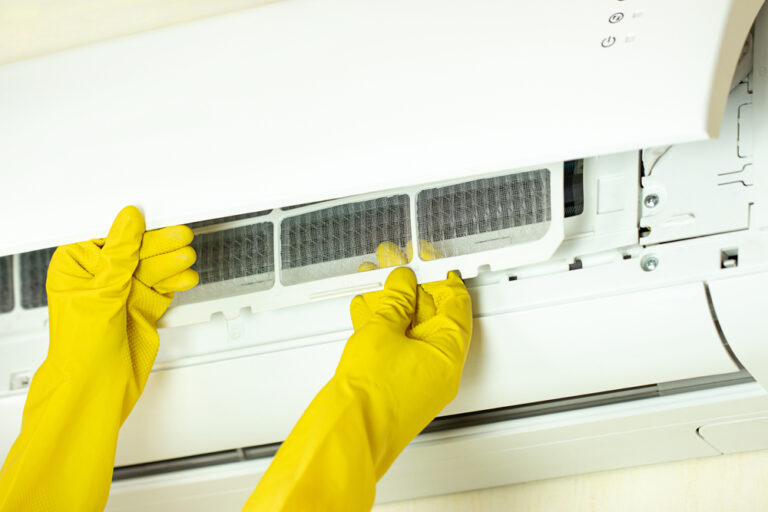
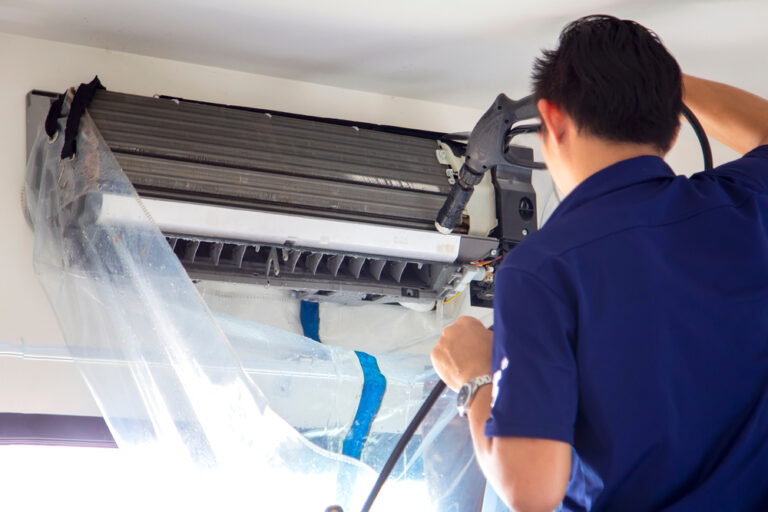
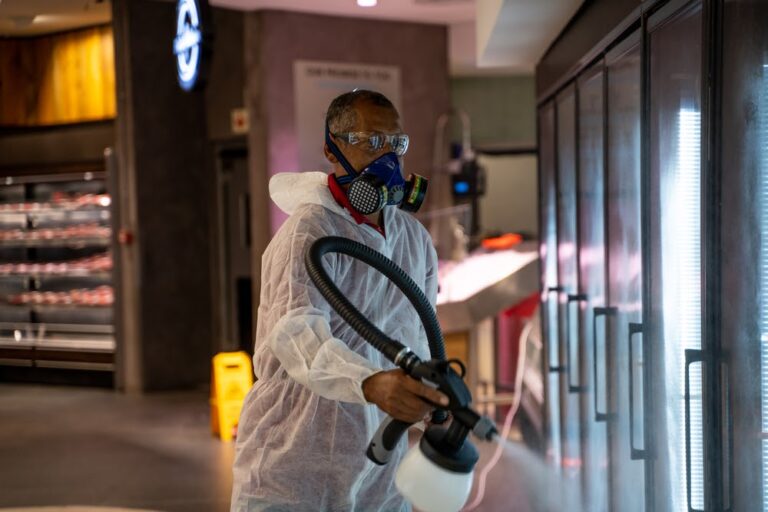
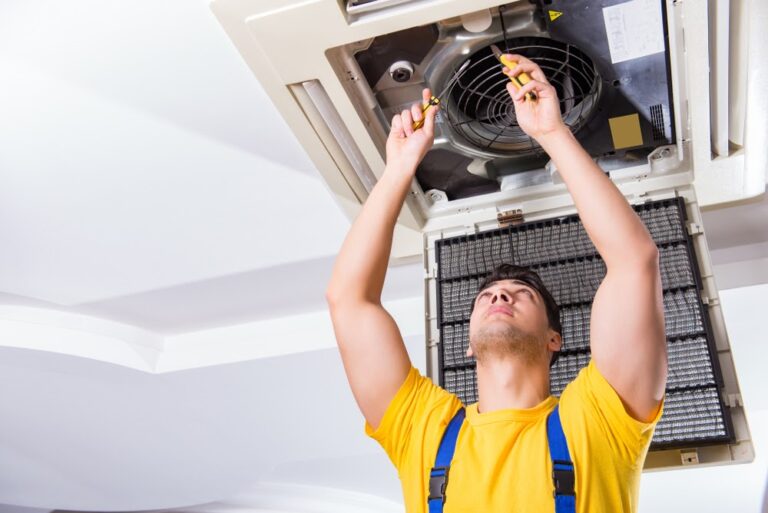
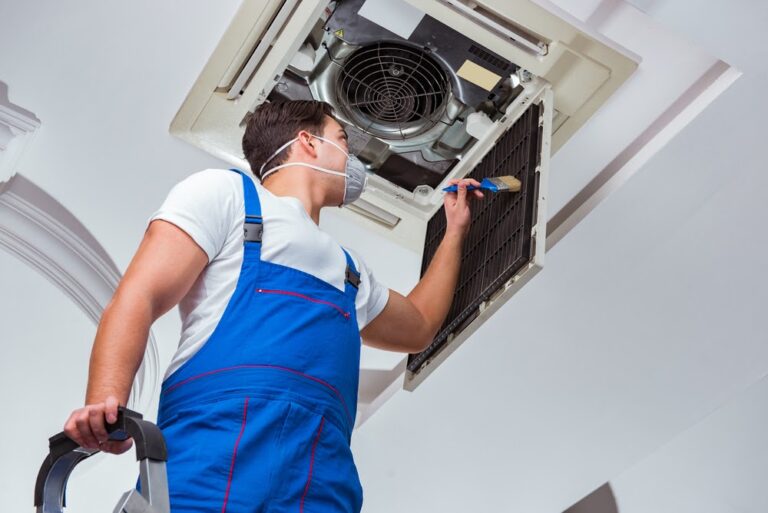
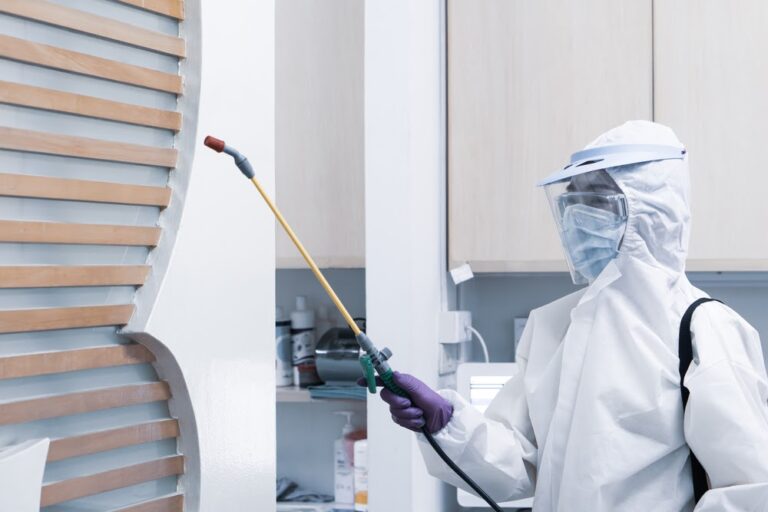
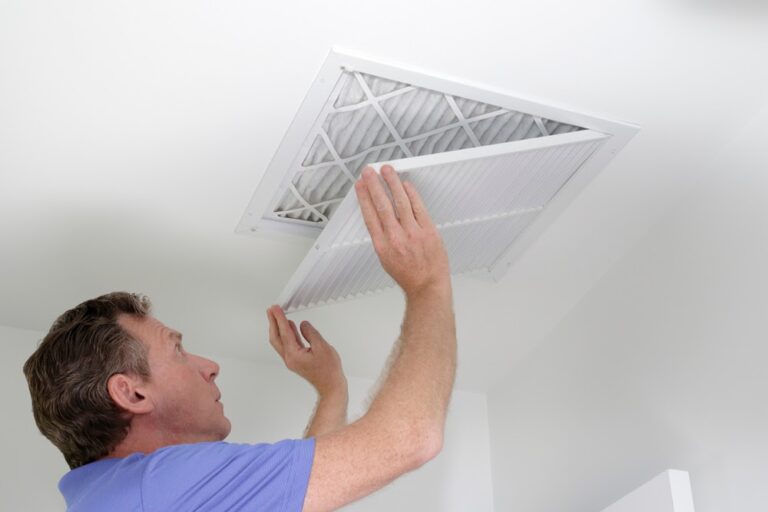
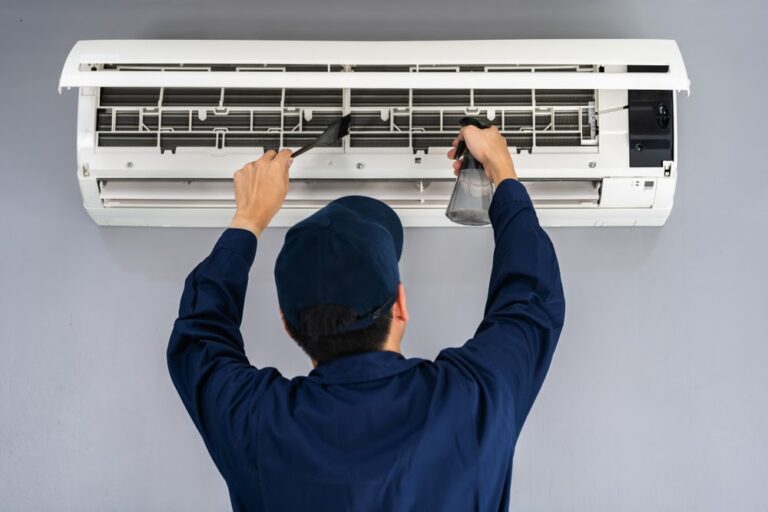
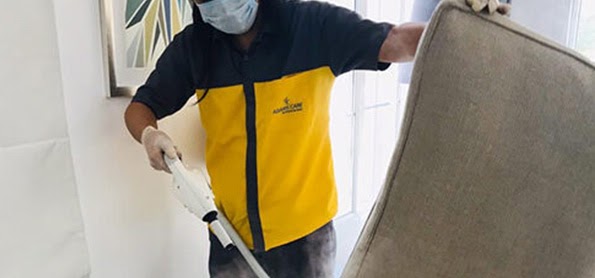
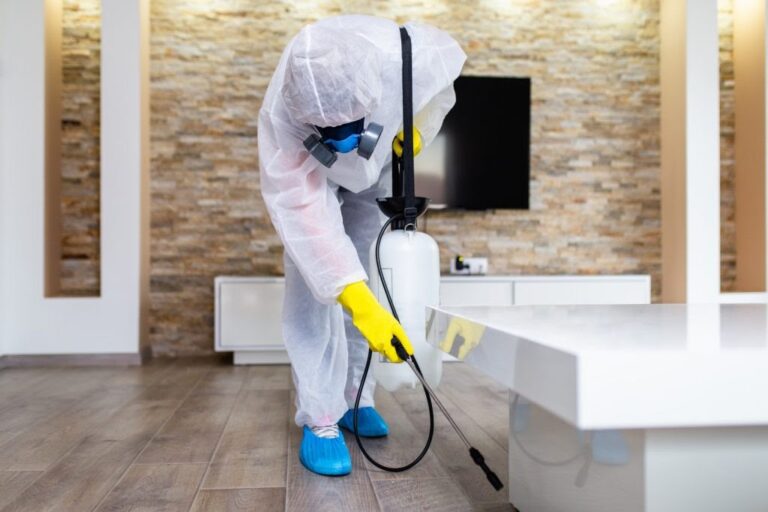
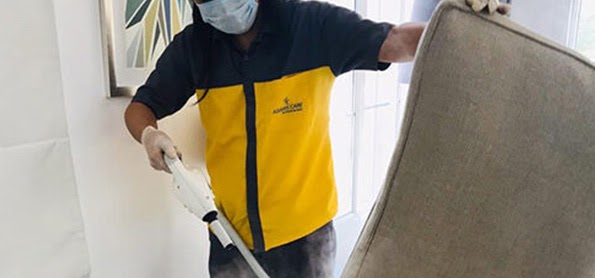
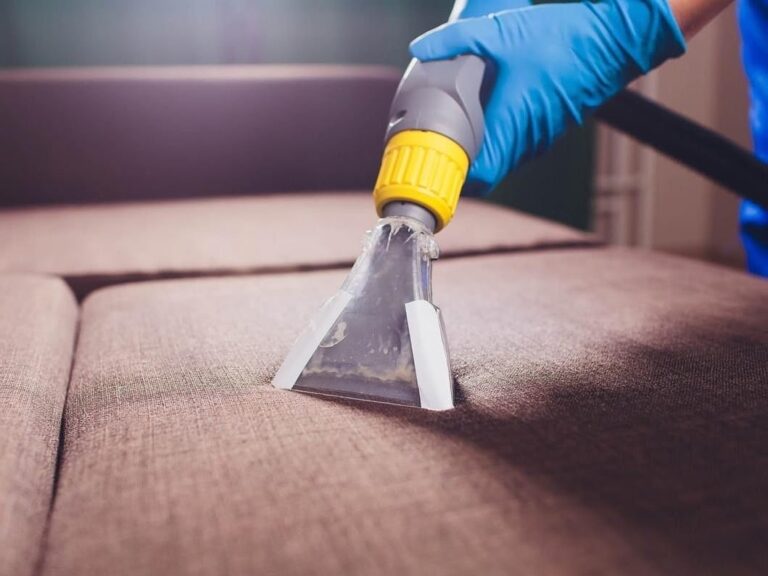
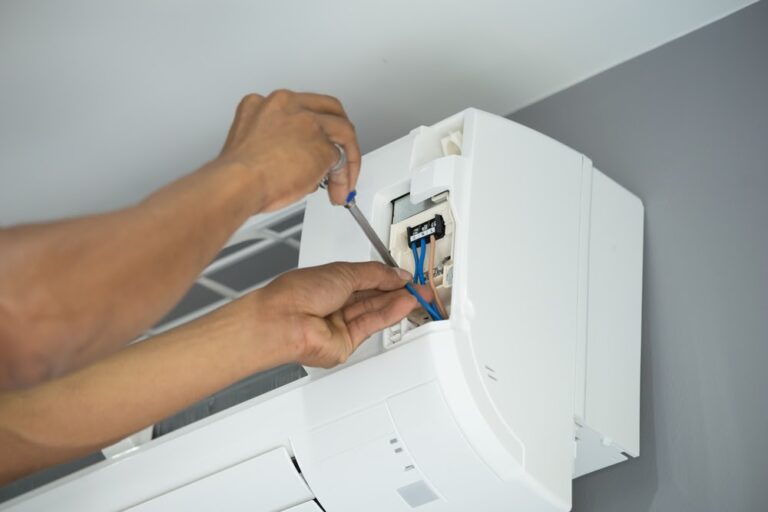
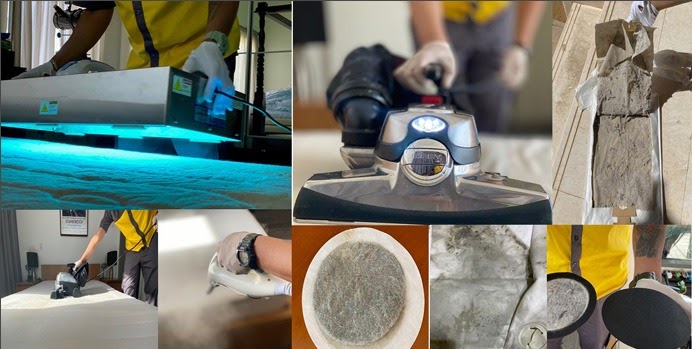
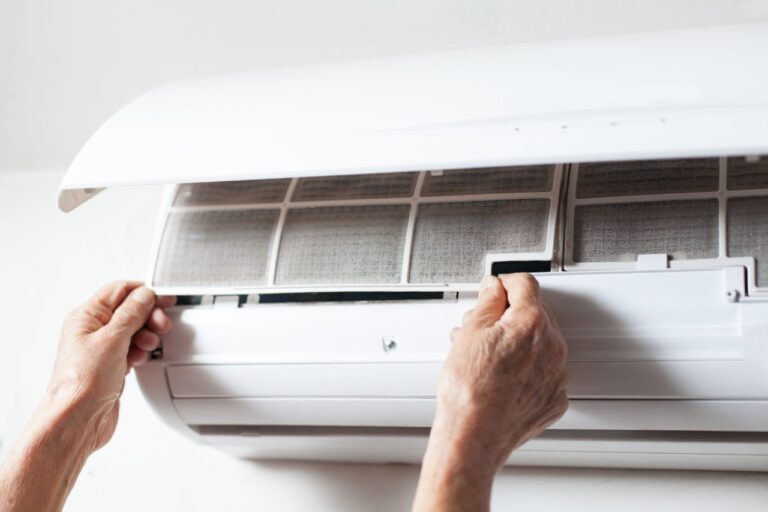
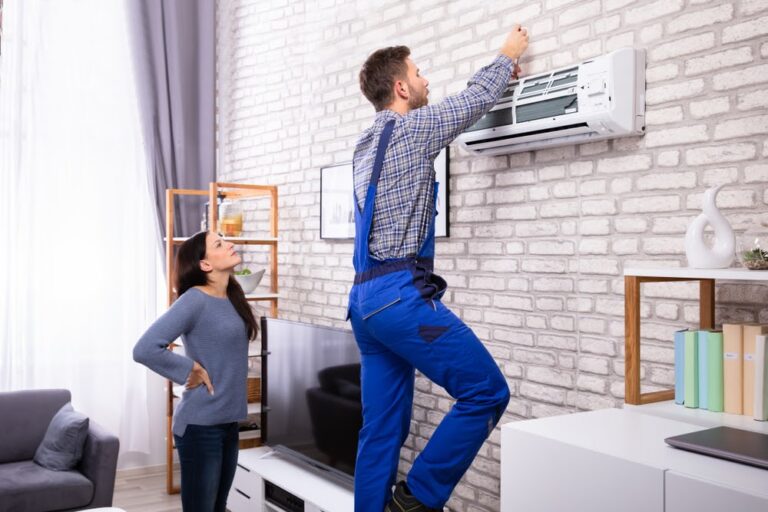
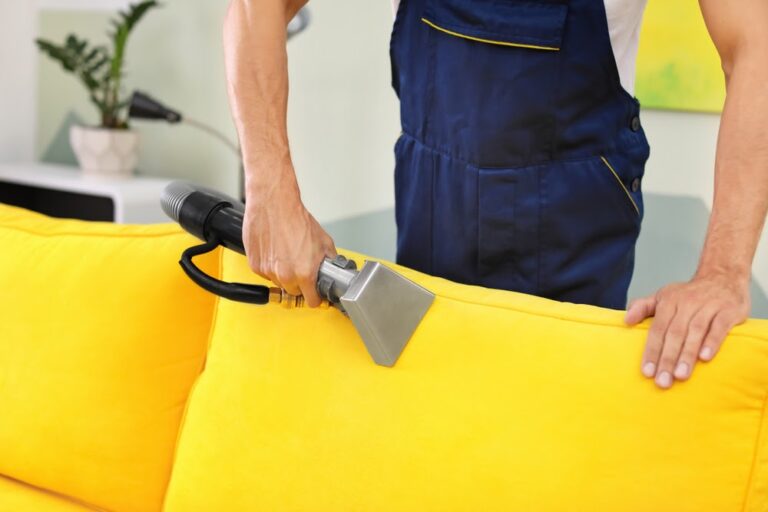
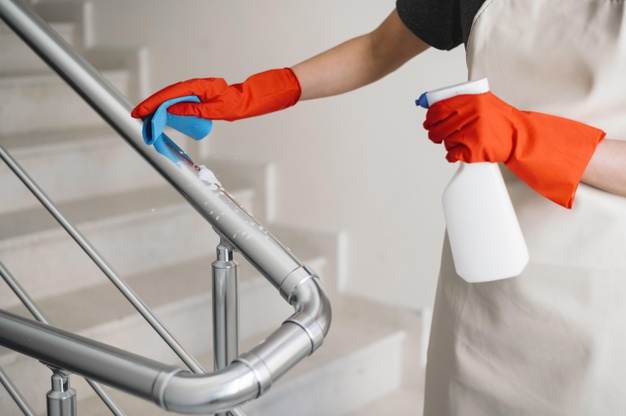
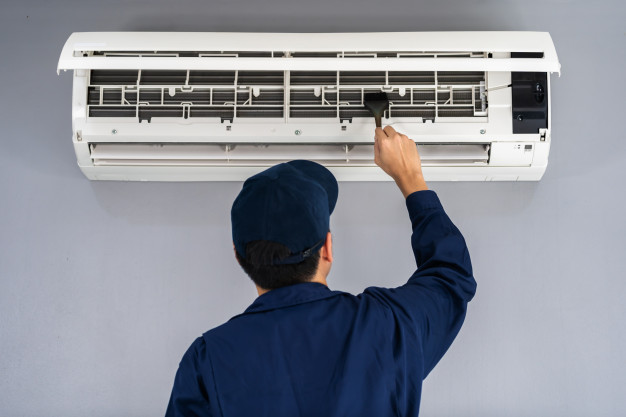
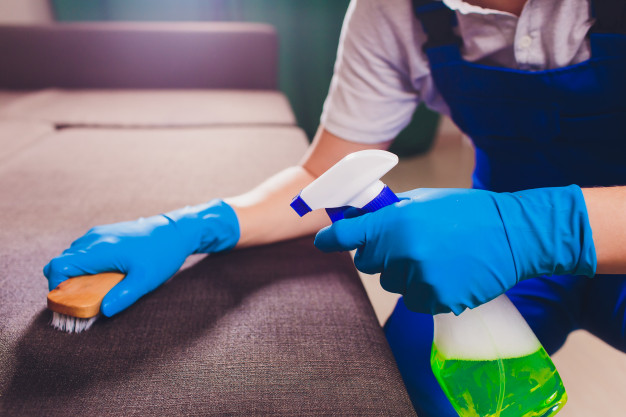
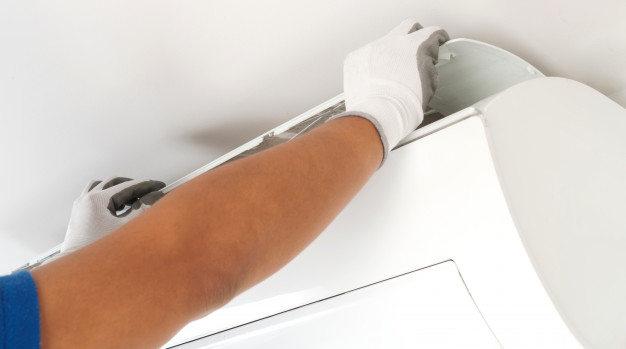
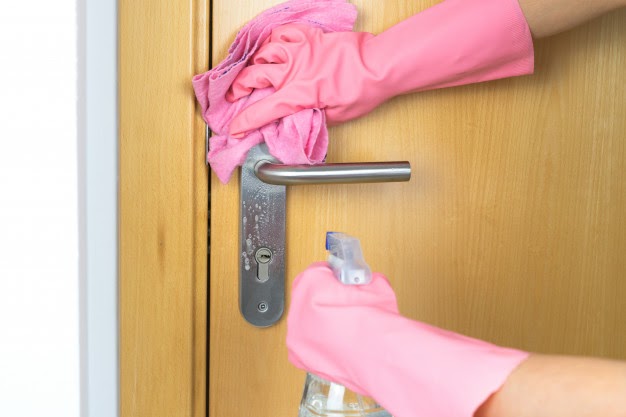
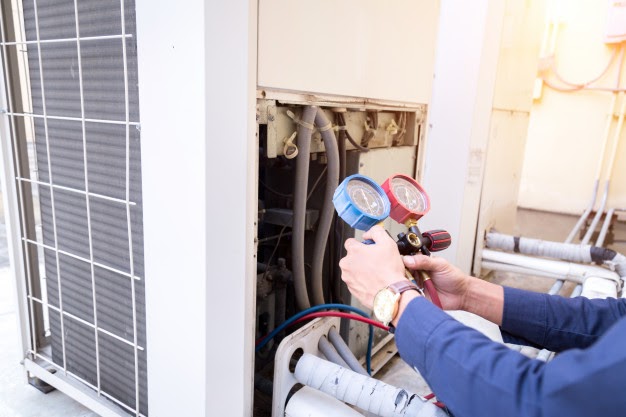
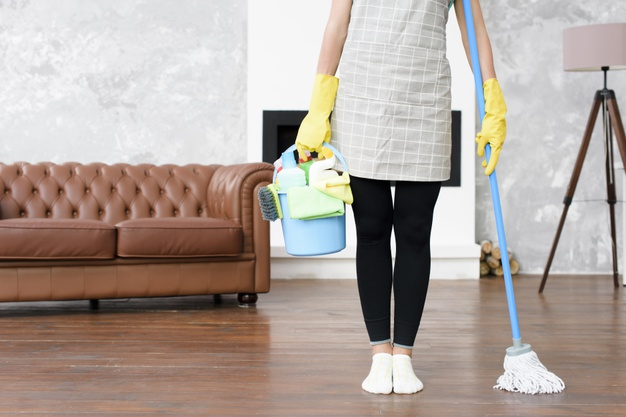
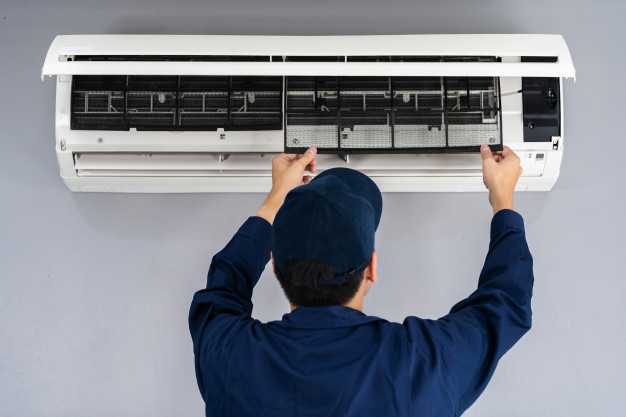
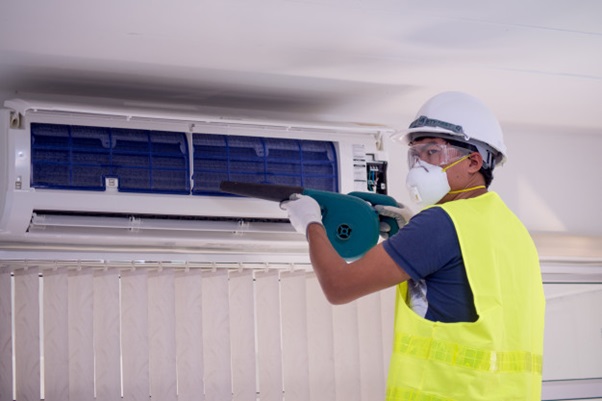
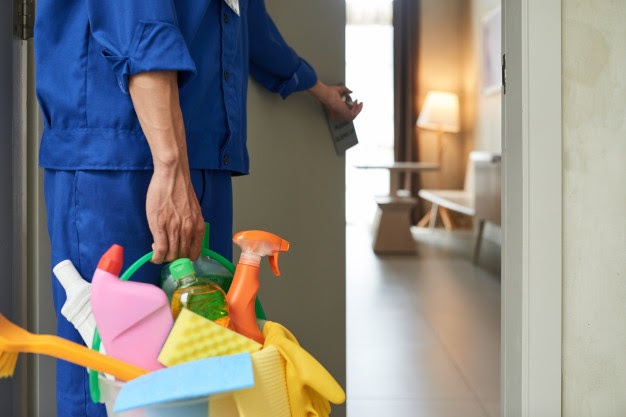
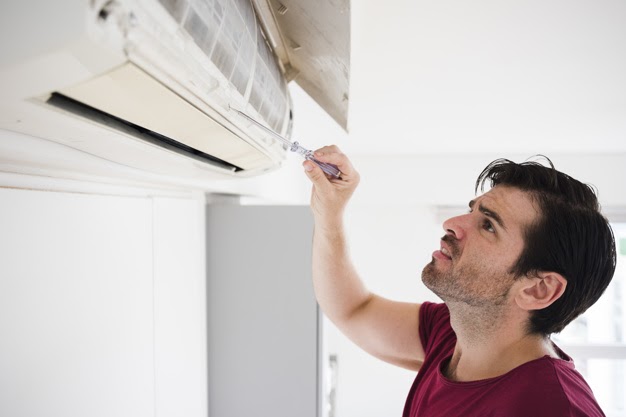
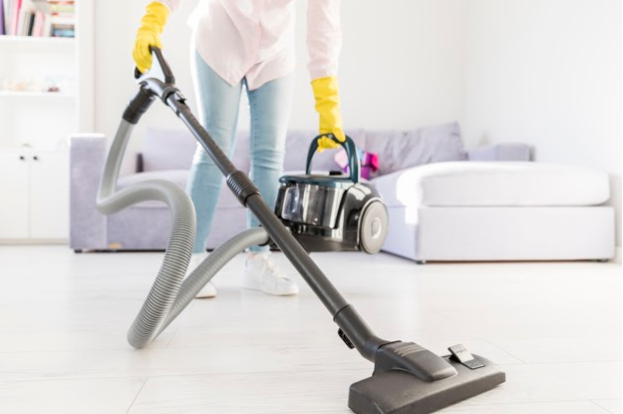
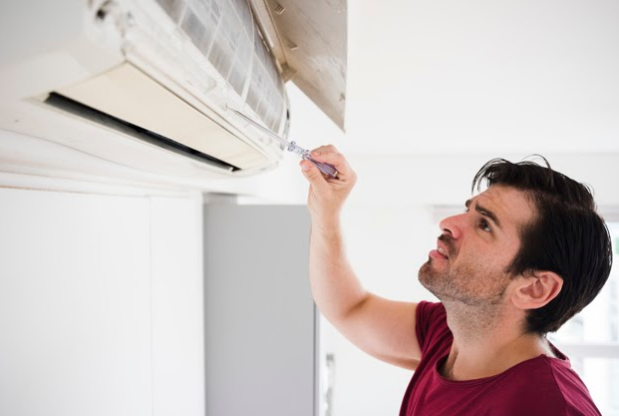
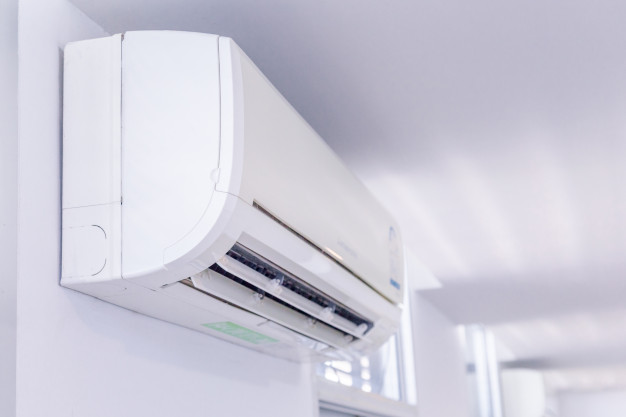
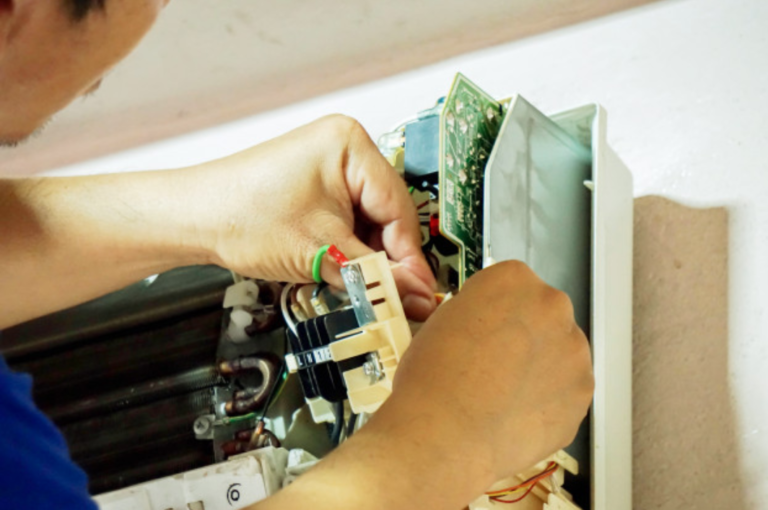
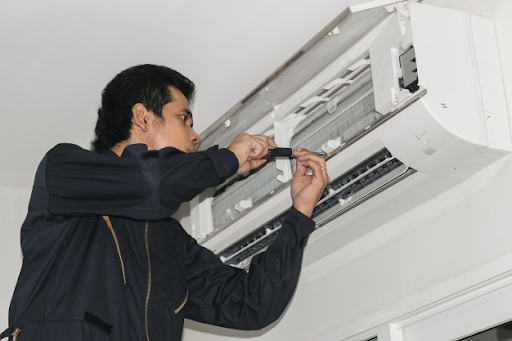
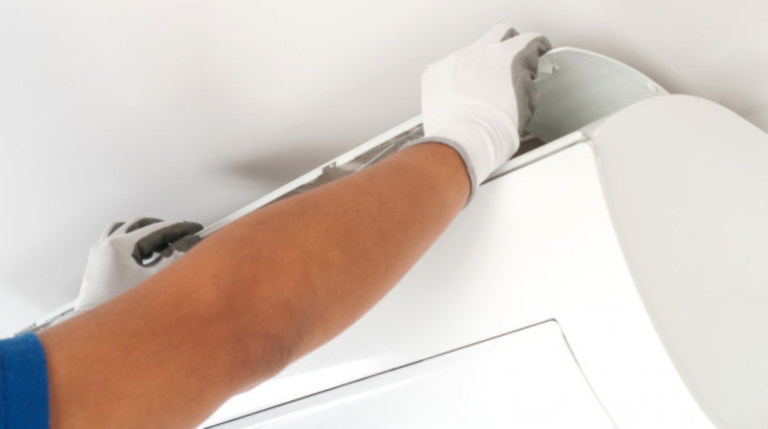
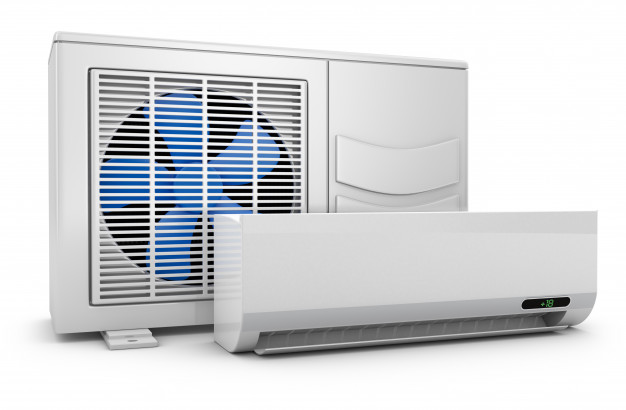
To avoid these adverse health effects, it is vital for you to regularly engage in home sanitization to get rid of dust and all the allergens that come with it. HVAC and duct cleaning is also advisable, especially those manned by experts. For example, you may engage in HVAC cleaning in Dubai through a NADCA certified company, like Adams Care, to ensure that all ventilation systems are regularly maintained, circulating clean air for your family to breathe. In the long run, this will not only minimize the health conditions brought about by dust, but also make your home cleaner and well-maintained.





































































Scan For a Free Quote
Looking for the best AC Duct cleaning service in Dubai?


